




Drain clogs are among the most common plumbing frustrations homeowners face. A slow kitchen sink, standing water in the shower, or a backed-up bathroom drain can quickly interrupt daily routines. In many cases, small clogs form gradually as grease, soap residue, hair, or debris accumulate inside pipes over time.
Before calling for service, some minor blockages can be addressed with basic at-home methods. Understanding how drains clog and knowing which techniques are safe to try can help homeowners respond early before problems become more severe. For households looking for ways to fix a clogged drain in Seattle, starting with simple, practical steps may help improve drainage and reduce buildup.
At the same time, it’s important to recognize when a clog may signal a larger plumbing issue that requires professional attention.
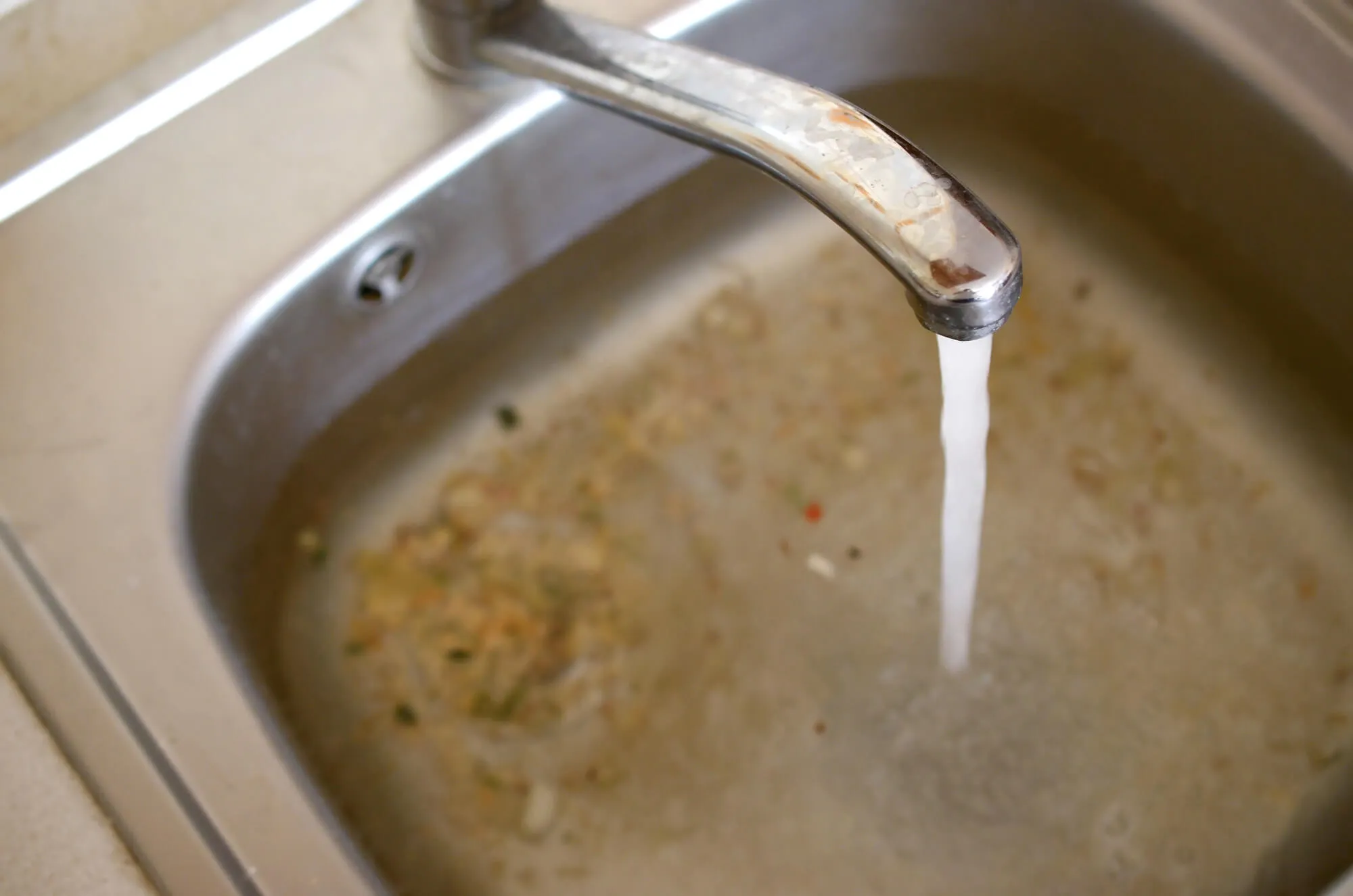
Why Drains Commonly Clog
Most drain clogs do not happen all at once. Instead, debris gradually collects inside pipes until water flow becomes restricted. Small amounts of material may seem harmless at first, but buildup can slowly narrow the pipe and trap additional debris over time.
- Hair buildup
- Grease and cooking oils
- Food debris
- Mineral buildup
- Flushed non-degradable items
Seattle homes may also experience drainage issues related to older plumbing systems, tree root intrusion, or seasonal moisture conditions that affect underground pipes. In some homes, aging pipes develop rough interior surfaces, allowing grease, soap, and debris to accumulate more easily. Minor slowdowns may gradually worsen until drains begin backing up more frequently. Understanding the cause of a blockage often helps determine the safest and most effective way to approach it before larger plumbing problems develop.
Start With Boiling Water
One of the simplest techniques for minor clogs is to carefully flush the drain with hot water. This method works best for grease or soap buildup that has not fully hardened inside the pipe.
To try this method:
- Boil water carefully
- Slowly pour it down the drain in stages
- Pause briefly between pours
Hot water may help loosen soft buildup and improve flow. However, boiling water should be avoided for certain pipe materials, particularly older PVC piping, which may be sensitive to extreme heat.
This method is typically most effective for slow drains rather than complete blockages.
Use a Plunger Correctly
Plungers are often associated with toilets, but they can also help clear sink and shower clogs.
A sink plunger works by creating pressure that helps loosen blockages inside the pipe. For best results:
- Cover overflow openings if present
- Add enough water to cover the plunger cup
- Use steady, controlled plunges
The goal is to create pressure movement rather than forceful impact. In many cases, several attempts may be needed before water begins draining more freely.
Plungers are often effective for shallow clogs located near the drain opening.
Try a Drain Snake or Auger
Hair and debris clogs often collect deeper inside bathroom drains. A small hand auger or drain snake can sometimes help physically remove these blockages.
These tools work by extending into the drain and pulling out trapped debris.
Common materials removed include:
- Hair clumps
- Soap residue
- Small obstructions
When using a drain snake, gentle movement is important. Forcing the tool aggressively may damage pipes or compact the clog further.
For minor bathroom drain issues, this method can often improve drainage without the need for chemical cleaners.
Remove and Clean the Drain Stopper
Bathroom sink stoppers frequently collect hair, soap residue, and debris underneath the visible drain opening. Even when pipes are mostly clear, buildup around the stopper can significantly slow drainage.
Cleaning the stopper may involve:
- Removing visible debris manually
- Rinsing residue with warm water
- Reinstalling the stopper securely
This simple step is often overlooked but can make a noticeable difference in bathroom sink performance.
Avoid Overusing Chemical Drain Cleaners
Chemical drain cleaners are widely available, but repeated use can create problems over time. While these products may temporarily dissolve certain clogs, they can also expose pipes to harsh chemicals.
Potential concerns include:
- Pipe corrosion
- Damage to older plumbing materials
- Incomplete clog removal
- Recurring buildup
Chemical cleaners may also struggle against solid blockages such as roots or compacted debris. For persistent drainage issues, relying solely on chemicals may delay proper inspection and repair.
Baking Soda and Vinegar for Mild Buildup
Some homeowners use baking soda and vinegar as a gentler method for minor drain buildup.
A common process involves:
- Adding vinegar slowly
- Allowing the mixture to sit briefly
- Flushing with warm water
This reaction may help loosen light residue and reduce odors. While it is unlikely to clear severe blockages, it can sometimes support maintenance between deeper cleanings.
Watch for Signs of a Larger Problem
Some clogs indicate more than simple debris buildup. If multiple drains slow down simultaneously, the issue may involve deeper plumbing or sewer line problems.
Signs that may point to larger concerns include:
- Recurring backups
- Gurgling sounds in drains
- Water backing up into other fixtures
- Multiple clogged drains at once
- Sewage odors indoors or outdoors
These situations often require a professional inspection to safely identify the source of the problem.
Kitchen Drains Need Special Attention
Kitchen drains often collect grease, oils, and food debris over time. Even homes with garbage disposals can experience a gradual buildup inside pipes.
To reduce clog risk:
- Avoid pouring grease into the sink
- Use drain strainers
- Dispose of coffee grounds in the trash
- Run water while using the disposal
Small daily habits can significantly reduce long-term buildup inside kitchen plumbing.
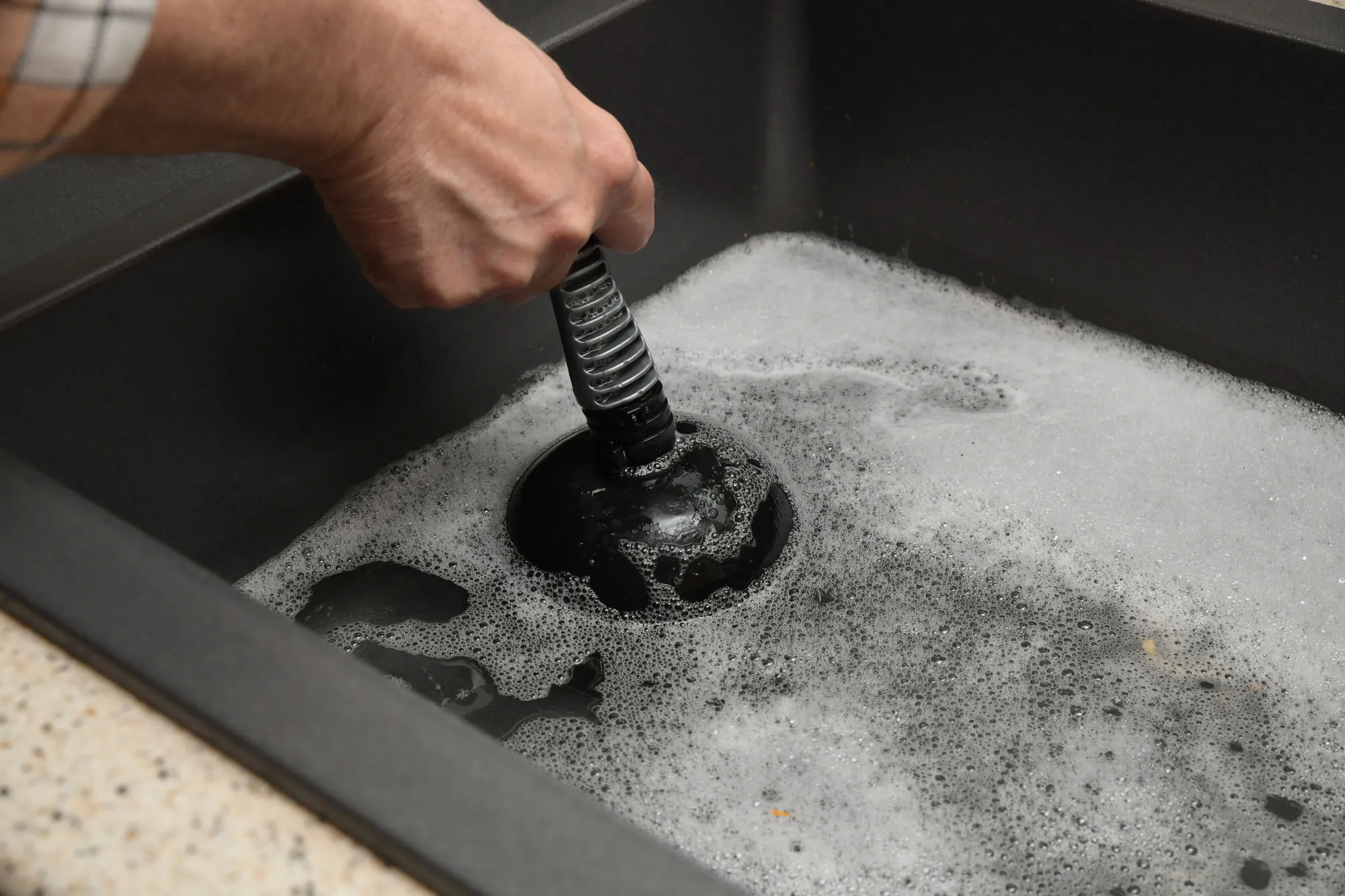
Bathroom Drains Accumulate Debris Quickly
Bathrooms are another common location for clogs because drains regularly collect:
- Hair
- Soap residue
- Toothpaste buildup
- Grooming products
Installing hair catchers in showers and sinks can help reduce the amount of debris that enters the plumbing system. Routine cleaning also helps prevent buildup from hardening deeper inside the pipes.
Preventative Maintenance Helps
One of the most effective ways to reduce drain problems is through preventative care. Small maintenance steps often help prevent larger plumbing issues later.
Helpful habits include:
- Cleaning drain covers regularly
- Flushing drains periodically
- Avoiding grease disposal in sinks
- Monitoring slow drainage early
Addressing small slowdowns early may help prevent complete blockages from developing.
Older Seattle Homes May Face Additional Challenges
Many Seattle homes were built decades ago and may still contain aging plumbing systems. Older pipes can develop rough interior surfaces that trap debris more easily.
Other challenges may include:
- Corroded pipes
- Root intrusion
- Settling sewer lines
- Older drain configurations
In these cases, recurring clogs may not be fully resolved through DIY methods alone. A professional evaluation can help determine whether the issue involves the plumbing system itself rather than surface-level debris.
Knowing When to Call a Professional
DIY methods can help with some minor clogs, but persistent or recurring issues often require deeper inspection.
Professional plumbing service may be helpful when:
- Drains repeatedly clog
- Water backs up frequently
- Multiple fixtures are affected
- DIY efforts do not improve drainage
- Sewer odors are present
Modern inspection tools allow technicians to evaluate drain conditions more accurately and identify underlying issues that may not be visible from inside the home.
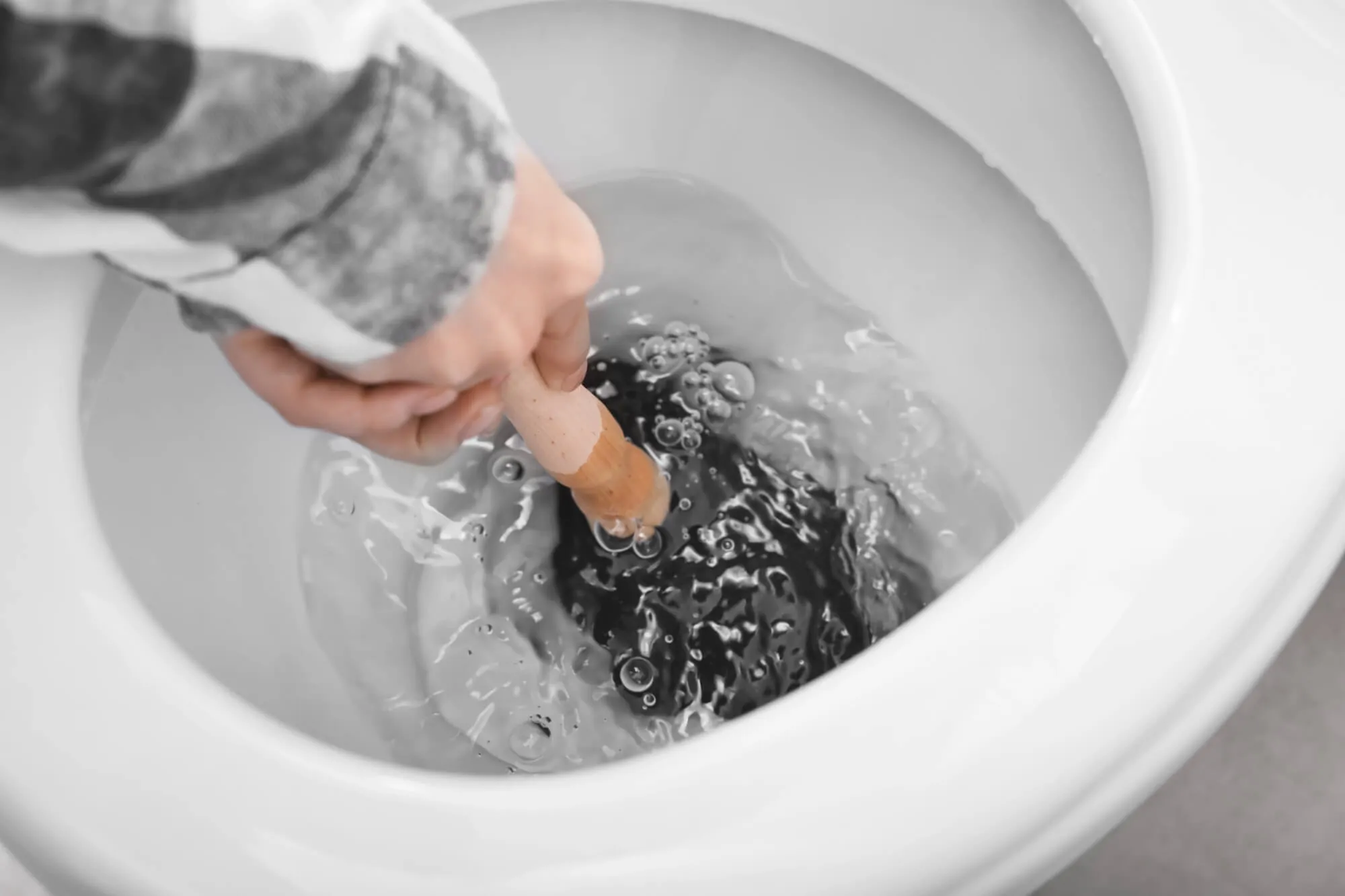
Need Help to Fix a Clogged Drain in Seattle?
While simple maintenance and DIY methods can help address minor drain issues, some plumbing problems require a more thorough evaluation. Recurring backups, multiple slow drains, or deeper sewer concerns may indicate issues beyond everyday buildup.
If you need help to fix a clogged drain in Seattle, the team at Greenwood Heating & Home Services can inspect your plumbing system and recommend the right next steps based on the condition of your drains and pipes. Whether the issue involves kitchen drains, bathroom plumbing, or underground sewer lines, professional inspection can help identify the cause and restore proper drainage throughout your home. Contact us today!







No comment yet, add your voice below!