




Heating and cooling costs can take up a noticeable portion of a household budget, so it makes sense to ask how much a heat pump will cost to operate before installing one. There is no single monthly figure that applies to every home because energy use changes with the weather, equipment efficiency, home size, insulation, and thermostat settings. If you’re considering a heat pump in Seattle, understanding these variables can give you a much clearer idea of what may influence your heating and cooling expenses throughout the year. 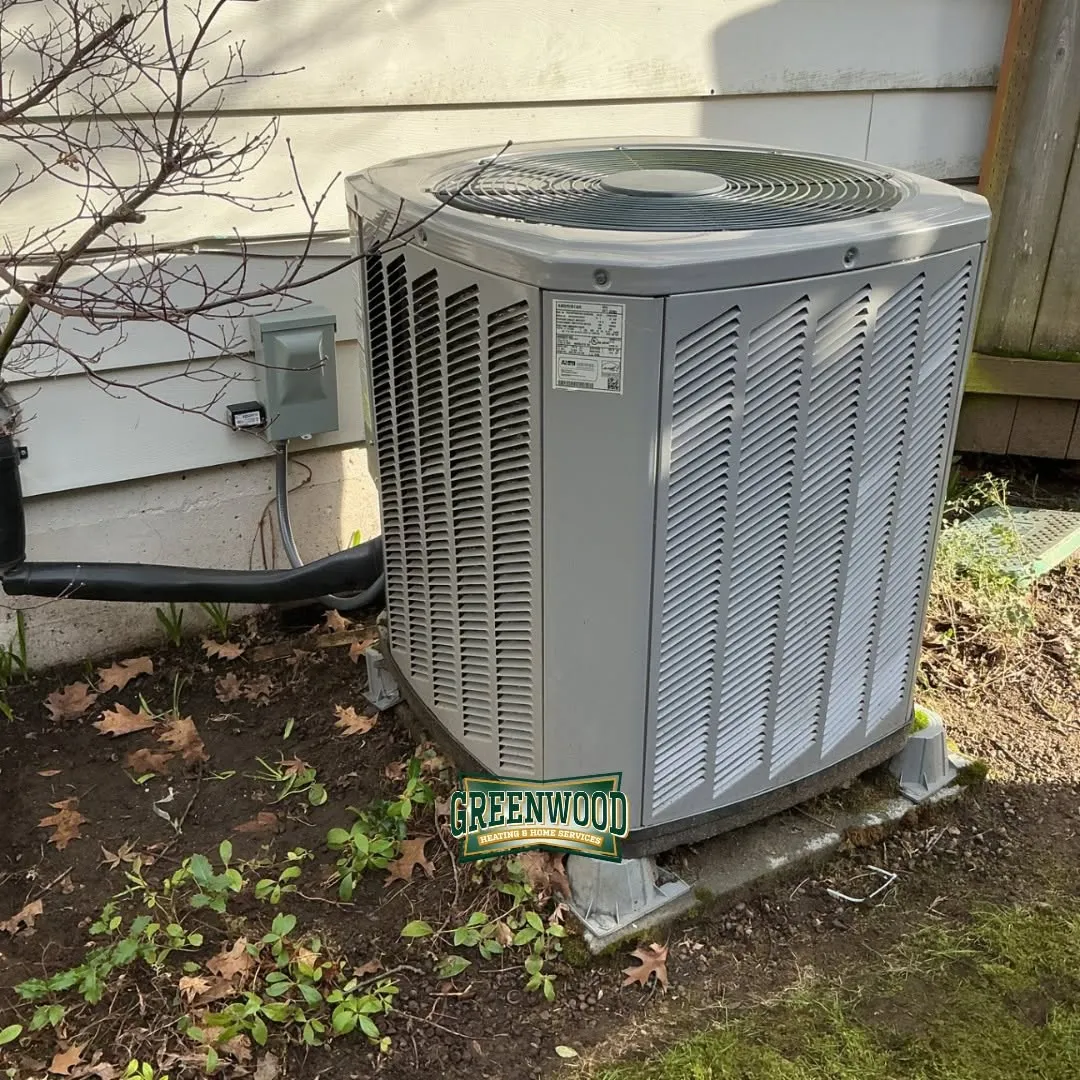
Why Heat Pump Operating Costs Vary
A heat pump uses electricity to move heat rather than generating heat through combustion. During colder months, an air-source heat pump absorbs heat from the outdoor air and transfers it indoors. In warmer weather, it reverses operation and transfers heat from inside the home outdoors.
Because the system provides both heating and cooling, its electricity use changes throughout the year. A mild spring day may require very little heating or cooling, while a colder winter day can require the system to operate for longer periods.
Your utility rate also matters. Two homes using the same amount of electricity can have different monthly costs if their electricity rates or billing structures differ.
For these reasons, operating cost is better viewed as the result of several household and equipment factors rather than one standard monthly amount.
Outdoor Temperature Affects Energy Use
Weather is one of the largest influences on how much energy an air-source heat pump uses.
During mild weather, the difference between the outdoor temperature and your desired indoor temperature is relatively small. The system can transfer heat with less effort. As outdoor temperatures fall, the heat pump may need to run longer to maintain the thermostat setting.
Seattle’s relatively moderate climate is one reason heat pumps can work well in the region. Winters still bring colder periods, however, so electricity consumption will not remain constant from month to month.
Summer operation follows a similar pattern. A heat pump may use relatively little electricity for cooling during mild periods but run more frequently during hotter weather.
Home Size and Layout Matter
A larger home generally requires more heating and cooling than a smaller one, but square footage alone does not determine energy consumption.
Ceiling height, number of floors, window placement, sun exposure, and room configuration can all influence heating and cooling demand. An open floor plan may distribute conditioned air differently from a home with numerous enclosed rooms.
This is why proper system sizing matters. HVAC professionals evaluate the home’s heating and cooling load rather than choosing equipment based solely on square footage.
A properly sized system is better positioned to maintain comfortable temperatures without unnecessary cycling or extended operation.
Insulation and Air Sealing Influence Running Costs
The heat pump is only one part of the home’s overall energy performance. The building itself determines how easily heat enters or escapes.
Poor insulation and air leaks can allow heated air to escape during winter and outdoor heat to enter during summer. The heat pump then needs to operate more frequently to maintain the thermostat setting.
Areas that can influence heat loss or gain include:
- Attics and roofs
- Exterior walls
- Windows and doors
- Floors above unconditioned spaces
- Gaps around penetrations and openings
Improving insulation and reducing unwanted air leakage can lower the amount of heating and cooling a home requires, regardless of the HVAC system being used.
Heat Pump Efficiency Makes a Difference
Not all heat pumps use electricity at the same rate. Equipment efficiency affects how much heating or cooling a system can provide for the energy it consumes.
Modern heat pumps are available with different efficiency ratings and operating technologies. Higher-efficiency equipment may require less electricity to provide the same amount of heating or cooling under comparable conditions.
Variable-speed systems can also adjust their output based on current demand rather than operating only at full capacity. During milder conditions, the equipment may run at a lower output for longer periods to maintain a steady indoor temperature.
Efficiency ratings are useful when comparing equipment, but actual operating costs still depend on how the system performs within a particular home.
Your Thermostat Settings Affect Consumption
The temperature you choose indoors directly influences how hard the heat pump has to work.
Maintaining a large difference between indoor and outdoor temperatures generally increases heating or cooling demand. Frequently changing thermostat settings can also affect system operation.
Rather than making large temperature adjustments throughout the day, homeowners may benefit from maintaining reasonable, consistent settings. A compatible programmable or smart thermostat can also help manage temperature schedules based on when the household is home, sleeping, or away.
Comfort preferences differ, so there is no single thermostat setting that produces the same energy use for every household.
How Much You Use the System Matters
Two similar homes can have very different heat pump operating costs simply because their occupants use the systems differently.
Someone who works from home may maintain comfortable indoor temperatures throughout the day. Another household may spend most weekdays away and require less heating or cooling during those hours.
Other factors include:
- Number of occupants
- Daily schedules
- Preferred indoor temperatures
- Rooms or zones being conditioned
- Frequency of doors opening and closing
Ductless heat pumps can provide additional control because homeowners can condition specific areas independently. How those zones are used will influence overall electricity consumption.
Ductwork Can Affect System Performance
For ducted heat pumps, the condition and design of the duct system matter.
Leaky, damaged, poorly insulated, or improperly sized ducts can reduce the amount of conditioned air reaching living spaces. The heat pump may then operate longer to reach the thermostat setting.
Airflow restrictions can also affect performance. During an HVAC evaluation, technicians may check ductwork and airflow when determining whether the system is operating as expected.
Homes without existing ductwork may use ductless heat pumps instead, which deliver conditioned air directly into individual rooms or zones.
Maintenance Can Influence Operating Costs
Routine maintenance supports heat pump performance and efficiency. Filters, coils, fans, electrical components, and other parts need to remain in appropriate working condition for the equipment to operate effectively.
A dirty filter, for example, can restrict airflow and make it harder for the system to circulate conditioned air. Outdoor equipment also needs adequate airflow around the unit.
Homeowners can help by changing or cleaning filters according to manufacturer recommendations and keeping the outdoor unit clear of leaves and debris. Professional maintenance provides a more thorough inspection of system operation, electrical components, airflow, and other areas that homeowners cannot easily evaluate themselves.
What About Very Cold Weather?
Air-source heat pumps continue transferring heat from outdoor air during cold weather, but their performance changes as temperatures fall. Depending on the system and home, supplemental heating may operate during colder conditions.
Some homes use dual-fuel systems that pair a heat pump with a furnace. Others may use electric supplemental heat.
If supplemental heat operates frequently, it can affect electricity or fuel consumption. The equipment selected, outdoor temperature, system controls, and characteristics of the home all influence when supplemental heating is needed.
Modern cold-climate heat pumps are designed to operate at lower outdoor temperatures than earlier generations, making equipment selection an important consideration.
How Can You Estimate Your Heat Pump Running Cost?
Rather than relying on a universal online estimate, homeowners can get a more useful picture by considering their electricity rate and expected system energy consumption.
Start by reviewing your utility bill to see what you currently pay for electricity. If you’re replacing an existing heating system, looking at previous heating expenses can also provide useful context.
An HVAC professional can then evaluate factors such as:
- Home size and layout
- Insulation
- Existing ductwork
- Current heating equipment
- Heating and cooling load
- Heat pump efficiency
- Household comfort preferences
This information provides a more realistic basis for comparing equipment and potential operating expenses.
Is the Lowest Operating Cost Always the Main Goal?
Energy use matters, but it is only one part of choosing a heating and cooling system. Homeowners should also consider comfort, equipment cost, installation requirements, maintenance, and how long they plan to remain in the home.
A heat pump provides both heating and cooling, which can make it particularly useful for households that want year-round temperature control from one system.
The goal is not simply to choose equipment with the lowest estimated monthly cost. The system should also match the home’s heating and cooling requirements and provide dependable performance throughout Seattle’s changing seasons.

Want to Learn More About Running a Heat Pump in Seattle?
The cost of operating a heat pump depends on your home, equipment, energy rates, weather, and daily comfort preferences. At Greenwood Heating & Home Services, we install, replace, repair, and maintain heat pumps throughout the Seattle area. With more than 100 years of experience serving local homeowners, our team can evaluate your home’s heating and cooling needs and discuss options that fit your comfort goals. Contact us today to request a consultation and learn more about heat pump options for your home.







No comment yet, add your voice below!