


Is Seattle No Longer the Least Air-Conditioned City?

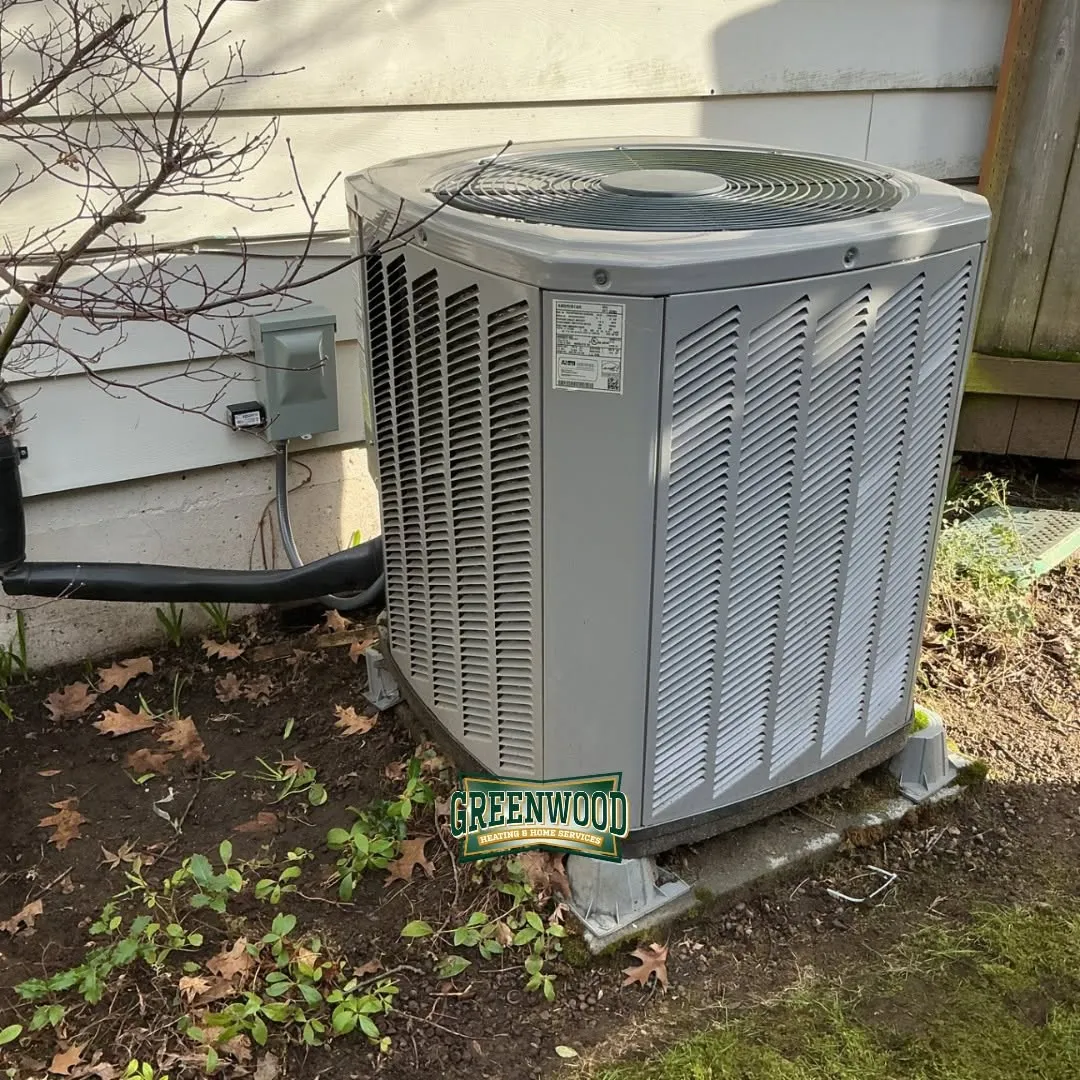
damaged Air Conditioning Seattle

For years, Seattle was known for mild summers and relatively cool indoor temperatures. Many homes were built without central cooling because air conditioning simply wasn’t considered necessary for much of the year. Open windows, fans, and short warm spells were often enough to stay comfortable. 

That perception has started to change. Warmer summers, longer heat waves, and increased awareness of indoor comfort have led more homeowners to explore options for air conditioning in Seattle. While the city still has fewer air-conditioned homes than many parts of the country, cooling systems are becoming far more common than they once were. 

As weather patterns shift and indoor comfort expectations evolve, Seattle homeowners are beginning to rethink how their homes handle summer temperatures. 

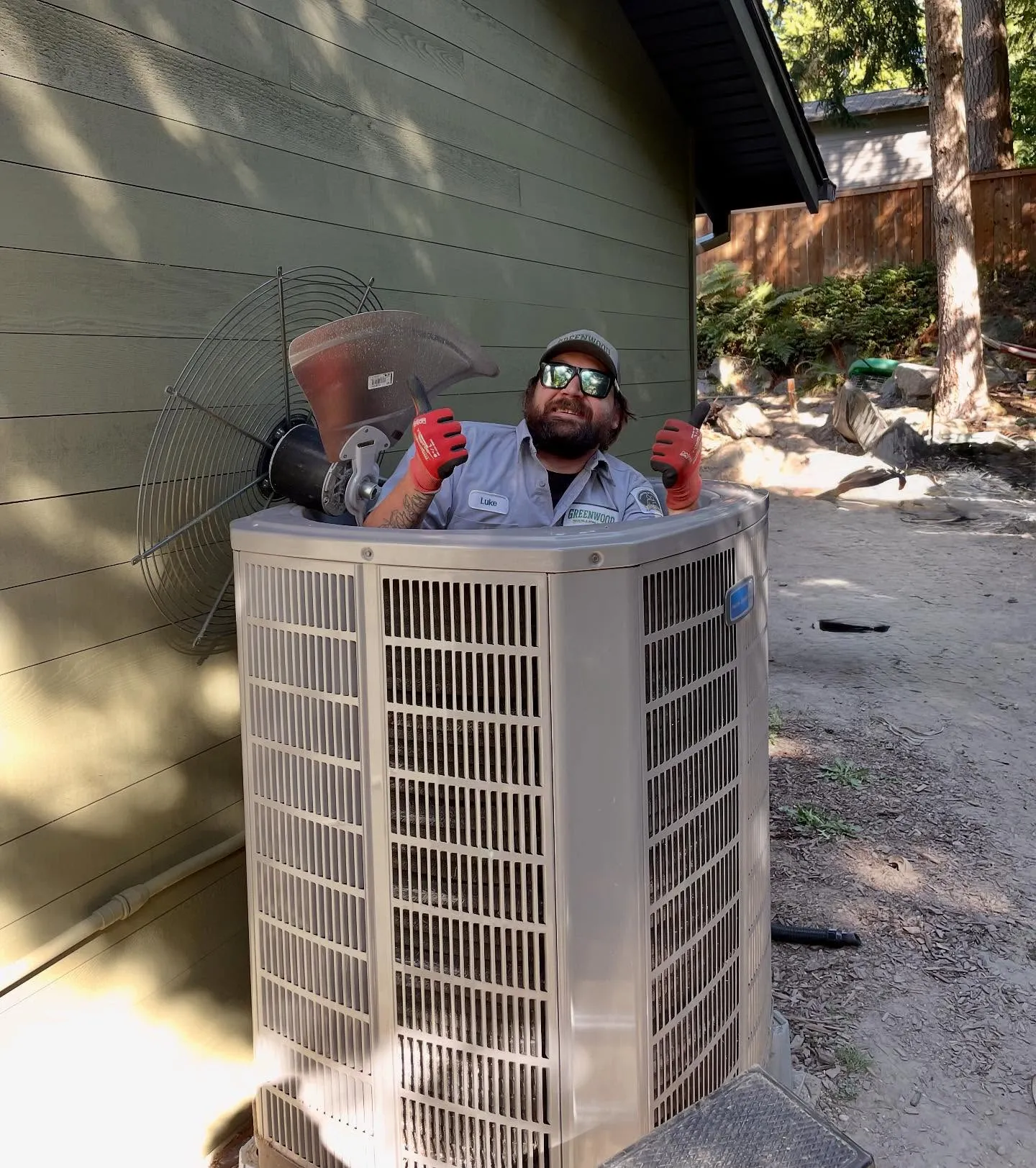
newly installed Air Conditioning Seattle

Why Seattle Historically Had Fewer Air Conditioners 

Seattle’s climate has traditionally been different from hotter regions across the United States. Moderate summer temperatures meant many homes could stay reasonably comfortable without mechanical cooling. 

Several factors contributed to lower air conditioning use in the past: 

  • Mild summer weather 
  • Cooler nighttime temperatures 
  • Shorter warm seasons 
  • Home designs focused on retaining heat during winter 

Because heating was considered the greater priority, many older homes were built without ductwork designed for cooling systems. In previous decades, investing in air conditioning often felt unnecessary to homeowners who only experienced occasional hot days. 

This long-standing reputation helped Seattle become known as one of the least air-conditioned major cities in the country. 

Summers in Seattle Are Changing 

Over the last several years, Seattle has experienced hotter and longer summer periods. Temperatures that once felt unusual are becoming more common during peak summer months. 

Heat waves have also become more noticeable. Extended periods of high temperatures can affect indoor comfort, especially in homes that retain heat or have limited airflow. Upper floors, west-facing rooms, and older homes without insulation upgrades may feel particularly warm during these stretches. 

Even if extremely hot weather only occurs for part of the year, those periods can still significantly affect comfort inside the home. As a result, more homeowners are beginning to evaluate whether cooling systems make sense for their living spaces and long-term comfort needs. 

Indoor Comfort Expectations Have Evolved 

Changes in lifestyle have also influenced how people think about home cooling. More people now spend extended time at home during the day, whether working remotely, caring for family members, or managing household responsibilities indoors. 

This increased time inside the home has made indoor comfort a higher priority for many households. Temperatures that may have felt manageable for a few evening hours can feel much different during full days spent indoors. 

Homeowners are also more aware of how indoor temperatures affect: 

  • Sleep quality 
  • Productivity 
  • General comfort 
  • Air circulation indoors 

As expectations around comfort evolve, cooling systems are becoming part of broader conversations about home efficiency and livability. 

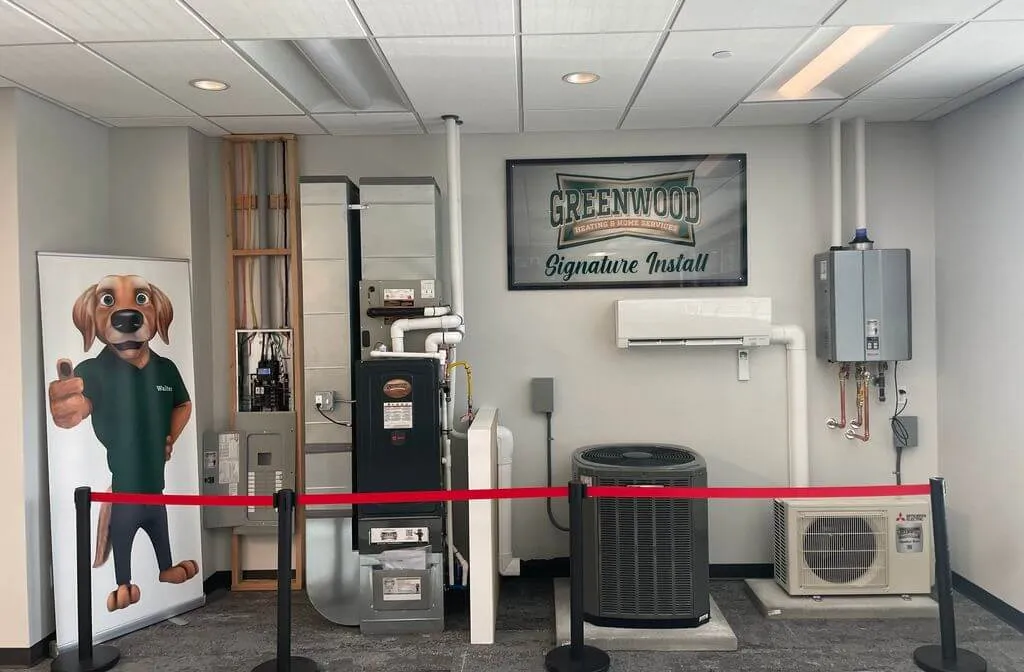
Greenwood Air Conditioning Seattle

Older Homes Face Unique Challenges 

Many Seattle homes were built decades ago, often without cooling systems in mind. Older layouts, insulation levels, and ventilation designs can make homes feel warmer during modern summer conditions. 

Some common challenges include: 

Limited Airflow 

Older homes may have fewer ventilation pathways, making it difficult for warm air to circulate out effectively. Closed floor plans, smaller windows, and limited return airflow can cause heat to become trapped indoors, especially on upper floors or in enclosed rooms. This reduced airflow can make homes feel warmer for longer periods during summer. 

Heat Retention 

Materials used in older construction can hold heat longer, especially after several consecutive warm days. Brick, plaster, and older insulation materials may absorb heat during the day and release it slowly overnight, making it harder for indoor temperatures to cool down naturally. 

Lack of Existing Ductwork 

Some homes were designed only for heating systems, which can limit cooling options today. Homes with radiators, baseboard heating, or minimal ductwork may require alternative solutions such as ductless systems or heat pumps. 

These factors do not necessarily mean cooling upgrades are impossible. Instead, they often require homeowners to evaluate which systems best match their home’s layout and infrastructure. 

More Cooling Options Are Available Today 

Part of the increase in air conditioning adoption comes from the wider variety of systems now available. Homeowners are no longer limited to large central systems alone. 

Modern options may include: 

  • Ductless mini-split systems 
  • Heat pumps with cooling capability 
  • Central air conditioning 
  • Zoned cooling systems 

These options provide more flexibility for homes with different layouts and energy needs. In particular, ductless systems have become popular in homes where adding traditional ductwork would be difficult. 

Because cooling technology has evolved, homeowners can now explore systems that better fit Seattle’s housing styles and climate patterns. 

Heat Pumps Are Becoming More Common 

Heat pumps have gained attention in Seattle because they provide both heating and cooling in one system. During cooler months, they help heat the home. During warmer months, they provide air conditioning. 

This dual functionality appeals to many homeowners looking to improve year-round comfort while consolidating systems. Heat pumps are especially attractive in climates like Seattle’s, where temperatures are often moderate compared to regions with more extreme weather. 

As more homeowners learn about these systems, they are becoming an increasingly common part of conversations about home comfort upgrades. 

Energy Efficiency Still Matters 

Even as air conditioning becomes more common, energy efficiency remains an important consideration for Seattle homeowners. Many people want cooling systems that improve comfort without dramatically increasing energy use. 

Several factors affect efficiency, including: 

  • Window quality 
  • System sizing 
  • Airflow design 
  • Thermostat settings 

Choosing the right system for the home’s size and layout helps support efficient operation. Proper installation and maintenance also play an important role in long-term performance. 

Cooling Is No Longer Seen as Unnecessary 

Years ago, air conditioning in Seattle was sometimes viewed as optional or excessive. That perspective has gradually shifted as temperatures and living patterns have changed. 

Homeowners today often approach cooling differently. Instead of viewing it as a luxury, many now see it as part of maintaining consistent indoor comfort during warmer months. 

This does not mean every home requires central air conditioning. However, it does reflect a growing awareness that Seattle summers may no longer align with the city’s historic reputation for naturally cool indoor conditions. 

Planning Ahead Matters 

As demand for cooling systems grows, homeowners are increasingly planning upgrades before peak summer temperatures arrive. Waiting until a major heat wave can make scheduling more difficult during periods of high service demand. 

Planning ahead allows homeowners to: 

  • Compare cooling options carefully 
  • Evaluate system compatibility 
  • Prepare financially for upgrades 
  • Schedule installation at a convenient time 

It also creates time to assess related factors such as insulation, airflow, and electrical capacity before installation begins. 

What Seattle Homeowners Are Considering Today 

The conversation around cooling has clearly evolved. Homeowners are balancing comfort, efficiency, and practicality in ways that were less common years ago. 

Questions many households now consider include: 

  • How warm does the home become during summer? 
  • Are certain rooms harder to cool? 
  • Is airflow consistent throughout the house? 
  • Would a heat pump provide year-round value? 
  • How often are fans or portable units being used? 

These considerations reflect how indoor comfort expectations are changing across the region. 

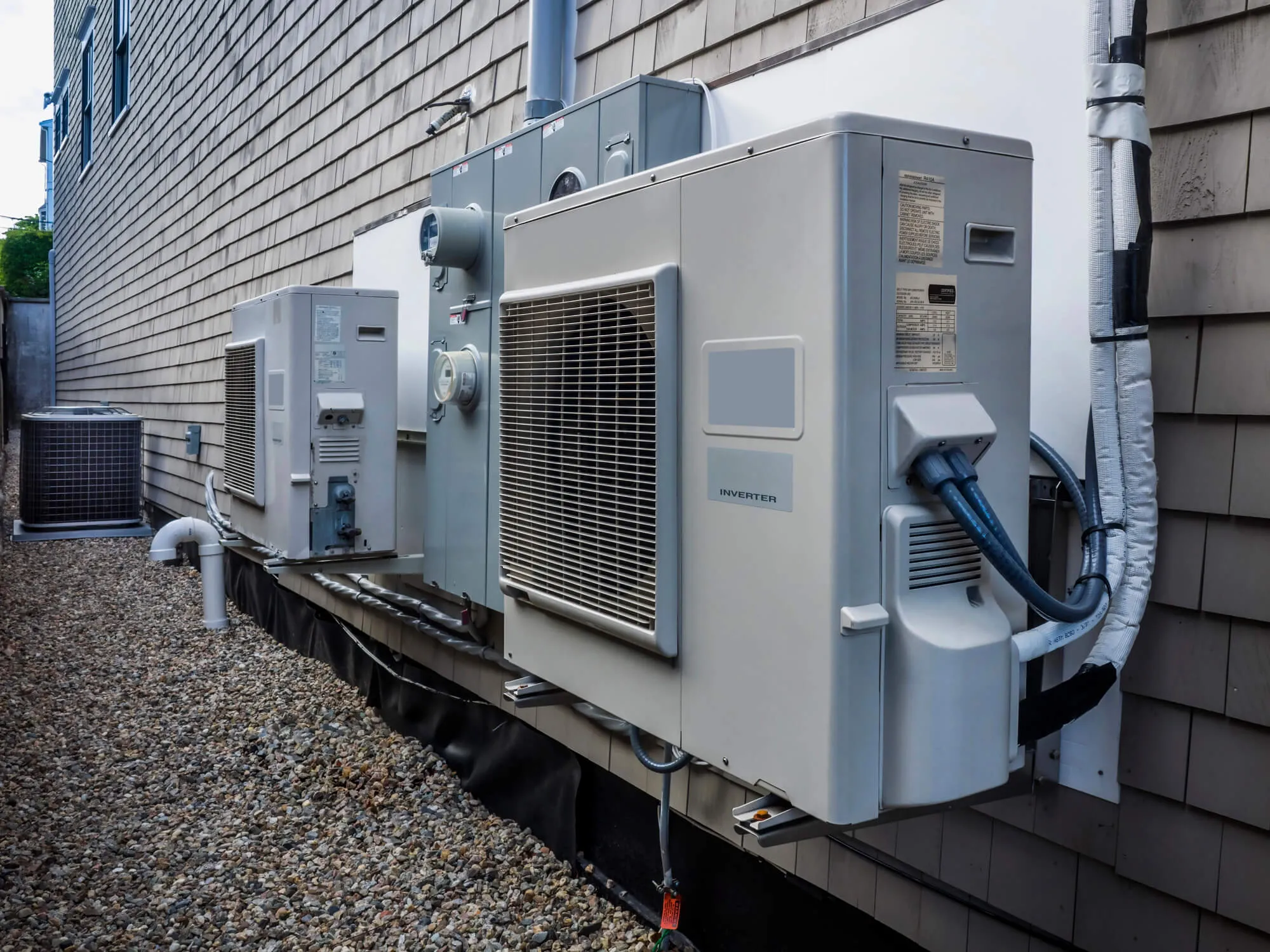
Greenwood offers Air Conditioning Seattle services

Is Air Conditioning in Seattle Becoming the New Normal? 

Seattle may still have fewer air-conditioned homes than many other major cities, but the gap appears to be narrowing. Warmer summers, evolving comfort expectations, and expanded cooling options are influencing how homeowners think about indoor temperatures and long-term planning. 

If your home has become harder to keep comfortable during warmer months, exploring cooling options may help you better understand what systems fit your space and needs. The team at Greenwood Heating & Home Services works with homeowners throughout the Seattle area to evaluate comfort concerns and recommend practical solutions for year-round indoor comfort. Whether you’re considering a ductless system, heat pump, or central cooling upgrade, planning ahead can help you stay more comfortable as Seattle summers continue to change. Contact us today!  

How to Choose the Right Air Conditioner for Your Home Size and Layout

professional-Air-Conditioner-Installation-Seattle

When it comes to air conditioner installation in Seattle, choosing the right system isn’t just about picking a model off the shelf. The size of your home and the layout of its rooms play a significant role in determining how effectively a cooling system keeps your living spaces comfortable and energy-efficient throughout the year. Homes in the Pacific Northwest face a mix of mild summers, rising heat waves, and varied architectural styles, which makes proper planning especially important.  

This guide breaks down what matters most so you can plan with confidence and make decisions based on your home’s unique needs. 

affordable-Air-Conditioner-Installation-Seattle

Why Home Size and Layout Matter 

Selecting the correct air conditioner requires a clear understanding of your home’s characteristics. An undersized unit may struggle to cool all areas evenly, especially during warmer days, while an oversized system can short-cycle, turning on and off too frequently. This not only increases energy use but can also place unnecessary strain on system components. Matching unit capacity with your home’s layout and square footage lays the foundation for comfort, efficiency, and long-term performance. 

Home layout influences how air moves through rooms, how heat builds in certain areas, and how consistently temperatures are maintained from one space to another. These factors are just as important as square footage when determining the right system for your needs. 

Understanding Cooling Capacity 

What Is Cooling Capacity? 

Cooling capacity describes a unit’s ability to remove heat from a space and is measured in British Thermal Units (BTUs). A system must be sized to deliver enough BTUs to handle heat gain from sunlight, appliances, occupants, and outdoor temperatures without cycling on and off too frequently. Proper capacity allows the system to run at steady intervals, maintaining comfort while using energy more efficiently. 

Sizing by Square Footage 

Although other factors are important, square footage provides a good starting point. Larger homes generally require systems with greater cooling capacity. HVAC professionals refine this estimate by evaluating room dimensions, ceiling height, insulation quality, window placement, and local climate conditions. This approach prevents guesswork and supports balanced cooling throughout the home. 

Layout Considerations That Affect Selection 

How your home is arranged influences airflow, temperature balance, and overall cooling demand. 

Open-Plan Living Areas 

Homes with open-plan layouts allow air to circulate more freely, but they also create larger zones that need consistent cooling. Kitchens, living rooms, and dining areas often share the same space, and heat from cooking or large windows can affect the entire area. In these homes, systems with appropriate capacity or zoning options help maintain even temperatures without overworking the unit. 

Multiple Levels and Room Configuration 

Multi-story homes often experience uneven temperatures, with upper levels retaining more heat. Bedrooms upstairs may feel warmer than living areas below, particularly in the afternoon. Systems designed with zoning capabilities or multi-stage operation help balance cooling between floors, improving comfort without excessive energy use. 

Ceiling Height and Air Volume 

Higher ceilings increase the volume of air that must be cooled. Homes with vaulted or cathedral ceilings may require careful assessment to avoid systems that struggle to maintain temperature control during warmer periods. Evaluating air volume—not just floor space—helps align system performance with real-world conditions. 

Window Placement and Sun Exposure 

Rooms with large windows or direct afternoon sun often experience higher heat gain. South- and west-facing windows can raise indoor temperatures significantly, especially during summer heat waves. These factors are considered during system planning to support consistent comfort across all rooms. 

Types of Air Conditioning Systems 

Understanding system options helps align your choice with your home’s layout and cooling goals. 

Split System Air Conditioners 

Split systems include an outdoor compressor and an indoor unit. They are widely used in residential homes and perform well in layouts where airflow between rooms is consistent. These systems offer reliable cooling for single-story homes and many two-story configurations. 

Ductless Mini-Split Systems 

For homes without ductwork or for spaces that are difficult to cool evenly, ductless systems provide flexibility. Individual indoor units allow temperature control in specific rooms or zones. This option works well for home additions, older houses, or areas where traditional ducts are impractical. 

Central Air Conditioning Systems 

Central air systems are designed for whole-home cooling and work efficiently in homes with existing ductwork. These systems distribute conditioned air evenly and are well-suited to larger homes with multiple rooms and shared living spaces. 

Ductwork and Airflow 

Existing Ductwork Evaluation 

If your home already has ductwork, its condition plays a major role in system performance. Leaks, poor sealing, or undersized ducts can reduce airflow and cause uneven cooling. Evaluating ductwork before installation helps match system capacity with airflow requirements, preventing unnecessary energy loss. 

Homes Without Ductwork 

Homes without ducts can still achieve effective cooling. Ductless systems or hybrid setups offer flexible alternatives without the need for major structural changes. A professional evaluation identifies the most practical approach based on layout and comfort goals. 

Insulation and Energy Performance 

Insulation quality influences how hard an air conditioner must work to maintain indoor temperatures. Well-insulated homes retain cooled air longer, reducing overall system demand. 

Inspecting Insulation Levels 

Older homes may have gaps in insulation in attics, walls, or crawl spaces. Improving insulation does not change system size requirements, but it supports consistent temperatures and lowers long-term operating costs. Insulation improvements often complement new air conditioner installations. 

Energy-Efficient Equipment 

Efficiency ratings such as SEER indicate how effectively a system uses energy. Higher-rated units can lower energy consumption while delivering steady performance. Efficiency does not replace proper sizing, but it enhances comfort and cost control over time. 

Professional Assessment and Load Calculations 

Manual J load calculation is the industry standard for determining appropriate system size.   

This detailed assessment considers: 

  • Home size and layout 
  • Number and orientation of windows 
  • Local climate patterns 
  • Insulation quality 
  • Household usage and occupancy 

Relying on this method helps avoid over- or undersized systems, supporting reliable, long-term comfort. 

Budgeting for Equipment and Installation 

Understanding costs helps homeowners compare options realistically. 

Upfront System Costs 

System pricing varies based on capacity, efficiency, and features. Larger homes or complex layouts may require systems with greater capacity or zoning capabilities, which can affect overall cost. 

Installation Considerations 

Installation costs depend on various factors, including the condition of the ductwork, system type, and layout complexity. Professional installation supports consistent performance and helps protect your investment over time. 

Maintenance and Long-Term Performance 

A properly sized system supports steady operation and consistent cooling. Routine maintenance, including filter changes, airflow checks, and seasonal inspections, helps maintain efficiency and supports dependable performance year after year. Homes with balanced airflow and correct system sizing often experience fewer comfort issues over time. 

Common Questions Homeowners Ask 

Do multi-story homes require different systems? 

Often, yes. Multi-level homes benefit from systems designed to handle varied heat loads across floors. Zoning or staged cooling helps maintain comfort throughout the home. 

Can online calculators replace professional evaluations? 

Online tools provide estimates, but they cannot account for all variables. Professional assessments consider insulation, airflow, and layout details that calculators may miss. 

What causes uneven cooling or system noise? 

These issues can stem from incorrect sizing, airflow restrictions, or aging components. A professional inspection helps identify contributing factors and outlines appropriate next steps. 

Next Steps: Plan with Confidence 

Choosing the right air conditioner involves more than just selecting the right equipment. Accurate sizing, thoughtful layout assessment, and professional guidance all play crucial roles in achieving long-term comfort and efficiency. Taking the time to evaluate these elements helps your home stay comfortable throughout the changing seasons. 

ongoing-Air-Conditioner-Installation-Seattle

Ready for Air Conditioner Installation in Seattle? Let’s Talk Comfort 

If you’re planning an upgrade or considering a new system, our team at Greenwood Heating can help you evaluate options that align with your home’s size and layout. With personalized guidance and careful planning, we support homeowners through every step of air conditioner installation, from initial assessment to long-term comfort planning and beyond. Reach out to schedule a consultation and discuss options that best suit your home. 

The One HVAC Checklist Every Homeowner Should Follow Each Season

professional HVAC Services Seattle

As the seasons shift, so do the demands on your heating and cooling system. Many homeowners wait until something goes wrong before giving their HVAC system a second thought. But that “wait-and-see” approach often leads to high bills, poor air quality, and surprise breakdowns. Whether it’s a blazing summer day or a damp winter evening in the Northwest, the last thing anyone wants is an HVAC issue at the worst time. Regular care from a trusted HVAC Services Seattle provider can keep those problems at bay.

affordable HVAC Services Seattle

Why Seasonal HVAC Maintenance Matters Year-Round

Your heating and cooling system doesn’t operate on demand; it works best with regular upkeep. Each season brings different challenges for your equipment, and staying ahead of them reduces long-term costs, improves comfort, and helps extend the life of your system. A checklist keeps you organized and makes it easier to know what to ask for during a tune-up or inspection.

Routine maintenance also helps you spot patterns early. Maybe your system works harder each spring because of tree pollen buildup or clogged filters from pets shedding more in warmer months.

Maybe the furnace struggles more in December after holiday decorations have been stored nearby. These small details may seem unimportant at the time but can add up to costly repairs or early replacement if ignored year after year.

By sticking to a consistent maintenance schedule, you’re not just reacting—you’re managing your system with intention, reducing stress, and gaining peace of mind throughout every season.

Spring: Prep for Cooling Season

Warmer days are on the way, which means your system is about to switch from heat to cool. Spring is the ideal time to get ahead of wear and tear from the last heating cycle.

✔️ Change Your Air Filter

This is a simple but powerful step. A clogged filter can restrict airflow and overwork your unit. Replace or clean filters at the start of the season to improve performance and air quality.

✔️ Clear Debris Around Outdoor Units

During winter, leaves, mulch, and twigs often build up around the condenser unit. Make sure there’s at least two feet of clearance on all sides for proper airflow.

✔️ Inspect Refrigerant Lines

Look for insulation damage or exposed copper. Cracked insulation can affect system performance and cooling efficiency.

✔️ Test Your Thermostat

Set it to cooling mode and run it for a few minutes. Listen for odd noises and note how long it takes to reach the desired temperature.

✔️ Schedule a Spring AC Tune-Up

Early maintenance can uncover small issues before they grow into expensive problems. A technician will clean coils, check refrigerant levels, flush the condensate line, and inspect key electrical components.

Summer: Stay Cool Without Overworking the System

The system is running often. Small inefficiencies become more noticeable when the temperatures stay high for days at a time.

✔️ Keep Vents and Returns Clear

Furniture, curtains, or rugs can block airflow and strain your unit. Make sure vents are unobstructed throughout the house.

✔️ Monitor Humidity Levels

High humidity makes your system work harder and can lead to mold concerns. If your home still feels sticky even when cool, consider adding a whole-home dehumidifier or checking the drain lines.

✔️ Check Drain Line for Clogs

Condensate buildup can cause backups and water damage. Ensure the line is draining properly—some homeowners pour a bit of white vinegar into the line to help keep it clear.

✔️ Keep an Eye on the Outdoor Fan

If it’s not spinning freely or sounds rough, call for a check. That fan is critical to heat exchange and should be clean, well-lubricated, and free from debris.

✔️ Shade Your Outdoor Unit if Possible

A small awning or proper landscaping can help keep the unit cooler and improve energy efficiency without blocking airflow.

HVAC Services Seattle

Fall: Transition to Heating Mode

As temperatures dip, your heating system needs a once-over before it kicks into full-time use. This is the time to fix what summer may have worn down.

✔️ Replace Your Air Filter (Again)

Fall pollen and summer debris clog filters. Swap in a fresh one before you turn on the heat.

✔️ Test the Furnace or Heat Pump

Don’t wait until the first cold night. Turn on the heat early and make sure it runs properly. Note any burning smell or loud noises, as they may indicate dust on coils or motor wear.

✔️ Inspect Exposed Ductwork

Look for visible cracks, disconnections, or signs of moisture. Sealing or insulating ducts can now prevent heat loss when needed.

✔️ Check Carbon Monoxide Detectors

If you use a gas furnace, carbon monoxide safety is key. Replace batteries and test alarms in every sleeping area.

✔️ Schedule a Fall Heating Tune-Up

Furnace inspections catch problems like cracked heat exchangers, faulty ignitors, and combustion issues. A qualified tech can fine-tune everything for reliable performance all winter.

Winter: Keep the Heat Flowing

Winter weather puts the most strain on your HVAC system. You want consistent, safe heat and strong air circulation without inefficiency.

✔️ Clean Around Indoor Equipment

Dust buildup near your furnace or heat pump system can affect performance. Keep the area around the unit clear and free from boxes or clutter.

✔️ Check for Drafts

Cold air coming in from windows and doors forces your system to work harder. Sealing leaks with weather stripping or caulk helps your HVAC maintain temperature.

✔️ Replace the Filter One More Time

It’s worth repeating—clean filters matter. During months of heavy use, your system benefits from a fresh filter every 1–2 months.

✔️ Listen for Changes

Odd rattles, long startup times, or inconsistent heating can signal issues like worn motors, loose belts, or failing ignitors.

✔️ Keep Snow and Ice Away From Outdoor Components

If you use a heat pump or outdoor unit during the winter, make sure snow buildup doesn’t block airflow. Brush away any heavy accumulation as needed.

Extra Tips for All Year Long

Maintenance doesn’t stop when the checklist ends. Here are a few extras to keep in mind that support your HVAC system’s performance across the calendar.

Know Your System’s Age

Most HVAC systems last 10–15 years. Older units become less efficient and more prone to problems. If yours is reaching that range, track maintenance costs and start considering replacement options. It’s also a good idea to look up the model number and date of installation—this makes service planning easier and gives you a better sense of its remaining life.

Install a Programmable or Smart Thermostat

Smart thermostats help you reduce energy waste, especially if your schedule changes seasonally. Set back temperatures while you sleep or when the house is empty for noticeable savings. Some models even learn your habits over time, making automatic adjustments that you don’t have to think twice about.

If you travel often or have a second home, smart thermostats allow remote access—so you can check in or make adjustments anytime, from anywhere. It’s one of the most user-friendly upgrades you can make to your HVAC system.

Keep a Maintenance Record

Log service visits, filter changes, repairs, and warranty details. It’ll help you stay on track and can also be useful for home resale. Buyers appreciate well-documented systems, and showing that your HVAC equipment has been regularly maintained can make your home more appealing—and valuable.

Even a simple notebook or digital spreadsheet works. Include dates, who performed the work, what was done, and any parts replaced. This helps prevent repeated service, missed inspections, or gaps in care that could shorten the life of your equipment.

Don’t Ignore Strange Smells or Noises

If something doesn’t sound or smell right, trust your instincts. Catching unusual performance early can help avoid large-scale damage. A faint, musty smell may be a dirty drain line. A rattling noise could be a loose panel or fan blade. These aren’t just quirks—they’re early warnings.

Too often, homeowners wait until their system stops working entirely. But by then, the repair may be more complicated and (not to mention expensive) than it needed to be. If something feels off, call for a professional inspection sooner rather than later.

reliable HVAC Services Seattle

Looking for Reliable HVAC Services in Seattle?

Your HVAC system doesn’t take a break, and neither should its care. From keeping filters clean to checking airflow and scheduling timely inspections, a little attention each season goes a long way. Comfort shouldn’t be a guessing game—and with a reliable checklist in hand, it doesn’t have to be.

For expert seasonal tune-ups, fast repairs, and HVAC care you can count on, contact Greenwood Heating. Our local team offers full-service HVAC services to keep your systems efficient, dependable, and built for the Northwest climate. Book your seasonal service today and keep your comfort on track, no matter the season.

Is Your AC Ready for Summer? Here’s What Most Homeowners Miss

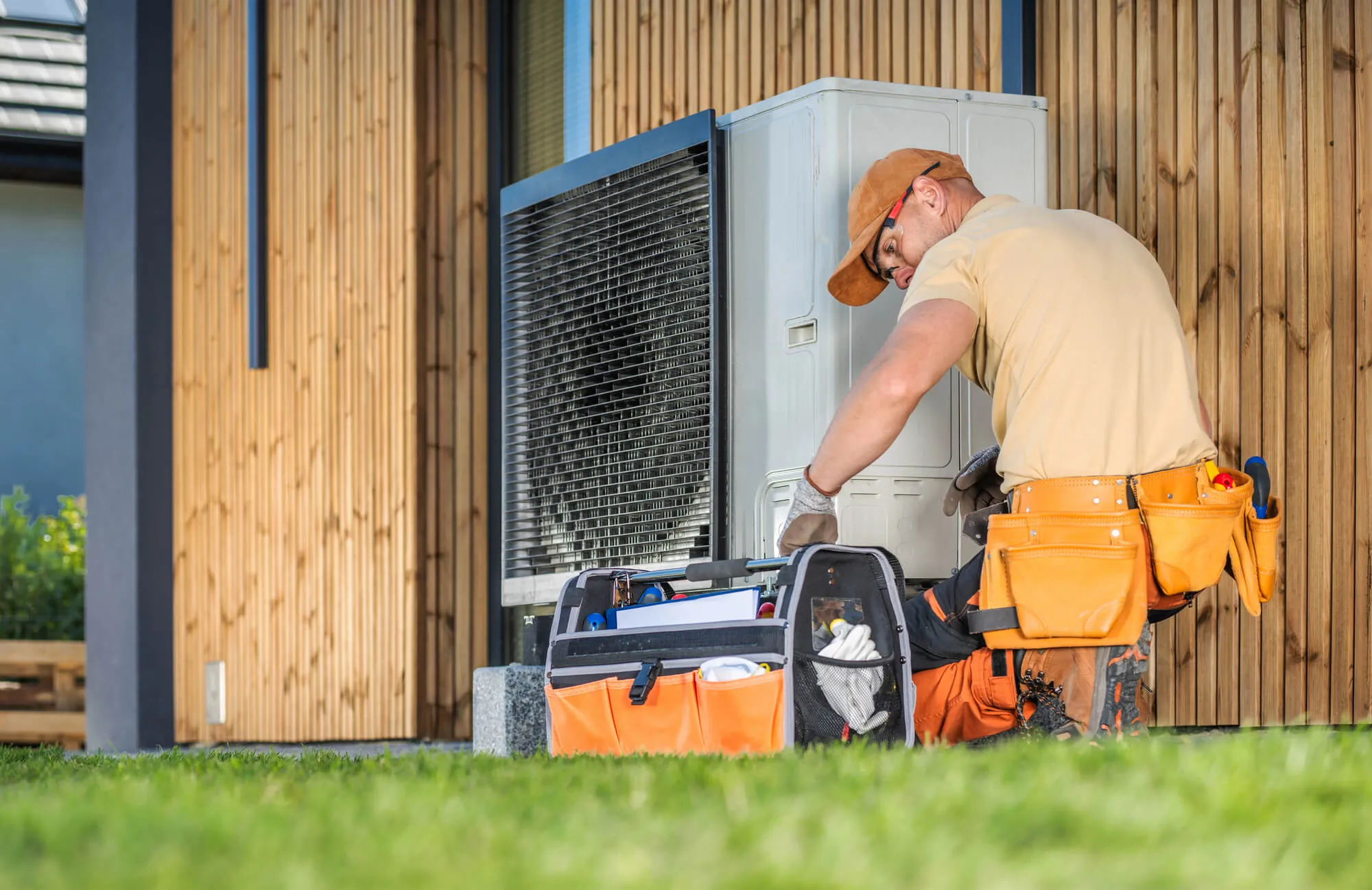
HVAC King County technician

As spring fades into longer, warmer days, homeowners across King County begin to shift focus from heat to cooling. But summer comfort isn’t just about flipping a switch and hoping for the best. If your air conditioner hasn’t been checked in months or years, it could be quietly racking up energy bills or heading for an untimely breakdown. Whether you’ve got central air or a ductless system, a little attention now can save major headaches later. That’s where a reliable HVAC King County expert comes in.

HVAC King County professional

Why Pre-Summer AC Prep Matters More Than You Think

Most homeowners don’t think much about their air conditioning system until it stops working. But by then, the house is already stuffy, tempers are running hot, and repair wait times are long. A little preventive care before the summer heat sets in can make all the difference.

Air conditioners work hardest during the hottest months. That’s also when service providers are flooded with emergency calls. If you wait until July to check your system, you could face longer delays, higher repair costs, and more than a few sweaty days indoors. Tackling maintenance now means more control, quicker service, and fewer surprises later.

Your AC Might Be Running, But Is It Running Efficiently?

A unit that powers on isn’t necessarily a unit that’s doing its job well. Cooling your home shouldn’t come at the cost of high energy bills. Here are a few signs your system could use a professional look:

  • Your utility bill has crept up, but your habits haven’t changed
  • Certain rooms stay warmer than others
  • Your AC runs constantly but never quite gets the job done
  • You notice unusual smells or sounds during operation

These issues point to inefficiencies, dirty coils, or deeper mechanical problems. Even small issues left unattended can reduce your system’s lifespan and strain its components.

The Filter Fix Most People Forget

A clogged air filter is one of the most common and avoidable issues that drag down AC performance. Airflow is restricted when it’s packed with dust, pet hair, or pollen. That forces your system to work harder, increasing wear and tear while driving up your energy bill. Worse, it lets indoor air quality slip, especially for households with asthma or allergies.

Many homeowners forget to check or replace their filters until there’s a problem. But swapping out your filter every one to three months makes a big difference. For everyday use, a simple fiberglass filter is fine. If you have pets, smoke, or allergy concerns, a pleated high-efficiency filter does a better job capturing fine particles.

Proper fit and installation matter, too. Filters must face the right direction to trap particles effectively. If you’re unsure, your Greenwood Heating technician can walk you through it during your next maintenance visit. It’s a small fix with a big payoff.

Is Your Thermostat Doing Its Job?

Smart thermostats are a favorite among energy-conscious homeowners, and for good reason: they offer more control, programmable schedules, and real-time insights into your HVAC use. But even the smartest device can become unreliable if it’s not calibrated properly. A few degrees off can lead to extra cooling cycles, uneven temperatures, and inflated utility bills without delivering better comfort.

Before summer hits full swing, take a few minutes to check your thermostat’s settings, test its response time, and replace the batteries if needed. If you notice your home feels warmer or cooler than the number on the screen, it could be time for a recalibration or a replacement.

Upgrading to a programmable or smart thermostat is one of the easiest ways to improve efficiency. Many models even learn your preferences and adjust automatically. A quick switch now can keep your house more comfortable and your bills lower all summer.

Ductwork: Out of Sight, Not Out of Mind

Leaky, dusty, or poorly insulated ducts waste energy and drag down your home’s air quality. This is especially important if you’ve recently remodeled or had rodent activity in the attic or crawl spaces.

A professional inspection of your ductwork can reveal:

  • Leaks that let cool air escape into unconditioned spaces
  • Dust and debris that reduce airflow
  • Poor insulation that causes temperature loss

Cleaning and sealing ducts is a one-time investment that improves comfort and reduces energy waste across every season.

HVAC King County maintenance

Drain Lines and Coils: Quiet Culprits of AC Trouble

Your air conditioner’s evaporator and condenser coils are vital to keeping your home cool, but they’re also magnets for dust, dirt, and debris. As buildup collects, it restricts airflow and reduces heat exchange, forcing your system to work harder and longer to cool your space. This not only wastes energy but also increases wear on your components.

Then there’s the drain line. As your AC removes humidity, it produces condensation that needs somewhere to go. If the drain line becomes clogged, that moisture can back up into your home, leading to water damage, mold growth, and costly repairs.

What makes both issues tricky is how quietly they develop. There are usually no warning sounds or flashing lights. That’s why a seasonal inspection by a professional is so important. Cleaning coils and clearing drain lines is fast, affordable, and essential before your AC enters peak season.

Outdoor Units Need Breathing Room

Your outdoor AC unit may not be at the top of your mind, but it should be. Grass clippings, leaves, dirt, or nearby landscaping can obstruct airflow and reduce performance.

Check that the area around your unit is clear by at least two feet in every direction.

Don’t Overlook Electrical Connections

Loose or corroded electrical connections can lead to shorts, inefficiencies, or dangerous system failures. And since these problems are often invisible from the outside, it’s smart to have them checked regularly.

During a professional tune-up, your technician will test voltage and amperage, tighten connections, and inspect the capacitor and contactor for early signs of wear. This quick work keeps your system safe and strong under pressure.

What to Expect from a Professional AC Tune-Up

A seasonal AC tune-up is much more than a surface-level check. It’s a detailed process designed to keep your system running efficiently, safely, and reliably throughout the warmer months. A thorough inspection helps catch small problems before they become expensive breakdowns and ensures every part of your system operates at its best.

During a professional tune-up, the technician will usually:

  • Inspect and clean condenser and evaporator coils
  • Check refrigerant levels and recharge if necessary
  • Test and calibrate the thermostat for accurate readings
  • Clean and inspect the blower motor and fan for buildup
  • Tighten electrical connections and test safety controls
  • Flush the condensate drain line to prevent clogs or leaks
  • Evaluate ductwork for airflow restrictions or leaks
  • Replace or clean air filters and offer guidance on maintenance

This kind of care prepares your system for high demand and helps extend its life.

Why Choose a Certified HVAC Technician?

Not all technicians are created equal. Certified professionals are trained to identify both common and hidden issues, follow safety standards, and use the right tools for each job. This experience translates to better outcomes, fewer callbacks, and cleaner, more efficient operation for your AC system.

Why Regular Maintenance Saves More Than You Think

Scheduling a tune-up isn’t just about comfort but protecting your investment. Air conditioners aren’t cheap to replace. But with regular care, your system can last 12–15 years or more.

A neglected AC may lose up to 5% efficiency each year. That’s money you’re spending without added comfort. Multiply that over a few seasons, and you’re looking at hundreds—sometimes thousands—in wasted energy and unnecessary repairs. Compare that to the cost of a yearly tune-up, and it’s easy to see why preventive care makes sense.

indoor HVAC King County

Wrap-Up: Is Your HVAC in King County Ready for Summer?

The warmer days are already on the horizon in King County. Whether your air conditioner is brand new or has seen better days, now’s the time to get it ready for summer. Catching small issues early means fewer surprises later and more comfort when it counts.

Schedule your seasonal AC tune-up with Greenwood Heating today. Our friendly, local team knows what homes in the Pacific Northwest need to stay comfortable, efficient, and safe. Let us help you stay cool and in control all summer long.

What Is the Difference Between Ductless Mini-Split and Regular A/C?

Air Conditioning Seattle

When it comes to air conditioning in Seattle, homeowners have more options than ever before. For years, central A/C systems have been the go-to choice, but in recent years, ductless mini-split systems have gained popularity due to their energy efficiency and flexibility. 

If you’re considering a new air conditioning system, you might be wondering: What’s the real difference between these two options, and which one is right for your home? The answer depends on your home’s layout, cooling needs, and long-term energy goals. 

Let’s break down how both systems work, their pros and cons, and which one might be the best fit for you. 

ductless Air Conditioning Seattle

How a Traditional Central Air Conditioning System Works 

A central A/C system is designed to cool the entire home through a network of ductwork and vents. It works by pulling warm air from inside the house, cooling it through a refrigeration process, and distributing the cooled air back through the ducts. 

This system typically consists of:  

  • An outdoor unit that houses the compressor and condenser coil. 
  • An indoor air handler that contains the evaporator coil. 
  • A thermostat that regulates the temperature. 
  • The ductwork that carries the cooled air to each room. 

Central A/C is great for larger homes, providing consistent cooling throughout every room. However, it relies on ductwork, meaning homes without existing ducts may face high installation costs. 

How a Ductless Mini-Split System Works 

Unlike central A/C, ductless mini-splits don’t require ducts to distribute cool air. Instead, they consist of: 

  • An outdoor compressor unit, similar to a traditional system. 
  • One or more indoor air handlers, mounted on walls or ceilings in specific rooms. 
  • Refrigerant lines that connect the indoor and outdoor units. 

Each indoor unit operates independently, meaning you can control the temperature room by room rather than cooling the entire house at once. This zoned cooling makes mini-splits more energy-efficient, especially in homes where certain rooms need more cooling than others. 

Key Differences Between Mini-Split and Central A/C 

Both systems have their strengths and weaknesses. The right choice depends on your home’s structure, energy efficiency goals, and budget. 

Installation Requirements 

One of the biggest differences between these two systems is how they’re installed. 

  • Central A/C requires ductwork—which can be costly to install in homes that don’t already have it. 

For older homes without pre-existing ductwork, a mini-split is often the more cost-effective option. 

Cooling Efficiency and Energy Savings 

  • A central A/C system cools the entire house evenly but loses energy through duct leaks, which can waste up to 30% of cooled air. 
  • Mini-splits, on the other hand, only cool the areas that need it. Because each indoor unit can be controlled separately, homeowners can reduce energy waste by shutting off cooling in unoccupied rooms. 

If energy efficiency is a top priority, a mini-split system may be the better choice. 

Temperature Control and Flexibility 

  • Central air conditioning cools all rooms to the same temperature. While this is convenient, it can waste energy in rooms that aren’t frequently used.
  • Mini-splits allow for zoned cooling, meaning you can set different temperatures in different areas of your home. For example, you can keep bedrooms cooler at night while reducing cooling in unused spaces. 

This level of flexibility not only improves comfort but also helps reduce energy costs. 

Pros and Cons of Central A/C 

Advantages of Central Air Conditioning 

  • Ideal for cooling large homes with multiple rooms. 
  • Lower upfront cost if ductwork is already in place. 
  • Compatible with existing heating systems. 

Drawbacks of Central Air Conditioning 

  • Less temperature control flexibility (the entire home is cooled to the same temperature). 
  • Expensive to install in homes without ducts. 

Pros and Cons of Ductless Mini-Splits 

Advantages of Mini-Split Systems 

  • More energy-efficient than central A/C due to zoned cooling. 
  • No need for ductwork, making it a great option for older homes. 
  • Greater flexibility with independent temperature control in each room. 

Drawbacks of Mini-Split Systems  

  • Higher upfront cost, especially for multi-room setups. 
  • Wall-mounted air handlers may not appeal to all homeowners. 
  • Requires more maintenance, as each air handler has its own filter that needs cleaning.

man checking his Air Conditioning Seattle

Which One Is Right for Your Home? 

Both systems have clear benefits, but the best choice depends on your specific cooling needs. 

A Central A/C System Is Best If: 

  • Your home already has ductwork in place. 
  • You need a system that cools large spaces efficiently. 
  • You prefer one central thermostat to control the entire house. 

A Mini-Split System Is Best If: 

  • You don’t have existing ductwork and want to avoid installation costs. 
  • You want more energy-efficient cooling with the ability to control temperatures in different rooms. 
  • You need flexibility, such as cooling a new home addition, garage, or basement separately.

Can You Combine Both Systems? 

Some homeowners choose a hybrid approach, using central A/C for the main living areas and mini-splits for harder-to-cool rooms like attics, garages, or home additions. This approach can maximize comfort while keeping energy costs lower, making it a great compromise for larger homes. 

FAQs About Ductless Mini-Split and Regular A/C 

Do mini-splits work well in colder climates? 

Yes, many modern mini-split systems, especially those with heat pump capabilities, are designed to function efficiently in cold climates. Some models can continue heating even in temperatures as low as -5°F, making them a viable option for year-round climate control. 

How long does installation take for both systems? 

Mini-split installation is usually quicker and often completed within a day or two, depending on the number of indoor units. Central A/C installations can take several days, especially if ductwork needs to be added or modified. 

Which system has a longer lifespan? 

Ductless mini-splits generally last 15 to 20 years, whereas central A/C systems typically have a lifespan of 12 to 15 years. Regular maintenance, such as cleaning filters and checking refrigerant levels, can extend the longevity of either system. 

Are there rebates or incentives for installing a mini-split? 

In many areas, utility companies or government programs offer rebates for installing energy-efficient mini-split systems. Since they consume less energy than traditional central A/C units, they may qualify for state or federal tax incentives. 

Does a mini-split require more maintenance than central A/C? 

Mini-splits require more frequent filter cleaning since each indoor unit has its own filter. However, they don’t require duct cleaning, which is a common maintenance need for central A/C systems. Both systems benefit from annual professional servicing. 

Do mini-splits improve indoor air quality? 

Yes, mini-splits can improve indoor air quality because they don’t rely on ducts, which can collect dust, mold, and allergens over time. Many mini-split systems also come with advanced air filtration features to remove particles and allergens from the air. 

How do mini-splits and central A/C compare in noise levels? 

Mini-splits are generally quieter because the compressor is located outside, and the indoor units operate at low noise levels. Central A/C systems can be noisier, especially when the air handler or ductwork creates airflow noise. 

Can a mini-split be used in commercial spaces? 

Yes, mini-splits are commonly used in small offices, retail stores, and commercial spaces that need zoned cooling or where ductwork isn’t practical. Many businesses use them to control temperatures in specific areas, reducing energy costs. 

Final Thoughts: Making the Right Choice 

The best air conditioning system for your home depends on your budget, home layout, and energy efficiency goals. If whole-home cooling with an existing duct system is your priority, central A/C is a solid choice. If you want more control over individual room temperatures and better energy savings, a mini-split is worth considering. 

regular Air Conditioning Seattle

Upgrade Your Air Conditioning in Seattle with Greenwood Heating 

Looking for expert advice on the best cooling system for your home? Greenwood Heating provides professional air conditioning solutions, whether you need a new central A/C installation or an efficient ductless mini-split system. 

Schedule a consultation today and let our team help you find the perfect cooling solution! 

Is It Worth Installing an AC in Seattle?

after Air Conditioner Installation Seattle

Seattle’s mild summers have long made air conditioning optional, especially with temperatures that historically stay within comfortable limits. However, climate trends and recent weather patterns tell a different story—Seattle summers are becoming warmer, and more days now peak at temperatures that can feel uncomfortable without AC. 

If you’re wondering if it’s time to join the growing number of Seattleites who have opted for air conditioner installation in Seattle, here’s what you should consider. 

AC working properly after Air Conditioner Installation Seattle

Seattle’s Changing Climate 

Seattle’s climate is indeed unique, with cool, wet winters and mild summers. But over recent years, the city has seen a significant increase in hot days, especially in July and August, with more frequent heat waves. This shift has left many Seattle residents rethinking AC as a necessity rather than a luxury.  

In 2021, for example, record-breaking temperatures above 100°F led to widespread discomfort and even public health warnings about the heat. Experts anticipate that these high-temperature days may continue, making AC installation a more practical choice for comfort and health. 

AC and Air Quality: A Dual Benefit 

Beyond cooling, air conditioning systems bring a less obvious but highly valuable benefit: improved indoor air quality. AC units filter out common pollutants, allergens, and particulate matter, which is especially helpful in Seattle, where outdoor air quality can be affected by various factors.  

This becomes more relevant during periods of increased pollen in the spring or when construction dust is more prevalent in urban neighborhoods. AC systems help maintain a cleaner and more breathable indoor environment for those with allergies or asthma. 

Additionally, Seattle occasionally experiences smoky air due to wildfires in nearby areas, such as Eastern Washington and parts of Oregon and British Columbia. Winds can carry smoke from these regions into Seattle, creating poor air quality days that can affect everyone, especially those with respiratory issues. Having an AC system with high-efficiency particulate air (HEPA) filters can be a huge relief in these situations. HEPA filters are designed to capture very fine particles, including those from smoke, pollen, and pet dander, ensuring your indoor air remains cleaner and safer during these smoky periods. 

Advanced Filters for Fresher Indoor Air 

Furthermore, modern AC systems often feature additional air filtration technologies like activated carbon filters, which can help reduce indoor odors and some gaseous pollutants. These filters are particularly useful if your home is located near busy streets, where exhaust from traffic can impact air quality.  

AC systems maintain a consistent flow of filtered air, allowing you to keep windows closed during periods of poor outdoor air quality, creating a sealed, comfortable, and healthy indoor space year-round. 

Energy Efficiency and Modern AC Systems 

Seattle’s cooler nights and relatively moderate heat during the day mean AC systems often don’t need to work as hard as they would in hotter cities, especially with newer, energy-efficient models. 

Modern AC systems are built to be energy-conscious, consuming less power while providing effective cooling. Some even include smart thermostats that allow you to remotely control your home’s temperature, ensuring the system only runs when necessary. Plus, innovations like zoning allow you to cool specific parts of your home, further lowering energy consumption and costs. 

Types of AC Systems for Seattle Homes 

Seattle homes are diverse, from craftsman houses to modern apartments, and each type of residence may require a different AC system. Here are a few popular options: 

  • Central AC: Ideal for larger homes, central AC distributes cool air evenly. It’s typically the most comfortable and effective option for full-home cooling but requires ductwork. 
  • Ductless Mini-Split Systems: Mini-splits are cost-effective and energy-efficient for homes without ductwork. They allow cooling of individual rooms and are a great option for smaller spaces or rooms that get particularly warm. 
  • Portable or Window Units: While not as powerful or efficient as the previous options, these can be suitable for small apartments or occasional cooling needs. 

before Air Conditioner Installation Seattle

Why Seattleites Are Opting for AC 

The primary reason many Seattle residents are turning to AC is comfort. Even if Seattle’s heat is only intense for a few weeks, those few weeks can be particularly uncomfortable, especially for families with young children or elderly members. Additionally, the shift toward remote work has left many people at home during peak heat hours, making indoor temperatures uncomfortable even on moderately warm days. 

Investing in AC can also increase your home’s value, as potential buyers appreciate this added comfort feature, especially if warmer summers continue. 

Weighing the Pros and Cons of Installing an AC in Seattle 

Before committing to AC installation, it’s essential to consider both the advantages and potential downsides. While many Seattle residents find AC installation worthwhile, each household has unique needs and preferences. 

Pros of Installing an AC System 

  • Enhanced Comfort During Heat Waves: AC can bring significant relief during climate shifts that lead to more frequent and intense heat waves in Seattle. Instead of relying on fans or temporary cooling solutions, air conditioning maintains a stable, comfortable indoor temperature, allowing you to sleep better, focus on work, and feel at ease even during the hottest days. 
  • Improved Indoor Air Quality: Air conditioning systems, especially those with HEPA filters, can improve indoor air quality by filtering out pollutants, allergens, dust, and even some bacteria. This is especially beneficial during wildfire season when outdoor air quality can drop. For households with members who have respiratory issues, allergies, or asthma, better air quality can provide a noticeable health boost. 
  • Increased Property Value: As Seattle’s climate changes, AC is becoming a more desirable feature for homebuyers. Installing a reliable AC system can increase your home’s market appeal and, potentially, its resale value. Buyers increasingly see AC as a necessity rather than a luxury, making your property stand out in a competitive market. 

Cons of Installing an AC System 

  • Initial Installation Cost: The upfront cost of installing AC can be significant, especially for central systems that require ductwork. While this is often balanced out by comfort and potential long-term benefits, it’s an investment that requires careful budgeting. 
  • Increase in Energy Bills: While energy-efficient models help reduce costs, consistently running the AC will increase your electricity bill noticeably. Seattle’s energy costs may be lower than in hotter regions where AC runs year-round. However, it’s still something to factor into your monthly expenses. 
  • Maintenance Requirements: Like any appliance, AC systems require regular maintenance to keep them running efficiently and prolong their lifespan. You will have to consider the costs of filter changes, system checks, and occasional repairs. This could be a drawback for homeowners who don’t want the added responsibility of maintenance. 

Comparing Cooling Alternatives: Fans, Portable Units, and AC 

While central and ductless AC systems are increasingly popular, it’s helpful to consider other cooling options. Ceiling fans and portable AC units are often the first choice for quick, low-cost cooling. Fans circulate air, creating a breeze that provides temporary relief, but they don’t lower room temperatures. Portable units and window ACs can cool specific spaces but are generally less efficient, noisier, and may struggle to handle extended heat waves effectively. 

In contrast, central or ductless AC systems offer consistent, whole-home cooling with better energy efficiency and quieter operation. Though the initial investment is higher, these systems provide superior comfort and reliability, making them worthwhile for long-term use, especially as Seattle summers continue to warm. 

technician during Air Conditioner Installation Seattle

Do You Want to Know More About Air Conditioner Installation in Seattle? 

Ultimately, whether installing an AC in Seattle is worth it comes down to your lifestyle, comfort preferences, and budget. An AC unit can provide a significant quality-of-life improvement for you or your family members who are sensitive to heat or air quality issues. And if you’re planning to stay in your home long-term, this investment might make those warm summer days much more enjoyable.

For Seattle residents ready to take the next step in enhancing their home comfort, Greenwood Heating offers professional AC installation tailored to your home’s needs. Contact us today to explore options that keep you cool and comfortable year-round. 

How Close Can an Air Conditioner Be to Property Line? 

Seattle Air Conditioning

When installing or replacing an air conditioner, one of the most important considerations is where to place the outdoor unit. Homeowners often focus on efficiency and performance, but another aspect is the unit’s proximity to the property line. Many are unaware that local regulations, along with practical considerations, play a role in determining how close your air conditioner can be to the boundary of your property. 

Let’s explore the factors that determine how close an air conditioner can be to property line, the regulations you need to follow for air conditioning in Seattle, and tips for optimal placement. 

Outdoor Unit Seattle Air Conditioning

Why Proper AC Placement Matters 

The placement of your air conditioner is important for several reasons: 

  • Noise Control: Air conditioning units can be noisy, with some models producing up to 60-70 decibels during operation. Placing it too close to your neighbor’s property can lead to noise complaints, potentially causing tension. 
  • Vibration: Units can cause vibrations that may be disruptive to nearby structures, such as decks or fences, if they’re placed too close to property boundaries. 
  • Proper Airflow: Air conditioners need sufficient space around them for adequate airflow. If placed too close to walls, fences, or other structures, airflow may be restricted, which can reduce the unit’s efficiency and lifespan. 
  • Compliance with Regulations: Many local codes and regulations govern how close an AC unit can be to property lines. Violating these regulations can result in fines, forced relocation of the unit, or even legal disputes. 

Factors That Affect How Close an AC Unit Can Be to the Property Line 

  1. Local Zoning Laws and Building Codes

Every city and county has its own set of zoning laws and building codes that regulate property use, including the placement of outdoor equipment like air conditioners. These codes typically specify the minimum distance that must be maintained between your AC unit and the property line. This is often referred to as the “setback requirement.” 

In Seattle, the Department of Construction and Inspections (SDCI) generally requires a minimum setback of 5 feet from side property lines for structures, including AC units. This setback helps to minimize noise, ensure proper airflow, and prevent interference with neighboring properties. It’s important to consult the SDCI or local codes directly to ensure compliance and avoid potential fines or relocation requirements. 

  1. Manufacturer Recommendations

In addition to local regulations, air conditioning manufacturers provide their own guidelines regarding the minimum clearance required around the outdoor unit. These recommendations ensure the system can operate efficiently and without strain. 

  • Typical Clearances: Most manufacturers recommend at least 12 to 24 inches of clearance on all sides of the unit for proper airflow. They may also specify a clearance of 4 to 6 feet above the unit, especially if it’s placed under a deck or awning. 
  • Why Clearances Matter: Adequate clearance around the AC unit allows it to expel heat properly. Without proper ventilation, the system will struggle to cool your home, leading to higher energy bills and potential mechanical failures over time. 
  1. Airflow and Ventilation

Air conditioners rely on free airflow to dissipate heat and keep your home cool. When airflow is obstructed—either by walls, fences, plants, or proximity to the property line—the system’s efficiency drops significantly. A unit that lacks sufficient airflow will overheat, forcing it to work harder and increasing the risk of breakdowns. 

  • Space for Airflow: Make sure there is enough open space around your air conditioning unit to allow proper ventilation. Blocking airflow, even partially, can cause the unit to malfunction or reduce its cooling capacity. 
  • Landscaping Considerations: If you have landscaping near the unit, keep plants, shrubs, and trees trimmed to prevent them from blocking airflow. In some cases, it might be beneficial to install a small barrier, like a lattice screen, to shield the unit from debris while still allowing for airflow. 
  1. Noise Considerations

Air conditioners can generate noise, which can be a nuisance to neighbors if the unit is placed too close to the property line. Most newer units are designed to be quieter than older models, but noise can still be an issue in certain areas, especially in densely populated neighborhoods. 

  • Local Noise Ordinances: Many cities and towns have noise ordinances that limit the amount of sound an air conditioner can emit. These ordinances may require you to install the unit farther from the property line or use noise-reducing barriers if the noise level exceeds certain limits. 
  • Quieter AC Models: If noise is a concern, you may want to consider investing in a model designed for quieter operation. Some manufacturers offer units that produce significantly less noise, making it easier to meet noise ordinances and maintain neighborly peace. 

Air Conditioning in Seattle

  1. Access for Maintenance and Repairs

Another factor to consider when placing your air conditioning unit is accessibility. HVAC technicians need sufficient space to perform routine maintenance tasks, such as cleaning the coils, checking refrigerant levels, and replacing parts. 

  • Maintenance Space: Make sure there’s enough room around the unit for a technician to access all sides easily. Placing the unit too close to a fence, wall, or property line can make it difficult to perform maintenance, potentially leading to higher service costs if the unit is hard to reach. 
  • Professional Installation Advice: When installing a new air conditioner, it’s a good idea to consult with the HVAC technician about the best location for easy access. They can help ensure that the unit is not only compliant with local codes but also placed in a spot where it can be easily serviced. 
  1. Safety Considerations

For units that run on gas or have other safety-related components, there are additional placement considerations to keep in mind. Keeping the unit away from windows, doors, and vents can prevent harmful gases, such as carbon monoxide, from entering the home. 

  • Distance from Windows and Doors: It’s typically recommended to keep the outdoor unit at least 3 to 5 feet away from windows and doors. This minimizes the risk of exhaust fumes entering your home, especially for gas-powered units. 
  • Safety with Electrical Systems: Ensure that the outdoor unit is installed on a level surface and properly grounded. Installing it too close to the property line or any structures can lead to electrical hazards. 

The Consequences of Poor AC Placement 

Failing to follow proper placement guidelines can lead to a range of issues, both for the performance of your air conditioner and your property: 

  • Reduced Efficiency: Poor placement that restricts airflow will cause your AC to work harder, leading to higher energy bills and a shorter lifespan for the unit. 
  • Noise Disputes: Installing the unit too close to a neighbor’s property can result in noise complaints, especially in quieter areas or if the unit runs frequently. 
  • Potential Code Violations: Not adhering to local setback requirements can lead to fines or the need to relocate the unit, which can be a costly and time-consuming process. 
  • Restricted Access: Placing the unit in a difficult-to-reach location can make maintenance harder, increasing the likelihood of issues going unnoticed and repairs becoming more expensive. 

Air Conditioning Seattle

Need Help with the Installation of Air Conditioning in Seattle? We Can Help! 

Correct placement of your air conditioner is essential for both performance and longevity. If you’re installing a new air conditioning unit or relocating an existing one, Greenwood Heating can help you navigate local regulations and choose the ideal spot.  

Our team of experienced technicians in Seattle ensures your AC system is installed correctly, efficiently, and safely. Contact us today to schedule a consultation and keep your home cool and comfortable all year long. 

Is It Time for HVAC Maintenance?

HVAC King County working properly

As the seasons change, your HVAC King County system works tirelessly to keep your home comfortable, whether it’s cooling during the summer or heating during the winter. But how often do you think about maintaining this essential system?

Regular HVAC maintenance is crucial for ensuring that your system runs efficiently, lasts longer, and avoids unexpected breakdowns. Let’s learn the signs that it’s time for HVAC maintenance and the benefits of keeping your system in top shape.

checking HVAC King County

Signs Your HVAC System Needs Maintenance

Your HVAC system often gives you subtle clues that it’s time for a check-up. Paying attention to these signs can save you from more significant issues down the line:

Uneven Temperature Distribution

If you notice that some rooms are too hot while others are too cold, your HVAC system might not be distributing air properly. This could be due to blocked vents, dirty filters, or issues with the ductwork. Regular maintenance can help identify and fix these problems, ensuring consistent comfort throughout your home.

Unusual Noises

Any new or strange noises, such as rattling, banging, or hissing, coming from your HVAC system should never be ignored. These sounds could indicate anything from loose parts to more severe mechanical issues. Catching these early through maintenance can prevent costly repairs.

Increased Energy Bills

A sudden spike in your energy bills without a corresponding increase in usage is a red flag. If your HVAC system is working harder than usual to maintain the desired temperature, it’s likely due to inefficiencies within the system. Regular maintenance can improve efficiency and reduce energy costs.

Frequent Cycling

If your system is turning on and off more frequently than usual, it may be struggling to maintain the set temperature. This could be due to a malfunctioning thermostat, low refrigerant levels, or clogged filters. Maintenance can address these issues and prevent further wear and tear.

Foul Odors

Strange smells, whether they’re musty, burning, or chemical in nature, can signal problems ranging from mold growth in the ducts to overheating components. A thorough inspection and cleaning during a maintenance visit can resolve these issues.

The Benefits of Regular HVAC Maintenance

Regular HVAC maintenance is more than fixing problems—it’s about preventing them and improving overall system performance. Here are some key benefits of scheduling regular maintenance:

Improved Energy Efficiency

A well-maintained HVAC system runs more efficiently, meaning it uses less energy to heat or cool your home. This not only reduces your carbon footprint but also lowers your utility bills. Simple tasks like cleaning the filters, checking refrigerant levels, and ensuring all components are working properly can significantly impact efficiency.

Extended System Lifespan

Like any other machine, your HVAC system needs regular care to function at its best. Regular maintenance helps identify minor issues before they become major problems, extending the life of your system and delaying the need for a costly replacement.

Better Indoor Air Quality

Your HVAC system plays a vital role in maintaining indoor air quality. Over time, dust, pollen, mold, and other contaminants can accumulate in the system, leading to poor air quality. Regular maintenance includes cleaning and replacing air filters, as well as checking for any issues that could compromise your indoor air.

Fewer Breakdowns

There’s nothing worse than your HVAC system breaking down during the hottest day of summer or the coldest day of winter. Regular maintenance helps to catch potential problems early, reducing the likelihood of unexpected breakdowns when you need your system the most.

Cost Savings

While regular maintenance is an investment, it’s one that pays off in the long run. By ensuring your system operates efficiently and avoiding major repairs, you save money on energy bills and reduce the risk of needing expensive emergency repairs or a full system replacement.

ongoing maintenance for a HVAC King County

What’s Involved in HVAC Maintenance?

You might be wondering what exactly happens during an HVAC maintenance visit. Here’s a breakdown of some of the key tasks a professional technician will perform:

  • Inspecting and Cleaning the System: The technician will inspect all components of your HVAC system, including the blower, motor, coils, and ductwork. They’ll clean parts where necessary to ensure everything runs smoothly.
  • Checking Refrigerant Levels: If your HVAC system is low on refrigerant, it can’t effectively cool your home. The technician will check for leaks and ensure that your system has the proper refrigerant charge.
  • Testing Thermostat Functionality: The thermostat is the brain of your HVAC system. The technician will test it to make sure it’s accurately reading the temperature and communicating correctly with your system.
  • Inspecting Electrical Connections: Faulty electrical connections can cause system failures or even pose a fire risk. During maintenance, the technician will check all connections and tighten or repair them as needed.
  • Lubricating Moving Parts: To reduce friction and prevent wear, the technician will lubricate any moving parts within the system. This step is crucial for ensuring that your system runs quietly and efficiently.
  • Changing Air Filters: Clean air filters are essential for maintaining indoor air quality and system efficiency. The technician will replace old filters with new ones, ensuring that your system can operate without obstructions.
  • Checking System Controls: The technician will also check the overall system controls to ensure that everything is operating as it should. This includes starting the system, running it through a cycle, and ensuring that it shuts off correctly.

When Should You Schedule HVAC Maintenance?

Timing is key when it comes to HVAC maintenance. The best time to schedule a maintenance visit is before the heating or cooling season begins—in other words, spring and fall. This ensures that your system is in peak condition before it’s needed the most. However, if you’ve missed this window, it’s never too late to schedule a check-up.

For homes in areas with harsh climates, more frequent maintenance might be necessary. If your system has to work harder due to extreme temperatures, or if you have a larger home that requires more from your HVAC system, consider scheduling maintenance twice a year.

DIY Maintenance Tips

While professional maintenance is crucial, there are also some simple tasks you can do yourself to keep your HVAC system in good shape between visits:

  • Change Filters Regularly: Replace filters every 1-3 months to keep your system running efficiently and maintain good air quality.
  • Clear the Area Around the Unit: Keep the outdoor unit free of debris, plants, and clutter to ensure proper airflow and prevent overheating.
  • Check Thermostat Settings: Ensure your thermostat is set correctly. Programmable thermostats can save energy by adjusting temperatures when you’re away.
  • Listen for Unusual Noises: Be alert for any strange sounds. If you hear something off, call a professional.
  • Inspect Ductwork: Look for visible damage or leaks in your ducts. Sealing leaks can improve efficiency and lower energy costs.

The Risks of Skipping HVAC Maintenance

Skipping regular maintenance might save you time in the short term, but it can lead to bigger problems down the road. Without proper care, your HVAC system is more likely to experience issues such as:

  • Decreased Efficiency
  • Frequent Breakdowns
  • Shortened System Lifespan
  • Poor Air Quality
  • Safety Hazards

HVAC King County repair

Need to Schedule an Appointment for Your HVAC In King County? Don’t Wait Until It’s Too Late

Your HVAC system is a vital part of your home, keeping you comfortable year-round. Regular maintenance is key to ensuring it operates efficiently, lasts longer, and avoids unexpected breakdowns. By scheduling routine maintenance, you can save money, improve your indoor air quality, and enjoy peace of mind knowing your system is in top condition.

If you’re ready to schedule HVAC maintenance or if you’ve noticed signs that your system needs attention, we at Greenwood Heating are here to help. Contact us today to book your maintenance visit and keep your home comfortable and safe all year long.

Common Contaminants in Air Ducts 

Air ducts are essential components of HVAC systems, responsible for circulating air throughout our homes. However, they often become breeding grounds for various contaminants. From dust and dirt to mold, pet dander, and chemicals, these pollutants can compromise the cleanliness of our indoor environments and pose health risks to occupants. 

Let’s explore the common contaminants that accumulate in air ducts, their effects on indoor air quality and health, and the importance of regular air duct cleaning in Seattle for a safer and healthier living space. 

Dust and Dirt 

Dust and dirt are common contaminants that accumulate in air ducts over time. They enter the ductwork through various means, including: 

  • Everyday activities such as walking, cooking, and cleaning, which generate dust particles. 
  • Outdoor air infiltration through vents and openings in the building. 
  • Shedding of skin cells and fabrics within the indoor environment. 

Once inside the ducts, dust and dirt settle on surfaces, including duct walls, vents, and components of the HVAC system. 

Effects of Dust and Dirt on Indoor Air Quality 

Dust and dirt can degrade indoor air quality when circulated through the HVAC system. These particles can trigger respiratory issues and allergies, especially in sensitive individuals. Accumulation of dust and dirt in air ducts can lead to the release of airborne pollutants into living spaces, contributing to poor indoor air quality. Additionally, dust buildup can obstruct airflow, reducing the efficiency of the HVAC system and increasing energy consumption. 

Health Risks Associated with Breathing in Dust and Dirt Particles 

Dust and dirt may seem small and insignificant, but over time, their accumulation in air ducts can pose significant health risks. Here are some of the health risks associated with breathing in dust and dirt particles: 

  • Breathing in dust and dirt particles can exacerbate existing respiratory conditions such as asthma and allergies. 
  • Long-term exposure to airborne dust and dirt may increase the risk of developing respiratory infections and other respiratory illnesses. 
  • Certain particles may contain allergens, pollutants, and even harmful chemicals, posing serious health risks when inhaled. 

Mold and Mildew 

Mold and mildew growth in air ducts can be attributed to various factors, including: 

  • High humidity levels within the ductwork, providing an ideal environment for mold and mildew to thrive. 
  • Moisture infiltration due to leaks or condensation in the HVAC system. 
  • Organic matter, such as dust and dirt, providing nutrients for mold and mildew growth. 
  • Poor ventilation in the ductwork, leading to stagnant air and moisture buildup. 

Health Effects of Exposure to Mold and Mildew Spores 

Exposure to mold and mildew spores can have adverse health effects on people, including respiratory issues such as coughing, wheezing, and shortness of breath. Allergic reactions, including sneezing, nasal congestion, and skin irritation, may also occur. Asthma sufferers may experience an exacerbation of symptoms. Moreover, long-term exposure to mold and mildew spores may lead to chronic health conditions and respiratory complications. 

Importance of Addressing Mold and Mildew Contamination 

While it might seem harmless to let it slip for a while, it’s better to address mold and mildew contamination sooner rather than later. Prompt action is essential because: 

  • It helps in protecting indoor air quality and prevents the spread of airborne pollutants. 
  • Addressing mold growth promptly prevents further damage to the HVAC system and building infrastructure. 
  • Eliminating mold and mildew-related odors and issues enhances the overall comfort and safety of the indoor environment. 

Pet Dander and Allergens 

When pets move around the home, dander becomes airborne and can be drawn into the HVAC system through return air vents. Once inside the ductwork, pet dander settles on surfaces, including duct walls, vents, and HVAC components, where it can accumulate over time. 

Impact of Pet Dander and Allergens 

When circulated through the HVAC system, pet dander and allergens can trigger allergic reactions, including sneezing, coughing, wheezing, and nasal congestion. Prolonged exposure to these allergens may worsen respiratory symptoms and decrease overall indoor air quality, leading to discomfort and health issues for occupants. 

Strategies for Reducing Pet-Related Contaminants 

To minimize the presence of pet-related contaminants in air ducts and improve indoor air quality, several strategies can be implemented: 

  • Vacuuming and Dusting: Regular vacuuming and dusting of surfaces throughout the home, including floors, furniture, and pet bedding, can help remove pet dander and allergens from indoor environments, reducing their presence in air ducts. 
  • Air Purifiers: Installing high-efficiency particulate air (HEPA) filters or air purifiers in the home can help capture and remove airborne pet dander and allergens, improving indoor air quality and reducing the likelihood of these contaminants entering air ducts. 
  • Professional Air Duct Cleaning: Periodic professional air duct cleaning in Seattle can effectively remove accumulated pet dander, allergens, and other contaminants from ductwork, improving indoor air quality and reducing the risk of allergic reactions for occupants. 
  • Sealing Duct Leaks: Ensuring that air ducts are properly sealed can help prevent the infiltration of outdoor allergens, including pollen and other airborne contaminants, into the home through ductwork, minimizing their impact on indoor air quality. 

Sources of Chemicals and Volatile Organic Compounds (VOCs) in Air Ducts 

Chemicals and volatile organic compounds (VOCs) are substances that can easily evaporate into the air at room temperature. These compounds can originate from various sources within and outside the indoor environment, contributing to indoor air pollution. Some common sources of chemicals and VOCs in air ducts include: 

  • Household Cleaning Products: Many household cleaning products, such as surface cleaners, disinfectants, and air fresheners, contain a variety of chemicals and VOCs.  
  • Building Materials and Furnishings: Construction materials, furniture, carpets, and upholstery may emit VOCs over time. These compounds are often found in adhesives, paints, varnishes, and finishes used in building construction and interior decoration.  
  • Tobacco Smoke: Smoking indoors releases a complex mixture of harmful chemicals and VOCs into the air. These compounds can include nicotine, tar, carbon monoxide, and various carcinogens.  
  • Outdoor Air Pollution: Pollutants from outdoor sources, such as vehicle emissions, industrial activities, and natural sources like pollen and mold spores, can infiltrate indoor environments through ventilation systems.  

Improving Indoor Air Quality by Reducing Chemical Contaminants 

To enhance indoor air quality and lessen exposure to chemicals and VOCs, consider a few simple steps. Opt for products labeled as low-VOC or VOC-free when cleaning, painting, or furnishing your home. Ensure good ventilation by opening windows and using exhaust fans to circulate fresh outdoor air.  

Limit indoor smoking and store household chemicals securely to minimize their release. Lastly, maintain cleanliness indoors and schedule periodic air duct cleaning to remove accumulated pollutants. These measures collectively contribute to a healthier indoor environment. 

Importance of Air Duct Cleaning 

As you can see, there are numerous contaminants that can accumulate within your air ducts over time. These substances can compromise the cleanliness of your indoor environment and potentially affect your health. Here’s why regular air duct cleaning in Seattle is essential: 

Removing Contaminants 

Regular air duct cleaning is key for removing these contaminants from your ductwork. By eliminating dust, dirt, mold, pet dander, and allergens, air duct cleaning helps maintain a cleaner indoor environment and prevents the circulation of harmful particles through your HVAC system. 

Air Quality and Respiratory Health 

Clean air ducts significantly contribute to improved indoor air quality, ensuring that the air circulated throughout your home is free from contaminants. This is particularly beneficial for those with respiratory conditions like asthma or allergies, as cleaner air can alleviate symptoms and promote better respiratory health. 

Prolonging HVAC System Lifespan 

Clean ducts facilitate better airflow, allowing your system to operate more efficiently and consume less energy. This results in energy savings and lower utility bills. Moreover, by reducing strain on the HVAC system, air duct cleaning helps prolong its lifespan, preventing premature wear and tear and potential breakdowns.  

Do You Need Air Duct Cleaning in Seattle? 

Ready to breathe cleaner air and enhance your home’s comfort? Trust Greenwood Heating, serving the Seattle area since 1921. With a commitment to excellence, backed by our core values and industry-leading warranties, we offer top-notch air duct cleaning services and more. Contact us today for a consultation! 


Do You Need a Professional to Install an Air Conditioner?

Air Conditioner Installation in Seattle

Air conditioners are a blessing on hot days, offering a cool escape when you come home. If you’re considering getting one or replacing an old unit, you might think it’s a simple job – after all, there are plenty of tutorials online. But it’s important to be cautious. Air conditioner installation Seattle isn’t as easy as it seems, and that’s why trusting the experts might be the safer choice. 

Let’s take a closer look at why professional help could make all the difference in ensuring your HVAC cooling system works smoothly. 

close up Air Conditioner Installation in Seattle

What to Know About Air Conditioner Installation 

Air conditioner installation refers to setting up and integrating a Seattle air conditioning system into a building or space to provide cooling and comfort. This involves several steps, including selecting the appropriate unit for the space, preparing the installation site, assembling the components, connecting the necessary electrical and plumbing lines, and testing the system for proper operation. 

DIY Air Conditioner Installation: Pros and Cons 

If you’re thinking about installing an air conditioner on your own, it’s essential to weigh the pros and cons carefully. Here’s a breakdown of the advantages and drawbacks of DIY air conditioner installation: 

Advantages of DIY Installation 

Cost Savings 

DIY installation can save you money by eliminating labor costs associated with hiring a professional installer. With the right tools and materials, you can potentially install the air conditioner at a lower overall cost. 

Flexibility in Scheduling 

DIY installation allows you to work at your own pace and schedule, without having to wait for a professional installer to become available. This flexibility can be beneficial if you have a busy schedule or prefer to tackle home improvement projects on your own time.

Drawbacks of DIY Installation 

Lack of Expertise 

DIY installation may lack the expertise and experience of a professional installer. Without proper training and knowledge of HVAC systems, you may overlook critical installation steps or make mistakes that could affect the performance and longevity of the air conditioner. 

Safety Concerns 

DIY installation poses safety risks, especially when working with electrical components or handling refrigerant. Without proper safety precautions and equipment, you could be at risk of electrical shocks, burns, or exposure to harmful chemicals. 

Potential for Damage to the Unit or Property 

Inexperienced DIY installers may inadvertently damage the air conditioner or property during installation. Mistakes such as improper handling, incorrect placement, or inadequate support can result in damage to the unit, walls, or surrounding structures, leading to costly repairs or replacements. 

Overall, while DIY installation offers potential cost savings and a sense of accomplishment, it also comes with risks and challenges that may outweigh the benefits. You should assess your skills, knowledge, and comfort level before deciding whether to tackle air conditioner installation on your own or enlist the help of a professional. 

Risks of Incorrect Installation 

As you can see, opting for a DIY approach to air conditioner installation may not be the best choice. Apart from the cons mentioned above, there are additional risks associated with incorrect installation that are important to consider. 

Inadequate Cooling Performance 

Improper installation can result in subpar cooling performance, leaving your indoor environment uncomfortably warm. This may occur due to improper sizing, incorrect placement of components, or inadequate airflow, leading to uneven cooling or insufficient temperature regulation throughout your space. 

Increased Energy Consumption 

Incorrectly installed air conditioners often consume more energy than necessary to cool your space. This inefficiency can significantly impact your utility bills, leading to higher energy costs over time. Additionally, excessive energy consumption contributes to environmental issues, such as increased greenhouse gas emissions. 

Refrigerant Leaks 

One of the most significant risks of incorrect installation is the potential for refrigerant leaks. Improper handling or installation of refrigerant lines can result in leaks, which not only compromise cooling efficiency but also pose health and environmental hazards. Refrigerant leaks can expose occupants to harmful chemicals and contribute to ozone depletion if released into the atmosphere. 

Reduced System Lifespan 

Air conditioners that are improperly installed are more prone to premature wear and tear, leading to a shortened lifespan. Components may experience excessive strain or malfunction due to improper installation practices, resulting in the need for costly repairs or early replacement of the entire system. 

Safety Hazards 

Incorrect installation can pose various safety hazards, including electrical issues, fire risks, and indoor air quality concerns. Electrical wiring errors or improper grounding can lead to electrical fires or shock hazards, endangering occupants’ safety. Additionally, inadequate ventilation or combustion air supply can result in indoor air pollution, posing health risks to occupants. Overall, proper installation is essential to mitigate these safety hazards and ensure a safe and comfortable indoor environment. 

worker during Air Conditioner Installation in Seattle

When to Consider Hiring a Professional 

When contemplating air conditioner installation in Seattle, there are several factors to consider that may indicate the need for professional assistance. Here’s when you should consider hiring a professional: 

Complexity of the Installation 

  • Ductwork Requirements: If your installation involves ductwork modifications or additions, it’s best to hire a professional. Properly designing and installing ductwork requires specialized knowledge and equipment to ensure optimal airflow and efficiency. 
  • Electrical Considerations: Air conditioner installation involves electrical wiring and connections, which can be complex and hazardous if not done correctly. A professional electrician can ensure that the electrical components are installed safely and in compliance with building codes. 
  • Proper Sizing and Placement: Determining the correct size and placement of the air conditioner is key for optimal performance and efficiency. Professionals have the expertise to assess your space and recommend the appropriate size and location for the unit to ensure efficient cooling. 

Warranty and Insurance Considerations 

Hiring a professional installer may be necessary to maintain warranty coverage for your air conditioner. Many manufacturers require installation by a licensed professional to validate the warranty. Additionally, professional installation may be required for insurance purposes, ensuring coverage in case of damages or accidents. 

Compliance with Local Building Codes and Regulations 

Professional installers are familiar with local building codes and regulations governing air conditioner installation. They can ensure that the installation meets all requirements and passes inspection, avoiding potential fines or penalties for non-compliance. 

Why You Should Hire a Professional Regardless 

Even after considering specific cases, it’s clear that hiring a professional for air conditioner installation in Seattle is a wise decision. Here’s why: 

Experience and Expertise 

Professional installers have the necessary experience and expertise to handle air conditioner installation efficiently and effectively. They are trained to navigate potential challenges and ensure that the installation is completed to the highest standards, maximizing the performance and lifespan of your air conditioner. 

Assurance of Proper Installation 

Hiring a professional installer provides assurance that your air conditioner is installed correctly. Professionals follow manufacturer guidelines and industry best practices, ensuring that all components are properly installed and function as intended. This reduces the risk of issues such as inadequate cooling, energy inefficiency, or safety hazards associated with improper installation. 

Time-saving and Convenience 

Professional installation saves you time and effort by handling all aspects of the installation process. From assessing your space and recommending the right equipment to completing the installation and testing the system, professionals take care of everything, allowing you to focus on other priorities. Additionally, professional installers have access to specialized tools and equipment, streamlining the installation process and ensuring timely completion. 

on going Air Conditioner Installation in Seattle

Do You Need Air Conditioner Installation in Seattle?

Experience the difference with Greenwood Heating. With over 100 years of trusted service, We are committed to delivering reliable and honest home services. Contact us today for all your heating, cooling, and home service needs. By entrusting your air conditioner installation to professionals like us at Greenwood Heating, you can rest assured that your system will provide reliable cooling for years to come.