


Why Every Generator Installation Needs a Qualified Electrician

reliable Electrician seattle

Installing a backup generator is one of the most practical ways to protect your home from power outages, extreme weather, or utility disruptions—but it’s not a job for amateurs. While some homeowners may consider installing smaller generators themselves, the risks of skipping a licensed professional far outweigh the perceived savings. A qualified electrician ensures every connection, code, and configuration is safe, legal, and built to last.

If you’re planning to install a standby generator, choosing the right electrician in Seattle is just as important as selecting the right model. Professional installation helps ensure long-term reliability, home safety, and peace of mind.

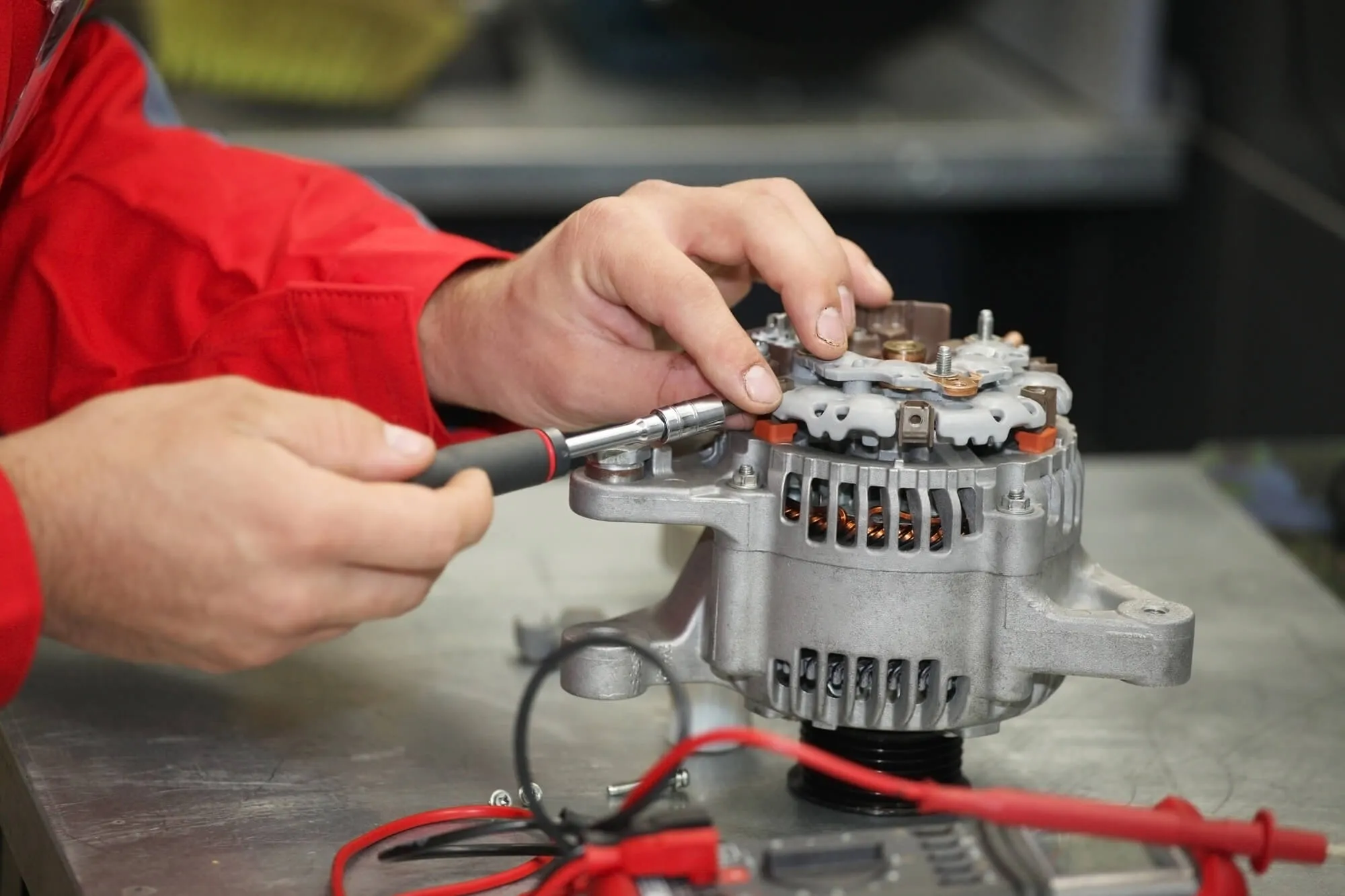
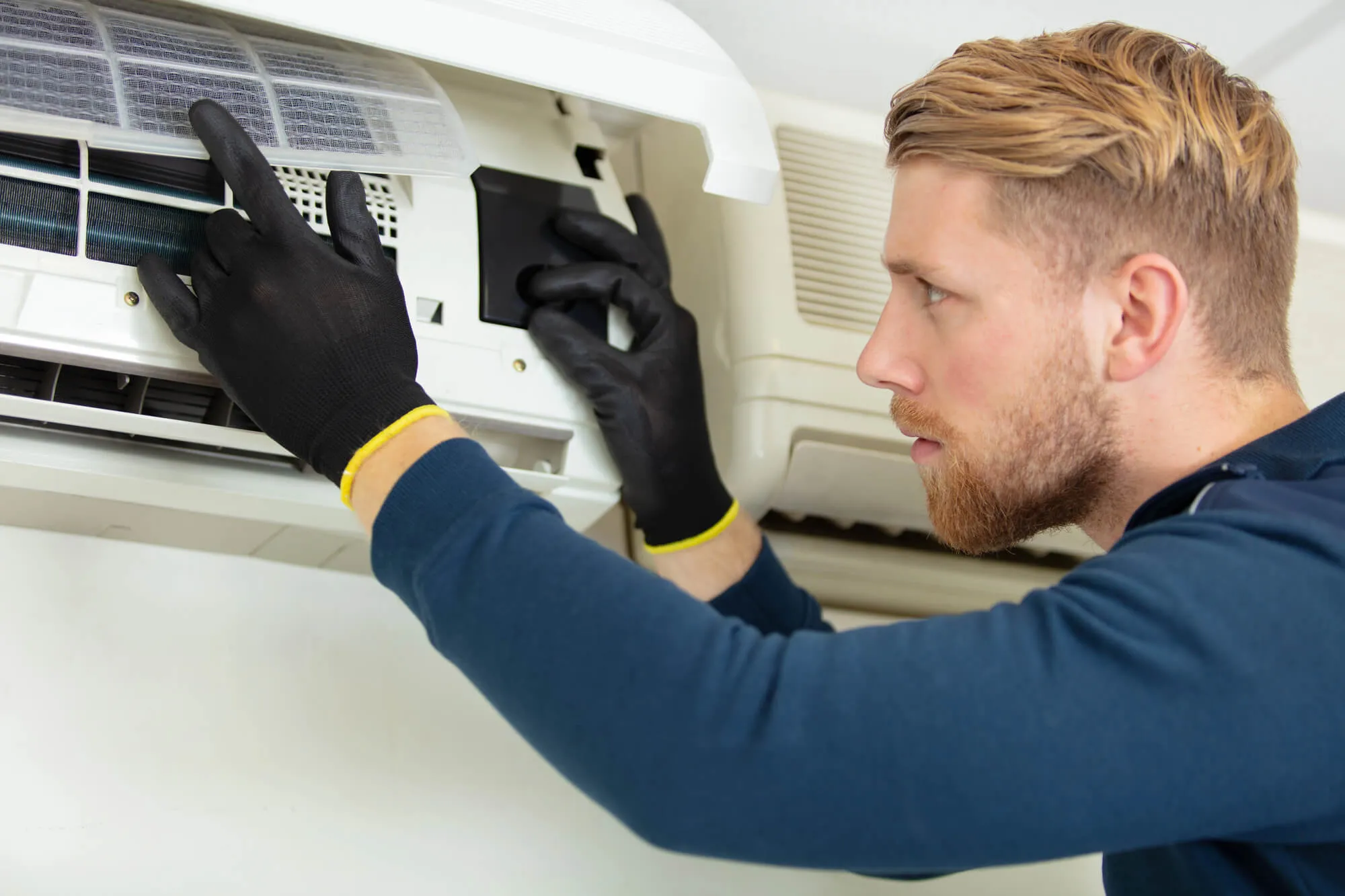
Electrician seattle working on a generator

What Makes Generator Installation So Complex?

It’s More Than Plug-and-Play

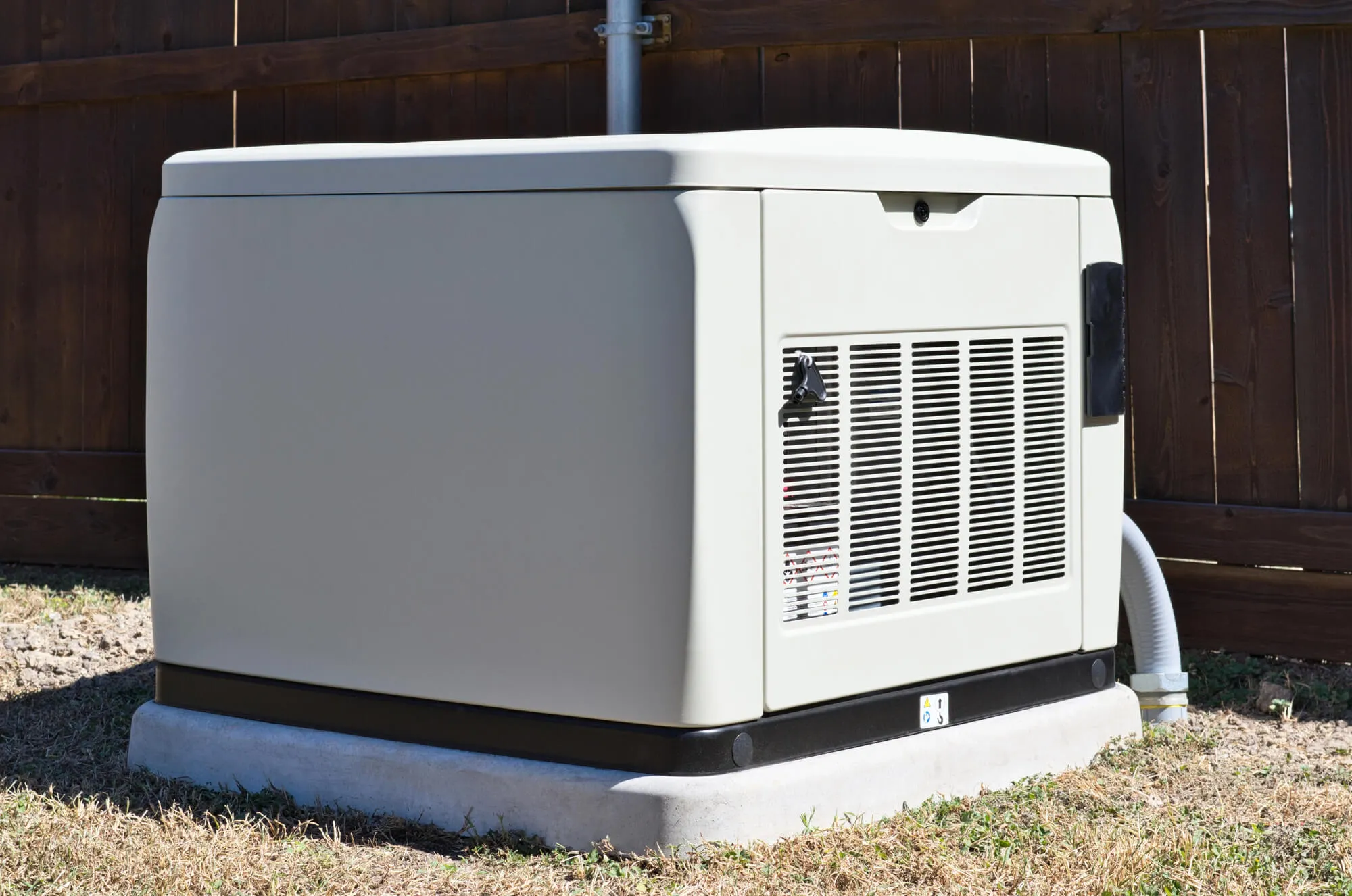
Unlike portable generators, standby systems require permanent wiring to your home’s electrical system. That means integrating the generator with your main panel, often through a transfer switch. This switch is essential—it automatically shifts power from the utility line to the generator when an outage occurs, and then back when the grid is restored.

Improper installation could backfeed electricity into power lines, creating a deadly hazard for utility workers and damaging your home’s electrical system.

Permits, Inspections, and Code Compliance

Generator installation isn’t just about wiring; it’s about following local codes, meeting permit requirements, and passing inspections. Every city or county has rules in place to protect public safety, and licensed electricians are well-versed in these regulations.

Unpermitted or noncompliant installations can result in fines, denied insurance claims, or forced removal. A qualified electrician handles the permitting process, works within local standards, and ensures your setup is inspected and approved the first time around.

Power Load Calculations Require Precision

Not all generators are sized the same. A licensed electrician knows how to calculate your home’s electrical load needs and recommend a generator that won’t be overworked or underpowered. Too small, and it may fail during peak demand. Too large, and you’ll overspend on capacity you don’t use.

Proper load balancing also helps protect sensitive appliances, such as refrigerators, computers, or HVAC systems, from voltage fluctuations and short circuits.

Why a Licensed Electrician Is Non-Negotiable

Proper Wiring and Transfer Switch Installation

One of the most critical components of any standby generator system is the transfer switch. A professional electrician ensures this is installed correctly, preventing dangerous backfeeds and keeping your home’s electrical system isolated from the utility line during an outage.

Licensed electricians also verify grounding, bonding, and proper wire sizing—ensuring safety and efficiency from day one.

Gas and Electrical Coordination

Many standby generators are powered by natural gas or propane, requiring coordination between gas lines and electrical components. While the gas hookup may be handled by a plumber or gas technician, the integration with your home’s panel must be done by an electrician trained to manage multiple power sources safely.

In many cases, this collaboration is scheduled and managed by your installation team—another benefit of choosing a full-service provider.

Weatherproofing and Site Considerations

Electricians consider exposure, clearance, and drainage when determining the optimal location for installing the generator. Generators must be installed on level surfaces, away from vents or windows, and positioned to meet both electrical and fire codes.

A DIY approach may overlook these factors, increasing the risk of damage, flooding, or code violations.

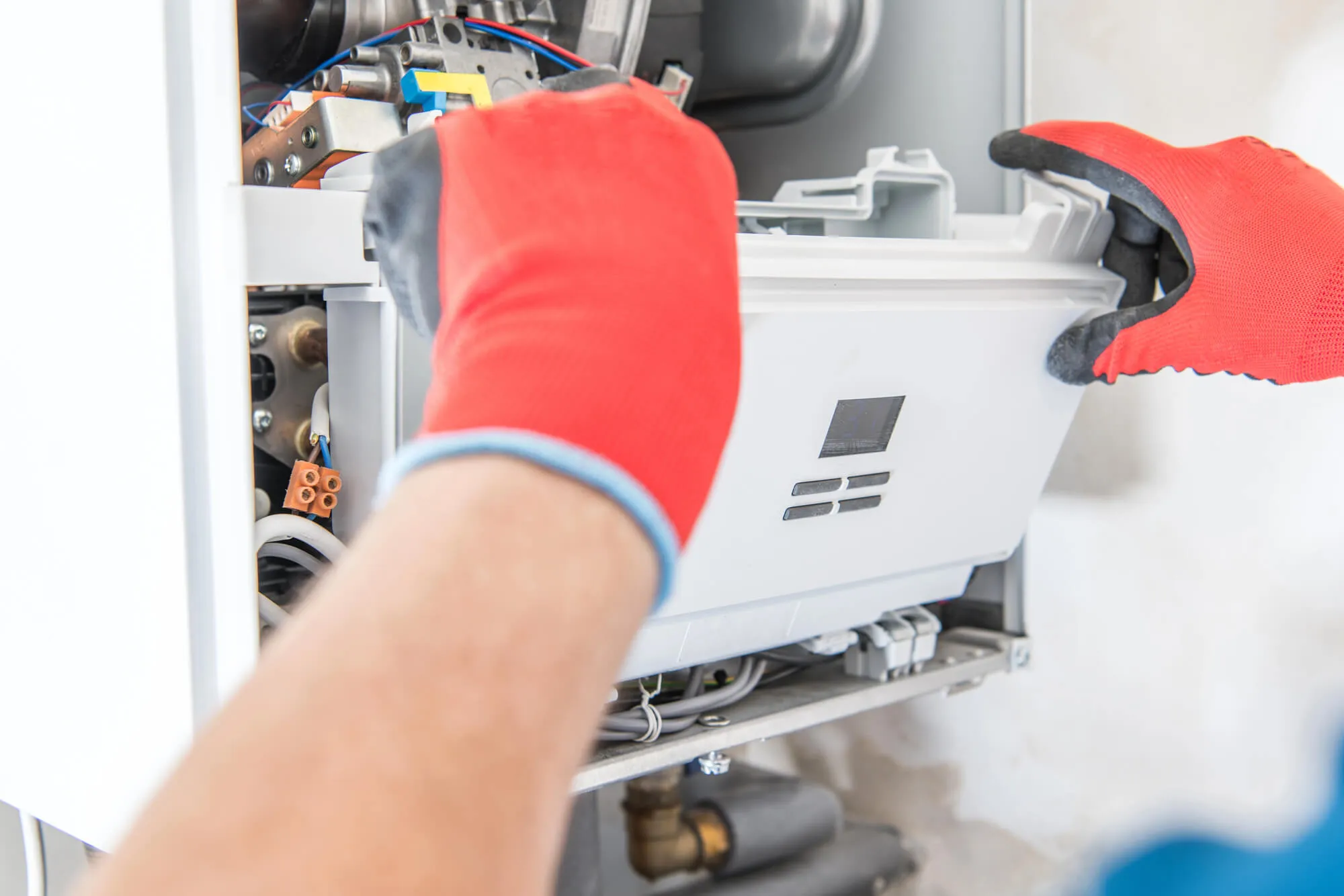
electrician in Seattle at work

Common Generator Installation Mistakes—And How Pros Avoid Them

Mistake: Skipping the Transfer Switch

The transfer switch is not optional—it’s an essential safety mechanism. Without it, a running generator can backfeed electricity into the public grid, putting utility workers and your home’s electrical system at risk. This kind of error can lead to electrocution, equipment damage, and legal liabilities. Licensed electricians always include an automatic or manual transfer switch based on your system’s needs. It’s the only safe way to manage power transitions.

Mistake: Undersizing the Generator

Many homeowners underestimate the amount of power they actually use. A generator that’s too small can overload during peak usage, causing it to shut down or damage appliances. Professionals conduct a detailed load analysis, factoring in the number of circuits, appliance wattages, and whether you want whole-house or essential-only coverage. They match you with a model that meets your energy needs without overspending on excess capacity.

Mistake: Faulty Grounding

Proper grounding is critical for performance and safety. Incorrect or missing grounding increases the risk of surges, shocks, and even fires. Licensed electricians follow NEC standards for grounding and bonding, ensuring stable operation and long-term reliability.

Protecting Your Home, Appliances, and Family

Reliable Power When You Need It

Your generator should work instantly and seamlessly during a blackout. Professional installation ensures your generator powers up on cue and supports your home without interruption.

Safe for Utility Workers and Your Home

Backfeeding is one of the most dangerous generator-related mistakes. Licensed electricians install transfer switches and interlocks that eliminate this risk, protecting everyone on the line.

Cleaner Installations with Less Noise and Vibration

Professionally installed systems are quieter, more stable, and less intrusive. Placement, insulation, and vibration-dampening features are optimized—things that DIY setups rarely consider.

Why Licensing and Certification Matter

Trained, Tested, and Monitored

Licensed electricians undergo years of training, pass state exams, and continue to stay up to date on code changes. Certification ensures they’ve been evaluated for skill, ethics, and safety standards.

Hiring someone unlicensed may save a few dollars—but could cost thousands in fines, rework, or electrical damage.

Insured and Bonded

Professionals are insured to protect you and your property in case of accident, injury, or defective workmanship. If something goes wrong, you’re covered.

Choosing the Right Electrician for the Job

Look for Residential Generator Experience

Not all electricians specialize in generator installations. Choose someone with specific experience installing standby systems from major brands.

Ask About Permits and Inspections

A qualified installer will handle the permitting process and walk you through what to expect during inspections. If they tell you permits aren’t needed—it’s a red flag.

Read Reviews and Compare Warranties

Choose a provider with a strong reputation, clear communication, and warranty support. A reputable electrician will guarantee their work and help troubleshoot long after the install is complete.

Generator Maintenance Starts with the Right Setup

An Ongoing Relationship

Working with a licensed electrician often includes maintenance plans, tune-ups, and priority support in case of outage. Establishing a relationship with a professional installer means you won’t be scrambling during an emergency.

Safer Upgrades in the Future

If you ever want to expand your system, upgrade your panel, or add smart monitoring, starting with a clean and code-compliant install makes the process easier and more affordable later on.

Can You Legally Install a Generator Yourself?

In most areas, installing a standby generator without a licensed electrician is not permitted. Even if you’re handy with wiring, working with your main panel and connecting it to a fuel source without proper licensing is unsafe and illegal.

Homeowner installations also risk voiding manufacturer warranties. Most brands require installation by certified technicians for warranty coverage.

If safety, legality, and performance matter to you—it’s best to leave it to the pros.

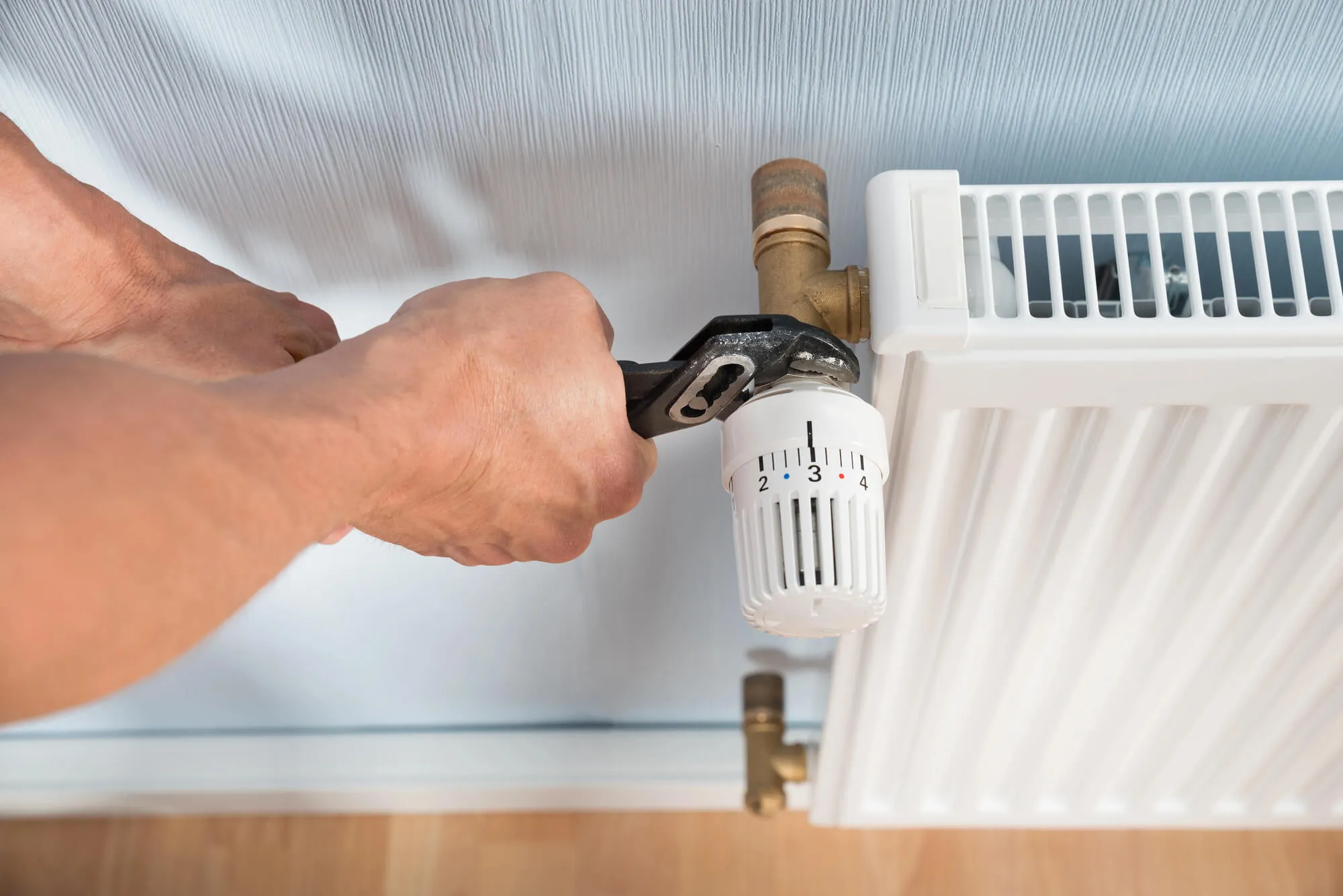
Electrician seattle installs generator

Work with an Electrician in Seattle Who Knows Generators Inside and Out

Choosing a backup generator is a smart step but it only works as well as it’s installed. A qualified electrician ensures your system is reliable, compliant, and built to perform for years.

Whether you’re protecting your home from outages or planning for future peace of mind, our team is here to help. Greenwood Heating has served local homeowners for more than 100 years. Our licensed electricians, HVAC specialists, and customer service team make generator installation easy, stress-free, and done right the first time.

Trust Greenwood Heating to deliver safe, code-compliant generator installations with service you can count on year-round.

Book your generator consultation today and power your home the right way—from the ground up.

Now Offering Heat Pump Upgrade Rebate To Duvall Residents

Enhanced Home Comfort with up to $8,000 in Heat Pump Incentives

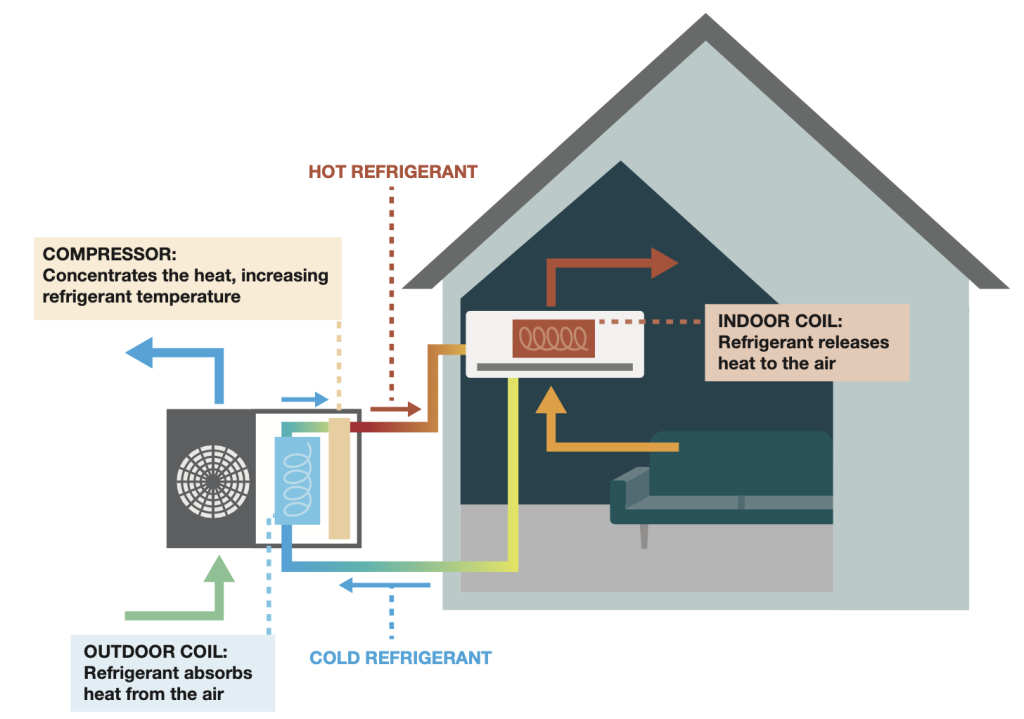
If you’re a Duvall* area resident with natural gas heating, you may be eligible for our heat pump program that offers up to $8,000 in incentives to help local families upgrade their home comfort systems by switching to an efficient electric heat pump system. Heat pumps provide consistent, even temperatures throughout your home without the hot and cold spots common with other systems. They also filter and circulate air continuously, reducing dust and allergens. And unlike window AC units, they operate quietly both indoors and outdoors.

Learn more about the cost and energy savings heat pumps provide.

Whether you’re interested in reducing your environmental impact, adding air conditioning to your home, or taking advantage of substantial incentives, now is the time to take advantage of this limited-time opportunity for Duvall area residents.

*Must be a Duvall area resident within specific neighborhoods of zip codes 98014 or 98019 – address verification by PSE is required. Your current primary heating system must be natural gas. This includes natural gas forced-air furnaces, wall heaters, and boilers.

What you get
Get an $8,000 rebate when you replace your existing natural gas heating system with an energy-efficient electric heat pump system.

View Details Here

Why Electric Heat Pumps Matter 

Heat pumps offer efficient, economical, and environmentally friendly home temperatures year-round by providing both heating and cooling in a single system. PSE is helping local customers upgrade their home heating and cooling systems by switching to an efficient electric heat pump.

Benefits of Upgrading

Year-round comfort: You’ll get both efficient heating and cooling in a single system, plus quieter operation than traditional heating systems.
It’s affordable and efficient technology: Cut electricity use by up to 50% compared to electric furnaces and baseboard heaters, along with superior cooling compared to window and central AC units.
Improved air quality: Heat pumps not only operate efficiently with a light carbon footprint, but also filter and dehumidify air.
They’re convenient and customizable: Most models can be controlled by remote, mobile app, or smart thermostat.

Do You Qualify?

Customer requirements

You must be a current, PSE single-family residential natural gas or dual fuel (natural gas and electric) customer. Single-family new construction, multifamily (five or more attached units) and commercial accounts are not eligible.
Your current primary heating system* must be fueled with PSE natural gas. This includes: natural gas furnace and natural gas boiler
Customers with existing heat pumps, or have installed a new heat pump as air-conditioning only are not eligible.
*Unsure if natural gas is your primary heating system? Contact one of our Energy Advisors.

Equipment requirements

Your new heat pump must be AHRI Certified®.
Must install to comply with all federal, state, and local code requirements.
Previous natural gas equipment is removed or decommissioned (cut and cap is allowed) after installation of electric heat pump system.
All existing furnace equipment, including the furnace unit itself, must be physically removed from the property.

Learn More On The Puget Sound Energy Website 

Protect Your Comfort and Budget with Professional Heat Repair in Seattle 

Seattle homeowners know how valuable a reliable heating system is during damp winters. The difference between a minor repair and a costly replacement often comes down to timing. By acting quickly on small signs—uneven heating, strange noises, rising bills—you protect your home, wallet, and peace of mind. 

At Greenwood Heating & Home Services, we believe every family deserves dependable comfort without surprise expenses. For over 100 years, we’ve helped Seattle homeowners stay warm with trusted repairs and proactive care. If you’ve noticed small issues with your system, don’t wait until they become big problems. Contact our team today for professional heating repair in Seattle and experience service built on reliability, respect, and lasting value. 


How Small Heating Problems Become Big (and Expensive) Repairs

reliable Heating Repair Seattle

Homeowners often shrug off small heating problems. A furnace that rattles occasionally, a heater that takes longer to warm up, or a thermostat that seems slightly off doesn’t always feel urgent. Yet, these minor inconveniences can snowball into costly system failures in Seattle’s damp and chilly winters. Heating repair in Seattle isn’t just about restoring comfort; it’s about protecting your home from unnecessary expenses and safety risks. Understanding how little issues escalate can help you avoid a major breakdown at the worst possible time. 

affordable Heating Repair Seattle

Why Small Heating Problems Matter 

Heating systems are designed to work in harmony. When one part falters, the stress on other components increases, creating a chain reaction. If ignored, what starts as a faint sound, a small leak, or a short cycle can end in a major repair or full replacement. Below are some common problems that may initially look small but turn expensive over time. 

Uneven Heating Across Rooms 

Many homeowners notice one room that feels colder than the rest. This uneven heating often points to restricted airflow, duct leaks, or a struggling blower motor. At first, it may be an inconvenience you can live with. Over time, however, the system works harder to balance temperatures. That extra strain shortens equipment life and inflates energy bills. Professional service early on usually requires minor adjustments, while waiting too long can mean replacing costly parts. 

Strange Noises from the Furnace 

Rattling, banging, or squealing noises are early warning signs. Loose components, worn belts, or debris in the system are often the cause. At first, the sound may come and go, but ignoring it risks a sudden breakdown. In some cases, a small part failure can damage the heat exchanger or blower assembly, repairs that run far higher than a quick inspection would have cost. 

Rising Energy Bills 

A gradual increase in heating bills often slips under the radar. Many homeowners assume rising costs are due to seasonal changes or utility rates. A poorly tuned system, clogged filters, or a faulty thermostat can waste large amounts of energy. Left unresolved, the system runs longer hours and wears out faster, leading to expensive replacements. Addressing efficiency issues promptly keeps monthly expenses stable and prevents strain on the system. 

Frequent Cycling On and Off 

If your furnace turns on and off more often than usual, it may be short-cycling. This is usually caused by dirty filters, a malfunctioning thermostat, or restricted airflow. While the symptom itself doesn’t stop the heat, the frequent cycling consumes energy and accelerates wear on internal parts. What starts as a low-cost cleaning or calibration can eventually lead to blower motor or heat exchanger damage, which is far more expensive to repair. 

Small Leaks or Moisture Near the Unit 

Water around a heating system may seem minor, but leaks can signal clogged condensate lines or cracked components. Ignoring moisture risks water damage to floors and walls, and furnace failure. Seattle’s damp climate already challenges indoor air quality, and standing water adds mold concerns. Fixing leaks early protects both your heating system and your home. 

Thermostat Issues 

A thermostat that doesn’t match room temperature may not seem urgent, but it’s the brain of your heating system. Small calibration issues lead to inefficiency, discomfort, and wasted energy. Over time, the furnace works harder than necessary, increasing repair needs. Replacing or adjusting a thermostat is affordable compared to long-term system stress. 

Dirty or Clogged Air Filters 

Air filters trap dust and debris, keeping your system clean. When neglected, airflow decreases, parts overheat, and the furnace strains to keep up. A simple filter change can prevent expensive failures such as motor burnout. Something that costs a few dollars to fix can otherwise lead to hundreds in heating repair. 

Heating Repair Seattle

How Seattle’s Climate Makes Problems Worse 

Seattle’s damp, cool winters add another layer of pressure to heating systems. Moisture can speed up rust, corrosion, and electrical issues. Systems often run longer hours during extended cold spells, magnifying small inefficiencies.  

Unlike drier climates, the Pacific Northwest also sees condensation build-up in ductwork, which can contribute to mold growth and airflow restrictions. Furnaces and heat pumps in this environment benefit from proactive care more than in many other regions.   

A rattle or leak that might go unnoticed elsewhere can quickly become serious under Seattle’s weather patterns. 

Safety Concerns Beyond Comfort 

Heating systems aren’t just about warmth. Cracks in heat exchangers, electrical malfunctions, or gas line issues all start with small warning signs. Ignoring these puts your family at risk of carbon monoxide exposure or electrical hazards. Professional heating repair addresses both comfort and safety, giving homeowners peace of mind during Seattle’s coldest months. 

Why Proactive Repairs Save Money 

It’s natural to want to postpone a repair when the system still seems to work. But heating systems don’t fix themselves. Small issues multiply, and the eventual bill often includes both repair and collateral damage. A rattling part can damage the blower, a leak can corrode wiring, and clogged filters can burn out motors. By addressing problems early, you spend less overall and extend the life of your system. 

Preventive Maintenance: Your First Line of Defense 

One of the most effective ways to avoid expensive heating repairs is by staying ahead of problems with regular maintenance. While it can be tempting to wait until something breaks before calling a technician, this approach almost always costs more in the long run. Heating systems, like any mechanical equipment, need care to perform well.  

Professional tune-ups provide that care by cleaning, adjusting, and inspecting every part of your system. These visits are designed to catch small issues before they spread and to keep heating costs predictable throughout the year. 

In Seattle, preventive maintenance is even more important. The city’s damp winters put added stress on furnaces and heat pumps, and moisture can contribute to rust, mold, and electrical wear. During the coldest months, when demand on your heating system is at its highest, annual service can mean the difference between affordable upkeep and an inconvenient emergency call that interrupts your comfort. 

What a Professional Technician Looks For 

A skilled technician will go far beyond simply replacing a filter during a routine tune-up. They will: 

  • Check for airflow issues and duct leaks that reduce efficiency. 
  • Tighten or replace loose or worn mechanical parts. 
  • Look for early signs of rust or corrosion before they worsen. 
  • Inspect electrical safety, wiring condition, and connections. 
  • Calibrate the thermostat for accuracy and consistent temperature control. 
  • Assess the heat exchanger for damage that could lead to costly repairs or safety hazards. 

This thorough check provides two major benefits. First, it keeps the system running efficiently, so you aren’t paying for wasted energy. Second, it dramatically reduces the chance of sudden breakdowns. Even small adjustments—like clearing a clogged drain line or tightening a loose connection—can extend the lifespan of your equipment by years. 

By scheduling maintenance once a year, Seattle homeowners protect their comfort and budget. This simple step pays for itself by preventing big repairs, maintaining safe operation, and giving them peace of mind all winter long.  

FAQs About Heating Repair  

  • How often should I schedule heating maintenance? 

Your system should be cleaned once a year, ideally before winter starts. This keeps it clean, efficient, and safe. 

  • Are repairs more common in older homes? 

Yes. Many Seattle homes have older heating systems, and age naturally increases wear. Regular inspections help extend their lifespan. 

  • What’s the most common repair in Seattle homes? 

Clogged filters, thermostat malfunctions, and blower motor issues are the most frequent problems technicians see. 

  • Can small repairs extend system life? 

Absolutely. Timely repairs can add years of service to your system by reducing strain on parts. 

professional Heating Repair Seattle

Protect Your Comfort and Budget with Professional Heat Repair in Seattle 

Seattle homeowners know how valuable a reliable heating system is during damp winters. The difference between a minor repair and a costly replacement often comes down to timing. By acting quickly on small signs—uneven heating, strange noises, rising bills—you protect your home, wallet, and peace of mind. 

At Greenwood Heating & Home Services, we believe every family deserves dependable comfort without surprise expenses. For over 100 years, we’ve helped Seattle homeowners stay warm with trusted repairs and proactive care. If you’ve noticed small issues with your system, don’t wait until they become big problems. Contact our team today for professional heating repair in Seattle and experience service built on reliability, respect, and lasting value. 


Common Contaminants in Air Ducts 

Air ducts are essential components of HVAC systems, responsible for circulating air throughout our homes. However, they often become breeding grounds for various contaminants. From dust and dirt to mold, pet dander, and chemicals, these pollutants can compromise the cleanliness of our indoor environments and pose health risks to occupants. 

Let’s explore the common contaminants that accumulate in air ducts, their effects on indoor air quality and health, and the importance of regular air duct cleaning in Seattle for a safer and healthier living space. 

Dust and Dirt 

Dust and dirt are common contaminants that accumulate in air ducts over time. They enter the ductwork through various means, including: 

  • Everyday activities such as walking, cooking, and cleaning, which generate dust particles. 
  • Outdoor air infiltration through vents and openings in the building. 
  • Shedding of skin cells and fabrics within the indoor environment. 

Once inside the ducts, dust and dirt settle on surfaces, including duct walls, vents, and components of the HVAC system. 

Effects of Dust and Dirt on Indoor Air Quality 

Dust and dirt can degrade indoor air quality when circulated through the HVAC system. These particles can trigger respiratory issues and allergies, especially in sensitive individuals. Accumulation of dust and dirt in air ducts can lead to the release of airborne pollutants into living spaces, contributing to poor indoor air quality. Additionally, dust buildup can obstruct airflow, reducing the efficiency of the HVAC system and increasing energy consumption. 

Health Risks Associated with Breathing in Dust and Dirt Particles 

Dust and dirt may seem small and insignificant, but over time, their accumulation in air ducts can pose significant health risks. Here are some of the health risks associated with breathing in dust and dirt particles: 

  • Breathing in dust and dirt particles can exacerbate existing respiratory conditions such as asthma and allergies. 
  • Long-term exposure to airborne dust and dirt may increase the risk of developing respiratory infections and other respiratory illnesses. 
  • Certain particles may contain allergens, pollutants, and even harmful chemicals, posing serious health risks when inhaled. 

Mold and Mildew 

Mold and mildew growth in air ducts can be attributed to various factors, including: 

  • High humidity levels within the ductwork, providing an ideal environment for mold and mildew to thrive. 
  • Moisture infiltration due to leaks or condensation in the HVAC system. 
  • Organic matter, such as dust and dirt, providing nutrients for mold and mildew growth. 
  • Poor ventilation in the ductwork, leading to stagnant air and moisture buildup. 

Health Effects of Exposure to Mold and Mildew Spores 

Exposure to mold and mildew spores can have adverse health effects on people, including respiratory issues such as coughing, wheezing, and shortness of breath. Allergic reactions, including sneezing, nasal congestion, and skin irritation, may also occur. Asthma sufferers may experience an exacerbation of symptoms. Moreover, long-term exposure to mold and mildew spores may lead to chronic health conditions and respiratory complications. 

Importance of Addressing Mold and Mildew Contamination 

While it might seem harmless to let it slip for a while, it’s better to address mold and mildew contamination sooner rather than later. Prompt action is essential because: 

  • It helps in protecting indoor air quality and prevents the spread of airborne pollutants. 
  • Addressing mold growth promptly prevents further damage to the HVAC system and building infrastructure. 
  • Eliminating mold and mildew-related odors and issues enhances the overall comfort and safety of the indoor environment. 

Pet Dander and Allergens 

When pets move around the home, dander becomes airborne and can be drawn into the HVAC system through return air vents. Once inside the ductwork, pet dander settles on surfaces, including duct walls, vents, and HVAC components, where it can accumulate over time. 

Impact of Pet Dander and Allergens 

When circulated through the HVAC system, pet dander and allergens can trigger allergic reactions, including sneezing, coughing, wheezing, and nasal congestion. Prolonged exposure to these allergens may worsen respiratory symptoms and decrease overall indoor air quality, leading to discomfort and health issues for occupants. 

Strategies for Reducing Pet-Related Contaminants 

To minimize the presence of pet-related contaminants in air ducts and improve indoor air quality, several strategies can be implemented: 

  • Vacuuming and Dusting: Regular vacuuming and dusting of surfaces throughout the home, including floors, furniture, and pet bedding, can help remove pet dander and allergens from indoor environments, reducing their presence in air ducts. 
  • Air Purifiers: Installing high-efficiency particulate air (HEPA) filters or air purifiers in the home can help capture and remove airborne pet dander and allergens, improving indoor air quality and reducing the likelihood of these contaminants entering air ducts. 
  • Professional Air Duct Cleaning: Periodic professional air duct cleaning in Seattle can effectively remove accumulated pet dander, allergens, and other contaminants from ductwork, improving indoor air quality and reducing the risk of allergic reactions for occupants. 
  • Sealing Duct Leaks: Ensuring that air ducts are properly sealed can help prevent the infiltration of outdoor allergens, including pollen and other airborne contaminants, into the home through ductwork, minimizing their impact on indoor air quality. 

Sources of Chemicals and Volatile Organic Compounds (VOCs) in Air Ducts 

Chemicals and volatile organic compounds (VOCs) are substances that can easily evaporate into the air at room temperature. These compounds can originate from various sources within and outside the indoor environment, contributing to indoor air pollution. Some common sources of chemicals and VOCs in air ducts include: 

  • Household Cleaning Products: Many household cleaning products, such as surface cleaners, disinfectants, and air fresheners, contain a variety of chemicals and VOCs.  
  • Building Materials and Furnishings: Construction materials, furniture, carpets, and upholstery may emit VOCs over time. These compounds are often found in adhesives, paints, varnishes, and finishes used in building construction and interior decoration.  
  • Tobacco Smoke: Smoking indoors releases a complex mixture of harmful chemicals and VOCs into the air. These compounds can include nicotine, tar, carbon monoxide, and various carcinogens.  
  • Outdoor Air Pollution: Pollutants from outdoor sources, such as vehicle emissions, industrial activities, and natural sources like pollen and mold spores, can infiltrate indoor environments through ventilation systems.  

Improving Indoor Air Quality by Reducing Chemical Contaminants 

To enhance indoor air quality and lessen exposure to chemicals and VOCs, consider a few simple steps. Opt for products labeled as low-VOC or VOC-free when cleaning, painting, or furnishing your home. Ensure good ventilation by opening windows and using exhaust fans to circulate fresh outdoor air.  

Limit indoor smoking and store household chemicals securely to minimize their release. Lastly, maintain cleanliness indoors and schedule periodic air duct cleaning to remove accumulated pollutants. These measures collectively contribute to a healthier indoor environment. 

Importance of Air Duct Cleaning 

As you can see, there are numerous contaminants that can accumulate within your air ducts over time. These substances can compromise the cleanliness of your indoor environment and potentially affect your health. Here’s why regular air duct cleaning in Seattle is essential: 

Removing Contaminants 

Regular air duct cleaning is key for removing these contaminants from your ductwork. By eliminating dust, dirt, mold, pet dander, and allergens, air duct cleaning helps maintain a cleaner indoor environment and prevents the circulation of harmful particles through your HVAC system. 

Air Quality and Respiratory Health 

Clean air ducts significantly contribute to improved indoor air quality, ensuring that the air circulated throughout your home is free from contaminants. This is particularly beneficial for those with respiratory conditions like asthma or allergies, as cleaner air can alleviate symptoms and promote better respiratory health. 

Prolonging HVAC System Lifespan 

Clean ducts facilitate better airflow, allowing your system to operate more efficiently and consume less energy. This results in energy savings and lower utility bills. Moreover, by reducing strain on the HVAC system, air duct cleaning helps prolong its lifespan, preventing premature wear and tear and potential breakdowns.  

Do You Need Air Duct Cleaning in Seattle? 

Ready to breathe cleaner air and enhance your home’s comfort? Trust Greenwood Heating, serving the Seattle area since 1921. With a commitment to excellence, backed by our core values and industry-leading warranties, we offer top-notch air duct cleaning services and more. Contact us today for a consultation! 


Understanding Energy Efficiency

Residential Electrical Upgrades

Residential Electrical Upgrades

Improving Your Home's Safety and Energy Efficiency with Greenwood Heating And Home Services

Residential Electrical Upgrades

As homeowners, ensuring the safety and efficiency of our living spaces is paramount. One aspect often overlooked is the electrical system, a vital component that powers our homes. At Greenwood Heating and Home Services, based in Seattle, we understand the significance of residential electrical upgrades. In this blog, we will explore how these upgrades can enhance your home’s safety and energy efficiency, providing insights from our experts at Greenwood.

  1. Safety First: Understanding the Need for Upgrades

    Electrical systems can age, and with time, wear and tear may lead to safety hazards. Outdated wiring, overloaded circuits, and aging components can increase the risk of electrical fires. Our team emphasizes the importance of regular inspections to identify potential issues and recommends upgrades to mitigate safety risks.

  2. The Benefits of Residential Electrical Upgrades:

    a. Upgraded Wiring: Aging wiring can pose serious risks. Upgrading to modern, code-compliant wiring enhances safety, reduces the risk of electrical fires, and supports the electrical demands of contemporary households.

    b. Panel Upgrades: Older electrical panels may not meet the power demands of modern appliances and electronics, leading to frequent tripped breakers. Upgrading to a higher-capacity panel ensures a more reliable and efficient electrical system.

    d. Energy-Efficient Lighting: Upgrading to energy-efficient lighting solutions, such as LED bulbs and fixtures, not only reduces energy consumption but also lowers utility bills. Our team assists homeowners in making informed choices for lighting upgrades.

  3. Smart Home Integration:

    Integrating smart home technology into your electrical system adds a layer of convenience and efficiency. From smart thermostats to automated lighting, At Greenwood Heating and Home Services, we help homeowners embrace modern technologies that enhance both comfort and energy savings.

  4. Increased Electrical Capacity:

    With the growing number of electronic devices in households, older electrical systems may struggle to meet demand. Upgrading the electrical capacity ensures that your home can handle the load without risking system overload.

  5. Code Compliance and Permits:

    Electrical codes evolve over time to address safety concerns and accommodate technological advancements. Our team ensures that all upgrades adhere to the latest codes and regulations, obtaining the necessary permits for a compliant installation.

  6. Professional Installation:

    The key to a successful electrical upgrade lies in professional installation. Our team of certified electricians brings expertise, precision, and a commitment to safety to every project.

Conclusion:

Investing in residential electrical upgrades is a proactive step toward ensuring the safety, efficiency, and modernity of your home. Our team at Greenwood Heating and Home Services in Seattle stands ready to guide homeowners through this process, offering expert advice, professional installations, and a commitment to creating homes that are not only well-lit but also safe and energy-efficient. Elevate your home’s electrical system with Greenwood, where safety and efficiency go hand in hand.


Why Upgrade to a SPAN Smart Panel

SPAN ELECTRICAL PANEL SEATTLE

Why Upgrade to a SPAN Smart Panel?

The Benefits and Features

SPAN ELECTRICAL PANEL SEATTLE

As a homeowner in Tukwila, WA you want the best for your home. Among the important things that you should keep in mind is enhancing your home’s electrical system. An outdated or overworked electrical system can not only lead to various safety risks but can cost you money as well. Therefore, you need to consider upgrading to a SPAN smart panel.

A SPAN smart panel works by distributing power throughout your home to all devices and appliances. It also has smart capabilities that allow you to control your electrical system through your smartphone, tablet, or computer. At Greenwood Heating and Home Services, we understand the importance of having safe and efficient electrical systems in our homes. That’s why we highly recommend upgrading to a SPAN smart panel.

Preventing Electrical Hazards

Your home’s electrical panel plays a critical role in ensuring every electrical device and appliance runs smoothly. Unfortunately, outdated electrical systems are prone to electrical hazards such as electrical fires and electrocution. However, with a SPAN smart panel, you can mitigate these risks. This is because the panel is designed with cutting-edge technology and meets various safety standards. Additionally, it has circuit breakers that intercept shorts and overloads, preventing electrical fires.

Cost Savings

Replacing your outdated electrical panel with a SPAN smart panel can help you save on energy costs. This is because smart panels are designed with energy-saving technology that helps to reduce energy consumption. With this technology, you have the ability to monitor and manage your power usage through your phone. This ensures that you can identify areas where there is energy wastage and take action.

Remote Power Management

Managing your home’s power has never been easier thanks to SPAN smart panels. This technology allows you to control your electrical system from any location using your phone or through voice-activated assistants such as Google Home or Amazon’s Alexa. This means you can switch off unused lights, turn off the oven, or adjust the thermostat remotely. This is not only convenient but also saves you time while keeping your home energy-efficient.

Advanced Technology

A SPAN smart panel is designed to keep up with the latest technological advancements, ensuring the smooth running of your home’s electrical systems. It’s integrated with artificial intelligence and machine learning technology that enhances its functionality while providing the highest level of protection. As a homeowner, you’ll have peace of mind knowing that your home’s electrical system is cutting-edge and perfectly matched to your household’s needs.

Simplifies Troubleshooting

When your electrical system is not working correctly, troubleshooting can be an intricate task that takes up time and causes inconvenience. However, a SPAN smart panel simplifies the troubleshooting process, thanks to its advanced technology. In case of an overload or circuit trip, it can automatically isolate the fault, reducing the chances of an electrical fire.

Upgrade your home’s electrical system today!

Upgrading your home’s electrical system with a SPAN smart panel is a smart move that will provide various benefits to your home. A smart panel ensures your home is energy-efficient, offers remote management capabilities, and makes troubleshooting much easier while enhancing your family’s safety. At Greenwood Heating and Home Services in Tukwila, WA, we pride ourselves on offering high-quality services and products. Contact us today to upgrade to a SPAN smart panel and enjoy peace of mind knowing that your home’s electrical system is safe and efficient.