


Now Offering Heat Pump Upgrade Rebate To Duvall Residents

Enhanced Home Comfort with up to $8,000 in Heat Pump Incentives

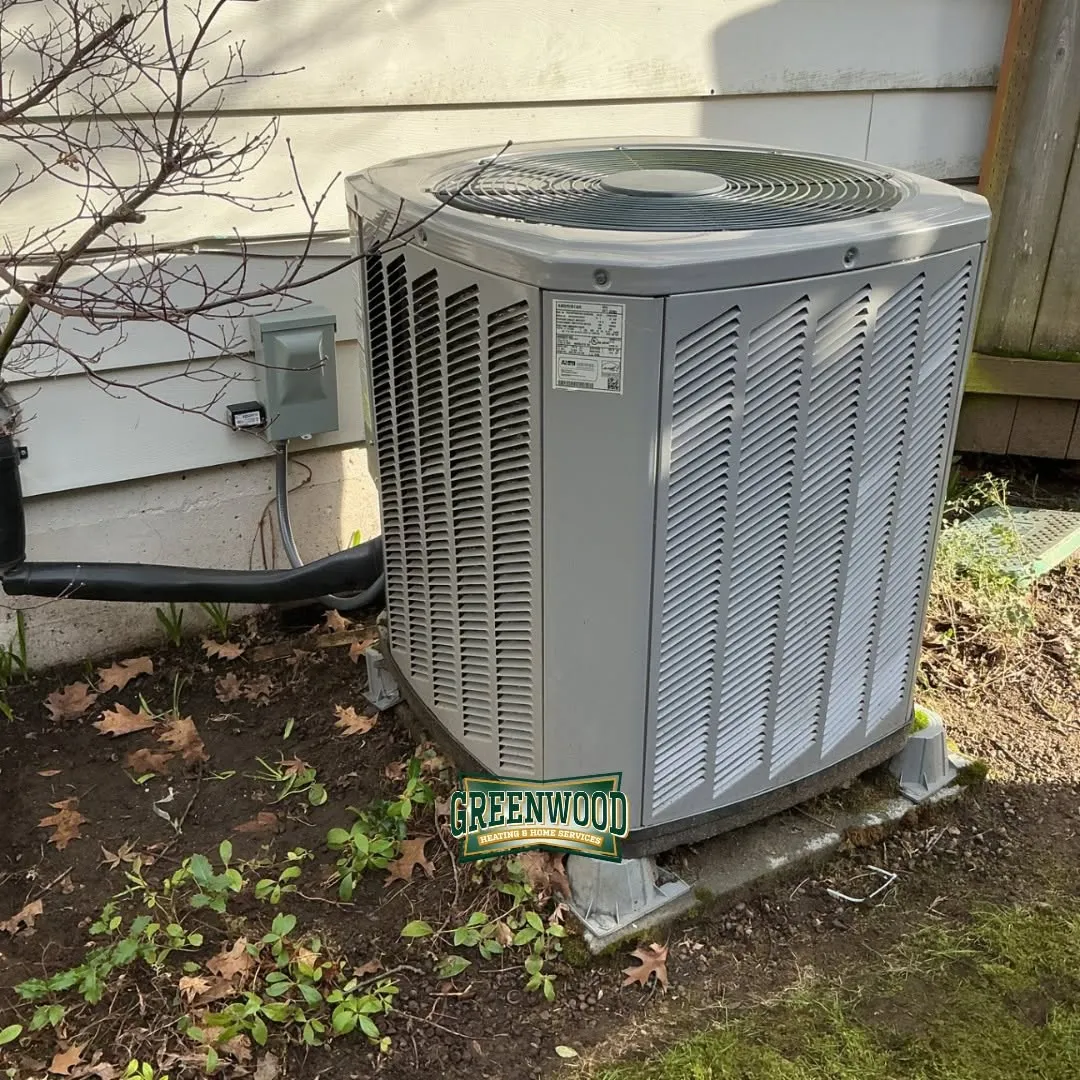
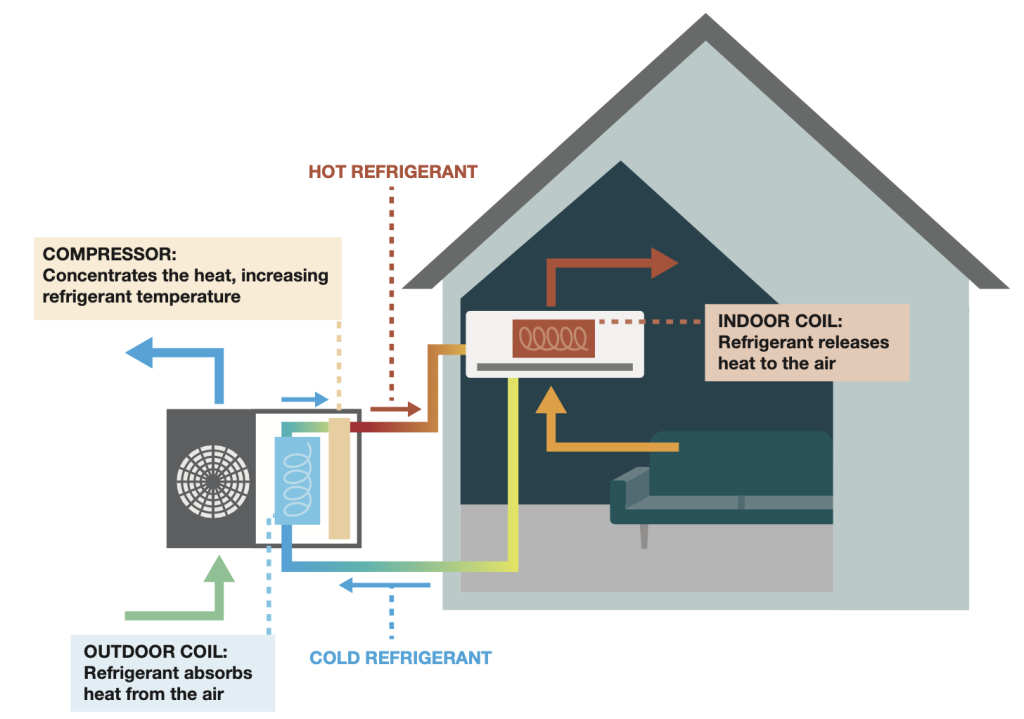
If you’re a Duvall* area resident with natural gas heating, you may be eligible for our heat pump program that offers up to $8,000 in incentives to help local families upgrade their home comfort systems by switching to an efficient electric heat pump system. Heat pumps provide consistent, even temperatures throughout your home without the hot and cold spots common with other systems. They also filter and circulate air continuously, reducing dust and allergens. And unlike window AC units, they operate quietly both indoors and outdoors.

Learn more about the cost and energy savings heat pumps provide.

Whether you’re interested in reducing your environmental impact, adding air conditioning to your home, or taking advantage of substantial incentives, now is the time to take advantage of this limited-time opportunity for Duvall area residents.

*Must be a Duvall area resident within specific neighborhoods of zip codes 98014 or 98019 – address verification by PSE is required. Your current primary heating system must be natural gas. This includes natural gas forced-air furnaces, wall heaters, and boilers.

What you get
Get an $8,000 rebate when you replace your existing natural gas heating system with an energy-efficient electric heat pump system.

View Details Here

Why Electric Heat Pumps Matter 

Heat pumps offer efficient, economical, and environmentally friendly home temperatures year-round by providing both heating and cooling in a single system. PSE is helping local customers upgrade their home heating and cooling systems by switching to an efficient electric heat pump.

Benefits of Upgrading

Year-round comfort: You’ll get both efficient heating and cooling in a single system, plus quieter operation than traditional heating systems.
It’s affordable and efficient technology: Cut electricity use by up to 50% compared to electric furnaces and baseboard heaters, along with superior cooling compared to window and central AC units.
Improved air quality: Heat pumps not only operate efficiently with a light carbon footprint, but also filter and dehumidify air.
They’re convenient and customizable: Most models can be controlled by remote, mobile app, or smart thermostat.

Do You Qualify?

Customer requirements

You must be a current, PSE single-family residential natural gas or dual fuel (natural gas and electric) customer. Single-family new construction, multifamily (five or more attached units) and commercial accounts are not eligible.
Your current primary heating system* must be fueled with PSE natural gas. This includes: natural gas furnace and natural gas boiler
Customers with existing heat pumps, or have installed a new heat pump as air-conditioning only are not eligible.
*Unsure if natural gas is your primary heating system? Contact one of our Energy Advisors.

Equipment requirements

Your new heat pump must be AHRI Certified®.
Must install to comply with all federal, state, and local code requirements.
Previous natural gas equipment is removed or decommissioned (cut and cap is allowed) after installation of electric heat pump system.
All existing furnace equipment, including the furnace unit itself, must be physically removed from the property.

Learn More On The Puget Sound Energy Website 

Protect Your Comfort and Budget with Professional Heat Repair in Seattle 

Seattle homeowners know how valuable a reliable heating system is during damp winters. The difference between a minor repair and a costly replacement often comes down to timing. By acting quickly on small signs—uneven heating, strange noises, rising bills—you protect your home, wallet, and peace of mind. 

At Greenwood Heating & Home Services, we believe every family deserves dependable comfort without surprise expenses. For over 100 years, we’ve helped Seattle homeowners stay warm with trusted repairs and proactive care. If you’ve noticed small issues with your system, don’t wait until they become big problems. Contact our team today for professional heating repair in Seattle and experience service built on reliability, respect, and lasting value. 


How Small Heating Problems Become Big (and Expensive) Repairs

reliable Heating Repair Seattle

Homeowners often shrug off small heating problems. A furnace that rattles occasionally, a heater that takes longer to warm up, or a thermostat that seems slightly off doesn’t always feel urgent. Yet, these minor inconveniences can snowball into costly system failures in Seattle’s damp and chilly winters. Heating repair in Seattle isn’t just about restoring comfort; it’s about protecting your home from unnecessary expenses and safety risks. Understanding how little issues escalate can help you avoid a major breakdown at the worst possible time. 

affordable Heating Repair Seattle

Why Small Heating Problems Matter 

Heating systems are designed to work in harmony. When one part falters, the stress on other components increases, creating a chain reaction. If ignored, what starts as a faint sound, a small leak, or a short cycle can end in a major repair or full replacement. Below are some common problems that may initially look small but turn expensive over time. 

Uneven Heating Across Rooms 

Many homeowners notice one room that feels colder than the rest. This uneven heating often points to restricted airflow, duct leaks, or a struggling blower motor. At first, it may be an inconvenience you can live with. Over time, however, the system works harder to balance temperatures. That extra strain shortens equipment life and inflates energy bills. Professional service early on usually requires minor adjustments, while waiting too long can mean replacing costly parts. 

Strange Noises from the Furnace 

Rattling, banging, or squealing noises are early warning signs. Loose components, worn belts, or debris in the system are often the cause. At first, the sound may come and go, but ignoring it risks a sudden breakdown. In some cases, a small part failure can damage the heat exchanger or blower assembly, repairs that run far higher than a quick inspection would have cost. 

Rising Energy Bills 

A gradual increase in heating bills often slips under the radar. Many homeowners assume rising costs are due to seasonal changes or utility rates. A poorly tuned system, clogged filters, or a faulty thermostat can waste large amounts of energy. Left unresolved, the system runs longer hours and wears out faster, leading to expensive replacements. Addressing efficiency issues promptly keeps monthly expenses stable and prevents strain on the system. 

Frequent Cycling On and Off 

If your furnace turns on and off more often than usual, it may be short-cycling. This is usually caused by dirty filters, a malfunctioning thermostat, or restricted airflow. While the symptom itself doesn’t stop the heat, the frequent cycling consumes energy and accelerates wear on internal parts. What starts as a low-cost cleaning or calibration can eventually lead to blower motor or heat exchanger damage, which is far more expensive to repair. 

Small Leaks or Moisture Near the Unit 

Water around a heating system may seem minor, but leaks can signal clogged condensate lines or cracked components. Ignoring moisture risks water damage to floors and walls, and furnace failure. Seattle’s damp climate already challenges indoor air quality, and standing water adds mold concerns. Fixing leaks early protects both your heating system and your home. 

Thermostat Issues 

A thermostat that doesn’t match room temperature may not seem urgent, but it’s the brain of your heating system. Small calibration issues lead to inefficiency, discomfort, and wasted energy. Over time, the furnace works harder than necessary, increasing repair needs. Replacing or adjusting a thermostat is affordable compared to long-term system stress. 

Dirty or Clogged Air Filters 

Air filters trap dust and debris, keeping your system clean. When neglected, airflow decreases, parts overheat, and the furnace strains to keep up. A simple filter change can prevent expensive failures such as motor burnout. Something that costs a few dollars to fix can otherwise lead to hundreds in heating repair. 

Heating Repair Seattle

How Seattle’s Climate Makes Problems Worse 

Seattle’s damp, cool winters add another layer of pressure to heating systems. Moisture can speed up rust, corrosion, and electrical issues. Systems often run longer hours during extended cold spells, magnifying small inefficiencies.  

Unlike drier climates, the Pacific Northwest also sees condensation build-up in ductwork, which can contribute to mold growth and airflow restrictions. Furnaces and heat pumps in this environment benefit from proactive care more than in many other regions.   

A rattle or leak that might go unnoticed elsewhere can quickly become serious under Seattle’s weather patterns. 

Safety Concerns Beyond Comfort 

Heating systems aren’t just about warmth. Cracks in heat exchangers, electrical malfunctions, or gas line issues all start with small warning signs. Ignoring these puts your family at risk of carbon monoxide exposure or electrical hazards. Professional heating repair addresses both comfort and safety, giving homeowners peace of mind during Seattle’s coldest months. 

Why Proactive Repairs Save Money 

It’s natural to want to postpone a repair when the system still seems to work. But heating systems don’t fix themselves. Small issues multiply, and the eventual bill often includes both repair and collateral damage. A rattling part can damage the blower, a leak can corrode wiring, and clogged filters can burn out motors. By addressing problems early, you spend less overall and extend the life of your system. 

Preventive Maintenance: Your First Line of Defense 

One of the most effective ways to avoid expensive heating repairs is by staying ahead of problems with regular maintenance. While it can be tempting to wait until something breaks before calling a technician, this approach almost always costs more in the long run. Heating systems, like any mechanical equipment, need care to perform well.  

Professional tune-ups provide that care by cleaning, adjusting, and inspecting every part of your system. These visits are designed to catch small issues before they spread and to keep heating costs predictable throughout the year. 

In Seattle, preventive maintenance is even more important. The city’s damp winters put added stress on furnaces and heat pumps, and moisture can contribute to rust, mold, and electrical wear. During the coldest months, when demand on your heating system is at its highest, annual service can mean the difference between affordable upkeep and an inconvenient emergency call that interrupts your comfort. 

What a Professional Technician Looks For 

A skilled technician will go far beyond simply replacing a filter during a routine tune-up. They will: 

  • Check for airflow issues and duct leaks that reduce efficiency. 
  • Tighten or replace loose or worn mechanical parts. 
  • Look for early signs of rust or corrosion before they worsen. 
  • Inspect electrical safety, wiring condition, and connections. 
  • Calibrate the thermostat for accuracy and consistent temperature control. 
  • Assess the heat exchanger for damage that could lead to costly repairs or safety hazards. 

This thorough check provides two major benefits. First, it keeps the system running efficiently, so you aren’t paying for wasted energy. Second, it dramatically reduces the chance of sudden breakdowns. Even small adjustments—like clearing a clogged drain line or tightening a loose connection—can extend the lifespan of your equipment by years. 

By scheduling maintenance once a year, Seattle homeowners protect their comfort and budget. This simple step pays for itself by preventing big repairs, maintaining safe operation, and giving them peace of mind all winter long.  

FAQs About Heating Repair  

  • How often should I schedule heating maintenance? 

Your system should be cleaned once a year, ideally before winter starts. This keeps it clean, efficient, and safe. 

  • Are repairs more common in older homes? 

Yes. Many Seattle homes have older heating systems, and age naturally increases wear. Regular inspections help extend their lifespan. 

  • What’s the most common repair in Seattle homes? 

Clogged filters, thermostat malfunctions, and blower motor issues are the most frequent problems technicians see. 

  • Can small repairs extend system life? 

Absolutely. Timely repairs can add years of service to your system by reducing strain on parts. 

professional Heating Repair Seattle

Protect Your Comfort and Budget with Professional Heat Repair in Seattle 

Seattle homeowners know how valuable a reliable heating system is during damp winters. The difference between a minor repair and a costly replacement often comes down to timing. By acting quickly on small signs—uneven heating, strange noises, rising bills—you protect your home, wallet, and peace of mind. 

At Greenwood Heating & Home Services, we believe every family deserves dependable comfort without surprise expenses. For over 100 years, we’ve helped Seattle homeowners stay warm with trusted repairs and proactive care. If you’ve noticed small issues with your system, don’t wait until they become big problems. Contact our team today for professional heating repair in Seattle and experience service built on reliability, respect, and lasting value. 


8 Mistakes Homeowners Make When Buying a Generator (+ Solutions!)

seattle generator installer fixing

Storms, outages, and random blackouts aren’t just inconvenient; they can seriously disrupt your home and routine. That’s why more homeowners are turning to backup power solutions. But before you shop for a generator, any seasoned Seattle generator installer will tell you it’s worth knowing the common traps people fall into. 

Picking the right setup takes more than just grabbing something off the shelf. That said, let’s walk through the eight most common mistakes people make (and how to avoid them). 

man regretting picking the wrong seattle generator installer

Mistake #1: Underestimating How Much Power You Need 

This is the most common mistake: thinking a small, portable generator will magically power your entire home. Unfortunately, that’s not how it works. 

Every appliance, light, and device in your home requires a certain amount of wattage. Add those up, and you’ll quickly realize your power needs are higher than you thought — especially if you want to keep essentials like your fridge, sump pump, HVAC, or well pump running. 

Solution: 

Make a list of the items you want to power during an outage, then check their wattage. Multiply startup wattage for large appliances (they need more power to start than to run). Use this list when shopping or talk to a generator pro for help with sizing. A licensed electrician or generator installer can calculate your total load and recommend the right unit. 

Mistake #2: Focusing Only on Price, Not Long-Term Value 

We get it — generators aren’t cheap. However, choosing the lowest-priced option can backfire quickly if it doesn’t meet your needs, is hard to maintain, or breaks down too soon. 

The real value of a generator comes from reliability, fuel efficiency, and ease of use, not just the price tag. 

Solution: 

Look for a generator that balances quality with cost. Read reviews, compare warranty coverage, and consider the brand’s reputation. Think long-term: a solid generator might cost more upfront but save you money in fuel and repairs later. 

Mistake #3: Choosing the Wrong Type of Generator 

There are two main types of generators for home use: portable and standby. A lot of homeowners buy one without fully understanding what it can (and can’t) do. 

Portable generators are affordable and flexible, but they usually power only a few essentials and must be manually operated (and refueled). Standby generators are permanently installed, automatically kick on during outages, and can power most or all of your home — but they’re a bigger investment. 

Solution: 

Ask yourself how much convenience, power, and coverage you want. If you’re okay with plugging things in manually and refueling every few hours, a portable might work. But if you want full-home backup and zero hassle during an outage, a standby generator is worth considering. 

Mistake #4: Not Thinking About Fuel Type 

Generators typically run on gasoline, propane, natural gas, or diesel. Each fuel type has pros and cons: some are easier to store, others burn cleaner, and some are better for long-term use. 

Many homeowners buy a generator and only afterward realize they have nowhere to store gasoline, no propane hookup, or no access to natural gas. 

Solution: 

Before you buy, decide which fuel is most practical for your home. If you already have a natural gas line, a standby generator that hooks into it could be the most convenient. No gas line? Propane might be better. Just make sure you can easily and safely store the fuel required. 

seattle generator installer maintenance

Mistake #5: Overlooking the Installation Requirements 

Buying the generator is just part of the story; installing it is where many surprises pop up. Some standby generators require permits, utility approval, and a licensed electrician. Even portable units need proper setup and safety precautions. 

Skipping this step or hiring someone unqualified can lead to serious issues, from code violations to electrical hazards. 

Solution: 

Plan for installation from the start. For standby generators, talk to a local pro who can assess your home, handle permits, and ensure everything is installed safely and up to code. Portable generators should at least have a transfer switch installed to avoid backfeeding and other safety risks. 

Mistake #6: Ignoring Noise Levels 

Have you ever tried sleeping while a loud generator hums just outside your window? Some homeowners are shocked at how noisy their new generator is, especially with cheaper or older models. 

Noise might not seem like a big deal… until your neighbors start complaining or you’re trying to get through a week-long outage. 

Solution: 

Check the decibel (dB) rating on the unit before buying. Some generators, especially inverter models, are designed to run quieter. You can also ask about placement options and sound enclosures to keep things peaceful for you and everyone nearby. 

Mistake #7: Forgetting About Maintenance 

Like any major appliance, generators need regular care. That includes oil changes, air filter replacements, fuel stabilizers (for gasoline models), and routine inspections. 

Homeowners often buy a generator and leave it untouched in the garage until the next storm. Then, when they need it most — it won’t start. 

Solution: 

Follow the manufacturer’s maintenance schedule. If it’s a standby generator, sign up for a maintenance plan with your installer. For portables, start and run the generator every few months to keep it in working order. Remember to keep extra oil and filters on hand, too. 

Mistake #8: Not Being Prepared When the Power Actually Goes Out 

This is the ultimate facepalm moment: you invested in a generator but don’t have the fuel, extension cords, or know-how ready when the lights go out. 

In an emergency, every minute counts. The last thing you want is to stumble around in the dark, trying to figure out your setup. 

Solution: 

Do a trial run!  

Practice setting up and starting your generator before you actually need it. Store fuel safely and keep everything in a designated spot. For standby generators, double-check that the automatic transfer switch is working and that the unit starts during regular test cycles. 

Bonus Tip: Work with a Local Generator Pro 

If you’re in the market for a generator, working with a Seattle generator installer can save you a ton of stress (and money) down the line. While you could try to go it alone, having someone who knows the area, the regulations, and the quirks of local homes makes all the difference. 

Here’s what to look for in a generator expert: 

Licensed and Insured 

First things first, make sure they’re fully licensed and insured. This protects both you and your home if anything goes sideways during installation or service. 

Knowledge of Local Codes & Permits  

A reputable local installer will know what’s required to get your generator up and running legally. That includes handling permits, coordinating with utility companies, and making sure everything meets Seattle’s specific building codes. 

Experience with Your Home Type  

Whether you live in a downtown condo, a suburban craftsman, or a rural property, you want someone who’s familiar with installing generators in homes like yours.  

Fuel Source Expertise  

A good local pro will walk you through your best fuel options — whether that’s natural gas, propane, or diesel — based on what’s available and reliable in your neighborhood. 

Maintenance & Support Options  

Ask if they offer ongoing maintenance plans. A great generator installer won’t just set it and forget it; they’ll ensure your system stays in tip-top shape year-round. 

Strong Reviews & Local Reputation  

Word-of-mouth goes a long way. Look for a company with solid reviews, local references, and a track record of satisfied customers. 

seattle generator installer

Protect Your Home with a Top Seattle Generator Installer 

Choosing the right generator is more than a quick trip to the store; it’s a long-term investment in your comfort, safety, and peace of mind. From sizing mistakes to overlooked installation needs, it’s easy to make missteps that could cost you later. But with the right knowledge — and the right generator installer — you can avoid all that. 

At Greenwood Heating, we help Seattle homeowners choose, install and maintain the perfect generator for their homes. Whether you’re looking for a whole-home backup or a portable solution, our experienced team will guide you every step of the way.  

Don’t wait for the next outage to realize you’re not prepared. Book a consultation with us today, and let’s find the generator that fits your home, your budget, and your peace of mind. 

What Are the Pros and Cons of Hiring an Electrician? 

Electrician-in-seattle-focused-on-his-work

Electricity is one of the most essential aspects of any home, yet it’s also one of the most dangerous to handle without proper knowledge. Whether you’re dealing with faulty wiring, upgrading your electrical panel, or installing new lighting, hiring a professional electrician in Seattle can make all the difference in safety and efficiency. 

But is it always necessary to hire an electrician, or are there times when a DIY approach could work? Understanding the pros and cons of hiring a professional will help you decide when it’s worth the investment. 

Electrician-in-seattle

The Pros of Hiring a Professional Electrician

1. Safety First: Reducing Risk of Electrical Hazards

Electrical work is not something to take lightly. A mistake—like faulty wiring or improper grounding—can lead to serious hazards such as electric shocks, fires, or equipment damage. 

Licensed electricians are trained to handle live electrical currents, complex wiring systems, and safety protocols, ensuring your home remains protected. According to the National Fire Protection Association (NFPA), electrical failures or malfunctions cause approximately 46,700 home fires annually in the U.S.—a risk that can be avoided with professional expertise.

2. Compliance with Electrical Codes and Regulations

Electrical work isn’t just about making sure everything functions—it must also meet national and local safety codes. Professional electricians stay up-to-date on regulations, ensuring that your home remains compliant with safety standards. 

Improperly installed wiring could fail an inspection if you plan to sell your home or remodel. Fixing these issues later often costs more than hiring an electrician from the start.

3. Time-Saving and Efficiency

Trying to troubleshoot an electrical issue yourself can take hours—if not days—of research, trial, and error. A professional electrician can quickly diagnose and repair the problem, getting your home’s electrical system up and running without unnecessary delays. 

For larger projects, like rewiring an entire house or upgrading a panel, an electrician ensures efficiency and reliability so that everything is completed correctly the first time.

4. Long-Term Cost Savings

Many homeowners think DIY electrical work saves money, but mistakes can be costly. Incorrect wiring can lead to overloaded circuits, short circuits, or damaged appliances, all of which require expensive repairs. 

Hiring an electrician prevents these issues from happening in the first place, saving you money in the long run. Additionally, professional work lasts longer, reducing the need for frequent fixes.

5. Proper Troubleshooting and Advanced Expertise

Electricians don’t just fix the obvious problem—they diagnose underlying electrical issues that could be causing recurring failures. Flickering lights, overloaded breakers, or inconsistent power could be symptoms of a larger wiring or panel issue. 

Their expertise allows them to identify the root cause and prevent future electrical failures. DIY fixes often only address surface-level symptoms, meaning the problem can return later if not properly diagnosed. 

6. Insurance and Liability Protection 

Licensed electricians carry insurance that protects homeowners in case of an accident or damage during the job. If you attempt electrical work yourself and something goes wrong, you’re fully responsible for the repairs. 

Some home insurance policies may not cover damage caused by unlicensed electrical work, making professional installation the safer financial choice. 

The Cons of Hiring a Professional Electrician 

1. Higher Upfront Costs

One of the main reasons people hesitate to hire an electrician is the cost. Professional electrical work requires labor fees, permits, and materials, which may seem expensive compared to a DIY fix. 

However, the price reflects expertise, compliance, and safety. While a professional may cost more upfront, it prevents costly mistakes that can arise from improper installations.

2. Scheduling and Availability

Unlike DIY work, which you can start anytime, electricians may require appointments and scheduling. Some electricians offer emergency services for urgent needs, but standard appointments may take a few days to book. 

This can be inconvenient if you need immediate repairs. However, planning ahead and working with a reliable local electrician can help avoid delays.

3. Risk of Hiring the Wrong Electrician 

Not all electricians provide high-quality work, and hiring an inexperienced or unlicensed contractor can lead to unsafe installations or future problems. 

To avoid this, always verify credentials, read reviews, and choose an electrician with a strong reputation. Working with a trusted local provider ensures your home’s electrical system remains safe and reliable. 

Electrician-seattle-holding-wires

Hidden Costs Beyond the Initial Estimate 

Even with an upfront quote, unexpected costs can arise. Old wiring, hidden damage, or permit requirements may add to the final bill. Some jobs also require extra materials or labor, increasing costs beyond what was initially planned. To avoid surprises, always ask for a detailed estimate and potential additional expenses before work begins. 

How to Tell If Your Home Has DIY Electrical Mistakes 

Many homeowners unknowingly inherit electrical issues from past DIY work. Whether from a previous homeowner’s quick fix or an unlicensed handyman, hidden electrical mistakes can lead to major safety hazards if left unchecked. Knowing what signs to look for can help you catch problems early before they result in fire, electrocution, or costly repairs. 

Flickering or Dimming Lights 

If your lights flicker or dim when you use appliances, it could indicate loose wiring or overloaded circuits—a common issue in DIY electrical work. While occasional flickering may not be serious, frequent dimming under normal conditions signals a problem with your home’s electrical load. 

Burn Marks or a Burning Smell from Outlets 

Outlets that show burn marks, feel warm to the touch, or emit a burning smell are a serious red flag. This usually means that wires are overheating, which can lead to electrical fires. DIY wiring jobs often fail to properly distribute electricity, causing wires to overheat behind the walls. 

Frequent Circuit Breaker Trips 

A circuit breaker that trips regularly suggests poor wiring, overloaded circuits, or improper breaker installation. DIYers sometimes replace fuses or breakers with the wrong amperage, creating a dangerous situation where wires handle more current than they should, increasing fire risks. 

Loose or Sparking Outlets 

If an outlet wobbles when you plug something in, it may not have been securely wired. Sparking when plugging in appliances is also a sign of loose wiring or exposed electrical connections, both of which can cause shocks or fire hazards. 

Mixed Wiring Colors or Messy Electrical Panels 

One of the easiest ways to spot DIY electrical work is by checking the wiring colors inside your outlets or breaker panel. Licensed electricians follow color coding standards, but DIY jobs often result in wires that don’t match. If you open an electrical panel and see a messy, unorganized layout, it could indicate unsafe modifications or shortcuts.  

What to Do If You Notice These Signs 

If you suspect your home has faulty DIY electrical work, don’t ignore the warning signs. An electrician can inspect your system, identify hazards, and bring your wiring up to code—keeping your home safe and preventing expensive future repairs. 

How to Choose the Right Electrician for Your Home 

Choosing the right professional ensures you get safe, high-quality work. Here’s what to look for when hiring an electrician: 

  • Licensing and Certifications: Make sure they have the proper credentials. 
  • Experience and Specialties: Not all electricians handle the same types of projects. 
  • Reviews and Reputation: Check customer feedback to gauge reliability. 
  • Pricing Transparency: A trustworthy electrician provides clear estimates with no hidden fees. 
  • Warranties and Guarantees: Look for companies that stand by their work with service warranties. 

Working with a reliable, local electrician ensures that your home’s electrical system remains safe and efficient. 

Electrician-seattle-working 

Need a Trusted Electrician in Seattle? Greenwood Heating Has You Covered! 

If you’re looking for safe, professional electrical work in the Seattle area, Greenwood Heating has been a trusted name in home services for over 100 years. 

From electrical repairs to full installations, panel upgrades, and safety inspections, our licensed team ensures quality, safety, and efficiency with every project. Contact Greenwood Heating today to schedule an appointment with a skilled electrician you can trust! 

What Is Knob and Tube Wiring and Is It Dangerous?

during Knob and Tube replacement seattle

Knob and tube wiring, often referred to as K&T wiring, is one of the oldest types of electrical systems still found in homes today. Installed in the late 19th and early 20th centuries, it was once the standard for electrical wiring in residential properties. While it was revolutionary at the time, modern electrical standards and increased energy demands have rendered it outdated. But what exactly is knob and tube wiring, and when should homeowners think about knob and tube replacement in Seattle? Let’s take a closer look. 

electrician working on Knob and Tube replacement seattle

Understanding Knob and Tube Wiring 

Knob and tube wiring gets its name from the ceramic “knobs” that hold the wires in place and the ceramic “tubes” that guide the wires through wooden joists or walls. This system only uses a hot wire and a neutral wire, unlike today’s wiring, which includes a ground wire for added safety. 

Here’s how the system works: 

  • Knobs: Ceramic knobs are nailed to walls or joists and act as anchors for the wires, preventing them from sagging or touching combustible materials. 
  • Tubes: Ceramic tubes protect the wires as they pass through wooden structures like joists, reducing the risk of friction or heat damage. 
  • Uninsulated Wires: Knob and tube wiring often lacks the plastic insulation used in modern wiring, relying instead on fabric or rubber coverings. 

Knob and tube wiring was effective for the time because homes didn’t have the same electrical demands we see today. It was designed for lighting and basic appliances, long before air conditioners, dishwashers, or home entertainment systems became standard. 

Is Knob and Tube Wiring Dangerous? 

The short answer is: it can be. Knob and tube wiring isn’t inherently unsafe, but age, wear and tear, and outdated design can lead to significant risks. Here are some of the main concerns:

1. Lack of Grounding

Modern electrical systems include a ground wire, which provides a safe path for electricity to travel in the event of a short circuit or electrical surge. Knob and tube wiring lacks this feature, making it less safe by today’s standards. Without grounding, there’s a higher risk of electric shocks or fires. 

 2. Deterioration of Insulation

The fabric or rubber insulation used in knob and tube wiring degrades over time. After decades of use, the insulation can become brittle, crack, or even disintegrate, exposing the live wires. This significantly increases the risk of short circuits, sparking, or electrical fires.

3. Overloaded Circuits

Knob and tube wiring was designed for homes with minimal electrical loads. In today’s world, where most households rely on multiple high-powered devices, these systems are often overloaded. Overloaded circuits can cause overheating and increase the risk of a fire. 

 4. Improper Modifications

Many homes with knob and tube wiring have undergone amateur repairs or DIY modifications over the years. Splicing modern wiring into knob and tube systems without proper knowledge can lead to dangerous mismatches, loose connections, and other hazards.

5. Hidden Hazards

Because knob and tube wiring is often buried behind walls or ceilings, identifying problems can be difficult. Issues like damaged insulation, overloaded circuits, or improper modifications can go unnoticed until they cause significant damage. 

How to Identify Knob and Tube Wiring in Your Home 

If you live in a home built before the 1950s, there’s a chance it still contains knob and tube wiring. Here’s how to identify it: 

  • Look for Ceramic Components: Check your basement or attic for ceramic knobs or tubes. These are a clear sign of knob and tube wiring. 
  • Two-Prong Outlets: Homes with knob and tube wiring often have two-prong outlets instead of three-prong ones, which accommodate grounded plugs. 
  • No Ground Wire: Open an outlet or switch cover (with the power off) and check the wiring. If you only see two wires instead of three, you might have knob and tube wiring. 
  • Fuse Boxes: Older homes with knob and tube wiring may still have fuse boxes instead of circuit breakers. 

If you’re unsure, a licensed electrician can perform a thorough inspection to determine whether your home has knob and tube wiring. 

after Knob and Tube replacement seattle

Risks of Keeping Knob and Tube Wiring 

If you’ve identified knob and tube wiring in your home, you might wonder whether it’s worth keeping. While it’s not illegal to have knob and tube wiring, there are significant risks associated with maintaining this outdated system. Here’s why replacing it might be the safer and more practical choice: 

Home Insurance Challenges 

Many homeowners face difficulties securing insurance for properties with knob and tube wiring. Insurance companies often view it as a higher risk due to its age and outdated safety features. Some insurers may outright refuse coverage, while others offer policies with steep premiums or impose strict conditions, such as requiring an immediate upgrade to modern wiring. This can make it more costly and stressful to maintain coverage for your home. 

Fire Hazard 

One of the biggest concerns with knob and tube wiring is the increased risk of electrical fires. Over time, the rubber insulation around the wires can deteriorate, exposing live wires and creating dangerous conditions. The absence of grounding adds another layer of vulnerability, as it prevents excess electrical current from safely dissipating, making the system more prone to short circuits, sparking, and overheating. 

Reduced Home Value 

Homes with knob and tube wiring may be harder to sell, as potential buyers often view the system as a major liability. The need for replacement or rewiring adds additional costs that buyers must consider, potentially leading to lower offers or extended time on the market. Upgrading the wiring not only improves safety but can also make your home more attractive to prospective buyers. 

Compatibility Issues 

Modern appliances, lighting, and other electrical devices are designed to draw more power than knob and tube wiring can safely support. This outdated system isn’t equipped to handle the higher demands, leading to frequent tripped circuits, overheating, or even potential damage to your electronics. This can also result in inconvenience and frustration for homeowners. 

Replacing Knob and Tube Wiring: What You Need to Know 

Upgrading from knob and tube wiring is often the safest and most practical choice. Here’s what you can expect: 

 1. Consultation and Inspection

A professional electrician will start by inspecting your current wiring to assess the scope of the work needed. 

 2. Cost of Replacement

The cost of replacing knob and tube wiring varies depending on the size of your home and the complexity of the project. While it’s a significant investment, it improves safety, functionality, and home value. 

 3. Minimizing Disruption

Modern electricians use minimally invasive techniques to replace wiring, ensuring your home isn’t unnecessarily damaged during the process. 

 4. Permits and Inspections

Replacing knob and tube wiring requires permits and must comply with local electrical codes. A licensed electrician will handle this process, ensuring everything is up to code. 

Can Knob and Tube Wiring Be Upgraded Instead of Replaced? 

In some cases, it’s possible to upgrade rather than completely replace knob and tube wiring. For example: 

  • Adding Circuit Breakers: Replacing old fuse boxes with modern circuit breakers can provide additional safety. 
  • Installing Ground Fault Circuit Interrupters (GFCIs): These devices can reduce the risk of electric shocks in areas like kitchens and bathrooms. 
  • Reinforcing Insulation: If the insulation is still intact, it can be reinforced to extend the wiring’s lifespan temporarily. 

However, these are usually short-term fixes. Replacing the system is the best option for long-term safety and reliability. 

electrician while working on Knob and Tube replacement seattle

Trust Greenwood Heating for Knob and Tube Replacement in Seattle 

If you suspect your home has knob and tube wiring, Greenwood Heating is here to help. As a trusted provider in Seattle since 1921, we specialize in modernizing outdated electrical systems while prioritizing safety and efficiency. 

Our licensed electricians have the expertise to inspect, upgrade, or replace knob and tube wiring. Get in touch for a quote!

Thinking About DIY Electrical Work? Here’s Why You Shouldn’t

Electrician in seattle doing his job

When it comes to home projects, some tasks are better left to professionals—especially electrical work. Attempting to handle repairs or installations on your own can pose serious safety risks, lead to costly mistakes, and even create hazards for your entire home. Whether you’re replacing an outlet or troubleshooting a circuit issue, hiring a licensed electrician in Seattle ensures the job is done safely, correctly, and in compliance with regulations. 

Let’s explore why DIY electrical work is risky, what tasks might be safe to handle, and why hiring an expert protects your home and family. 

Electrician in seattle working

The Risks of DIY Electrical Work 

1. Immediate Safety Hazards

Electricity can be dangerous if mishandled. One wrong move can result in serious injuries like electrical shocks or burns. Improper handling of live wires can also lead to electrical fires, posing significant risks to your home and family. 

2. Long-Term Issues

Even if your DIY electrical repair appears successful at first, hidden problems can develop over time. Loose connections, overloaded circuits, or improperly installed components may not show signs of failure until they cause major damage, such as a fire or short circuit. 

3. Code Violations

Electrical work must meet strict building codes to ensure it is safe and functional. DIY projects often fail to comply with these regulations, leading to fines, failed inspections, or complications when selling your home.

4. Void Insurance Coverage

Many homeowner insurance policies require electrical work to be completed by licensed professionals. If a fire or accident occurs due to unapproved DIY work, your policy may not cover the damages. 

5. Costly Fixes

While DIY may seem cheaper upfront, mistakes often lead to costly repairs. In some cases, electricians must undo unsafe or improperly installed DIY work, adding to the overall expense. 

Common Electrical Tasks That Always Require a Professional 

Certain electrical jobs are inherently complex and carry significant risks if not done correctly. These include: 

  • Upgrading Electrical Panels: Modern homes often require higher power capacities. Upgrading a panel safely is a job for a licensed electrician. 
  • Rewiring: Replacing or installing wiring requires precise calculations to avoid overloading circuits and ensure safety. 
  • Installing New Circuits: This involves complex connections and proper load balancing to avoid overheating or short circuits. 
  • Replacing Outlets or Switches: Errors in wiring can result in malfunctions, shocks, or fire hazards. 
  • Troubleshooting Electrical Problems: Diagnosing and resolving electrical issues requires specialized tools and training. 

So… What Can You Do Yourself? 

While most electrical work should be left to professionals, there are small, low-risk tasks you can handle safely. These include: 

  • Replacing Light Bulbs: Swapping out bulbs is simple and safe. Just ensure the power switch is off before handling. 
  • Resetting Circuit Breakers: If a breaker trips, you can reset it yourself. However, frequent tripping may indicate an underlying problem that requires professional attention. 
  • Using Power Strips Safely: Plugging appliances into surge protectors prevents circuit overloads. Avoid chaining multiple power strips together. 
  • Installing Battery-Powered Devices: Devices like smoke alarms, carbon monoxide detectors, and plug-in nightlights are safe for homeowners to install. 

These tasks allow you to maintain your home’s electrical system without risking safety or violating codes. For anything more complex, it’s best to call a professional. 

Electrician in seattle

Why Hire a Licensed Electrician? 

Hiring a licensed electrician provides peace of mind, ensuring your home’s electrical system is safe, reliable, and up to code. Beyond just completing the task, professionals bring a wealth of knowledge and experience to every job, saving you time, money, and unnecessary stress. Here’s why hiring an electrician is the smart choice: 

1. Safety First

Electricians undergo rigorous training to understand the complexities of electrical systems and the potential dangers involved. They follow strict safety protocols to protect your home and everyone in it. For instance: 

  • They know how to safely handle live wires, avoiding risks like shocks, burns, or fires. 
  • They use specialized tools designed to minimize hazards during installation or repair. 
  • Their training helps them identify potential safety issues, such as faulty wiring or overloaded circuits, before they become bigger problems. 

When working with electricity, even a minor mistake can have major consequences. Hiring a professional eliminates these risks and ensures your system is handled with the utmost care. 

2. Code Compliance

Electrical work must meet strict local and national codes designed to keep homeowners safe. Licensed electricians are well-versed in these regulations and ensure all work complies with them. This is especially important for: 

  • Passing inspections when selling your home or remodeling. 
  • Avoiding fines or legal complications due to unpermitted work. 
  • Ensuring long-term safety by adhering to industry standards. 

Compliance ensures the work performed is reliable and safe for years to come. 

3. Efficiency and Expertise

Professionals bring both speed and precision to every job. With their tools, training, and problem-solving skills, they can: 

  • Diagnose and address electrical issues more quickly than an untrained homeowner. 
  • Ensure installations and repairs are done right the first time, reducing the likelihood of costly mistakes. 
  • Tackle complex projects like rewiring or panel upgrades with ease, minimizing disruption to your home life. 

Their expertise allows them to identify and fix underlying issues that might go unnoticed in a DIY attempt, saving you time and money in the long run. 

4. Guaranteed Quality

Most licensed electricians back their work with warranties or guarantees, offering added protection and reassurance. This means: 

  • If something goes wrong, the electrician will return to resolve the issue at no additional cost. 
  • You can trust that the materials and techniques used are of high quality. 
  • The work will meet safety and performance standards, giving you confidence in your electrical system. 

A warranty is a reflection of the electrician’s confidence in their craftsmanship. 

5. Long-Term Savings

While DIY electrical work might seem cheaper upfront, the potential for errors and future complications can make it far more expensive. Licensed electricians: 

  • Prevent costly damage to your home and appliances by doing the job right. 
  • Extend the lifespan of your electrical system by using proper techniques and materials. 
  • Help you save on energy bills by ensuring your system runs efficiently. 

By hiring a professional, you’re making an investment in the safety, functionality, and value of your home. 

Maintaining Your Electrical System 

While professionals handle repairs and installations, you can take steps to maintain your system and ensure its longevity: 

  • Clean Fixtures: Dust and debris can accumulate on outlets and fixtures, increasing the risk of overheating. 
  • Test GFCI Outlets: Periodically test these outlets to ensure they’re functioning correctly and providing necessary protection. 
  • Monitor Performance: Look out for signs like flickering lights or frequently tripping breakers, which could signal larger issues. 

Common Misconceptions About DIY Electrical Work 

“It’s Just a Simple Fix” 

Many homeowners assume tasks like replacing a light switch or rewiring an outlet are straightforward. However, even seemingly simple jobs require an understanding of electrical systems to ensure safety and compliance with code. 

“I Watched a Tutorial Online” 

While online videos may make electrical work look easy, they often oversimplify complex tasks. They can’t account for the unique challenges posed by your home’s specific wiring, layout, or age. 

“It’s Too Expensive to Hire a Professional” 

The upfront cost of hiring a licensed electrician may feel high, but it’s an investment in your home’s safety and functionality. The potential costs of repairing DIY mistakes or addressing accidents far outweigh the initial savings. 

an Electrician in seattle

Trust Greenwood Heating to Be Your Reliable Electrician in Seattle 

Since 1921, Greenwood Heating has been a trusted name in Seattle for electrical and HVAC services. Our licensed electricians combine decades of experience with a commitment to safety and customer satisfaction. Whether you need minor repairs, major installations, or expert advice, we’re here to help. Contact us today to schedule your appointment and experience the difference of professional care.