


Most Common Causes of Clogged Drains in Seattle Homes

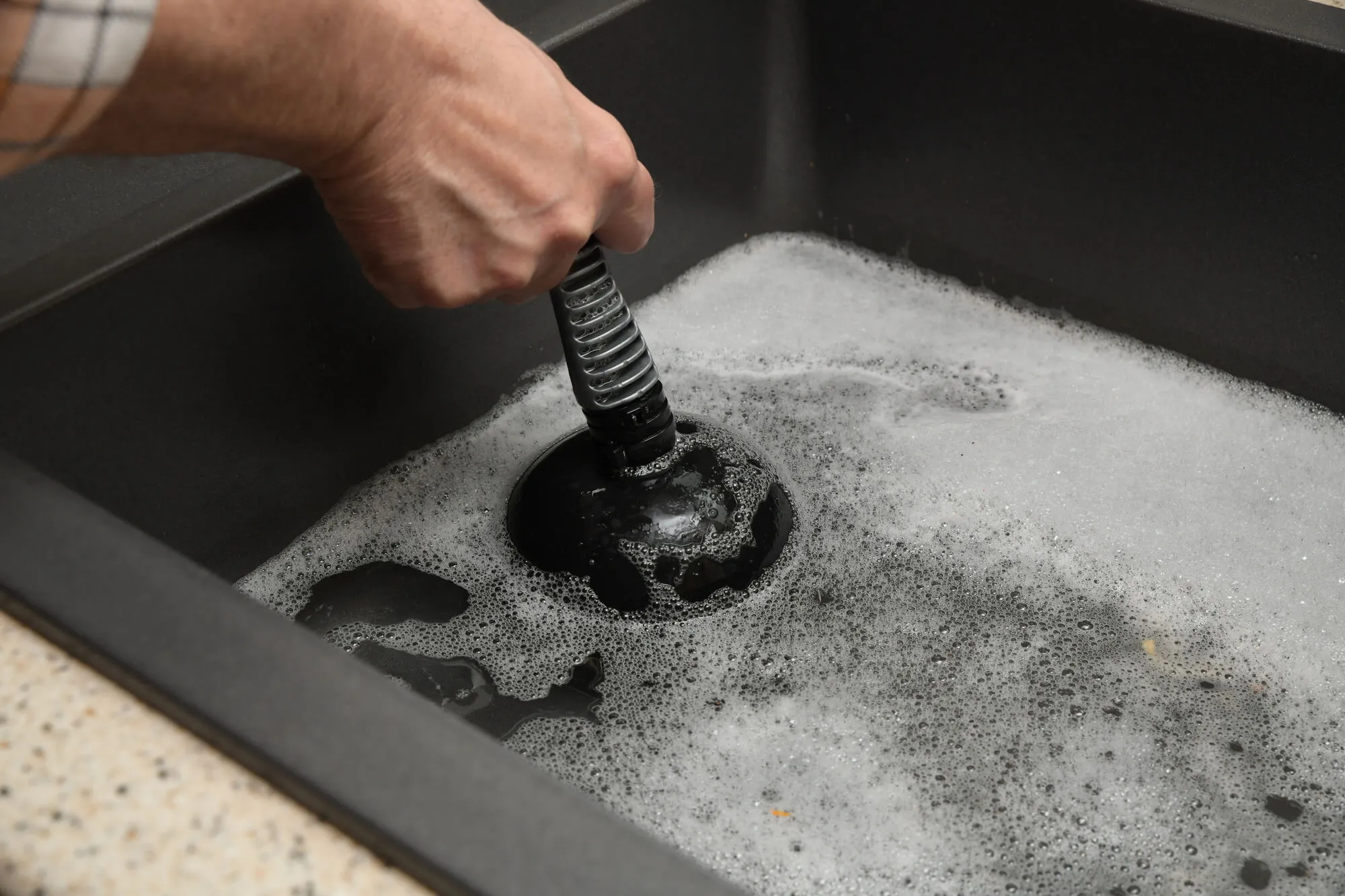
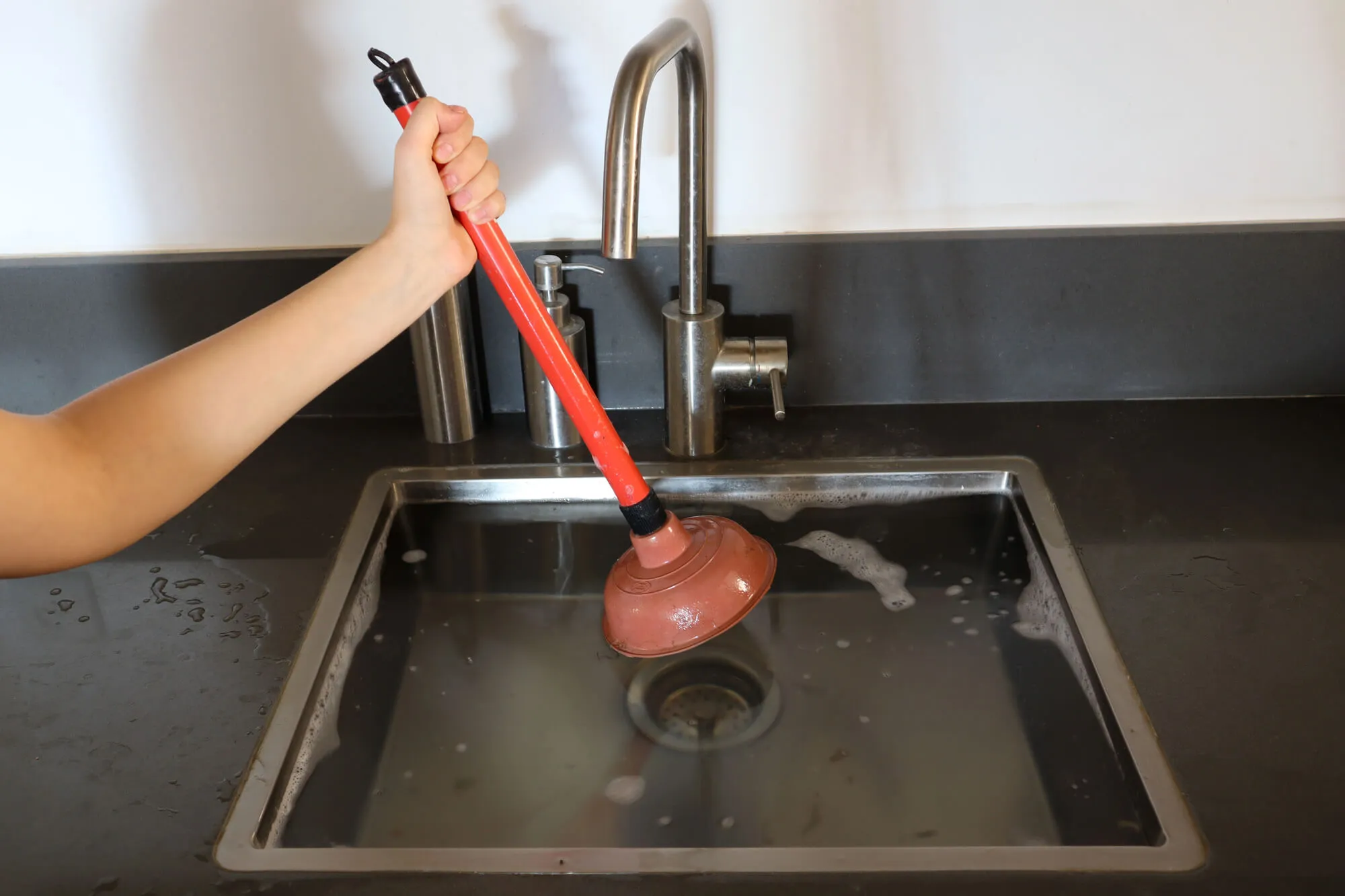
woman attempting to Fix clogged drain Seattle

Drain clogs are one of the most frequent plumbing issues homeowners experience. Water that drains slowly, unpleasant odors, or recurring backups can quickly disrupt daily routines. In many cases, these problems develop gradually as debris builds up inside pipes over time. Understanding what commonly causes blockages can help homeowners take steps to reduce the risk of plumbing issues. 

In Seattle homes, a mix of kitchen waste, bathroom debris, aging plumbing systems, and environmental factors often contribute to drainage problems. When water begins draining more slowly than usual, it may be time to investigate the cause or consult a professional who can fix clogged drain in Seattle before the problem escalates. 

Below are ten of the most common causes of clogged drains and how they affect plumbing systems in local homes. 

Fix clogged drain Seattle

1. Grease and Cooking Oils 

Grease is one of the most frequent causes of kitchen drain blockages. When cooking oils, fats, and grease are poured down the sink, they may appear harmless while still warm. However, as they cool inside pipes, they solidify and cling to pipe walls.  

Over time, this sticky layer traps food particles and other debris passing through the drain. The buildup gradually narrows the pipe’s interior, slowing water flow and eventually causing a clog. Because Seattle households often cook with oils and fats that cool quickly in colder weather, grease buildup can happen faster than many homeowners expect. 

Using sink strainers and disposing of grease in containers rather than pouring it down the drain can help reduce this common plumbing issue. 

2. Food Scraps and Kitchen Debris 

Kitchen drains frequently collect food particles that were never intended to pass through plumbing pipes. Even homes with garbage disposals can experience clogs when certain foods accumulate inside the system. 

Items such as rice, pasta, coffee grounds, eggshells, and fibrous vegetable peels can swell, clump together, or stick to pipe surfaces. Over time, these materials combine with grease and soap residue, forming dense blockages. 

In Seattle homes where cooking and food preparation occur daily, these small particles can gradually collect in the pipes below the sink. Rinsing dishes thoroughly into the trash before washing and using a drain screen can help limit how much debris enters the plumbing system. 

3. Hair Buildup in Bathroom Drains 

Hair is one of the leading causes of bathroom drain clogs. Showers, bathtubs, and bathroom sinks often collect strands of hair that travel down the drain during washing or grooming routines. 

Hair itself does not dissolve in water. Instead, it tangles with soap residue and other debris inside the pipes, forming clumps that slow drainage. Over time, these tangled masses grow larger and restrict water flow. 

Bathroom drains are particularly vulnerable because pipes in these areas are typically smaller than main plumbing lines. Installing hair catchers or drain covers in showers and sinks can significantly reduce the amount of hair entering the plumbing system. 

4. Soap Scum and Mineral Residue 

Soap residue can also contribute to clogged drains. Traditional bar soaps often contain fats that react with minerals in water, forming a chalky substance known as soap scum. 

This residue sticks to the inside of pipes and gradually builds up over time. As soap scum accumulates, it narrows the pipe diameter and traps other debris, such as hair or dirt. 

Seattle’s water supply contains minerals that can contribute to residue formation in plumbing systems. While the buildup occurs slowly, it can eventually lead to noticeable drainage issues if left unchecked. Periodic cleaning of drains and switching to liquid soaps may help reduce the accumulation of soap residue in household plumbing. 

5. Tree Root Intrusion 

Tree roots are a surprisingly common cause of clogged or damaged sewer lines. Roots naturally seek moisture and can enter small cracks or joints in underground pipes. 

Once inside, roots grow toward the water source and expand within the pipe. Over time, they can create significant blockages that restrict wastewater flow. In severe cases, roots may even damage or break sections of the sewer line. 

Seattle neighborhoods often feature mature trees and dense landscaping, which increases the likelihood of root intrusion in older sewer systems. Regular sewer inspections and proper landscaping practices can help identify root issues before they lead to larger plumbing concerns. 

6. Flushing Non-Flushable Items 

Many household drain problems begin in the bathroom when items are flushed that plumbing systems are not designed to handle. Despite marketing claims, products labeled as “flushable” can still cause problems in sewer lines.  

Common examples include wipes, paper towels, feminine hygiene products, cotton swabs, and dental floss. Unlike toilet paper, these materials do not break down easily in water. 

Instead, they can become trapped in pipes and combine with other debris, creating dense blockages. Over time, this buildup may restrict wastewater flow and lead to backups in toilets or drains. 

Limiting flushing to toilet paper and human waste is one of the most effective ways to prevent plumbing issues. 

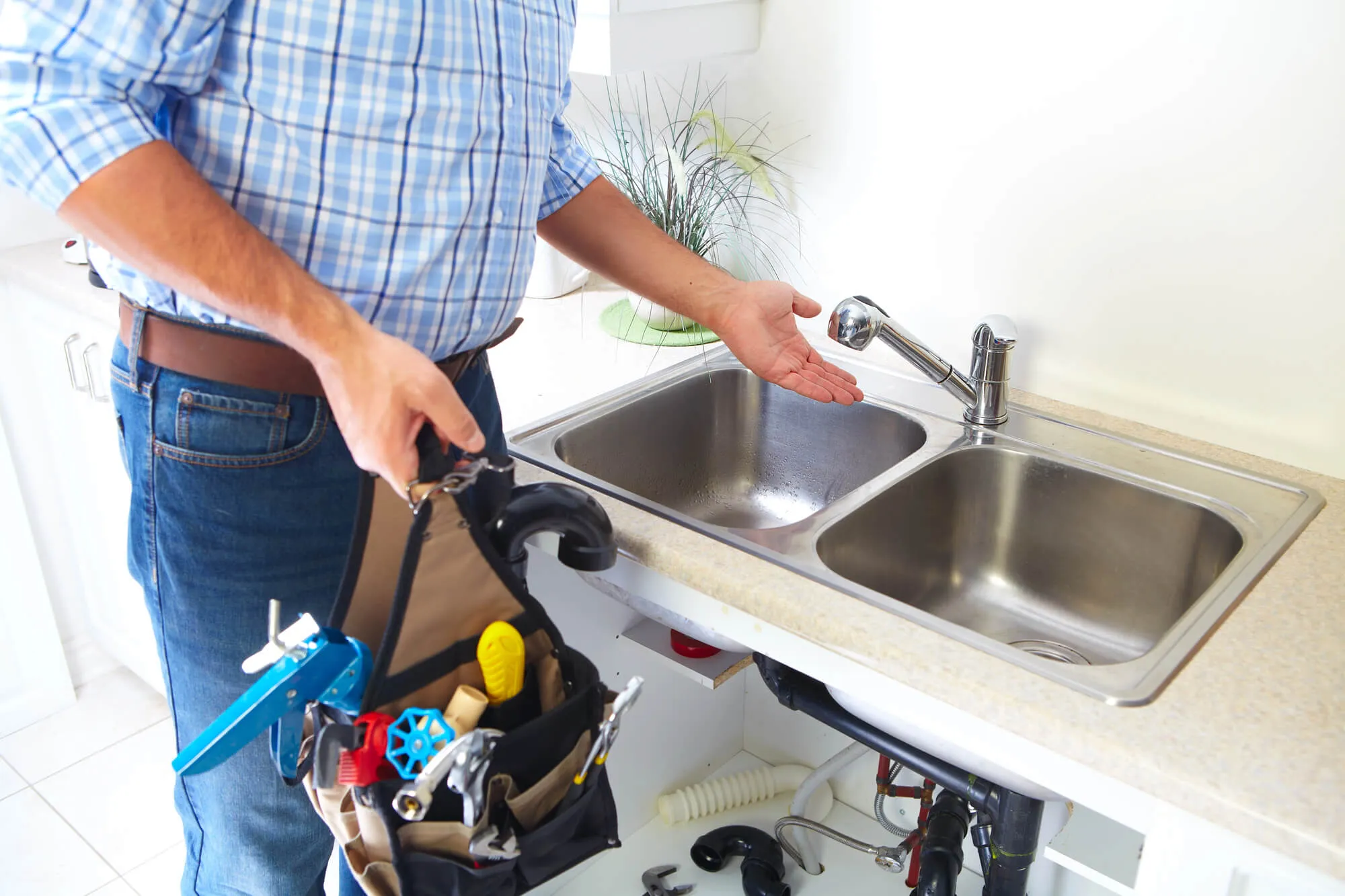
plumber trying to Fix clogged drain Seattle

7. Foreign Objects in Drains 

Small household objects sometimes accidentally fall into drains. Children’s toys, bottle caps, jewelry, and other small items can easily slip into sinks, bathtubs, or floor drains. 

Once inside the pipe, these objects may lodge in narrow sections of plumbing and create an obstruction. Debris flowing through the system can then accumulate around the object, gradually forming a larger clog. 

Foreign object clogs often require professional tools or camera inspections to locate and remove the obstruction safely. Using drain covers in sinks and bathtubs can help reduce the chance of objects entering the plumbing system. 

8. Aging or Corroded Pipes 

Older homes in Seattle may still have aging plumbing systems that contribute to drainage issues. Pipes made from older materials such as galvanized steel can corrode over time. 

Corrosion creates rough interior surfaces that catch debris more easily than smooth pipes. As rust accumulates, the pipe diameter gradually narrows, restricting water flow. 

Even small amounts of grease, soap residue, or debris can become trapped in these uneven surfaces. Eventually, the buildup may cause slow drainage or recurring clogs. 

Routine plumbing inspections can help identify aging pipe systems before they create major problems. 

9. Heavy Rain and Sewer Line Pressure 

Seattle’s climate includes frequent rainfall, which can affect underground drainage systems. During periods of heavy rain, municipal sewer systems may experience increased pressure. 

If private sewer lines already contain partial blockages, this extra flow can worsen the problem. Water may drain more slowly or back up into household plumbing fixtures. 

In some cases, stormwater infiltration can introduce debris into older sewer lines, contributing to new blockages. Regular maintenance and sewer inspections can help homeowners monitor the condition of underground plumbing connections. 

10. Sediment and Debris in Floor Drains 

Basements, laundry rooms, and utility areas often contain floor drains designed to handle occasional water runoff. However, these drains sometimes collect dust, dirt, lint, or sediment over time. 

When debris accumulates inside the drain trap, it can restrict water flow and produce unpleasant odors. Because floor drains are used less frequently than sinks or showers, buildup may go unnoticed until a drainage issue occurs. 

Periodic cleaning and flushing of floor drains can help maintain proper flow and reduce the risk of blockages in these less visible plumbing fixtures. 

Preventing Drain Clogs in Seattle Homes 

Clogged drains rarely occur overnight. Most blockages develop gradually as debris accumulates inside pipes. By understanding the most common causes, homeowners can reduce the likelihood of recurring plumbing issues. 

Simple habits such as disposing of grease properly, using drain screens, and avoiding flushing non-degradable items can make a significant difference in maintaining healthy plumbing systems. Periodic inspections also help detect early signs of buildup before major problems develop. 

man Fix clogged drain Seattle

Need Help to Fix a Clogged Drain in Seattle? 

When drains begin slowing down, backing up, or producing unusual odors, it may be time to have a professional inspect the plumbing system. Addressing small blockages early can help prevent larger sewer problems later. 

If you’re dealing with recurring drainage issues and need help to fix a clogged drain in Seattle, the team at Greenwood Heating & Home Services can evaluate your plumbing system and recommend the right approach. Our technicians use professional tools and inspection methods to locate blockages and restore proper drainage throughout your home. Contact our team today to schedule an inspection and keep your plumbing system running smoothly. 

Top Mistakes to Avoid During Generator Installation

Installing a generator is one of the smartest ways to protect your home against Seattle’s unpredictable weather and frequent power outages. However, like any major home upgrade, installation must be done correctly. Mistakes during this process can impact everything from the safety of your generator’s operation to its reliability when you need it most. 

Here are ten of the most common Seattle generator installation mistakes homeowners make and how to avoid them. 

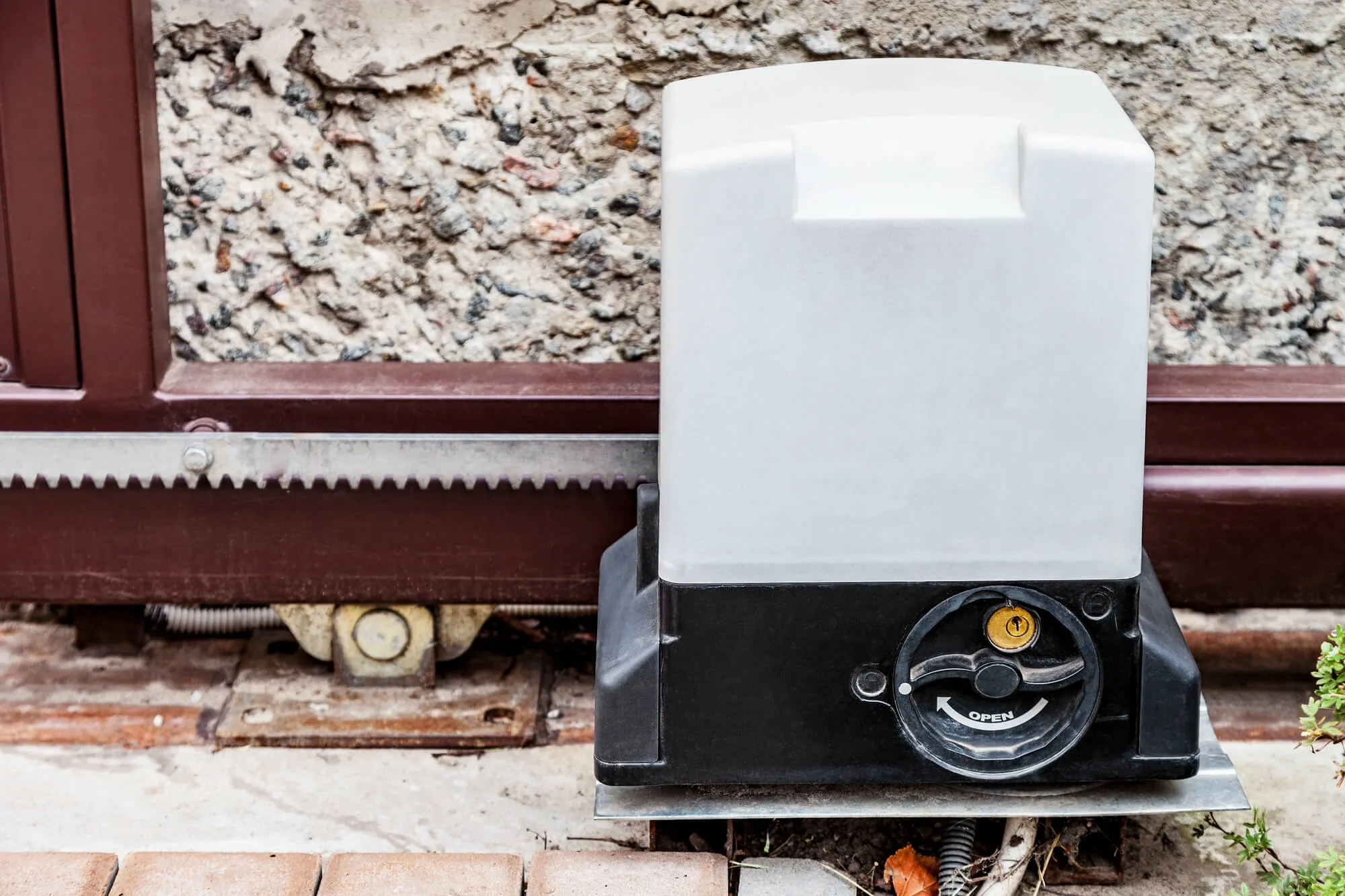
reliable Seattle Generator Installation

1. Choosing the Wrong Generator Size

Many homeowners guess how much power they need, but choosing the wrong size is one of the most common errors. A generator that’s too small can’t keep up with your basic needs during an outage. A unit that’s too large wastes energy and may require a costlier setup.  


Sizing a generator isn’t just about total wattage; it’s about understanding which appliances you want to run and how they draw power. A professional installer can calculate your home’s power load and recommend a generator that fits your current use and future needs without overloading your system.

2. Skipping the Load Calculation

Proper load calculation ensures your generator runs safely and efficiently. This process accounts for the startup wattage of major appliances such as refrigerators, HVAC units, or sump pumps—which can be significantly higher than their running wattage. Without this calculation, your generator may trip or overload when multiple devices start up simultaneously.  


It also helps determine how power will be distributed across your circuits. Skipping this step can result in shutdowns or damage to sensitive electronic components. A licensed technician will measure peak loads to ensure smooth operation across all essential systems.

3. DIY Installation Without Permits

Generator installation is not a weekend DIY job. It involves electrical wiring, fuel line installation, ventilation planning, and strict adherence to code compliance. Failing to obtain required permits or skipping professional installation can result in city fines, failed inspections, and even denied insurance claims. Worse, improperly wired systems can become fire hazards.  

In Seattle, generator installations must follow local building codes, fire codes, and utility guidelines. Hiring a licensed electrician and obtaining the correct permits protects your home, ensures safe operation, and prevents future legal or insurance issues associated with faulty installation.

4. Poor Generator Placement

Generator placement is more than a convenience decision. Put it too close to windows, vents, or doors, and you risk carbon monoxide entering your home. Too far, and you’ll increase the cost of extending fuel lines and electrical wiring. Generators also need to be placed on a level, stable surface to prevent vibration or tipping.  

A qualified installer will assess proximity to your home, local zoning laws, required setbacks, and fuel access points. The right location keeps your family safe and reduces complications during fuel delivery, maintenance, or emergencies.

5. Ignoring Ventilation and Clearance Needs

Generators generate heat and exhaust gases, and they need space to release both. Installing a generator in a tight alcove, against a fence, or surrounded by shrubs can restrict airflow and create overheating risks. National codes and manufacturer guidelines typically require 3 to 5 feet of clearance on all sides of the equipment.   

Sufficient ventilation prevents engine damage, reduces fire risk, and improves the unit’s lifespan. It also ensures service teams can access the unit for inspections and repairs. Always allow room for air circulation and future maintenance.

6. Neglecting the Transfer Switch

A transfer switch safely transfers your home’s electrical load from the utility grid to your generator. Without one, you risk dangerous back-feeding—electricity flowing into utility lines, which endangers linemen and neighbors. Skipping the switch or wiring it improperly can also damage your generator or appliances.  

An automatic transfer switch (ATS) is the safest option for most homes—it detects an outage, starts the generator, and automatically transfers power. Once grid power returns, it switches back. Proper transfer switch installation is a non-negotiable part of any standby generator system.

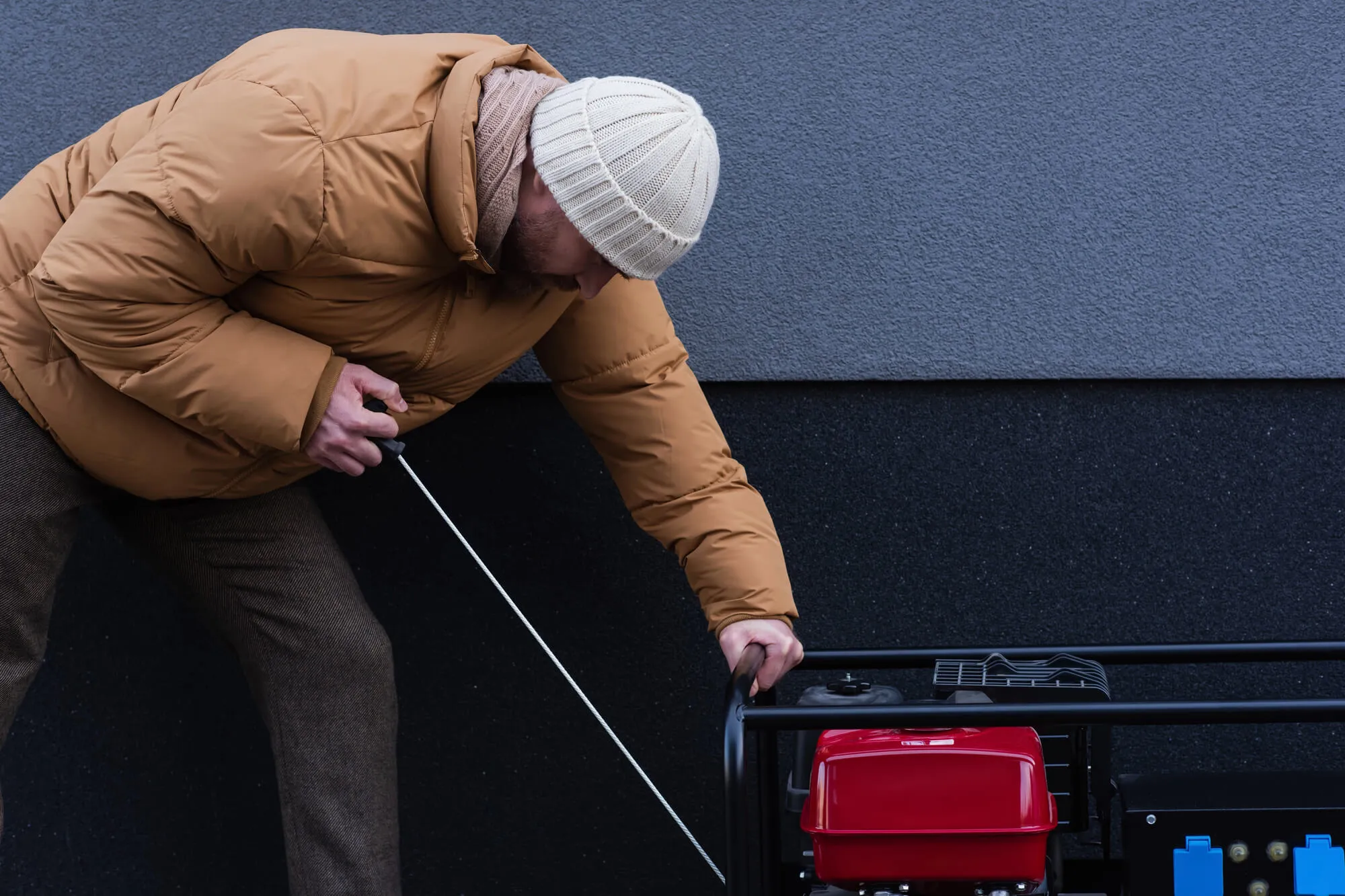
Seattle Generator Installation

7. Using Incompatible Fuel Types

Generators typically run on natural gas, propane, or diesel. However, not all homes or locations are suitable for each type. Natural gas is convenient if your home is already connected, but it may be vulnerable during widespread outages. Propane requires on-site storage and monitoring. Diesel is effective but less common for residential systems and needs careful handling.  

Choosing a fuel source without considering supply chain access, weather events, and long-term storage needs can leave you in the dark. Work with your installer to select a reliable and accessible fuel option for your area.

8. Not Planning for Routine Maintenance

Generators need regular servicing, just like your car. Over time, oil breaks down, filters clog, and batteries lose charge. A generator that sits unused for months (or years) may fail during the one time you need it. Routine maintenance includes oil changes, load testing, battery checks, and cleaning. Skipping these tasks leads to decreased efficiency or total failure. A smart solution is to partner with a service provider that offers scheduled maintenance plans. They’ll keep your system tested, fuel lines checked, and components in top shape—so it’s ready when you need it.

9. Forgetting to Notify the Utility Company

In most areas, including Seattle, connecting a standby generator to your home’s main electrical panel requires notifying your utility provider. This step ensures that your system complies with local regulations and that the utility is aware of your generator’s capability to backfeed the grid. Some providers require inspection or pre-approval before activation can occur.  

Failing to acknowledge this notification can create legal or safety issues, especially when linemen are working on power lines during an outage. Always check with your utility and your installer to confirm the correct procedures are followed. 

10. Failing to Testthe System 

Even a professionally installed generator needs testing under real conditions. Failing to run a system check means you won’t know whether the generator switches on, powers essential systems, or handles your home’s load. Ideally, your generator should be tested monthly and load-tested annually. These tests confirm fuel flow, switch functionality, and power delivery across circuits. Skipping this crucial step may leave you scrambling during an outage. Regular testing provides peace of mind that your backup power system is reliable and ready to function when needed. 

Why Professional Installation Matters 

Generator installation brings together electrical work, fuel connections, safety controls, and structural considerations. Each element must work in sync, and even small errors can result in power failures, equipment damage, or safety hazards. Licensed professionals oversee the entire installation process, from load calculations and site placement to permitting, inspections, and final system testing and commissioning. They follow electrical and fuel codes designed to protect your home and everyone in it.  

Professional installation also supports warranty requirements and reduces the risk of insurance issues later. Whether the goal is to keep heating systems running, support medical equipment, or maintain essential lighting and appliances, a properly installed generator provides dependable performance during outages. That level of reliability stems from careful planning, precise execution, and experienced oversight throughout the entire process. 

Seattle Generator Installation and maintenance

Need Help With Seattle Generator Installation? 

A generator is more than just backup power; it’s a long-term investment in your home’s resilience. Avoiding these ten common mistakes can help you maximize your investment, minimize repair costs, and safeguard your household during storms. 

For families in the Seattle area, backup power is a smart move. However, how it’s installed makes all the difference—partner with a trusted team that prioritizes safety, quality, and long-term support. 

Greenwood Heating has been serving the Seattle area for over 100 years, helping homeowners protect what matters most. Our licensed electricians and generator experts handle every aspect of your installation—safely, correctly, and with your family’s comfort in mind. 

Let us help you prepare your home for the next outage. Schedule a consultation today. 


Tankless vs Traditional Water Heater Maintenance Explained

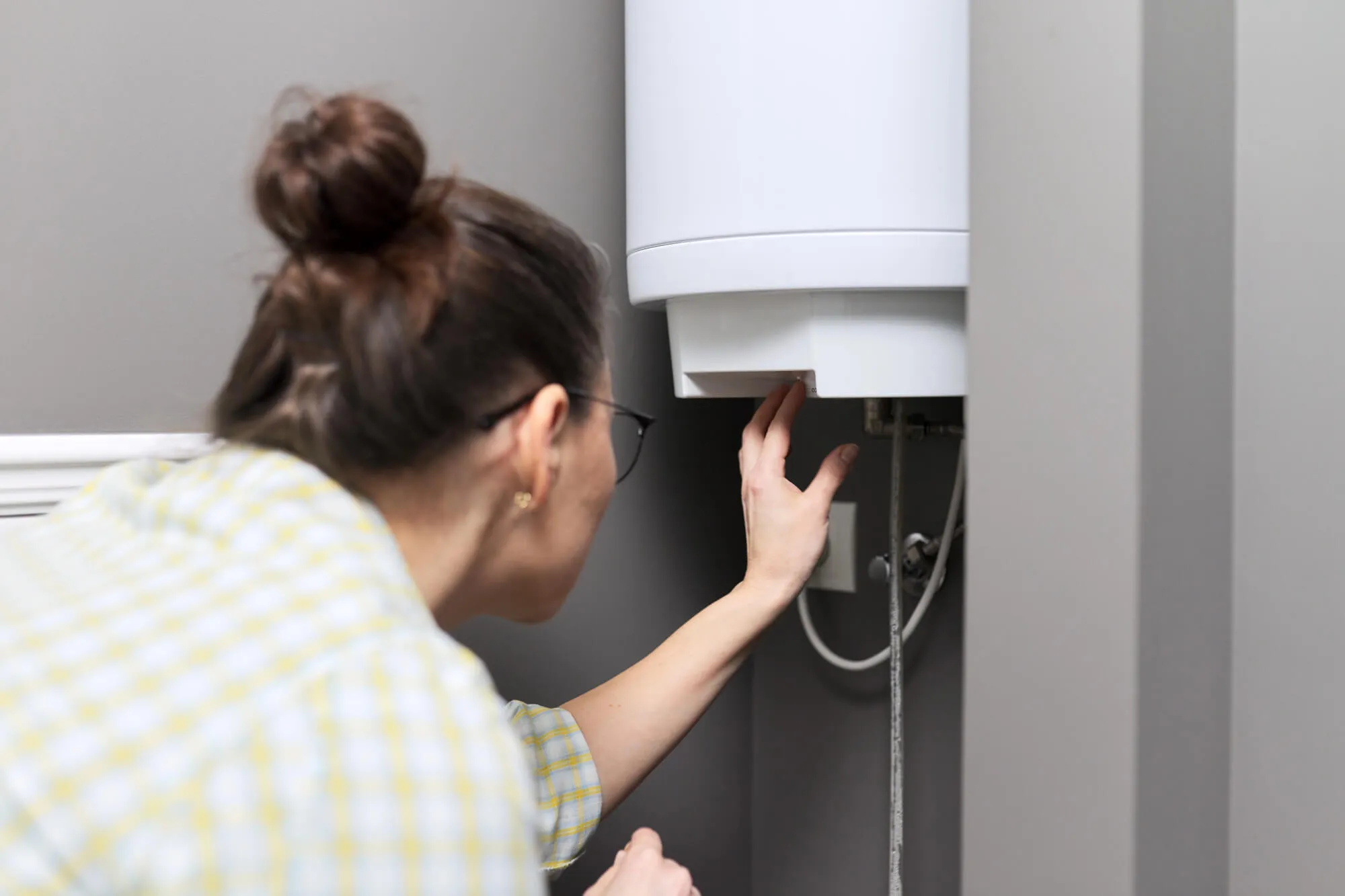
professional Water Heater Seattle maintenance

You hop in the shower expecting hot water—but get a freezing surprise instead. Whether you rely on a standard tank or a tankless system, this kind of disruption is often preventable. Many homeowners assume that their water heater will run smoothly for years without a second thought. But over time, even the most reliable system needs upkeep. If you have a water heater in Seattle, understanding the differences in how each type is maintained could save you from cold showers, rising energy bills, and costly repairs.

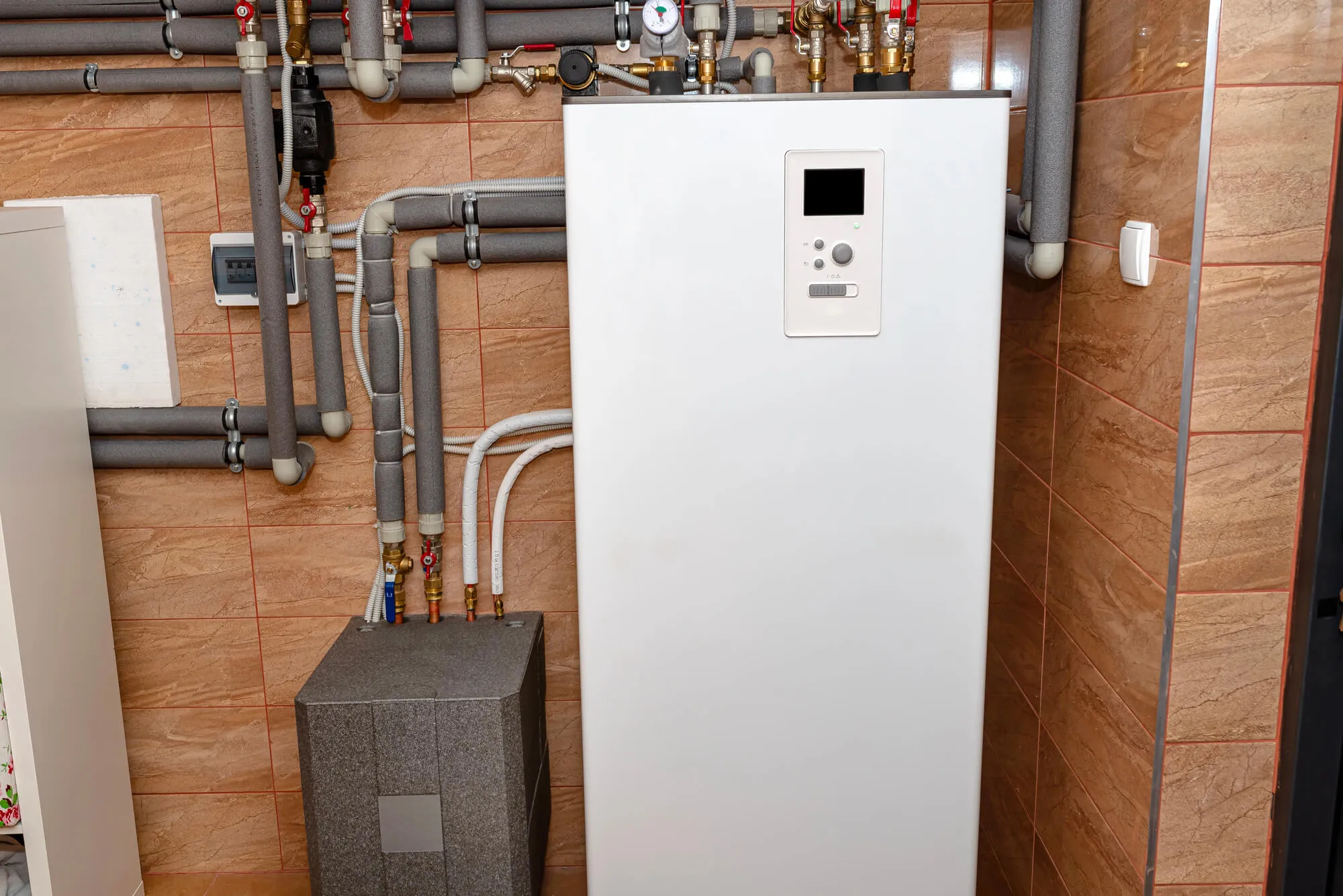
needs Water Heater Seattle

Why Maintenance Matters for Any Water Heater

Whether you have a traditional tank-style unit or a tankless system, regular maintenance is essential to keep your water heater running smoothly. Over time, both types of systems face wear and tear, and without periodic tune-ups, you’re more likely to experience inconsistent water temperatures, reduced efficiency, or even early replacement costs.

What Is a Tankless Water Heater?

Tankless systems heat water only as needed, offering better energy efficiency and endless hot water. Their compact design makes them a popular choice for homeowners who want to save on space and utility bills. However, because they activate every time you use hot water, internal components can experience scale buildup especially in areas with hard water. Annual flushing and descaling help prevent blockages and keep flow sensors, burners, and heat exchangers working properly.

What Is a Traditional Water Heater?

Traditional systems store a set amount of hot water in a large tank. They’re more common in homes with higher daily water usage and tend to have a lower upfront cost. But because they constantly heat water to maintain temperature, sediment from minerals in the water can settle at the bottom of the tank. This buildup creates insulation between the heating element and the water, leading to inefficiency and added strain on the system. Regular flushing clears out sediment and helps maintain heating performance.

In both cases, timely maintenance improves performance, extends lifespan, and helps you avoid costly surprises.

Maintenance Needs: Tankless vs Traditional

The type of water heater in your home—tankless or traditional—will shape how and when maintenance should be done. Each system works differently, and understanding their unique needs can help prevent issues before they interrupt your hot water supply.

Tankless Water Heater Maintenance

1. Annual Descaling

Hard water contains minerals like calcium and magnesium that leave behind scale inside the unit’s heat exchanger. Without regular flushing, this buildup can restrict water flow, reduce heating efficiency, and over time, damage internal components. An annual descaling with a proper solution keeps the system clear and working as intended—especially important in areas with hard water.

2. Filter Cleaning

Many tankless systems come with inlet water filters that catch sediment and debris before they enter the unit. If ignored, clogged filters can reduce water pressure or trigger system errors. These filters are typically easy to access and clean, but they should be inspected regularly—especially if your home relies on a well or has older plumbing.

3. Venting System Inspection

Tankless heaters often use high-efficiency sealed vent systems to expel exhaust gases. These should be checked yearly for blockages, corrosion, or loose connections. A compromised vent not only affects performance but can also pose safety concerns due to improper gas ventilation.

4. Error Code Diagnostics

Modern tankless models include digital panels that store error codes. A trained technician can use this data during a tune-up to spot patterns and catch minor issues before they become major repairs.

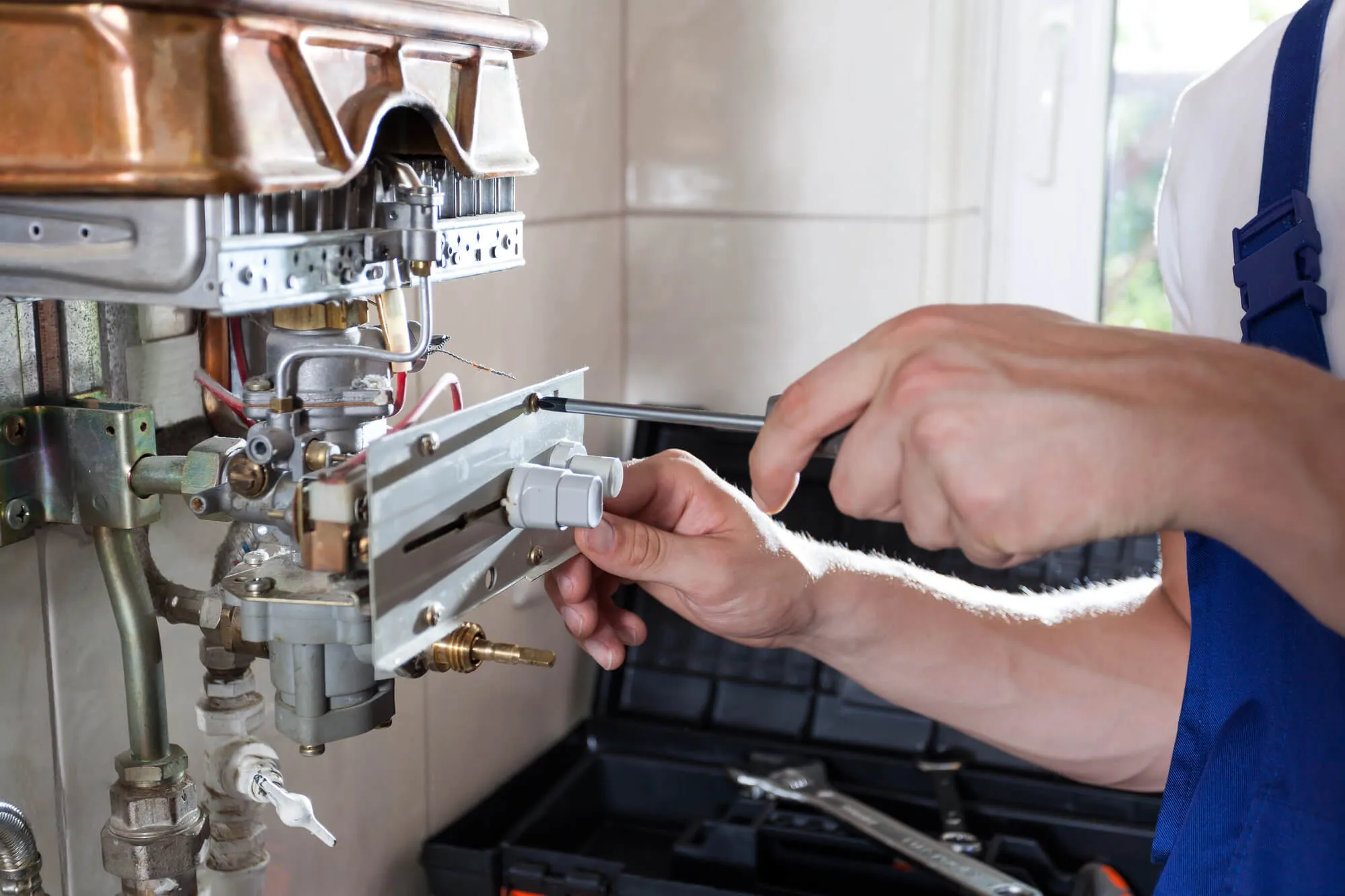
Water Heater Seattle

Traditional Water Heater Maintenance

1. Flushing the Tank

Sediment settles at the bottom of tank-style heaters over time. This layer of buildup makes the heater work harder to do the same job, raising energy use and straining the unit. Regular flushing—ideally once a year—removes this gunk, helping the system last longer and heat more efficiently.

2. Anode Rod Inspection

Inside every traditional water heater is a metal rod (usually magnesium or aluminum) called the anode rod. Its job is to attract corrosive elements in the water and protect the tank’s interior lining. If the rod becomes too corroded, it can’t do its job. Replacing it every 3–5 years can delay tank failure and help avoid leaks or rust.

3. Temperature and Pressure (T&P) Valve Testing

The T&P valve is a critical safety feature that prevents the tank from over-pressurizing or overheating. If it fails, the results can be severe. During maintenance, technicians test this valve to make sure it opens and closes properly and isn’t blocked by mineral buildup.

4. Thermostat Calibration

A misadjusted thermostat can lead to water that’s too hot, wasting energy and posing scalding risks. Technicians will verify the thermostat settings and check that the heating element responds correctly. In some cases, thermostat malfunctions can also affect overall system performance and cycling.

How Maintenance Affects Lifespan and Efficiency

A water heater works hard year-round, especially during colder months. Regular tune-ups can:

  • Extend lifespan: Well-maintained systems can last years longer than neglected ones.
  • Improve energy efficiency: Removing sediment or scaling helps the unit heat water with less effort.
  • Lower monthly bills: Efficient heaters use less power or gas.
  • Prevent costly repairs: Catching small issues early keeps repair bills in check.

Water Quality and Its Impact on Maintenance

Seattle’s water is considered soft to moderately hard, but that doesn’t eliminate the risk of scale buildup. Homes with older pipes or well water may experience more mineral deposits, increasing the need for frequent descaling or flushing.

Common Maintenance Myths

It’s easy to assume that water heaters are “set-and-forget” appliances—until something goes wrong. These common myths often lead to overlooked maintenance and avoidable repairs:

  • Myth 1: Tankless systems don’t need maintenance
    Tankless heaters might seem low-maintenance, but they’re not maintenance-free. Mineral buildup can clog the heat exchanger, and filters can collect debris. Regular descaling and inspection are essential to keeping these systems running efficiently.
  • Myth 2: New water heaters don’t need service for years
    Even brand-new units benefit from early maintenance. Starting a regular service schedule from the beginning helps spot potential issues early and maintain peak performance.
  • Myth 3: Flushing the tank once is enough
    One-time flushing isn’t a long-term fix. Sediment forms continuously in traditional tanks, especially in areas with hard water. Annual flushing prevents buildup and extends the life of the tank.
  • Myth 4: DIY maintenance is always safe
    Some minor checks can be done at home, but more complex tasks—like testing gas valves or inspecting electrical connections—are better left to professionals.

Understanding these myths helps you approach maintenance with realistic expectations—and make smarter choices for your home.

Cost of Maintenance vs Cost of Repairs

Skipping maintenance can lead to:

  • Water heater failure
  • Higher monthly bills
  • Costly emergency service calls
  • Water damage from leaks

The average maintenance visit is affordable compared to replacing a burned-out heat exchanger or a corroded tank. In many cases, an annual visit pays for itself in energy savings.

Signs Your Water Heater Needs Service

Whether tankless or traditional, keep an eye out for:

  • Fluctuating water temperature
  • Reduced water pressure
  • Rumbling or banging noises
  • Discolored water
  • Error codes (tankless)
  • Higher-than-normal energy bills

If you notice any of these, it’s time to schedule a check-up.

Water Heater Seattle repair

Does Your Water Heater in Seattle Need Maintenance?

Both tankless and traditional water heaters benefit from annual professional service. While their components differ, the goal is the same: keep your system working efficiently and safely.

If your household has higher-than-average water usage or you notice water quality issues, more frequent tune-ups may be worthwhile.

At Greenwood Heating, we know how much you rely on your water heater in Seattle. Whether you have a tankless model or a traditional unit, our licensed technicians will tailor your maintenance to suit your system and your home. We’ll inspect, clean, and tune up your unit so you can enjoy reliable hot water every day.

Our team has served local homeowners for over 100 years, with same-day service, honest pricing, and care that puts your comfort first.

Contact Greenwood Heating today to schedule your water heater maintenance. Your comfort is our priority.

What Every Seattle Homeowner Should Know About Plumbing Maintenance

professional Plumber Seattle

If you’re a homeowner in Seattle, you understand how vital it is to keep your home running smoothly, especially when it comes to utilities like plumbing. Seattle’s damp climate, seasonal temperature swings, and a mix of old and new housing make routine plumbing care essential. And when a problem arises, finding a reliable plumber in Seattle can save you from unexpected damage and expenses. 

Plumbing maintenance might not be the most exciting part of homeownership, but it’s one of the most important. Staying proactive keeps your water flowing safely, prevents costly repairs, and helps your fixtures and appliances last longer. 

Plumber Seattle at work

Why Plumbing Maintenance Is Worth Your Attention 

Unlike other systems in your home, plumbing issues often build up slowly and quietly. A small drip, slow drain, or slight drop in pressure might not seem urgent—until it suddenly is. 

Routine plumbing maintenance allows you to: 

  • Identify and fix minor issues early 
  • Save money on water bills 
  • Avoid mold, mildew, and structural water damage 
  • Improve efficiency and water quality 
  • Extend the lifespan of your pipes and appliances 

With a little attention, your plumbing system can serve your household efficiently for years. 

Easy Maintenance Checks Homeowners Can Do 

Even without a plumbing background, there are several practical steps homeowners can take to keep an eye on their plumbing system and catch early signs of trouble. A few minutes every month can help you spot potential issues before they escalate into costly repairs. 

1. Look for Leaks

Take time to inspect areas under sinks, behind toilets, around bathtubs, and near appliances like dishwashers and washing machines. Small puddles, rust stains, or warping around cabinets may indicate a slow leak. Don’t forget to check ceilings and walls for water spots, which can be signs of hidden pipe leaks inside the structure. 

2. Test Water Pressure

Low water pressure might seem like a minor annoyance, but it can signal a blockage, mineral buildup, or even a hidden leak. You can buy a simple pressure gauge at a hardware store, or just monitor your faucet and shower flow. If the pressure drops suddenly or varies from room to room, it’s worth investigating further. 

3. Watch Drain Speed

A healthy drain clears quickly and quietly. If you notice standing water or gurgling sounds as water drains, there may be a clog forming. Use a drain strainer to catch hair and debris, and avoid dumping grease or food scraps into the sink. 

4. Listen for Noises

Unusual sounds like whistling faucets, banging pipes (water hammer), or toilets refilling unexpectedly can all point to underlying problems such as air in the lines, loose fittings, or worn-out valves. 

5. Inspect Outdoor Fixtures

Regularly walk around your home to check outdoor faucets and irrigation lines. In Seattle’s damp climate, water exposure and shifting ground can cause damage. Look for leaks, pooling water, or signs of corrosion that may need attention. 

Plumber Seattle checking drain

Plumbing Maintenance Through the Seasons 

Seattle’s climate requires some seasonal planning to prevent common weather-related plumbing issues. 

Winter 

  • Insulate exposed pipes to prevent freezing 
  • Disconnect outdoor hoses and drain irrigation lines 
  • Check for slow drains that may be vulnerable to ice blockages 

Spring 

  • Look for leaks caused by freeze-thaw cycles 
  • Test sump pumps and drainage systems 
  • Flush the water heater to remove winter sediment buildup 

Summer 

  • Check outdoor faucets and sprinkler systems 
  • Consider inspecting your sewer lines before tree roots grow aggressively 
  • If renovating, plan plumbing changes before peak usage returns in fall 

Fall 

  • Clean gutters to prevent basement flooding 
  • Schedule a pre-winter plumbing inspection 
  • Flush and service the water heater for winter efficiency 

What to Expect During a Professional Plumbing Inspection 

Regular inspections by a licensed plumber help you detect issues that aren’t always visible during daily use. A typical inspection includes: 

Full Visual System Check 

Plumbers examine your visible pipes, fixtures, and fittings for signs of corrosion, mineral buildup, or poor water flow. 

Drain and Sewer Evaluation 

Using diagnostic tools or cameras, professionals check for slow drainage, hidden blockages, and tree root intrusion—especially important in older Seattle homes. 

Water Heater Testing 

They’ll measure temperature output, check for sediment accumulation, and inspect for wear that could reduce efficiency or lead to leaks. 

Pressure and Flow Testing 

Too little pressure may signal leaks; too much can stress pipes and appliances. Safe pressure keeps everything working as it should. 

Valve and Fixture Functionality 

Each fixture is tested to make sure it’s functioning properly, shutting off completely, and not leaking. 

Common Plumbing Problems in Seattle Homes 

Seattle’s mix of historic homes and modern construction creates a range of plumbing issues—some age-related, others weather-related. Here are a few that show up often: 

1. Galvanized Pipes

Many older homes still use galvanized steel piping, which corrodes over time. Corrosion leads to restricted flow, discolored water, and eventually leaks. Upgrading to copper or PEX improves both safety and water quality. 

2. Sewer Line Intrusion

The city’s lush tree cover is beautiful, but it comes with underground consequences. Tree roots often seek out the moisture around sewer pipes, cracking and clogging them in the process. 

3. Mineral Buildup

Even though Seattle’s water isn’t considered hard, it can still leave behind calcium and magnesium deposits in water heaters, pipes, and showerheads. 

4. Hidden Leaks

Older plumbing systems may have connections or joints that degrade over time. These slow leaks often go unnoticed until water damage becomes obvious. 

Renovating? Don’t Skip the Plumbing Check 

If you’re updating your kitchen, bathroom, or laundry area, include plumbing in your planning process. Renovations offer an ideal opportunity to: 

  • Replace old pipes or outdated valves 
  • Upgrade to energy-efficient fixtures 
  • Reroute or reconfigure systems for better flow 
  • Prevent future issues by addressing wear that’s not yet visible 

Discussing plumbing early in a remodel helps you avoid costly surprises mid-project. 

Water Heater Upkeep Matters, Too 

Your water heater plays a major role in your daily comfort. To keep it efficient:  

  • Flush the tank once a year to remove sediment 
  • Check the temperature setting (ideally around 120°F) 
  • Listen for strange noises like rumbling or popping 
  • Monitor for signs of corrosion or leaking valves 

If your water heater is over 10–12 years old, it may be time to consider a replacement—before it causes damage. 

Simple Habits That Make a Big Difference 

Plumbing doesn’t always need professional attention. With a few proactive habits, you can extend the life of your system and reduce emergencies:  

  • Use drain screens to catch hair and food scraps 
  • Run cold water when using your garbage disposal 
  • Avoid flushing anything other than toilet paper 
  • Don’t ignore small leaks—they rarely fix themselves 
  • Know the location of your home’s main water shut-off valve 

These habits may seem small, but over time, they help prevent major repairs. 

When Should You Call a Plumber? 

Not every issue needs a professional, but here are a few signs that it’s time to reach out: 

  • A leak you can’t trace 
  • Frequent drain backups 
  • Discolored or smelly water 
  • Inconsistent water temperature 
  • Loud, vibrating pipes (known as “water hammer”) 
  • Any plumbing problem tied to foundation or flooring damage 

Being proactive about these signs keeps your home safe and reduces the risk of water-related repairs. 

Plumber Seattle

Looking for a  Reliable Plumber in Seattle? 

Your home’s plumbing system might not be visible, but it supports everything from cooking and cleaning to comfort and safety. With regular maintenance, you can reduce emergencies, improve efficiency, and extend the life of your entire system. 

Need help from a licensed plumber in Seattle? At Greenwood Heating & Home Services, we offer trusted plumbing inspections, repairs, and upgrades tailored to local homeowners. Book your service today. 

What Constitutes a Plumbing Emergency that Requires Immediate Attention in Seattle?

woman-during-plumbing-emergency-calling-a-Plumber-in-Seattle

Plumbing problems can be stressful, but not all issues require immediate action. A dripping faucet or slow drain can often wait until regular business hours. But what about a burst pipe, a sewage backup, or no running water?  

When a plumbing issue threatens your home, health, or safety, it’s considered an emergency. If you’re searching for a plumber in Seattle, understanding which problems require immediate attention can help you avoid costly damage and protect your home. 

Let’s break down what constitutes a plumbing emergency, how to recognize urgent problems, and what steps to take before professional help arrives. 

a-couple-calling-an-emergency-Plumber-in-Seattle

What Is Considered a Plumbing Emergency? 

A plumbing emergency is any issue that: 

  • Puts your health at risk 
  • Stops essential functions like water supply or drainage 
  • Poses a safety hazard, such as gas leaks or sewage exposure 

These problems worsen quickly if left unaddressed, often leading to property damage, mold growth, and expensive repairs. Below are the most common plumbing emergencies and what you should do if they happen in your Seattle home. 

Common Plumbing Emergencies

1. Burst Pipes

A burst pipe is one of the most serious plumbing issues a homeowner can face. A single burst pipe can release gallons of water per minute, leading to flooding, mold growth, and structural damage. This can be especially common in Seattle during cold winter months, when freezing water expands inside pipes and causes them to rupture. 

What to Do Immediately: 

  • Turn on faucets to drain excess water from the pipes. 
  • Move furniture and valuables away from the affected area. 
  • Call an emergency plumber to locate and repair the burst pipe.

If pipes are frozen but not yet burst, warm them up using a space heater or warm towels.

2. Sewage Backup

A sewage backup is a serious health risk. When wastewater backs up into sinks, tubs, or toilets, it exposes your home to bacteria, viruses, and toxic gases. This problem is often caused by clogs, tree root infiltration, or broken sewer lines, which are common in Seattle’s older neighborhoods. 

What to Do Immediately: 

  • Stop using water to prevent further backup. 
  • Avoid contact with the contaminated water to prevent illness. 
  • Open windows to ventilate and reduce toxic gas buildup. 
  • Call a licensed plumber immediately for an inspection and repair. 
  • Consider a backwater valve installation to prevent future sewer backups.

3. No Running Water

Losing access to running water can completely disrupt daily life, affecting cooking, cleaning, bathing, and sanitation. If the issue is isolated to your home, it may be caused by a leak, pipe blockage, or frozen pipes. If your neighbors are also affected, it could be a municipal water supply issue.  

What to Do Immediately: 

  • Check with neighbors to see if the problem is city-wide. 
  • Inspect the main shut-off valve to ensure it wasn’t turned off accidentally. 
  • Look for visible leaks under sinks or in basements. 
  • Call a plumber if the issue is isolated to your home. 
  • If pipes are frozen, apply gentle heat using a space heater or hairdryer. 

4. Overflowing Toilet

An overflowing toilet can quickly cause water damage if it isn’t stopped in time. This problem is usually caused by a clog in the drain line, a septic backup, or a faulty toilet float mechanism. 

What to Do Immediately: 

  • Turn off the water supply valve behind the toilet. 
  • Use a plunger to try and clear the blockage. 
  • Avoid flushing again if the water level is still high. 
  • Call a plumber if the clog persists or multiple toilets are affected. 

Man-calling-a-Plumber-in-Seattle-during-emergency

5. Gas Leak

A gas leak is one of the most dangerous plumbing emergencies. Gas leaks can occur due to damaged gas lines, improper installations, or aging pipes. Since natural gas is highly flammable, immediate action is crucial. 

What to Do Immediately: 

  • Evacuate the home immediately. 
  • Do not use electrical switches, appliances, or open flames. 
  • Call 911 right away or your gas company from a safe location. 
  • Contact a licensed plumber to inspect and repair the gas line. 

6. Water Heater Failure

Hot water is essential for comfort, hygiene, and sanitation. When a water heater fails, it could be due to a broken heating element, sediment buildup, or gas supply issues. This is a major inconvenience, especially during Seattle’s cold, damp winters. 

What to Do Immediately: 

  • Check the circuit breaker if you have an electric water heater. 
  • Inspect the pilot light if you have a gas water heater. 
  • Call a plumber if there is a leak or if the heater won’t restart. 
  • Flush the tank annually to prevent sediment buildup. 

7. Major Leaks Under Sinks or Appliances

A major leak under your sink, dishwasher, or washing machine can quickly escalate from a minor drip to serious flooding and structural damage. Water pooling under cabinets or appliances can seep into flooring, weaken wood, and create the perfect breeding ground for mold. If left unchecked, what seems like a small leak can turn into rotting floors, warped cabinetry, and costly repairs. 

What to Do Immediately: 

  • Turn off the water supply to the leaking fixture. 
  • Place a bucket under the leak to contain the water. 
  • Dry the area thoroughly to prevent mold. 
  • Call a plumber before the leak worsens. 

8. Sump Pump Failure 

Seattle’s rainy climate means many homes rely on sump pumps to prevent basement flooding. If a sump pump fails during a heavy storm, water can quickly flood your basement, causing water damage, mold growth, and electrical hazards. 

What to Do Immediately: 

  • Check the sump pump power source—it may be unplugged or tripped. 
  • Ensure the pump’s float switch is working—it might be stuck. 
  • Use a backup power source if the failure is due to an outage. 

To prevent sump pump failures, install a battery backup system and have your pump inspected before storm season. 

Preventing Plumbing Emergencies in Seattle  

Regular maintenance and preventative measures can help reduce the risk of plumbing emergencies. Here are some tips: 

  • Insulate pipes to prevent freezing in winter. 
  • Avoid flushing wipes, grease, and food scraps down drains. 
  • Fix small leaks early before they escalate. 
  • Schedule annual plumbing inspections. 

A-Plumber-in-Seattle-working

Need an Emergency Plumber in Seattle? Call Greenwood Heating! 

If you’re facing a plumbing emergency, trust a plumber in Seattle with decades of experience. At Greenwood Heating, we’ve been serving the Seattle metro area for over 100 years, providing expert home service solutions backed by industry-leading warranties and customer care. Contact us today! 

Common Plumbing Problems at Home

Common Plumbing Problems at Home

Common Plumbing Problems at Home

Troubleshooting Common Plumbing Problems at Home: Tips and Tricks Seattle's Best Plumbers

Common Plumbing Problems at Home

Plumbing problems like leaky faucets, clogged drains, and malfunctioning water heaters are common sources of frustration for homeowners. With the right knowledge and tricks, you can tackle common plumbing issues at home before they worsen.

Leaky Faucets and Pipes

Leaky faucets are not just an annoyance; they can lead to wastage of water and increased utility bills. To fix a leaky faucet, start by turning off the water supply to that particular fixture. Replace the worn-out washer or o-ring inside the faucet, which is often the culprit. If the problem persists, consider seeking professional help from Seattle’s Best Plumbers at Greenwood Heating and Air, known for their expertise in quick and efficient faucet repairs.

When it comes to leaky pipes, a temporary fix can be achieved using a pipe clamp or epoxy putty. However, it’s crucial to address the underlying issue promptly. A professional inspection by Greenwood Heating and Air can identify and fix any potential problems, ensuring a long-term solution.

Clogged Drains

Clogged drains are a common plumbing issue that can disrupt your daily routine. Start by using a plunger to clear minor clogs. If plunging fails, try a mix of baking soda and vinegar or use a plumber’s snake for stubborn clogs. Greenwood Heating and Air’s plumbing experts can provide efficient drain cleaning services to ensure smooth water flow and prevent future blockages.

Water Heater Malfunctions

A malfunctioning hot water heater Seattle can be a major inconvenience, especially during the chilly Seattle winters. If you notice inconsistent water temperature, strange noises, or a lack of hot water, it’s time to troubleshoot. Check the pilot light, thermostat settings, and the tank for sediment buildup. For persistent issues, consult Seattle’s Best Plumbers at Greenwood Heating and Air for expert water heater maintenance, ensuring peak performance and energy efficiency.

Seattle’s Best Plumbers: Greenwood Heating and Air

When DIY solutions fall short, it’s time to call in the professionals for a thorough inspection and long-term fix. Greenwood Heating and Air, Seattle’s Best Plumbers, pride themselves on precise plumbing services, delivering the best maintenance in the city with their skilled team. Their team of licensed and experienced plumbers is dedicated to providing the best maintenance in Seattle.

At Greenwood Heating and Air, they go beyond fixing problems, prioritizing energy efficiency in every service. Energy-efficient plumbing not only reduces environmental impact but also helps homeowners save on utility bills. Seattle residents looking for sustainable and cost-effective plumbing solutions can trust Greenwood Heating and Air to deliver top-notch services.

The Importance of Regular Maintenance

Preventive maintenance is the key to avoiding major plumbing problems. Seattle’s Best Plumbers at Greenwood Heating and Air recommend regular inspections and maintenance to catch potential issues before they escalate. Our experts enhance your plumbing system’s efficiency and longevity by checking for leaks, addressing corrosion, and ensuring proper insulation.

Contact Us Today!

Troubleshooting common plumbing problems at home can be a rewarding experience, especially when armed with the right tips and tricks. For complex issues or the best maintenance in Seattle with a focus on energy efficiency, enlist Seattle’s Best Plumbers at Greenwood Heating and Air. Addressing issues promptly and investing in regular maintenance ensures a stress-free, efficient plumbing system that stands the test of time for homeowners.