

Most Common Causes of Clogged Drains in Seattle Homes

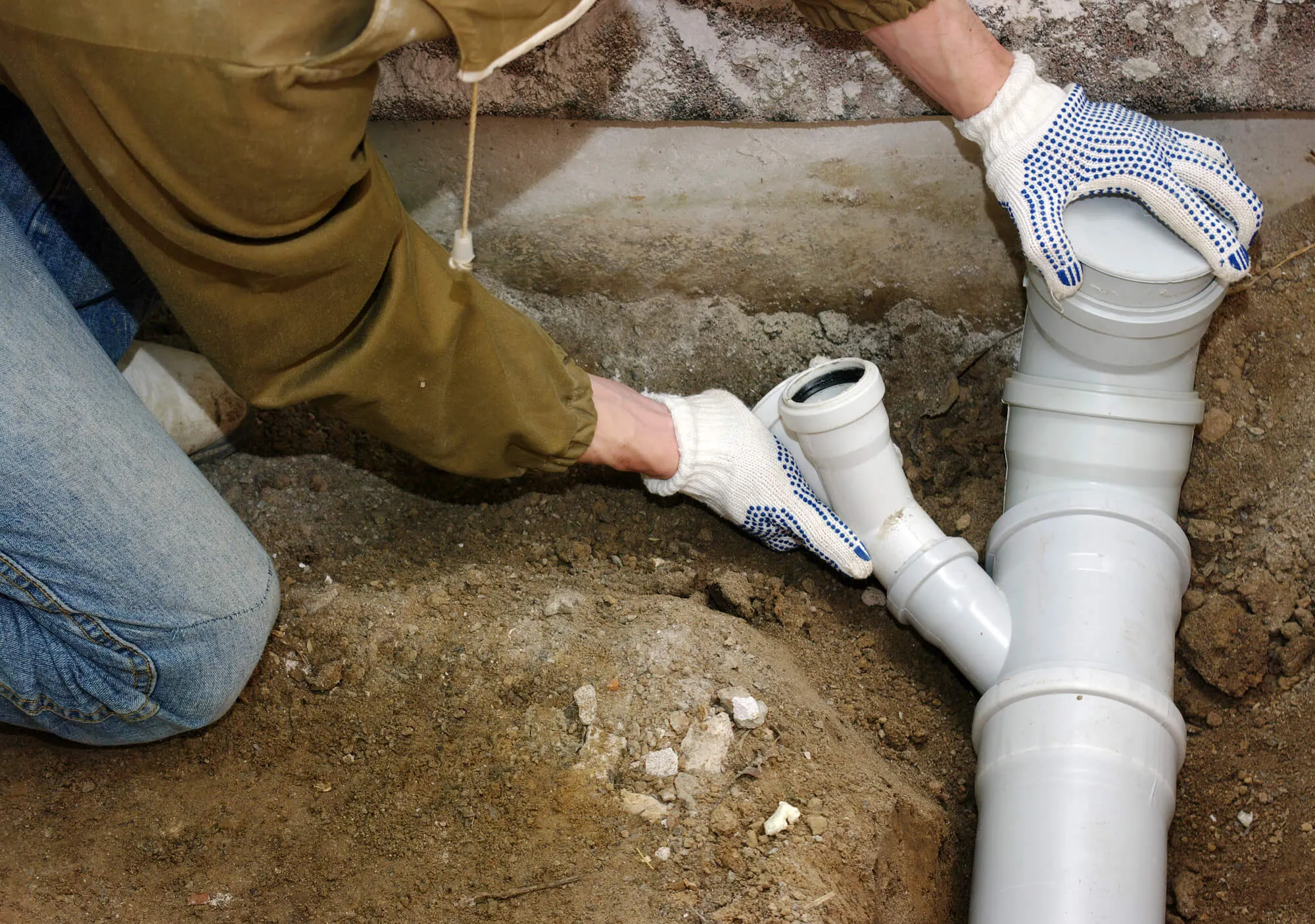
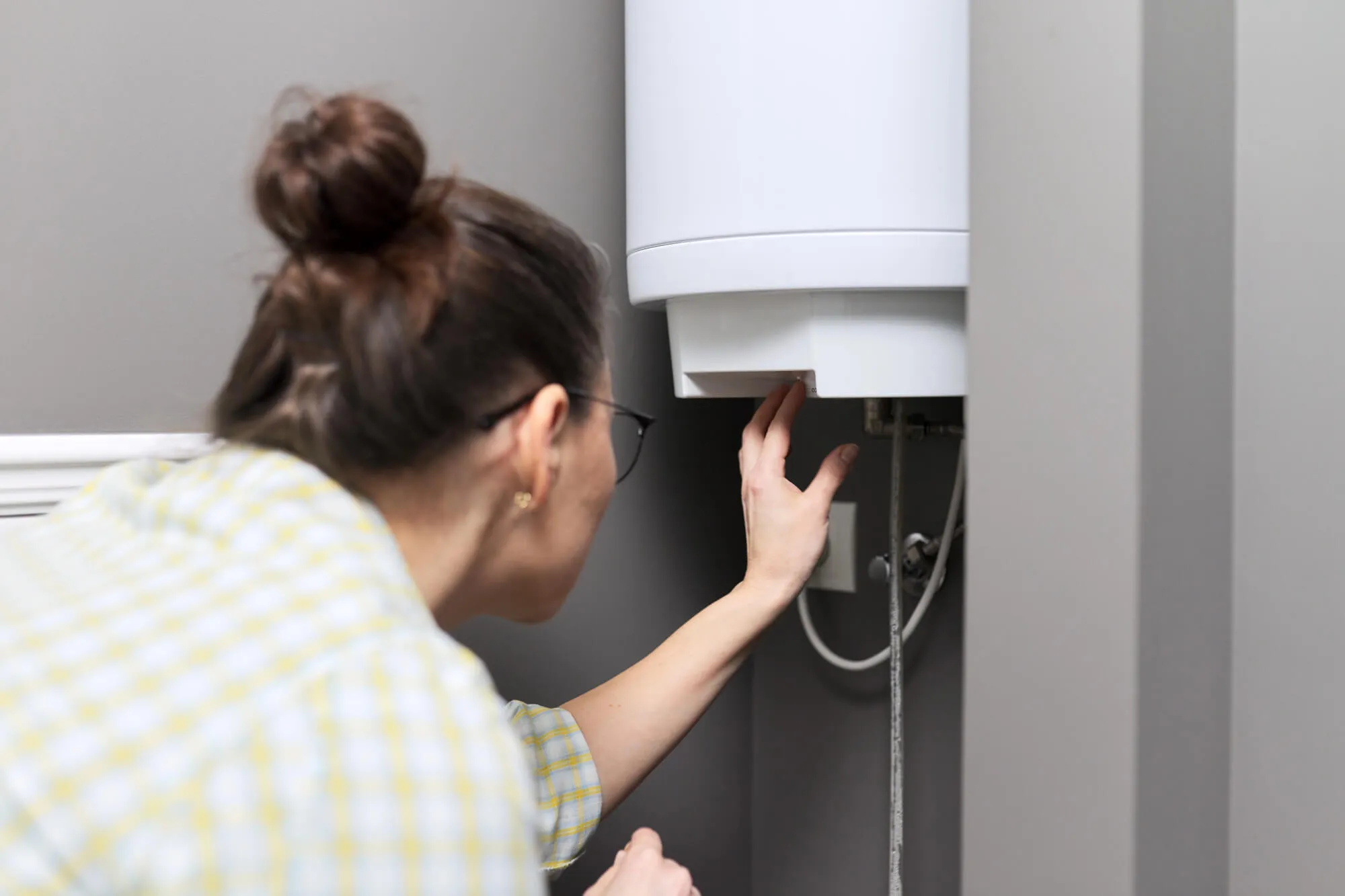
woman attempting to Fix clogged drain Seattle

Drain clogs are one of the most frequent plumbing issues homeowners experience. Water that drains slowly, unpleasant odors, or recurring backups can quickly disrupt daily routines. In many cases, these problems develop gradually as debris builds up inside pipes over time. Understanding what commonly causes blockages can help homeowners take steps to reduce the risk of plumbing issues. 

In Seattle homes, a mix of kitchen waste, bathroom debris, aging plumbing systems, and environmental factors often contribute to drainage problems. When water begins draining more slowly than usual, it may be time to investigate the cause or consult a professional who can fix clogged drain in Seattle before the problem escalates. 

Below are ten of the most common causes of clogged drains and how they affect plumbing systems in local homes. 
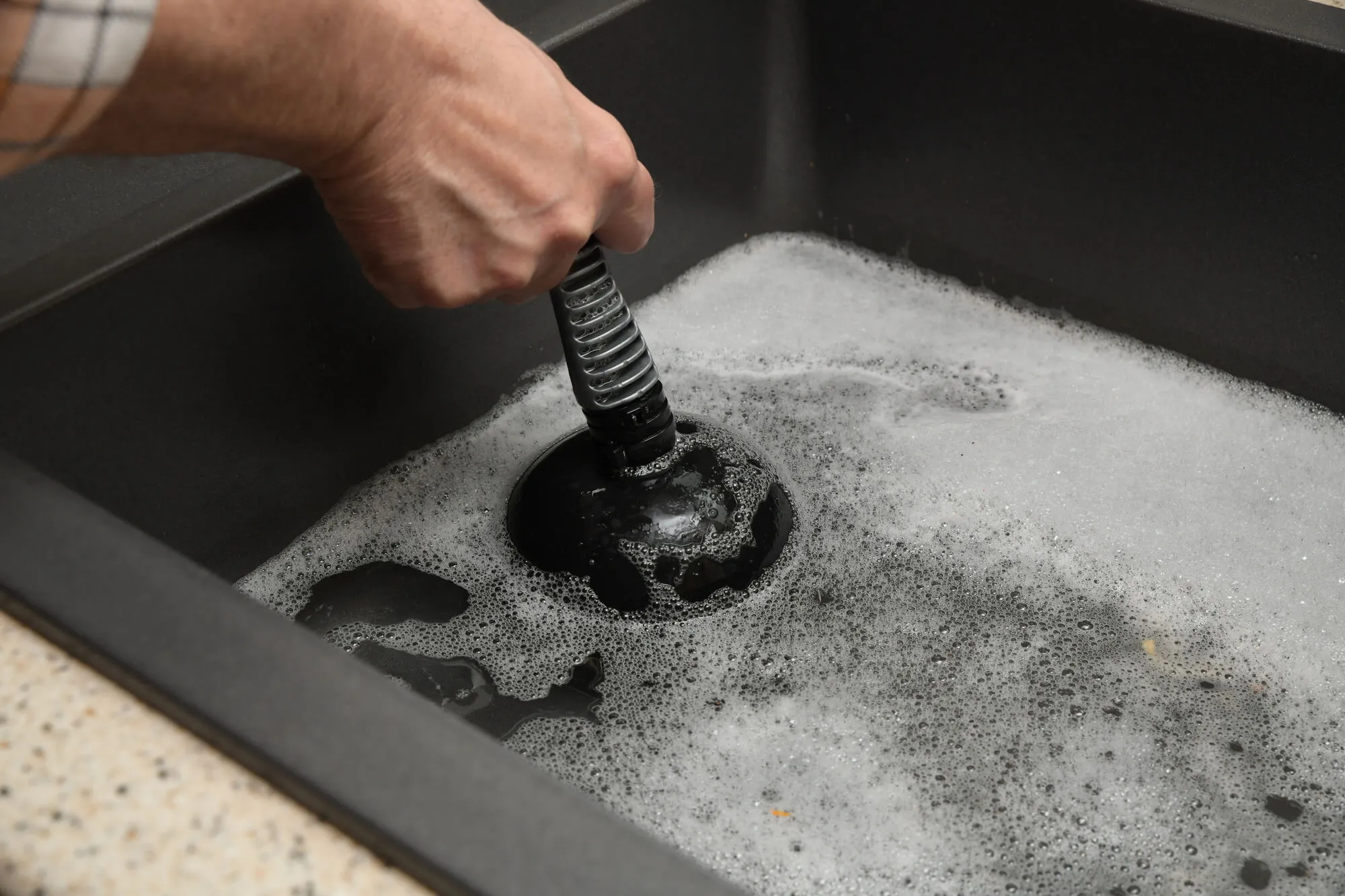
Fix clogged drain Seattle

1. Grease and Cooking Oils 

Grease is one of the most frequent causes of kitchen drain blockages. When cooking oils, fats, and grease are poured down the sink, they may appear harmless while still warm. However, as they cool inside pipes, they solidify and cling to pipe walls.  

Over time, this sticky layer traps food particles and other debris passing through the drain. The buildup gradually narrows the pipe’s interior, slowing water flow and eventually causing a clog. Because Seattle households often cook with oils and fats that cool quickly in colder weather, grease buildup can happen faster than many homeowners expect. 

Using sink strainers and disposing of grease in containers rather than pouring it down the drain can help reduce this common plumbing issue. 

2. Food Scraps and Kitchen Debris 

Kitchen drains frequently collect food particles that were never intended to pass through plumbing pipes. Even homes with garbage disposals can experience clogs when certain foods accumulate inside the system. 

Items such as rice, pasta, coffee grounds, eggshells, and fibrous vegetable peels can swell, clump together, or stick to pipe surfaces. Over time, these materials combine with grease and soap residue, forming dense blockages. 

In Seattle homes where cooking and food preparation occur daily, these small particles can gradually collect in the pipes below the sink. Rinsing dishes thoroughly into the trash before washing and using a drain screen can help limit how much debris enters the plumbing system. 

3. Hair Buildup in Bathroom Drains 

Hair is one of the leading causes of bathroom drain clogs. Showers, bathtubs, and bathroom sinks often collect strands of hair that travel down the drain during washing or grooming routines. 

Hair itself does not dissolve in water. Instead, it tangles with soap residue and other debris inside the pipes, forming clumps that slow drainage. Over time, these tangled masses grow larger and restrict water flow. 

Bathroom drains are particularly vulnerable because pipes in these areas are typically smaller than main plumbing lines. Installing hair catchers or drain covers in showers and sinks can significantly reduce the amount of hair entering the plumbing system. 

4. Soap Scum and Mineral Residue 

Soap residue can also contribute to clogged drains. Traditional bar soaps often contain fats that react with minerals in water, forming a chalky substance known as soap scum. 

This residue sticks to the inside of pipes and gradually builds up over time. As soap scum accumulates, it narrows the pipe diameter and traps other debris, such as hair or dirt. 

Seattle’s water supply contains minerals that can contribute to residue formation in plumbing systems. While the buildup occurs slowly, it can eventually lead to noticeable drainage issues if left unchecked. Periodic cleaning of drains and switching to liquid soaps may help reduce the accumulation of soap residue in household plumbing. 

5. Tree Root Intrusion 

Tree roots are a surprisingly common cause of clogged or damaged sewer lines. Roots naturally seek moisture and can enter small cracks or joints in underground pipes. 

Once inside, roots grow toward the water source and expand within the pipe. Over time, they can create significant blockages that restrict wastewater flow. In severe cases, roots may even damage or break sections of the sewer line. 

Seattle neighborhoods often feature mature trees and dense landscaping, which increases the likelihood of root intrusion in older sewer systems. Regular sewer inspections and proper landscaping practices can help identify root issues before they lead to larger plumbing concerns. 

6. Flushing Non-Flushable Items 

Many household drain problems begin in the bathroom when items are flushed that plumbing systems are not designed to handle. Despite marketing claims, products labeled as “flushable” can still cause problems in sewer lines.  

Common examples include wipes, paper towels, feminine hygiene products, cotton swabs, and dental floss. Unlike toilet paper, these materials do not break down easily in water. 

Instead, they can become trapped in pipes and combine with other debris, creating dense blockages. Over time, this buildup may restrict wastewater flow and lead to backups in toilets or drains. 

Limiting flushing to toilet paper and human waste is one of the most effective ways to prevent plumbing issues. 
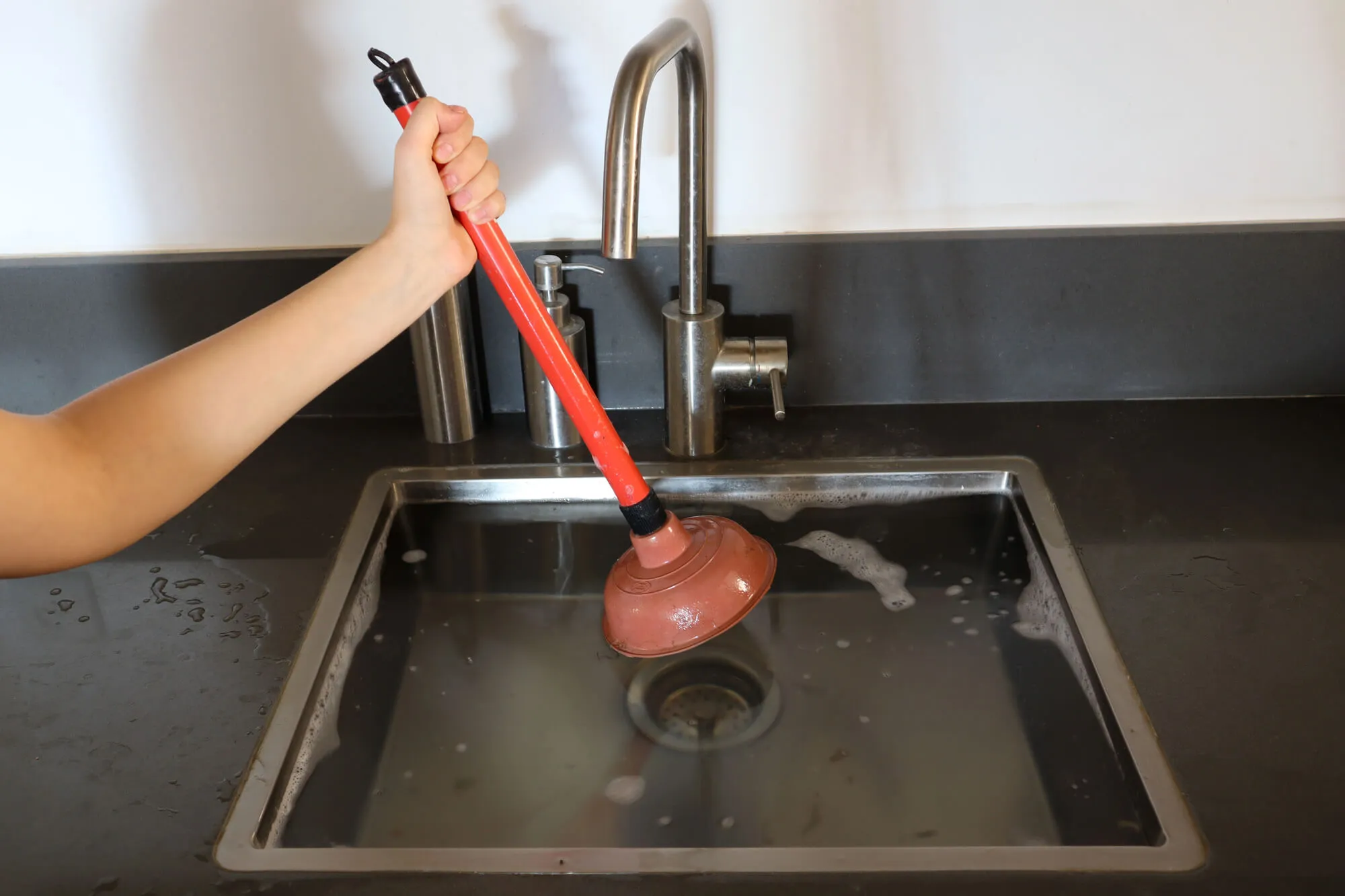
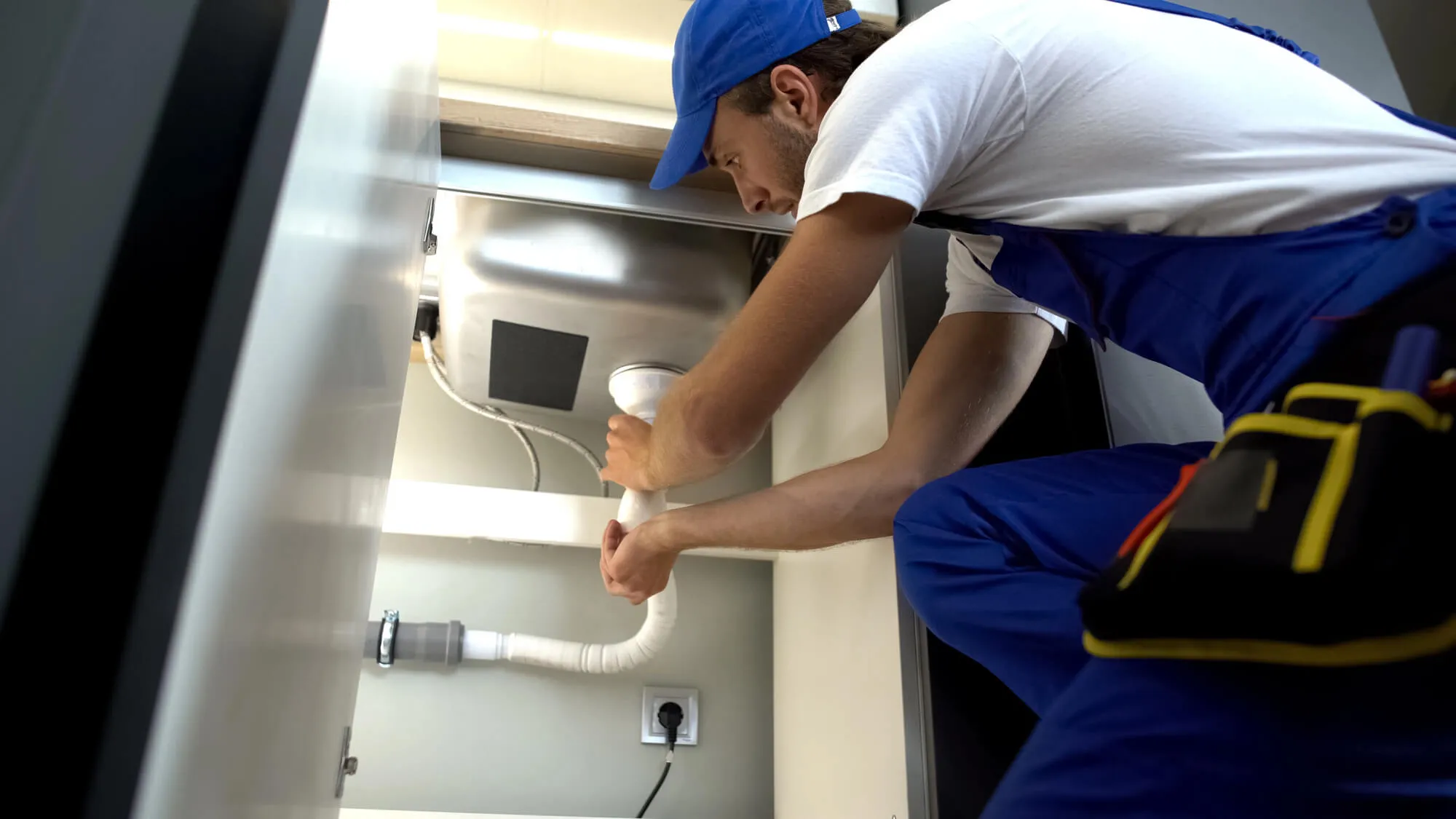
plumber trying to Fix clogged drain Seattle

7. Foreign Objects in Drains 

Small household objects sometimes accidentally fall into drains. Children’s toys, bottle caps, jewelry, and other small items can easily slip into sinks, bathtubs, or floor drains. 

Once inside the pipe, these objects may lodge in narrow sections of plumbing and create an obstruction. Debris flowing through the system can then accumulate around the object, gradually forming a larger clog. 

Foreign object clogs often require professional tools or camera inspections to locate and remove the obstruction safely. Using drain covers in sinks and bathtubs can help reduce the chance of objects entering the plumbing system. 

8. Aging or Corroded Pipes 

Older homes in Seattle may still have aging plumbing systems that contribute to drainage issues. Pipes made from older materials such as galvanized steel can corrode over time. 

Corrosion creates rough interior surfaces that catch debris more easily than smooth pipes. As rust accumulates, the pipe diameter gradually narrows, restricting water flow. 

Even small amounts of grease, soap residue, or debris can become trapped in these uneven surfaces. Eventually, the buildup may cause slow drainage or recurring clogs. 

Routine plumbing inspections can help identify aging pipe systems before they create major problems. 

9. Heavy Rain and Sewer Line Pressure 

Seattle’s climate includes frequent rainfall, which can affect underground drainage systems. During periods of heavy rain, municipal sewer systems may experience increased pressure. 

If private sewer lines already contain partial blockages, this extra flow can worsen the problem. Water may drain more slowly or back up into household plumbing fixtures. 

In some cases, stormwater infiltration can introduce debris into older sewer lines, contributing to new blockages. Regular maintenance and sewer inspections can help homeowners monitor the condition of underground plumbing connections. 

10. Sediment and Debris in Floor Drains 

Basements, laundry rooms, and utility areas often contain floor drains designed to handle occasional water runoff. However, these drains sometimes collect dust, dirt, lint, or sediment over time. 

When debris accumulates inside the drain trap, it can restrict water flow and produce unpleasant odors. Because floor drains are used less frequently than sinks or showers, buildup may go unnoticed until a drainage issue occurs. 

Periodic cleaning and flushing of floor drains can help maintain proper flow and reduce the risk of blockages in these less visible plumbing fixtures. 

Preventing Drain Clogs in Seattle Homes 

Clogged drains rarely occur overnight. Most blockages develop gradually as debris accumulates inside pipes. By understanding the most common causes, homeowners can reduce the likelihood of recurring plumbing issues. 

Simple habits such as disposing of grease properly, using drain screens, and avoiding flushing non-degradable items can make a significant difference in maintaining healthy plumbing systems. Periodic inspections also help detect early signs of buildup before major problems develop. 
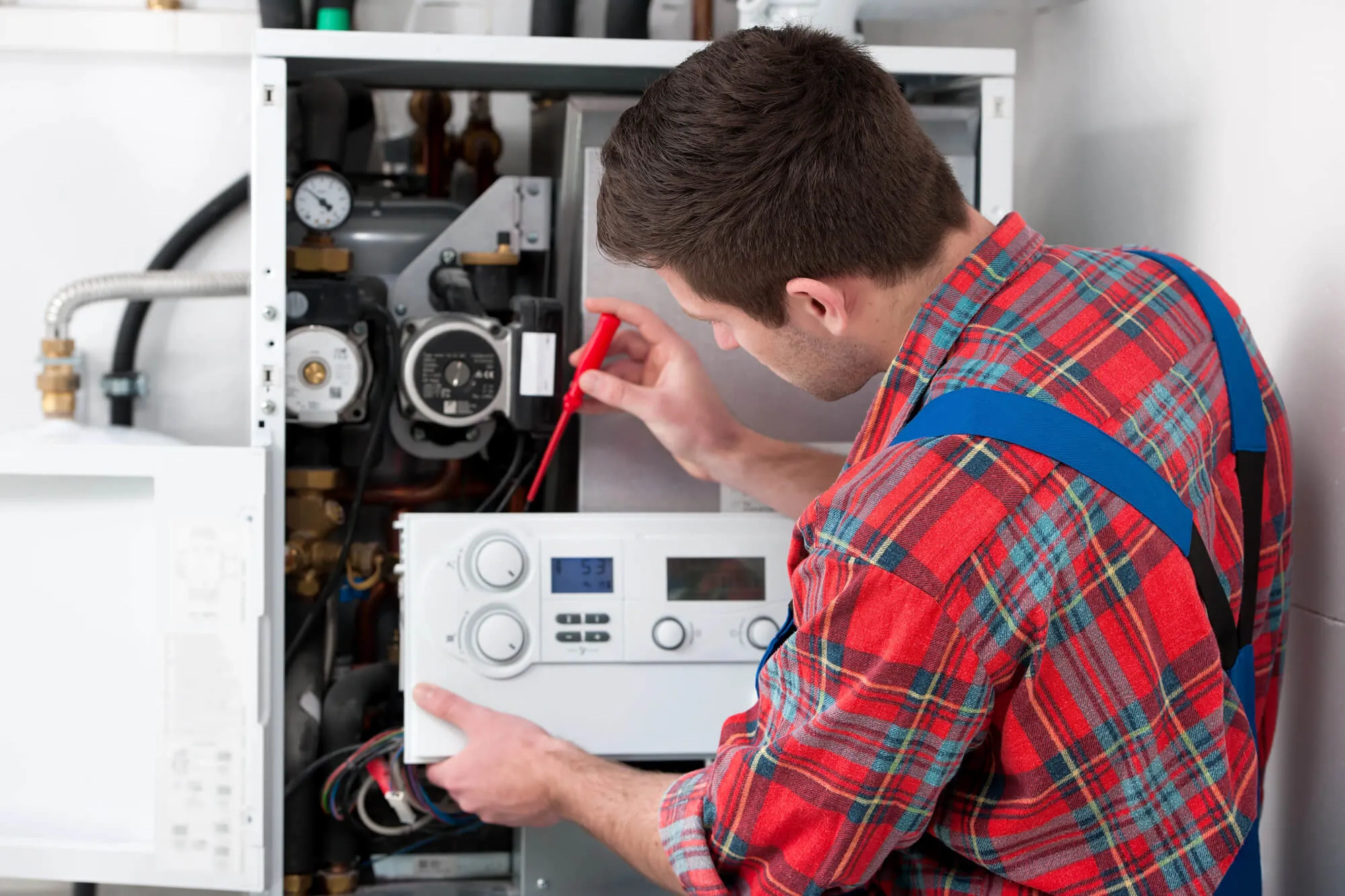
man Fix clogged drain Seattle

Need Help to Fix a Clogged Drain in Seattle? 

When drains begin slowing down, backing up, or producing unusual odors, it may be time to have a professional inspect the plumbing system. Addressing small blockages early can help prevent larger sewer problems later. 

If you’re dealing with recurring drainage issues and need help to fix a clogged drain in Seattle, the team at Greenwood Heating & Home Services can evaluate your plumbing system and recommend the right approach. Our technicians use professional tools and inspection methods to locate blockages and restore proper drainage throughout your home. Contact our team today to schedule an inspection and keep your plumbing system running smoothly. 

Signs You May Need a Sewer Scope Inspection

reliable Plumber Seattle

If you’ve noticed slow drains, sewer odors, or frequent backups, it may be time to call a plumber in Seattle for a closer look. Sewer lines sit underground, which means problems often develop quietly until they affect your home’s plumbing performance. A sewer scope inspection uses a small camera inserted into the sewer line to provide a clear, detailed view of the pipe’s interior, helping homeowners understand the condition of their system before minor issues grow into larger concerns.  

Recognizing early warning signs can help you plan maintenance on your terms instead of dealing with unexpected plumbing disruptions. 

Plumber Seattle in action

What Is a Sewer Scope Inspection? 

A sewer scope inspection involves using a specialized camera attached to a flexible cable to look inside your main sewer line. The camera travels through the pipe and records video footage in real time, allowing technicians to identify issues such as clogs, cracks, joint separation, pipe sagging, or root intrusion that may not be visible from inside the home. 

The inspection is typically performed through an existing cleanout or access point, so it does not require digging or major disruption. Most inspections are completed within a short visit, and homeowners can review the footage to better understand the condition of their pipes. 

Because sewer lines are buried underground and problems often develop slowly, inspections are one of the most reliable ways to detect concerns early. This helps homeowners plan maintenance before drainage issues affect multiple fixtures or require more extensive repairs later. 

1. Multiple Slow Drains in the Home

A single slow drain may be caused by hair or debris in a local pipe. But when several drains slow down at once—such as sinks, tubs, and toilets—it can point to a blockage in the main sewer line. 

A sewer scope inspection helps determine whether buildup, pipe damage, or root intrusion is restricting flow. Catching these problems early prevents backups that can affect several rooms at once.

2. Frequent Drain Backups

Occasional clogs happen in any home. However, repeated backups can signal deeper issues in the sewer line. 

A camera inspection helps locate the exact source of the problem, whether it’s debris buildup, pipe misalignment, or structural damage. Early detection allows homeowners to plan maintenance before the situation escalates.

3. Sewer Odors Indoors or Outdoors

Unpleasant smells coming from drains, basements, or outdoor areas may indicate sewer line issues. Cracks or blockages can allow gases to escape, affecting indoor air quality. 

Because sewer lines are buried underground, these problems are difficult to identify without specialized equipment. A sewer scope inspection helps confirm whether pipe damage or separation is present.

4. Older HomeswithAging Sewer Lines 

Older homes may have clay, cast iron, or other pipe materials that deteriorate over time. Tree roots, soil movement, and corrosion can gradually weaken these lines.  

Routine inspections are part of responsible home care, especially in older properties where unseen issues may be developing slowly beneath the surface.  

Understanding the condition of older pipes helps homeowners plan future maintenance rather than reacting to sudden failures.

5. Large Trees Near Sewer Lines

Tree roots naturally seek moisture. Sewer pipes can attract roots through small cracks or joints, eventually blocking flow or damaging the line. 

If your yard has mature trees, a sewer scope inspection can identify root intrusion before it causes significant drainage problems.

6. Unexplained Wet Spots in the Yard

Soft or soggy areas in the yard may indicate a leaking sewer pipe. These leaks can develop slowly and remain unnoticed until they affect landscaping or create unpleasant odors. 

A camera inspection helps determine whether pipe separation or cracks are allowing wastewater to escape underground.

7. Gurgling Sounds in Pipes

Gurgling noises in drains or toilets may signal airflow issues caused by partial blockages in the sewer line. 

These sounds often appear before more serious problems, such as backups or slow drainage. A sewer scope inspection helps identify what is affecting airflow inside the pipe.

8. Buying or Selling a Home

Sewer scope inspections are commonly recommended during real estate transactions. Many home inspections do not include a sewer line evaluation, yet sewer repairs can be costly. 

A sewer scope provides clear information about pipe condition so buyers and sellers can make informed decisions before closing.

9. Recurring Plumbing Repairs

If plumbing problems keep returning, the issue may be deeper in the sewer line rather than inside the home’s visible pipes. 

A camera inspection helps confirm whether underlying sewer issues are contributing to repeated drain problems.

10. Planning Preventative Maintenance

Even if everything seems to work normally, unseen issues can develop slowly over time. Routine sewer inspections are a practical way to care for your home and plan maintenance before emergencies occur.  

Preventative care supports long-term plumbing reliability. 

professional Plumber Seattle

Why Sewer Scope Inspections Matter 

Sewer problems often develop quietly beneath the surface. Because pipes are buried underground, warning signs may stay hidden until a major backup, slow drainage across several fixtures, or unpleasant odors appear inside the home. By that stage, repairs can take more time and planning. 

Camera inspections help detect problems like clogs, root intrusion, cracks, or pipe misalignment early, giving homeowners a clearer understanding of what is happening inside the line. This information allows maintenance to be scheduled before issues affect daily routines or cause damage to flooring, landscaping, or foundations.  

Early detection supports steady plumbing performance, helps homeowners budget for future repairs, and protects overall property value over time. 

What Happens During an Inspection 

Most inspections are straightforward: 

  • Access is made through a cleanout or pipe opening
  • A camera is inserted into the sewer line
  • The technician reviews live footage
  • A recording and summary are provided 

Because no digging is required, inspections are quick and minimally disruptive. 

How Often Should Sewer Lines Be Inspected? 

For most homes, a sewer scope inspection every 3 to 5 years is a practical guideline, especially if the plumbing system is working normally. Homes built more than 30 years ago, properties with large trees near sewer lines, or houses with clay or cast-iron pipes may benefit from inspections every 1 to 2 years because these materials are more prone to root intrusion and wear. 

You should also schedule an inspection when buying or selling a home, after major plumbing backups, or if you notice repeated slow drains. These timelines help homeowners monitor pipe condition regularly and plan maintenance before problems affect multiple fixtures or lead to unexpected disruptions. 

When Small Problems Become Larger Repairs 

A small crack or blockage can grow over time. Roots expand inside tiny openings; debris accumulates along rough pipe edges, and pipes shift gradually as soil settles or changes with moisture. These slow changes often go unnoticed until drainage becomes unreliable, or backups begin affecting sinks, tubs, or toilets. By that stage, repairs may require more time and planning. 

Routine sewer scope inspections provide a clear look inside the line, helping identify early warning signs while they are still manageable. Addressing concerns early supports steady plumbing performance, helps homeowners plan maintenance on their schedule, and reduces the likelihood of unexpected disruptions during periods of heavy household use. 

Plumber Seattle working

When to Call a Plumber in Seattle for Sewer Scope Inspections 

If you notice repeated slow drains, sewer odors, or yard drainage problems, it may be time to contact a plumber in Seattle for a sewer scope inspection. This simple, non-invasive process gives you a clearer understanding of your sewer line’s condition and helps you plan maintenance before larger plumbing issues develop. 

If you’ve noticed warning signs or want peace of mind about your sewer line, scheduling a sewer scope inspection can help you plan ahead with confidence. Our team at Greenwood Heating & Home Services uses modern camera equipment to provide clear information about your plumbing system, helping homeowners understand what’s happening underground before issues escalate.  

Reach out today to schedule your sewer scope inspection and protect your home’s plumbing system for the future. 

Tankless vs Traditional Water Heater Maintenance Explained

professional Water Heater Seattle maintenance

You hop in the shower expecting hot water—but get a freezing surprise instead. Whether you rely on a standard tank or a tankless system, this kind of disruption is often preventable. Many homeowners assume that their water heater will run smoothly for years without a second thought. But over time, even the most reliable system needs upkeep. If you have a water heater in Seattle, understanding the differences in how each type is maintained could save you from cold showers, rising energy bills, and costly repairs.

needs Water Heater Seattle

Why Maintenance Matters for Any Water Heater

Whether you have a traditional tank-style unit or a tankless system, regular maintenance is essential to keep your water heater running smoothly. Over time, both types of systems face wear and tear, and without periodic tune-ups, you’re more likely to experience inconsistent water temperatures, reduced efficiency, or even early replacement costs.

What Is a Tankless Water Heater?

Tankless systems heat water only as needed, offering better energy efficiency and endless hot water. Their compact design makes them a popular choice for homeowners who want to save on space and utility bills. However, because they activate every time you use hot water, internal components can experience scale buildup especially in areas with hard water. Annual flushing and descaling help prevent blockages and keep flow sensors, burners, and heat exchangers working properly.

What Is a Traditional Water Heater?

Traditional systems store a set amount of hot water in a large tank. They’re more common in homes with higher daily water usage and tend to have a lower upfront cost. But because they constantly heat water to maintain temperature, sediment from minerals in the water can settle at the bottom of the tank. This buildup creates insulation between the heating element and the water, leading to inefficiency and added strain on the system. Regular flushing clears out sediment and helps maintain heating performance.

In both cases, timely maintenance improves performance, extends lifespan, and helps you avoid costly surprises.

Maintenance Needs: Tankless vs Traditional

The type of water heater in your home—tankless or traditional—will shape how and when maintenance should be done. Each system works differently, and understanding their unique needs can help prevent issues before they interrupt your hot water supply.

Tankless Water Heater Maintenance

1. Annual Descaling

Hard water contains minerals like calcium and magnesium that leave behind scale inside the unit’s heat exchanger. Without regular flushing, this buildup can restrict water flow, reduce heating efficiency, and over time, damage internal components. An annual descaling with a proper solution keeps the system clear and working as intended—especially important in areas with hard water.

2. Filter Cleaning

Many tankless systems come with inlet water filters that catch sediment and debris before they enter the unit. If ignored, clogged filters can reduce water pressure or trigger system errors. These filters are typically easy to access and clean, but they should be inspected regularly—especially if your home relies on a well or has older plumbing.

3. Venting System Inspection

Tankless heaters often use high-efficiency sealed vent systems to expel exhaust gases. These should be checked yearly for blockages, corrosion, or loose connections. A compromised vent not only affects performance but can also pose safety concerns due to improper gas ventilation.

4. Error Code Diagnostics

Modern tankless models include digital panels that store error codes. A trained technician can use this data during a tune-up to spot patterns and catch minor issues before they become major repairs.

Water Heater Seattle

Traditional Water Heater Maintenance

1. Flushing the Tank

Sediment settles at the bottom of tank-style heaters over time. This layer of buildup makes the heater work harder to do the same job, raising energy use and straining the unit. Regular flushing—ideally once a year—removes this gunk, helping the system last longer and heat more efficiently.

2. Anode Rod Inspection

Inside every traditional water heater is a metal rod (usually magnesium or aluminum) called the anode rod. Its job is to attract corrosive elements in the water and protect the tank’s interior lining. If the rod becomes too corroded, it can’t do its job. Replacing it every 3–5 years can delay tank failure and help avoid leaks or rust.

3. Temperature and Pressure (T&P) Valve Testing

The T&P valve is a critical safety feature that prevents the tank from over-pressurizing or overheating. If it fails, the results can be severe. During maintenance, technicians test this valve to make sure it opens and closes properly and isn’t blocked by mineral buildup.

4. Thermostat Calibration

A misadjusted thermostat can lead to water that’s too hot, wasting energy and posing scalding risks. Technicians will verify the thermostat settings and check that the heating element responds correctly. In some cases, thermostat malfunctions can also affect overall system performance and cycling.

How Maintenance Affects Lifespan and Efficiency

A water heater works hard year-round, especially during colder months. Regular tune-ups can:

  • Extend lifespan: Well-maintained systems can last years longer than neglected ones.
  • Improve energy efficiency: Removing sediment or scaling helps the unit heat water with less effort.
  • Lower monthly bills: Efficient heaters use less power or gas.
  • Prevent costly repairs: Catching small issues early keeps repair bills in check.

Water Quality and Its Impact on Maintenance

Seattle’s water is considered soft to moderately hard, but that doesn’t eliminate the risk of scale buildup. Homes with older pipes or well water may experience more mineral deposits, increasing the need for frequent descaling or flushing.

Common Maintenance Myths

It’s easy to assume that water heaters are “set-and-forget” appliances—until something goes wrong. These common myths often lead to overlooked maintenance and avoidable repairs:

  • Myth 1: Tankless systems don’t need maintenance
    Tankless heaters might seem low-maintenance, but they’re not maintenance-free. Mineral buildup can clog the heat exchanger, and filters can collect debris. Regular descaling and inspection are essential to keeping these systems running efficiently.
  • Myth 2: New water heaters don’t need service for years
    Even brand-new units benefit from early maintenance. Starting a regular service schedule from the beginning helps spot potential issues early and maintain peak performance.
  • Myth 3: Flushing the tank once is enough
    One-time flushing isn’t a long-term fix. Sediment forms continuously in traditional tanks, especially in areas with hard water. Annual flushing prevents buildup and extends the life of the tank.
  • Myth 4: DIY maintenance is always safe
    Some minor checks can be done at home, but more complex tasks—like testing gas valves or inspecting electrical connections—are better left to professionals.

Understanding these myths helps you approach maintenance with realistic expectations—and make smarter choices for your home.

Cost of Maintenance vs Cost of Repairs

Skipping maintenance can lead to:

  • Water heater failure
  • Higher monthly bills
  • Costly emergency service calls
  • Water damage from leaks

The average maintenance visit is affordable compared to replacing a burned-out heat exchanger or a corroded tank. In many cases, an annual visit pays for itself in energy savings.

Signs Your Water Heater Needs Service

Whether tankless or traditional, keep an eye out for:

  • Fluctuating water temperature
  • Reduced water pressure
  • Rumbling or banging noises
  • Discolored water
  • Error codes (tankless)
  • Higher-than-normal energy bills

If you notice any of these, it’s time to schedule a check-up.

Water Heater Seattle repair

Does Your Water Heater in Seattle Need Maintenance?

Both tankless and traditional water heaters benefit from annual professional service. While their components differ, the goal is the same: keep your system working efficiently and safely.

If your household has higher-than-average water usage or you notice water quality issues, more frequent tune-ups may be worthwhile.

At Greenwood Heating, we know how much you rely on your water heater in Seattle. Whether you have a tankless model or a traditional unit, our licensed technicians will tailor your maintenance to suit your system and your home. We’ll inspect, clean, and tune up your unit so you can enjoy reliable hot water every day.

Our team has served local homeowners for over 100 years, with same-day service, honest pricing, and care that puts your comfort first.

Contact Greenwood Heating today to schedule your water heater maintenance. Your comfort is our priority.

7 Household Habits That Are Wrecking Your Drains

fix-clogged-drain-in-seattle-due-to-leftover-foods

No one enjoys having to fix a clogged drain in Seattle over and over. It’s messy, frustrating, and always seems to happen at the worst time. But here’s the thing: a lot of the clogs we deal with aren’t just bad luck or old pipes. We often don’t even realize certain habits hurt our plumbing. 

From what you rinse down the sink to how you use your shower, everyday routines could be doing some serious damage to your drains over time. The good news is, most of these habits are easy to fix once you know what to watch for. 

In this post, we’ll discuss seven sneaky household habits quietly wrecking your drains and, of course, how to avoid them before they turn into costly plumbing problems. Let’s begin. 

fix-clogged-drain-seattle-due-to-hair-in-shower-drain

Avoid These Household Habits!

1. Pouring Grease Down the Kitchen Sink

Here’s a scene we’re all familiar with: you’re cooking bacon or frying something up. Once you’re done, it seems easy enough to just pour the leftover grease down the drain. Out of sight, out of mind, right?  

Unfortunately, that’s one of the fastest ways to create a disastrous clog in your kitchen plumbing. 

Grease may go down as a liquid, but as it cools, it solidifies and sticks to the inside of your pipes. Over time, it builds up, trapping food particles and debris. Before you know it, you’re reaching for the plunger — or worse, calling a plumber to fix bigger issues. 

What to do instead: Let grease cool and pour it into a disposable container (like an empty can or jar), then toss it in the trash. A little extra cleanup now saves a major headache later.

2. Flushing “Flushable” Wipes and Other Non-Toilet Paper Items

Despite what the label says, “flushable” wipes aren’t really flushable — or at least not if you care about your plumbing.  

These wipes, along with paper towels, cotton balls, dental floss, and feminine hygiene products, don’t break down like toilet paper does. Instead, they clump together, catch on rough spots in your pipes, and create stubborn blockages that are tough to clear. 

Many homeowners end up with serious sewer line issues because of what they thought was safe to flush. Spoiler alert: your toilet isn’t a trash can. 

What to do instead: Keep a small trash bin in the bathroom and use it for anything that isn’t standard toilet paper. Even those “flushable” wipes should go in the bin, not down the drain. 

3. Letting Hair Go Down the Shower Drain

It might not seem like a big deal at the moment, but those strands of hair that swirl down your shower drain day after day can become a major contributor to clogs.  

Hair tangles up with soap scum, conditioner residue, and whatever else is hanging around in your pipes — and it all forms into one stubborn, gunky mess.  

Over time, this buildup slows your drain, traps odors, and can lead to a complete blockage. If you’re constantly reaching for the drain cleaner or plunger after showers, hair is probably the culprit.  

What to do instead: Use a hair catcher or drain screen in your shower and clean it out regularly. It’s cheap and easy, and it will save you a lot of grief in the long run. 

4. Using Too Much Soap or Shampoo

Yep, even something as innocent as your favorite body wash could be messing with your plumbing. Many soaps — particularly the thick, creamy ones — contain fats and oils that can cling to the inside of your pipes, especially when combined with hard water. 

Eventually, this can create a grimy buildup that narrows the flow of water and leads to a clogged drain. If you’ve ever noticed a slimy film around your sink or tub, that’s the same stuff collecting in your pipes. 

What to do instead: You don’t need to ditch your favorite products, but be mindful of how much you’re using. Also, consider switching to low-residue or eco-friendly soaps if clogs keep coming back. 

person-using-plunger-to-fix-clogged-drain-in-seattle

5. Rinsing Food Scraps Down the Sink (Even with a Garbage Disposal)

Garbage disposals can be super convenient, but they’re not a green light to send every food scrap down the drain. Things like rice, pasta, eggshells, coffee grounds, and vegetable peels might go down easily at first. However, they can swell, stick, and clump together deep in your pipes, leading to major clogs. 

Even disposals can get jammed or damaged by certain scraps, turning a minor habit into a plumbing bill. And once that buildup sets in, you may find yourself scrambling to fix issues that could’ve been easily avoided. 

What to do instead: Scrape food into the trash or compost bin before rinsing plates. Use your garbage disposal for soft, small scraps only, and always run cold water before, during, and after using it to help keep things moving. 

6. Ignoring Slow Drains Until It’s Too Late

A slow drain is like your plumbing’s way of whispering, “Hey, something’s not right.” But most people shrug it off until that whisper turns into a full-blown shout — AKA a completely clogged drain.  

When water drains slowly, it usually means a partial blockage is forming. If left alone, it will only get worse and become harder (and more expensive) to fix later on. 

What to do instead: At the first sign of a slow drain, take action. A quick flush with hot water and baking soda, or even a plunger or drain snake, can often clear minor blockages before they become big problems. And if the problem keeps coming back, you’ll definitely want to call in a pro to take a look. 

7. Skipping Routine Drain Maintenance

Out of sight, out of mind — that’s how most of us treat our drains. But skipping regular maintenance is one of the biggest reasons clogs sneak up on you.  

Just because everything seems fine doesn’t mean your pipes are in the clear. Gunk, grease, and buildup can collect gradually, narrowing your pipes little by little until one day, you find nothing’s going down.  

Routine maintenance helps keep things flowing and prevents those sudden, frustrating backups.  

What to do instead: Make it a monthly habit to pour a mixture of hot water, baking soda, and vinegar down your drains to break up minor buildup. You can also schedule professional drain cleaning once a year to really keep things in check, especially if your home has older pipes. 

plumber-trying-to-fix-clogged-drain-in-seattle Need an Expert to Fix a Clogged Drain in Seattle? We’ve Got Your Back 

Clogged drains aren’t just random accidents; they’re often the result of everyday habits that seem harmless at the moment. Little behaviors like pouring grease down the sink and ignoring slow drains can add up to big plumbing problems. 

Fortunately, most of these issues are totally preventable. With a few small changes to your daily routine and a little proactive maintenance, you can keep your drains flowing smoothly and avoid those frustrating, last-minute calls to fix clogged drain disasters.  

And when you do need a hand — be it clearing a stubborn blockage, maintaining your plumbing, or even upgrading your water heater — Greenwood Heating and Home Services is just a call away. Our licensed team is here to keep everything running as it should, from the pipes under your sink to the water heater in your utility room. 

Get in touch with us today for fast, reliable support you can count on. 

Don’t Ignore These 7 Early Warning Signs of a Plumbing Leak

plumbing leak repairs seattle

Plumbing leaks have a sneaky way of hiding in plain sight, quietly causing damage while you go about your day. And by the time you notice a puddle or a water stain, that small issue has already turned into a bigger (and more expensive) one. That’s why we’re big believers in catching problems early. Because when it comes to leak repairs in Seattle, timing really is everything. 

Below are seven warning signs that a plumbing leak might be creeping through your home — so you can catch it fast and fix it before it gets worse.

stained wall needing leak repairs seattle

  1. An Unexpected Spike in Your Water Bill

Let’s be honest, most of us glance at the water bill without giving it much thought. But if your usage suddenly jumps without explanation, it might be time to dig a little deeper. 

A hidden leak, even a small one, can waste hundreds (or thousands) of gallons of water each month. If you haven’t filled a pool, watered your lawn more than usual, or hosted a house full of guests, that jump in your bill could mean water is escaping somewhere it shouldn’t be. 

Here’s a pro tip: compare your water bills from the past 3–6 months. If there’s a noticeable increase with no change in water habits, you’re probably dealing with a leak. 

  1. Low Water Pressure That Wasn’t Always There

Low water pressure is frustrating, but it’s also a red flag. 

If water used to blast from your showerhead and now it just kind of dribbles, or your faucets feel weaker than usual, something might be wrong behind the scenes. A pipe could be cracked, partially blocked by a leak, or slowly corroding. 

What makes this tricky is that low water pressure can also stem from other issues like mineral buildup). However, if you’re seeing low pressure in more than one area of your home, or it happened suddenly, it’s definitely worth getting checked. 

  1. Water Stains or Discoloration on Walls or Ceilings

Water stains don’t lie. 

If you’re noticing brown, yellow, or copper-colored marks on your ceilings or walls, a leak is likely to blame. What you’re seeing is moisture soaking through drywall or ceiling panels, often from a leak in the pipe above or behind the surface. 

Even if the stain looks dry, it doesn’t mean the leak is gone. It could just be in its early stages or only active during certain times (like when you’re running the dishwasher or shower). 

Don’t paint over it, and hope for the best. It’s better to find the source and take care of it properly before the damage spreads. 

  1. A Musty or Damp Smell That Won’t Go Away

Ever walk into a room and think, “What’s that smell?” but you can’t find the source? 

That lingering, musty odor could be a sign that water is pooling where it shouldn’t be. Leaks that go unnoticed can create the perfect damp environment for mold and mildew to grow, especially behind walls, under floors, or in crawl spaces. 

Even if you don’t see any water, trust your nose. A persistent earthy smell means something’s going on — and mold isn’t just gross. It can affect your air quality and health over time. 

  1. Warped Floors, Buckled Wood, or Soft Spots

Your flooring might be giving you more clues than you realize. 

If your hardwood floors are starting to warp or buckle, or your laminate feels spongy underfoot, water damage could be the reason. Leaks from nearby plumbing (think dishwashers, toilets, sinks) can seep underneath and slowly weaken the materials. 

Tile and vinyl can sometimes hide the damage longer, but you might notice loose grout, cracked tiles, or areas that feel different when you walk across them. 

Basically, if your floors are acting funky, don’t ignore it. 

  1. Mold or Mildew in Unexpected Places

We expect to see a little mold in places like the bathroom grout. But if it starts popping up on walls, ceilings, or corners far from your shower or sink, it’s worth investigating. 

Mold and mildew need moisture to thrive, so their appearance often means a leak is lurking nearby. These fungi can grow fast and spread even faster, especially if the leak has been active for a while. 

If you find mold in unusual spots or if you’re cleaning it up over and over again, it’s time to find the source and stop the moisture at its root. 

  1. Running Water Sounds When Everything’s Off

Here’s a weird one — but it’s real. 

If you’re sitting quietly at home and hear water running, dripping, or hissing when no one’s using the faucet or flushing the toilet, your plumbing might be trying to tell you something. 

These sounds could indicate that water is escaping through a small crack, a faulty valve, or a pipe behind the wall. Some homeowners describe it as a “whooshing” sound, especially in older homes. 

The trick is to turn off all water-using appliances, then listen carefully. If the sound continues, it’s time to call in a pro for leak repairs in Seattle. 

leak repairs seattle specialist

What to Do If You Notice One of These Signs 

If any of the seven signs above sound familiar, don’t wait to “see if it gets better.” Plumbing leaks rarely fix themselves, and hoping it goes away could just mean bigger damage, higher water bills, and potentially thousands in repairs down the line.  

Here’s what we recommend: 

Check Your Water Meter 

Start with a simple test. Turn off everything in your home that uses water — faucets, washing machines, dishwashers, toilets — and then head outside to check your water meter. If the dial is still spinning or the digital readout is climbing, that’s a big clue water is flowing somewhere it shouldn’t be. This little test can confirm your suspicions in under five minutes. 

Inspect the Most Common Culprits 

Take a walk through your home and check the usual problem spots.  

Look under sinks for pooled water or damp cabinets. Peek behind your washing machine and around your water heater for any signs of rust, corrosion, or dripping. Flush your toilets and listen closely. If they keep running or sound like they’re refilling long after the flush, a leak might be lurking there, too.  

And don’t forget those less-visited areas like crawl spaces or basements — they’re prime hiding spots for slow, long-term leaks. 

Call a Professional 

If you’re still unsure, or if you find anything concerning, don’t hesitate to bring in an expert. Licensed plumbers have tools like acoustic leak detectors, thermal imaging, and pressure tests that help pinpoint leaks fast without having to tear into your walls or dig up your floors.  

It’s the kind of peace of mind that’s worth every penny, especially when early detection can save you from water damage, mold remediation, or full pipe replacements. 

Why Early Leak Detection Matters 

Homeownership isn’t exactly cheap, but early leak detection is one of the smartest things you can do to avoid major expenses down the road. 

Water damage can lead to: 

  • Rotting wood and weakened structures 
  • Mold growth (which can cost thousands to remove) 
  • Damage to drywall, insulation, and flooring 
  • Higher utility bills 
  • Decreased home value 

The sooner you catch and repair a leak, the better your home (and wallet) will feel. 

moldy wall needing leak repairs seattle

Looking for Leak Repairs in Seattle? 

Your home is pretty good at letting you know when something’s off. Whether it’s a weird smell, a puddle in the wrong place, or that creeping stain on your ceiling—these things don’t just happen without reason. 

The good news? You don’t have to figure it out alone. 

If you’ve noticed any of these signs or even think you might have a leak, feel free to reach out to your local plumbing experts. Greenwood Heating is here to catch the problem early, make the fix quick, and get your home back to normal. 

Get in touch with us now to get your quote. 

What Constitutes a Plumbing Emergency that Requires Immediate Attention in Seattle?

woman-during-plumbing-emergency-calling-a-Plumber-in-Seattle

Plumbing problems can be stressful, but not all issues require immediate action. A dripping faucet or slow drain can often wait until regular business hours. But what about a burst pipe, a sewage backup, or no running water?  

When a plumbing issue threatens your home, health, or safety, it’s considered an emergency. If you’re searching for a plumber in Seattle, understanding which problems require immediate attention can help you avoid costly damage and protect your home. 

Let’s break down what constitutes a plumbing emergency, how to recognize urgent problems, and what steps to take before professional help arrives. 

a-couple-calling-an-emergency-Plumber-in-Seattle

What Is Considered a Plumbing Emergency? 

A plumbing emergency is any issue that: 

  • Puts your health at risk 
  • Stops essential functions like water supply or drainage 
  • Poses a safety hazard, such as gas leaks or sewage exposure 

These problems worsen quickly if left unaddressed, often leading to property damage, mold growth, and expensive repairs. Below are the most common plumbing emergencies and what you should do if they happen in your Seattle home. 

Common Plumbing Emergencies

1. Burst Pipes

A burst pipe is one of the most serious plumbing issues a homeowner can face. A single burst pipe can release gallons of water per minute, leading to flooding, mold growth, and structural damage. This can be especially common in Seattle during cold winter months, when freezing water expands inside pipes and causes them to rupture. 

What to Do Immediately: 

  • Turn on faucets to drain excess water from the pipes. 
  • Move furniture and valuables away from the affected area. 
  • Call an emergency plumber to locate and repair the burst pipe.

If pipes are frozen but not yet burst, warm them up using a space heater or warm towels.

2. Sewage Backup

A sewage backup is a serious health risk. When wastewater backs up into sinks, tubs, or toilets, it exposes your home to bacteria, viruses, and toxic gases. This problem is often caused by clogs, tree root infiltration, or broken sewer lines, which are common in Seattle’s older neighborhoods. 

What to Do Immediately: 

  • Stop using water to prevent further backup. 
  • Avoid contact with the contaminated water to prevent illness. 
  • Open windows to ventilate and reduce toxic gas buildup. 
  • Call a licensed plumber immediately for an inspection and repair. 
  • Consider a backwater valve installation to prevent future sewer backups.

3. No Running Water

Losing access to running water can completely disrupt daily life, affecting cooking, cleaning, bathing, and sanitation. If the issue is isolated to your home, it may be caused by a leak, pipe blockage, or frozen pipes. If your neighbors are also affected, it could be a municipal water supply issue.  

What to Do Immediately: 

  • Check with neighbors to see if the problem is city-wide. 
  • Inspect the main shut-off valve to ensure it wasn’t turned off accidentally. 
  • Look for visible leaks under sinks or in basements. 
  • Call a plumber if the issue is isolated to your home. 
  • If pipes are frozen, apply gentle heat using a space heater or hairdryer. 

4. Overflowing Toilet

An overflowing toilet can quickly cause water damage if it isn’t stopped in time. This problem is usually caused by a clog in the drain line, a septic backup, or a faulty toilet float mechanism. 

What to Do Immediately: 

  • Turn off the water supply valve behind the toilet. 
  • Use a plunger to try and clear the blockage. 
  • Avoid flushing again if the water level is still high. 
  • Call a plumber if the clog persists or multiple toilets are affected. 

Man-calling-a-Plumber-in-Seattle-during-emergency

5. Gas Leak

A gas leak is one of the most dangerous plumbing emergencies. Gas leaks can occur due to damaged gas lines, improper installations, or aging pipes. Since natural gas is highly flammable, immediate action is crucial. 

What to Do Immediately: 

  • Evacuate the home immediately. 
  • Do not use electrical switches, appliances, or open flames. 
  • Call 911 right away or your gas company from a safe location. 
  • Contact a licensed plumber to inspect and repair the gas line. 

6. Water Heater Failure

Hot water is essential for comfort, hygiene, and sanitation. When a water heater fails, it could be due to a broken heating element, sediment buildup, or gas supply issues. This is a major inconvenience, especially during Seattle’s cold, damp winters. 

What to Do Immediately: 

  • Check the circuit breaker if you have an electric water heater. 
  • Inspect the pilot light if you have a gas water heater. 
  • Call a plumber if there is a leak or if the heater won’t restart. 
  • Flush the tank annually to prevent sediment buildup. 

7. Major Leaks Under Sinks or Appliances

A major leak under your sink, dishwasher, or washing machine can quickly escalate from a minor drip to serious flooding and structural damage. Water pooling under cabinets or appliances can seep into flooring, weaken wood, and create the perfect breeding ground for mold. If left unchecked, what seems like a small leak can turn into rotting floors, warped cabinetry, and costly repairs. 

What to Do Immediately: 

  • Turn off the water supply to the leaking fixture. 
  • Place a bucket under the leak to contain the water. 
  • Dry the area thoroughly to prevent mold. 
  • Call a plumber before the leak worsens. 

8. Sump Pump Failure 

Seattle’s rainy climate means many homes rely on sump pumps to prevent basement flooding. If a sump pump fails during a heavy storm, water can quickly flood your basement, causing water damage, mold growth, and electrical hazards. 

What to Do Immediately: 

  • Check the sump pump power source—it may be unplugged or tripped. 
  • Ensure the pump’s float switch is working—it might be stuck. 
  • Use a backup power source if the failure is due to an outage. 

To prevent sump pump failures, install a battery backup system and have your pump inspected before storm season. 

Preventing Plumbing Emergencies in Seattle  

Regular maintenance and preventative measures can help reduce the risk of plumbing emergencies. Here are some tips: 

  • Insulate pipes to prevent freezing in winter. 
  • Avoid flushing wipes, grease, and food scraps down drains. 
  • Fix small leaks early before they escalate. 
  • Schedule annual plumbing inspections. 

A-Plumber-in-Seattle-working

Need an Emergency Plumber in Seattle? Call Greenwood Heating! 

If you’re facing a plumbing emergency, trust a plumber in Seattle with decades of experience. At Greenwood Heating, we’ve been serving the Seattle metro area for over 100 years, providing expert home service solutions backed by industry-leading warranties and customer care. Contact us today! 

Suspect a Hidden Leak in Your Seattle Home?

hidden leaks that need to be addressed by a Plumber Seattle (1)

Water leaks can be more than just an inconvenience—they can lead to structural damage, mold growth, and skyrocketing utility bills. While some leaks are easy to spot, like a dripping faucet or water pooling under a sink, others can remain hidden behind walls, under floors, or even underground. If you suspect a hidden leak in your home, acting quickly is crucial. A professional plumber in Seattle can help pinpoint the source of the problem and offer solutions to minimize damage and costs. 

Here’s a guide to understanding hidden leaks, the risks they pose, and how plumbers can effectively locate them and fix them.  

Plumber in Seattle with a customer

Signs of a Hidden Leak 

Hidden leaks often present subtle but telling signs. Here’s how to identify them: 

  • Unexplained Increase in Water Bills: A sudden rise in your water bill without any significant change in water usage is a classic sign of a leak. Even small leaks can waste hundreds of gallons of water monthly. 
  • Water Stains or Discoloration: Look for yellow, brown, or dark stains on walls, ceilings, or floors. These are often caused by water seeping through from a hidden pipe. 
  • Peeling Paint or Wallpaper: Moisture buildup can cause walls to warp, paint to bubble, or wallpaper to peel. 
  • Persistent Musty Odors: A damp, musty smell could indicate mold or mildew resulting from water accumulation in unseen areas. 
  • Sagging Floors or Warped Wood: Wooden floors or laminate that feels soft, spongy, or uneven could be a sign of water damage beneath the surface. 
  • Unusual Sounds: If you hear dripping, hissing, or running water when taps and appliances are turned off, it’s worth investigating. 

How Plumbers Detect Hidden Leaks 

Finding a hidden leak requires expertise and specialized tools. Plumbers employ a variety of advanced methods to accurately locate leaks without unnecessary disruption to your home: 

Acoustic Listening Devices 

Sensitive listening devices help plumbers detect the sound of water escaping from pipes. These tools are especially effective for finding leaks behind walls, under floors, or even beneath concrete slabs. By isolating the noise caused by running or dripping water, plumbers can pinpoint the leak’s location with precision, even in large or multi-level homes. 

Thermal Imaging Cameras 

Thermal imaging technology identifies temperature differences in building materials, often indicating the presence of moisture. For example, a colder patch on a wall or floor may signify water pooling from a hidden leak. This non-invasive method allows plumbers to locate leaks without tearing into walls or flooring unnecessarily, saving both time and repair costs. 

Moisture Meters 

A moisture meter measures the water content in various materials such as drywall, wood, and concrete. Elevated moisture levels are a reliable indicator of hidden leaks. Plumbers often use this tool in conjunction with other methods to confirm the presence of a leak and assess the extent of water intrusion, ensuring a comprehensive approach to repair. 

Video Pipe Inspections 

For leaks within pipes, a video camera attached to a flexible cable is often the go-to tool. This camera is threaded through the plumbing system, providing a clear visual of the interior condition of the pipes. It’s particularly useful for detecting cracks, corrosion, or blockages in underground or hard-to-access areas, such as sewer lines or pipes running beneath your home. 

Dye Testing 

In cases where a leak’s source is difficult to identify, plumbers may use non-toxic dyes to trace the flow of water. By observing where the dye appears, they can quickly locate the leak. This method is especially helpful for leaks in multi-unit buildings or complex plumbing systems. 

Pressure Testing 

For underground pipes or intricate systems, plumbers may conduct pressure testing to identify leaks. By introducing air or water pressure into the system, they monitor for any pressure drops, which typically indicate a leak. This method is highly effective for diagnosing issues in hidden or buried plumbing networks, such as sprinkler systems or supply lines. 

Hidden leak that needs to be fixed by Plumber Seattle

Steps Plumbers Take to Fix Hidden Leaks 

Diagnosing the Problem 

Plumbers begin by identifying the root cause of the leak. It could be due to pipe corrosion, which weakens over time, loose connections caused by shifts in the plumbing system, or external factors like tree roots or foundation shifts. Understanding the source is key to determining the right solution.

Repairing or Replacing Pipes 

Once the cause is identified, plumbers either repair the pipe or replace it if the damage is severe. Minor leaks are often fixed using sealing compounds, clamps, or epoxy. For extensively corroded or cracked pipes, replacing the damaged section ensures a more permanent fix. Professionals work carefully to access hidden pipes, minimizing disruption to your home. 

Addressing Water Damage 

If the leak has caused visible water damage, plumbers assess the surrounding area for issues like warped flooring or mold growth. They may recommend professional drying services to remove excess moisture and prevent long-term problems. In some cases, anti-microbial treatments are applied to affected areas for added protection. 

Preventative Measures 

To avoid future leaks, plumbers may upgrade outdated materials, install pipe insulation, or recommend a pressure regulator for homes with high water pressure. Regular plumbing inspections can also catch potential issues early, ensuring your system remains in good condition for years to come. 

Should You Prepare Before the Plumber Arrives? 

Yes. While plumbers in Seattle are equipped to handle the heavy lifting, here are some simple steps you can take to prepare: 

Clear the Area Around the Suspected Leak 

Move furniture, rugs, or any items near the suspected leak to give the plumber easy access to the area. This is especially important for leaks behind walls, under sinks, or in the basement. 

Shut Off the Water Supply (If Necessary) 

If you notice an active leak causing water damage, locate and turn off the main water supply to your home. This will help minimize further damage until the plumber arrives. 

Take Note of the Problem Areas 

Keep a mental (or written) list of areas where you’ve noticed signs of a leak, such as water stains, musty odors, or high water bills. Sharing these details with the plumber will save time and help them pinpoint the issue more quickly. 

Clear a Path for Equipment 

Plumbers often bring tools and machinery to detect and fix hidden leaks. Make sure pathways, such as hallways or staircases, are free of obstacles so they can move their equipment easily. 

Keep Pets and Kids Safe 

If you have pets or children, it’s a good idea to keep them in a separate room while the plumber works. This keeps everyone safe and ensures the plumber can focus on the job without distractions. 

What Can I Do to Prevent Hidden Leaks? 

Preventing hidden leaks in your home is easier than you might think with a few simple, proactive steps. 

Schedule Regular Inspections 

Have a plumber perform annual inspections to catch potential issues early. They can spot minor problems like loose connections or corroded pipes before they escalate. 

Monitor Your Water Meter 

Turn off all water-using appliances and check your water meter. If it’s still moving, you could have a hidden leak that needs attention. 

Upgrade Old Pipes 

Older plumbing materials, like galvanized steel, are more prone to leaks. Replacing them with modern options such as copper or PEX can improve durability and prevent future issues. 

Pay Attention to Outdoor Plumbing 

Inspect outdoor faucets, garden hoses, and irrigation systems regularly. These areas are often neglected and can lead to hidden leaks, especially after extreme weather. 

Use Smart Leak Detectors 

Installing smart leak detectors is a tech-savvy way to stay ahead of problems. These devices monitor your water usage and send alerts if unusual activity is detected, helping you act quickly. 

Plumber in Seattle

Trust Greenwood Heating to Be Your Plumber in Seattle 

Hidden leaks can cause significant stress, but Greenwood Heating is here to help. Since 1921, we’ve been providing top-notch services in Seattle. Our team of experienced plumbers uses advanced technology to locate and fix hidden leaks efficiently. 

Whether you’re dealing with a suspected leak or looking for preventative solutions, Greenwood Heating offers the expertise you need to keep your home safe and secure. Contact us today to schedule a consultation and let us restore your peace of mind.

Most Common Causes of Clogged Drains

woman-trying-to-Fix-clogged-drain-in-Seattle

Clogged drains are a common household problem that can lead to significant inconvenience and potential damage if not addressed promptly. Understanding the most common causes of clogged drains can help you prevent them and maintain a smoothly functioning plumbing system 

Here, we will explore the typical culprits behind clogged drains and provide practical tips for keeping them clear. Knowing the root cause can make all the difference if you need to fix clogged drains in Seattle. 

Plumber-trying-to-Fix-clogged-drain-in-Seattle

Common Causes of Clogged Drains 

Hair 

One of the most common causes of clogged drains, especially in bathrooms, is hair. Hair can easily bind with soap scum and other substances to create stubborn clogs in pipes. As hair accumulates over time, it can form dense clumps that obstruct water flow. 

Using drain covers or strainers can effectively catch hair before it enters the drain. Regularly clean the drain covers to prevent buildup and avoid the hassle of removing a hair clog. 

Soap Scum 

Soap can combine with minerals in the water to form a hard residue called soap scum. Over time, soap scum can build up on the walls of pipes and create blockages. This is especially common in areas with hard water. 

Switching to liquid soap, which is less likely to form soap scum compared to bar soap, can help. Additionally, periodically flushing drains with hot water can help dissolve soap scum and keep your pipes clear. 

Food Waste 

Kitchen sinks often get clogged due to food waste. Oil, coffee grounds, and food particles can accumulate in pipes and cause blockages.  

Use garbage disposal to grind food waste into smaller particles, but avoid putting large amounts down the drain. Never pour oil down the drain; instead, dispose of it in a separate container. Composting food waste can also help reduce the risk of clogs. 

Dirt and Debris 

Dirt and debris from washing hands, clothes, or pets can accumulate in drains, especially if not washed away thoroughly. Over time, this buildup can lead to clogs that are difficult to remove. 

Before washing dirty items, shake off excess dirt and debris outside. Installing screens over drains can catch larger particles, preventing them from entering the plumbing system. 

Mineral Buildup 

If you have hard water, minerals can accumulate inside your pipes, leading to clogs and reduced water flow. This mineral buildup, also known as limescale, can significantly restrict water movement through the pipes. 

Installing a water softener can reduce mineral buildup. Additionally, using descaling solutions periodically can clean out mineral deposits from your pipes and maintain proper water flow. 

Small Objects 

Small objects such as jewelry, toys, and other items can accidentally fall into drains and cause blockages. These objects can get stuck in the pipes, creating a barrier that prevents water from flowing freely. 

Using drain guards can prevent small objects from entering the drain. Being mindful of keeping small items away from sinks and drains can also help reduce the risk of clogs. 

Tree Roots 

Tree roots can infiltrate underground pipes, especially if there are any small leaks. They seek out water sources and can cause severe blockages and damage to your plumbing system. 

Regular inspections of your pipes, especially if you have large trees near your home, can help identify root intrusion early. Installing root barriers can also prevent roots from reaching your pipes. 

Toilet Paper and Hygiene Products 

Excessive use of toilet paper or flushing non-flushable hygiene products can lead to clogs in the toilet drains. Items like wipes, sanitary pads, and cotton balls do not break down easily and can cause significant blockages. 

Using toilet paper conservatively can help prevent blockages. Dispose of hygiene products in the trash instead of flushing them down the toilet to avoid clogs. 

Cooking Grease and Fat 

Grease and fat from cooking can solidify in pipes, causing blockages and restricting water flow. Even small amounts of grease can accumulate over time, creating a thick layer that traps other debris. 

Avoid disposing of grease or fat down the drain. Instead, allow it to cool and solidify, then dispose of it in the trash. After cooking, use hot water and soap to clean greasy pots and pans to help prevent grease buildup in your pipes. 

Plumber-checking-everything-after-Fixing-clogged-drain-in-Seattle

Pipe Scale 

Scale is a buildup of minerals inside pipes, particularly in older homes with galvanized steel or cast-iron pipes. Over time, this scale can reduce the diameter of the pipes, leading to slow drainage and blockages. 

Consider replacing old pipes with newer materials like PVC. Using commercial pipe cleaning solutions regularly can also help remove scale buildup. 

Improper Disposal of Trash 

Disposing of trash or large particles down the drain, including paper towels, cigarette butts, and dental floss, can lead to significant clogs. These items do not break down easily and can cause blockages. 

Dispose of trash properly in the garbage can rather than down the drain. Educate household members about what can and cannot be flushed or washed down the drain to prevent clogs. 

Improper Disposal of Chemicals 

Certain chemicals can contribute to clogged drains, either by reacting with other substances in the pipes or by causing pipe damage. For instance, pouring paint, cleaning products, or other harsh chemicals down the drain can lead to buildup and corrosion, which can cause blockages. 

Dispose of chemicals according to local regulations and guidelines. Never pour paint, solvents, or harsh cleaning agents down the drain. Ensure all household members are aware of what should and shouldn’t be disposed of via the drains. 

Insufficient Water Flow 

Insufficient water flow due to low water pressure can prevent materials from being adequately flushed through the pipes, leading to clogs. Low water pressure can result from various issues, including plumbing problems or issues with the municipal water supply. 

Check and adjust your water pressure if necessary. Flushing your drains with plenty of water can also help keep them clear. 

Incorrect Pipe Installation 

Incorrect pipe installation, including poor pipe slope or inadequate pipe size, can cause drainage issues and lead to frequent clogs. This is often an issue in older homes or buildings with outdated plumbing systems. 

Ensure that pipes are installed by a licensed plumber. Regular inspections can help identify and correct any installation issues to maintain proper drainage. 

DIY Fixes for Clogged Drains 

While prevention is the best approach, clogs can still happen. Here are some DIY methods to fix clogged drains in Seattle: 

  • Plunger: A plunger can be effective for clearing minor clogs in sinks and toilets. Ensure that there is enough water in the sink or toilet bowl to cover the plunger cup, then use firm, steady plunges to dislodge the blockage. 
  • Drain Snake: A drain snake, also known as a plumber’s snake or auger, can help remove blockages deeper in the pipes. Insert the snake into the drain and twist it to break up or pull out the obstruction, which can help restore proper water flow. 
  • Baking Soda and Vinegar: Pouring a mixture of baking soda and vinegar down the drain can help dissolve clogs. Start with half a cup of baking soda, followed by a cup of vinegar. Cover the drain and let the mixture sit for 10-15 minutes before flushing with hot water. 

When to Call a Professional 

While some clogs can be fixed with DIY methods, persistent or severe clogs require professional attention. Attempting to fix complicated clogs on your own can sometimes worsen the problem. 

Professional plumbers have the tools and expertise to diagnose and fix clogged drains effectively. If you’re dealing with recurring clogs, slow drainage, or multiple clogged drains, it’s best to call an expert to ensure the problem is resolved correctly. 

Plumber-Fixing-clogged-drain-in-Seattle

Are You Trying to Fix a Clogged Drain in Seattle? 

Don’t let clogged drains disrupt your home. If you’re dealing with persistent drainage issues or need professional advice on preventing clogs, contact Greenwood Heating. Our team offers comprehensive plumbing inspections, maintenance, expert leak repair services, and solutions to fix clogged drains. Call us today to schedule your appointment and ensure your drains stay clear and functional. 

Is There a Way to Prevent Plumbing Leaks? 

Plumber-working-on-Leak-Repair-in-Seattle

Leaks can be a homeowner’s nightmare, causing extensive damage and costly repairs. Prevention is always better than cure, especially when it comes to water damage. Fortunately, there are several proactive measures you can take to prevent leaks. Let’s walk you through the best practices to safeguard your home from potential water damage and leak repairs in Seattle.   

Couple-in-apartment-need-Leak-Repair-in-Seattle

How to Prevent Plumbing Leaks

Regular Inspections and Maintenance 

One of the most effective ways to prevent leaks is through regular inspections and maintenance of your plumbing system. This involves both personal inspections and professional evaluations. 

Inspecting Pipes and Connections 

Regularly inspect visible pipes for any signs of wear, corrosion, or leaks. Pay close attention to connections and joints, as these are common areas where leaks can develop. Running your hands along the pipes to feel for any dampness can also help identify a slow leak that might not be immediately visible. 

Professional Inspections 

In addition to your own inspections, hiring a professional plumber to conduct a thorough inspection of your plumbing system at least once a year is crucial. Professionals can identify potential issues that may not be visible to the untrained eye, ensuring that any small problems are addressed before they turn into major leaks. 

Installing Leak Detection Devices  

Leak detection devices are a proactive way to monitor your plumbing system and catch leaks early. These devices can range from simple alarms to sophisticated systems that shut off the water supply. 

Water Alarms 

Installing water alarms in areas prone to leaks, such as under sinks, near water heaters, and behind appliances like washing machines and dishwashers, can provide early warnings. These devices emit a loud alarm when they detect water, alerting you to a leak immediately. 

Smart Leak Detectors 

Smart leak detectors connect to your home’s Wi-Fi network and send alerts to your smartphone if they detect water or unusual moisture levels. Some advanced models can automatically shut off the water supply to prevent further damage, offering an additional layer of protection. 

Automatic Shut-off Systems 

Automatic shut-off systems are designed to detect leaks and automatically stop the water supply to prevent further damage. These systems often combine sensors and shut-off valves to offer comprehensive protection. 

Automatic shut-off systems are especially useful in vacation homes or properties that are not occupied all the time. They provide peace of mind that any potential leaks will be promptly addressed even when you are not around. 

Maintaining Your Roof and Gutters 

Your roof and gutters are crucial in preventing water leaks into your home. Regular maintenance can help keep them in good condition and ensure they function effectively.  

Roof Maintenance 

Check your roof for damaged or missing shingles and repair any issues promptly. Look for signs of wear and tear, especially after severe weather conditions. Keeping your roof clean from debris, moss, and algae is also important, as these can cause deterioration over time. 

Gutter Maintenance 

Clean your gutters regularly to ensure they are free from leaves, twigs, and other debris. Clogged gutters can cause water to overflow and seep into your home’s foundation. Additionally, repair any damaged sections of your gutters and ensure they are securely attached to your home. 

Downspout Maintenance 

Ensure that your downspouts are free from blockages and are directing water at least three feet away from your home’s foundation. Use downspout extensions or splash blocks to guide water further away if necessary. 

Proper Landscaping and Drainage 

Your home’s exterior can also impact the likelihood of leaks. Proper landscaping and drainage systems can help direct water away from your home, preventing it from pooling near the foundation. 

Grading  

Ensure that the ground around your home slopes away from the foundation. This prevents water from pooling near your home and seeping into the basement or foundation. Adjusting the grading can often be a simple yet effective way to manage water flow around your home. 

Drainage Systems 

Installing French drains around your property can channel water away from your home’s foundation. Extending downspouts to direct water at least three feet away from your home is also beneficial. Using splash blocks or downspout extenders helps prevent erosion and water accumulation near the foundation. 

Man-needs-Leak-Repair-in-Seattle

Insulating Pipes 

Insulating your pipes can prevent leaks caused by freezing temperatures. Frozen pipes can burst and cause significant water damage, so taking steps to insulate them is essential. 

Use foam pipe insulation or heat tape to wrap exposed pipes in unheated areas such as basements, attics, and crawl spaces. Additionally, seal any gaps or cracks in walls, floors, and ceilings to prevent cold air from reaching the pipes, which can cause them to freeze and potentially burst. 

Upgrading Plumbing Fixtures 

Older plumbing fixtures can be more prone to leaks. Upgrading to newer, more reliable fixtures can help prevent leaks and improve the overall efficiency of your plumbing system. 

Faucets and Showerheads 

Invest in high-quality faucets and showerheads that are less likely to develop leaks. Regularly check and replace worn-out washers and gaskets to prevent leaks from occurring. 

Toilets 

Inspect the area around the base of your toilets for any signs of moisture or discoloration, which could indicate a leak. Consider upgrading to modern, water-efficient toilets that are less prone to leaks, reducing the risk of water damage and saving on water bills.  

Dishwasher and Refrigerator Water Lines  

Ensure that the water lines to your dishwasher and refrigerator are in good condition. Consider upgrading to more robust, leak-resistant lines. Regularly check connections for any signs of wear or leaks and replace them if necessary. 

Managing Water Pressure 

High water pressure can put a strain on your plumbing system and increase the risk of leaks. Managing your home’s water pressure can help prevent leaks and prolong the lifespan of your plumbing fixtures. 

Pressure Regulator  

Install a pressure regulator to ensure your home’s water pressure remains within a safe range, typically between 40-60 psi. Regularly check the water pressure using a pressure gauge and adjust the regulator as needed to maintain optimal pressure levels. 

Protecting Your Appliances 

Household appliances that use water, such as washing machines, dishwashers, and water heaters, can be potential sources of leaks. Proper maintenance and timely replacements can prevent leaks from these appliances. 

Regular Maintenance 

Regularly inspect hoses and connections for signs of wear or leaks. Replace old or damaged hoses with high-quality, reinforced hoses to prevent leaks. This simple step can prevent significant water damage and extend the life of your appliances. 

Water Heater Maintenance 

Flush your water heater annually to remove sediment buildup, which can cause corrosion and leaks. Additionally, check the pressure relief valve to ensure it is functioning correctly and replace it if necessary to prevent costly leak repairs in Seattle. 

Sealing Windows and Doors 

Properly sealing windows and doors can prevent water from entering your home during heavy rain or storms. This is a simple yet effective way to prevent leaks and protect your home from water damage. 

Weatherstripping 

Apply weatherstripping around windows and doors to create a tight seal and prevent water infiltration. Replace worn-out weatherstripping as needed to maintain an effective seal and keep water out. 

Caulking 

Use exterior-grade caulk to seal gaps and cracks around windows, doors, and other openings. Inspect and reapply caulk as needed to ensure continuous protection against water leaks, keeping your home dry and secure. 

Staying Vigilant 

Staying vigilant and proactive is key to preventing leaks before they happen. By monitoring your home and addressing potential issues promptly, you can protect your home from water damage. 

For example, an unexplained increase in your water bill could indicate a hidden leak. Investigate promptly to identify and fix the source of the leak, preventing further damage and conserving water. 

On the other hand, if you notice any signs of a leak, such as damp spots, mold, or water stains, address the issue immediately. Acting quickly can prevent further damage and save you money on leak repairs. 

Leak-Repair-in-Seattle

Do You Need Help with Leak Repair in Seattle? 

Don’t wait until it’s too late to protect your home from water damage. Contact Greenwood Heating today for a comprehensive inspection. If you’re already facing issues, don’t worry – we specialize in identifying and fixing leaks promptly. Call us now to schedule your appointment and ensure a leak-free, well-maintained home! 

What Are the Signs You Need a Plumber?

a-Plumber-in-Seattle-fixing-a-sink

Our plumbing systems are the silent workhorses of our homes, quietly delivering fresh water and whisking away waste. But just like any other complex machinery, plumbing can malfunction.  While some plumbing issues scream for immediate attention – a burst pipe or overflowing toilet, for instance –  others develop more gradually.  

Here we will explore a range of signs that indicate it’s time to call a plumber in Seattle, even if you’re not experiencing a full-blown crisis.  By addressing these issues early, you can prevent minor problems from escalating into major headaches (and expenses) down the road. 

Tools-used-by-a-Plumber-in-Seattle

Proactive Plumbing Maintenance 

Many homeowners mistakenly believe that plumbers are only needed for emergencies.  However,  regular plumbing maintenance is essential for keeping your system functioning smoothly and efficiently.  A qualified plumber can identify potential problems before they become emergencies, saving you time, money, and frustration. 

Here are some key signs that it’s time to call a plumber, even if your taps are flowing and your toilet is flushing (most of the time). 

Low Water Pressure 

Do you feel like you’re waiting an eternity for the shower to heat up, or does the faucet barely trickle when you turn it on?  Low water pressure can be caused by a variety of factors, including clogged pipes, a faulty pressure regulator, or even a leak in the main water line.  A plumber can diagnose the problem and implement the appropriate solution. 

High Water Bills 

Unexplained spikes in your water bill can be a sign of a hidden leak somewhere in your plumbing system.  Even a small leak can waste hundreds of gallons of water per month, so it’s important to address it promptly.  A plumber can use specialized tools to locate leaks, even behind walls or underground. 

Slow Drains   

A slow drain is a nuisance, but it can also be a sign of a developing clog.  While some clogs can be cleared with a plunger or drain snake, persistent slow drains may indicate a deeper issue within the pipes.  A plumber can diagnose the cause of the clog and remove it safely and effectively. 

Gurgling Sounds 

Do you hear strange gurgling noises coming from your drains or pipes?  This can be a sign of trapped air or a blockage in the ventilation system.  While not always an emergency,  gurgling sounds can indicate a more serious problem in the venting system, which is essential for proper drainage. 

Unusual Odors  

A sewage smell coming from your drains is a definite sign that something is wrong.  This could be caused by a dried-up p-trap (the U-shaped pipe under your sink or toilet that traps sewer gases), a clogged vent pipe, or even a broken sewer line.  A plumber in Seattle can diagnose the source of the odor and take steps to eliminate it. 

Water Heater Issues    

If your water heater is not producing hot water, leaking, or making strange noises, it’s time to call a plumber.  A qualified plumber can service your water heater or recommend a replacement if necessary.  

Visible Leaks  

Any visible leaks, no matter how small,  warrant a call to a plumber.  Leaks can damage your walls, floors, and even the foundation of your home.  Early detection and repair can save you a significant amount of money in the long run. 

Fluctuating Water Temperature 

Do you find yourself constantly adjusting the shower temperature because it keeps going hot and cold?  This could be a sign of a faulty mixing valve or a problem with your water heater.  A plumber can diagnose the issue and get your water temperature back to normal. 

a-Plumber-in-Seattle-working

Rusty or Discolored Water  

Rusty or discolored water can be caused by corrosion in your pipes.  While not necessarily an immediate health hazard, it can indicate that your pipes are nearing the end of their lifespan and may soon need replacement.  A plumber can assess the situation and recommend the best course of action.  

Reduced Toilet Performance 

If your toilet is slow to flush, runs constantly, or overflows easily, it’s a sign that something is wrong.  A plumber can diagnose the problem and make the necessary repairs to get your toilet functioning properly again. 

Cracks in Pipes or Drains   

Never ignore cracks in pipes or drains.  These cracks can worsen over time and lead to leaks or even complete pipe failure.  A plumber can assess the damage and recommend the best course of repair or replacement. 

Water Hammer  

This is a banging noise in your pipes that occurs when water flow is suddenly stopped. It can be caused by loose pipes, worn-out valves, or air trapped in the system.  A plumber can diagnose the cause and fix the problem to prevent potential damage. 

Uneven Water Pressure 

If the water pressure seems to fluctuate between different fixtures in your home,  it could indicate a problem with the main water line or a clogged pipe feeding specific areas.  A plumber can investigate the cause and ensure consistent water pressure throughout your home. 

Planning a Renovation 

If you’re planning a renovation that involves plumbing, such as installing a new bathroom or kitchen, it’s wise to consult with a plumber beforehand. A plumber can help you plan the plumbing layout, ensure that your plumbing system can handle the additional fixtures, and ensure everything is up to code. 

By being proactive about your plumbing maintenance, you can avoid costly emergencies and keep your home’s plumbing system functioning smoothly for years to come.  

DIY vs. Call the Plumber: When to Rely on a Professional 

While a DIY enthusiast can tackle some minor plumbing tasks, there are many situations where it’s best to call in a professional plumber. Here are some general guidelines: 

  • For Simple Clogs:  If you have a slow drain that you can’t clear with a plunger or drain snake, it’s time to call a plumber.  They have the tools and expertise to remove stubborn clogs safely and effectively.
  • For Leaks:  Unless the leak is minor and easily accessible, it’s best to call a plumber.  They can locate the source of the leak, assess the damage, and make the necessary repairs.  Attempting to fix a major leak yourself could worsen the problem. 
  • For Complex Plumbing Systems:  If you’re dealing with a complex plumbing issue, such as a problem with your water heater, sewer line, or venting system,  it’s always best to call a plumber.  These systems require specialized knowledge and tools to repair safely and effectively. 
  • When in Doubt: If you’re unsure about your ability to fix a plumbing problem yourself,  err on the side of caution and call a plumber in Seattle.  A qualified plumber can diagnose the problem quickly and accurately, saving you time and frustration. 

Finding the Right Plumber 

When you do need to call a plumber, it’s important to find a qualified and reputable professional. Here are some tips: 

  • Get Recommendations: Ask friends, family, and neighbors for recommendations for plumbers they have used and trust. 
  • Check Online Reviews:  Read online reviews of plumbers in your area to get a sense of their experience, customer service, and pricing. 
  • Get Quotes from Multiple Plumbers:  Get quotes from at least three plumbers before making a decision.  Be sure to ask about their experience, licensing, and insurance. 
  • Ask About Warranties:  Make sure the plumber offers a warranty on their work. 

a-Plumber-in-Seattle

Ready to Call a Plumber in Seattle?  

Your plumbing system is a vital part of your home.  By being proactive about maintenance and addressing minor issues promptly, you can avoid costly emergencies and ensure that your home’s plumbing continues to function smoothly and efficiently for years to come.  

For expert plumbing maintenance and repairs, contact Greenwood Heating. We are your trusted Seattle-based company serving the area since 1921.  We prioritize customer satisfaction with industry-leading warranties and strive to create a comfortable experience for you. Get your quote today!