


Common Reasons Water Pipes Crack Over Time

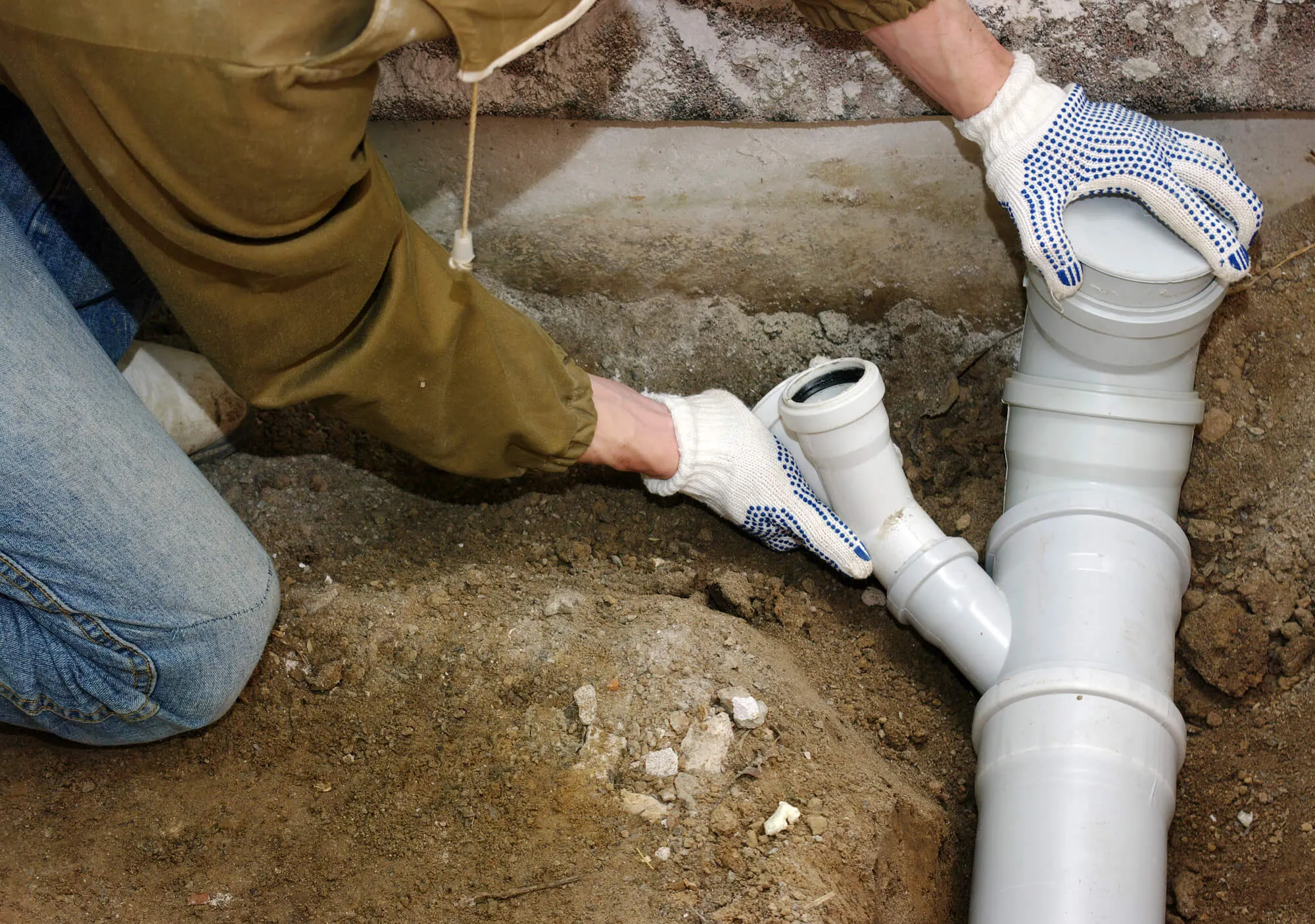
in need of Leak Repair Seattle

Water pipes endure daily use but aren’t immune to wear and tear. Over time, environmental, structural, and usage factors can weaken plumbing, causing cracks. Small fractures may go unnoticed but can lead to leaks requiring prompt attention. 

In many cases, pipe damage develops slowly due to a combination of pressure, temperature changes, and material aging. Recognizing the causes behind these issues helps homeowners understand when to act and when to consider professional leak repair in Seattle before damage spreads. 

Here are the eleven most common reasons water pipes crack over time in Seattle homes. 
requires Leak Repair Seattle

Common Reasons Water Pipes Crack Over Time

1. Temperature Fluctuations

Changes in temperature can place stress on pipes. As water freezes, it expands, which increases internal pressure within the pipe. Even in milder climates, repeated cooling and warming cycles can cause materials to expand and contract over time. 

This constant movement gradually weakens the pipe structure, making it more prone to cracking. Pipes located in uninsulated areas such as crawlspaces, garages, or exterior walls are especially vulnerable.  

Over time, even small temperature shifts can create enough strain to cause fractures that lead to leaks. Homes that experience frequent seasonal changes may notice this issue more as pipes repeatedly adjust to temperature differences.

2. High Water Pressure

While strong water pressure may feel convenient, it can put excessive strain on plumbing systems. Pipes are designed to operate within a certain pressure range, and exceeding that range can weaken joints and pipe walls. 

Over time, continuous pressure stress can lead to small cracks or joint failures. These issues often develop slowly and may not be immediately noticeable. High pressure can also affect valves, fixtures, and connectors, increasing the likelihood of damage across the entire system. Maintaining balanced water pressure helps reduce stress on pipes and supports long-term system performance while protecting other plumbing components.

3. Corrosion and Pipe Aging

Older pipes naturally degrade over time. Materials such as galvanized steel or copper can corrode, especially when exposed to minerals or chemical reactions in the water. 

Corrosion weakens the pipe walls, making them thinner and more susceptible to cracking. As this process continues, small fractures can form and eventually lead to leaks. Aging plumbing systems are more likely to experience these issues, particularly in homes that have not undergone pipe upgrades. Over time, corrosion can also affect water quality and reduce flow efficiency, making early evaluation important for long-term maintenance planning.

4. Soil Movement

Pipes buried underground are affected by the soil surrounding them. In Seattle, soil conditions can shift due to changes in moisture, seasonal weather patterns, or gradual settling. 

As soil moves, it can place pressure on pipes or cause them to shift out of alignment. This added stress may lead to cracks or joint separation. Even minor ground movement over time can create enough pressure to damage underground plumbing systems. Properties built on slopes or areas with heavy rainfall may experience more noticeable soil movement, increasing the importance of periodic inspections.

5. Tree Root Intrusion

Tree roots naturally grow toward moisture sources, and underground pipes can attract them. If there are small cracks or weak joints, roots can enter the pipe and expand inside it. 

As roots grow, they place pressure on the pipe walls, eventually leading to cracks or structural damage. In some cases, roots can completely obstruct the pipe. Homes with mature trees nearby are more likely to experience this type of damage over time. Once roots establish themselves inside a pipe, the damage can worsen quickly, making early detection especially important.

6. Clogged Pipes and Blockages

Clogs do more than slow water flow—they can also increase pressure inside pipes. When debris builds up, water has less space to move through the system, which creates internal stress. 

Over time, this pressure can weaken the pipe walls or joints, increasing the risk of cracks. Materials such as grease, soap residue, and debris often contribute to this problem. Addressing blockages early helps reduce pressure buildup and protect the plumbing system’s integrity. Persistent clogs may also signal deeper issues within the pipe that require inspection.

7. Poor Installation or Workmanship

Pipes that were not installed correctly may be more prone to damage over time. Improper alignment, loose connections, or unsupported sections can create weak points in the system. 

These weaknesses may not cause immediate problems, but they can become more noticeable as the system ages. Over time, stress from daily water use can cause these areas to crack or separate. Improper slope or spacing may also affect how water flows through the system, increasing strain on certain sections. Professional installation helps ensure pipes are properly secured and supported.
Leak Repair Seattle

8. Water Quality and Mineral Buildup

Water with high mineral content can contribute to internal pipe damage. Mineral deposits gradually build up along the inside of pipes, narrowing the water flow path. 

As buildup increases, it can create uneven pressure points within the pipe. Over time, these pressure points may contribute to cracking or weakening of the material. This process is gradual but can have long-term effects on plumbing systems if not addressed. Homes with harder water may experience faster buildup, making maintenance and monitoring especially important.

9. External Physical Damage

Pipes can also crack due to external impact or pressure. Construction work, landscaping, or heavy equipment can accidentally damage underground pipes. 

Even minor impacts may weaken the structure, creating small fractures that develop into leaks over time. Because these pipes are hidden, the damage may not be noticed immediately. Activities such as digging or installing outdoor features can increase the risk of accidental pipe damage. Regular inspections can help identify issues caused by external factors before they worsen.

10. Repeated Wear and Tear

Like any part of a home, plumbing systems experience wear over time. Daily use, vibration, and constant water flow can gradually affect pipe integrity. 

This ongoing stress may cause joints to loosen or pipe walls to weaken. While the process is slow, it can eventually lead to cracking. Systems that experience higher usage or demand may show signs of wear earlier. Regular maintenance helps identify signs of wear before they affect overall system performance, allowing homeowners to plan repairs proactively.

11. Freezing and Thawing Cycles

Even in regions with moderate winters, freezing temperatures can still affect pipes. When water inside a pipe freezes, it expands, increasing internal pressure. 

As the pipe thaws, the pressure may leave behind small cracks that worsen over time. Repeated freeze-thaw cycles can accelerate this damage, especially in exposed areas. Pipes that are not insulated or located near exterior walls are more vulnerable. Protecting these areas and maintaining consistent temperatures can help reduce the risk of damage caused by freezing conditions. 

Why Early Detection Matters 

Pipe cracks often begin as small, unnoticed issues. Over time, they can lead to water damage, reduced pressure, and increased utility costs. Because many pipes are hidden behind walls or underground, problems may develop long before visible signs appear. 

Understanding the causes of pipe damage allows homeowners to respond early and plan maintenance before larger repairs are needed. Regular inspections and awareness of system performance can help reduce the likelihood of unexpected plumbing disruptions. 

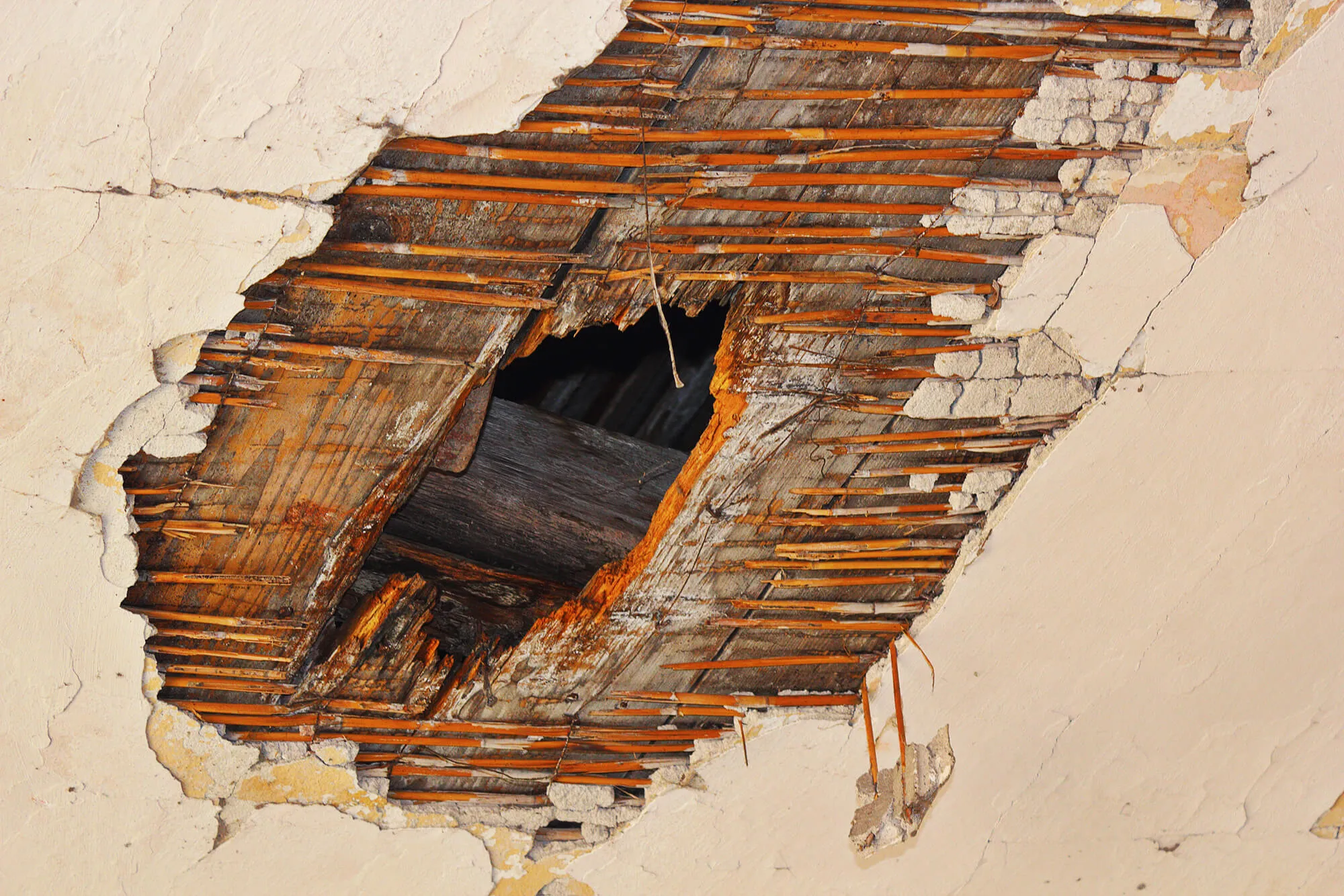
damage needing Leak Repair Seattle

Need Leak Repair in Seattle? What to Do Next 

If you notice signs of pipe damage such as reduced water pressure, moisture buildup, or unexplained increases in water usage, it may be time to consider leak repair in Seattle. Addressing pipe issues early helps protect your home and supports long-term plumbing reliability. 

Our team at Greenwood Heating & Home Services can evaluate your plumbing system and identify areas that may need attention. Whether the issue involves aging pipes, pressure concerns, or hidden leaks, a professional assessment helps determine the most practical next steps. Reach out today to schedule an inspection and keep your plumbing system operating smoothly. 

Signs You May Need a Sewer Scope Inspection

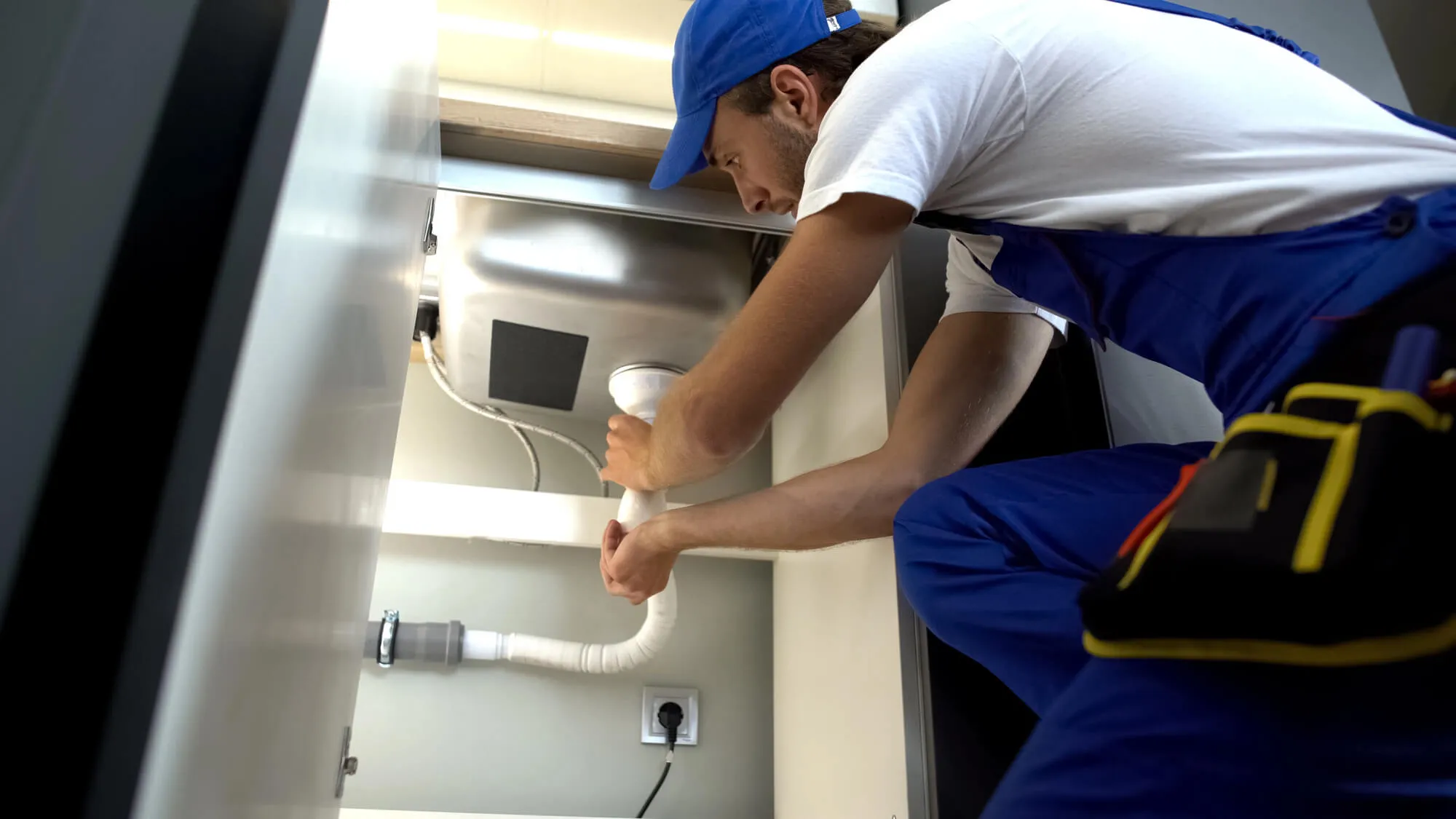
reliable Plumber Seattle

If you’ve noticed slow drains, sewer odors, or frequent backups, it may be time to call a plumber in Seattle for a closer look. Sewer lines sit underground, which means problems often develop quietly until they affect your home’s plumbing performance. A sewer scope inspection uses a small camera inserted into the sewer line to provide a clear, detailed view of the pipe’s interior, helping homeowners understand the condition of their system before minor issues grow into larger concerns.  

Recognizing early warning signs can help you plan maintenance on your terms instead of dealing with unexpected plumbing disruptions. 

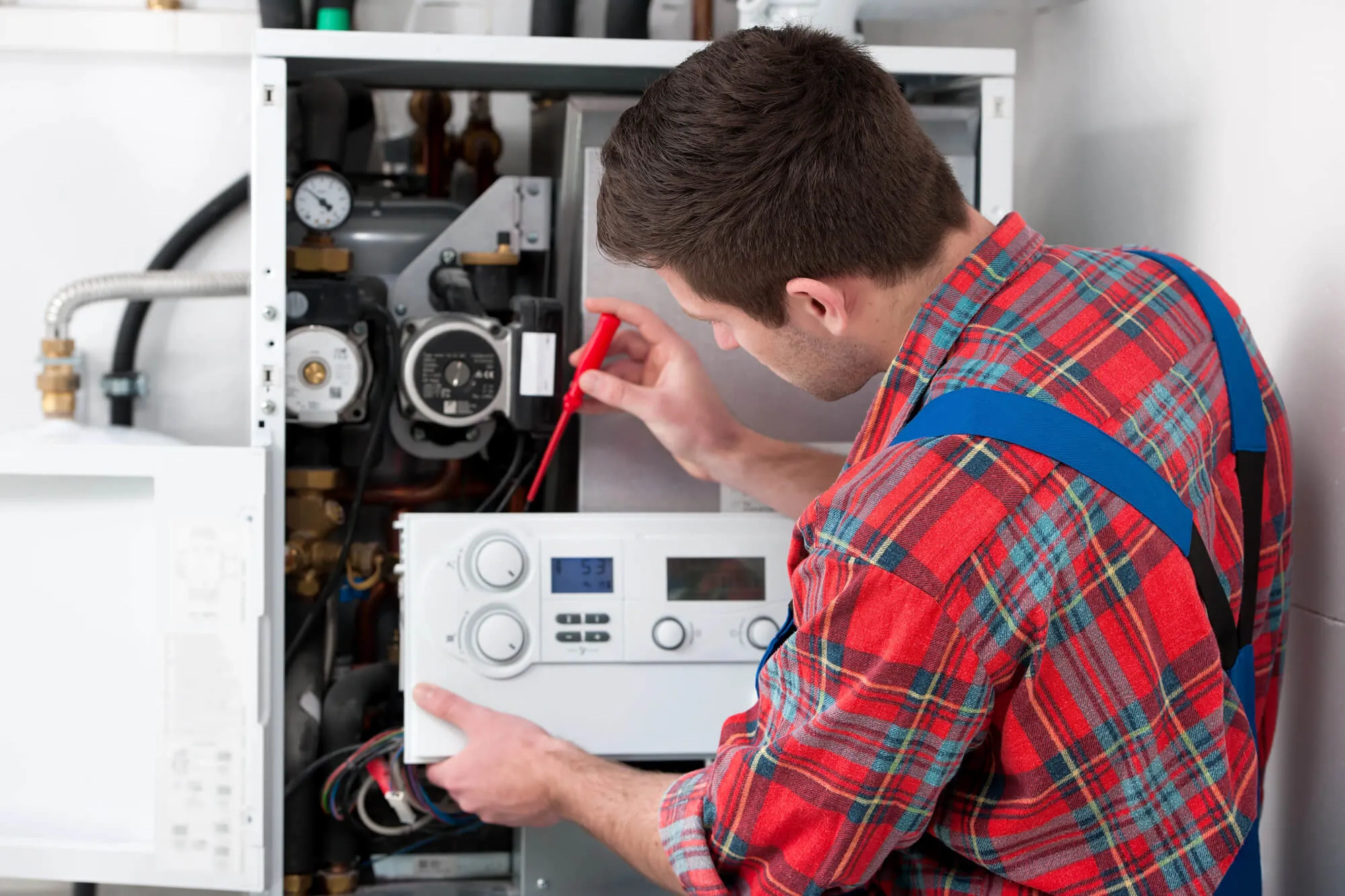
Plumber Seattle in action

What Is a Sewer Scope Inspection? 

A sewer scope inspection involves using a specialized camera attached to a flexible cable to look inside your main sewer line. The camera travels through the pipe and records video footage in real time, allowing technicians to identify issues such as clogs, cracks, joint separation, pipe sagging, or root intrusion that may not be visible from inside the home. 

The inspection is typically performed through an existing cleanout or access point, so it does not require digging or major disruption. Most inspections are completed within a short visit, and homeowners can review the footage to better understand the condition of their pipes. 

Because sewer lines are buried underground and problems often develop slowly, inspections are one of the most reliable ways to detect concerns early. This helps homeowners plan maintenance before drainage issues affect multiple fixtures or require more extensive repairs later. 

1. Multiple Slow Drains in the Home

A single slow drain may be caused by hair or debris in a local pipe. But when several drains slow down at once—such as sinks, tubs, and toilets—it can point to a blockage in the main sewer line. 

A sewer scope inspection helps determine whether buildup, pipe damage, or root intrusion is restricting flow. Catching these problems early prevents backups that can affect several rooms at once.

2. Frequent Drain Backups

Occasional clogs happen in any home. However, repeated backups can signal deeper issues in the sewer line. 

A camera inspection helps locate the exact source of the problem, whether it’s debris buildup, pipe misalignment, or structural damage. Early detection allows homeowners to plan maintenance before the situation escalates.

3. Sewer Odors Indoors or Outdoors

Unpleasant smells coming from drains, basements, or outdoor areas may indicate sewer line issues. Cracks or blockages can allow gases to escape, affecting indoor air quality. 

Because sewer lines are buried underground, these problems are difficult to identify without specialized equipment. A sewer scope inspection helps confirm whether pipe damage or separation is present.

4. Older HomeswithAging Sewer Lines 

Older homes may have clay, cast iron, or other pipe materials that deteriorate over time. Tree roots, soil movement, and corrosion can gradually weaken these lines.  

Routine inspections are part of responsible home care, especially in older properties where unseen issues may be developing slowly beneath the surface.  

Understanding the condition of older pipes helps homeowners plan future maintenance rather than reacting to sudden failures.

5. Large Trees Near Sewer Lines

Tree roots naturally seek moisture. Sewer pipes can attract roots through small cracks or joints, eventually blocking flow or damaging the line. 

If your yard has mature trees, a sewer scope inspection can identify root intrusion before it causes significant drainage problems.

6. Unexplained Wet Spots in the Yard

Soft or soggy areas in the yard may indicate a leaking sewer pipe. These leaks can develop slowly and remain unnoticed until they affect landscaping or create unpleasant odors. 

A camera inspection helps determine whether pipe separation or cracks are allowing wastewater to escape underground.

7. Gurgling Sounds in Pipes

Gurgling noises in drains or toilets may signal airflow issues caused by partial blockages in the sewer line. 

These sounds often appear before more serious problems, such as backups or slow drainage. A sewer scope inspection helps identify what is affecting airflow inside the pipe.

8. Buying or Selling a Home

Sewer scope inspections are commonly recommended during real estate transactions. Many home inspections do not include a sewer line evaluation, yet sewer repairs can be costly. 

A sewer scope provides clear information about pipe condition so buyers and sellers can make informed decisions before closing.

9. Recurring Plumbing Repairs

If plumbing problems keep returning, the issue may be deeper in the sewer line rather than inside the home’s visible pipes. 

A camera inspection helps confirm whether underlying sewer issues are contributing to repeated drain problems.

10. Planning Preventative Maintenance

Even if everything seems to work normally, unseen issues can develop slowly over time. Routine sewer inspections are a practical way to care for your home and plan maintenance before emergencies occur.  

Preventative care supports long-term plumbing reliability. 

professional Plumber Seattle

Why Sewer Scope Inspections Matter 

Sewer problems often develop quietly beneath the surface. Because pipes are buried underground, warning signs may stay hidden until a major backup, slow drainage across several fixtures, or unpleasant odors appear inside the home. By that stage, repairs can take more time and planning. 

Camera inspections help detect problems like clogs, root intrusion, cracks, or pipe misalignment early, giving homeowners a clearer understanding of what is happening inside the line. This information allows maintenance to be scheduled before issues affect daily routines or cause damage to flooring, landscaping, or foundations.  

Early detection supports steady plumbing performance, helps homeowners budget for future repairs, and protects overall property value over time. 

What Happens During an Inspection 

Most inspections are straightforward: 

  • Access is made through a cleanout or pipe opening
  • A camera is inserted into the sewer line
  • The technician reviews live footage
  • A recording and summary are provided 

Because no digging is required, inspections are quick and minimally disruptive. 

How Often Should Sewer Lines Be Inspected? 

For most homes, a sewer scope inspection every 3 to 5 years is a practical guideline, especially if the plumbing system is working normally. Homes built more than 30 years ago, properties with large trees near sewer lines, or houses with clay or cast-iron pipes may benefit from inspections every 1 to 2 years because these materials are more prone to root intrusion and wear. 

You should also schedule an inspection when buying or selling a home, after major plumbing backups, or if you notice repeated slow drains. These timelines help homeowners monitor pipe condition regularly and plan maintenance before problems affect multiple fixtures or lead to unexpected disruptions. 

When Small Problems Become Larger Repairs 

A small crack or blockage can grow over time. Roots expand inside tiny openings; debris accumulates along rough pipe edges, and pipes shift gradually as soil settles or changes with moisture. These slow changes often go unnoticed until drainage becomes unreliable, or backups begin affecting sinks, tubs, or toilets. By that stage, repairs may require more time and planning. 

Routine sewer scope inspections provide a clear look inside the line, helping identify early warning signs while they are still manageable. Addressing concerns early supports steady plumbing performance, helps homeowners plan maintenance on their schedule, and reduces the likelihood of unexpected disruptions during periods of heavy household use. 

Plumber Seattle working

When to Call a Plumber in Seattle for Sewer Scope Inspections 

If you notice repeated slow drains, sewer odors, or yard drainage problems, it may be time to contact a plumber in Seattle for a sewer scope inspection. This simple, non-invasive process gives you a clearer understanding of your sewer line’s condition and helps you plan maintenance before larger plumbing issues develop. 

If you’ve noticed warning signs or want peace of mind about your sewer line, scheduling a sewer scope inspection can help you plan ahead with confidence. Our team at Greenwood Heating & Home Services uses modern camera equipment to provide clear information about your plumbing system, helping homeowners understand what’s happening underground before issues escalate.  

Reach out today to schedule your sewer scope inspection and protect your home’s plumbing system for the future. 

What Every Seattle Homeowner Should Know About Plumbing Maintenance

professional Plumber Seattle

If you’re a homeowner in Seattle, you understand how vital it is to keep your home running smoothly, especially when it comes to utilities like plumbing. Seattle’s damp climate, seasonal temperature swings, and a mix of old and new housing make routine plumbing care essential. And when a problem arises, finding a reliable plumber in Seattle can save you from unexpected damage and expenses. 

Plumbing maintenance might not be the most exciting part of homeownership, but it’s one of the most important. Staying proactive keeps your water flowing safely, prevents costly repairs, and helps your fixtures and appliances last longer. 

Plumber Seattle at work

Why Plumbing Maintenance Is Worth Your Attention 

Unlike other systems in your home, plumbing issues often build up slowly and quietly. A small drip, slow drain, or slight drop in pressure might not seem urgent—until it suddenly is. 

Routine plumbing maintenance allows you to: 

  • Identify and fix minor issues early 
  • Save money on water bills 
  • Avoid mold, mildew, and structural water damage 
  • Improve efficiency and water quality 
  • Extend the lifespan of your pipes and appliances 

With a little attention, your plumbing system can serve your household efficiently for years. 

Easy Maintenance Checks Homeowners Can Do 

Even without a plumbing background, there are several practical steps homeowners can take to keep an eye on their plumbing system and catch early signs of trouble. A few minutes every month can help you spot potential issues before they escalate into costly repairs. 

1. Look for Leaks

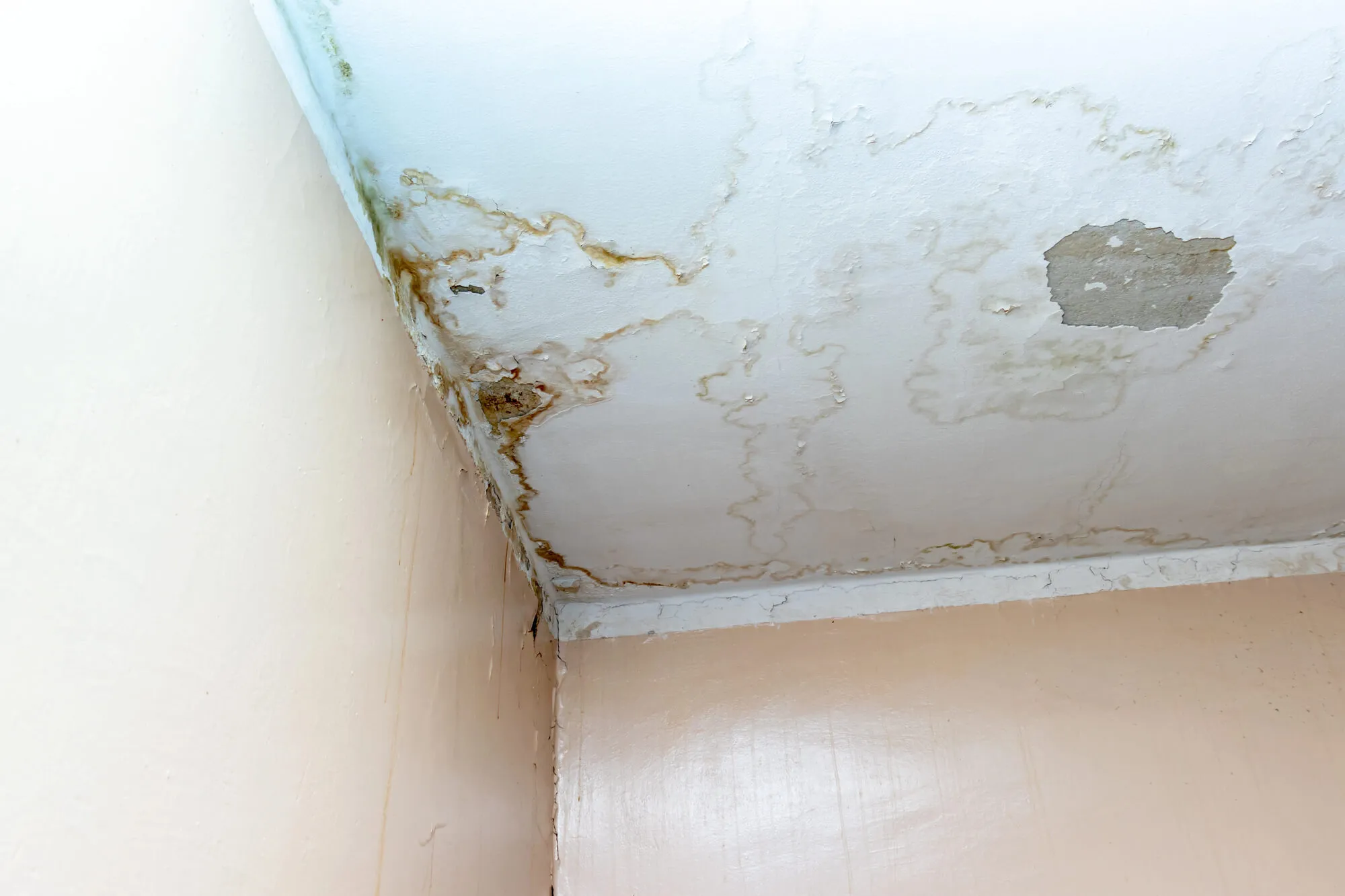
Take time to inspect areas under sinks, behind toilets, around bathtubs, and near appliances like dishwashers and washing machines. Small puddles, rust stains, or warping around cabinets may indicate a slow leak. Don’t forget to check ceilings and walls for water spots, which can be signs of hidden pipe leaks inside the structure. 

2. Test Water Pressure

Low water pressure might seem like a minor annoyance, but it can signal a blockage, mineral buildup, or even a hidden leak. You can buy a simple pressure gauge at a hardware store, or just monitor your faucet and shower flow. If the pressure drops suddenly or varies from room to room, it’s worth investigating further. 

3. Watch Drain Speed

A healthy drain clears quickly and quietly. If you notice standing water or gurgling sounds as water drains, there may be a clog forming. Use a drain strainer to catch hair and debris, and avoid dumping grease or food scraps into the sink. 

4. Listen for Noises

Unusual sounds like whistling faucets, banging pipes (water hammer), or toilets refilling unexpectedly can all point to underlying problems such as air in the lines, loose fittings, or worn-out valves. 

5. Inspect Outdoor Fixtures

Regularly walk around your home to check outdoor faucets and irrigation lines. In Seattle’s damp climate, water exposure and shifting ground can cause damage. Look for leaks, pooling water, or signs of corrosion that may need attention. 

Plumber Seattle checking drain

Plumbing Maintenance Through the Seasons 

Seattle’s climate requires some seasonal planning to prevent common weather-related plumbing issues. 

Winter 

  • Insulate exposed pipes to prevent freezing 
  • Disconnect outdoor hoses and drain irrigation lines 
  • Check for slow drains that may be vulnerable to ice blockages 

Spring 

  • Look for leaks caused by freeze-thaw cycles 
  • Test sump pumps and drainage systems 
  • Flush the water heater to remove winter sediment buildup 

Summer 

  • Check outdoor faucets and sprinkler systems 
  • Consider inspecting your sewer lines before tree roots grow aggressively 
  • If renovating, plan plumbing changes before peak usage returns in fall 

Fall 

  • Clean gutters to prevent basement flooding 
  • Schedule a pre-winter plumbing inspection 
  • Flush and service the water heater for winter efficiency 

What to Expect During a Professional Plumbing Inspection 

Regular inspections by a licensed plumber help you detect issues that aren’t always visible during daily use. A typical inspection includes: 

Full Visual System Check 

Plumbers examine your visible pipes, fixtures, and fittings for signs of corrosion, mineral buildup, or poor water flow. 

Drain and Sewer Evaluation 

Using diagnostic tools or cameras, professionals check for slow drainage, hidden blockages, and tree root intrusion—especially important in older Seattle homes. 

Water Heater Testing 

They’ll measure temperature output, check for sediment accumulation, and inspect for wear that could reduce efficiency or lead to leaks. 

Pressure and Flow Testing 

Too little pressure may signal leaks; too much can stress pipes and appliances. Safe pressure keeps everything working as it should. 

Valve and Fixture Functionality 

Each fixture is tested to make sure it’s functioning properly, shutting off completely, and not leaking. 

Common Plumbing Problems in Seattle Homes 

Seattle’s mix of historic homes and modern construction creates a range of plumbing issues—some age-related, others weather-related. Here are a few that show up often: 

1. Galvanized Pipes

Many older homes still use galvanized steel piping, which corrodes over time. Corrosion leads to restricted flow, discolored water, and eventually leaks. Upgrading to copper or PEX improves both safety and water quality. 

2. Sewer Line Intrusion

The city’s lush tree cover is beautiful, but it comes with underground consequences. Tree roots often seek out the moisture around sewer pipes, cracking and clogging them in the process. 

3. Mineral Buildup

Even though Seattle’s water isn’t considered hard, it can still leave behind calcium and magnesium deposits in water heaters, pipes, and showerheads. 

4. Hidden Leaks

Older plumbing systems may have connections or joints that degrade over time. These slow leaks often go unnoticed until water damage becomes obvious. 

Renovating? Don’t Skip the Plumbing Check 

If you’re updating your kitchen, bathroom, or laundry area, include plumbing in your planning process. Renovations offer an ideal opportunity to: 

  • Replace old pipes or outdated valves 
  • Upgrade to energy-efficient fixtures 
  • Reroute or reconfigure systems for better flow 
  • Prevent future issues by addressing wear that’s not yet visible 

Discussing plumbing early in a remodel helps you avoid costly surprises mid-project. 

Water Heater Upkeep Matters, Too 

Your water heater plays a major role in your daily comfort. To keep it efficient:  

  • Flush the tank once a year to remove sediment 
  • Check the temperature setting (ideally around 120°F) 
  • Listen for strange noises like rumbling or popping 
  • Monitor for signs of corrosion or leaking valves 

If your water heater is over 10–12 years old, it may be time to consider a replacement—before it causes damage. 

Simple Habits That Make a Big Difference 

Plumbing doesn’t always need professional attention. With a few proactive habits, you can extend the life of your system and reduce emergencies:  

  • Use drain screens to catch hair and food scraps 
  • Run cold water when using your garbage disposal 
  • Avoid flushing anything other than toilet paper 
  • Don’t ignore small leaks—they rarely fix themselves 
  • Know the location of your home’s main water shut-off valve 

These habits may seem small, but over time, they help prevent major repairs. 

When Should You Call a Plumber? 

Not every issue needs a professional, but here are a few signs that it’s time to reach out: 

  • A leak you can’t trace 
  • Frequent drain backups 
  • Discolored or smelly water 
  • Inconsistent water temperature 
  • Loud, vibrating pipes (known as “water hammer”) 
  • Any plumbing problem tied to foundation or flooring damage 

Being proactive about these signs keeps your home safe and reduces the risk of water-related repairs. 

Plumber Seattle

Looking for a  Reliable Plumber in Seattle? 

Your home’s plumbing system might not be visible, but it supports everything from cooking and cleaning to comfort and safety. With regular maintenance, you can reduce emergencies, improve efficiency, and extend the life of your entire system. 

Need help from a licensed plumber in Seattle? At Greenwood Heating & Home Services, we offer trusted plumbing inspections, repairs, and upgrades tailored to local homeowners. Book your service today.