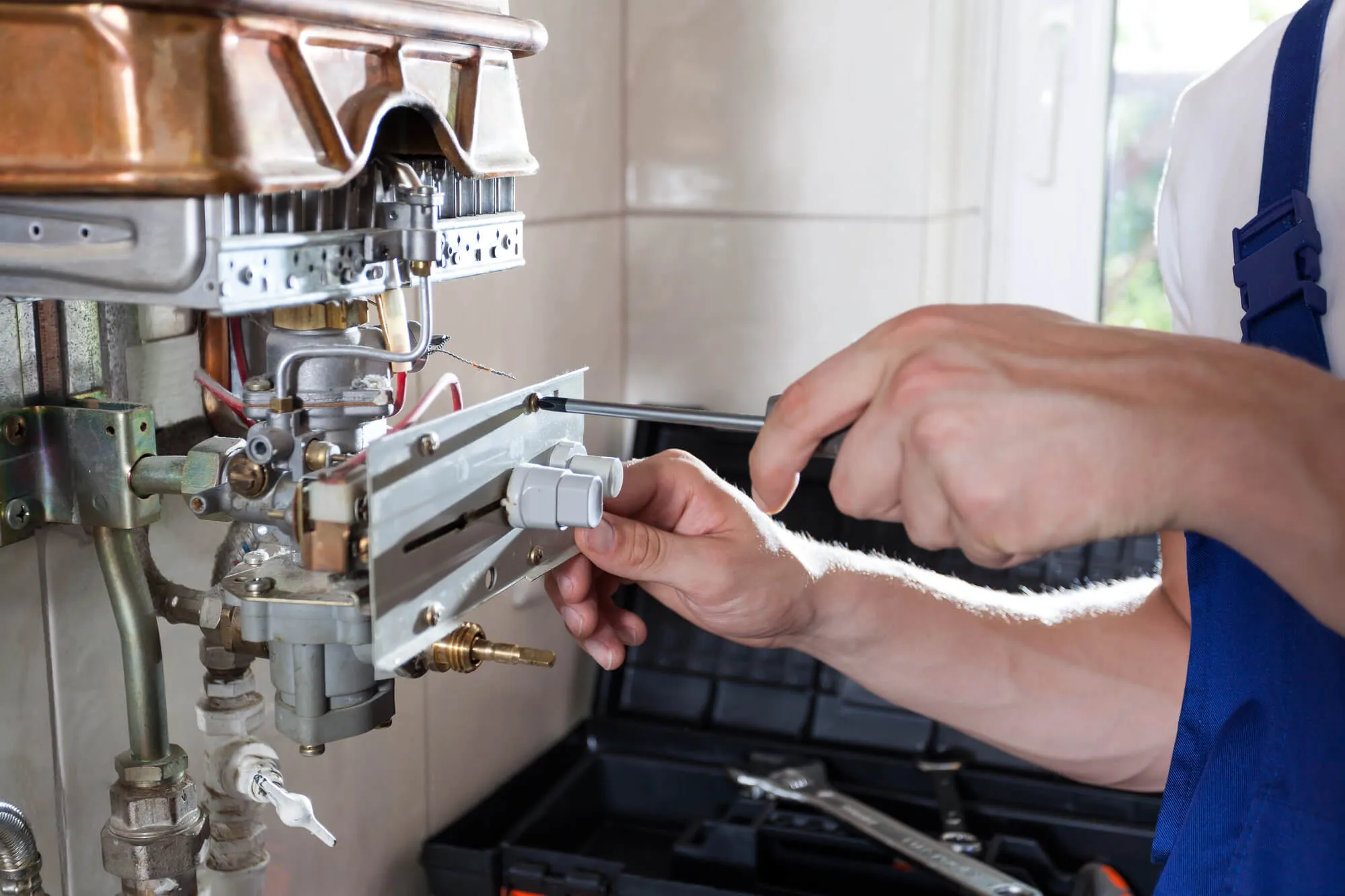




Water pipes endure daily use but aren’t immune to wear and tear. Over time, environmental, structural, and usage factors can weaken plumbing, causing cracks. Small fractures may go unnoticed but can lead to leaks requiring prompt attention.
In many cases, pipe damage develops slowly due to a combination of pressure, temperature changes, and material aging. Recognizing the causes behind these issues helps homeowners understand when to act and when to consider professional leak repair in Seattle before damage spreads.
Here are the eleven most common reasons water pipes crack over time in Seattle homes.
Common Reasons Water Pipes Crack Over Time
1. Temperature Fluctuations
Changes in temperature can place stress on pipes. As water freezes, it expands, which increases internal pressure within the pipe. Even in milder climates, repeated cooling and warming cycles can cause materials to expand and contract over time.
This constant movement gradually weakens the pipe structure, making it more prone to cracking. Pipes located in uninsulated areas such as crawlspaces, garages, or exterior walls are especially vulnerable.
Over time, even small temperature shifts can create enough strain to cause fractures that lead to leaks. Homes that experience frequent seasonal changes may notice this issue more as pipes repeatedly adjust to temperature differences.
2. High Water Pressure
While strong water pressure may feel convenient, it can put excessive strain on plumbing systems. Pipes are designed to operate within a certain pressure range, and exceeding that range can weaken joints and pipe walls.
Over time, continuous pressure stress can lead to small cracks or joint failures. These issues often develop slowly and may not be immediately noticeable. High pressure can also affect valves, fixtures, and connectors, increasing the likelihood of damage across the entire system. Maintaining balanced water pressure helps reduce stress on pipes and supports long-term system performance while protecting other plumbing components.
3. Corrosion and Pipe Aging
Older pipes naturally degrade over time. Materials such as galvanized steel or copper can corrode, especially when exposed to minerals or chemical reactions in the water.
Corrosion weakens the pipe walls, making them thinner and more susceptible to cracking. As this process continues, small fractures can form and eventually lead to leaks. Aging plumbing systems are more likely to experience these issues, particularly in homes that have not undergone pipe upgrades. Over time, corrosion can also affect water quality and reduce flow efficiency, making early evaluation important for long-term maintenance planning.
4. Soil Movement
Pipes buried underground are affected by the soil surrounding them. In Seattle, soil conditions can shift due to changes in moisture, seasonal weather patterns, or gradual settling.
As soil moves, it can place pressure on pipes or cause them to shift out of alignment. This added stress may lead to cracks or joint separation. Even minor ground movement over time can create enough pressure to damage underground plumbing systems. Properties built on slopes or areas with heavy rainfall may experience more noticeable soil movement, increasing the importance of periodic inspections.
5. Tree Root Intrusion
Tree roots naturally grow toward moisture sources, and underground pipes can attract them. If there are small cracks or weak joints, roots can enter the pipe and expand inside it.
As roots grow, they place pressure on the pipe walls, eventually leading to cracks or structural damage. In some cases, roots can completely obstruct the pipe. Homes with mature trees nearby are more likely to experience this type of damage over time. Once roots establish themselves inside a pipe, the damage can worsen quickly, making early detection especially important.
6. Clogged Pipes and Blockages
Clogs do more than slow water flow—they can also increase pressure inside pipes. When debris builds up, water has less space to move through the system, which creates internal stress.
Over time, this pressure can weaken the pipe walls or joints, increasing the risk of cracks. Materials such as grease, soap residue, and debris often contribute to this problem. Addressing blockages early helps reduce pressure buildup and protect the plumbing system’s integrity. Persistent clogs may also signal deeper issues within the pipe that require inspection.
7. Poor Installation or Workmanship
Pipes that were not installed correctly may be more prone to damage over time. Improper alignment, loose connections, or unsupported sections can create weak points in the system.
These weaknesses may not cause immediate problems, but they can become more noticeable as the system ages. Over time, stress from daily water use can cause these areas to crack or separate. Improper slope or spacing may also affect how water flows through the system, increasing strain on certain sections. Professional installation helps ensure pipes are properly secured and supported.
8. Water Quality and Mineral Buildup
Water with high mineral content can contribute to internal pipe damage. Mineral deposits gradually build up along the inside of pipes, narrowing the water flow path.
As buildup increases, it can create uneven pressure points within the pipe. Over time, these pressure points may contribute to cracking or weakening of the material. This process is gradual but can have long-term effects on plumbing systems if not addressed. Homes with harder water may experience faster buildup, making maintenance and monitoring especially important.
9. External Physical Damage
Pipes can also crack due to external impact or pressure. Construction work, landscaping, or heavy equipment can accidentally damage underground pipes.
Even minor impacts may weaken the structure, creating small fractures that develop into leaks over time. Because these pipes are hidden, the damage may not be noticed immediately. Activities such as digging or installing outdoor features can increase the risk of accidental pipe damage. Regular inspections can help identify issues caused by external factors before they worsen.
10. Repeated Wear and Tear
Like any part of a home, plumbing systems experience wear over time. Daily use, vibration, and constant water flow can gradually affect pipe integrity.
This ongoing stress may cause joints to loosen or pipe walls to weaken. While the process is slow, it can eventually lead to cracking. Systems that experience higher usage or demand may show signs of wear earlier. Regular maintenance helps identify signs of wear before they affect overall system performance, allowing homeowners to plan repairs proactively.
11. Freezing and Thawing Cycles
Even in regions with moderate winters, freezing temperatures can still affect pipes. When water inside a pipe freezes, it expands, increasing internal pressure.
As the pipe thaws, the pressure may leave behind small cracks that worsen over time. Repeated freeze-thaw cycles can accelerate this damage, especially in exposed areas. Pipes that are not insulated or located near exterior walls are more vulnerable. Protecting these areas and maintaining consistent temperatures can help reduce the risk of damage caused by freezing conditions.
Why Early Detection Matters
Pipe cracks often begin as small, unnoticed issues. Over time, they can lead to water damage, reduced pressure, and increased utility costs. Because many pipes are hidden behind walls or underground, problems may develop long before visible signs appear.
Understanding the causes of pipe damage allows homeowners to respond early and plan maintenance before larger repairs are needed. Regular inspections and awareness of system performance can help reduce the likelihood of unexpected plumbing disruptions.

Need Leak Repair in Seattle? What to Do Next
If you notice signs of pipe damage such as reduced water pressure, moisture buildup, or unexplained increases in water usage, it may be time to consider leak repair in Seattle. Addressing pipe issues early helps protect your home and supports long-term plumbing reliability.
Our team at Greenwood Heating & Home Services can evaluate your plumbing system and identify areas that may need attention. Whether the issue involves aging pipes, pressure concerns, or hidden leaks, a professional assessment helps determine the most practical next steps. Reach out today to schedule an inspection and keep your plumbing system operating smoothly.