

Signs You May Need a Sewer Scope Inspection

reliable Plumber Seattle

If you’ve noticed slow drains, sewer odors, or frequent backups, it may be time to call a plumber in Seattle for a closer look. Sewer lines sit underground, which means problems often develop quietly until they affect your home’s plumbing performance. A sewer scope inspection uses a small camera inserted into the sewer line to provide a clear, detailed view of the pipe’s interior, helping homeowners understand the condition of their system before minor issues grow into larger concerns.  

Recognizing early warning signs can help you plan maintenance on your terms instead of dealing with unexpected plumbing disruptions. 
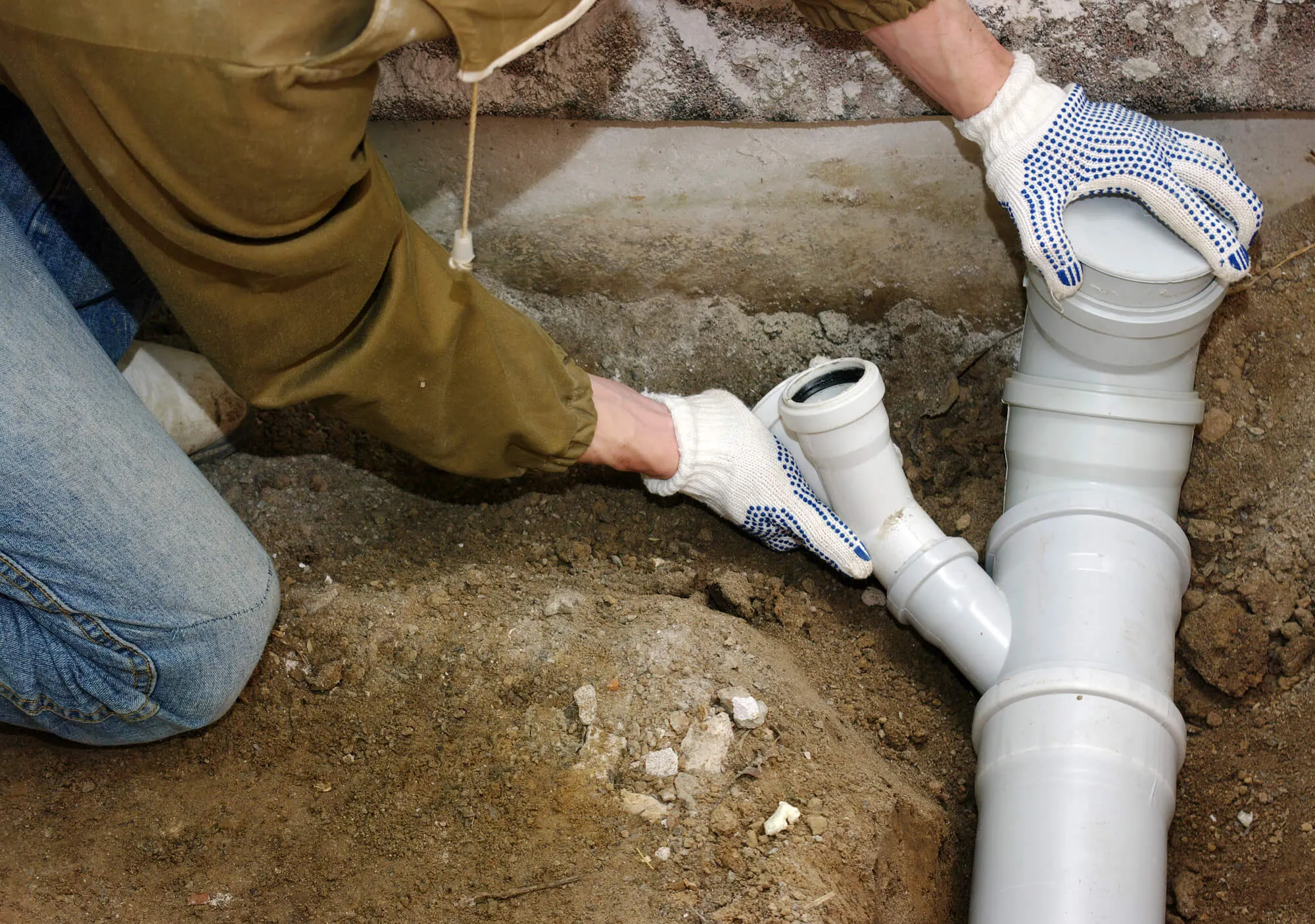
Plumber Seattle in action

What Is a Sewer Scope Inspection? 

A sewer scope inspection involves using a specialized camera attached to a flexible cable to look inside your main sewer line. The camera travels through the pipe and records video footage in real time, allowing technicians to identify issues such as clogs, cracks, joint separation, pipe sagging, or root intrusion that may not be visible from inside the home. 

The inspection is typically performed through an existing cleanout or access point, so it does not require digging or major disruption. Most inspections are completed within a short visit, and homeowners can review the footage to better understand the condition of their pipes. 

Because sewer lines are buried underground and problems often develop slowly, inspections are one of the most reliable ways to detect concerns early. This helps homeowners plan maintenance before drainage issues affect multiple fixtures or require more extensive repairs later. 

1. Multiple Slow Drains in the Home

A single slow drain may be caused by hair or debris in a local pipe. But when several drains slow down at once—such as sinks, tubs, and toilets—it can point to a blockage in the main sewer line. 

A sewer scope inspection helps determine whether buildup, pipe damage, or root intrusion is restricting flow. Catching these problems early prevents backups that can affect several rooms at once.

2. Frequent Drain Backups

Occasional clogs happen in any home. However, repeated backups can signal deeper issues in the sewer line. 

A camera inspection helps locate the exact source of the problem, whether it’s debris buildup, pipe misalignment, or structural damage. Early detection allows homeowners to plan maintenance before the situation escalates.

3. Sewer Odors Indoors or Outdoors

Unpleasant smells coming from drains, basements, or outdoor areas may indicate sewer line issues. Cracks or blockages can allow gases to escape, affecting indoor air quality. 

Because sewer lines are buried underground, these problems are difficult to identify without specialized equipment. A sewer scope inspection helps confirm whether pipe damage or separation is present.

4. Older HomeswithAging Sewer Lines 

Older homes may have clay, cast iron, or other pipe materials that deteriorate over time. Tree roots, soil movement, and corrosion can gradually weaken these lines.  

Routine inspections are part of responsible home care, especially in older properties where unseen issues may be developing slowly beneath the surface.  

Understanding the condition of older pipes helps homeowners plan future maintenance rather than reacting to sudden failures.

5. Large Trees Near Sewer Lines

Tree roots naturally seek moisture. Sewer pipes can attract roots through small cracks or joints, eventually blocking flow or damaging the line. 

If your yard has mature trees, a sewer scope inspection can identify root intrusion before it causes significant drainage problems.

6. Unexplained Wet Spots in the Yard

Soft or soggy areas in the yard may indicate a leaking sewer pipe. These leaks can develop slowly and remain unnoticed until they affect landscaping or create unpleasant odors. 

A camera inspection helps determine whether pipe separation or cracks are allowing wastewater to escape underground.

7. Gurgling Sounds in Pipes

Gurgling noises in drains or toilets may signal airflow issues caused by partial blockages in the sewer line. 

These sounds often appear before more serious problems, such as backups or slow drainage. A sewer scope inspection helps identify what is affecting airflow inside the pipe.

8. Buying or Selling a Home

Sewer scope inspections are commonly recommended during real estate transactions. Many home inspections do not include a sewer line evaluation, yet sewer repairs can be costly. 

A sewer scope provides clear information about pipe condition so buyers and sellers can make informed decisions before closing.

9. Recurring Plumbing Repairs

If plumbing problems keep returning, the issue may be deeper in the sewer line rather than inside the home’s visible pipes. 

A camera inspection helps confirm whether underlying sewer issues are contributing to repeated drain problems.

10. Planning Preventative Maintenance

Even if everything seems to work normally, unseen issues can develop slowly over time. Routine sewer inspections are a practical way to care for your home and plan maintenance before emergencies occur.  

Preventative care supports long-term plumbing reliability. 
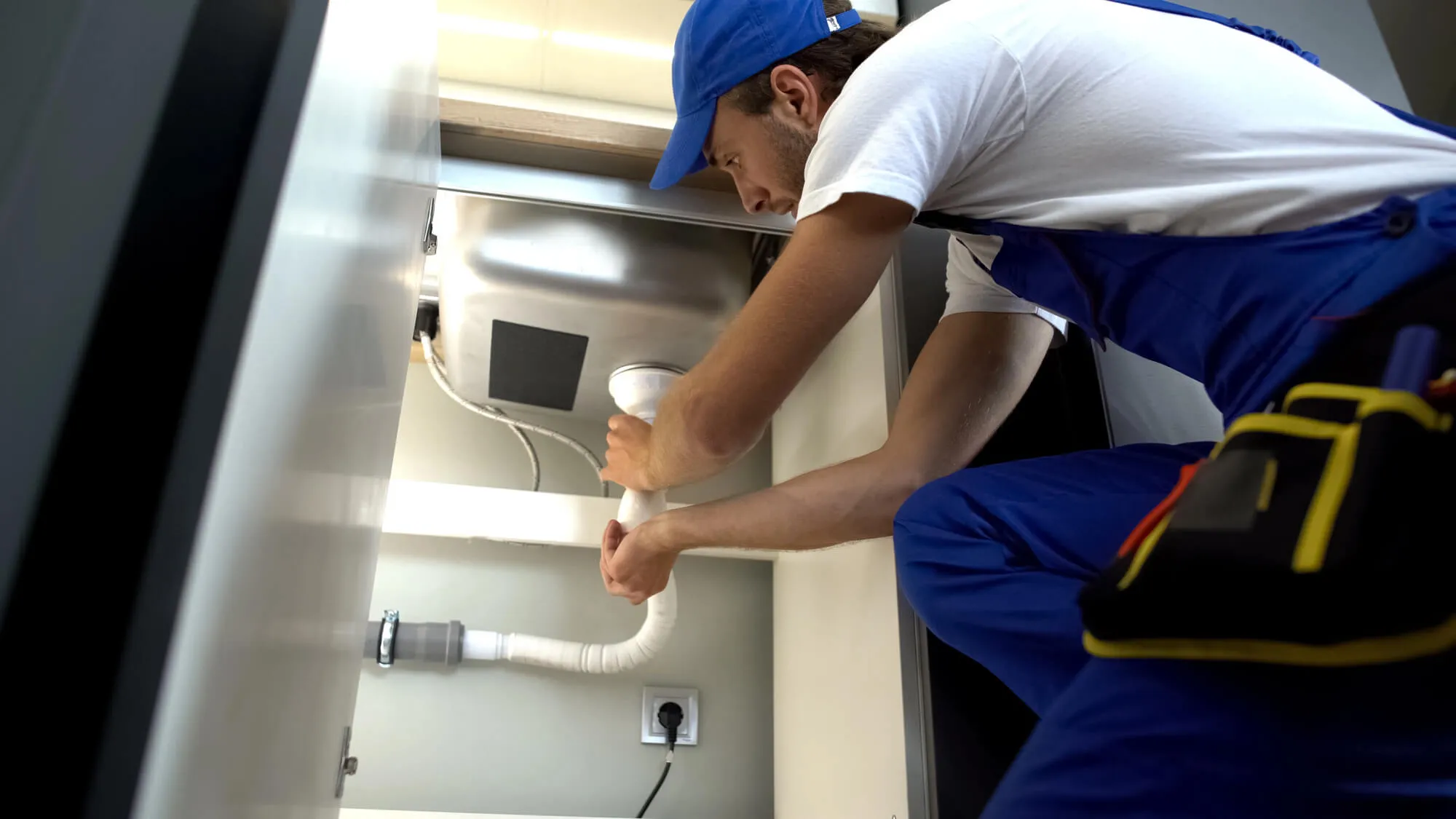
professional Plumber Seattle

Why Sewer Scope Inspections Matter 

Sewer problems often develop quietly beneath the surface. Because pipes are buried underground, warning signs may stay hidden until a major backup, slow drainage across several fixtures, or unpleasant odors appear inside the home. By that stage, repairs can take more time and planning. 

Camera inspections help detect problems like clogs, root intrusion, cracks, or pipe misalignment early, giving homeowners a clearer understanding of what is happening inside the line. This information allows maintenance to be scheduled before issues affect daily routines or cause damage to flooring, landscaping, or foundations.  

Early detection supports steady plumbing performance, helps homeowners budget for future repairs, and protects overall property value over time. 

What Happens During an Inspection 

Most inspections are straightforward: 

  • Access is made through a cleanout or pipe opening
  • A camera is inserted into the sewer line
  • The technician reviews live footage
  • A recording and summary are provided 

Because no digging is required, inspections are quick and minimally disruptive. 

How Often Should Sewer Lines Be Inspected? 

For most homes, a sewer scope inspection every 3 to 5 years is a practical guideline, especially if the plumbing system is working normally. Homes built more than 30 years ago, properties with large trees near sewer lines, or houses with clay or cast-iron pipes may benefit from inspections every 1 to 2 years because these materials are more prone to root intrusion and wear. 

You should also schedule an inspection when buying or selling a home, after major plumbing backups, or if you notice repeated slow drains. These timelines help homeowners monitor pipe condition regularly and plan maintenance before problems affect multiple fixtures or lead to unexpected disruptions. 

When Small Problems Become Larger Repairs 

A small crack or blockage can grow over time. Roots expand inside tiny openings; debris accumulates along rough pipe edges, and pipes shift gradually as soil settles or changes with moisture. These slow changes often go unnoticed until drainage becomes unreliable, or backups begin affecting sinks, tubs, or toilets. By that stage, repairs may require more time and planning. 

Routine sewer scope inspections provide a clear look inside the line, helping identify early warning signs while they are still manageable. Addressing concerns early supports steady plumbing performance, helps homeowners plan maintenance on their schedule, and reduces the likelihood of unexpected disruptions during periods of heavy household use. 
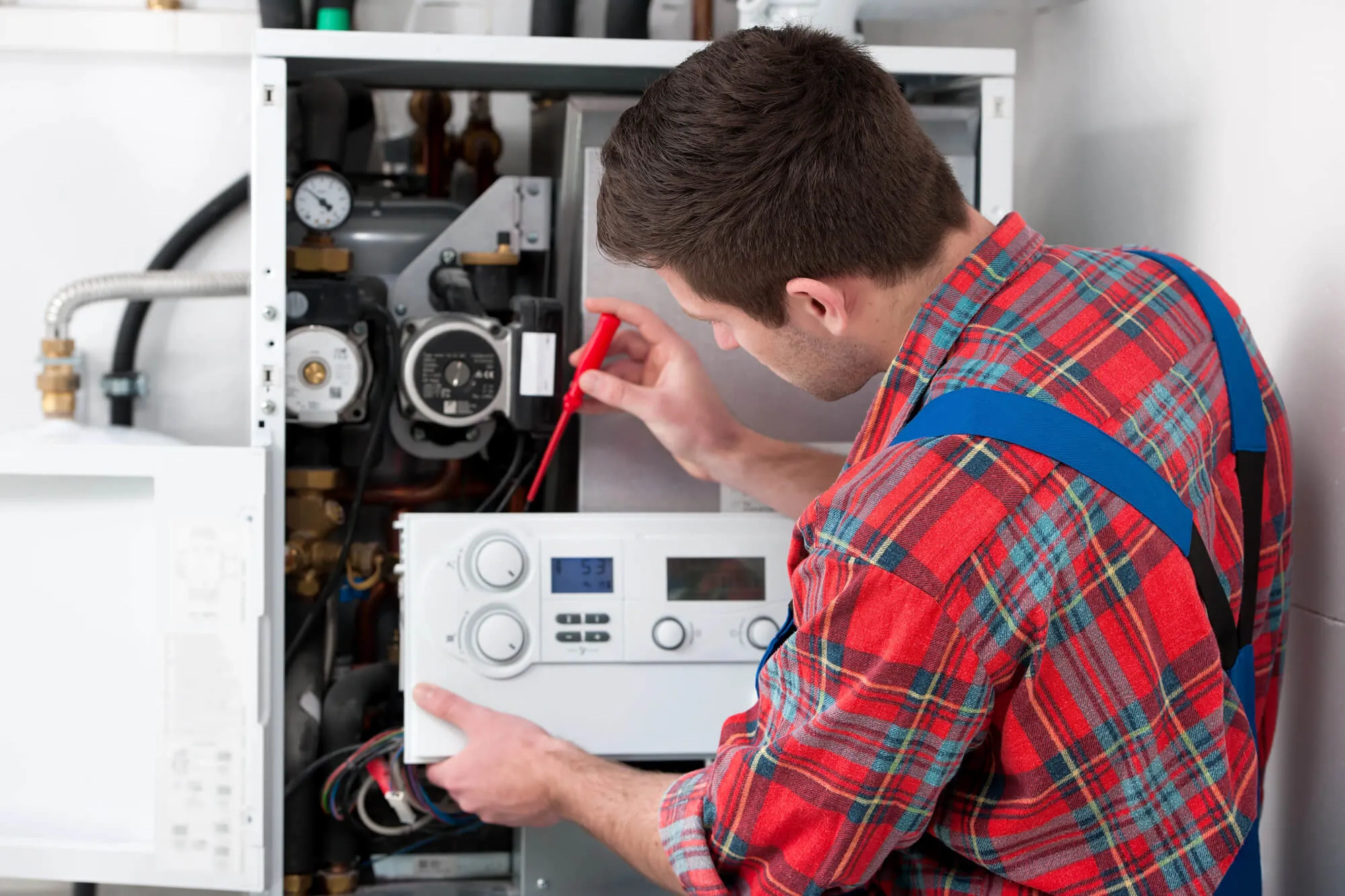
Plumber Seattle working

When to Call a Plumber in Seattle for Sewer Scope Inspections 

If you notice repeated slow drains, sewer odors, or yard drainage problems, it may be time to contact a plumber in Seattle for a sewer scope inspection. This simple, non-invasive process gives you a clearer understanding of your sewer line’s condition and helps you plan maintenance before larger plumbing issues develop. 

If you’ve noticed warning signs or want peace of mind about your sewer line, scheduling a sewer scope inspection can help you plan ahead with confidence. Our team at Greenwood Heating & Home Services uses modern camera equipment to provide clear information about your plumbing system, helping homeowners understand what’s happening underground before issues escalate.  

Reach out today to schedule your sewer scope inspection and protect your home’s plumbing system for the future. 

24 Hour Flood Response and Restoration Services

Leak Repair Seattle

Storms don’t always leave obvious destruction behind. Sometimes, the most serious issues are the ones you can’t see—like a slow leak behind a wall or moisture buildup in your attic. These subtle signs of damage can lead to mold, structural decay, or electrical hazards if not addressed early. Before repairs begin, leak detection should be your top priority. If you’re scheduling storm restoration or leak repair in Seattle, it’s important to start with a thorough inspection. 

affordable Leak Repair Seattle

Why Leak Detection Comes First 

After a storm, most people check for downed branches or broken windows. But what often goes unnoticed is the moisture silently seeping through your roof or walls. That’s why leak detection isn’t just the first step—it’s the most urgent. 

Minor Signs, Major Damage 

Moisture damage doesn’t announce itself with fanfare. A small crack in the ceiling or faint musty smell may seem minor—but they’re often the earliest indicators of a leak that could spiral into a costly repair if overlooked. Even slight water intrusion can create the conditions for mold, mildew, and long-term decay within just a few days. 

Hidden Risks Grow Over Time 

Leaks don’t stop at wet drywall. Water can saturate insulation, short out wiring, and rot support beams. The longer a leak sits undetected, the more destructive it becomes. What starts as a pinhole drip may lead to ceiling collapse, warped floors, or even a fire hazard if it reaches electrical systems. 

Supporting Your Insurance Claim 

Leak detection performed promptly can also protect your wallet. Most insurance providers require documented proof that storm-related damage was promptly identified and addressed. Technicians can identify and photograph water intrusion points, which helps strengthen your claim and expedite the processing time. 

Safety and Structural Integrity 

Unnoticed leaks in the attic or crawlspace can quietly erode your home’s frame. Even a small roof puncture or a gap in the flashing can allow rainwater to seep directly into your wall cavities. Leak detection helps ensure that the structural components of your home remain safe, solid, and ready for repair—before larger problems arise. 

The Complete Storm Restoration Checklist 

A strong recovery begins with a solid foundation, safety, and effective planning. Here’s a breakdown of steps every homeowner should follow after a storm. 

  1. Ensure Personal and Household Safety

  • Watch for downed power lines, gas leaks, or standing water with electrical hazards 
  • Use protective gear when entering wet or damaged spaces 
  • If in doubt, call emergency services or utilities before entering the area 
  1. Schedule Professional Leak Detection

Your first call after securing your property should be to a storm restoration team that offers leak detection services. Using thermal imaging, moisture meters, and visual inspection, professionals can identify: 

  • Roof leaks 
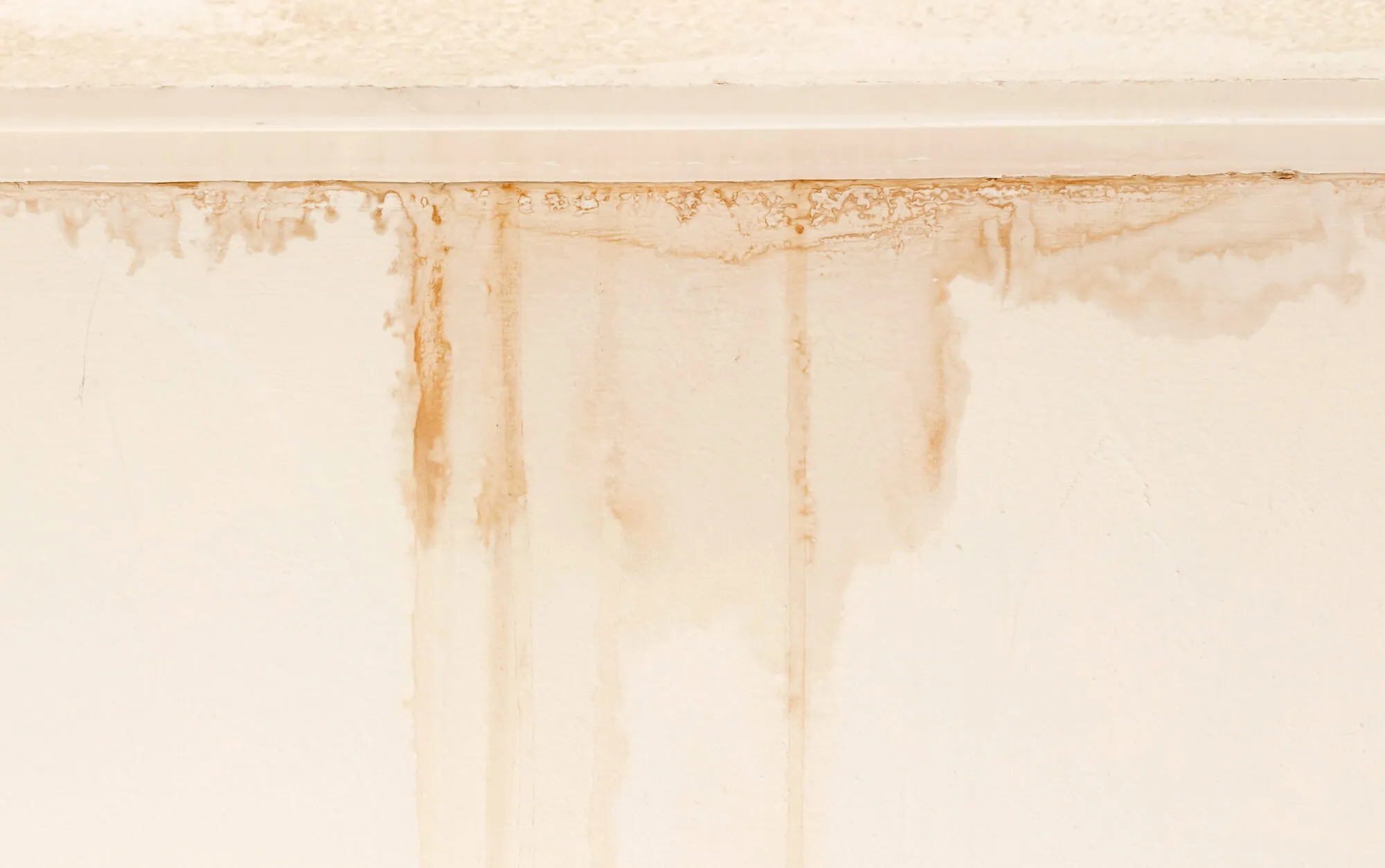
  • Ceiling stains or sagging drywall 
  • Wall moisture from siding breaches 
  • Window and door frame leaks 
  • Slab or crawlspace dampness

Early leak detection not only identifies damage—it also helps target repairs more accurately and avoid tearing out unnecessary sections of your home. 

  1. Secure Emergency Repairs

Once leaks are located, take steps to minimize ongoing damage. This might include: 

  • Temporary roof tarps 
  • Boarded windows or doors 
  • Dehumidifiers or fans 
  • Shut-off valves for water and power 

Emergency repairs stop moisture from spreading and prevent further degradation while you wait for more permanent solutions. 

Leak Repair Seattle after a storm

Why You Shouldn’t Skip a Leak Inspection 

Even “Dry” Homes Can Hide Damage 

Storms don’t always leave puddles. High winds can drive rain through window frames, siding seams, and roof joints. Leaks may not appear for days or weeks, as the drywall discolors or the wood flooring warps. 

Mold Grows Fast 

Mold needs just 24–48 hours of moisture to begin growing. Hidden leaks behind walls or under floorboards can allow spores to thrive unnoticed—especially in humid post-storm environments. Once established, removal is costly and disruptive. 

Delays Lead to Denied Claims 

Waiting too long to address damage can complicate insurance approvals. Leak detection performed early provides a timestamped, expert assessment showing the connection between storm activity and resulting leaks. 

Common Places Leaks Hide After a Storm 

After a major storm, water doesn’t always take the most obvious route. Even when your home looks intact from the outside, hidden leaks can develop in vulnerable areas throughout the structure. Knowing where to look can help you catch trouble early. 

Roof and Attic 

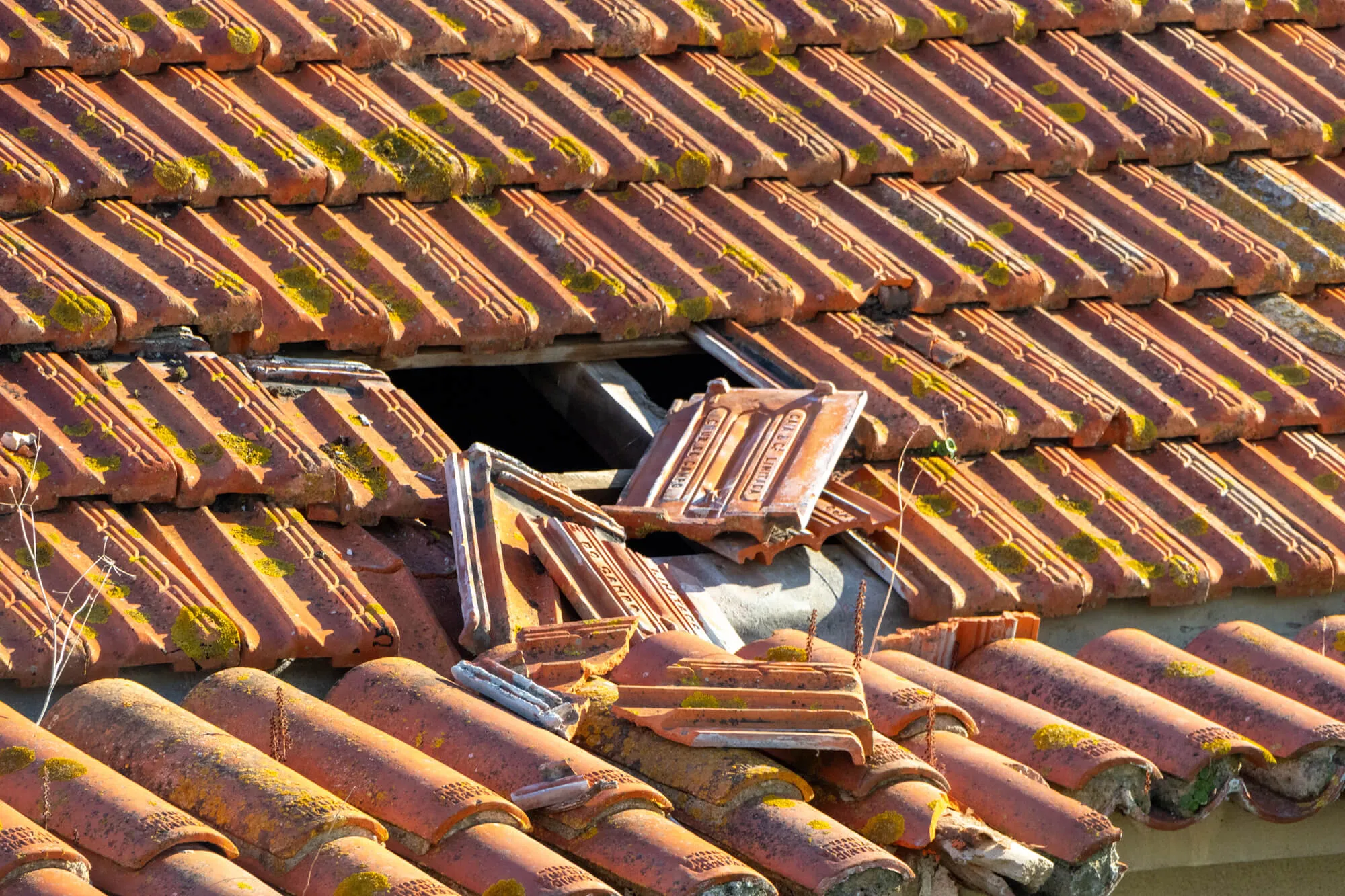
  • Missing or damaged shingles 
  • Lifted flashing or ridge caps 
  • Gaps around soffits and vents 

Water that enters the roof may not drip directly downward—it often travels along rafters or insulation before becoming visible. 

Windows and Doors 

  • Cracked seals or deteriorated caulking 
  • Loose or warped frames 
  • Blocked or poorly sloped drainage channels 

Even small openings can allow rain to enter, collecting inside walls and soaking surrounding insulation. 

Exterior Walls and Siding 

  • Displaced panels or siding 
  • Gaps around utility pipes or vent covers 
  • Cracks in brick, stucco, or mortar joints 

These weak spots may trap moisture behind siding, leading to rot or mold. 

Basements and Crawlspaces 

  • Foundation fissures 
  • Overflowing gutters or broken downspouts 
  • Groundwater pooling near walls

These lower-level areas are particularly at risk, especially where electrical panels or sump pumps are installed. Moisture here can create both structural and safety hazards. 

DIY vs. Professional Leak Detection 

Why Experience Matters 

A wet patch on the ceiling doesn’t always mean the leak is right above it. Water follows the path of least resistance, often traveling far from its entry point before becoming visible. Trained professionals know how to accurately trace this movement. 

Equipment Makes the Difference 

Professional inspectors use moisture meters, thermal cameras, and inspection borescopes to see what’s behind your walls. Without these tools, you may miss leaks entirely—or start cutting into the wrong areas. 

Safety Comes First 

Some leaks involve more than water. If flooding reaches electrical wiring or gas systems, it may be unsafe to inspect the area without proper training and equipment. 

How Leak Detection Fits Into Larger Storm Restoration 

Targeted Repair Plans 

Leak detection helps your restoration team know exactly where to focus. Instead of full room overhauls, they may be able to remove and repair only the affected materials. 

Better Cost Control 

Early identification reduces waste and unnecessary labor. You’re less likely to face surprises behind walls once demolition begins. 

Quicker Insurance Response 

Most insurers require photo documentation and professional inspection reports. Leak detection provides both—and shows that you acted promptly to protect your home. 

Next Steps After Leak Detection 

Plan Your Repairs 

Your inspector will provide a written report detailing: 

  • Location and severity of leaks 
  • Suggested repair actions 
  • Moisture levels and photos 
  • Potential causes 

Use this report to prioritize repairs and submit it to your insurance adjuster. 

Hire the Right Contractors 

Look for contractors who are: 

  • Licensed and insured 
  • Experienced in water damage restoration 
  • Familiar with local building codes 
  • Willing to coordinate with your insurance company 

Working with reputable professionals helps ensure your home is restored properly and safely. 

Prevent Future Damage 

Once your repairs are done, ask about: 

  • Improved drainage or gutter systems 
  • Window and roof sealing upgrades 
  • Storm-resistant materials 
  • Smart leak sensors for future protection 

reliable Leak Repair Seattle

Don’t Wait—Leak Repair in Seattle Starts With Inspection 

Seattle’s weather can be unpredictable, and leaks often go unnoticed until the damage has already been done. Whether a recent storm left visible damage or just raised your concerns, early leak detection helps you protect your home, your health, and your finances. Professional inspections are the most reliable way to identify hidden issues before they escalate and become more severe. For dependable leak repair in Seattle, it all begins with a thorough look behind the walls. 

Greenwood Heating has been helping families in the Greater Seattle area recover from weather damage for over a century. Our team of licensed professionals offers complete storm damage restoration services—from expert leak detection to full-service repairs. We prioritize your safety, comfort, and long-term peace of mind.  

Schedule your storm recovery inspection today and let us help restore what matters most.