




Storms don’t always leave obvious destruction behind. Sometimes, the most serious issues are the ones you can’t see—like a slow leak behind a wall or moisture buildup in your attic. These subtle signs of damage can lead to mold, structural decay, or electrical hazards if not addressed early. Before repairs begin, leak detection should be your top priority. If you’re scheduling storm restoration or leak repair in Seattle, it’s important to start with a thorough inspection.
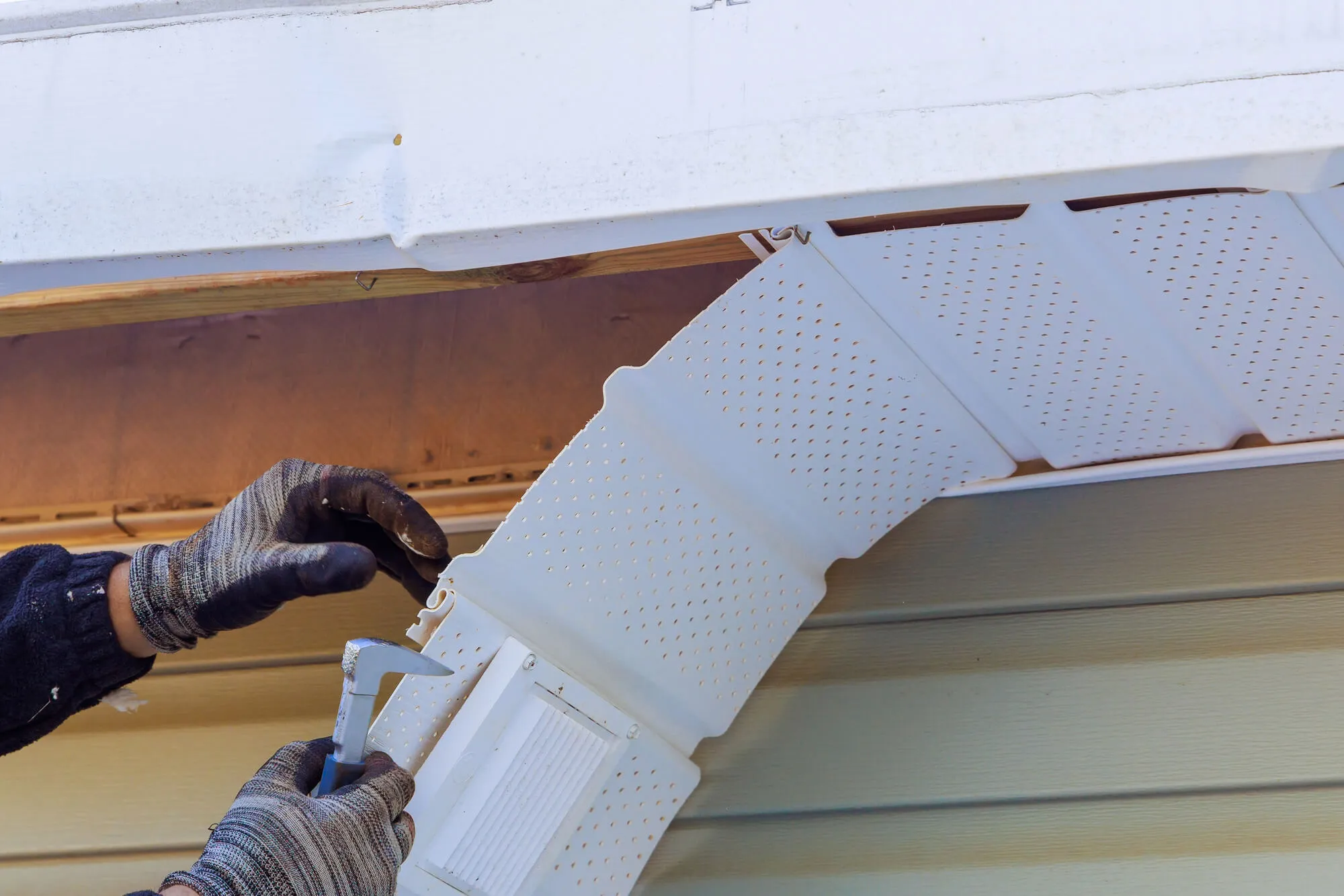
Why Leak Detection Comes First
After a storm, most people check for downed branches or broken windows. But what often goes unnoticed is the moisture silently seeping through your roof or walls. That’s why leak detection isn’t just the first step—it’s the most urgent.
Minor Signs, Major Damage
Moisture damage doesn’t announce itself with fanfare. A small crack in the ceiling or faint musty smell may seem minor—but they’re often the earliest indicators of a leak that could spiral into a costly repair if overlooked. Even slight water intrusion can create the conditions for mold, mildew, and long-term decay within just a few days.
Hidden Risks Grow Over Time
Leaks don’t stop at wet drywall. Water can saturate insulation, short out wiring, and rot support beams. The longer a leak sits undetected, the more destructive it becomes. What starts as a pinhole drip may lead to ceiling collapse, warped floors, or even a fire hazard if it reaches electrical systems.
Supporting Your Insurance Claim
Leak detection performed promptly can also protect your wallet. Most insurance providers require documented proof that storm-related damage was promptly identified and addressed. Technicians can identify and photograph water intrusion points, which helps strengthen your claim and expedite the processing time.
Safety and Structural Integrity
Unnoticed leaks in the attic or crawlspace can quietly erode your home’s frame. Even a small roof puncture or a gap in the flashing can allow rainwater to seep directly into your wall cavities. Leak detection helps ensure that the structural components of your home remain safe, solid, and ready for repair—before larger problems arise.
The Complete Storm Restoration Checklist
A strong recovery begins with a solid foundation, safety, and effective planning. Here’s a breakdown of steps every homeowner should follow after a storm.
-
Ensure Personal and Household Safety
- Watch for downed power lines, gas leaks, or standing water with electrical hazards
- Use protective gear when entering wet or damaged spaces
- If in doubt, call emergency services or utilities before entering the area
-
Schedule Professional Leak Detection
Your first call after securing your property should be to a storm restoration team that offers leak detection services. Using thermal imaging, moisture meters, and visual inspection, professionals can identify:
- Roof leaks
- Ceiling stains or sagging drywall
- Wall moisture from siding breaches
- Window and door frame leaks
- Slab or crawlspace dampness
Early leak detection not only identifies damage—it also helps target repairs more accurately and avoid tearing out unnecessary sections of your home.
-
Secure Emergency Repairs
Once leaks are located, take steps to minimize ongoing damage. This might include:
- Temporary roof tarps
- Boarded windows or doors
- Dehumidifiers or fans
- Shut-off valves for water and power
Emergency repairs stop moisture from spreading and prevent further degradation while you wait for more permanent solutions.
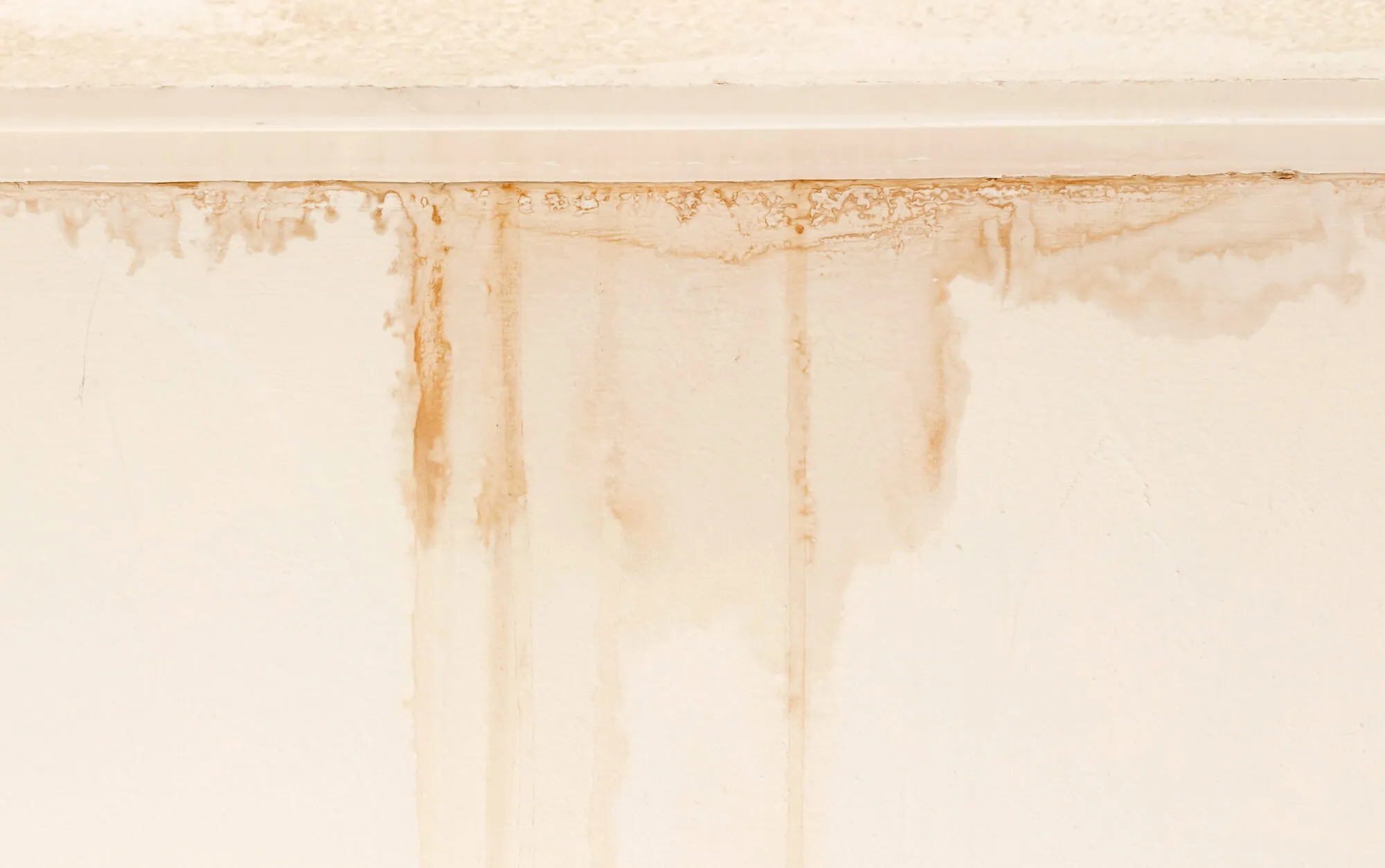
Why You Shouldn’t Skip a Leak Inspection
Even “Dry” Homes Can Hide Damage
Storms don’t always leave puddles. High winds can drive rain through window frames, siding seams, and roof joints. Leaks may not appear for days or weeks, as the drywall discolors or the wood flooring warps.
Mold Grows Fast
Mold needs just 24–48 hours of moisture to begin growing. Hidden leaks behind walls or under floorboards can allow spores to thrive unnoticed—especially in humid post-storm environments. Once established, removal is costly and disruptive.
Delays Lead to Denied Claims
Waiting too long to address damage can complicate insurance approvals. Leak detection performed early provides a timestamped, expert assessment showing the connection between storm activity and resulting leaks.
Common Places Leaks Hide After a Storm
After a major storm, water doesn’t always take the most obvious route. Even when your home looks intact from the outside, hidden leaks can develop in vulnerable areas throughout the structure. Knowing where to look can help you catch trouble early.
Roof and Attic
- Missing or damaged shingles
- Lifted flashing or ridge caps
- Gaps around soffits and vents
Water that enters the roof may not drip directly downward—it often travels along rafters or insulation before becoming visible.
Windows and Doors
- Cracked seals or deteriorated caulking
- Loose or warped frames
- Blocked or poorly sloped drainage channels
Even small openings can allow rain to enter, collecting inside walls and soaking surrounding insulation.
Exterior Walls and Siding
- Displaced panels or siding
- Gaps around utility pipes or vent covers
- Cracks in brick, stucco, or mortar joints
These weak spots may trap moisture behind siding, leading to rot or mold.
Basements and Crawlspaces
- Foundation fissures
- Overflowing gutters or broken downspouts
- Groundwater pooling near walls
These lower-level areas are particularly at risk, especially where electrical panels or sump pumps are installed. Moisture here can create both structural and safety hazards.
DIY vs. Professional Leak Detection
Why Experience Matters
A wet patch on the ceiling doesn’t always mean the leak is right above it. Water follows the path of least resistance, often traveling far from its entry point before becoming visible. Trained professionals know how to accurately trace this movement.
Equipment Makes the Difference
Professional inspectors use moisture meters, thermal cameras, and inspection borescopes to see what’s behind your walls. Without these tools, you may miss leaks entirely—or start cutting into the wrong areas.
Safety Comes First
Some leaks involve more than water. If flooding reaches electrical wiring or gas systems, it may be unsafe to inspect the area without proper training and equipment.
How Leak Detection Fits Into Larger Storm Restoration
Targeted Repair Plans
Leak detection helps your restoration team know exactly where to focus. Instead of full room overhauls, they may be able to remove and repair only the affected materials.
Better Cost Control
Early identification reduces waste and unnecessary labor. You’re less likely to face surprises behind walls once demolition begins.
Quicker Insurance Response
Most insurers require photo documentation and professional inspection reports. Leak detection provides both—and shows that you acted promptly to protect your home.
Next Steps After Leak Detection
Plan Your Repairs
Your inspector will provide a written report detailing:
- Location and severity of leaks
- Suggested repair actions
- Moisture levels and photos
- Potential causes
Use this report to prioritize repairs and submit it to your insurance adjuster.
Hire the Right Contractors
Look for contractors who are:
- Licensed and insured
- Experienced in water damage restoration
- Familiar with local building codes
- Willing to coordinate with your insurance company
Working with reputable professionals helps ensure your home is restored properly and safely.
Prevent Future Damage
Once your repairs are done, ask about:
- Improved drainage or gutter systems
- Window and roof sealing upgrades
- Storm-resistant materials
- Smart leak sensors for future protection
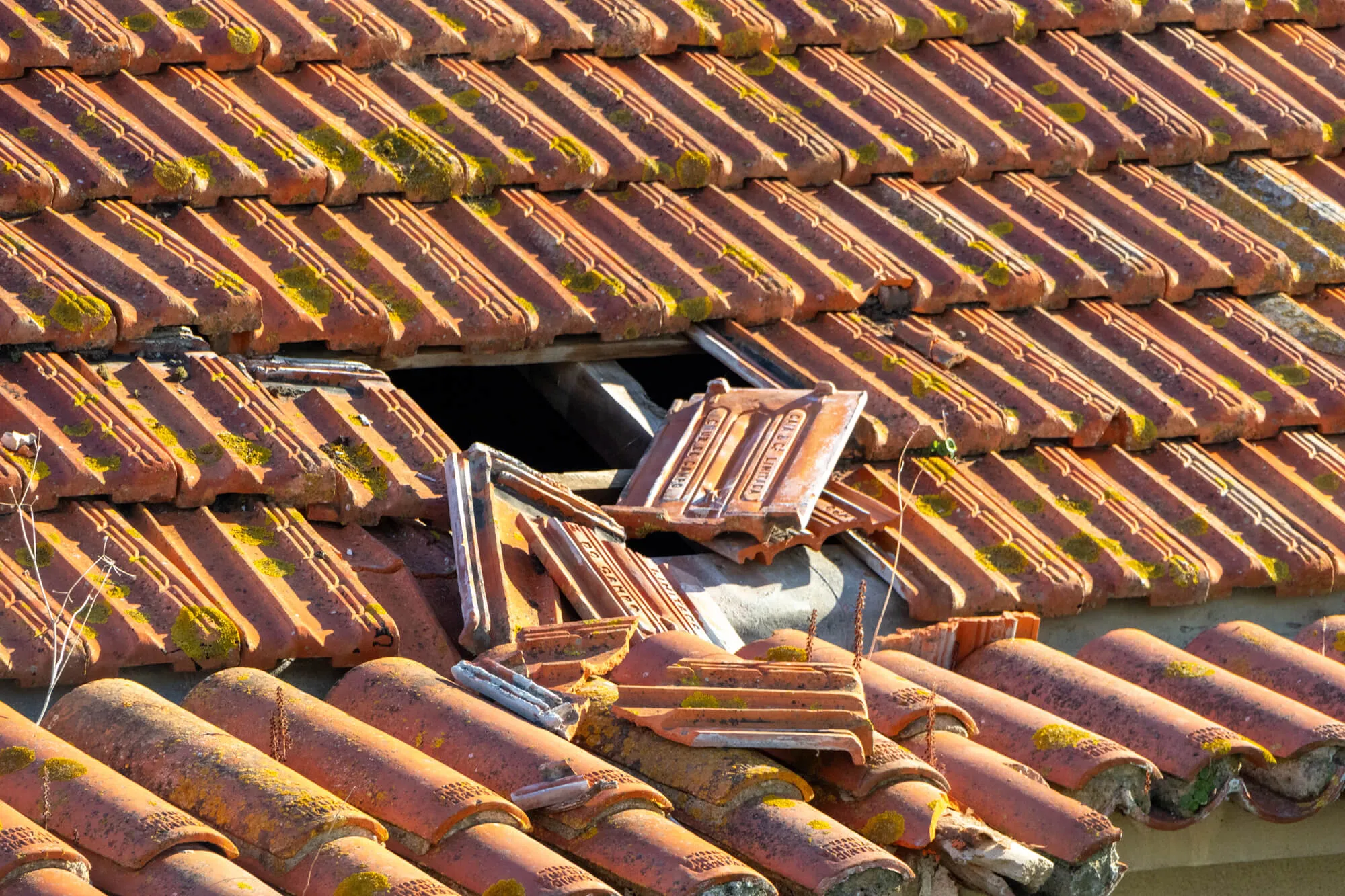
Don’t Wait—Leak Repair in Seattle Starts With Inspection
Seattle’s weather can be unpredictable, and leaks often go unnoticed until the damage has already been done. Whether a recent storm left visible damage or just raised your concerns, early leak detection helps you protect your home, your health, and your finances. Professional inspections are the most reliable way to identify hidden issues before they escalate and become more severe. For dependable leak repair in Seattle, it all begins with a thorough look behind the walls.
Greenwood Heating has been helping families in the Greater Seattle area recover from weather damage for over a century. Our team of licensed professionals offers complete storm damage restoration services—from expert leak detection to full-service repairs. We prioritize your safety, comfort, and long-term peace of mind.
Schedule your storm recovery inspection today and let us help restore what matters most.
