




You hop in the shower expecting hot water—but get a freezing surprise instead. Whether you rely on a standard tank or a tankless system, this kind of disruption is often preventable. Many homeowners assume that their water heater will run smoothly for years without a second thought. But over time, even the most reliable system needs upkeep. If you have a water heater in Seattle, understanding the differences in how each type is maintained could save you from cold showers, rising energy bills, and costly repairs.
Why Maintenance Matters for Any Water Heater
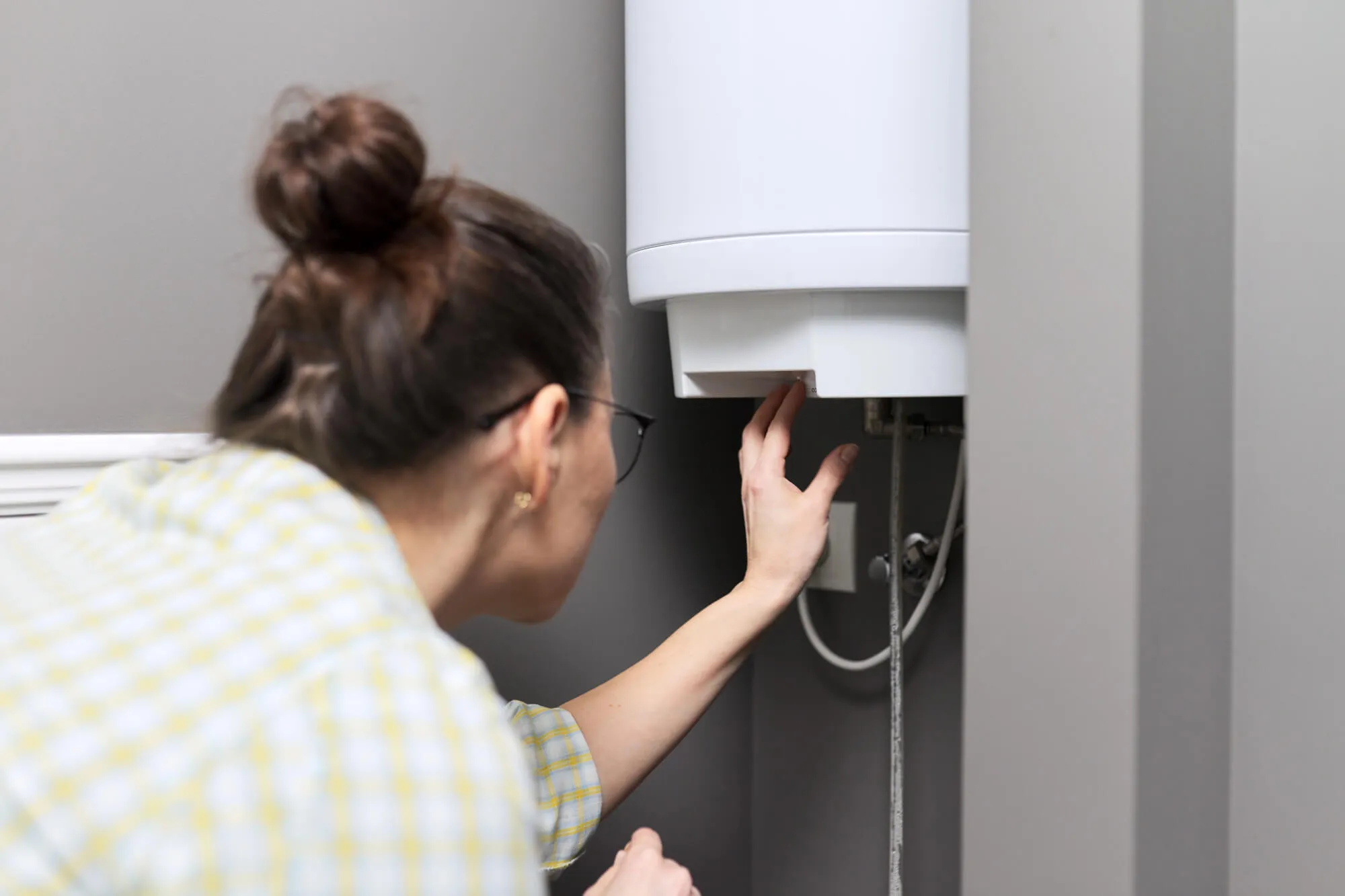
Whether you have a traditional tank-style unit or a tankless system, regular maintenance is essential to keep your water heater running smoothly. Over time, both types of systems face wear and tear, and without periodic tune-ups, you’re more likely to experience inconsistent water temperatures, reduced efficiency, or even early replacement costs.
What Is a Tankless Water Heater?
Tankless systems heat water only as needed, offering better energy efficiency and endless hot water. Their compact design makes them a popular choice for homeowners who want to save on space and utility bills. However, because they activate every time you use hot water, internal components can experience scale buildup especially in areas with hard water. Annual flushing and descaling help prevent blockages and keep flow sensors, burners, and heat exchangers working properly.
What Is a Traditional Water Heater?
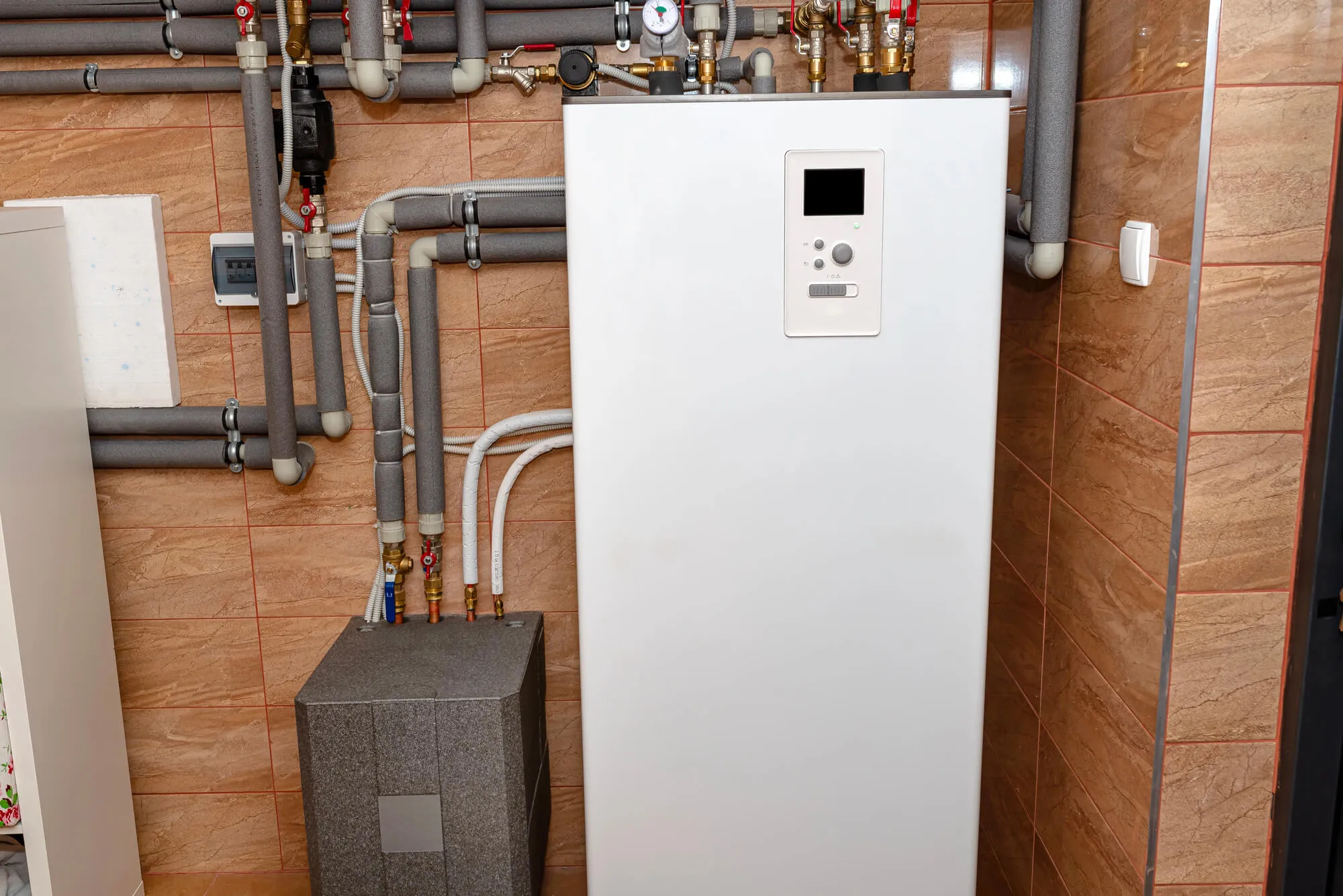
Traditional systems store a set amount of hot water in a large tank. They’re more common in homes with higher daily water usage and tend to have a lower upfront cost. But because they constantly heat water to maintain temperature, sediment from minerals in the water can settle at the bottom of the tank. This buildup creates insulation between the heating element and the water, leading to inefficiency and added strain on the system. Regular flushing clears out sediment and helps maintain heating performance.
In both cases, timely maintenance improves performance, extends lifespan, and helps you avoid costly surprises.
Maintenance Needs: Tankless vs Traditional
The type of water heater in your home—tankless or traditional—will shape how and when maintenance should be done. Each system works differently, and understanding their unique needs can help prevent issues before they interrupt your hot water supply.
Tankless Water Heater Maintenance
1. Annual Descaling
Hard water contains minerals like calcium and magnesium that leave behind scale inside the unit’s heat exchanger. Without regular flushing, this buildup can restrict water flow, reduce heating efficiency, and over time, damage internal components. An annual descaling with a proper solution keeps the system clear and working as intended—especially important in areas with hard water.
2. Filter Cleaning
Many tankless systems come with inlet water filters that catch sediment and debris before they enter the unit. If ignored, clogged filters can reduce water pressure or trigger system errors. These filters are typically easy to access and clean, but they should be inspected regularly—especially if your home relies on a well or has older plumbing.
3. Venting System Inspection
Tankless heaters often use high-efficiency sealed vent systems to expel exhaust gases. These should be checked yearly for blockages, corrosion, or loose connections. A compromised vent not only affects performance but can also pose safety concerns due to improper gas ventilation.
4. Error Code Diagnostics
Modern tankless models include digital panels that store error codes. A trained technician can use this data during a tune-up to spot patterns and catch minor issues before they become major repairs.
Traditional Water Heater Maintenance
1. Flushing the Tank
Sediment settles at the bottom of tank-style heaters over time. This layer of buildup makes the heater work harder to do the same job, raising energy use and straining the unit. Regular flushing—ideally once a year—removes this gunk, helping the system last longer and heat more efficiently.
2. Anode Rod Inspection
Inside every traditional water heater is a metal rod (usually magnesium or aluminum) called the anode rod. Its job is to attract corrosive elements in the water and protect the tank’s interior lining. If the rod becomes too corroded, it can’t do its job. Replacing it every 3–5 years can delay tank failure and help avoid leaks or rust.
3. Temperature and Pressure (T&P) Valve Testing
The T&P valve is a critical safety feature that prevents the tank from over-pressurizing or overheating. If it fails, the results can be severe. During maintenance, technicians test this valve to make sure it opens and closes properly and isn’t blocked by mineral buildup.
4. Thermostat Calibration
A misadjusted thermostat can lead to water that’s too hot, wasting energy and posing scalding risks. Technicians will verify the thermostat settings and check that the heating element responds correctly. In some cases, thermostat malfunctions can also affect overall system performance and cycling.
How Maintenance Affects Lifespan and Efficiency
A water heater works hard year-round, especially during colder months. Regular tune-ups can:
- Extend lifespan: Well-maintained systems can last years longer than neglected ones.
- Improve energy efficiency: Removing sediment or scaling helps the unit heat water with less effort.
- Lower monthly bills: Efficient heaters use less power or gas.
- Prevent costly repairs: Catching small issues early keeps repair bills in check.
Water Quality and Its Impact on Maintenance
Seattle’s water is considered soft to moderately hard, but that doesn’t eliminate the risk of scale buildup. Homes with older pipes or well water may experience more mineral deposits, increasing the need for frequent descaling or flushing.
Common Maintenance Myths
It’s easy to assume that water heaters are “set-and-forget” appliances—until something goes wrong. These common myths often lead to overlooked maintenance and avoidable repairs:
- Myth 1: Tankless systems don’t need maintenance
Tankless heaters might seem low-maintenance, but they’re not maintenance-free. Mineral buildup can clog the heat exchanger, and filters can collect debris. Regular descaling and inspection are essential to keeping these systems running efficiently. - Myth 2: New water heaters don’t need service for years
Even brand-new units benefit from early maintenance. Starting a regular service schedule from the beginning helps spot potential issues early and maintain peak performance. - Myth 3: Flushing the tank once is enough
One-time flushing isn’t a long-term fix. Sediment forms continuously in traditional tanks, especially in areas with hard water. Annual flushing prevents buildup and extends the life of the tank. - Myth 4: DIY maintenance is always safe
Some minor checks can be done at home, but more complex tasks—like testing gas valves or inspecting electrical connections—are better left to professionals.
Understanding these myths helps you approach maintenance with realistic expectations—and make smarter choices for your home.
Cost of Maintenance vs Cost of Repairs
Skipping maintenance can lead to:
- Water heater failure
- Higher monthly bills
- Costly emergency service calls
- Water damage from leaks
The average maintenance visit is affordable compared to replacing a burned-out heat exchanger or a corroded tank. In many cases, an annual visit pays for itself in energy savings.
Signs Your Water Heater Needs Service
Whether tankless or traditional, keep an eye out for:
- Fluctuating water temperature
- Reduced water pressure
- Rumbling or banging noises
- Discolored water
- Error codes (tankless)
- Higher-than-normal energy bills
If you notice any of these, it’s time to schedule a check-up.
Does Your Water Heater in Seattle Need Maintenance?
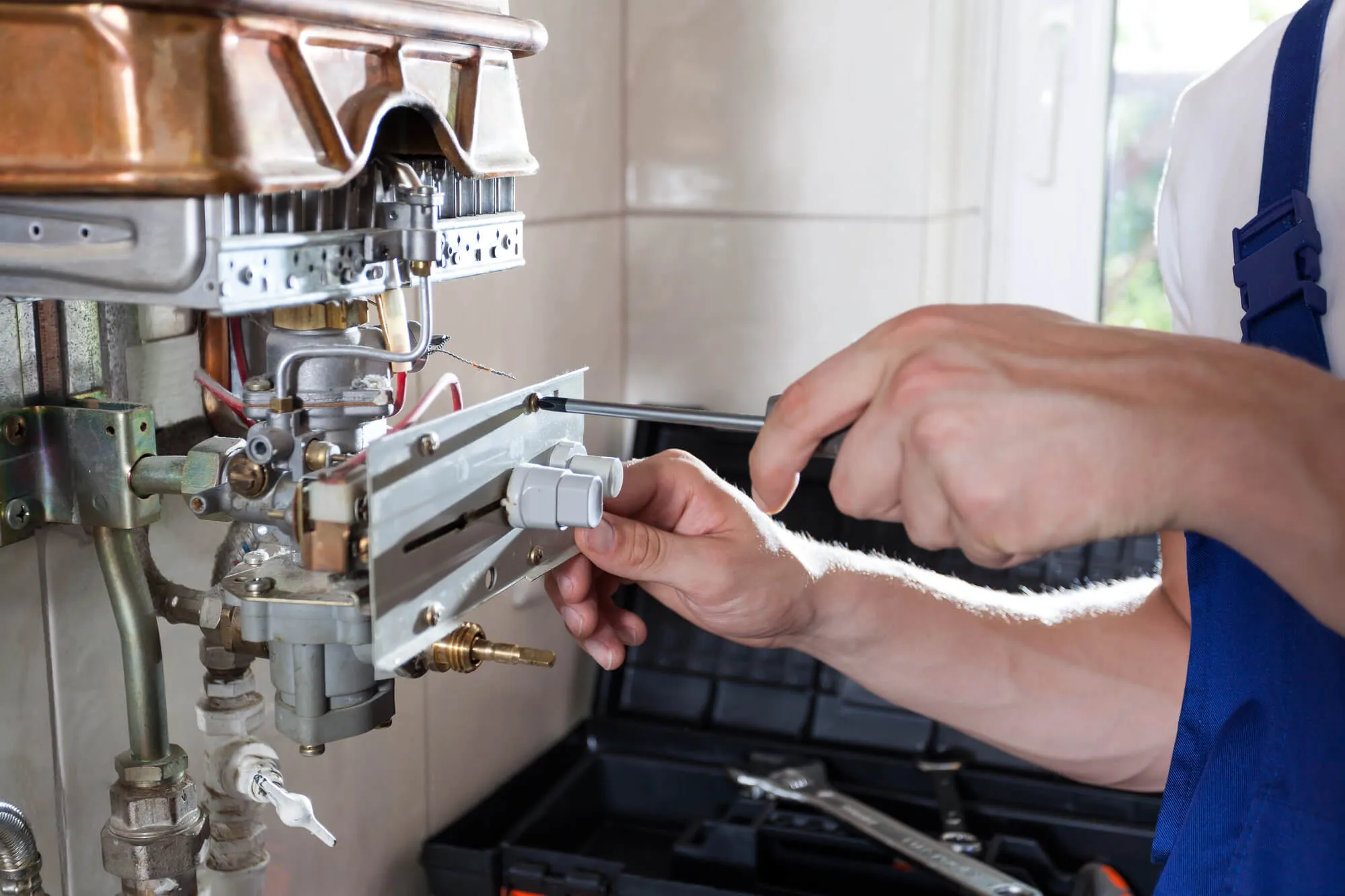
Both tankless and traditional water heaters benefit from annual professional service. While their components differ, the goal is the same: keep your system working efficiently and safely.
If your household has higher-than-average water usage or you notice water quality issues, more frequent tune-ups may be worthwhile.
At Greenwood Heating, we know how much you rely on your water heater in Seattle. Whether you have a tankless model or a traditional unit, our licensed technicians will tailor your maintenance to suit your system and your home. We’ll inspect, clean, and tune up your unit so you can enjoy reliable hot water every day.
Our team has served local homeowners for over 100 years, with same-day service, honest pricing, and care that puts your comfort first.
Contact Greenwood Heating today to schedule your water heater maintenance. Your comfort is our priority.
