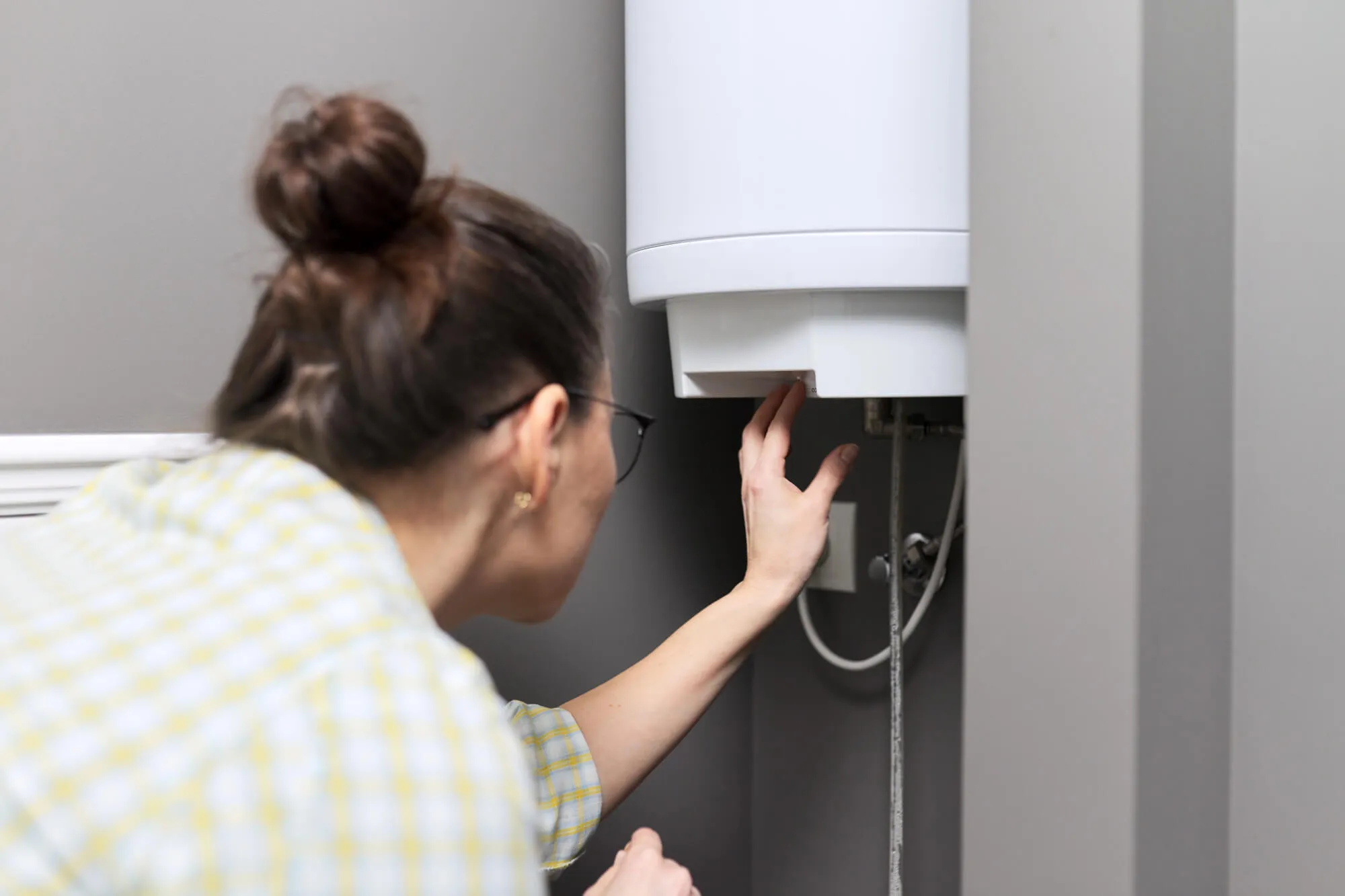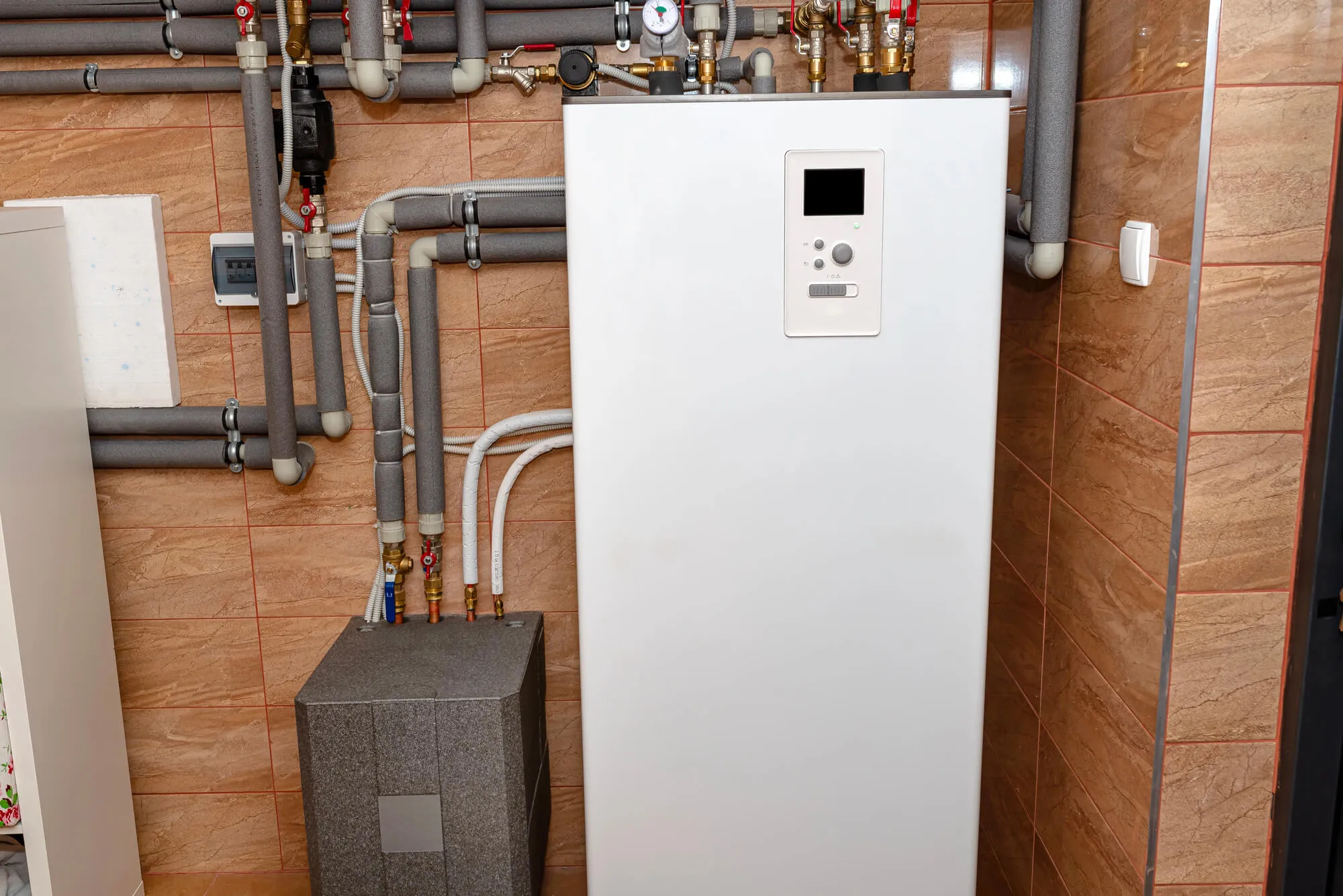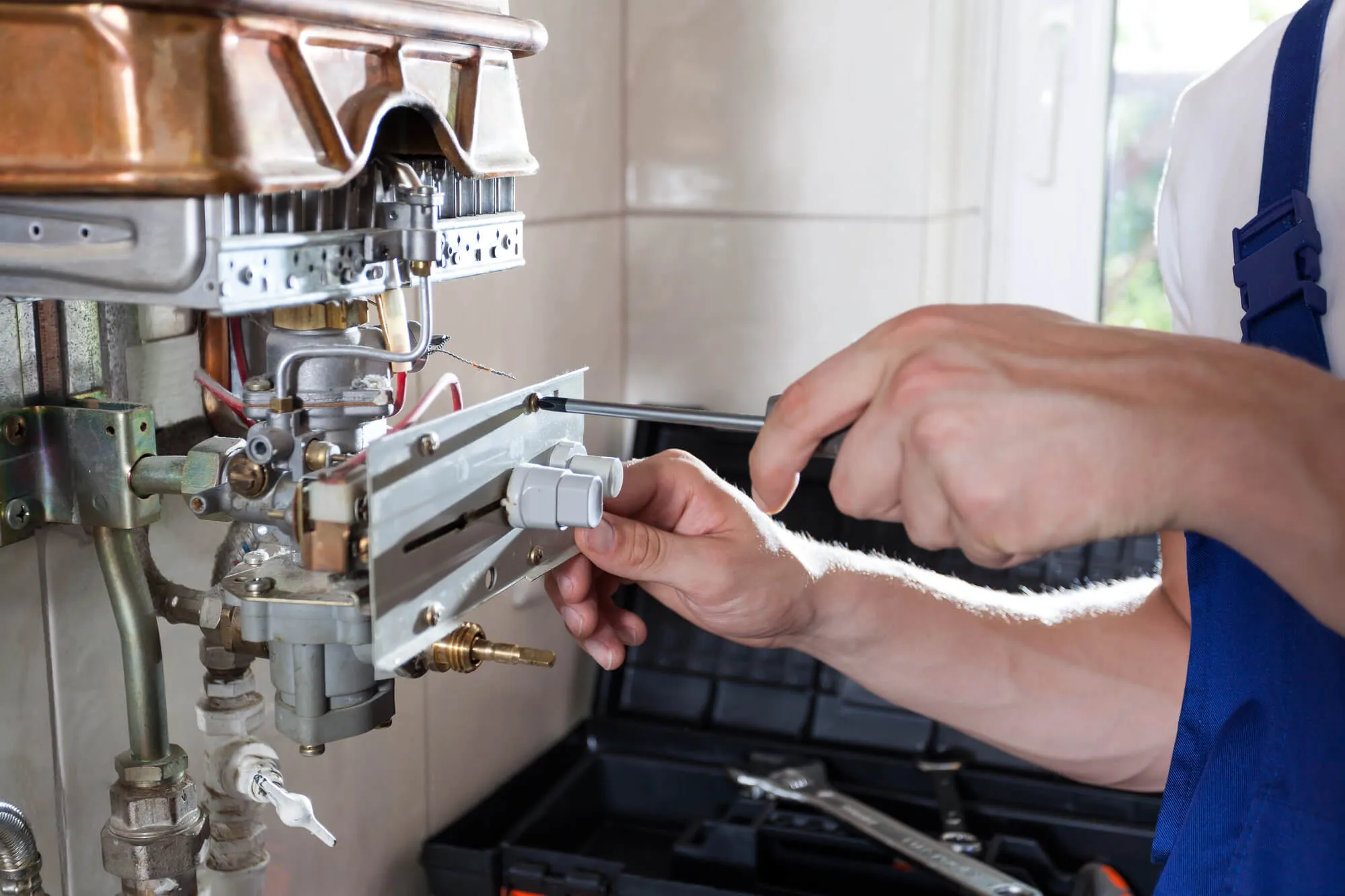




As temperatures drop, demand on your water heater in Seattle increases. Hot showers last longer, laundry loads feel heavier, and dishwashers run more frequently. During colder months, your water heater works harder than at any other time of year. Without proper preparation, that added strain can increase the risk of breakdowns, reduced efficiency, and unexpected repair costs.
The good news is that preventative maintenance helps protect performance and extend system life. With a few proactive steps, homeowners can reduce winter stress on their water heaters and keep hot water flowing consistently when it’s needed most.
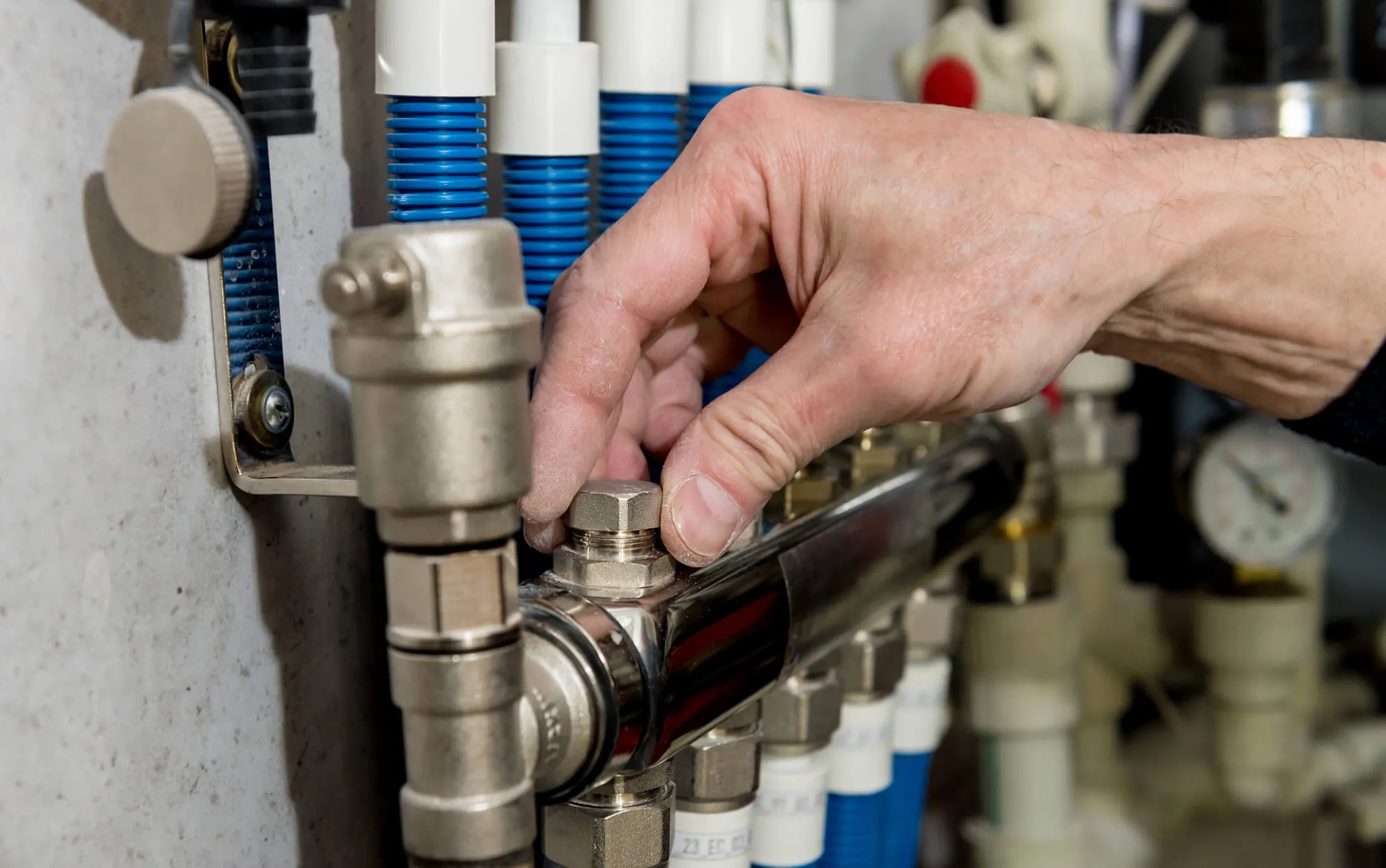
Why Winter Puts Extra Stress on Your Water Heater
Winter impacts water heaters in several ways:
- Incoming water is colder, requiring more energy to heat
- Households use more hot water overall
- Systems cycle more frequently
- Sediment buildup becomes more noticeable under strain
In Seattle’s climate, where winters are cool and damp, water heaters often operate longer and more consistently during the colder months. If a system is already aging or overdue for maintenance, winter usage can highlight weaknesses quickly.
Start with a Visual Inspection
A simple inspection can help identify early warning signs.
Check for Leaks or Moisture
Look around the base of the tank and nearby connections. Even minor leaks can indicate worn fittings, pressure issues, or corrosion. Catching moisture early prevents larger problems.
Listen for Unusual Sounds
Popping or rumbling noises often point to sediment buildup inside the tank. As sediment hardens, it creates a barrier between heating elements and water, forcing the system to work harder.
Inspect the Temperature Setting
Most households benefit from a thermostat setting around 120°F. Higher settings increase energy use and unnecessarily strain the system.
Flush the Tank to Remove Sediment
Sediment accumulation is one of the most common contributors to winter performance issues. Minerals in water settle at the bottom of the tank over time. When demand increases, this buildup reduces heating efficiency.
Flushing the tank helps:
- Improve heating efficiency
- Reduce strain on heating elements
- Lower energy use
- Support longer system lifespan
Annual flushing is typically recommended, especially before peak winter use.
Test the Pressure Relief Valve
The temperature and pressure relief (T&P) valve protects your water heater from excessive pressure buildup. If this valve fails, it can lead to safety concerns.
Testing involves carefully lifting the valve lever to confirm that water flows and stops properly. If it does not reseal or shows signs of corrosion, professional evaluation is recommended.
Insulate for Greater Efficiency
Heat loss increases in colder temperatures. Proper insulation helps maintain water temperature with less energy demand.
Insulate the Tank
If your tank feels warm to the touch, insulation may improve efficiency. Insulated jackets are widely available for older units.
Insulate Pipes
Exposed pipes, especially in unheated spaces like garages or crawlspaces, lose heat quickly in winter. Pipe insulation helps maintain consistent temperatures and reduces energy waste.
Check the Anode Rod
The anode rod protects your tank from corrosion by attracting minerals that would otherwise damage the tank lining. Over time, the rod deteriorates.
Replacing a worn anode rod can significantly extend tank life. Many homeowners are unaware of this component, yet it plays a critical role in system longevity.
Schedule Professional Maintenance
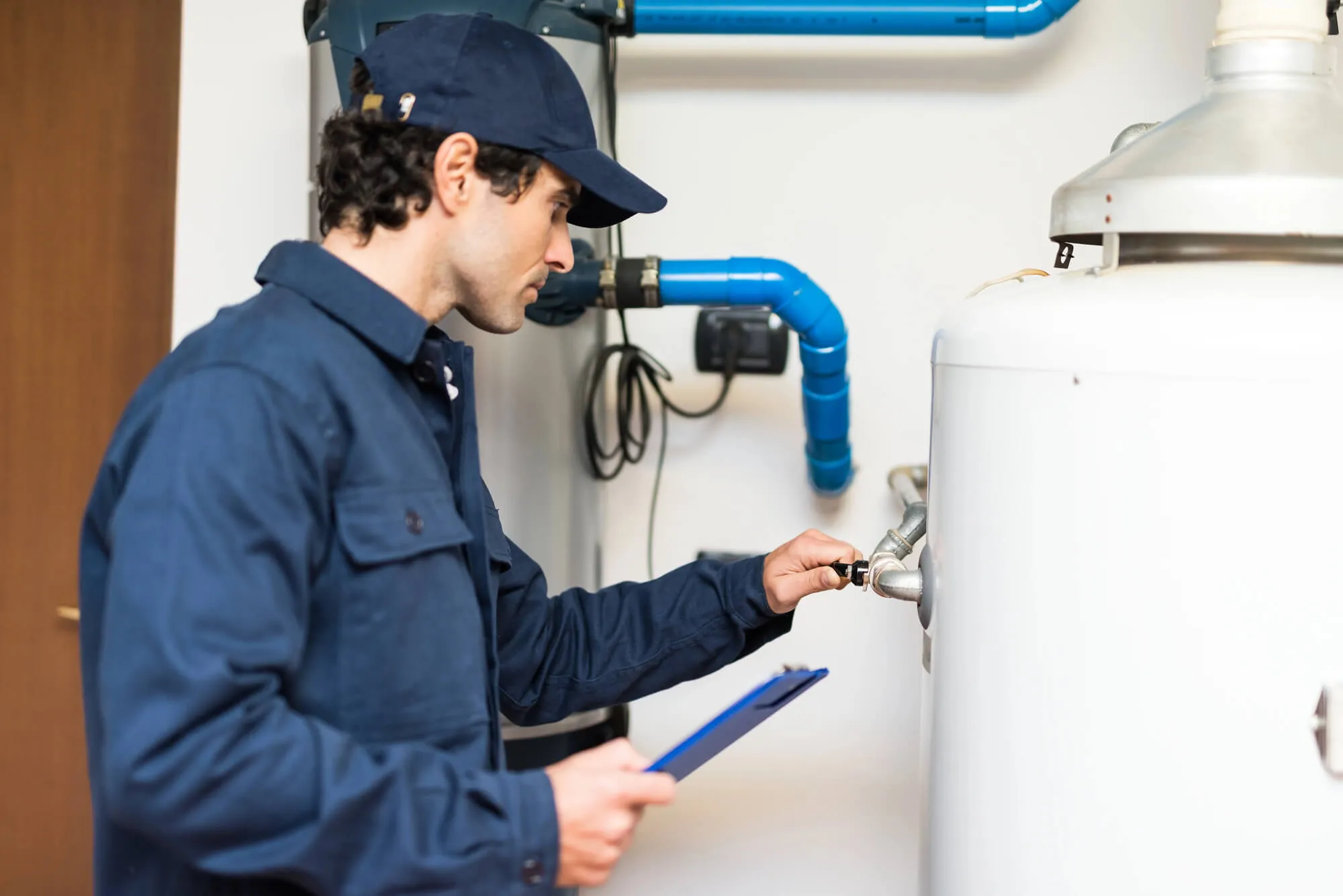
While basic steps can be handled by homeowners, a professional maintenance visit provides a more thorough evaluation of your system’s performance and safety. Trained technicians can identify early signs of wear that may not be visible during a routine visual check.
During a service appointment, technicians usually:
- Inspect heating elements for wear or sediment impact
- Check gas or electrical connections for safety and reliability
- Verify thermostat calibration for accurate temperature control
- Examine venting systems for proper airflow and safe operation
- Assess overall tank condition, including corrosion and structural integrity
They may also evaluate water pressure levels and confirm that safety components are functioning correctly.
Watch for Signs Your Water Heater Needs Attention
Winter demand makes early warning signs more noticeable because your system runs longer and more frequently. Paying attention to small changes in performance can help you address problems before they escalate.
Inconsistent Water Temperature
Fluctuating temperatures—especially when hot water suddenly turns lukewarm—may signal sediment buildup, thermostat calibration issues, or heating element wear. These problems often worsen under heavier winter use.
Reduced Hot Water Supply
If showers run cold sooner than usual or appliances struggle to get enough hot water, your system may be having difficulty keeping up with increased demand.
Rust-Colored Water
Discoloration from hot water taps can indicate corrosion inside the tank or a deteriorating anode rod.
Rising Energy Bills
A noticeable increase in energy costs may point to declining efficiency or longer heating cycles.
Addressing these signs promptly helps prevent full system failure during peak winter usage.
Consider System Age
Most traditional tank water heaters last 8 to 12 years with proper care. If your system is approaching this range, winter preparation becomes especially important.
An aging water heater may still function but operate less efficiently. Understanding your system’s age helps guide decisions about maintenance versus replacement planning.
Tank vs. Tankless: Winter Considerations
Both tank and tankless systems require attention before colder weather increases household demand. While they operate differently, winter conditions affect performance, efficiency, and recovery times for both types of equipment.
Tank Systems
Tank water heaters store and continuously heat a set volume of water. During winter, incoming water temperatures drop, meaning the system must work longer to bring water up to the desired temperature.
Sediment buildup at the bottom of the tank can further reduce heating efficiency, creating additional strain on heating elements or burners. Under heavy seasonal use, recovery time may slow, especially in older systems.
Tankless Systems
Tankless units heat water on demand rather than storing it. In winter, they may operate more frequently and at higher output to compensate for colder supply water. Mineral scale buildup can restrict heat exchangers, making routine descaling especially important.
Regardless of system type, preventative care supports reliable winter operation and consistent hot water performance.
Reduce Household Strain During Winter
In addition to maintenance, small household habits can ease system demand:
- Stagger showers and laundry cycles
- Use cold-water wash settings when appropriate
- Install low-flow fixtures
Reducing peak demand lowers stress on your system and supports efficiency.
Energy Efficiency and Long-Term Savings
Routine maintenance does more than prevent breakdowns. It helps maintain energy efficiency. A well-maintained water heater:
- Heats water faster
- Uses less energy
- Experiences fewer emergency repairs
- Maintains consistent performance
Efficiency improvements may seem small individually, but over the course of winter, they can make a noticeable difference in utility costs.
Planning Ahead Protects Comfort
Winter breakdowns rarely happen at convenient times. They often occur during periods of peak use, when systems are already under stress. Planning ahead reduces the likelihood of emergency service and helps homeowners maintain steady comfort throughout the season.
Preventative care is especially valuable in climates like Seattle’s, where winter temperatures, while moderate compared to other regions, still increase hot water demand across households.
Don’t Wait Until It Fails
Water heaters often show subtle warning signs before major failure, such as inconsistent water temperature, unusual noises, or a gradual decline in hot water supply. Addressing maintenance before temperatures drop gives you time for a thorough inspection and to plan any necessary adjustments, repairs, or replacements.
Acting early also helps you avoid the rush of peak winter service demand, when appointment availability may be limited. Planning ahead reduces stress and supports reliable hot water when your household needs it most.
Protect Your Water Heater in Seattle This Winter — Schedule Service Today
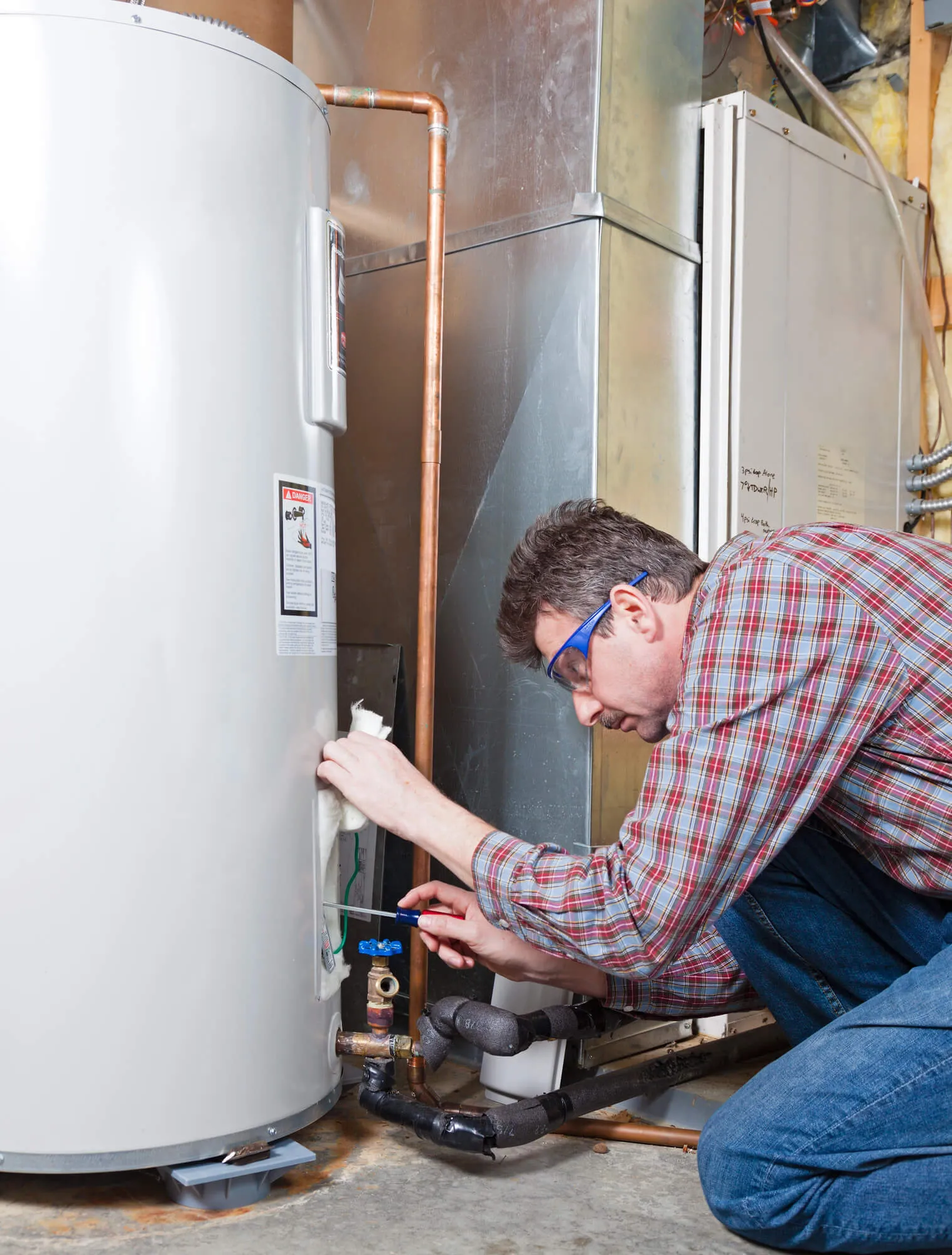
If you depend on your water heater during the colder months, preparation now can help prevent mid-winter disruptions. Increased demand puts added strain on your system, making routine maintenance especially important before temperatures drop. A thorough inspection, tank flush, and performance check can help improve efficiency and reduce the risk of unexpected issues.
Contact Greenwood Heating & Home Services to schedule seasonal maintenance and keep your home supplied with dependable hot water throughout the winter.