




Drain clogs are one of the most frequent plumbing issues homeowners experience. Water that drains slowly, unpleasant odors, or recurring backups can quickly disrupt daily routines. In many cases, these problems develop gradually as debris builds up inside pipes over time. Understanding what commonly causes blockages can help homeowners take steps to reduce the risk of plumbing issues.
In Seattle homes, a mix of kitchen waste, bathroom debris, aging plumbing systems, and environmental factors often contribute to drainage problems. When water begins draining more slowly than usual, it may be time to investigate the cause or consult a professional who can fix clogged drain in Seattle before the problem escalates.
Below are ten of the most common causes of clogged drains and how they affect plumbing systems in local homes.
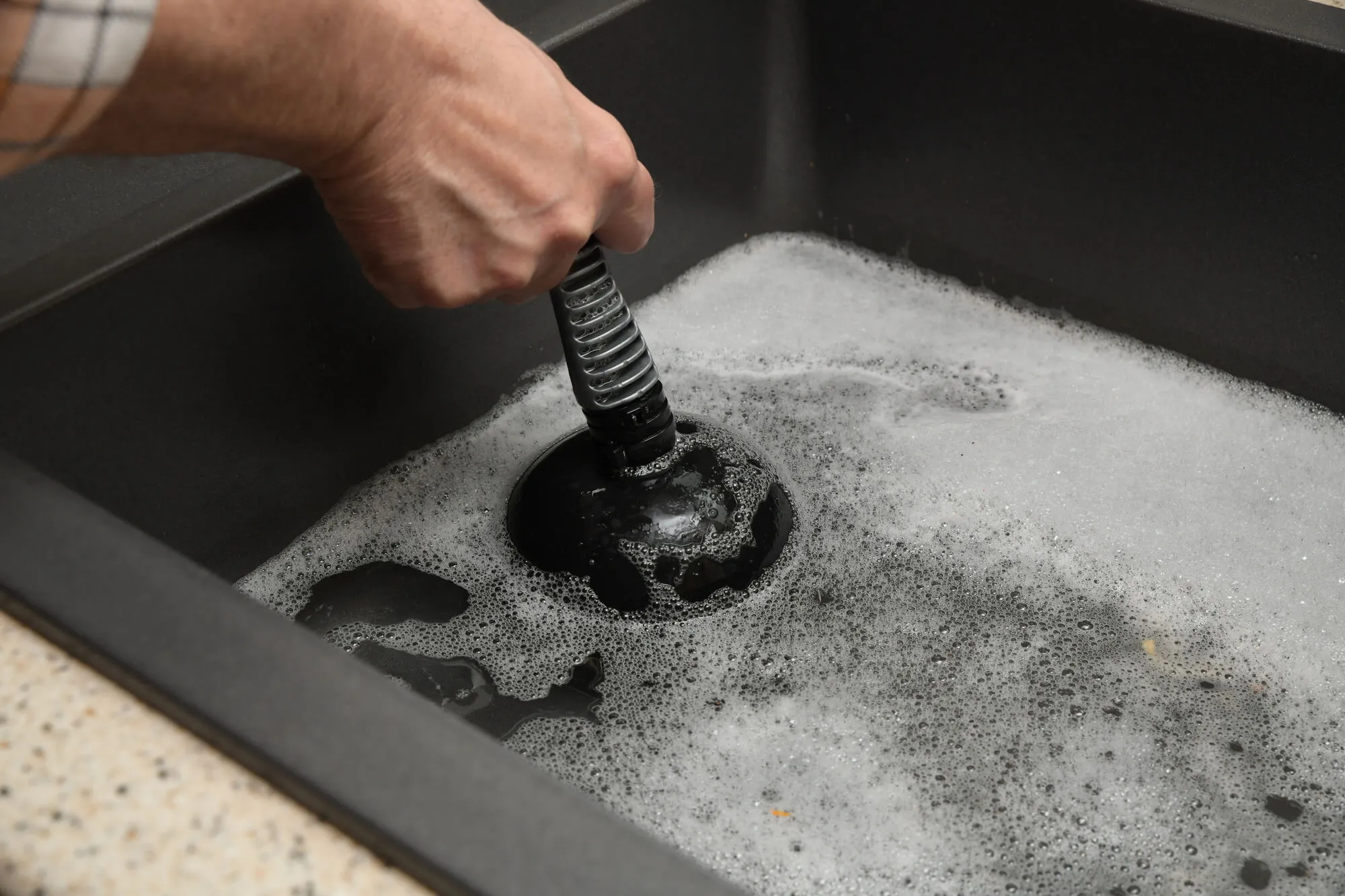
1. Grease and Cooking Oils
Grease is one of the most frequent causes of kitchen drain blockages. When cooking oils, fats, and grease are poured down the sink, they may appear harmless while still warm. However, as they cool inside pipes, they solidify and cling to pipe walls.
Over time, this sticky layer traps food particles and other debris passing through the drain. The buildup gradually narrows the pipe’s interior, slowing water flow and eventually causing a clog. Because Seattle households often cook with oils and fats that cool quickly in colder weather, grease buildup can happen faster than many homeowners expect.
Using sink strainers and disposing of grease in containers rather than pouring it down the drain can help reduce this common plumbing issue.
2. Food Scraps and Kitchen Debris
Kitchen drains frequently collect food particles that were never intended to pass through plumbing pipes. Even homes with garbage disposals can experience clogs when certain foods accumulate inside the system.
Items such as rice, pasta, coffee grounds, eggshells, and fibrous vegetable peels can swell, clump together, or stick to pipe surfaces. Over time, these materials combine with grease and soap residue, forming dense blockages.
In Seattle homes where cooking and food preparation occur daily, these small particles can gradually collect in the pipes below the sink. Rinsing dishes thoroughly into the trash before washing and using a drain screen can help limit how much debris enters the plumbing system.
3. Hair Buildup in Bathroom Drains
Hair is one of the leading causes of bathroom drain clogs. Showers, bathtubs, and bathroom sinks often collect strands of hair that travel down the drain during washing or grooming routines.
Hair itself does not dissolve in water. Instead, it tangles with soap residue and other debris inside the pipes, forming clumps that slow drainage. Over time, these tangled masses grow larger and restrict water flow.
Bathroom drains are particularly vulnerable because pipes in these areas are typically smaller than main plumbing lines. Installing hair catchers or drain covers in showers and sinks can significantly reduce the amount of hair entering the plumbing system.
4. Soap Scum and Mineral Residue
Soap residue can also contribute to clogged drains. Traditional bar soaps often contain fats that react with minerals in water, forming a chalky substance known as soap scum.
This residue sticks to the inside of pipes and gradually builds up over time. As soap scum accumulates, it narrows the pipe diameter and traps other debris, such as hair or dirt.
Seattle’s water supply contains minerals that can contribute to residue formation in plumbing systems. While the buildup occurs slowly, it can eventually lead to noticeable drainage issues if left unchecked. Periodic cleaning of drains and switching to liquid soaps may help reduce the accumulation of soap residue in household plumbing.
5. Tree Root Intrusion
Tree roots are a surprisingly common cause of clogged or damaged sewer lines. Roots naturally seek moisture and can enter small cracks or joints in underground pipes.
Once inside, roots grow toward the water source and expand within the pipe. Over time, they can create significant blockages that restrict wastewater flow. In severe cases, roots may even damage or break sections of the sewer line.
Seattle neighborhoods often feature mature trees and dense landscaping, which increases the likelihood of root intrusion in older sewer systems. Regular sewer inspections and proper landscaping practices can help identify root issues before they lead to larger plumbing concerns.
6. Flushing Non-Flushable Items
Many household drain problems begin in the bathroom when items are flushed that plumbing systems are not designed to handle. Despite marketing claims, products labeled as “flushable” can still cause problems in sewer lines.
Common examples include wipes, paper towels, feminine hygiene products, cotton swabs, and dental floss. Unlike toilet paper, these materials do not break down easily in water.
Instead, they can become trapped in pipes and combine with other debris, creating dense blockages. Over time, this buildup may restrict wastewater flow and lead to backups in toilets or drains.
Limiting flushing to toilet paper and human waste is one of the most effective ways to prevent plumbing issues.
7. Foreign Objects in Drains
Small household objects sometimes accidentally fall into drains. Children’s toys, bottle caps, jewelry, and other small items can easily slip into sinks, bathtubs, or floor drains.
Once inside the pipe, these objects may lodge in narrow sections of plumbing and create an obstruction. Debris flowing through the system can then accumulate around the object, gradually forming a larger clog.
Foreign object clogs often require professional tools or camera inspections to locate and remove the obstruction safely. Using drain covers in sinks and bathtubs can help reduce the chance of objects entering the plumbing system.
8. Aging or Corroded Pipes
Older homes in Seattle may still have aging plumbing systems that contribute to drainage issues. Pipes made from older materials such as galvanized steel can corrode over time.
Corrosion creates rough interior surfaces that catch debris more easily than smooth pipes. As rust accumulates, the pipe diameter gradually narrows, restricting water flow.
Even small amounts of grease, soap residue, or debris can become trapped in these uneven surfaces. Eventually, the buildup may cause slow drainage or recurring clogs.
Routine plumbing inspections can help identify aging pipe systems before they create major problems.
9. Heavy Rain and Sewer Line Pressure
Seattle’s climate includes frequent rainfall, which can affect underground drainage systems. During periods of heavy rain, municipal sewer systems may experience increased pressure.
If private sewer lines already contain partial blockages, this extra flow can worsen the problem. Water may drain more slowly or back up into household plumbing fixtures.
In some cases, stormwater infiltration can introduce debris into older sewer lines, contributing to new blockages. Regular maintenance and sewer inspections can help homeowners monitor the condition of underground plumbing connections.
10. Sediment and Debris in Floor Drains
Basements, laundry rooms, and utility areas often contain floor drains designed to handle occasional water runoff. However, these drains sometimes collect dust, dirt, lint, or sediment over time.
When debris accumulates inside the drain trap, it can restrict water flow and produce unpleasant odors. Because floor drains are used less frequently than sinks or showers, buildup may go unnoticed until a drainage issue occurs.
Periodic cleaning and flushing of floor drains can help maintain proper flow and reduce the risk of blockages in these less visible plumbing fixtures.
Preventing Drain Clogs in Seattle Homes
Clogged drains rarely occur overnight. Most blockages develop gradually as debris accumulates inside pipes. By understanding the most common causes, homeowners can reduce the likelihood of recurring plumbing issues.
Simple habits such as disposing of grease properly, using drain screens, and avoiding flushing non-degradable items can make a significant difference in maintaining healthy plumbing systems. Periodic inspections also help detect early signs of buildup before major problems develop.
Need Help to Fix a Clogged Drain in Seattle?
When drains begin slowing down, backing up, or producing unusual odors, it may be time to have a professional inspect the plumbing system. Addressing small blockages early can help prevent larger sewer problems later.
If you’re dealing with recurring drainage issues and need help to fix a clogged drain in Seattle, the team at Greenwood Heating & Home Services can evaluate your plumbing system and recommend the right approach. Our technicians use professional tools and inspection methods to locate blockages and restore proper drainage throughout your home. Contact our team today to schedule an inspection and keep your plumbing system running smoothly.


