




For years, Seattle was known for mild summers and relatively cool indoor temperatures. Many homes were built without central cooling because air conditioning simply wasn’t considered necessary for much of the year. Open windows, fans, and short warm spells were often enough to stay comfortable.
That perception has started to change. Warmer summers, longer heat waves, and increased awareness of indoor comfort have led more homeowners to explore options for air conditioning in Seattle. While the city still has fewer air-conditioned homes than many parts of the country, cooling systems are becoming far more common than they once were.
As weather patterns shift and indoor comfort expectations evolve, Seattle homeowners are beginning to rethink how their homes handle summer temperatures.
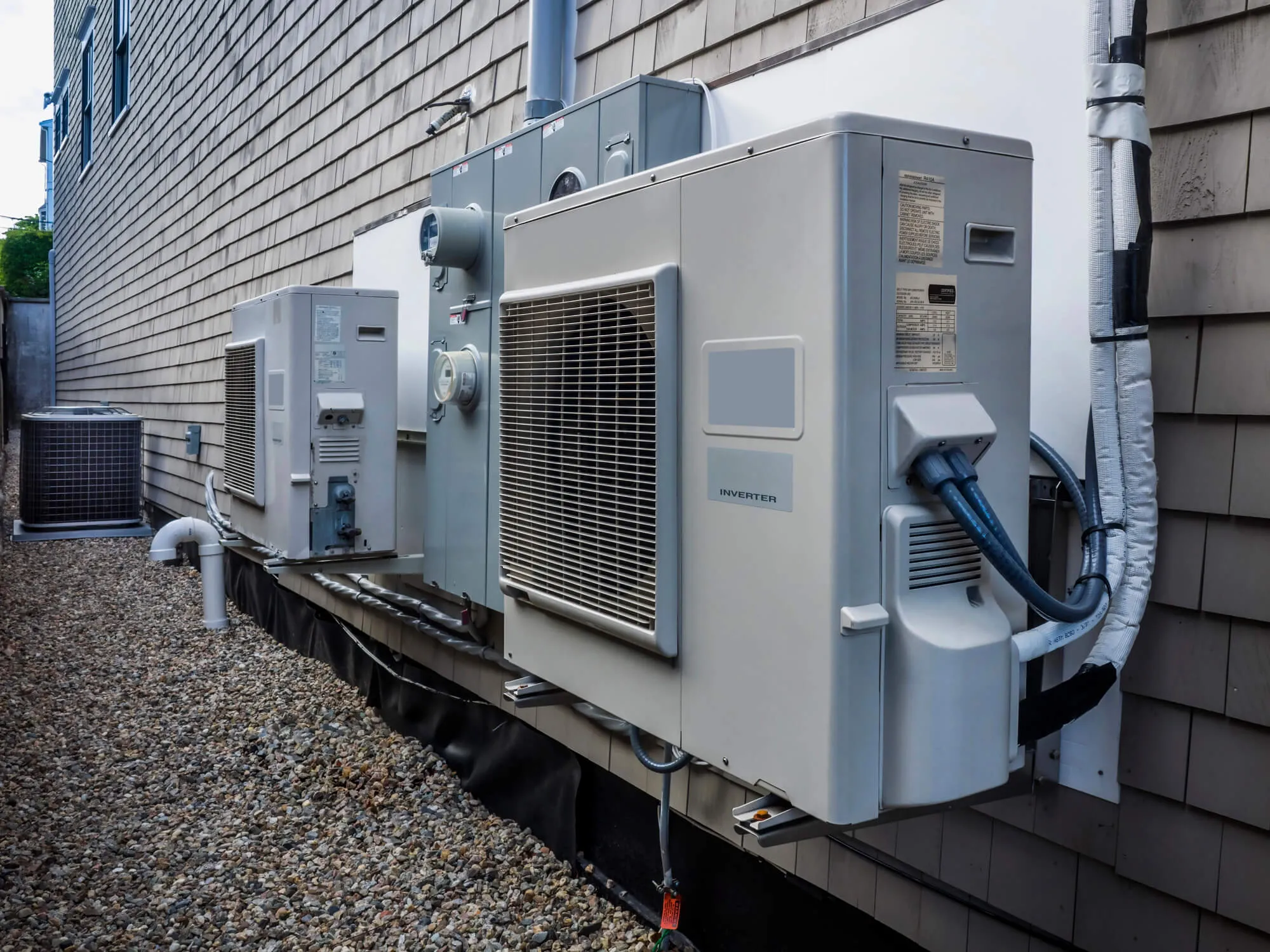
Why Seattle Historically Had Fewer Air Conditioners
Seattle’s climate has traditionally been different from hotter regions across the United States. Moderate summer temperatures meant many homes could stay reasonably comfortable without mechanical cooling.
Several factors contributed to lower air conditioning use in the past:
- Mild summer weather
- Cooler nighttime temperatures
- Shorter warm seasons
- Home designs focused on retaining heat during winter
Because heating was considered the greater priority, many older homes were built without ductwork designed for cooling systems. In previous decades, investing in air conditioning often felt unnecessary to homeowners who only experienced occasional hot days.
This long-standing reputation helped Seattle become known as one of the least air-conditioned major cities in the country.
Summers in Seattle Are Changing
Over the last several years, Seattle has experienced hotter and longer summer periods. Temperatures that once felt unusual are becoming more common during peak summer months.
Heat waves have also become more noticeable. Extended periods of high temperatures can affect indoor comfort, especially in homes that retain heat or have limited airflow. Upper floors, west-facing rooms, and older homes without insulation upgrades may feel particularly warm during these stretches.
Even if extremely hot weather only occurs for part of the year, those periods can still significantly affect comfort inside the home. As a result, more homeowners are beginning to evaluate whether cooling systems make sense for their living spaces and long-term comfort needs.
Indoor Comfort Expectations Have Evolved
Changes in lifestyle have also influenced how people think about home cooling. More people now spend extended time at home during the day, whether working remotely, caring for family members, or managing household responsibilities indoors.
This increased time inside the home has made indoor comfort a higher priority for many households. Temperatures that may have felt manageable for a few evening hours can feel much different during full days spent indoors.
Homeowners are also more aware of how indoor temperatures affect:
- Sleep quality
- Productivity
- General comfort
- Air circulation indoors
As expectations around comfort evolve, cooling systems are becoming part of broader conversations about home efficiency and livability.
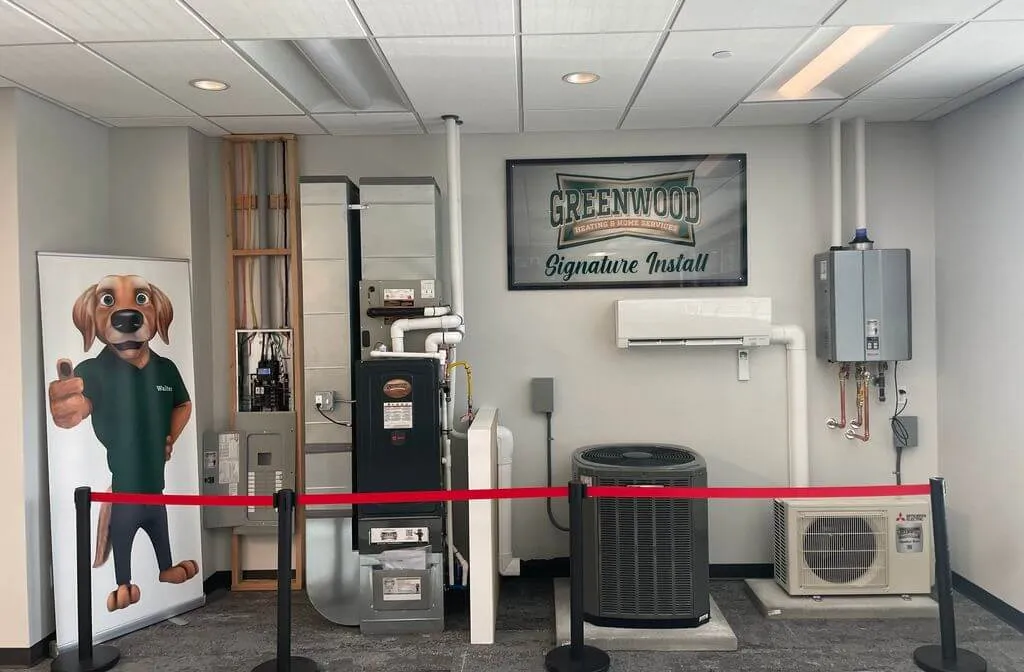
Older Homes Face Unique Challenges
Many Seattle homes were built decades ago, often without cooling systems in mind. Older layouts, insulation levels, and ventilation designs can make homes feel warmer during modern summer conditions.
Some common challenges include:
Limited Airflow
Older homes may have fewer ventilation pathways, making it difficult for warm air to circulate out effectively. Closed floor plans, smaller windows, and limited return airflow can cause heat to become trapped indoors, especially on upper floors or in enclosed rooms. This reduced airflow can make homes feel warmer for longer periods during summer.
Heat Retention
Materials used in older construction can hold heat longer, especially after several consecutive warm days. Brick, plaster, and older insulation materials may absorb heat during the day and release it slowly overnight, making it harder for indoor temperatures to cool down naturally.
Lack of Existing Ductwork
Some homes were designed only for heating systems, which can limit cooling options today. Homes with radiators, baseboard heating, or minimal ductwork may require alternative solutions such as ductless systems or heat pumps.
These factors do not necessarily mean cooling upgrades are impossible. Instead, they often require homeowners to evaluate which systems best match their home’s layout and infrastructure.
More Cooling Options Are Available Today
Part of the increase in air conditioning adoption comes from the wider variety of systems now available. Homeowners are no longer limited to large central systems alone.
Modern options may include:
- Ductless mini-split systems
- Heat pumps with cooling capability
- Central air conditioning
- Zoned cooling systems
These options provide more flexibility for homes with different layouts and energy needs. In particular, ductless systems have become popular in homes where adding traditional ductwork would be difficult.
Because cooling technology has evolved, homeowners can now explore systems that better fit Seattle’s housing styles and climate patterns.
Heat Pumps Are Becoming More Common
Heat pumps have gained attention in Seattle because they provide both heating and cooling in one system. During cooler months, they help heat the home. During warmer months, they provide air conditioning.
This dual functionality appeals to many homeowners looking to improve year-round comfort while consolidating systems. Heat pumps are especially attractive in climates like Seattle’s, where temperatures are often moderate compared to regions with more extreme weather.
As more homeowners learn about these systems, they are becoming an increasingly common part of conversations about home comfort upgrades.
Energy Efficiency Still Matters
Even as air conditioning becomes more common, energy efficiency remains an important consideration for Seattle homeowners. Many people want cooling systems that improve comfort without dramatically increasing energy use.
Several factors affect efficiency, including:
- Window quality
- System sizing
- Airflow design
- Thermostat settings
Choosing the right system for the home’s size and layout helps support efficient operation. Proper installation and maintenance also play an important role in long-term performance.
Cooling Is No Longer Seen as Unnecessary
Years ago, air conditioning in Seattle was sometimes viewed as optional or excessive. That perspective has gradually shifted as temperatures and living patterns have changed.
Homeowners today often approach cooling differently. Instead of viewing it as a luxury, many now see it as part of maintaining consistent indoor comfort during warmer months.
This does not mean every home requires central air conditioning. However, it does reflect a growing awareness that Seattle summers may no longer align with the city’s historic reputation for naturally cool indoor conditions.
Planning Ahead Matters
As demand for cooling systems grows, homeowners are increasingly planning upgrades before peak summer temperatures arrive. Waiting until a major heat wave can make scheduling more difficult during periods of high service demand.
Planning ahead allows homeowners to:
- Compare cooling options carefully
- Evaluate system compatibility
- Prepare financially for upgrades
- Schedule installation at a convenient time
It also creates time to assess related factors such as insulation, airflow, and electrical capacity before installation begins.
What Seattle Homeowners Are Considering Today
The conversation around cooling has clearly evolved. Homeowners are balancing comfort, efficiency, and practicality in ways that were less common years ago.
Questions many households now consider include:
- How warm does the home become during summer?
- Are certain rooms harder to cool?
- Is airflow consistent throughout the house?
- Would a heat pump provide year-round value?
- How often are fans or portable units being used?
These considerations reflect how indoor comfort expectations are changing across the region.

Is Air Conditioning in Seattle Becoming the New Normal?
Seattle may still have fewer air-conditioned homes than many other major cities, but the gap appears to be narrowing. Warmer summers, evolving comfort expectations, and expanded cooling options are influencing how homeowners think about indoor temperatures and long-term planning.
If your home has become harder to keep comfortable during warmer months, exploring cooling options may help you better understand what systems fit your space and needs. The team at Greenwood Heating & Home Services works with homeowners throughout the Seattle area to evaluate comfort concerns and recommend practical solutions for year-round indoor comfort. Whether you’re considering a ductless system, heat pump, or central cooling upgrade, planning ahead can help you stay more comfortable as Seattle summers continue to change. Contact us today!
