


Is Seattle No Longer the Least Air-Conditioned City?

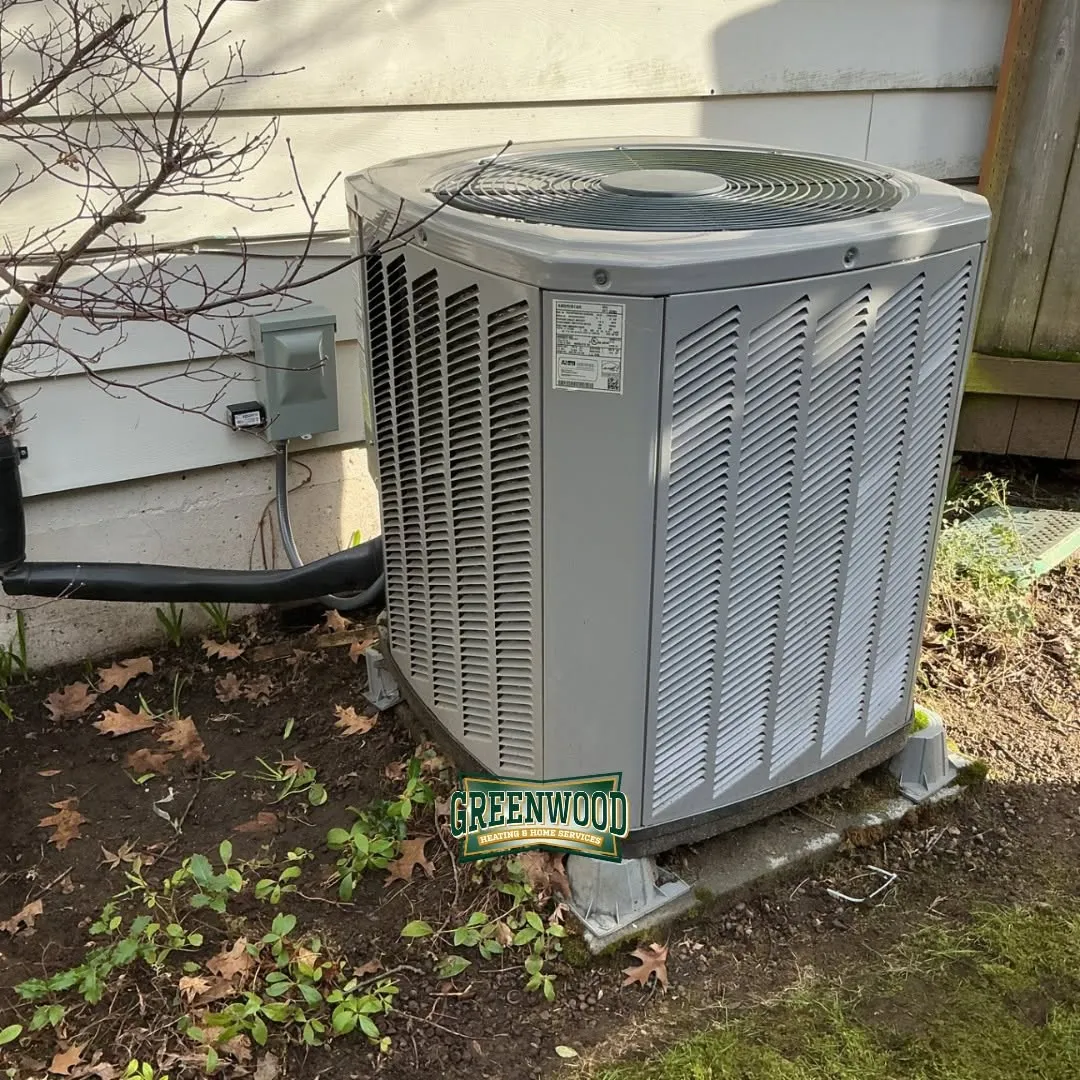
damaged Air Conditioning Seattle

For years, Seattle was known for mild summers and relatively cool indoor temperatures. Many homes were built without central cooling because air conditioning simply wasn’t considered necessary for much of the year. Open windows, fans, and short warm spells were often enough to stay comfortable. 

That perception has started to change. Warmer summers, longer heat waves, and increased awareness of indoor comfort have led more homeowners to explore options for air conditioning in Seattle. While the city still has fewer air-conditioned homes than many parts of the country, cooling systems are becoming far more common than they once were. 

As weather patterns shift and indoor comfort expectations evolve, Seattle homeowners are beginning to rethink how their homes handle summer temperatures. 

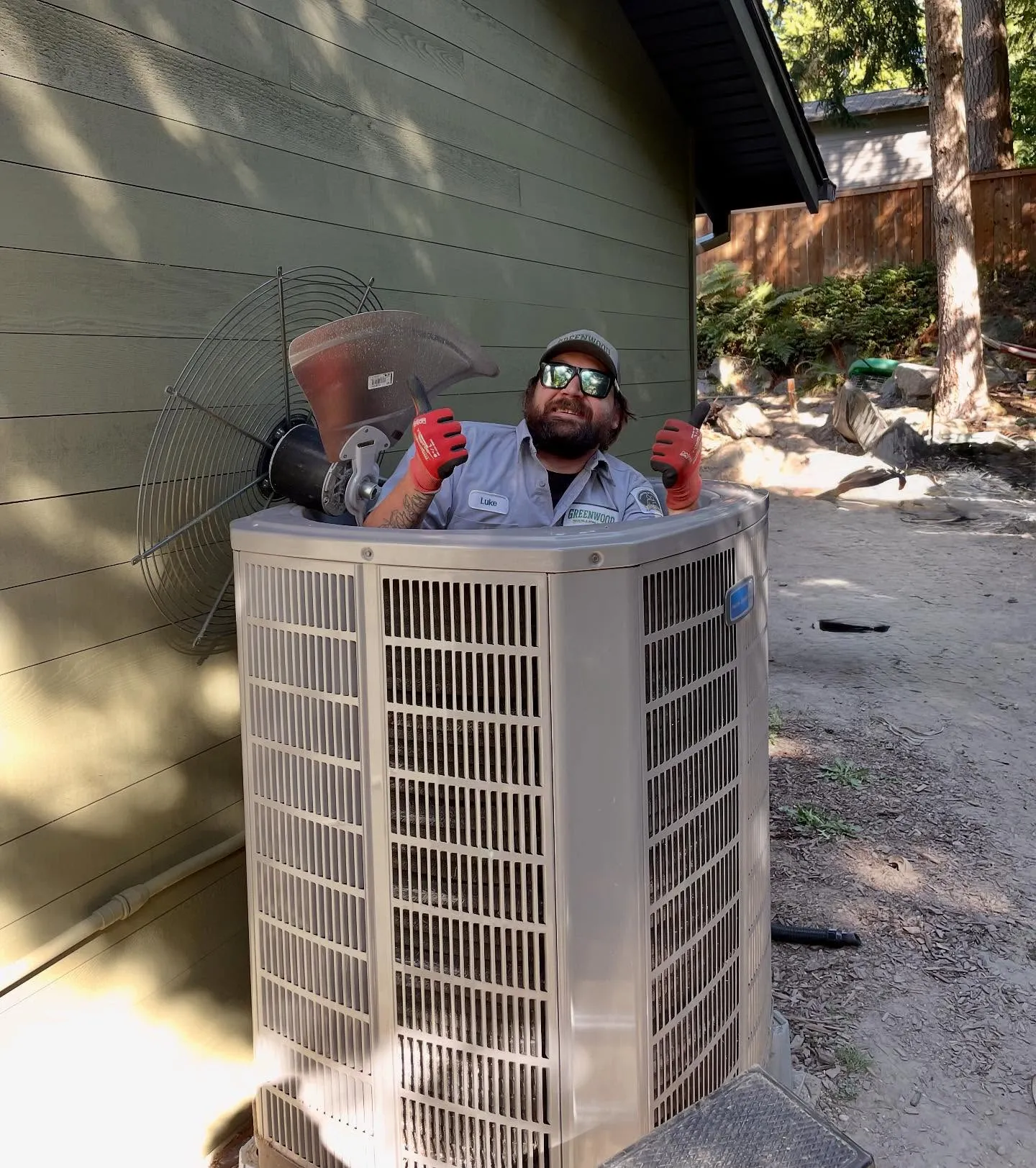
newly installed Air Conditioning Seattle

Why Seattle Historically Had Fewer Air Conditioners 

Seattle’s climate has traditionally been different from hotter regions across the United States. Moderate summer temperatures meant many homes could stay reasonably comfortable without mechanical cooling. 

Several factors contributed to lower air conditioning use in the past: 

  • Mild summer weather 
  • Cooler nighttime temperatures 
  • Shorter warm seasons 
  • Home designs focused on retaining heat during winter 

Because heating was considered the greater priority, many older homes were built without ductwork designed for cooling systems. In previous decades, investing in air conditioning often felt unnecessary to homeowners who only experienced occasional hot days. 

This long-standing reputation helped Seattle become known as one of the least air-conditioned major cities in the country. 

Summers in Seattle Are Changing 

Over the last several years, Seattle has experienced hotter and longer summer periods. Temperatures that once felt unusual are becoming more common during peak summer months. 

Heat waves have also become more noticeable. Extended periods of high temperatures can affect indoor comfort, especially in homes that retain heat or have limited airflow. Upper floors, west-facing rooms, and older homes without insulation upgrades may feel particularly warm during these stretches. 

Even if extremely hot weather only occurs for part of the year, those periods can still significantly affect comfort inside the home. As a result, more homeowners are beginning to evaluate whether cooling systems make sense for their living spaces and long-term comfort needs. 

Indoor Comfort Expectations Have Evolved 

Changes in lifestyle have also influenced how people think about home cooling. More people now spend extended time at home during the day, whether working remotely, caring for family members, or managing household responsibilities indoors. 

This increased time inside the home has made indoor comfort a higher priority for many households. Temperatures that may have felt manageable for a few evening hours can feel much different during full days spent indoors. 

Homeowners are also more aware of how indoor temperatures affect: 

  • Sleep quality 
  • Productivity 
  • General comfort 
  • Air circulation indoors 

As expectations around comfort evolve, cooling systems are becoming part of broader conversations about home efficiency and livability. 

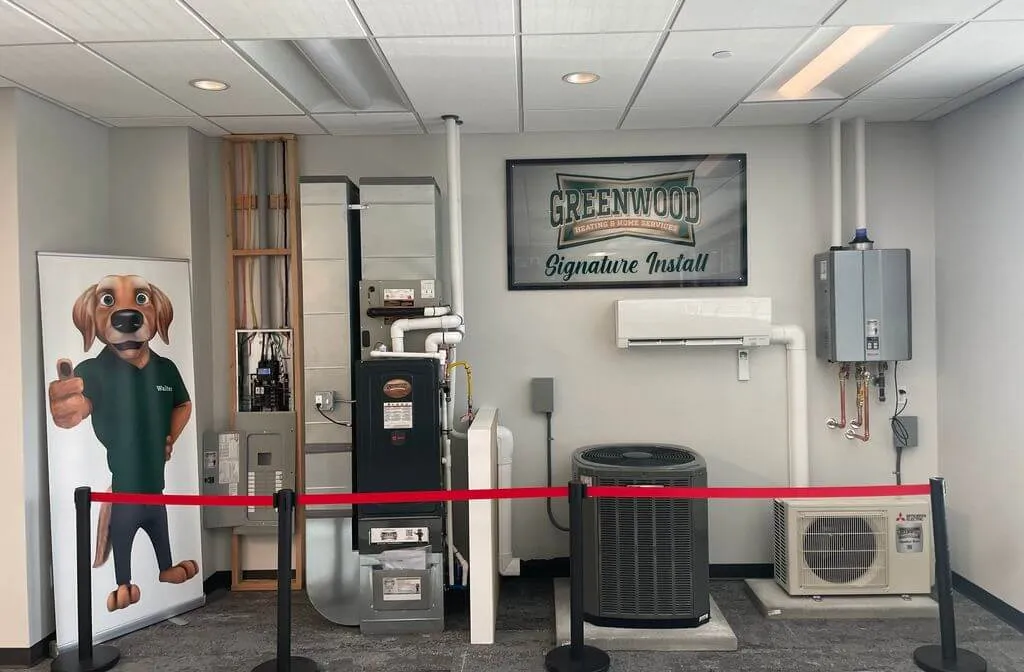
Greenwood Air Conditioning Seattle

Older Homes Face Unique Challenges 

Many Seattle homes were built decades ago, often without cooling systems in mind. Older layouts, insulation levels, and ventilation designs can make homes feel warmer during modern summer conditions. 

Some common challenges include: 

Limited Airflow 

Older homes may have fewer ventilation pathways, making it difficult for warm air to circulate out effectively. Closed floor plans, smaller windows, and limited return airflow can cause heat to become trapped indoors, especially on upper floors or in enclosed rooms. This reduced airflow can make homes feel warmer for longer periods during summer. 

Heat Retention 

Materials used in older construction can hold heat longer, especially after several consecutive warm days. Brick, plaster, and older insulation materials may absorb heat during the day and release it slowly overnight, making it harder for indoor temperatures to cool down naturally. 

Lack of Existing Ductwork 

Some homes were designed only for heating systems, which can limit cooling options today. Homes with radiators, baseboard heating, or minimal ductwork may require alternative solutions such as ductless systems or heat pumps. 

These factors do not necessarily mean cooling upgrades are impossible. Instead, they often require homeowners to evaluate which systems best match their home’s layout and infrastructure. 

More Cooling Options Are Available Today 

Part of the increase in air conditioning adoption comes from the wider variety of systems now available. Homeowners are no longer limited to large central systems alone. 

Modern options may include: 

  • Ductless mini-split systems 
  • Heat pumps with cooling capability 
  • Central air conditioning 
  • Zoned cooling systems 

These options provide more flexibility for homes with different layouts and energy needs. In particular, ductless systems have become popular in homes where adding traditional ductwork would be difficult. 

Because cooling technology has evolved, homeowners can now explore systems that better fit Seattle’s housing styles and climate patterns. 

Heat Pumps Are Becoming More Common 

Heat pumps have gained attention in Seattle because they provide both heating and cooling in one system. During cooler months, they help heat the home. During warmer months, they provide air conditioning. 

This dual functionality appeals to many homeowners looking to improve year-round comfort while consolidating systems. Heat pumps are especially attractive in climates like Seattle’s, where temperatures are often moderate compared to regions with more extreme weather. 

As more homeowners learn about these systems, they are becoming an increasingly common part of conversations about home comfort upgrades. 

Energy Efficiency Still Matters 

Even as air conditioning becomes more common, energy efficiency remains an important consideration for Seattle homeowners. Many people want cooling systems that improve comfort without dramatically increasing energy use. 

Several factors affect efficiency, including: 

  • Window quality 
  • System sizing 
  • Airflow design 
  • Thermostat settings 

Choosing the right system for the home’s size and layout helps support efficient operation. Proper installation and maintenance also play an important role in long-term performance. 

Cooling Is No Longer Seen as Unnecessary 

Years ago, air conditioning in Seattle was sometimes viewed as optional or excessive. That perspective has gradually shifted as temperatures and living patterns have changed. 

Homeowners today often approach cooling differently. Instead of viewing it as a luxury, many now see it as part of maintaining consistent indoor comfort during warmer months. 

This does not mean every home requires central air conditioning. However, it does reflect a growing awareness that Seattle summers may no longer align with the city’s historic reputation for naturally cool indoor conditions. 

Planning Ahead Matters 

As demand for cooling systems grows, homeowners are increasingly planning upgrades before peak summer temperatures arrive. Waiting until a major heat wave can make scheduling more difficult during periods of high service demand. 

Planning ahead allows homeowners to: 

  • Compare cooling options carefully 
  • Evaluate system compatibility 
  • Prepare financially for upgrades 
  • Schedule installation at a convenient time 

It also creates time to assess related factors such as insulation, airflow, and electrical capacity before installation begins. 

What Seattle Homeowners Are Considering Today 

The conversation around cooling has clearly evolved. Homeowners are balancing comfort, efficiency, and practicality in ways that were less common years ago. 

Questions many households now consider include: 

  • How warm does the home become during summer? 
  • Are certain rooms harder to cool? 
  • Is airflow consistent throughout the house? 
  • Would a heat pump provide year-round value? 
  • How often are fans or portable units being used? 

These considerations reflect how indoor comfort expectations are changing across the region. 

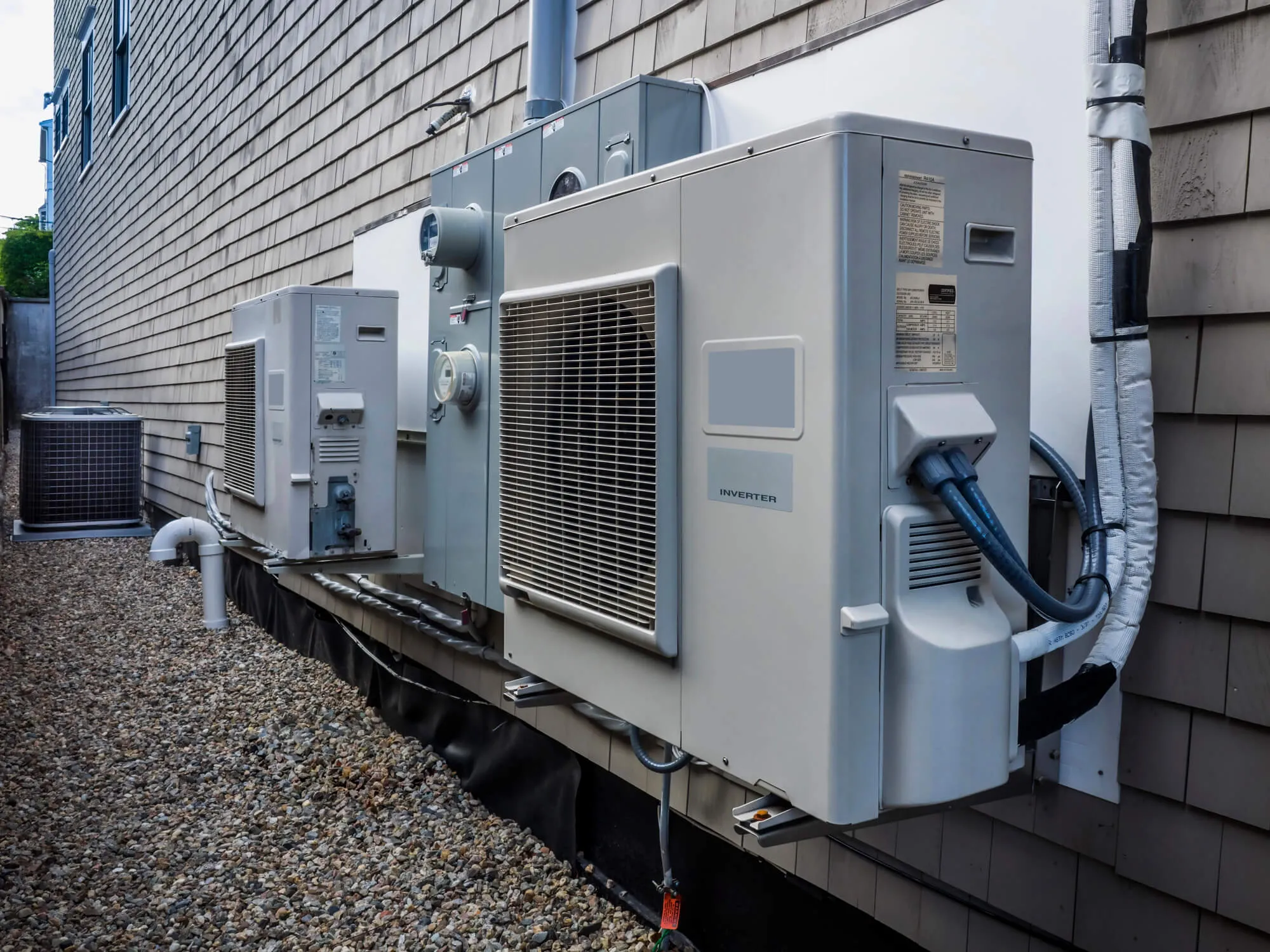
Greenwood offers Air Conditioning Seattle services

Is Air Conditioning in Seattle Becoming the New Normal? 

Seattle may still have fewer air-conditioned homes than many other major cities, but the gap appears to be narrowing. Warmer summers, evolving comfort expectations, and expanded cooling options are influencing how homeowners think about indoor temperatures and long-term planning. 

If your home has become harder to keep comfortable during warmer months, exploring cooling options may help you better understand what systems fit your space and needs. The team at Greenwood Heating & Home Services works with homeowners throughout the Seattle area to evaluate comfort concerns and recommend practical solutions for year-round indoor comfort. Whether you’re considering a ductless system, heat pump, or central cooling upgrade, planning ahead can help you stay more comfortable as Seattle summers continue to change. Contact us today!  

Is It Worth Installing an AC in Seattle?

after Air Conditioner Installation Seattle

Seattle’s mild summers have long made air conditioning optional, especially with temperatures that historically stay within comfortable limits. However, climate trends and recent weather patterns tell a different story—Seattle summers are becoming warmer, and more days now peak at temperatures that can feel uncomfortable without AC. 

If you’re wondering if it’s time to join the growing number of Seattleites who have opted for air conditioner installation in Seattle, here’s what you should consider. 

AC working properly after Air Conditioner Installation Seattle

Seattle’s Changing Climate 

Seattle’s climate is indeed unique, with cool, wet winters and mild summers. But over recent years, the city has seen a significant increase in hot days, especially in July and August, with more frequent heat waves. This shift has left many Seattle residents rethinking AC as a necessity rather than a luxury.  

In 2021, for example, record-breaking temperatures above 100°F led to widespread discomfort and even public health warnings about the heat. Experts anticipate that these high-temperature days may continue, making AC installation a more practical choice for comfort and health. 

AC and Air Quality: A Dual Benefit 

Beyond cooling, air conditioning systems bring a less obvious but highly valuable benefit: improved indoor air quality. AC units filter out common pollutants, allergens, and particulate matter, which is especially helpful in Seattle, where outdoor air quality can be affected by various factors.  

This becomes more relevant during periods of increased pollen in the spring or when construction dust is more prevalent in urban neighborhoods. AC systems help maintain a cleaner and more breathable indoor environment for those with allergies or asthma. 

Additionally, Seattle occasionally experiences smoky air due to wildfires in nearby areas, such as Eastern Washington and parts of Oregon and British Columbia. Winds can carry smoke from these regions into Seattle, creating poor air quality days that can affect everyone, especially those with respiratory issues. Having an AC system with high-efficiency particulate air (HEPA) filters can be a huge relief in these situations. HEPA filters are designed to capture very fine particles, including those from smoke, pollen, and pet dander, ensuring your indoor air remains cleaner and safer during these smoky periods. 

Advanced Filters for Fresher Indoor Air 

Furthermore, modern AC systems often feature additional air filtration technologies like activated carbon filters, which can help reduce indoor odors and some gaseous pollutants. These filters are particularly useful if your home is located near busy streets, where exhaust from traffic can impact air quality.  

AC systems maintain a consistent flow of filtered air, allowing you to keep windows closed during periods of poor outdoor air quality, creating a sealed, comfortable, and healthy indoor space year-round. 

Energy Efficiency and Modern AC Systems 

Seattle’s cooler nights and relatively moderate heat during the day mean AC systems often don’t need to work as hard as they would in hotter cities, especially with newer, energy-efficient models. 

Modern AC systems are built to be energy-conscious, consuming less power while providing effective cooling. Some even include smart thermostats that allow you to remotely control your home’s temperature, ensuring the system only runs when necessary. Plus, innovations like zoning allow you to cool specific parts of your home, further lowering energy consumption and costs. 

Types of AC Systems for Seattle Homes 

Seattle homes are diverse, from craftsman houses to modern apartments, and each type of residence may require a different AC system. Here are a few popular options: 

  • Central AC: Ideal for larger homes, central AC distributes cool air evenly. It’s typically the most comfortable and effective option for full-home cooling but requires ductwork. 
  • Ductless Mini-Split Systems: Mini-splits are cost-effective and energy-efficient for homes without ductwork. They allow cooling of individual rooms and are a great option for smaller spaces or rooms that get particularly warm. 
  • Portable or Window Units: While not as powerful or efficient as the previous options, these can be suitable for small apartments or occasional cooling needs. 

before Air Conditioner Installation Seattle

Why Seattleites Are Opting for AC 

The primary reason many Seattle residents are turning to AC is comfort. Even if Seattle’s heat is only intense for a few weeks, those few weeks can be particularly uncomfortable, especially for families with young children or elderly members. Additionally, the shift toward remote work has left many people at home during peak heat hours, making indoor temperatures uncomfortable even on moderately warm days. 

Investing in AC can also increase your home’s value, as potential buyers appreciate this added comfort feature, especially if warmer summers continue. 

Weighing the Pros and Cons of Installing an AC in Seattle 

Before committing to AC installation, it’s essential to consider both the advantages and potential downsides. While many Seattle residents find AC installation worthwhile, each household has unique needs and preferences. 

Pros of Installing an AC System 

  • Enhanced Comfort During Heat Waves: AC can bring significant relief during climate shifts that lead to more frequent and intense heat waves in Seattle. Instead of relying on fans or temporary cooling solutions, air conditioning maintains a stable, comfortable indoor temperature, allowing you to sleep better, focus on work, and feel at ease even during the hottest days. 
  • Improved Indoor Air Quality: Air conditioning systems, especially those with HEPA filters, can improve indoor air quality by filtering out pollutants, allergens, dust, and even some bacteria. This is especially beneficial during wildfire season when outdoor air quality can drop. For households with members who have respiratory issues, allergies, or asthma, better air quality can provide a noticeable health boost. 
  • Increased Property Value: As Seattle’s climate changes, AC is becoming a more desirable feature for homebuyers. Installing a reliable AC system can increase your home’s market appeal and, potentially, its resale value. Buyers increasingly see AC as a necessity rather than a luxury, making your property stand out in a competitive market. 

Cons of Installing an AC System 

  • Initial Installation Cost: The upfront cost of installing AC can be significant, especially for central systems that require ductwork. While this is often balanced out by comfort and potential long-term benefits, it’s an investment that requires careful budgeting. 
  • Increase in Energy Bills: While energy-efficient models help reduce costs, consistently running the AC will increase your electricity bill noticeably. Seattle’s energy costs may be lower than in hotter regions where AC runs year-round. However, it’s still something to factor into your monthly expenses. 
  • Maintenance Requirements: Like any appliance, AC systems require regular maintenance to keep them running efficiently and prolong their lifespan. You will have to consider the costs of filter changes, system checks, and occasional repairs. This could be a drawback for homeowners who don’t want the added responsibility of maintenance. 

Comparing Cooling Alternatives: Fans, Portable Units, and AC 

While central and ductless AC systems are increasingly popular, it’s helpful to consider other cooling options. Ceiling fans and portable AC units are often the first choice for quick, low-cost cooling. Fans circulate air, creating a breeze that provides temporary relief, but they don’t lower room temperatures. Portable units and window ACs can cool specific spaces but are generally less efficient, noisier, and may struggle to handle extended heat waves effectively. 

In contrast, central or ductless AC systems offer consistent, whole-home cooling with better energy efficiency and quieter operation. Though the initial investment is higher, these systems provide superior comfort and reliability, making them worthwhile for long-term use, especially as Seattle summers continue to warm. 

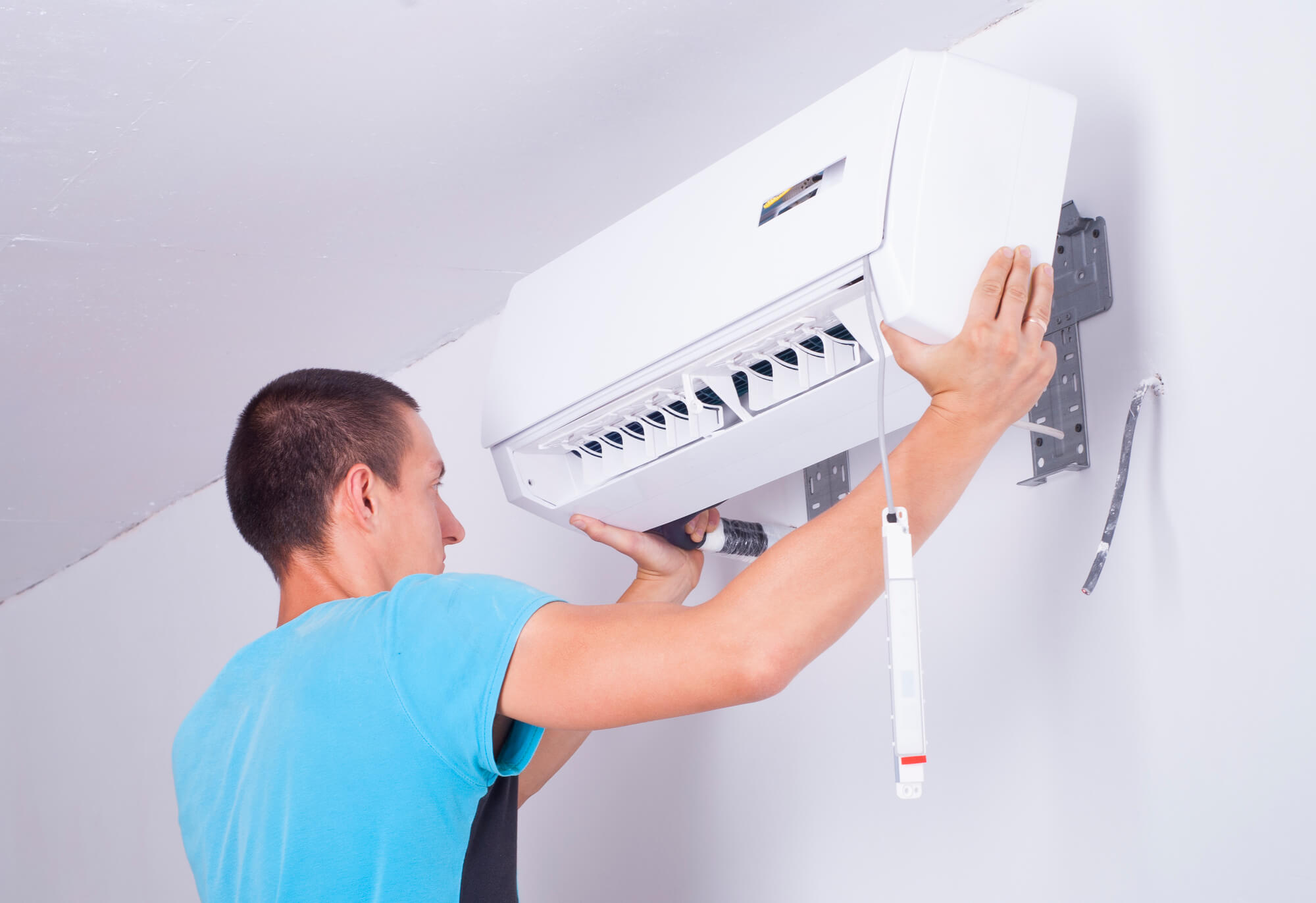
technician during Air Conditioner Installation Seattle

Do You Want to Know More About Air Conditioner Installation in Seattle? 

Ultimately, whether installing an AC in Seattle is worth it comes down to your lifestyle, comfort preferences, and budget. An AC unit can provide a significant quality-of-life improvement for you or your family members who are sensitive to heat or air quality issues. And if you’re planning to stay in your home long-term, this investment might make those warm summer days much more enjoyable.

For Seattle residents ready to take the next step in enhancing their home comfort, Greenwood Heating offers professional AC installation tailored to your home’s needs. Contact us today to explore options that keep you cool and comfortable year-round. 

How Close Can an Air Conditioner Be to Property Line? 

Seattle Air Conditioning

When installing or replacing an air conditioner, one of the most important considerations is where to place the outdoor unit. Homeowners often focus on efficiency and performance, but another aspect is the unit’s proximity to the property line. Many are unaware that local regulations, along with practical considerations, play a role in determining how close your air conditioner can be to the boundary of your property. 

Let’s explore the factors that determine how close an air conditioner can be to property line, the regulations you need to follow for air conditioning in Seattle, and tips for optimal placement. 

Outdoor Unit Seattle Air Conditioning

Why Proper AC Placement Matters 

The placement of your air conditioner is important for several reasons: 

  • Noise Control: Air conditioning units can be noisy, with some models producing up to 60-70 decibels during operation. Placing it too close to your neighbor’s property can lead to noise complaints, potentially causing tension. 
  • Vibration: Units can cause vibrations that may be disruptive to nearby structures, such as decks or fences, if they’re placed too close to property boundaries. 
  • Proper Airflow: Air conditioners need sufficient space around them for adequate airflow. If placed too close to walls, fences, or other structures, airflow may be restricted, which can reduce the unit’s efficiency and lifespan. 
  • Compliance with Regulations: Many local codes and regulations govern how close an AC unit can be to property lines. Violating these regulations can result in fines, forced relocation of the unit, or even legal disputes. 

Factors That Affect How Close an AC Unit Can Be to the Property Line 

  1. Local Zoning Laws and Building Codes

Every city and county has its own set of zoning laws and building codes that regulate property use, including the placement of outdoor equipment like air conditioners. These codes typically specify the minimum distance that must be maintained between your AC unit and the property line. This is often referred to as the “setback requirement.” 

In Seattle, the Department of Construction and Inspections (SDCI) generally requires a minimum setback of 5 feet from side property lines for structures, including AC units. This setback helps to minimize noise, ensure proper airflow, and prevent interference with neighboring properties. It’s important to consult the SDCI or local codes directly to ensure compliance and avoid potential fines or relocation requirements. 

  1. Manufacturer Recommendations

In addition to local regulations, air conditioning manufacturers provide their own guidelines regarding the minimum clearance required around the outdoor unit. These recommendations ensure the system can operate efficiently and without strain. 

  • Typical Clearances: Most manufacturers recommend at least 12 to 24 inches of clearance on all sides of the unit for proper airflow. They may also specify a clearance of 4 to 6 feet above the unit, especially if it’s placed under a deck or awning. 
  • Why Clearances Matter: Adequate clearance around the AC unit allows it to expel heat properly. Without proper ventilation, the system will struggle to cool your home, leading to higher energy bills and potential mechanical failures over time. 
  1. Airflow and Ventilation

Air conditioners rely on free airflow to dissipate heat and keep your home cool. When airflow is obstructed—either by walls, fences, plants, or proximity to the property line—the system’s efficiency drops significantly. A unit that lacks sufficient airflow will overheat, forcing it to work harder and increasing the risk of breakdowns. 

  • Space for Airflow: Make sure there is enough open space around your air conditioning unit to allow proper ventilation. Blocking airflow, even partially, can cause the unit to malfunction or reduce its cooling capacity. 
  • Landscaping Considerations: If you have landscaping near the unit, keep plants, shrubs, and trees trimmed to prevent them from blocking airflow. In some cases, it might be beneficial to install a small barrier, like a lattice screen, to shield the unit from debris while still allowing for airflow. 
  1. Noise Considerations

Air conditioners can generate noise, which can be a nuisance to neighbors if the unit is placed too close to the property line. Most newer units are designed to be quieter than older models, but noise can still be an issue in certain areas, especially in densely populated neighborhoods. 

  • Local Noise Ordinances: Many cities and towns have noise ordinances that limit the amount of sound an air conditioner can emit. These ordinances may require you to install the unit farther from the property line or use noise-reducing barriers if the noise level exceeds certain limits. 
  • Quieter AC Models: If noise is a concern, you may want to consider investing in a model designed for quieter operation. Some manufacturers offer units that produce significantly less noise, making it easier to meet noise ordinances and maintain neighborly peace. 

Air Conditioning in Seattle

  1. Access for Maintenance and Repairs

Another factor to consider when placing your air conditioning unit is accessibility. HVAC technicians need sufficient space to perform routine maintenance tasks, such as cleaning the coils, checking refrigerant levels, and replacing parts. 

  • Maintenance Space: Make sure there’s enough room around the unit for a technician to access all sides easily. Placing the unit too close to a fence, wall, or property line can make it difficult to perform maintenance, potentially leading to higher service costs if the unit is hard to reach. 
  • Professional Installation Advice: When installing a new air conditioner, it’s a good idea to consult with the HVAC technician about the best location for easy access. They can help ensure that the unit is not only compliant with local codes but also placed in a spot where it can be easily serviced. 
  1. Safety Considerations

For units that run on gas or have other safety-related components, there are additional placement considerations to keep in mind. Keeping the unit away from windows, doors, and vents can prevent harmful gases, such as carbon monoxide, from entering the home. 

  • Distance from Windows and Doors: It’s typically recommended to keep the outdoor unit at least 3 to 5 feet away from windows and doors. This minimizes the risk of exhaust fumes entering your home, especially for gas-powered units. 
  • Safety with Electrical Systems: Ensure that the outdoor unit is installed on a level surface and properly grounded. Installing it too close to the property line or any structures can lead to electrical hazards. 

The Consequences of Poor AC Placement 

Failing to follow proper placement guidelines can lead to a range of issues, both for the performance of your air conditioner and your property: 

  • Reduced Efficiency: Poor placement that restricts airflow will cause your AC to work harder, leading to higher energy bills and a shorter lifespan for the unit. 
  • Noise Disputes: Installing the unit too close to a neighbor’s property can result in noise complaints, especially in quieter areas or if the unit runs frequently. 
  • Potential Code Violations: Not adhering to local setback requirements can lead to fines or the need to relocate the unit, which can be a costly and time-consuming process. 
  • Restricted Access: Placing the unit in a difficult-to-reach location can make maintenance harder, increasing the likelihood of issues going unnoticed and repairs becoming more expensive. 

Air Conditioning Seattle

Need Help with the Installation of Air Conditioning in Seattle? We Can Help! 

Correct placement of your air conditioner is essential for both performance and longevity. If you’re installing a new air conditioning unit or relocating an existing one, Greenwood Heating can help you navigate local regulations and choose the ideal spot.  

Our team of experienced technicians in Seattle ensures your AC system is installed correctly, efficiently, and safely. Contact us today to schedule a consultation and keep your home cool and comfortable all year long. 

Do You Need a Professional to Install an Air Conditioner?

Air Conditioner Installation in Seattle

Air conditioners are a blessing on hot days, offering a cool escape when you come home. If you’re considering getting one or replacing an old unit, you might think it’s a simple job – after all, there are plenty of tutorials online. But it’s important to be cautious. Air conditioner installation Seattle isn’t as easy as it seems, and that’s why trusting the experts might be the safer choice. 

Let’s take a closer look at why professional help could make all the difference in ensuring your HVAC cooling system works smoothly. 

close up Air Conditioner Installation in Seattle

What to Know About Air Conditioner Installation 

Air conditioner installation refers to setting up and integrating a Seattle air conditioning system into a building or space to provide cooling and comfort. This involves several steps, including selecting the appropriate unit for the space, preparing the installation site, assembling the components, connecting the necessary electrical and plumbing lines, and testing the system for proper operation. 

DIY Air Conditioner Installation: Pros and Cons 

If you’re thinking about installing an air conditioner on your own, it’s essential to weigh the pros and cons carefully. Here’s a breakdown of the advantages and drawbacks of DIY air conditioner installation: 

Advantages of DIY Installation 

Cost Savings 

DIY installation can save you money by eliminating labor costs associated with hiring a professional installer. With the right tools and materials, you can potentially install the air conditioner at a lower overall cost. 

Flexibility in Scheduling 

DIY installation allows you to work at your own pace and schedule, without having to wait for a professional installer to become available. This flexibility can be beneficial if you have a busy schedule or prefer to tackle home improvement projects on your own time.

Drawbacks of DIY Installation 

Lack of Expertise 

DIY installation may lack the expertise and experience of a professional installer. Without proper training and knowledge of HVAC systems, you may overlook critical installation steps or make mistakes that could affect the performance and longevity of the air conditioner. 

Safety Concerns 

DIY installation poses safety risks, especially when working with electrical components or handling refrigerant. Without proper safety precautions and equipment, you could be at risk of electrical shocks, burns, or exposure to harmful chemicals. 

Potential for Damage to the Unit or Property 

Inexperienced DIY installers may inadvertently damage the air conditioner or property during installation. Mistakes such as improper handling, incorrect placement, or inadequate support can result in damage to the unit, walls, or surrounding structures, leading to costly repairs or replacements. 

Overall, while DIY installation offers potential cost savings and a sense of accomplishment, it also comes with risks and challenges that may outweigh the benefits. You should assess your skills, knowledge, and comfort level before deciding whether to tackle air conditioner installation on your own or enlist the help of a professional. 

Risks of Incorrect Installation 

As you can see, opting for a DIY approach to air conditioner installation may not be the best choice. Apart from the cons mentioned above, there are additional risks associated with incorrect installation that are important to consider. 

Inadequate Cooling Performance 

Improper installation can result in subpar cooling performance, leaving your indoor environment uncomfortably warm. This may occur due to improper sizing, incorrect placement of components, or inadequate airflow, leading to uneven cooling or insufficient temperature regulation throughout your space. 

Increased Energy Consumption 

Incorrectly installed air conditioners often consume more energy than necessary to cool your space. This inefficiency can significantly impact your utility bills, leading to higher energy costs over time. Additionally, excessive energy consumption contributes to environmental issues, such as increased greenhouse gas emissions. 

Refrigerant Leaks 

One of the most significant risks of incorrect installation is the potential for refrigerant leaks. Improper handling or installation of refrigerant lines can result in leaks, which not only compromise cooling efficiency but also pose health and environmental hazards. Refrigerant leaks can expose occupants to harmful chemicals and contribute to ozone depletion if released into the atmosphere. 

Reduced System Lifespan 

Air conditioners that are improperly installed are more prone to premature wear and tear, leading to a shortened lifespan. Components may experience excessive strain or malfunction due to improper installation practices, resulting in the need for costly repairs or early replacement of the entire system. 

Safety Hazards 

Incorrect installation can pose various safety hazards, including electrical issues, fire risks, and indoor air quality concerns. Electrical wiring errors or improper grounding can lead to electrical fires or shock hazards, endangering occupants’ safety. Additionally, inadequate ventilation or combustion air supply can result in indoor air pollution, posing health risks to occupants. Overall, proper installation is essential to mitigate these safety hazards and ensure a safe and comfortable indoor environment. 

worker during Air Conditioner Installation in Seattle

When to Consider Hiring a Professional 

When contemplating air conditioner installation in Seattle, there are several factors to consider that may indicate the need for professional assistance. Here’s when you should consider hiring a professional: 

Complexity of the Installation 

  • Ductwork Requirements: If your installation involves ductwork modifications or additions, it’s best to hire a professional. Properly designing and installing ductwork requires specialized knowledge and equipment to ensure optimal airflow and efficiency. 
  • Electrical Considerations: Air conditioner installation involves electrical wiring and connections, which can be complex and hazardous if not done correctly. A professional electrician can ensure that the electrical components are installed safely and in compliance with building codes. 
  • Proper Sizing and Placement: Determining the correct size and placement of the air conditioner is key for optimal performance and efficiency. Professionals have the expertise to assess your space and recommend the appropriate size and location for the unit to ensure efficient cooling. 

Warranty and Insurance Considerations 

Hiring a professional installer may be necessary to maintain warranty coverage for your air conditioner. Many manufacturers require installation by a licensed professional to validate the warranty. Additionally, professional installation may be required for insurance purposes, ensuring coverage in case of damages or accidents. 

Compliance with Local Building Codes and Regulations 

Professional installers are familiar with local building codes and regulations governing air conditioner installation. They can ensure that the installation meets all requirements and passes inspection, avoiding potential fines or penalties for non-compliance. 

Why You Should Hire a Professional Regardless 

Even after considering specific cases, it’s clear that hiring a professional for air conditioner installation in Seattle is a wise decision. Here’s why: 

Experience and Expertise 

Professional installers have the necessary experience and expertise to handle air conditioner installation efficiently and effectively. They are trained to navigate potential challenges and ensure that the installation is completed to the highest standards, maximizing the performance and lifespan of your air conditioner. 

Assurance of Proper Installation 

Hiring a professional installer provides assurance that your air conditioner is installed correctly. Professionals follow manufacturer guidelines and industry best practices, ensuring that all components are properly installed and function as intended. This reduces the risk of issues such as inadequate cooling, energy inefficiency, or safety hazards associated with improper installation. 

Time-saving and Convenience 

Professional installation saves you time and effort by handling all aspects of the installation process. From assessing your space and recommending the right equipment to completing the installation and testing the system, professionals take care of everything, allowing you to focus on other priorities. Additionally, professional installers have access to specialized tools and equipment, streamlining the installation process and ensuring timely completion. 

on going Air Conditioner Installation in Seattle

Do You Need Air Conditioner Installation in Seattle?

Experience the difference with Greenwood Heating. With over 100 years of trusted service, We are committed to delivering reliable and honest home services. Contact us today for all your heating, cooling, and home service needs. By entrusting your air conditioner installation to professionals like us at Greenwood Heating, you can rest assured that your system will provide reliable cooling for years to come.