




Power outages can happen unexpectedly, whether due to severe weather, utility issues, or other disruptions. When the lights go out, homeowners quickly realize how much they rely on electricity for everyday comfort and safety. Refrigeration, heating systems, medical equipment, internet access, and lighting all depend on a reliable power source.
For many households, backup power has become an important part of emergency preparedness. As more homeowners explore options for protecting their homes during outages, interest in Seattle generator installation continues to grow. Understanding how generators work, the types available, and what installation entails can help homeowners make informed decisions about backup power solutions.
Why Homeowners Consider Generator Installation
A generator provides backup electricity when utility power becomes unavailable. Depending on the type and capacity of the generator, it can power everything from a few essential appliances to large portions of the home. Backup power systems help homeowners maintain access to important equipment during both short-term and extended outages, reducing disruptions when utility service is interrupted. This can be especially valuable for households that rely on refrigeration, heating systems, internet connectivity, medical equipment, or other essential electrical devices.
Common reasons homeowners consider generator installation include:
- Maintaining refrigeration during outages
- Supporting heating systems during colder weather
- Keeping communication devices powered
- Providing electricity for medical equipment
- Reducing disruptions to daily routines
For many families, backup power is less about convenience and more about preparedness and peace of mind.
Understanding Generator Types
Before planning an installation, it helps to understand the most common types of residential generators.
Portable Generators
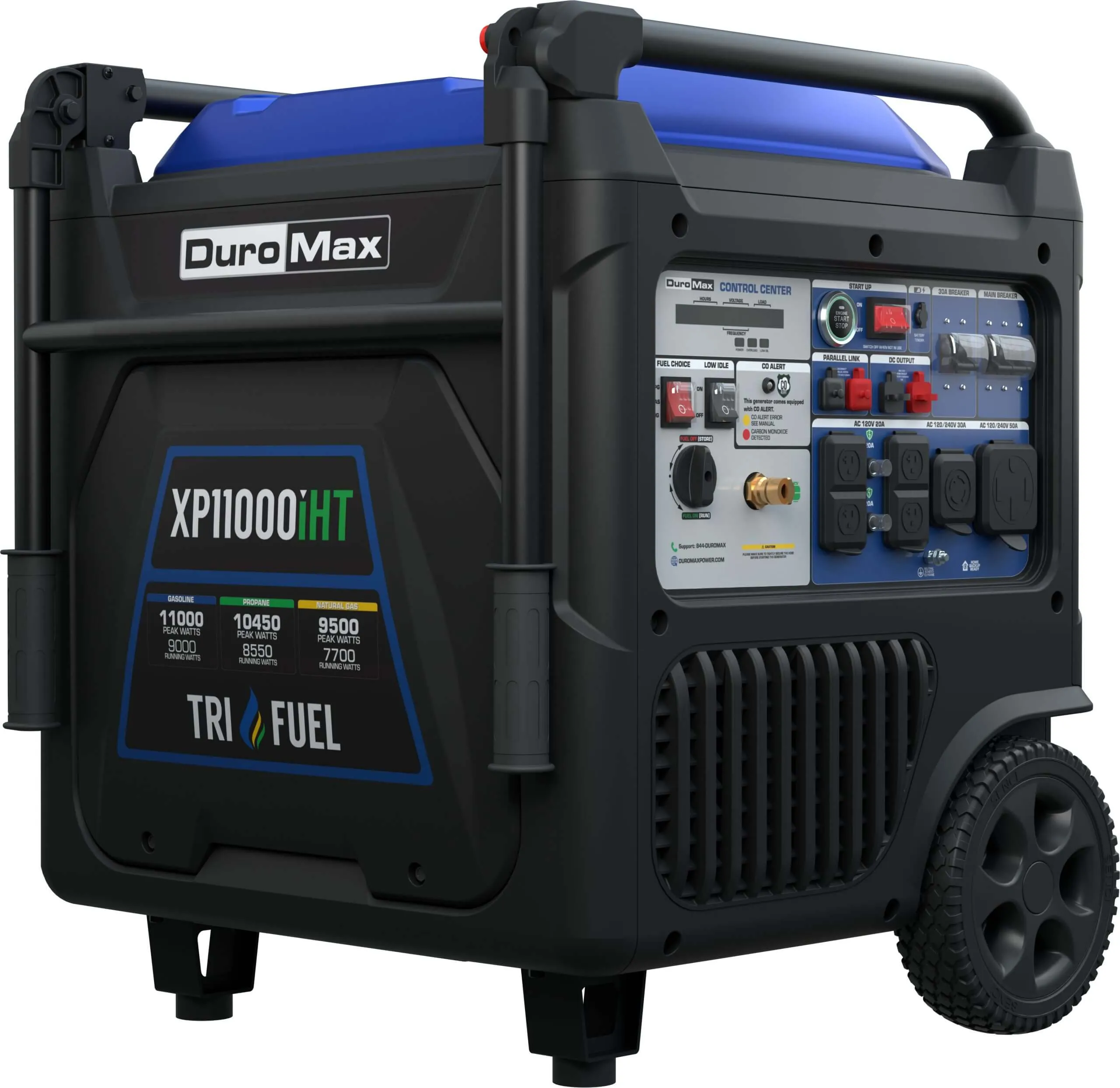
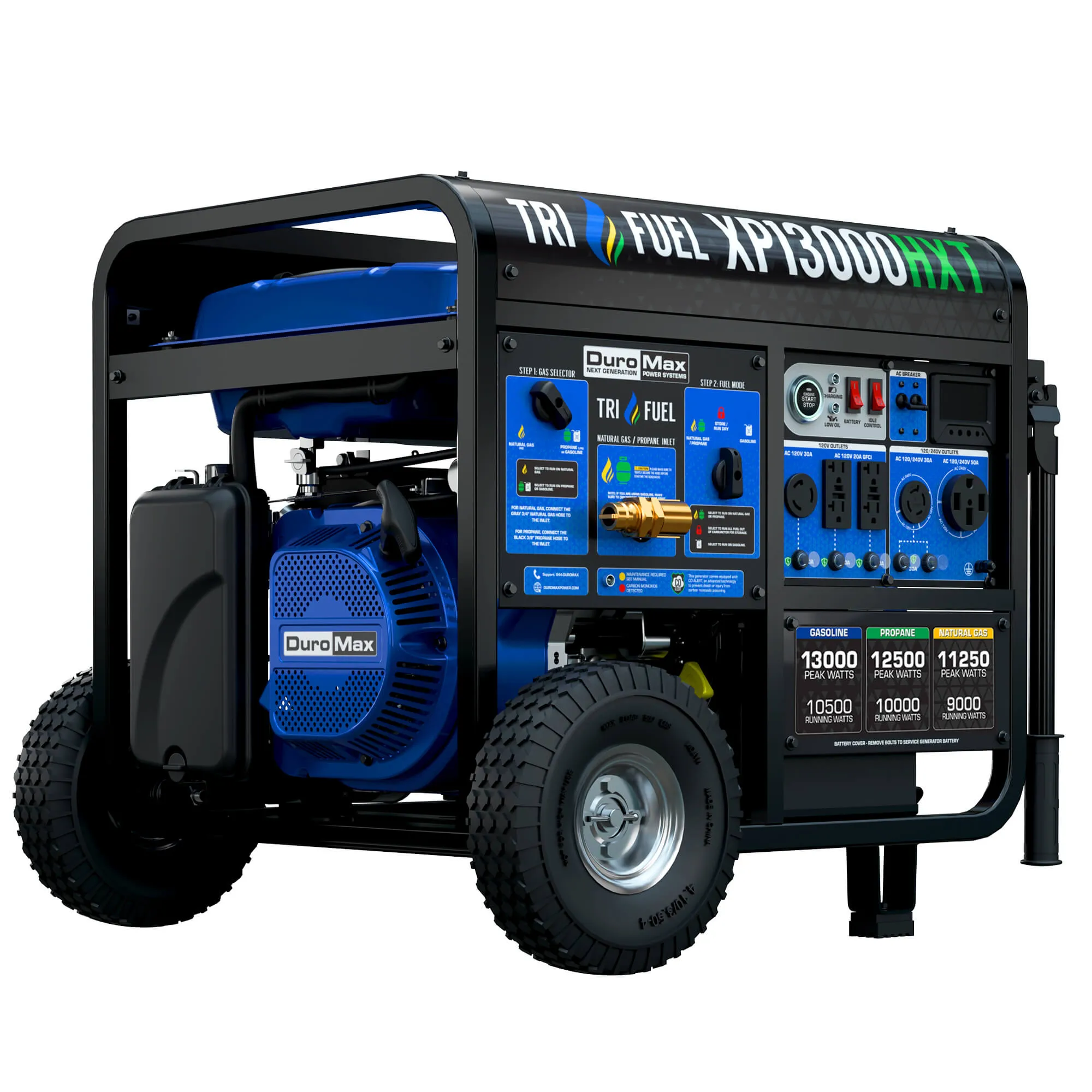
Portable generators are designed to provide temporary backup power. These units can often power essential appliances and selected circuits during outages. They are commonly used to support critical household functions such as refrigeration, lighting, communication devices, and heating equipment when utility power is unavailable.
Portable generators typically:
- Require manual setup
- Use gasoline, propane, or multiple fuel options
- Need safe outdoor placement
- Require manual connection methods
Many homeowners choose portable units as an entry-level backup power solution.
Standby Generators
Standby generators are permanently installed systems that are directly connected to the home’s electrical infrastructure. These systems automatically detect power loss and can start within seconds after an outage occurs.
Benefits often include:
- Automatic operation
- Greater power capacity
- Direct integration with the home’s electrical system
- Long-term reliability
Because standby generators require electrical and fuel system connections, professional installation is essential.
Determining Your Power Needs
One of the most important steps in generator planning is determining how much power your household requires.
Every home has different priorities during an outage. Some homeowners only want to power essential equipment, while others prefer broader coverage.
Common items homeowners may prioritize include:
- Refrigerators and freezers
- Lighting
- Internet equipment
- Medical devices
- Sump pumps
- Security systems
Creating a list of critical appliances helps determine the generator size that best fits the home’s needs. Proper sizing also helps avoid overloading the system during operation.
Choosing the Right Location
Generator placement is a critical part of installation planning. Safety requirements and manufacturer guidelines determine where a unit can be installed.
Generators must be installed outdoors with adequate ventilation. Proper spacing helps reduce fire risks, supports airflow, and allows future maintenance access. Maintaining appropriate clearances around the equipment helps support safe operation and allows technicians to perform inspections, testing, and routine maintenance more easily.
Factors that influence placement include:
- Distance from windows and doors
- Ventilation requirements
- Accessibility for maintenance
- Local code requirements
- Fuel source availability
Proper placement helps support both safe operation and long-term reliability.
Fuel Options for Home Generators
Generators operate using several different fuel sources. The best choice often depends on availability, storage considerations, and homeowner preferences.
Natural Gas
Natural gas generators connect directly to existing utility gas lines when available.
Advantages may include:
- Continuous fuel supply
- Reduced refueling needs
- Convenience during extended outages
Propane
Propane-powered generators use on-site storage tanks.
Benefits may include:
- Long fuel shelf life
- Flexible installation options
- Clean-burning fuel source
Gasoline
Many portable generators use gasoline.
While widely available, gasoline requires safe storage and periodic replacement to maintain fuel quality.
Understanding fuel requirements early helps simplify generator planning and installation decisions.
Why Transfer Switches Matter
A transfer switch is one of the most important components of a generator installation.
Transfer switches safely separate generator power from utility power. This prevents electricity from feeding back into utility lines and helps protect utility workers, the home’s electrical system, and the generator itself.
Depending on the generator type, homeowners may use:
- Manual transfer switches
- Automatic transfer switches
Standby systems commonly use automatic transfer switches that activate when an outage occurs.
Permits and Inspections
Generator installation typically involves electrical work and, in some cases, fuel system connections. As a result, local permits and inspections are often required.
Permits help verify that installations meet applicable safety standards and building requirements. Inspection requirements may vary depending on:
- Generator size
- Fuel type
- Electrical modifications
- Local jurisdiction requirements
Professional installers understand these requirements and can help ensure compliance throughout the installation process.
Preparing Your Home for Installation
Several steps may help streamline the installation process.
Homeowners can prepare by:
- Identifying critical appliances
- Clearing the proposed installation area
- Reviewing fuel availability
- Assessing electrical panel capacity
- Planning future power needs
Thinking beyond immediate requirements can be beneficial. For example, homeowners planning future additions such as electric vehicle charging stations may want to consider future electrical demand during generator planning.
Maintenance Supports Long-Term Reliability
Like any mechanical system, generators require regular maintenance.
Routine service may include:
- Oil changes
- Battery inspections
- Fuel system checks
- Filter replacement
- System testing
Regular maintenance helps verify that the generator will operate properly when needed. Standby generators often perform automatic self-tests, but periodic professional inspections remain important for long-term reliability.
Common Generator Installation Mistakes to Avoid
Understanding common installation challenges can help homeowners plan more effectively and avoid issues that may affect safety, performance, or long-term reliability.
Choosing the Wrong Size
A generator that is too small may not support critical loads during an outage, while an oversized unit may increase costs unnecessarily. Proper sizing helps balance power needs with system efficiency.
Ignoring Clearance Requirements
Generators require adequate spacing and ventilation to operate safely. Installing a unit too close to walls, windows, or other structures can affect airflow and may not meet manufacturer or local code requirements.
Delaying Maintenance
Even new generators require ongoing care to remain ready for emergencies. Routine inspections, testing, and servicing help identify potential issues before an outage occurs.
Overlooking Future Needs
Power requirements often grow over time as homeowners add appliances, home offices, or electric vehicle chargers. Planning ahead can help avoid future upgrades or capacity limitations.
Professional guidance helps reduce these risks and supports a smoother installation experience from planning through long-term operation.
What to Expect During Installation
Generator installation varies depending on the type of system being installed, but the process generally includes:
- Site assessment
- Generator sizing
- Equipment selection
- Permit review
- Electrical connections
- Transfer switch installation
- Testing and verification
The goal is to create a backup power system that operates safely and supports the home’s essential electrical needs during outages.

Ready to Explore Seattle Generator Installation for Your Home?
A generator can provide valuable backup power during unexpected outages and help keep essential systems operating when utility service is interrupted. Whether you’re considering a portable generator for basic coverage or exploring a more comprehensive standby system, proper planning and installation play a major role in long-term performance and safety.
Our team at Greenwood Heating & Home Services provides electrical expertise, generator installation guidance, and backup power solutions designed around your home’s specific needs. If you’re considering Seattle generator installation, scheduling a consultation can help you understand your options and prepare your home for greater peace of mind when the next outage occurs.




No comment yet, add your voice below!