


Power Up for Peace of Mind: Seattle Generator Installation Guide

professional Seattle Generator Installation service

Power outages can happen unexpectedly, whether due to severe weather, utility issues, or other disruptions. When the lights go out, homeowners quickly realize how much they rely on electricity for everyday comfort and safety. Refrigeration, heating systems, medical equipment, internet access, and lighting all depend on a reliable power source.

For many households, backup power has become an important part of emergency preparedness. As more homeowners explore options for protecting their homes during outages, interest in Seattle generator installation continues to grow. Understanding how generators work, the types available, and what installation entails can help homeowners make informed decisions about backup power solutions.
Seattle Generator Installation

Why Homeowners Consider Generator Installation

A generator provides backup electricity when utility power becomes unavailable. Depending on the type and capacity of the generator, it can power everything from a few essential appliances to large portions of the home. Backup power systems help homeowners maintain access to important equipment during both short-term and extended outages, reducing disruptions when utility service is interrupted. This can be especially valuable for households that rely on refrigeration, heating systems, internet connectivity, medical equipment, or other essential electrical devices.

Common reasons homeowners consider generator installation include:

  • Maintaining refrigeration during outages
  • Supporting heating systems during colder weather
  • Keeping communication devices powered
  • Providing electricity for medical equipment
  • Reducing disruptions to daily routines

For many families, backup power is less about convenience and more about preparedness and peace of mind.

Understanding Generator Types

Before planning an installation, it helps to understand the most common types of residential generators.

Portable Generators

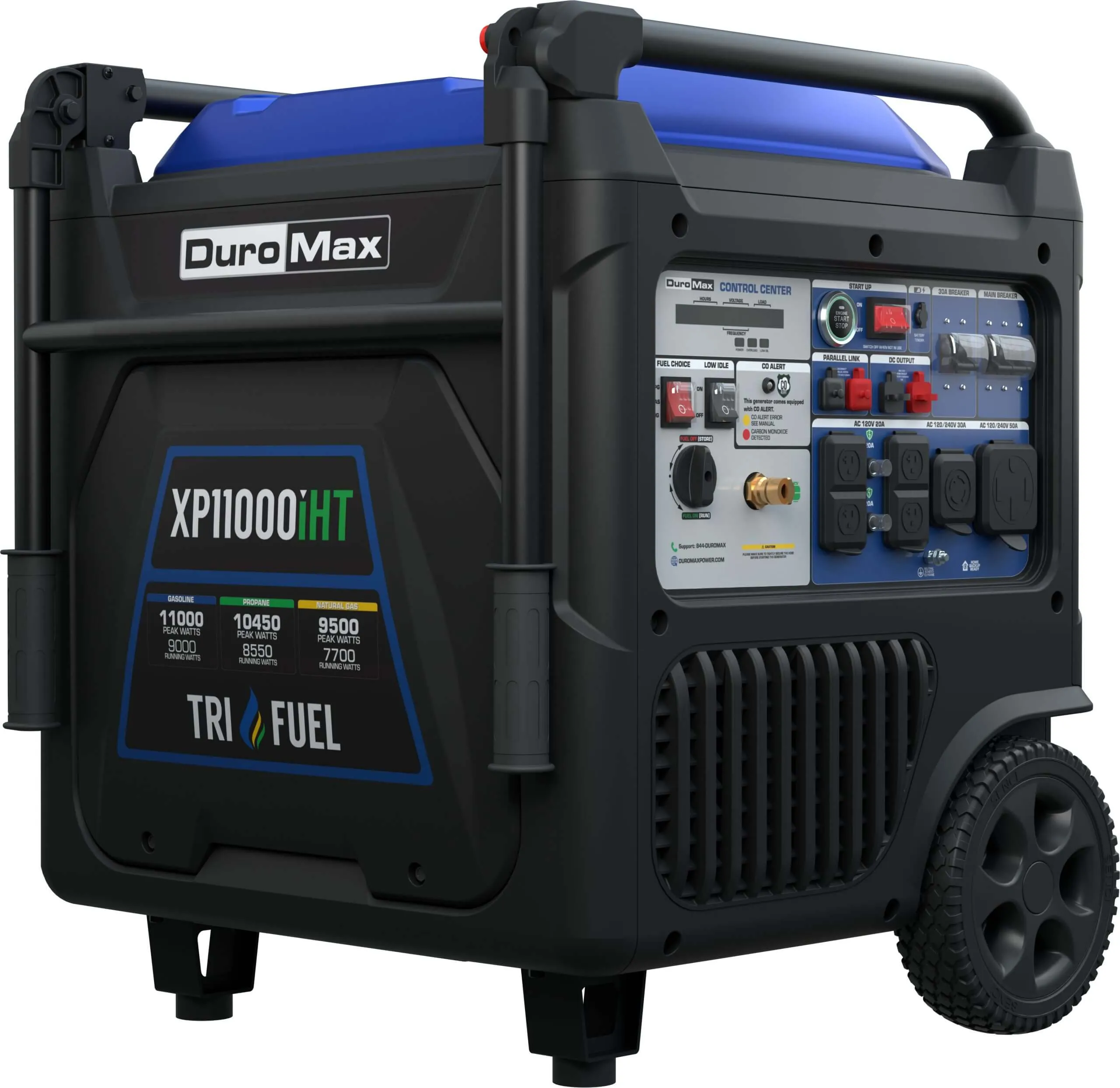
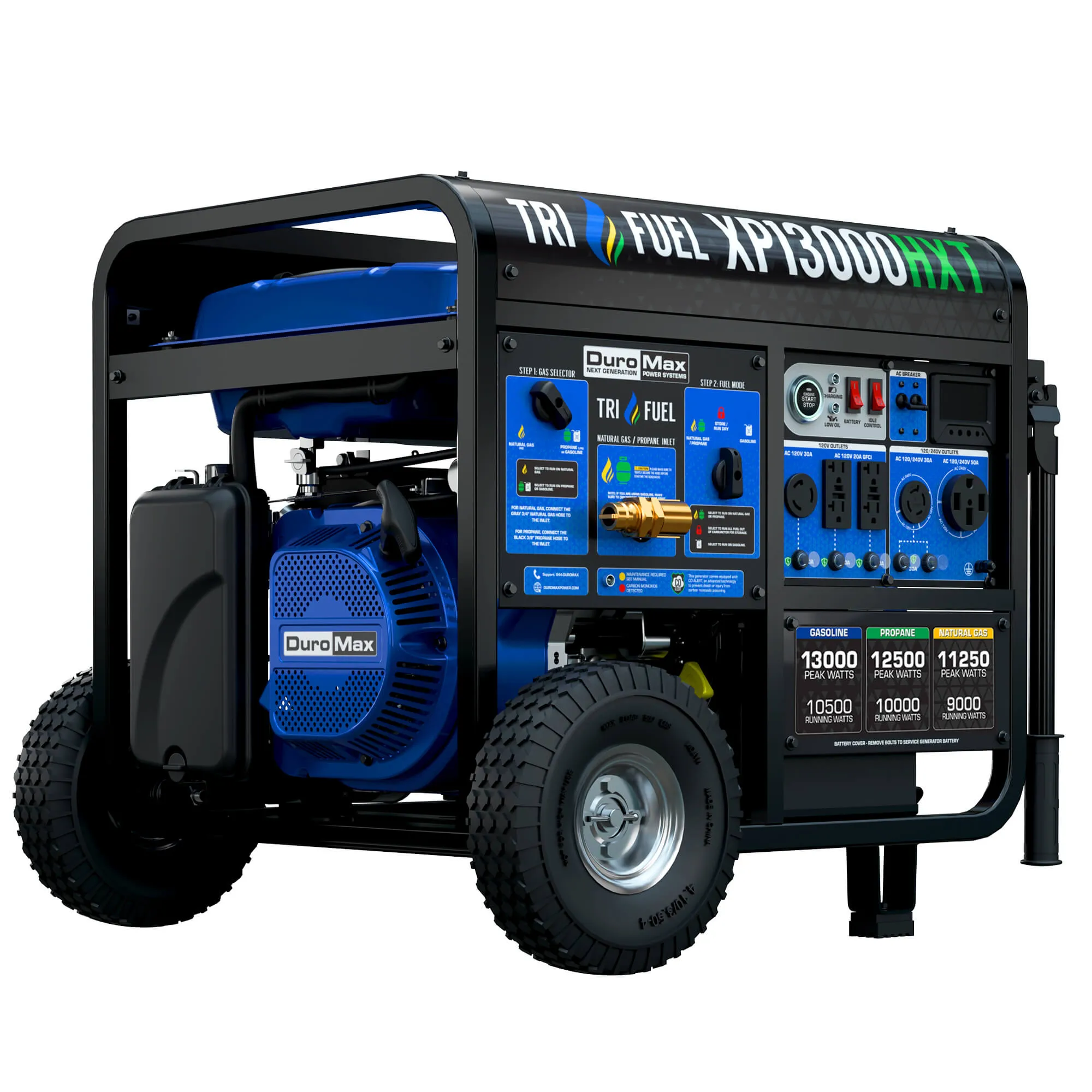
Portable generators are designed to provide temporary backup power. These units can often power essential appliances and selected circuits during outages. They are commonly used to support critical household functions such as refrigeration, lighting, communication devices, and heating equipment when utility power is unavailable.

Portable generators typically:

  • Require manual setup
  • Use gasoline, propane, or multiple fuel options
  • Need safe outdoor placement
  • Require manual connection methods

Many homeowners choose portable units as an entry-level backup power solution.

Standby Generators

Standby generators are permanently installed systems that are directly connected to the home’s electrical infrastructure. These systems automatically detect power loss and can start within seconds after an outage occurs.

Benefits often include:

  • Automatic operation
  • Greater power capacity
  • Direct integration with the home’s electrical system
  • Long-term reliability

Because standby generators require electrical and fuel system connections, professional installation is essential.

Determining Your Power Needs

One of the most important steps in generator planning is determining how much power your household requires.

Every home has different priorities during an outage. Some homeowners only want to power essential equipment, while others prefer broader coverage.

Common items homeowners may prioritize include:

  • Refrigerators and freezers
  • Lighting
  • Internet equipment
  • Medical devices
  • Sump pumps
  • Security systems

Creating a list of critical appliances helps determine the generator size that best fits the home’s needs. Proper sizing also helps avoid overloading the system during operation.

Choosing the Right Location

Generator placement is a critical part of installation planning. Safety requirements and manufacturer guidelines determine where a unit can be installed.

Generators must be installed outdoors with adequate ventilation. Proper spacing helps reduce fire risks, supports airflow, and allows future maintenance access. Maintaining appropriate clearances around the equipment helps support safe operation and allows technicians to perform inspections, testing, and routine maintenance more easily.

Factors that influence placement include:

  • Distance from windows and doors
  • Ventilation requirements
  • Accessibility for maintenance
  • Local code requirements
  • Fuel source availability

Proper placement helps support both safe operation and long-term reliability.

Fuel Options for Home Generators

Generators operate using several different fuel sources. The best choice often depends on availability, storage considerations, and homeowner preferences.

Natural Gas

Natural gas generators connect directly to existing utility gas lines when available.

Advantages may include:

  • Continuous fuel supply
  • Reduced refueling needs
  • Convenience during extended outages

Propane

Propane-powered generators use on-site storage tanks.

Benefits may include:

  • Long fuel shelf life
  • Flexible installation options
  • Clean-burning fuel source

Gasoline

Many portable generators use gasoline.

While widely available, gasoline requires safe storage and periodic replacement to maintain fuel quality.

Understanding fuel requirements early helps simplify generator planning and installation decisions.
Seattle Generator Installation 1

Why Transfer Switches Matter

A transfer switch is one of the most important components of a generator installation.

Transfer switches safely separate generator power from utility power. This prevents electricity from feeding back into utility lines and helps protect utility workers, the home’s electrical system, and the generator itself.

Depending on the generator type, homeowners may use:

  • Manual transfer switches
  • Automatic transfer switches

Standby systems commonly use automatic transfer switches that activate when an outage occurs.

Permits and Inspections

Generator installation typically involves electrical work and, in some cases, fuel system connections. As a result, local permits and inspections are often required.

Permits help verify that installations meet applicable safety standards and building requirements. Inspection requirements may vary depending on:

  • Generator size
  • Fuel type
  • Electrical modifications
  • Local jurisdiction requirements

Professional installers understand these requirements and can help ensure compliance throughout the installation process.

Preparing Your Home for Installation

Several steps may help streamline the installation process.

Homeowners can prepare by:

  • Identifying critical appliances
  • Clearing the proposed installation area
  • Reviewing fuel availability
  • Assessing electrical panel capacity
  • Planning future power needs

Thinking beyond immediate requirements can be beneficial. For example, homeowners planning future additions such as electric vehicle charging stations may want to consider future electrical demand during generator planning.

Maintenance Supports Long-Term Reliability

Like any mechanical system, generators require regular maintenance.

Routine service may include:

  • Oil changes
  • Battery inspections
  • Fuel system checks
  • Filter replacement
  • System testing

Regular maintenance helps verify that the generator will operate properly when needed. Standby generators often perform automatic self-tests, but periodic professional inspections remain important for long-term reliability.

Common Generator Installation Mistakes to Avoid

Understanding common installation challenges can help homeowners plan more effectively and avoid issues that may affect safety, performance, or long-term reliability.

Choosing the Wrong Size

generator that is too small may not support critical loads during an outage, while an oversized unit may increase costs unnecessarily. Proper sizing helps balance power needs with system efficiency.

Ignoring Clearance Requirements

Generators require adequate spacing and ventilation to operate safely. Installing a unit too close to walls, windows, or other structures can affect airflow and may not meet manufacturer or local code requirements.

Delaying Maintenance

Even new generators require ongoing care to remain ready for emergencies. Routine inspections, testing, and servicing help identify potential issues before an outage occurs.

Overlooking Future Needs

Power requirements often grow over time as homeowners add appliances, home offices, or electric vehicle chargers. Planning ahead can help avoid future upgrades or capacity limitations.

Professional guidance helps reduce these risks and supports a smoother installation experience from planning through long-term operation.

What to Expect During Installation

Generator installation varies depending on the type of system being installed, but the process generally includes:

  • Site assessment
  • Generator sizing
  • Equipment selection
  • Permit review
  • Electrical connections
  • Transfer switch installation
  • Testing and verification

The goal is to create a backup power system that operates safely and supports the home’s essential electrical needs during outages.
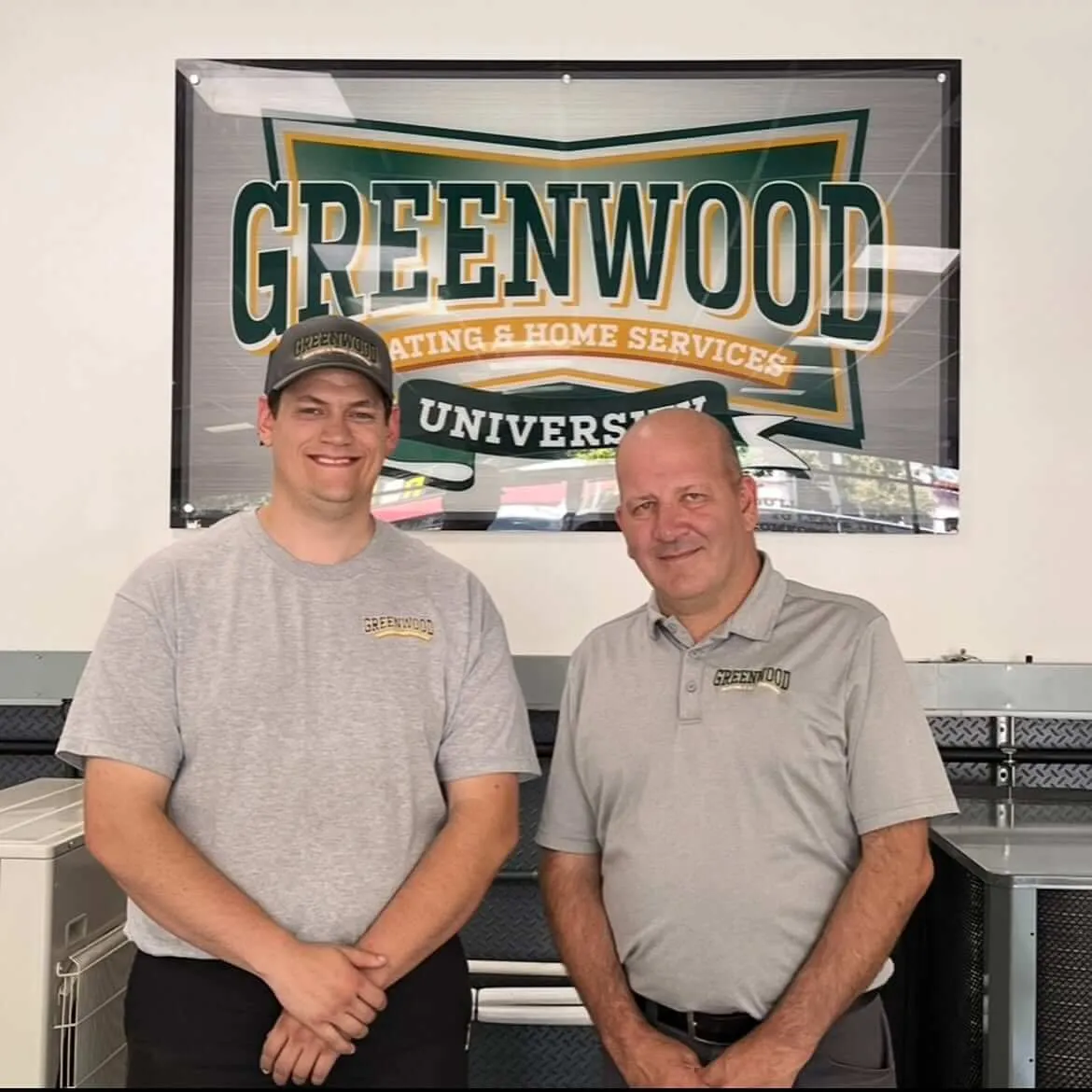
the people behind Seattle Generator Installation

Ready to Explore Seattle Generator Installation for Your Home?

A generator can provide valuable backup power during unexpected outages and help keep essential systems operating when utility service is interrupted. Whether you’re considering a portable generator for basic coverage or exploring a more comprehensive standby system, proper planning and installation play a major role in long-term performance and safety.

Our team at Greenwood Heating & Home Services provides electrical expertise, generator installation guidance, and backup power solutions designed around your home’s specific needs. If you’re considering Seattle generator installation, scheduling a consultation can help you understand your options and prepare your home for greater peace of mind when the next outage occurs.

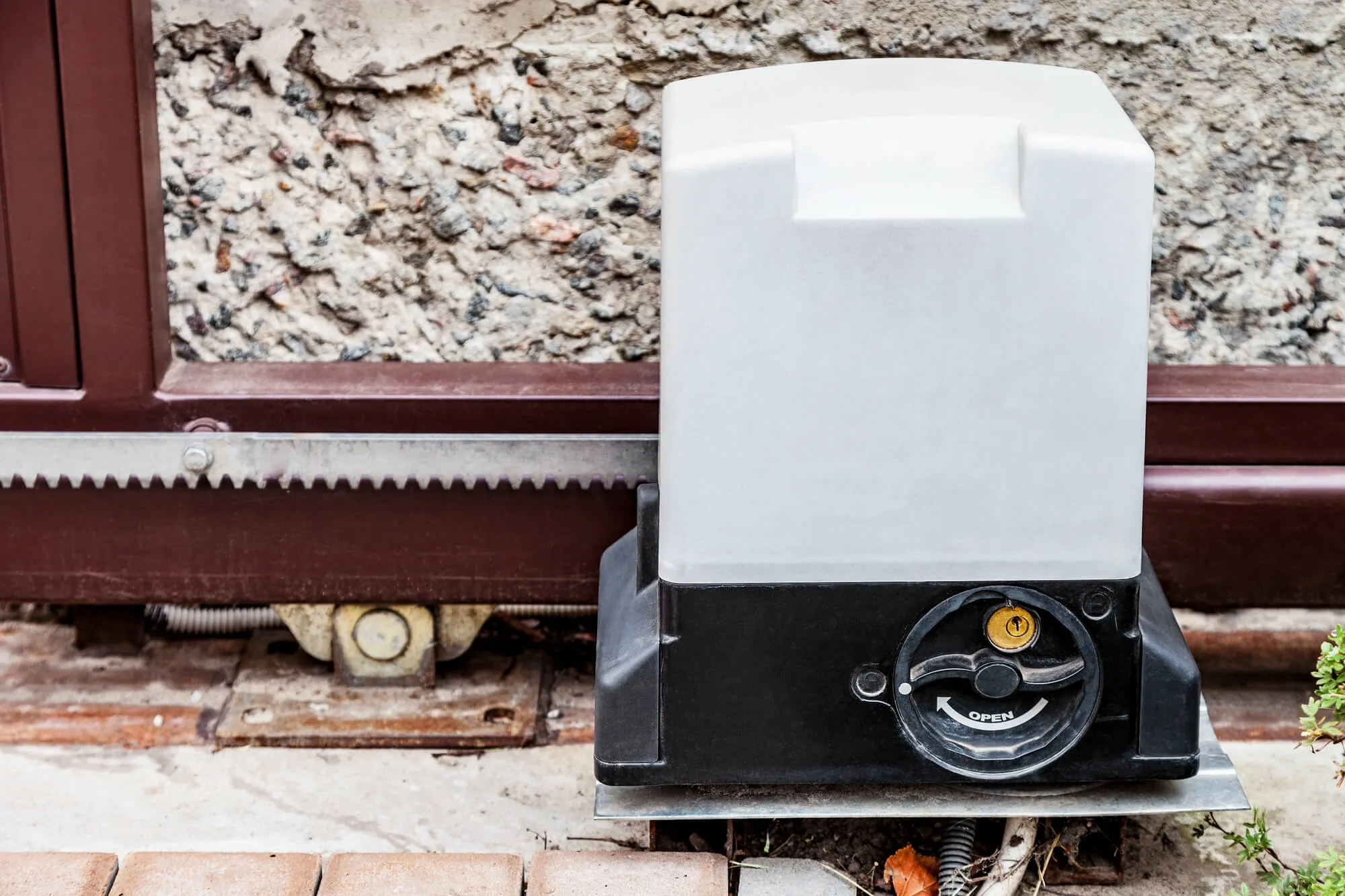
Top Mistakes to Avoid During Generator Installation

Installing a generator is one of the smartest ways to protect your home against Seattle’s unpredictable weather and frequent power outages. However, like any major home upgrade, installation must be done correctly. Mistakes during this process can impact everything from the safety of your generator’s operation to its reliability when you need it most. 

Here are ten of the most common Seattle generator installation mistakes homeowners make and how to avoid them. 

reliable Seattle Generator Installation

1. Choosing the Wrong Generator Size

Many homeowners guess how much power they need, but choosing the wrong size is one of the most common errors. A generator that’s too small can’t keep up with your basic needs during an outage. A unit that’s too large wastes energy and may require a costlier setup.  


Sizing a generator isn’t just about total wattage; it’s about understanding which appliances you want to run and how they draw power. A professional installer can calculate your home’s power load and recommend a generator that fits your current use and future needs without overloading your system.

2. Skipping the Load Calculation

Proper load calculation ensures your generator runs safely and efficiently. This process accounts for the startup wattage of major appliances such as refrigerators, HVAC units, or sump pumps—which can be significantly higher than their running wattage. Without this calculation, your generator may trip or overload when multiple devices start up simultaneously.  


It also helps determine how power will be distributed across your circuits. Skipping this step can result in shutdowns or damage to sensitive electronic components. A licensed technician will measure peak loads to ensure smooth operation across all essential systems.

3. DIY Installation Without Permits

Generator installation is not a weekend DIY job. It involves electrical wiring, fuel line installation, ventilation planning, and strict adherence to code compliance. Failing to obtain required permits or skipping professional installation can result in city fines, failed inspections, and even denied insurance claims. Worse, improperly wired systems can become fire hazards.  

In Seattle, generator installations must follow local building codes, fire codes, and utility guidelines. Hiring a licensed electrician and obtaining the correct permits protects your home, ensures safe operation, and prevents future legal or insurance issues associated with faulty installation.

4. Poor Generator Placement

Generator placement is more than a convenience decision. Put it too close to windows, vents, or doors, and you risk carbon monoxide entering your home. Too far, and you’ll increase the cost of extending fuel lines and electrical wiring. Generators also need to be placed on a level, stable surface to prevent vibration or tipping.  

A qualified installer will assess proximity to your home, local zoning laws, required setbacks, and fuel access points. The right location keeps your family safe and reduces complications during fuel delivery, maintenance, or emergencies.

5. Ignoring Ventilation and Clearance Needs

Generators generate heat and exhaust gases, and they need space to release both. Installing a generator in a tight alcove, against a fence, or surrounded by shrubs can restrict airflow and create overheating risks. National codes and manufacturer guidelines typically require 3 to 5 feet of clearance on all sides of the equipment.   

Sufficient ventilation prevents engine damage, reduces fire risk, and improves the unit’s lifespan. It also ensures service teams can access the unit for inspections and repairs. Always allow room for air circulation and future maintenance.

6. Neglecting the Transfer Switch

A transfer switch safely transfers your home’s electrical load from the utility grid to your generator. Without one, you risk dangerous back-feeding—electricity flowing into utility lines, which endangers linemen and neighbors. Skipping the switch or wiring it improperly can also damage your generator or appliances.  

An automatic transfer switch (ATS) is the safest option for most homes—it detects an outage, starts the generator, and automatically transfers power. Once grid power returns, it switches back. Proper transfer switch installation is a non-negotiable part of any standby generator system.

Seattle Generator Installation

7. Using Incompatible Fuel Types

Generators typically run on natural gas, propane, or diesel. However, not all homes or locations are suitable for each type. Natural gas is convenient if your home is already connected, but it may be vulnerable during widespread outages. Propane requires on-site storage and monitoring. Diesel is effective but less common for residential systems and needs careful handling.  

Choosing a fuel source without considering supply chain access, weather events, and long-term storage needs can leave you in the dark. Work with your installer to select a reliable and accessible fuel option for your area.

8. Not Planning for Routine Maintenance

Generators need regular servicing, just like your car. Over time, oil breaks down, filters clog, and batteries lose charge. A generator that sits unused for months (or years) may fail during the one time you need it. Routine maintenance includes oil changes, load testing, battery checks, and cleaning. Skipping these tasks leads to decreased efficiency or total failure. A smart solution is to partner with a service provider that offers scheduled maintenance plans. They’ll keep your system tested, fuel lines checked, and components in top shape—so it’s ready when you need it.

9. Forgetting to Notify the Utility Company

In most areas, including Seattle, connecting a standby generator to your home’s main electrical panel requires notifying your utility provider. This step ensures that your system complies with local regulations and that the utility is aware of your generator’s capability to backfeed the grid. Some providers require inspection or pre-approval before activation can occur.  

Failing to acknowledge this notification can create legal or safety issues, especially when linemen are working on power lines during an outage. Always check with your utility and your installer to confirm the correct procedures are followed. 

10. Failing to Testthe System 

Even a professionally installed generator needs testing under real conditions. Failing to run a system check means you won’t know whether the generator switches on, powers essential systems, or handles your home’s load. Ideally, your generator should be tested monthly and load-tested annually. These tests confirm fuel flow, switch functionality, and power delivery across circuits. Skipping this crucial step may leave you scrambling during an outage. Regular testing provides peace of mind that your backup power system is reliable and ready to function when needed. 

Why Professional Installation Matters 

Generator installation brings together electrical work, fuel connections, safety controls, and structural considerations. Each element must work in sync, and even small errors can result in power failures, equipment damage, or safety hazards. Licensed professionals oversee the entire installation process, from load calculations and site placement to permitting, inspections, and final system testing and commissioning. They follow electrical and fuel codes designed to protect your home and everyone in it.  

Professional installation also supports warranty requirements and reduces the risk of insurance issues later. Whether the goal is to keep heating systems running, support medical equipment, or maintain essential lighting and appliances, a properly installed generator provides dependable performance during outages. That level of reliability stems from careful planning, precise execution, and experienced oversight throughout the entire process. 

Seattle Generator Installation and maintenance

Need Help With Seattle Generator Installation? 

A generator is more than just backup power; it’s a long-term investment in your home’s resilience. Avoiding these ten common mistakes can help you maximize your investment, minimize repair costs, and safeguard your household during storms. 

For families in the Seattle area, backup power is a smart move. However, how it’s installed makes all the difference—partner with a trusted team that prioritizes safety, quality, and long-term support. 

Greenwood Heating has been serving the Seattle area for over 100 years, helping homeowners protect what matters most. Our licensed electricians and generator experts handle every aspect of your installation—safely, correctly, and with your family’s comfort in mind. 

Let us help you prepare your home for the next outage. Schedule a consultation today. 


How to Prepare Your Home for Generator Installation

ongoing seattle generator installation

When the power goes out, life can suddenly come to a standstill. From flickering lights to a fridge full of spoiled food, the inconvenience is just the beginning. This is why having a generator is more than just a luxury; it’s a safeguard for your home and sanity.  

But before basking in the assurance of continuous power, here’s an essential first step: preparing your home for Seattle generator installation. Whether you opt for a portable model or a more permanent standby unit, properly setting the stage is crucial for a smooth installation. 

In this guide, we’ll break down everything you need to do, from picking the perfect spot for your generator to the little details that make the installation day a breeze. Let’s walk you through the process so you’re all set for a smooth, hassle-free generator installation.  

person during power outage needs seattle generator installation

Step 1: Choosing the Right Spot 

First things first, decide where your generator will live. Beyond convenience, an ideal place is somewhere safe and accessible for the installation team. If you’re going for a gas-powered unit, think about proximity to your electrical panel and gas lines. 

Keep the generator away from bedrooms and busy areas to keep the noise down, and remember to respect local codes. They usually require generators to sit a few feet away from the house and clear of any windows or vents to prevent those exhaust fumes from creeping in. 

Check with local codes to see the specific requirements for your area. This little bit of homework will save you time and trouble when it’s time for the actual installation. Plus, getting it right the first time means you won’t have to pay to move it later! 

Step 2: Clearing the Deck 

Once you’re satisfied with your chosen area, it’s time to get it ready. That way, you’ll give your generator room to breathe and operate without hassle.  

Start by clearing away any debris, bushes, or low-hanging branches. Aim for a clean, open space where your installers can move around freely without tripping over your garden hose. 

To keep your generator running efficiently and lasting longer, the ground beneath the generator should be solid and level. This might require some landscaping or even a concrete pad for the generator to rest on.  

If this sounds a bit like preparing for a minor backyard project, well, that’s because it is! Sometimes, it’s worth calling in some extra muscle, especially if you’re considering a standby generator, which is more of a permanent fixture. Having professionals lay down a proper foundation can help avoid any operational issues and ensure your generator is set up under the best conditions possible. 

Step 3: Coordinating with the Pros 

For most homeowners, generator installation isn’t a DIY job. It involves electrical work, handling fuel sources, and adhering to strict safety codes – definitely something for the pros!  

Find a reputable company that specializes in generator installation. Beyond installation, they can also assist you in the initial assessments and obtaining any necessary permits from your local authorities. 

When you set up your installation appointment, be clear about the scope of the work and ensure they know what to expect when they arrive. If your home has special considerations like limited access or specific local codes, discuss these beforehand to avoid day-of surprises. A good chat with these experts can equip you with all the know-how you need when the power goes out.  

Step 4: Handling the Electrical and Fuel Setup 

Before your generator can light up your house during a blackout, it should be properly and safely connected to your electrical system and fuel supply. This is where the real technical stuff kicks in and why having seasoned professionals on your team is vital. They’ll handle the complex wiring and make sure everything’s up to code. 

The key player here is the transfer switch, as its role is to safely switch your home’s power source from the grid to the generator when needed. It also prevents backfeeding, which is electricity going the wrong way down the lines, a serious hazard for utility workers and your electronics. Your generator installation team will set this up. 

The fuel setup is equally important. Whether your generator runs on natural gas, propane, or diesel, making sure it has a reliable fuel source is critical. If it’s connected to your home’s natural gas line, the installation needs to be leak-proof and meet all local codes to ensure safety and efficiency.  

Step 5: Securing Permits and Inspections 

You might not think about permits and inspections when dreaming about uninterrupted power during a storm, but they’re a key part of any generator installation process. Most localities require homeowners to pull permits before installing a generator to ensure everything is installed according to safety standards.  

While your installation company will likely handle the heavy lifting here, staying in the loop is best. Reach out to your local building department to find out what you need to keep you and your property safe. 

Once everything is installed, an inspector might stop by to check out your setup to make sure everything’s up to snuff. Passing inspection means you’re all set, and you can rest easy knowing your generator is safe and ready to handle whatever Mother Nature throws your way. 

Step 6: Running a Full System Check 

After your generator is all set up and officially approved, there’s just one more step before you can declare yourself storm-ready: the full system check. This is the final run-through to give you the green light that everything’s in perfect working order.  

Your Seattle generator installation team will fire up the generator, making sure it transitions smoothly from utility power to generator power and back again. They’ll check every aspect, from electrical outputs to fuel intake. This test run is essential, as it helps catch any issues before you find yourself in a real blackout situation. 

You can also use this as an opportunity to learn the ropes. Pay attention as the installers show you how to operate the generator, from starting it up to shutting it down safely. Don’t hesitate to ask questions as well. Knowing how to manage your generator makes you more prepared and a lot more confident handling it on your own. 

seattle generator installation

Looking for a Trusted Team for Seattle Generator Installation? 

And there you have it – your complete guide to getting your home ready for a smooth generator installation.  

We’ve covered everything from picking the perfect spot and prepping the area to the nitty-gritty of electrical and fuel connections. We also navigated the maze of permits and inspections and topped it off with a full system check to make sure your generator is ready to step up when you need it most. 

Remember, installing a generator is more than just adding a piece of an appliance; it’s about investing in peace of mind. It’s about not having to worry when the skies darken and the winds pick up. With your new generator, you’ll be the house on the block with the lights still on, the fridge humming, and the heat cranking, no matter what Mother Nature throws your way. 

Ready to make this smart move and brace your abode for any power outage? Choose Greenwood Heating and Home Services for your Seattle generator installation. We’re not just experts at what we do; we’re also committed to making sure your installation is as smooth and stress-free as possible.  

So, why wait? Get in touch with us today, and let’s light up your home with reliability and safety!

The Role of Backup Generators

The Role of Backup Generators

The Role of Backup Generators

The Role of Backup Generators in Ensuring Power During Outages

The Role of Backup Generators

In the dynamic and unpredictable world we live in, power outages are an inconvenient reality. Whether caused by severe weather, technical malfunctions, or unforeseen events, the impact on our daily lives can be significant. To address this challenge, many homeowners are turning to backup generators as a reliable solution. In this blog, we’ll explore the vital role of backup generators in ensuring continuous power supply during outages, drawing on the expertise of our team at Greenwood Heating and Home Services in Seattle.

The Need for Reliable Power

Seattle, like many other regions, experiences its fair share of inclement weather, including storms, heavy rainfall, and wind. These environmental factors can lead to power outages, disrupting our routines and potentially causing damage to electronic devices and appliances. Businesses also face the risk of financial losses due to downtime. In such scenarios, having a backup generator can be a game-changer.

Expert Advice from our team at Greenwood Heating and Home Services:

As experts in heating, cooling, and electrical services, our team at Greenwood Heating and Home Services understands the importance of reliable power. Here are some key pieces of advice regarding backup generators:

  1. Assessment and Sizing: Before investing in a backup generator, it’s crucial to assess your power needs. The size of the Seattle Generator Installation should match the electrical demands of your home. Our Greenwood professionals conduct thorough assessments to determine the right generator capacity for each customer, ensuring that it meets their specific requirements.

  2. Fuel Source Consideration: Backup generators can run on various fuel sources, including natural gas, propane, and diesel. The choice of fuel depends on factors such as availability, convenience, and cost. Our team guides customers through this decision-making process, considering both short-term and long-term factors.

  3. Installation and Maintenance: Proper installation is paramount for the reliable functioning of a backup generator. At Greenwood Heating and Home Services we boasts a team of certified technicians who handle installations with precision. Additionally, we emphasize the importance of regular maintenance to ensure the generator remains in optimal condition, ready to kick in when needed.

  4. Automatic Transfer Switch (ATS): An automatic transfer switch is a crucial component of a backup generator system. It automatically detects a power outage and transfers the electrical load to the generator, ensuring a seamless transition. Our Greenwood experts recommend the installation of ATS to enhance the efficiency and reliability of the backup power system.

  5. Compliance and Permits: Adhering to local regulations and obtaining the necessary permits are essential steps in the installation process. Our Greenwood team is well-versed in local codes and regulations, ensuring that installations meet all compliance requirements.

Contact us today!

In a world where uninterrupted power is increasingly crucial, backup generators emerge as a reliable solution to combat outages. The expertise provided by our team at Greenwood Heating and Home Services in Seattle sheds light on the essential considerations for selecting, installing, and maintaining these generators. By following our expert advice, homeowners can navigate power outages with confidence, ensuring a continuous and reliable power supply.

Importance of Whole-House Generators

Importance of Whole-House Generators

Importance of Whole-House Generators

Understanding the Importance of Whole-House Generators: Tips From our Top Rated Seattle Electrician

Importance of Whole-House Generators

In the city of Seattle, where the weather can be as dynamic as the cityscape itself, ensuring uninterrupted comfort in your home is paramount. Greenwood Heating and Home Services, recognized as the best HVAC service provider in Seattle, extends its expertise beyond traditional heating and cooling solutions to whole-house generators. This blog post explores the significance of whole-house generators and how Greenwood Heating and Home Services ensures Seattle homeowners stay powered even during unexpected outages.

The Power of Whole-House Generators:

Whole-house generators are robust systems designed to provide seamless and continuous power to an entire home in the event of a utility outage. Unlike portable generators that offer limited power to specific appliances, whole-house generators are installed permanently and are capable of supplying electricity to your entire house, including essential systems like heating, ventilation, and air conditioning (HVAC).

Key Reasons for Investing in a Whole-House Generator:

Continuous Comfort: Seattle experiences occasional windstorms and power outages that can disrupt daily life. A whole-house generator ensures that your home remains comfortably heated or cooled, preserving a consistent indoor climate even during unexpected outages. This is particularly crucial for families with young children, elderly members, or those with health conditions that require a stable environment.

Protection of Perishables: In the event of a power outage, the contents of your refrigerator and freezer are at risk of spoiling. A whole-house generator safeguards your perishables, preventing food waste and the inconvenience of restocking after a prolonged outage.

Safeguarding Electronics and Appliances: Modern homes are equipped with a plethora of electronic devices and smart appliances. Sudden power surges or outages can damage these sensitive electronics. A whole-house generator provides a consistent and stable power supply, protecting your valuable devices and appliances.

Preserving Home Security: A power outage can compromise your home security system, leaving your property vulnerable. A whole-house generator ensures that your security system, including alarms and surveillance cameras, remains operational, providing continuous protection for your home and loved ones.

Preventing Basement Flooding: Many Seattle homes have basements that rely on sump pumps to prevent flooding. A power outage can render these pumps useless, putting your basement at risk. A whole-house generator ensures that your sump pump continues to function, preventing water damage and the associated cleanup costs.

Why Choose Greenwood Heating and Home Services for Whole-House Generators:

Comprehensive Expertise: As the best HVAC service provider in Seattle, Greenwood Heating and Home Services brings extensive experience and expertise to whole-house generators. Their technicians are trained to assess the specific needs of each home, ensuring a tailored approach to generator installation and maintenance.

Seamless Integration with HVAC Systems: Greenwood Heating and Home Services understand the integral role of HVAC systems in home comfort. When installing whole-house generators, their technicians ensure seamless integration with the HVAC system, ensuring continuous heating or cooling even during power outages.

Customized Solutions: Recognizing that every home is unique, Greenwood Heating and Home Services offer customized solutions based on individual homeowner requirements. Whether it’s the size of the home, specific power needs, or budget considerations, Greenwood Heating and Home Services tailors whole-house generator solutions to fit seamlessly with each household.

Regular Maintenance Plans: A whole-house generator is a long-term investment in home comfort and safety. Greenwood Heating and Home Services offers regular maintenance plans to ensure that your generator is always in optimal condition. Regular maintenance not only extends the lifespan of the generator but also ensures it’s ready to perform when needed.

Contact Us Today!

Investing in a whole-house generator is a proactive step toward ensuring uninterrupted comfort and safety in your Seattle home. Greenwood Heating and Home Services, renowned as the best HVAC service provider in the region, extends its expertise to whole-house generators, offering comprehensive solutions that go beyond traditional heating and cooling. Trust Greenwood Heating and Home Services to keep your home powered and comfortable, providing peace of mind during unexpected outages in the ever-dynamic city of Seattle.

Choosing the Right Generator

Choosing the Right Generator

Choosing the Right Generator

Choosing the Right Generator for Your Home: Greenwood Heating and Air's Guide to Reliable Power Supply

Choosing the Right Generator

In the city of Seattle, where the weather can be as unpredictable as it is beautiful, having a reliable generator is crucial for maintaining comfort and convenience in your home. Greenwood Heating and Home Services, renowned as the best HVAC service provider in Seattle, understands the importance of selecting the right generator. Today we will explore the key considerations for choosing a generator and highlight Greenwood Heating and Home Services‘ commitment to providing top-tier HVAC solutions in the Seattle area.

Understanding the Significance of a Reliable Generator:

Seattle’s weather can be characterized by rainy winters and the occasional windstorm, which can lead to power outages. A dependable generator ensures that your home remains powered, preserving essential functions like heating, cooling, and appliances. Greenwood Heating and Home Services takes pride in offering a range of generators designed to keep Seattle homes running smoothly, even during adverse weather conditions.

Key Considerations When Choosing a Generator:

Power Capacity: The first and foremost consideration is the power capacity of the generator. Greenwood Heating and Home Services evaluates the specific needs of your home to determine the appropriate generator size. This ensures that the generator can handle the essential appliances and systems you want to keep running during a power outage.

Fuel Type: Generators can run on various fuels, including gasoline, propane, and diesel. Greenwood Heating and Home Services guides homeowners in selecting a fuel type that aligns with their preferences and availability. The choice of fuel impacts factors such as cost, runtime, and maintenance requirements.

Automatic Transfer Switch (ATS): An ATS is a critical component that automatically switches your home from grid power to generator power during an outage. Greenwood Heating and Home Services emphasizes the importance of an ATS for seamless and immediate power transfer. This feature ensures that your generator kicks in without any manual intervention, providing uninterrupted power.

Run Time and Fuel Efficiency: Understanding the expected duration of power outages in Seattle is essential when choosing a Seattle Generator Installation. Greenwood Heating and Home Services recommends generators with sufficient run time and fuel efficiency to meet your needs during prolonged outages without frequent refueling.

Noise Levels: Consideration for noise levels is vital, especially in residential areas. Greenwood Heating and Home Services offers generators known for their quiet operation, ensuring that your generator doesn’t disturb your peace or that of your neighbors during operation.

Why Greenwood Heating and Home Services Excels in Seattle:

As the best HVAC service provider in Seattle, Greenwood Heating and Home Services distinguishes themselves through their commitment to comprehensive home solutions. The company’s experienced professionals take a holistic approach to assess the specific needs of each home, providing tailored recommendations for generators that align with individual requirements.

Contact Us Today!

Choosing the right generator is a strategic investment in ensuring your home remains powered during unexpected outages in Seattle. Greenwood Heating and Home Services, the leading HVAC service provider in the region, takes pride in offering expert guidance to homeowners looking for reliable generators. With a focus on power capacity, fuel type, automatic transfer switches, run time, fuel efficiency, and noise levels, Greenwood Heating and Home Services ensures that your selected generator not only meets your power needs but also operates seamlessly and efficiently. Trust Greenwood Heating and Home Services to power your peace of mind in Seattle, providing a reliable solution for any unexpected power interruptions.


The Importance of Generator Installation

The Importance of Generator Installation

Ensuring Power When You Need It

Have you ever experienced a power outage? It can be a frustrating and inconvenient situation, especially if it lasts for days. While some outages are caused by natural disasters, others can be due to an overwhelmed power grid or maintenance issues. When these types of situations occur, having a backup power source is crucial. This is why generator installation is important. Greenwood Heating and Home Services in Tukwila, WA, is here to highlight the importance of generator installation and why it’s worth the investment.

Peace of Mind

Many homeowners opt for a generator installation to have peace of mind knowing that they have a backup power source during a power outage. While natural disasters are inevitable, a generator can still provide some sense of control. With a generator, you will be able to keep the lights on, power your refrigerator and freezer, and even charge your devices.

Protection for Your Home

A generator can help protect your home during a power outage. It can power your sump pump, security systems, and even your heating and cooling systems. This can help protect your home from potential damages caused by flooding, fire, or freezing temperatures. Moreover, if you have a home-based business, a generator can help prevent a loss of revenue due to unexpected downtime.

Convenience

A generator can provide you with the convenience you need during a power outage. Instead of relying on candles and flashlights, you can keep your home appliances and electronics running. You’ll even be able to use your stove, dishwasher, and washing machine. This can make the power outage experience less stressful and more comfortable.

Cost-Effective

While a generator installation may seem like a big investment, it can actually save you money in the long run. When the power goes out, you may have to throw away expensive food items that spoil in your fridge and freezer. Investing in a generator can help you avoid these expenses.

Easy to Install

At Greenwood Heating and Home Services, our team of experts can help you choose the right generator for your home and install it without hassle. With our experience in generator installation, we can ensure that the installation is done quickly and efficiently, so you can start enjoying the benefits of having a backup power source.

Schedule a Generator Installation today!

Don’t wait until the next power outage to start thinking about a generator installation. It’s important to be prepared and have a plan in place to ensure power when you need it. With a generator, you can have peace of mind, protect your home, enjoy some convenience, and even save money in the long run. Contact Greenwood Heating and Home Services in Tukwila, WA, to learn more about our generator installation services.