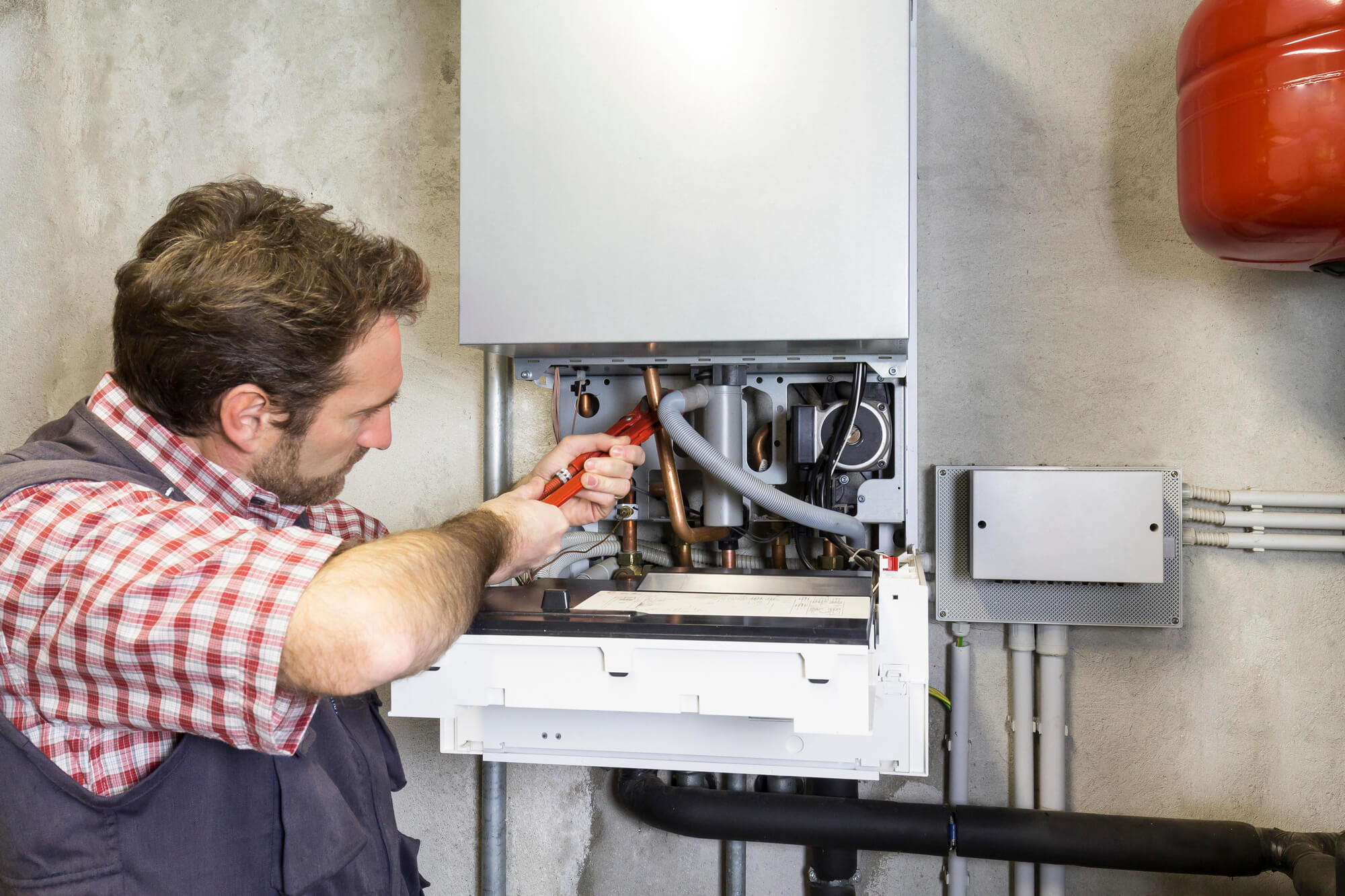



Is It Time for HVAC Maintenance?

HVAC King County working properly

As the seasons change, your HVAC King County system works tirelessly to keep your home comfortable, whether it’s cooling during the summer or heating during the winter. But how often do you think about maintaining this essential system?

Regular HVAC maintenance is crucial for ensuring that your system runs efficiently, lasts longer, and avoids unexpected breakdowns. Let’s learn the signs that it’s time for HVAC maintenance and the benefits of keeping your system in top shape.

checking HVAC King County

Signs Your HVAC System Needs Maintenance

Your HVAC system often gives you subtle clues that it’s time for a check-up. Paying attention to these signs can save you from more significant issues down the line:

Uneven Temperature Distribution

If you notice that some rooms are too hot while others are too cold, your HVAC system might not be distributing air properly. This could be due to blocked vents, dirty filters, or issues with the ductwork. Regular maintenance can help identify and fix these problems, ensuring consistent comfort throughout your home.

Unusual Noises

Any new or strange noises, such as rattling, banging, or hissing, coming from your HVAC system should never be ignored. These sounds could indicate anything from loose parts to more severe mechanical issues. Catching these early through maintenance can prevent costly repairs.

Increased Energy Bills

A sudden spike in your energy bills without a corresponding increase in usage is a red flag. If your HVAC system is working harder than usual to maintain the desired temperature, it’s likely due to inefficiencies within the system. Regular maintenance can improve efficiency and reduce energy costs.

Frequent Cycling

If your system is turning on and off more frequently than usual, it may be struggling to maintain the set temperature. This could be due to a malfunctioning thermostat, low refrigerant levels, or clogged filters. Maintenance can address these issues and prevent further wear and tear.

Foul Odors

Strange smells, whether they’re musty, burning, or chemical in nature, can signal problems ranging from mold growth in the ducts to overheating components. A thorough inspection and cleaning during a maintenance visit can resolve these issues.

The Benefits of Regular HVAC Maintenance

Regular HVAC maintenance is more than fixing problems—it’s about preventing them and improving overall system performance. Here are some key benefits of scheduling regular maintenance:

Improved Energy Efficiency

A well-maintained HVAC system runs more efficiently, meaning it uses less energy to heat or cool your home. This not only reduces your carbon footprint but also lowers your utility bills. Simple tasks like cleaning the filters, checking refrigerant levels, and ensuring all components are working properly can significantly impact efficiency.

Extended System Lifespan

Like any other machine, your HVAC system needs regular care to function at its best. Regular maintenance helps identify minor issues before they become major problems, extending the life of your system and delaying the need for a costly replacement.

Better Indoor Air Quality

Your HVAC system plays a vital role in maintaining indoor air quality. Over time, dust, pollen, mold, and other contaminants can accumulate in the system, leading to poor air quality. Regular maintenance includes cleaning and replacing air filters, as well as checking for any issues that could compromise your indoor air.

Fewer Breakdowns

There’s nothing worse than your HVAC system breaking down during the hottest day of summer or the coldest day of winter. Regular maintenance helps to catch potential problems early, reducing the likelihood of unexpected breakdowns when you need your system the most.

Cost Savings

While regular maintenance is an investment, it’s one that pays off in the long run. By ensuring your system operates efficiently and avoiding major repairs, you save money on energy bills and reduce the risk of needing expensive emergency repairs or a full system replacement.

ongoing maintenance for a HVAC King County

What’s Involved in HVAC Maintenance?

You might be wondering what exactly happens during an HVAC maintenance visit. Here’s a breakdown of some of the key tasks a professional technician will perform:

  • Inspecting and Cleaning the System: The technician will inspect all components of your HVAC system, including the blower, motor, coils, and ductwork. They’ll clean parts where necessary to ensure everything runs smoothly.
  • Checking Refrigerant Levels: If your HVAC system is low on refrigerant, it can’t effectively cool your home. The technician will check for leaks and ensure that your system has the proper refrigerant charge.
  • Testing Thermostat Functionality: The thermostat is the brain of your HVAC system. The technician will test it to make sure it’s accurately reading the temperature and communicating correctly with your system.
  • Inspecting Electrical Connections: Faulty electrical connections can cause system failures or even pose a fire risk. During maintenance, the technician will check all connections and tighten or repair them as needed.
  • Lubricating Moving Parts: To reduce friction and prevent wear, the technician will lubricate any moving parts within the system. This step is crucial for ensuring that your system runs quietly and efficiently.
  • Changing Air Filters: Clean air filters are essential for maintaining indoor air quality and system efficiency. The technician will replace old filters with new ones, ensuring that your system can operate without obstructions.
  • Checking System Controls: The technician will also check the overall system controls to ensure that everything is operating as it should. This includes starting the system, running it through a cycle, and ensuring that it shuts off correctly.

When Should You Schedule HVAC Maintenance?

Timing is key when it comes to HVAC maintenance. The best time to schedule a maintenance visit is before the heating or cooling season begins—in other words, spring and fall. This ensures that your system is in peak condition before it’s needed the most. However, if you’ve missed this window, it’s never too late to schedule a check-up.

For homes in areas with harsh climates, more frequent maintenance might be necessary. If your system has to work harder due to extreme temperatures, or if you have a larger home that requires more from your HVAC system, consider scheduling maintenance twice a year.

DIY Maintenance Tips

While professional maintenance is crucial, there are also some simple tasks you can do yourself to keep your HVAC system in good shape between visits:

  • Change Filters Regularly: Replace filters every 1-3 months to keep your system running efficiently and maintain good air quality.
  • Clear the Area Around the Unit: Keep the outdoor unit free of debris, plants, and clutter to ensure proper airflow and prevent overheating.
  • Check Thermostat Settings: Ensure your thermostat is set correctly. Programmable thermostats can save energy by adjusting temperatures when you’re away.
  • Listen for Unusual Noises: Be alert for any strange sounds. If you hear something off, call a professional.
  • Inspect Ductwork: Look for visible damage or leaks in your ducts. Sealing leaks can improve efficiency and lower energy costs.

The Risks of Skipping HVAC Maintenance

Skipping regular maintenance might save you time in the short term, but it can lead to bigger problems down the road. Without proper care, your HVAC system is more likely to experience issues such as:

  • Decreased Efficiency
  • Frequent Breakdowns
  • Shortened System Lifespan
  • Poor Air Quality
  • Safety Hazards

HVAC King County repair

Need to Schedule an Appointment for Your HVAC In King County? Don’t Wait Until It’s Too Late

Your HVAC system is a vital part of your home, keeping you comfortable year-round. Regular maintenance is key to ensuring it operates efficiently, lasts longer, and avoids unexpected breakdowns. By scheduling routine maintenance, you can save money, improve your indoor air quality, and enjoy peace of mind knowing your system is in top condition.

If you’re ready to schedule HVAC maintenance or if you’ve noticed signs that your system needs attention, we at Greenwood Heating are here to help. Contact us today to book your maintenance visit and keep your home comfortable and safe all year long.

DIY Electrical Safety: What You Can and Can’t Do

electrician seattle (3)

Are you itching to tackle some home electrical projects but not sure where to draw the line between what’s safe and what’s better left to the pros? It’s a wise move to question this, because when it comes to electrical work, the line between a satisfying DIY job and a call to an emergency electrician in Seattle can be fine indeed. 

Electrical work isn’t just about making sure your new chandelier lights up without tripping the breaker. It’s about ensuring that every flick of a switch or press of a button in your home is safe.  

Whether you’re looking to replace a light fixture, install a new outlet, or just understand what makes your home’s electrical system tick, we’ve got you covered.  

So, grab your toolkit (but leave those rubber gloves on the rack for now) and let’s get into the nitty-gritty of DIY electrical safety, making sure you know when it’s time to call in a professional electrician. Let’s dive into the dos and don’ts of DIY electrical work.  

electrician seattle (2)

Basic Electrical Concepts Every Homeowner Should Understand 

Before you can even think about unscrewing an electrical plate or twisting a wire nut, it’s crucial to have a grip on the basics of your home’s electrical system. Here’s a quick rundown to help you get started:

Understanding Voltage, Current, and Resistance 

Electricity in your home flows in a way that can be compared to water in pipes. Voltage is the pressure pushing the electricity through, current is the flow of the electricity itself, and resistance is anything that slows that flow down. Each plays a key role in how your electrical system functions, and misjudging any of them can lead to serious problems. 

Circuit Breakers: Your Safety Net 

Think of circuit breakers as the protectors of your home’s electrical system. They stop the power if there’s too much electricity flowing, which keeps your house safe from electrical problems. It’s really essential to know which breaker controls what in your house before you start any electrical work. This can save you a lot of trouble. 

The Significance of the Ground Wire 

The ground wire is possibly the most important safety feature in your home’s electrical system. It provides a path for electrical current to safely return to the ground if something goes wrong, preventing dangerous situations like electrical fires or shocks. Never remove or bypass the ground wire! 

Color Codes in Electrical Wiring 

Electrical wires are color-coded to indicate their purpose. In most homes, black or red wires are live, which means they carry the electricity. White is neutral, and green or bare copper is ground. Familiarizing yourself with these colors can help you avoid grave mistakes. 

Understanding these concepts doesn’t make you as skilled as an electrician in Seattle, but it does equip you with the knowledge to gauge whether a project is within your DIY scope or if it’s time to call in the pros. Remember, overconfidence can be as dangerous as inexperience when it comes to electrical work. 

DIY Electrical Tasks You Can Safely Tackle on Your Own 

If you’ve got the right tools and have brushed up on the basics, there are several electrical tasks that are within the reach of a capable DIYer. Here are a few projects you can confidently handle with a bit of caution and preparation, and without any assistance from an electrician in Seattle: 

Replacing Light Fixtures 

Switching out an old light fixture for a new one is a straightforward task for most DIYers. Always see to it that the power is turned off at the circuit breaker before you start. If the wiring setup seems consistent (color and number of wires) with the new fixture, you can simply swap them. 

Installing Dimmer Switches 

Adding a dimmer switch to your lighting setup is another doable project for the enthusiastic homeowner. It’s similar to changing a regular light switch but involves some extra attention to detail with the wiring. Make sure the power is off at the breaker during the entire installation. 

Replacing Outlets 

Upgrading your outlets can be both aesthetically pleasing and functionally beneficial, especially if you want to add USB ports. Turn off the power, test the outlet to ensure it’s not live, and then proceed to replace it. Stick to replacing like-for-like outlets to avoid complications. 

Adding GFCI Outlets in Bathrooms and Kitchens 

Ground Fault Circuit Interrupter (GFCI) outlets are crucial in areas where water is present because they protect against electrical shock. These are slightly more complex because of the safety features involved, but still manageable if you follow the instructions carefully. 

When to Call a Professional Electrician in Seattle 

While DIY projects can be satisfying and cost-effective, there are times when calling a professional electrician is not just advisable, but essential. Let’s take a look at them below: 

Adding New Circuits 

Any project that involves adding new circuits to your home’s electrical system is complex and risky. This kind of work requires an understanding of your home’s overall electrical load and local electrical codes. 

Upgrading Your Home’s Electrical Panel 

Do your renovation plans include significant electrical upgrades or additions? If so, you might need a new panel to handle the increased load. This is a major task that involves working directly with your home’s main power line, and it’s definitely a job for a licensed electrician in Seattle. 

Handling Aluminum Wiring 

If your home has aluminum wiring (common in some buildings from the 1960s and 70s), making modifications can be hazardous due to the unique qualities of aluminum. Special techniques and materials are required to safely work with this type of wiring. 

Projects Involving Permits 

In many areas, electrical work that goes beyond simple replacements requires a permit and inspections to ensure safety. This is especially true for extensive modifications or new installations. An experienced electrician in Seattle will know how to handle these requirements, ensuring your work is up to code and safe. 

Essential Safety Tips for DIY Electrical Work 

Don’t dive into any electrical projects just yet! Here are a few safety tips to keep top of mind: 

Always Turn Off the Power 

Before starting any electrical work, make sure that the power is off at the breaker. Double-check with a voltage tester to be 100% confident and worry-free. 

Use the Right Tools 

Invest in insulated tools that are specifically designed for electrical work. This can greatly reduce the risk of shocks. 

Wear Protective Gear 

Safety goggles and gloves can protect you from sparks and accidental shocks. Don’t take any chances. As they say, safety first. 

Keep a Fire Extinguisher Handy 

Always, and we repeat, always, have a fire extinguisher nearby when doing electrical work. It should be suitable for electrical fires. 

electrician seattle

Test Before You Touch 

Even after you’ve turned off the breaker, use a non-contact voltage tester on wires before you touch them. Better safe than sorry! 

Maximizing Furnace Lifespan through Regular Maintenance 

Your furnace is the heart of your home’s heating system, providing warmth and comfort during the chilly months. Understanding how it works and the importance of regular furnace maintenance in Seattle is essential for ensuring its optimal performance and longevity.  

From the basic mechanics of a furnace to the signs indicating it needs attention, this guide aims to equip you with the knowledge and strategies necessary to keep your furnace running smoothly for years to come. 

How a Furnace Works 

Furnaces produce heat by burning fuel like natural gas, oil, or propane, or by using electric resistance heating. The fuel burns in the burner, creating heat that moves to a heat exchanger. This part warms the air, which then travels around the building through ducts or radiators. A thermostat controls the temperature by watching it and telling the furnace to start or stop as needed, keeping the indoor temperature right. 

Importance of Regular Maintenance 

Regular mainance of your furnace is essential for several reasons. 

  • Prolonging the Lifespan of Your Furnace: Regular maintenance helps extend the lifespan of your furnace by ensuring that all components are in good working condition.  
  • Ensuring Safety: A well-maintained furnace is less likely to develop safety hazards such as gas leaks, carbon monoxide leaks, or electrical malfunctions. 
  • Improving Energy Efficiency: Clean filters, lubricated components, and properly calibrated thermostats ensure optimal performance and prevent energy waste.  
  • Avoiding Costly Repairs: Small repairs and adjustments made during routine maintenance visits can prevent breakdowns and extend the life of your furnace.  

Signs Your Furnace Needs Maintenance 

Strange Noises 

Strange noises coming from your furnace can be an early indicator of underlying issues that require attention. These noises may include banging, rattling, squealing, or even rumbling sounds. 

Reduced Heating Efficiency 

If you notice that your furnace is struggling to maintain a consistent temperature throughout your home or takes longer than usual to heat your living space, it could be a sign of reduced heating efficiency. 

Uneven Heating 

Uneven heating in your home is another common sign that you need to schedule furnance maintenance in Seattle. You may notice that some rooms are excessively warm while others remain chilly. This could indicate problems with your furnace’s zoning system or thermostat calibration, leading to imbalanced heating distribution. 

Increased Energy Bills 

A sudden spike in your energy bills without a corresponding increase in usage could be a sign of reduced furnace efficiency. This can result from various factors, including reduced furnace efficiency due to dirty or clogged air filters, malfunctioning thermostat, or worn-out components.  

DIY Maintenance Tips 

You can do a lot on your end to maintain your furnace. Here are some simple do-it-yourself tips: 

Regularly Change Air Filters 

Dirty filters restrict airflow, reducing efficiency and putting unnecessary strain on the system. Aim to replace disposable filters every 1-3 months, or clean and reinsert reusable filters according to manufacturer’s instructions. 

Keep Vents and Ducts Clean and Unobstructed 

Ensure that vents and ducts are free from dust, debris, and obstructions to maintain proper airflow throughout your home. Vacuum vents regularly and remove any furniture or objects blocking airflow to ensure efficient heating distribution. 

Check for and Seal Air Leaks 

Inspect windows, doors, and other potential sources of air leaks around your home. Use weather stripping or caulking to seal gaps and prevent warm air from escaping, reducing the workload on your furnace. 

Check and Adjust Thermostat Settings 

Regularly check and adjust your thermostat settings to ensure optimal comfort and energy efficiency. Consider investing in a programmable thermostat to automatically adjust temperatures based on your schedule, saving energy when heating is not required. 

Professional Maintenance Procedures 

While some tasks can be performed by homeowners, certain procedures are best left to qualified technicians. Here are essential professional procedures included in professional furnance maintenance in Seattle: 

Annual Inspection and Tune-Up by a Qualified Technician 

Schedule an annual inspection and tune-up with a qualified HVAC technician to ensure your furnace operates safely and efficiently. During the service appointment, the technician will perform a comprehensive inspection of the furnace, checking for any signs of wear, damage, or malfunction. They will also clean and adjust components as needed to optimize performance and prevent potential issues. 

Cleaning and Inspection of Furnace Components 

Professional technicians will clean and inspect all furnace components, including the burner, heat exchanger, blower motor, and air ducts. Removing built-up dirt, debris, and sediment helps improve airflow and prevents overheating or combustion problems. The technician will also inspect for any signs of corrosion, leaks, or damage that may compromise the furnace’s performance or safety. 

Testing for Carbon Monoxide Leaks 

Carbon monoxide (CO) is a silent and potentially deadly gas produced by incomplete combustion in furnaces. Professional technicians will perform CO testing to ensure there are no leaks or emissions within your home. They will check for proper ventilation and combustion air supply, as well as inspect the furnace’s exhaust system for any blockages or malfunctions that could lead to CO buildup. 

Repairing or Replacing Worn-Out Parts 

During the inspection, the technician will identify any worn-out or malfunctioning parts that require repair or replacement. This may include components such as the blower motor, ignition system, gas valve, or heat exchanger. Prompt repair or replacement of worn-out parts helps prevent system breakdowns, ensures reliable operation, and extends the lifespan of your furnace. 

Extended Lifespan through Upgrades and Retrofits 

To enhance the longevity and efficiency of your furnace, consider implementing the following upgrades and retrofits: 

Installing a Programmable Thermostat 

Installing a programmable thermostat enables you to set different temperature levels for various times of the day, automatically adjusting heating settings to match your schedule.  

This reduces unnecessary heating when you’re away or asleep, lowering energy consumption, decreasing wear and tear on your furnace, and prolonging its lifespan. Additionally, precise temperature control provided by a programmable thermostat helps maintain consistent comfort levels throughout your home, enhancing overall efficiency. 

Adding Zoning Systems for Better Control 

Zoning systems divide your home into separate heating zones, each with its thermostat and control dampers in the ductwork. This allows you to customize heating settings for different areas of your home, ensuring comfort where and when it’s needed most.  

By directing heated air only to occupied zones, zoning systems reduce energy waste, improve efficiency, and lessen the workload on your furnace, ultimately extending its lifespan. 

Upgrading to a More Energy-Efficient Furnace Model 

Older furnaces may be less energy-efficient and more prone to breakdowns, leading to higher operating costs and shorter lifespans. Upgrading to a newer, more energy-efficient furnace model can significantly reduce energy consumption, lower utility bills, and enhance overall comfort.  

Modern furnaces feature advanced technologies such as variable-speed motors, sealed combustion chambers, and high-efficiency heat exchangers, providing superior performance and reliability. 

Long-Term Strategies for Furnace Maintenance 

Maintaining your furnace over the long term involves implementing effective strategies to ensure its continued performance and reliability. 

Keeping Records of Maintenance Activities 

Maintaining records of all maintenance activities, including inspections, tune-ups, repairs, and part replacements, provides valuable insight into your furnace’s history and condition. This information helps track maintenance schedules, identify recurring issues, and plan for future servicing needs.  

Setting Up Reminders for Regular Maintenance Tasks 

Establishing a system for scheduling and reminders ensures that regular maintenance tasks are not overlooked. Use calendars, mobile apps, or digital reminders to schedule annual inspections, filter replacements, and other routine maintenance activities.  

Planning for Eventual Furnace Replacement 

Despite regular maintenance, furnaces have a finite lifespan and will eventually require replacement. Planning for this eventuality allows you to budget for a new furnace and research replacement options well in advance. Consider factors such as energy efficiency, heating capacity, and compatibility with your home’s heating system when selecting a new furnace.  

Seeking Professional Advice for Optimal Maintenance Practices 

Consulting with a qualified HVAC professional is essential for developing optimal maintenance practices tailored to your furnace’s specific needs. HVAC technicians can provide expert guidance on maintenance schedules, recommended services, and troubleshooting strategies. They can also offer valuable insights into energy-saving techniques, equipment upgrades, and long-term maintenance strategies.  

Do You Need Furnace Maintenance in Seattle? 

Experience the legacy of Greenwood Heating! With over a century of expertise in heating solutions, trust us to keep your home cozy and comfortable. Schedule your furnace maintenance with us today for reliable service you can count on. 


How to Maintain Your Heat Pump for Year-Round Efficiency

on going maintenance of a Heat Pump in Seattle

Heat pumps offer efficient heating and cooling solutions for homes and businesses, making them a valuable asset for year-round comfort. To ensure your heat pump continues to work well, regular maintenance is essential.

In this blog, we’ll explore the basics of heat pump maintenance, providing you with the knowledge to keep your system running smoothly. From simple inspections to professional servicing, we’ll cover all you need to know to get the most out of your heat pump in Seattle. 

Technician checking a Heat Pump in Seattle

Understanding Your Heat Pump 

How a Heat Pump Works 

A heat pump is a mechanical device that transfers heat from one location to another. It operates on the principle of refrigeration, utilizing a cycle of compression and expansion to absorb heat from a cold space and release it into a warmer one.  

Different Types of Heat Pumps 

Heat pumps are classified based on the source from which they extract heat. The main types of heat pumps include: 

  • Air-Source Heat Pumps: These heat pumps extract heat from the outdoor air during winter for heating and transfer heat outdoors during summer for cooling. They are the most common type of heat pump and are suitable for regions with moderate climates. 
  • Ground-Source (Geothermal) Heat Pumps: Ground-source heat pumps utilize the relatively stable temperature of the earth to extract heat for heating and remove heat for cooling. They are highly efficient but require a significant initial investment for installation. 
  • Water-Source Heat Pumps: These heat pumps extract heat from a water source, such as a pond, lake, or well, for heating and cooling purposes. They are efficient but are less common than air-source and ground-source heat pumps.

What Are the Benefits of Maintaining Your Heat Pump? 

While heat pumps are great for providing efficient heating and cooling, maintenance is key for maximizing their benefits: 

Improved Energy Efficiency 

Regular maintenance of your heat pump in Seattle ensures that it operates at peak efficiency. When filters are clean and components are functioning properly, the system consumes less energy to achieve the desired heating or cooling levels, leading to lower energy bills and reduced environmental impact. 

Extended Lifespan of the Unit 

Proper maintenance significantly extends the lifespan of your heat pump. By addressing wear and tear through regular cleaning, lubrication, and inspection, you can prevent minor issues from escalating into major repairs, ultimately saving you money on replacement costs and avoiding inconvenient breakdowns. 

Cost Savings on Utility Bills 

Well-maintained heat pumps operate more efficiently, resulting in lower energy bills. Routine maintenance helps identify and address issues early, preventing minor problems from becoming costly repairs. Investing in regular maintenance is often more economical than paying for expensive repairs or replacement due to neglect. 

Consistent Heating and Cooling Performance 

With proper maintenance, your heat pump delivers consistent heating and cooling performance year-round. Clean components and well-tuned systems ensure reliable comfort, avoiding fluctuations in temperature and airflow.  

By scheduling routine maintenance checks, you can ensure that your heat pump operates reliably, providing comfort and convenience to your household members throughout the seasons. 

Heat Pump in Seattle

Year-Round Maintenance Checklist 

Regular maintenance is essential for keeping your heat pump in top condition year-round. Here’s a preview of the key tasks involved:

Regular Filter Cleaning/Replacement 

Proper airflow is essential for the efficient operation of your heat pump. Clean or replace air filters regularly to prevent dust and debris buildup, which can restrict airflow and reduce efficiency. 

Checking and Cleaning Coils 

Both indoor and outdoor coils can accumulate dirt and debris over time, hindering heat transfer. Check and clean the coils periodically to ensure optimal heat exchange and energy efficiency. 

Inspecting and Cleaning Air Ducts 

Dirty or blocked air ducts can restrict airflow and reduce the effectiveness of your heat pump system. Inspect and clean air ducts to remove dust, mold, and other contaminants, promoting better indoor air quality and system efficiency. 

Lubricating Moving Parts 

Moving parts such as fan motors and bearings should be lubricated regularly to reduce friction and wear. Proper lubrication helps maintain smooth operation and prolongs the lifespan of these components. 

Checking Refrigerant Levels 

Insufficient or excessive refrigerant levels can impair the performance of your heat pump in Seattle. Regularly check refrigerant levels and ensure they are within the manufacturer’s recommended range to optimize system efficiency and performance. 

Inspecting and Cleaning Outdoor Unit 

The outdoor unit of your heat pump can accumulate dirt, leaves, and debris, obstructing airflow and impeding heat exchange. Inspect and clean the outdoor unit regularly to remove any buildup and ensure unobstructed airflow. 

Testing Thermostat 

The thermostat controls the operation of your heat pump system. Periodically test the thermostat to ensure accurate temperature control and calibration. Replace batteries if necessary and consider upgrading to a programmable or smart thermostat for enhanced efficiency and convenience. 

Professional Maintenance Checks 

Schedule regular professional maintenance checks with a qualified HVAC technician. Professional maintenance involves comprehensive inspections, cleaning, and tuning of your heat pump system to ensure optimal performance, energy efficiency, and reliability throughout the year. 

Seasonal Maintenance Tips 

Proper maintenance throughout the year is essential to keep your heat pump in Seattle operating efficiently. Here’s a quick overview of seasonal maintenance tasks to help you maintain optimal performance. 

Spring Maintenance 

Cleaning the Outdoor Unit After Winter 

As spring arrives, you should give your outdoor unit some attention after enduring the winter weather. Remove any debris, such as leaves, twigs, and dirt, that may have accumulated around the unit during the colder months. Ensure that the area around the outdoor unit is clear to allow for proper airflow. 

Checking Refrigerant Levels 

Spring is an ideal time to check the refrigerant levels in your heat pump system. Low refrigerant levels can indicate a leak or other issues that need attention. If you notice a decline in refrigerant levels, it’s best to contact a professional HVAC technician to diagnose and address the problem promptly. 

Summer Maintenance 

Ensuring Proper Airflow Around the Outdoor Unit 

During the summer months, your heat pump’s outdoor unit works harder to dissipate heat from your home. Ensure that the area around the outdoor unit is clear of obstructions such as tall grass, shrubs, or debris. Adequate airflow is crucial for optimal heat exchange and system efficiency. 

Checking and Cleaning Coils 

Clean coils are essential for efficient heat transfer in your heat pump system. Inspect the coils for any dirt, dust, or debris buildup and clean them as needed. Dirty coils can reduce the system’s efficiency and lead to increased energy consumption. Use a soft brush or vacuum cleaner to remove debris gently. 

Fall Maintenance 

Cleaning the Outdoor Unit from Debris 

As leaves and debris begin to fall in autumn, it’s essential to keep the outdoor unit of your heat pump clear. Regularly remove leaves, twigs, and other debris that may accumulate around the unit to prevent airflow obstruction and potential damage to the system. 

Inspecting and Cleaning Air Ducts 

Fall is an excellent time to inspect and clean your home’s air ducts. Over time, dust, dirt, and allergens can accumulate inside the ductwork, reducing indoor air quality and hindering the performance of your heat pump system. Consider hiring a professional duct cleaning service to remove buildup and ensure optimal airflow. 

Winter Maintenance 

Checking and Replacing Filters 

During the winter months, when your heat pump is in heating mode, it’s crucial to check and replace air filters regularly. Clogged or dirty filters can restrict airflow, reduce system efficiency, and lead to increased energy consumption. Replace filters as needed to maintain proper airflow and indoor air quality. 

Testing Heating Performance 

Before the cold winter weather sets in, test the heating performance of your heat pump system. Ensure that the system is providing adequate warmth throughout your home and that the airflow is consistent. If you notice any issues with heating performance, such as uneven heating or cold spots, contact a professional HVAC technician for inspection and repair. 

Two Heat Pumps in Seattle

Do You Need Help with Your Heat Pump in Seattle?

For all your heat pump maintenance needs and more, contact Greenwood Heating. Let us keep your system running efficiently for year-round comfort and savings. Schedule your maintenance service today! 

Deciding Between Repairing and Replacing a Heating System

woman next to heating system needs Heating Repair in Seattle

Facing a malfunction or breakage at home can be a real hassle, and when it comes to the heating system, the impact is especially noticeable. The warmth provided by a properly working heating system is key to daily life, and deciding between fixing or replacing it is an important and often tricky one for homeowners. 

The decision between replacement and heating repair in Seattle involves careful consideration of various factors, including the age of the system, the extent of damage, energy efficiency, and long-term cost implications. Let’s take a look.

Woman with heating system broken needs Heating Repair in Seattle

When to Repair Your Heating System  

Age of the Heating System 

One of the primary factors influencing the decision to repair a heating system is its age. If the system is relatively new and has not yet reached the midpoint of its expected lifespan, it is generally more cost-effective to opt for repairs. Regular furnace maintenance and timely repairs can extend the life of the system, making it a sensible investment in the short term. 

Minor or Isolated Issues 

When the heating system experiences minor or isolated issues, such as a malfunctioning thermostat, a faulty pilot light, or a minor leak, repairs are often a practical and economical solution. Identifying and fixing these problems early can prevent them from escalating into more significant issues, preserving the overall functionality of the system. 

Budget Constraints 

For homeowners with budget constraints or those facing unexpected financial challenges, opting for repairs may be the more viable option. Repairing specific components or addressing immediate issues can provide a temporary solution while allowing individuals to save for a future replacement when circumstances permit. 

Compatibility with Existing Infrastructure 

If the heating system is still compatible with the existing infrastructure of the home, such as ductwork and ventilation, repairing the system may be a more straightforward and cost-effective option. Compatibility ensures that the repaired system integrates seamlessly with the home’s current setup. 

Manufacturer’s Warranty 

If the heating system is still under the manufacturer’s warranty, choosing repairs over replacement may be a prudent decision. Warranties typically cover the cost of replacement parts, reducing the financial burden on homeowners and making repairs a financially sensible choice. 

When to Replace Your Heating System  

Frequent and Costly Repairs 

If the heating system is experiencing frequent breakdowns and the cost of repairs is accumulating, it may be more economical in the long run to invest in a new system. Constant repairs can become a financial burden, and a replacement may offer a more reliable and cost-effective solution. 

Outdated or Inefficient Technology 

Older heating systems may lack the energy efficiency of modern models, leading to increased utility bills. When energy efficiency becomes a concern, upgrading to a newer, more efficient system can result in long-term savings on energy costs and a reduced environmental impact. 

End of Lifecycle 

Heating systems have a finite lifespan, typically ranging from 15 to 20 years. If the system is approaching or has exceeded its expected lifespan, replacing it is often the most sensible choice. Aging systems are more prone to breakdowns, and newer models are likely to offer improved energy efficiency and performance. 

Safety Concerns 

If the heating system poses safety risks, such as the release of carbon monoxide or persistent gas leaks, immediate replacement becomes imperative. Safety should always be a top priority, and outdated or malfunctioning systems may compromise the well-being of the occupants. 

Home Renovations or Additions 

When homeowners plan significant renovations or additions to their homes, it may be more practical to invest in a new heating system that can adequately meet the increased heating demands. Upgrading the system ensures compatibility with the expanded or renovated space. 

HVAC professional during Heating Repair in Seattle

Common Heating System Issues: Repair or Replace? 

Let’s now take a closer look into specific issues that homeowners commonly encounter. Understanding whether a particular problem warrants replacement or heating repair in Seattle is key to making informed decisions about the longevity and efficiency of your heating system. 

Cracked Heat Exchanger 

A cracked heat exchanger poses a serious risk of carbon monoxide leaks and compromises safety. Replacement is imperative. Safety concerns outweigh the possibility of repair, making a new heating system the only viable option. 

Furnace Motor Failure 

A malfunctioning or failed furnace motor leads to reduced heat distribution. Depending on the age of the system, repairing the motor may be a cost-effective solution. However, if the system is aging, consider a replacement to avoid future motor issues and improve overall efficiency. 

Boiler Leaks 

Water leaks in the boiler can cause inefficiency and potential damage. Repairing minor leaks promptly can extend the boiler’s life. However, if leaks are recurrent or extensive, replacement becomes a more practical choice to prevent further damage and ensure long-term reliability. 

Uneven Heating or Cold Spots 

Inconsistent heating with certain areas remaining cold. Repairing ductwork issues or investing in a zoned heating system may address uneven heating. However, if the problem persists due to an aging or inadequate system, replacement might be the ultimate solution for improved performance. 

Constant Cycling On and Off 

Short cycling can indicate problems with the thermostat, flame sensor, or other components. 

Repairing the specific component causing short cycling is recommended. However, if the issue persists, a thorough assessment may reveal the need for a more energy-efficient replacement. 

Gas or Oil Smells 

Detecting gas or oil odors can signify leaks or combustion issues. Immediate inspection and repair are crucial to address safety concerns. If the source of the odor is not resolved through repairs, replacing the system may be necessary to ensure the safety of occupants. 

Seeking Professional Advice 

When faced with the decision of whether to repair or replace your heating system, the guidance of HVAC professionals can prove invaluable. Seeking their expertise ensures that you make an informed decision aligned with the specific needs of your home and budget.  

Getting Multiple Quotes for Repairs and Replacements 

When contemplating repairs or replacements, you should gather multiple quotes from different HVAC professionals. This not only provides a clearer picture of the potential costs involved but also allows you to compare the proposed solutions and identify any discrepancies. 

Considering Energy Audits and System Evaluations 

Before deciding on replacement or heating repair in Seattle, consider investing in an energy audit or a thorough system evaluation. Many HVAC professionals offer these services to assess the efficiency of your current HVAC system. 

An energy audit can identify areas where your system may be losing efficiency, helping you make improvements that could potentially negate the need for a full replacement. Additionally, a system evaluation provides insights into the overall health of your heating system, helping you make decisions that align with both your comfort needs and energy efficiency goals. 

Weighing Expert Opinions Against Personal Preferences 

While personal preferences and budget constraints play a role in decision-making, it’s essential to weigh them against the expert opinions provided by HVAC professionals. Their recommendations are rooted in technical expertise and industry knowledge, ensuring a comprehensive understanding of the situation.

It’s natural to have personal preferences, such as a desire to retain a familiar system or a specific brand. However, balancing these preferences with the practical recommendations of professionals ensures a decision that prioritizes both comfort and efficiency. 

on going Heating Repair in Seattle

Do You Need More Information About Heating Repair in Seattle?

Benefit from over a century of experience in home repair services with Greenwood Heating. Whether it’s a quick heating repair, routine maintenance, or a full replacement, trust our seasoned professionals for reliable solutions. Take advantage of our special offers and flexible financial options, ensuring your home stays warm and comfortable. Contact us today to get started!