




A backup generator can keep important appliances and systems running when utility power goes out, but only if it has enough capacity for the electrical loads you expect it to support. An undersized generator may seem adequate until several appliances need electricity at the same time. Then, its limitations can quickly become apparent.
If you’re planning a Seattle generator installation, understanding the effects of insufficient generator capacity can help you think carefully about your backup power priorities before choosing equipment.
Understanding Generator Capacity
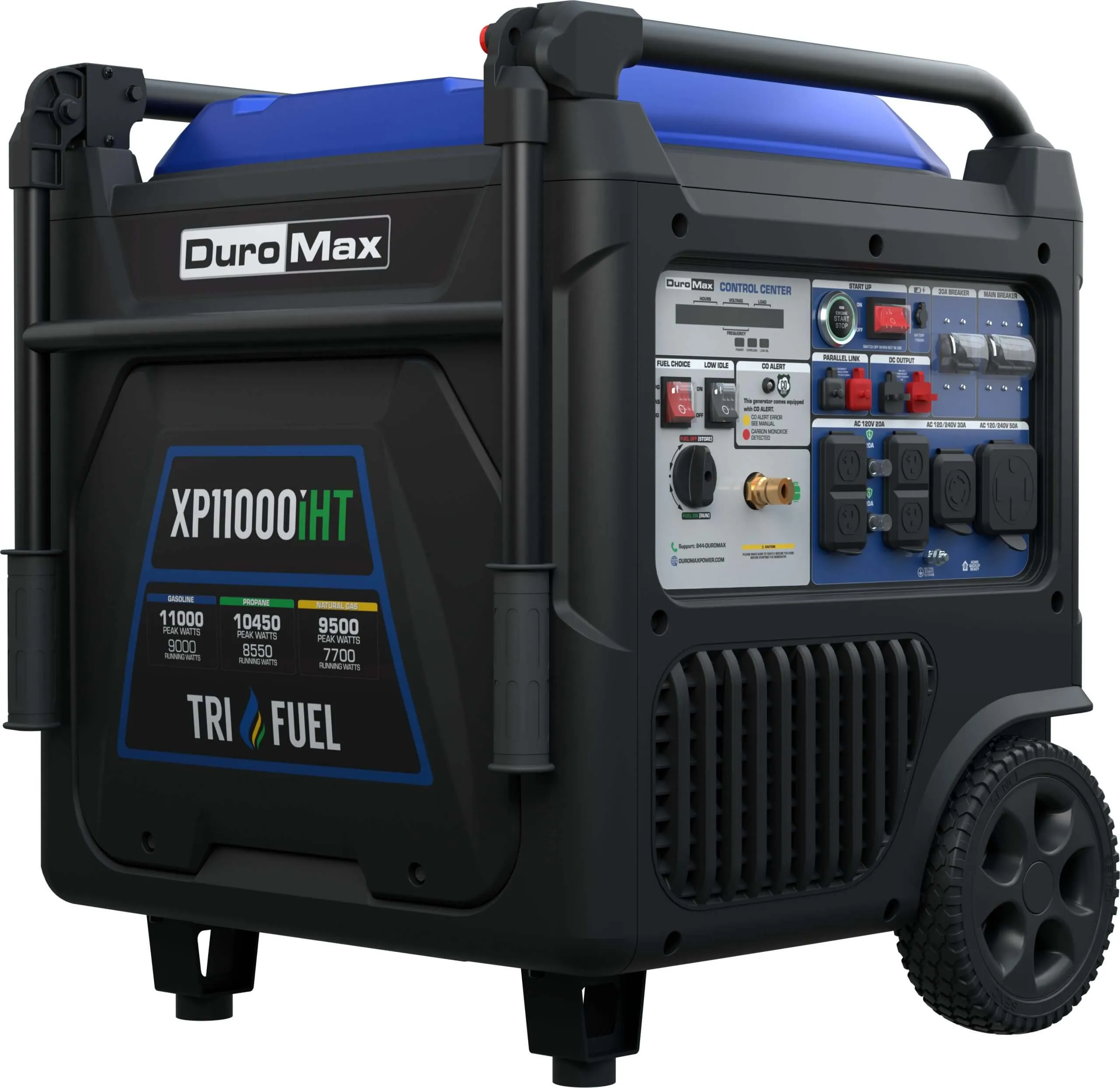
Generator capacity is commonly measured in watts or kilowatts. Every appliance, light, and electrical device requires a certain amount of power to operate. During an outage, the combined demand from equipment connected to the generator must remain within the system’s design capacity.
An undersized generator is not necessarily physically small. It simply means its available electrical output is insufficient for the loads you expect it to support.
For example, a generator may have enough capacity for lights, a refrigerator, and selected outlets, but not enough to operate those loads alongside heating or cooling equipment and other high-demand appliances.
Overloading an Undersized Generator
One of the primary concerns with insufficient generator capacity is overloading. An overload occurs when connected equipment demands more electrical power than the generator can provide.
This can happen when too many appliances operate simultaneously or when a high-demand appliance starts while the generator is already supplying several other loads.
Modern generators may have protective mechanisms designed to respond when electrical demand exceeds operating limits. Depending on the equipment, a breaker may trip, or the generator may shut down.
Repeated overloads indicate that the electrical demand and available generator capacity are not appropriately matched. Continually resetting protective devices without addressing the underlying load does not resolve the overload.
Appliance Use May Become Limited
Generator sizing is not only about whether one particular appliance can operate. You also need to consider what happens when several appliances require electricity simultaneously.
A generator might comfortably support a refrigerator on its own and still have enough capacity for another appliance. Problems can arise when several loads operate together, and their combined demand exceeds the available capacity.
Homeowners with limited generator capacity may need to prioritize essential loads during an outage. Depending on household needs, these might include:
- Refrigeration
- Essential lighting
- Internet equipment
- Heating equipment
- Pumps
- Selected kitchen appliances
- Medical equipment, when applicable
Determining these priorities before an outage makes it easier to understand how much backup capacity the household actually needs.
Starting Wattage Creates Additional Demand
Some electrical equipment requires more power when starting than it consumes during normal operation. This temporary increase is often referred to as starting or surge wattage.
Equipment containing motors or compressors can create this additional demand. Refrigerators, pumps, air conditioners, and certain heating equipment are examples.
Suppose a generator is already operating close to its available capacity. When a compressor or motor starts and briefly requires additional electricity, total demand may exceed what the generator can provide.
Generator sizing, therefore, needs to account for both normal operating loads and higher startup requirements. Looking only at running wattage can underestimate the capacity needed when several pieces of equipment operate during an outage.
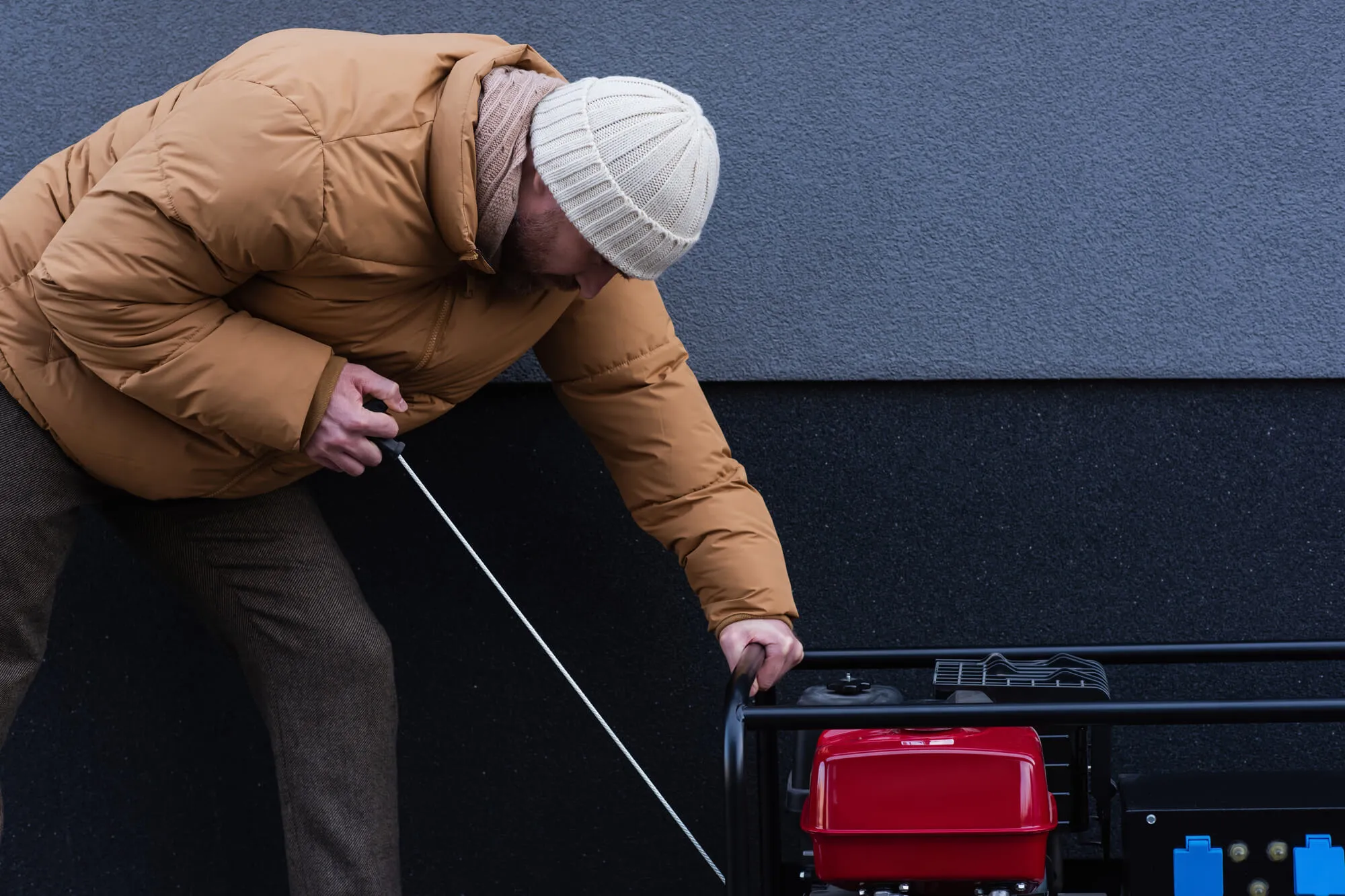
Heating and Cooling Loads
Heating and cooling equipment can represent a substantial electrical load, depending on the type of system installed.
Homeowners sometimes assume a standby generator will automatically keep their HVAC equipment operating during an outage. Whether it can depends on the generator capacity and the electrical requirements of the heating or cooling system.
Compressors, blower motors, pumps, and electric heating elements can all contribute to demand. Some also require additional power during startup.
If maintaining indoor temperature is an important part of your backup power plan, the electrical characteristics of the actual HVAC equipment should be considered when determining generator capacity.
Capacity Problems During Real Outages
An undersized generator may not reveal its limitations during a routine test.
A generator can start normally and appear to operate without difficulty when household electrical demand is low. A real outage can create different conditions.
The refrigerator may be running when the heating system starts. Lights, internet equipment, pumps, and kitchen appliances may also be drawing electricity. Several loads starting close together can create considerably more demand than the generator experienced during a basic test.
A successful startup alone, therefore, does not demonstrate that a generator can support every appliance or system you expect to use during an extended outage.
Potential Effects on Electrical Equipment
An undersized generator does not automatically damage appliances connected to it. Generators and electrical systems may incorporate protective devices that interrupt operation when certain problems occur.
However, consistently operating a generator beyond its intended capacity is not appropriate. Excessive loads can contribute to shutdowns or unstable operation, depending on the generator and circumstances.
Sensitive electronics and appliances also rely on electrical power that meets appropriate voltage and frequency requirements. Rather than intentionally pushing a generator beyond its capacity, homeowners should establish which loads the system is intended to support and plan accordingly.
Changing Household Power Needs
A generator that matches a home’s requirements when installed may not always meet the household’s needs several years later.
Electrical demand can change after adding:
- New heating or cooling equipment
- Additional refrigerators or freezers
- Home office equipment
- New kitchen appliances
- Pumps
- Additional living space
- Other high-demand electrical equipment
Renovations and major appliance changes provide a good opportunity to reconsider backup power priorities.
Future needs are also worth discussing when selecting a new generator. Planning only around today’s electrical demand may leave less flexibility if the household adds equipment later.
Signs of Insufficient Generator Capacity
Capacity problems often become noticeable as electrical demand increases. Possible signs include:
- Breakers repeatedly tripping when additional appliances operate
- The generator shutting down under heavier loads
- Certain appliances being unable to operate together
- Problems occurring when motors or compressors start
- Frequently disconnecting equipment to keep the generator operating
- Household electrical needs increasing since the installation
These symptoms can have causes unrelated to generator size. A professional evaluation can determine whether capacity, equipment condition, electrical connections, or another issue is contributing.
Matching Capacity to Household Needs
Choosing generator capacity begins with identifying what you want to keep operating during an outage.
Some homeowners prioritize essential circuits, while others prefer broader backup power. A load assessment considers running wattage, startup requirements, equipment likely to operate simultaneously, HVAC loads, pumps, appliances, and future electrical plans.
The objective is not simply to select the largest generator available. Appropriate sizing matches the generator to the home’s intended backup loads and how the household expects to use electricity during an outage.
If an existing generator no longer provides sufficient capacity, an evaluation can also determine whether load management or different equipment should be considered.
Frequently Asked Questions About Generator Sizing
Can a Generator Be Too Small for a House?
Yes. A generator may be able to power selected appliances. However, it may lack sufficient capacity for all the equipment a homeowner expects to use simultaneously. The appropriate capacity depends on the intended backup loads, not the size of the house alone.
Will an Undersized Generator Keep Tripping?
It can. If connected loads exceed available capacity, overload protection or breakers may activate. Repeated tripping can also have other causes, so the generator and electrical system should be evaluated if the problem continues.
Can I Just Turn Off Appliances to Reduce the Load?
Reducing the number of simultaneous loads can lower electrical demand. However, repeatedly managing appliances during outages may indicate that the generator does not meet the household’s desired backup power needs.

Planning Seattle Generator Installation for Your Home?
Generator capacity can determine how effectively your backup system supports your household during an outage. Proper planning starts with understanding your electrical loads and deciding which appliances and systems matter most.
At Greenwood Heating & Home Services, our team provides generator sales and installation for Greater Seattle homeowners, with options for different household power requirements. Request a quote today to discuss your backup power needs and find a generator setup that fits how you want your home to operate during an outage.



No comment yet, add your voice below!