




Many older homes still contain original electrical wiring that has served the property for decades. While these systems may continue to function, homeowners often wonder whether aging wiring should be updated and whether they can replace it themselves. Online tutorials can make electrical work appear straightforward, but replacing older wiring is far more complex than many people realize.
If you’ve been researching knob and tube replacement in Seattle, understanding how this type of wiring works, the risks of DIY replacement, and what an electrical evaluation involves can help you decide on the safest approach for your home.
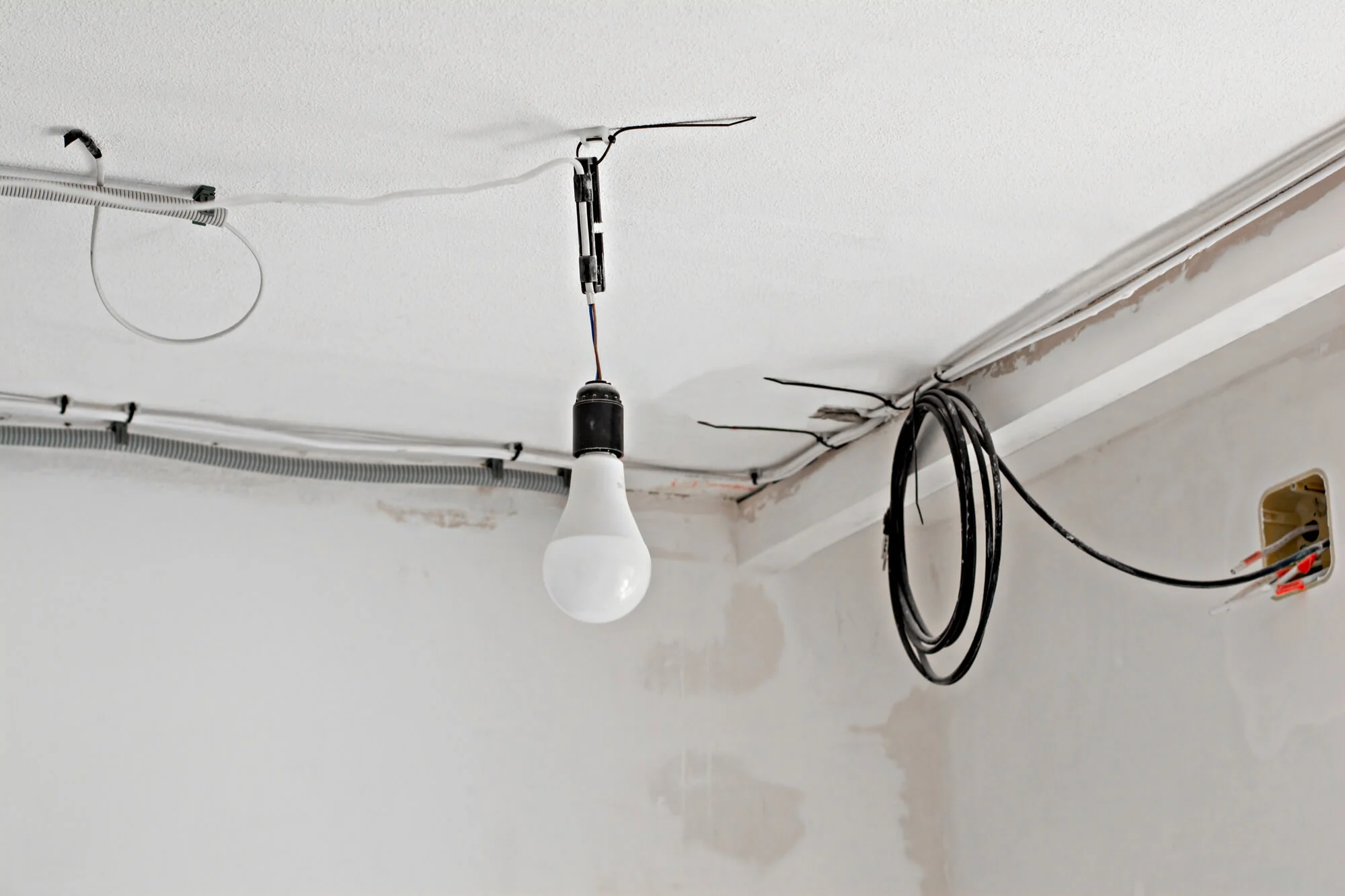
What Is Knob and Tube Wiring?
Knob and tube wiring was one of the earliest standardized methods of residential electrical wiring used throughout North America. Installed primarily from the late 1800s through the 1930s, it used ceramic knobs to support wires along framing members and ceramic tubes to protect the wires as they passed through wooden joists and studs.
Unlike modern electrical systems, knob and tube wiring does not include a grounding conductor. At the time it was installed, household electrical demands were much lower than they are today. Homes typically powered only a few lights and small appliances, long before air conditioners, electric vehicle chargers, computers, and large kitchen appliances became common.
Many older homes have since been partially updated, meaning knob and tube wiring may exist alongside newer electrical systems.
Why Some Homes Still Have It
Although modern wiring methods have replaced knob and tube systems in new construction, older homes may still contain portions of the original wiring.
There are several reasons why this occurs:
- The wiring may still be functioning.
- Previous renovations may have updated only part of the electrical system.
- Areas behind finished walls or ceilings may never have been rewired.
- Some homeowners may not realize that older wiring is still present.
The presence of knob and tube wiring does not automatically mean a home is unsafe. However, because electrical systems naturally age and household power demands have increased significantly over time, older wiring should be evaluated in light of the home’s current electrical needs.
Can You Replace Knob and Tube Wiring Yourself?
Technically, homeowners may be permitted to perform certain electrical work depending on local regulations. However, replacing knob and tube wiring is generally not considered a simple DIY project.
Unlike replacing a light fixture or installing a receptacle, rewiring portions of a home often requires opening walls and ceilings, tracing existing circuits, replacing aging components, and verifying that the updated system complies with current electrical codes.
It may also involve evaluating the electrical panel, grounding, and circuit capacity to determine whether additional upgrades are needed. Many homeowners are surprised to learn that the project extends well beyond replacing the visible wiring, particularly in older homes where previous electrical modifications may have been made over time.
Because every home’s electrical system is different, the safest approach is to have it professionally evaluated before beginning any work. An inspection helps identify the condition of the existing wiring and determine the most appropriate path forward.
Why DIY Replacement Can Be Risky
Replacing older wiring involves much more than simply connecting new wires. Electrical systems are interconnected, and changes to one circuit can affect other parts of the home’s electrical infrastructure.
Potential concerns with DIY replacement include:
- Incorrect wire sizing
- Improper circuit protection
- Loose electrical connections
- Overloaded circuits
- Hidden wiring that remains active
- Failure to meet current electrical codes
Homes with older wiring may also contain modifications completed over many decades by previous owners. These changes are not always visible until portions of the electrical system are opened for inspection.
Attempting to replace wiring without fully understanding the system’s configuration can create safety hazards and make future troubleshooting more difficult.
Modern Electrical Systems Are Designed Differently
Today’s residential electrical systems are designed to support significantly greater electrical demand than homes built a century ago.
Modern systems commonly include dedicated circuits for:
- Kitchen appliances
- Bathrooms
- Laundry equipment
- Heating and cooling systems
- Home offices
- Electric vehicle chargers
They also incorporate grounding, updated circuit protection, and equipment designed to improve overall electrical safety.
Simply replacing old wiring without evaluating the rest of the electrical system may not fully address the needs of a modern household.

Older Homes Often Need More Than New Wiring
When older wiring is discovered, homeowners sometimes assume replacing the visible wiring is the entire project. In reality, an electrical evaluation may identify other components that should also be reviewed.
Depending on the home’s condition, recommendations could include evaluating:
- The electrical panel
- Circuit capacity
- Grounding
- Existing outlets
- Switches
- Service entrance equipment
Looking at the electrical system as a whole helps determine whether additional updates may improve safety, reliability, and compatibility with today’s electrical needs.
Do Building Codes and Permits Matter?
Replacing older electrical wiring often involves more than removing and installing new conductors. Depending on the scope of the work, permits and inspections may be required to verify compliance with current electrical codes. These requirements help confirm that wiring methods, circuit protection, grounding, and other electrical components meet modern safety standards. Working with a licensed electrician also helps homeowners understand local requirements before any work begins.
Signs Your Wiring Should Be Evaluated
Many older electrical systems continue to function, but certain warning signs may indicate that an inspection is worthwhile. Homeowners should consider having their electrical system evaluated if they notice:
- Frequently tripped circuit breakers
- Flickering or dimming lights
- Discolored outlets or switches
- Two-prong receptacles throughout the home
- Warm outlets or unusual odors
- Renovation plans that increase electrical demand
Even without obvious problems, an inspection can provide valuable information about the condition of older wiring and whether updates are warranted.
What Happens During an Electrical Evaluation?
An electrical evaluation helps determine the condition of the home’s wiring and whether improvements may be recommended. Rather than focusing on a single circuit, electricians assess how the electrical system functions as a whole.
During an evaluation, they may inspect:
- Visible wiring condition
- Electrical panel capacity
- Grounding and bonding
- Existing circuits
- Outlet and switch condition
- Signs of previous electrical modifications
The goal is to identify potential concerns, explain available options, and determine whether the system meets the home’s current electrical needs.
Common Misconceptions About Knob and Tube Wiring
One common misconception is that every home with knob and tube wiring must be completely rewired immediately. While older wiring should be carefully evaluated, the appropriate course of action depends on factors such as its condition, prior modifications, and the home’s electrical demands.
Another misconception is that replacing visible wiring solves every problem. In many cases, electricians also evaluate the electrical panel, grounding, and circuit capacity to determine whether other improvements may be beneficial.
Should All Knob and Tube Wiring Be Replaced at Once?
The answer depends on the home’s condition and the scope of any planned renovations. Some homes have already undergone partial electrical updates, while others still contain larger portions of the original wiring.
Rather than assuming every situation requires the same approach, homeowners benefit from understanding how their electrical system is configured before deciding on repairs or upgrades. An inspection provides a clearer picture of the system’s condition and helps prioritize any recommended work.

Looking for Knob and Tube Replacement in Seattle?
Older electrical systems deserve careful evaluation, especially if you’re planning renovations or have concerns about aging wiring. Understanding your home’s electrical condition is the first step toward choosing the most appropriate course of action.
At Greenwood Heating & Home Services, our licensed electricians can inspect older wiring, explain your options, and recommend upgrades that fit your home’s electrical needs. Schedule an electrical inspection today, and let our team help you improve the safety, reliability, and performance of your home’s electrical system.
