



It’s the middle of winter, and your home just isn’t warming up the way it used to. Maybe you’ve noticed strange noises, rising utility bills, or that unsettling moment when the furnace shuts off before reaching the set temperature. These are more than just annoyances; they’re warning signs. Many Seattle homeowners find themselves stuck asking: Should I repair this, or is it time to replace it altogether?
If you’re looking for answers or it feels like the right time to schedule professional furnace repair in Seattle, you’re in the right place.
Is It Time for a Furnace Repair or Full Replacement?
How Old Is Your Furnace?
Most furnaces last about 15 to 20 years. If your unit is getting close to or beyond that range, performance can begin to drop. Even well-maintained systems lose efficiency over time, and replacement parts become harder to find. An older unit might still run, but it may not deliver consistent heat—and it can cost more to operate.
Many homeowners don’t realize their furnace is past its prime until performance drops. If your system is 15 years or older, you may already be experiencing longer run times or noisy startups. Even with regular tune-ups, older units lose their edge. Technology advances quickly, and newer models are designed to run more efficiently with less fuel. If your furnace struggles on cold mornings or takes longer to reach the set temperature, age might be catching up with it.
Are You Dealing With Frequent Breakdowns?
One repair every few years isn’t unusual, but calling a technician multiple times a season is a red flag. Frequent repairs can add up and often indicate deeper mechanical issues. A furnace that breaks down repeatedly may no longer be reliable, especially during peak winter months.
If you’ve had to call for emergency repairs more than once in the last 12 months, your furnace might spiral downward. Recurring problems like ignition failure, blower motor issues, or frequent short cycling often point to broader internal wear. These aren’t just mechanical inconveniences; they interrupt comfort and bring unpredictable costs.
Is Your Home Heating Uneven or Inconsistent?
Is it hot in one room and freezing in another? Uneven heating can indicate airflow problems, duct issues, or a struggling furnace. If the system can’t distribute heat properly, it might be working harder to compensate.
Uneven temperatures don’t just affect comfort; they can be an early sign that your furnace is losing power or that airflow is restricted. You might find yourself turning up the thermostat higher than usual, only for some rooms to stay cold. Repairs can help temporarily, but the underlying output issue may persist.
Have Your Energy Bills Been Climbing?
If your energy bills are steadily climbing without changes in usage, your furnace may be running inefficiently. Dirty filters, worn-out parts, and failing components can cause your unit to use more power to get the job done.
Energy bills creep up as furnaces age. Even small efficiency losses add up, especially in colder months. You may find yourself replacing filters more often or adjusting the thermostat more frequently. These signs suggest your furnace is working harder than it should.
Are Repair Costs Adding Up?
If a repair costs more than 50% of the value of your furnace and your system is over a decade old, replacing it’s usually more cost-effective. One large repair might solve the problem temporarily, but ongoing maintenance on a declining system can quickly outweigh the cost of a new, energy-efficient unit.
Some repairs, such as blower motors, heat exchangers, or control boards, can cost hundreds or even thousands of dollars. If your unit is out of warranty, those expenses fall entirely on you. At some point, the cost of continued repairs can exceed the value of a reliable new system.
Is the Furnace Making Unusual Noises?
Your furnace shouldn’t sound like it’s falling apart. Loud bangs, squeals, or rattling noises often indicate serious wear or loose components.
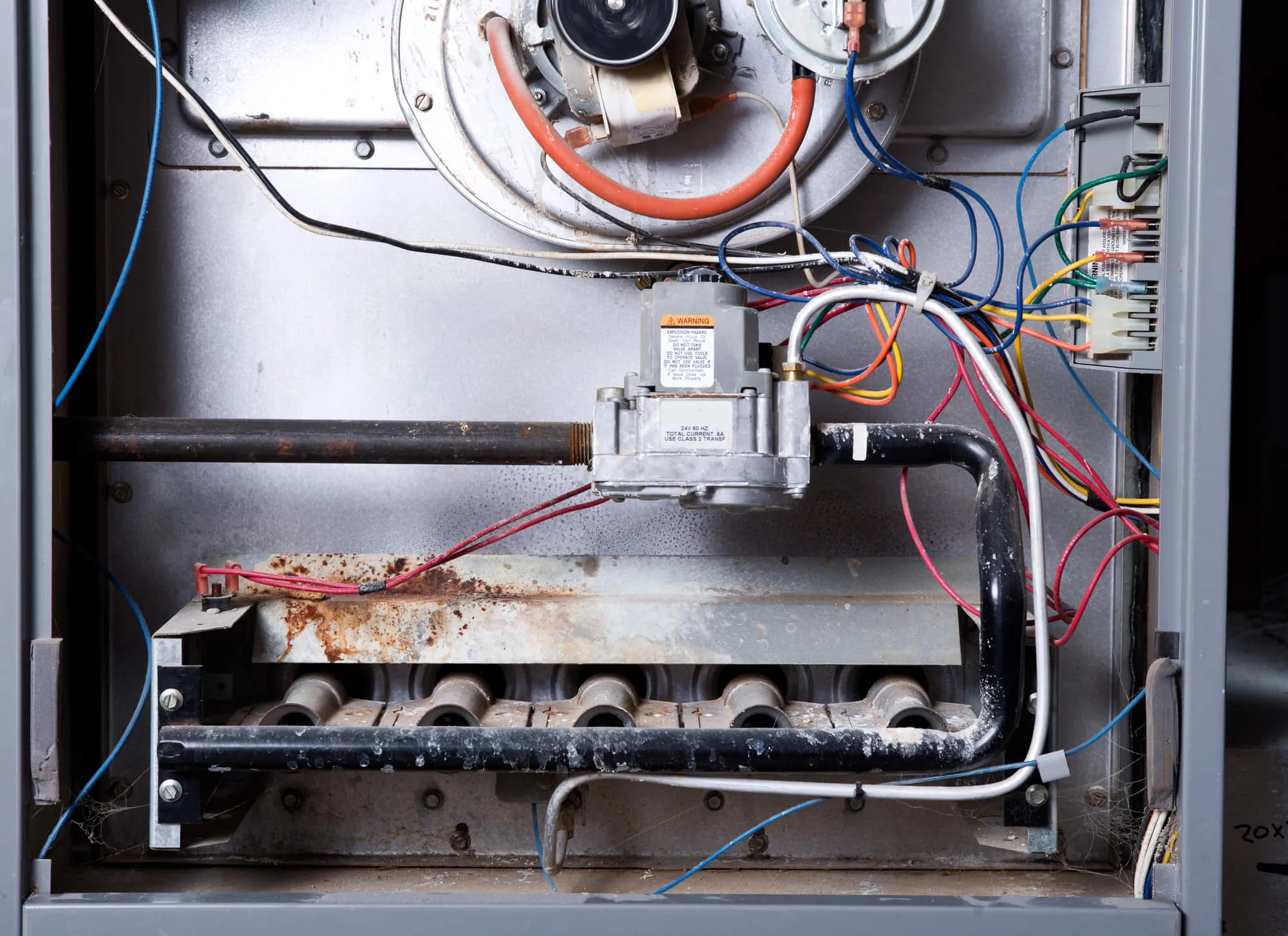
High-pitched squeals may indicate belt issues, while banging sounds often indicate delayed ignition. Repeated clicking might indicate a struggling igniter. These issues usually start small but worsen over time. Addressing them early can prevent further damage, but chronic noise could signal it’s time for a full replacement.
Have You Noticed Excess Dust or Dry Air?
If your air feels excessively dry or dusty, your furnace might not filter or circulate properly. This could be due to a dirty filter, a failing blower motor, or other issues inside the system.
Dry indoor air and visible dust on vents are often tied to underperforming HVAC systems. If you’ve noticed more dusting, dry skin, or sinus issues, your system may be contributing. Cleaning and repairs can help, but ongoing issues might call for an upgrade.
Does Your Thermostat Struggle to Keep Up?
If you constantly adjust the thermostat or wait too long for your home to warm up, your furnace might be falling behind. It could be underpowered for your space or losing efficiency due to age or wear. In some cases, the issue lies with the thermostat itself—faulty sensors or wiring can cause delays or incorrect readings.
But the furnace could be to blame if you’ve already checked the thermostat and nothing changes. Systems that can’t meet demand will cycle longer, increase energy use, and create uneven comfort. It’s worth having both the thermostat and furnace evaluated.
Are You Hearing the Blower Run Constantly?
A blower that never shuts off isn’t normal. It might be due to a faulty limit switch, which controls how long the fan runs, or a setting that’s forcing continuous operation. You could also be dealing with airflow issues like dirty filters or blocked ducts.
Whatever the cause, a constantly running blower can wear out components faster and reduce energy efficiency. It can also over-dry your home during heating season, making things less comfortable overall. If the fan keeps going even after you’ve adjusted the thermostat, it’s time to call a technician and have the system checked.
Has It Been More Than a Year Since Your Last Inspection?
Furnaces work hard during Seattle’s colder months, and skipping annual maintenance can shorten their lifespan. During an inspection, a technician checks the heat exchanger, burners, safety controls, and airflow, all key areas that affect performance and safety. They’ll also clean internal parts, replace filters if needed, and test the system’s efficiency.
If it’s been over a year, hidden wear might already be reducing performance. Annual maintenance doesn’t just prevent breakdowns; it helps catch problems early and keeps your energy bills in check. Make furnace inspections part of your regular home care routine to avoid surprises.
Repair vs. Replacement: Cost Comparison Over Time
Many homeowners hesitate to replace a furnace because of the upfront cost. That’s understandable. But repairs can be deceiving; what seems cheaper now may end up costing more over time.
For example, if your 12-year-old furnace needs a $700 repair this winter and another $500 next year, you’ve already sunk $1,200 into a system that may still underperform. Add higher energy bills and increased risk of breakdowns, and it becomes less cost-effective.
Compare that to investing in a new energy-efficient unit. Though the initial investment is higher, newer models often reduce energy use by 15–30%. Plus, many qualify for rebates and extended warranties. Over time, the monthly savings and peace of mind can make replacement the smarter choice.
If you’re unsure, a licensed technician can inspect your system and help you weigh the cost-benefit trade-offs.
Do You Need Furnace Repair in Seattle?
If your furnace has been giving you trouble, don’t wait until it quits entirely. Greenwood Heating offers prompt, dependable service and clear advice on whether to repair or replace.
Whether it’s a worn-out igniter or an outdated system ready for an upgrade, our team can help you make the right call. Our licensed technicians are trained to handle all types of furnace issues with care and professionalism.
Schedule your furnace repair appointment with Greenwood Heating today and keep your home comfortable and stress-free all winter long.
