

Furnace Lifespan Explained: When Replacement Starts to Make Sense

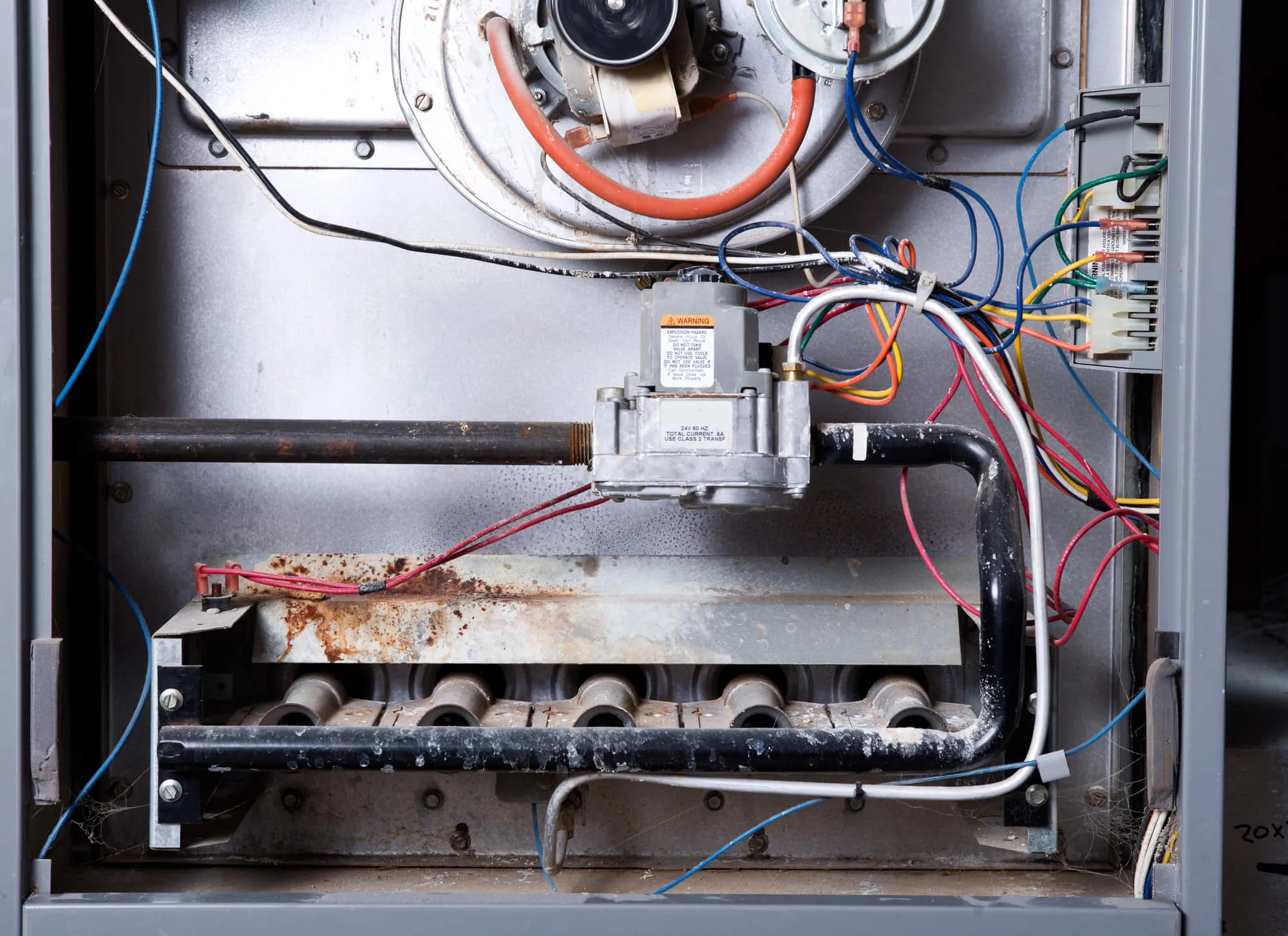
trusted Furnace Repair Seattle

As your furnace ages, you may notice subtle changes, such as longer heating cycles, uneven temperatures, or higher energy bills. In some situations, scheduling furnace repair in Seattle can help restore performance. In others, these changes may indicate that your system is reaching the end of its lifespan. 

Understanding how furnaces age and when replacement begins to make more sense allows homeowners to plan ahead, avoid sudden breakdowns, and make more confident decisions about their heating system. 
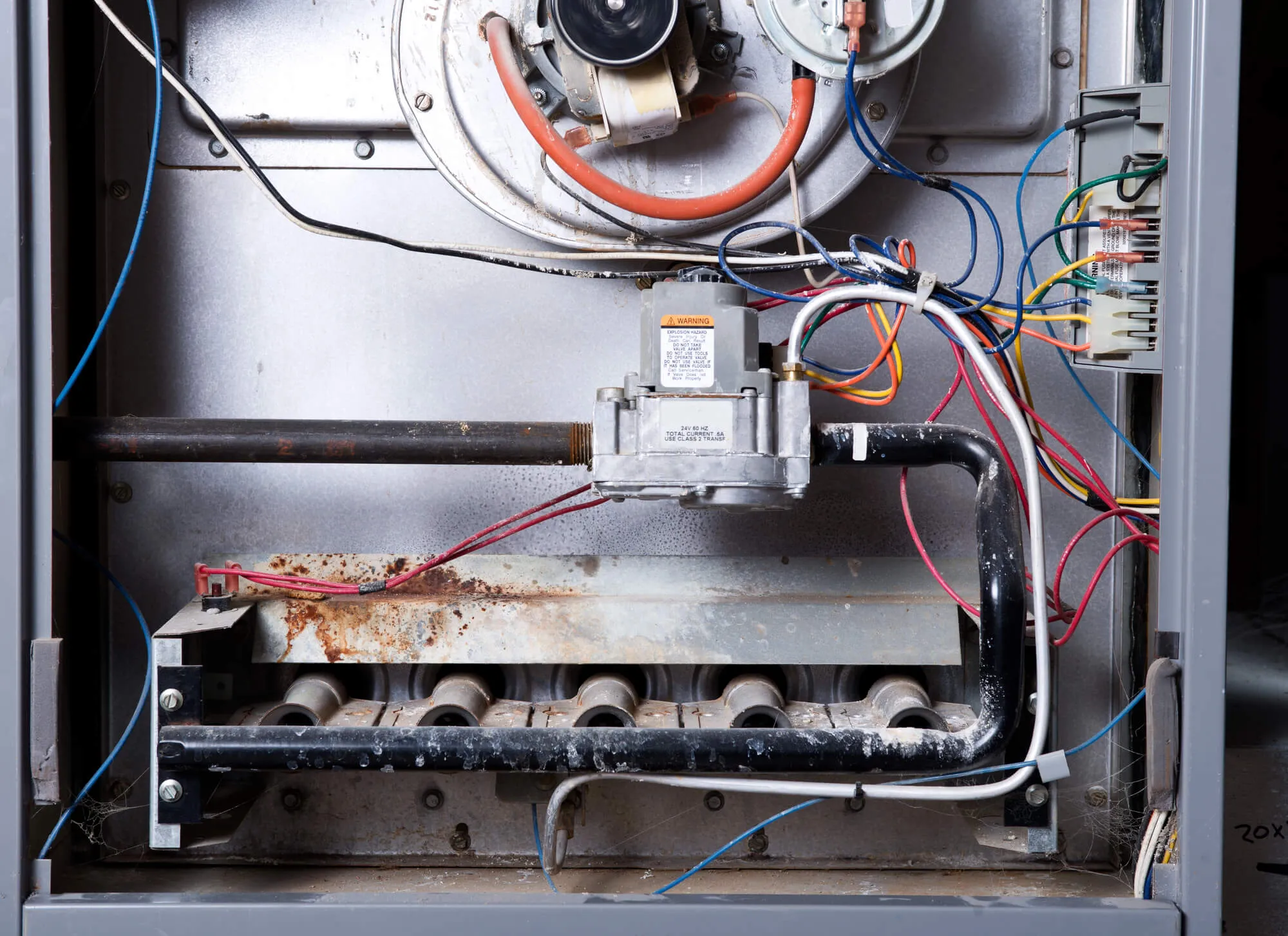
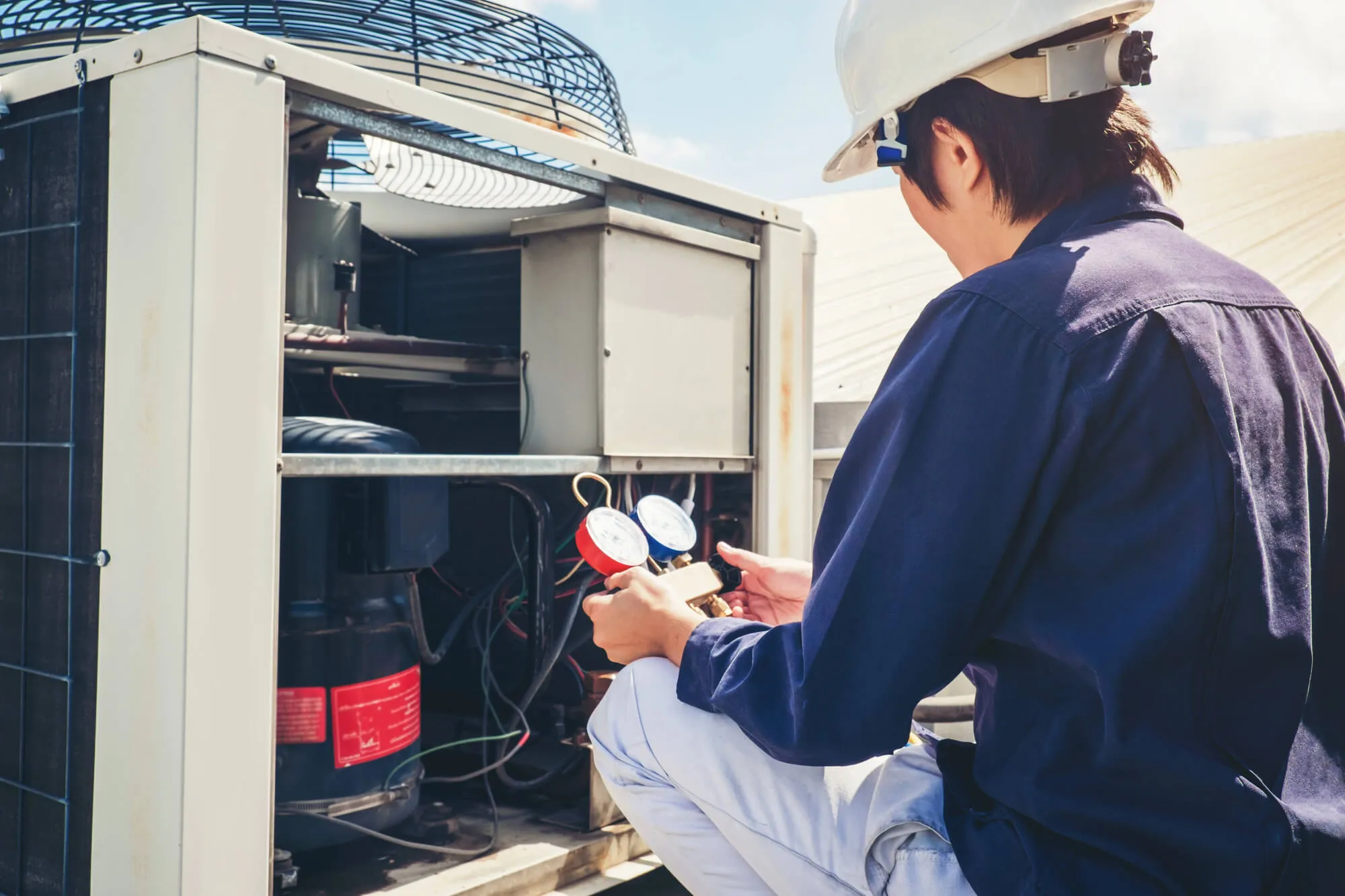
affordable Furnace Repair Seattle

How Long Does a Furnace Usually Last? 

Most furnaces are designed to last 15 to 20 years, though their actual lifespan can vary depending on usage and maintenance. Systems that receive routine servicing and operate under stable conditions often last longer, while those that experience heavy use or limited maintenance may show signs of wear earlier. 

Several factors influence lifespan: 

  • Proper installation and system sizing 
  • Airflow and duct condition 
  • Frequency of use during colder months 
  • Overall home efficiency 

While a furnace may still function beyond 20 years, its performance, efficiency, and reliability often decline. Knowing your system’s age helps guide decisions about whether repair or replacement is the better path forward. 

What Happens as a Furnace Gets Older? 

Over time, the internal components of a furnace begin to wear down. Each heating cycle places stress on parts such as motors, burners, and heat exchangers. These components are designed for long-term use, but years of continuous operation gradually reduce their efficiency and responsiveness. 

As a furnace ages, homeowners may notice: 

  • Slower response when adjusting the thermostat 
  • Longer run times to maintain temperature 
  • Increased cycling on and off 
  • Reduced airflow in certain areas of the home 

You may also observe slight temperature fluctuations or the system running more frequently to keep up with demand. These changes often develop gradually, which makes them easy to overlook at first. Over time, however, they indicate that the system is working harder than it once did to maintain consistent comfort, which can lead to increased energy use and added strain on internal components. 

Energy Efficiency Declines Over Time 

One of the clearest signs of an aging furnace is reduced energy efficiency. Older systems require more energy to produce the same level of heat, especially as internal components begin to wear. 

This can result in: 

  • Higher monthly energy bills 
  • Increased strain on the system 

Even if the furnace is still operating, declining efficiency can impact overall comfort and cost. Newer systems are designed to meet updated efficiency standards, which can make a noticeable difference when compared to older equipment. 

Repair Frequency May Increase 

As furnaces approach the later stages of their lifespan, repairs may become more frequent. Individual components such as igniters, motors, or sensors may begin to fail over time. 

While each repair may seem manageable, repeated service calls can become inconvenient and costly. This pattern often signals that the system is nearing the end of its useful life. 

If repairs are needed more often than before—especially within the same heating season—it may be time to consider whether continued maintenance is supporting long-term reliability. 

When Repairs No Longer Add Value 

Repairs may become less practical when breakdowns occur frequently, costs increase, or performance issues persist despite servicing. Older systems may also face limited availability of parts. If fixes only offer short-term improvement, it may signal deeper wear. Reviewing overall repair patterns helps determine whether replacement is the more reliable long-term option. 

Comfort May Become Less Consistent 

An aging furnace may struggle to maintain even temperatures throughout the home. Some rooms may feel warmer than others, while certain areas take longer to heat. 

This inconsistency can be caused by: 

  • Reduced airflow 
  • Worn internal components 
  • System inefficiencies 

While adjustments and servicing can improve performance temporarily, these issues often become more noticeable over time. Consistent comfort is one of the main reasons homeowners begin considering system replacement. 

Changes in Noise and Operation 

Furnaces typically operate quietly, so changes in sound can be an early indicator of wear. As systems age, different components may produce noticeable noises. 

Common changes include: 

  • Rattling or vibrating 
  • Banging during startup 
  • Irregular cycling sounds 

These sounds may not always indicate immediate failure, but they can signal that parts are wearing down. Monitoring these changes can help determine when further evaluation is needed. 
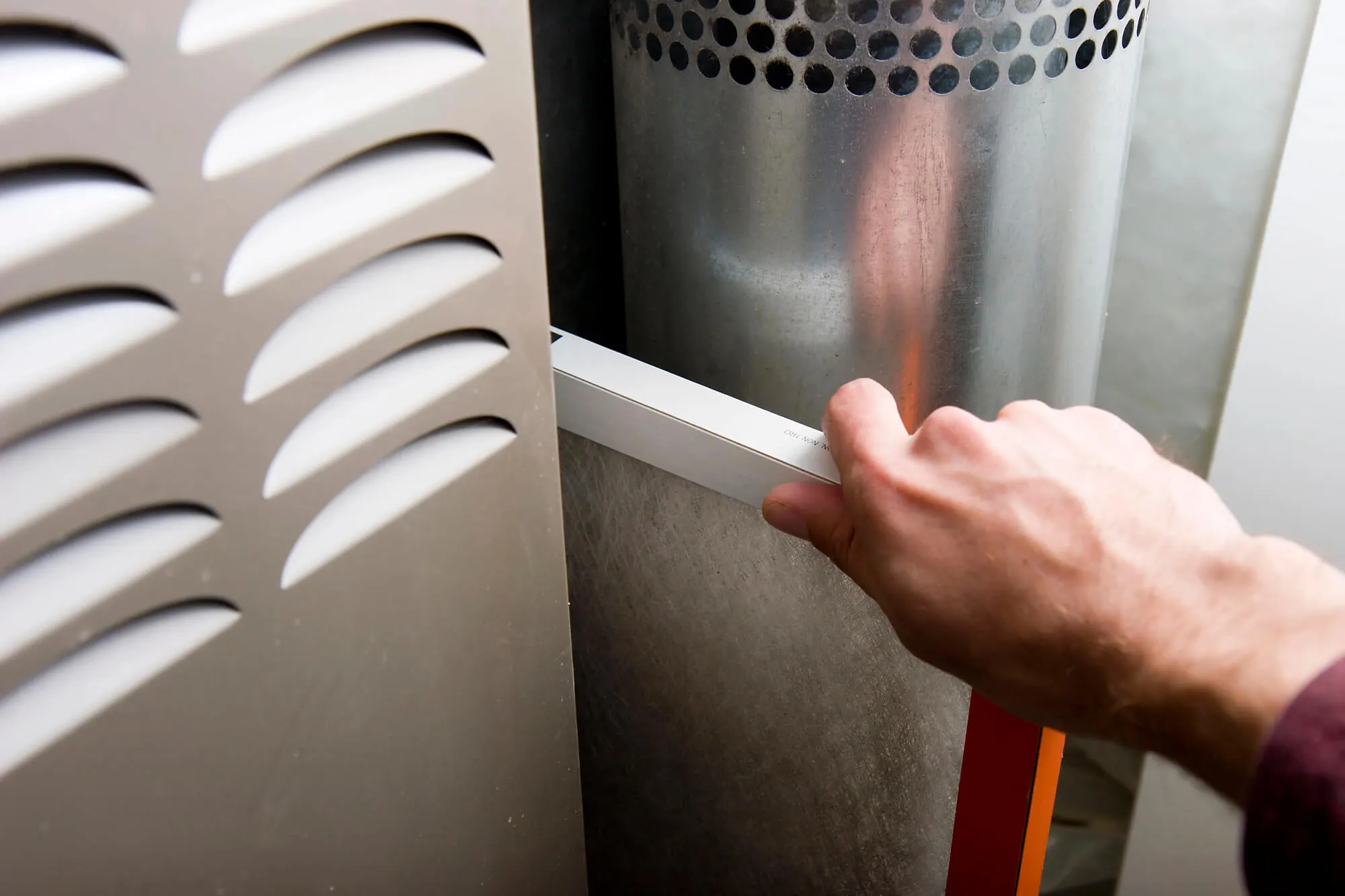
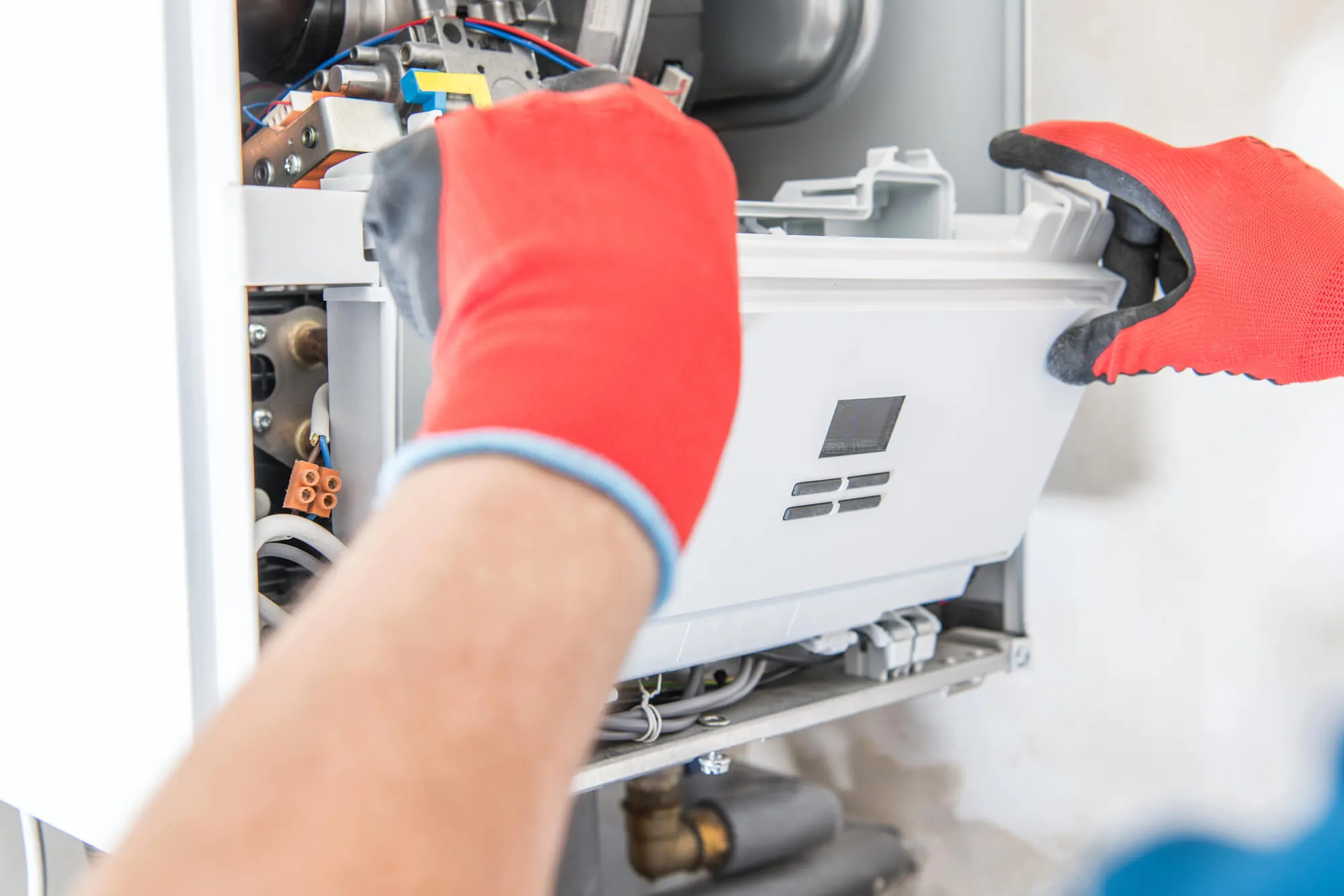
Furnace Repair Seattle

Older Systems May Lack Updated Features 

Heating technology has advanced significantly over the years. Older furnaces may not include features that improve efficiency, comfort, and control. 

Newer systems may offer: 

  • Variable-speed motors for better airflow 
  • Smart thermostat compatibility 
  • Improved temperature consistency 
  • Enhanced safety features 

While older systems can still function, upgrading may provide a more consistent and responsive heating experience. 

Planning Ahead Can Reduce Stress 

Waiting until a furnace stops working completely often leads to urgent decisions. This can be especially challenging during colder months when heating is essential and service demand is high. When systems fail unexpectedly, homeowners may have limited time to compare options or schedule installation at their convenience. 

Planning ahead allows homeowners to: 

  • Compare replacement options carefully 
  • Schedule installation at a convenient time 
  • Avoid peak-season service delays 
  • Prepare for the investment 

It also creates an opportunity to evaluate energy efficiency, system size, and compatibility with existing ductwork. By addressing concerns early, homeowners can avoid last-minute pressure and make decisions based on long-term comfort rather than immediate need. Taking a proactive approach supports a smoother transition and helps maintain consistent indoor comfort throughout the heating season. 

Factors That Influence Replacement Timing 

Maintenance History 

Regular servicing helps extend system life and maintain performance. Routine inspections allow technicians to identify worn components early and address minor issues before they affect overall operation. Systems that receive consistent maintenance often perform more reliably over time and may experience fewer unexpected disruptions. 

Installation Quality 

Proper installation supports efficient operation and reduces strain. A correctly sized and well-installed furnace distributes heat more evenly and avoids unnecessary stress on internal components. Poor installation, on the other hand, can lead to airflow issues, uneven heating, and premature wear, affecting long-term performance. 

Usage 

Homes with higher heating demands may experience faster wear. Systems that run more frequently during colder months naturally accumulate more operational hours. Over time, this increased workload can lead to earlier signs of aging compared to systems used less often. 

Home Efficiency 

Insulation, windows, and airflow all influence system workload. Homes with better insulation and sealed windows retain heat more effectively, reducing the strain on the furnace. When efficiency is lower, the system must work harder to maintain indoor comfort, which can impact lifespan. 

Considering these factors together provides a clearer understanding of your furnace’s condition and helps guide decisions about repair or replacement. 

When Replacement Starts to Make Sense 

For many homeowners, replacement becomes a consideration once a furnace reaches 15 to 20 years, especially if performance has declined or repairs are becoming more frequent. 

Instead of focusing on age alone, it helps to evaluate: 

  • Overall system performance 
  • Repair history 
  • Energy use trends 
  • Comfort consistency 

Looking at the full picture allows for a more confident and practical decision 
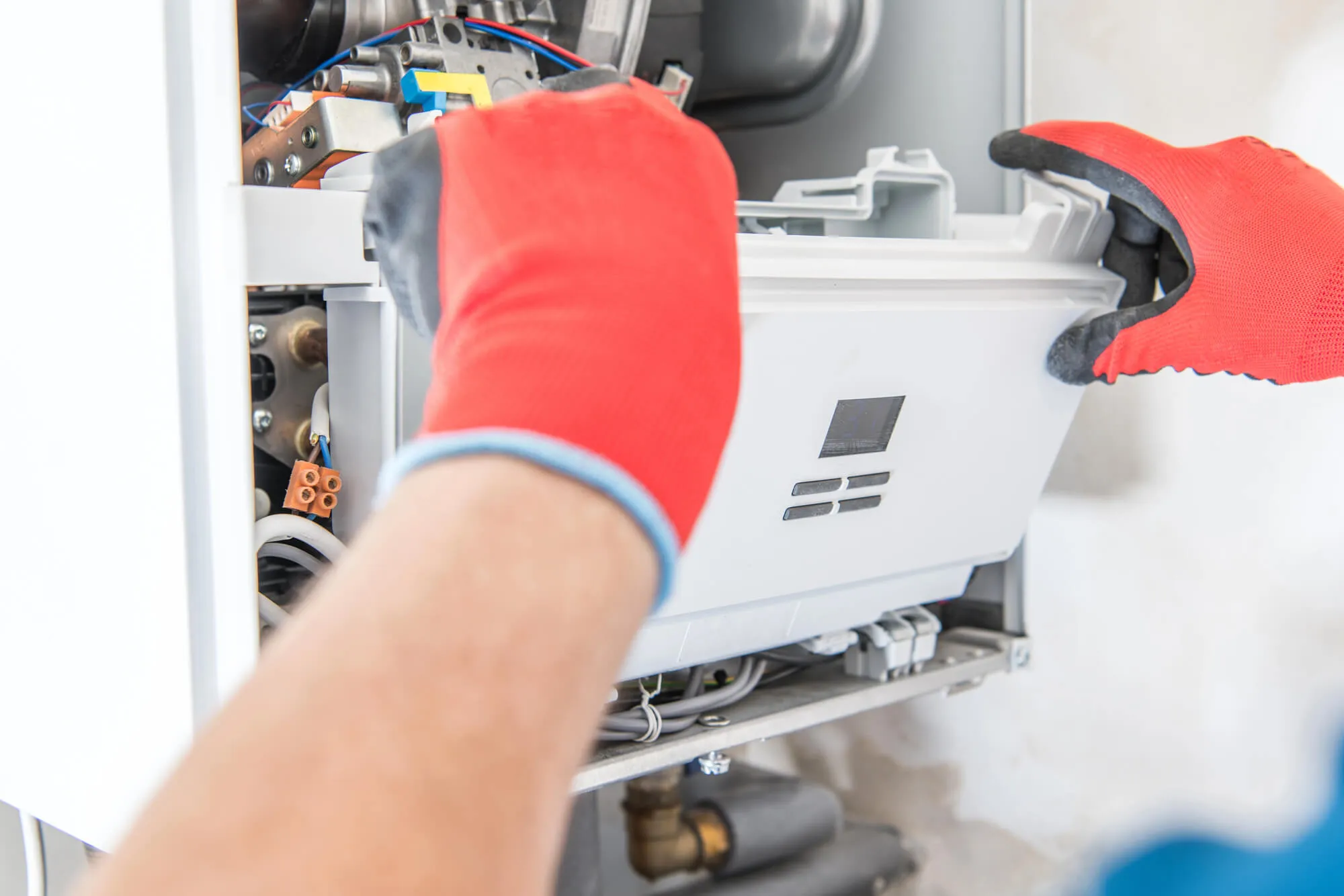
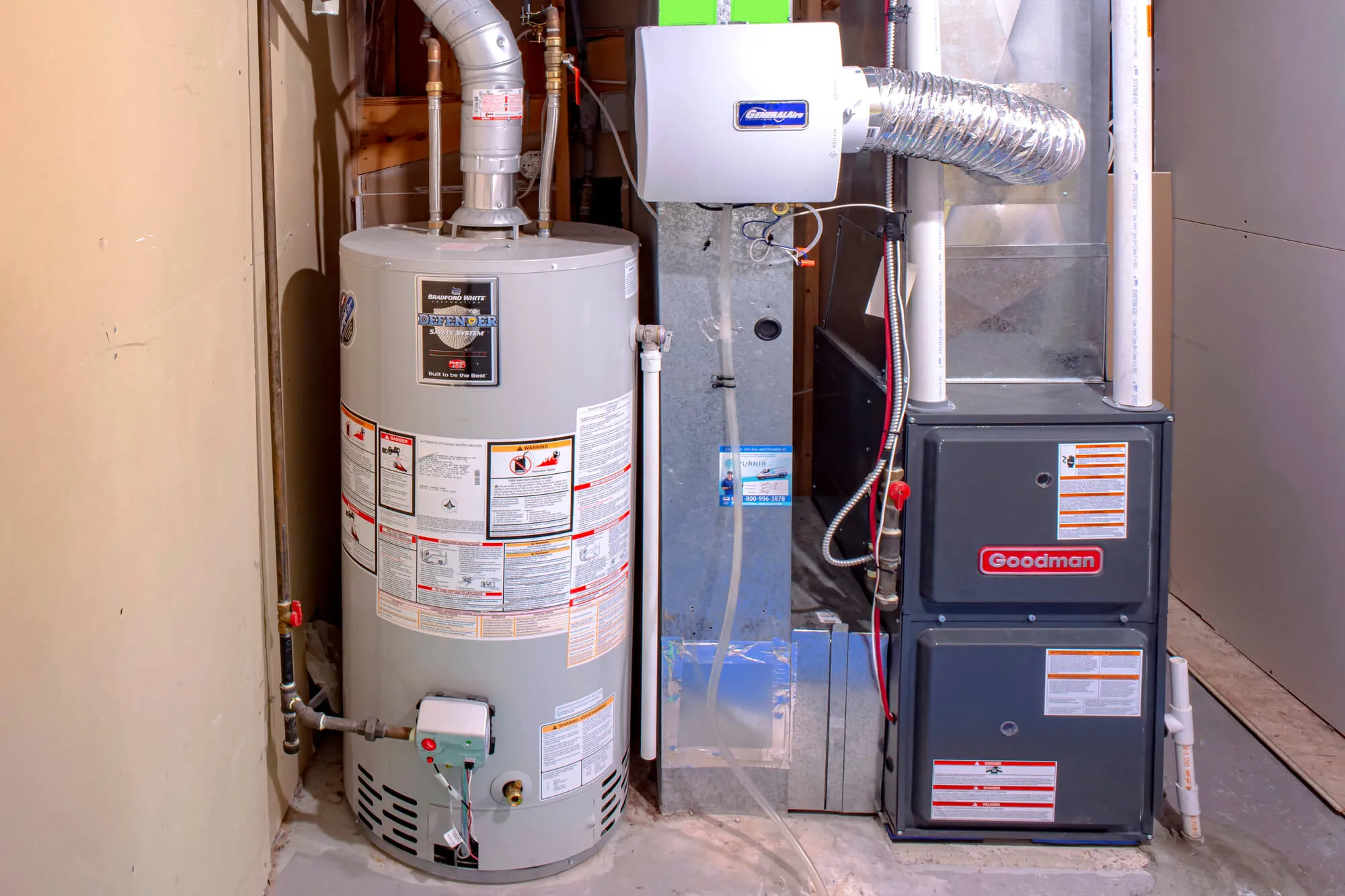
reliable Furnace Repair Seattle

Do You Need Furnace Repair in Seattle or Is It Time to Replace Your System? 

If your furnace is showing signs of wear, making unusual noises, or struggling to keep your home comfortable, it may be time to take a closer look. In some cases, scheduling furnace repair can address specific issues and extend your system’s lifespan. In others, age and overall condition may indicate that replacement is the more practical option. 

The team at Greenwood Heating & Home Services can help you evaluate your system and understand your options. Whether you’re dealing with performance concerns or planning ahead, a professional assessment provides clarity and helps you make a decision that supports long-term comfort and reliability. Reach out today to schedule an evaluation and keep your home warm and comfortable throughout the season.

How to Know If Your Furnace Needs a Repair or a Replacement

professional Furnace Repair Seattle

It’s the middle of winter, and your home just isn’t warming up the way it used to. Maybe you’ve noticed strange noises, rising utility bills, or that unsettling moment when the furnace shuts off before reaching the set temperature. These are more than just annoyances; they’re warning signs. Many Seattle homeowners find themselves stuck asking: Should I repair this, or is it time to replace it altogether?  

If you’re looking for answers or it feels like the right time to schedule professional furnace repair in Seattle, you’re in the right place. 

needs Furnace Repair Seattle

Is It Time for a Furnace Repair or Full Replacement? 

How Old Is Your Furnace? 

Most furnaces last about 15 to 20 years. If your unit is getting close to or beyond that range, performance can begin to drop. Even well-maintained systems lose efficiency over time, and replacement parts become harder to find. An older unit might still run, but it may not deliver consistent heat—and it can cost more to operate. 

Many homeowners don’t realize their furnace is past its prime until performance drops. If your system is 15 years or older, you may already be experiencing longer run times or noisy startups. Even with regular tune-ups, older units lose their edge. Technology advances quickly, and newer models are designed to run more efficiently with less fuel. If your furnace struggles on cold mornings or takes longer to reach the set temperature, age might be catching up with it. 

Are You Dealing With Frequent Breakdowns? 

One repair every few years isn’t unusual, but calling a technician multiple times a season is a red flag. Frequent repairs can add up and often indicate deeper mechanical issues. A furnace that breaks down repeatedly may no longer be reliable, especially during peak winter months. 

If you’ve had to call for emergency repairs more than once in the last 12 months, your furnace might spiral downward. Recurring problems like ignition failure, blower motor issues, or frequent short cycling often point to broader internal wear. These aren’t just mechanical inconveniences; they interrupt comfort and bring unpredictable costs. 

Is Your Home Heating Uneven or Inconsistent? 

Is it hot in one room and freezing in another? Uneven heating can indicate airflow problems, duct issues, or a struggling furnace. If the system can’t distribute heat properly, it might be working harder to compensate. 

Uneven temperatures don’t just affect comfort; they can be an early sign that your furnace is losing power or that airflow is restricted. You might find yourself turning up the thermostat higher than usual, only for some rooms to stay cold. Repairs can help temporarily, but the underlying output issue may persist. 

Have Your Energy Bills Been Climbing? 

If your energy bills are steadily climbing without changes in usage, your furnace may be running inefficiently. Dirty filters, worn-out parts, and failing components can cause your unit to use more power to get the job done. 

Energy bills creep up as furnaces age. Even small efficiency losses add up, especially in colder months. You may find yourself replacing filters more often or adjusting the thermostat more frequently. These signs suggest your furnace is working harder than it should. 

Are Repair Costs Adding Up? 

If a repair costs more than 50% of the value of your furnace and your system is over a decade old, replacing it’s usually more cost-effective. One large repair might solve the problem temporarily, but ongoing maintenance on a declining system can quickly outweigh the cost of a new, energy-efficient unit. 

Some repairs, such as blower motors, heat exchangers, or control boards, can cost hundreds or even thousands of dollars. If your unit is out of warranty, those expenses fall entirely on you. At some point, the cost of continued repairs can exceed the value of a reliable new system. 

ongoing Furnace Repair Seattle

Is the Furnace Making Unusual Noises? 

Your furnace shouldn’t sound like it’s falling apart. Loud bangs, squeals, or rattling noises often indicate serious wear or loose components. 

High-pitched squeals may indicate belt issues, while banging sounds often indicate delayed ignition. Repeated clicking might indicate a struggling igniter. These issues usually start small but worsen over time. Addressing them early can prevent further damage, but chronic noise could signal it’s time for a full replacement. 

Have You Noticed Excess Dust or Dry Air? 

If your air feels excessively dry or dusty, your furnace might not filter or circulate properly. This could be due to a dirty filter, a failing blower motor, or other issues inside the system. 

Dry indoor air and visible dust on vents are often tied to underperforming HVAC systems. If you’ve noticed more dusting, dry skin, or sinus issues, your system may be contributing. Cleaning and repairs can help, but ongoing issues might call for an upgrade. 

Does Your Thermostat Struggle to Keep Up? 

If you constantly adjust the thermostat or wait too long for your home to warm up, your furnace might be falling behind. It could be underpowered for your space or losing efficiency due to age or wear. In some cases, the issue lies with the thermostat itself—faulty sensors or wiring can cause delays or incorrect readings.  

But the furnace could be to blame if you’ve already checked the thermostat and nothing changes. Systems that can’t meet demand will cycle longer, increase energy use, and create uneven comfort. It’s worth having both the thermostat and furnace evaluated. 

Are You Hearing the Blower Run Constantly? 

A blower that never shuts off isn’t normal. It might be due to a faulty limit switch, which controls how long the fan runs, or a setting that’s forcing continuous operation. You could also be dealing with airflow issues like dirty filters or blocked ducts.   

Whatever the cause, a constantly running blower can wear out components faster and reduce energy efficiency. It can also over-dry your home during heating season, making things less comfortable overall. If the fan keeps going even after you’ve adjusted the thermostat, it’s time to call a technician and have the system checked. 

Has It Been More Than a Year Since Your Last Inspection? 

Furnaces work hard during Seattle’s colder months, and skipping annual maintenance can shorten their lifespan. During an inspection, a technician checks the heat exchanger, burners, safety controls, and airflow, all key areas that affect performance and safety. They’ll also clean internal parts, replace filters if needed, and test the system’s efficiency.  

If it’s been over a year, hidden wear might already be reducing performance. Annual maintenance doesn’t just prevent breakdowns; it helps catch problems early and keeps your energy bills in check. Make furnace inspections part of your regular home care routine to avoid surprises. 

Repair vs. Replacement: Cost Comparison Over Time 

Many homeowners hesitate to replace a furnace because of the upfront cost. That’s understandable. But repairs can be deceiving; what seems cheaper now may end up costing more over time. 

For example, if your 12-year-old furnace needs a $700 repair this winter and another $500 next year, you’ve already sunk $1,200 into a system that may still underperform. Add higher energy bills and increased risk of breakdowns, and it becomes less cost-effective. 

Compare that to investing in a new energy-efficient unit. Though the initial investment is higher, newer models often reduce energy use by 15–30%. Plus, many qualify for rebates and extended warranties. Over time, the monthly savings and peace of mind can make replacement the smarter choice. 

If you’re unsure, a licensed technician can inspect your system and help you weigh the cost-benefit trade-offs. 

affordable Furnace Repair Seattle

Do You Need Furnace Repair in Seattle 

If your furnace has been giving you trouble, don’t wait until it quits entirely. Greenwood Heating offers prompt, dependable service and clear advice on whether to repair or replace.  

Whether it’s a worn-out igniter or an outdated system ready for an upgrade, our team can help you make the right call. Our licensed technicians are trained to handle all types of furnace issues with care and professionalism. 

Schedule your furnace repair appointment with Greenwood Heating today and keep your home comfortable and stress-free all winter long. 

7 Signs Your Furnace Needs a Maintenance Check

worker doing Furnace Maintenance Seattle

Waking up to a cold home in the middle of winter can be more than uncomfortable; it can be a red flag that something isn’t quite right with your furnace. Many Seattle homeowners assume their system is fine until it suddenly stops working.  

But the truth is, most breakdowns don’t happen without warning. Subtle changes in performance often indicate it’s time for a check-up. If you’re searching for reliable furnace maintenance in Seattle, knowing what to look out for helps you stay warm without the stress of an unexpected repair.  

needs Furnace Maintenance Seattle

Spotting the Warning Signals of Furnace Wear and Tear 

It’s not always obvious that your furnace needs help. However, small clues add up over time, and ignoring them can turn a minor inconvenience into a major disruption. Understanding what to look for makes it easier to act before the cold sets in. 

1. Unusual Noises 

A healthy furnace runs quietly. Clicking, banging, or grinding noises indicate that parts may be loose or worn out. These sounds could come from a misaligned blower fan, a failing motor, or clogged burners. Noise issues can escalate if left alone, so it’s worth getting a technician to take a look. 

2. Frequent Cycling 

Is your furnace turning on and off in short bursts? That behavior, known as short cycling, can overwork your system and reduce efficiency. It may be due to a dirty air filter, a faulty thermostat, or issues with airflow. Left unchecked, it wears out internal components faster than necessary. 

3. Reduced Heating 

You may notice that your home isn’t warming up the way it used to, even with the thermostat set correctly. This could be due to a blocked duct, dirty burner, or aging parts that can’t keep up with demand. If some rooms are colder than others or the air feels lukewarm, it’s time for a tune-up. 

4. Rising Energy Bills 

Have your utility bills gone up without a change in usage? A furnace that’s struggling to heat your home will work harder and use more energy in the process. This inefficiency is often the result of clogged filters, failing parts, or a lack of proper maintenance. 

5. Poor Air Quality 

Dry air, excessive dust, or inconsistent airflow can all be signs your furnace is under strain. A neglected system can circulate allergens, dust, and even fumes if there’s a combustion issue. Regular maintenance helps improve air quality by keeping components clean and filters replaced. 

6. Flame Discoloration 

Gas furnaces should produce a steady blue flame. If it turns yellow, orange, or flickers, this may signal incomplete combustion—a safety concern that could involve carbon monoxide. This type of issue should always be addressed by a trained professional. 

7. Thermostat Inconsistencies 

Thermostat not responding properly? If it’s displaying error codes, inaccurate readings, or failing to communicate with your furnace, it could be due to faulty wiring or failing sensors. A technician can diagnose whether the issue lies in the thermostat or the furnace itself. 

professional Furnace Maintenance Seattle

Why Routine Checks Make Sense for Furnace Maintenance  

Waiting for something to break isn’t the most cost-effective or safest approach. Preventive maintenance gives your furnace the support it needs to perform well through every season. Here’s why regular checks make such a difference. 

Furnace inspections help catch small issues before they grow. Dirty burners, frayed wires, or slow fans can all be spotted during a tune-up and resolved early. This avoids emergency calls on freezing nights when repair wait times are longer and comfort is harder to restore quickly. 

Proper maintenance also supports energy efficiency. When filters are clean and moving parts are properly lubricated, your furnace doesn’t have to work as hard. That translates to lower energy bills and fewer mechanical issues. Over time, these savings can outweigh the cost of the check-up itself.  

Routine service also contributes to your home’s air quality. Technicians inspect the ventilation system to ensure there’s no buildup of carbon monoxide, dust, or debris in the airflow. They also check for safety risks such as gas leaks, flame instability, or worn seals. 

Manufacturer warranties often require proof of annual servicing. Skipping maintenance may leave you responsible for the full repair cost that could have been covered. Staying on schedule protects your investment and avoids unexpected costs.  

Most of all, regular checks help extend the life of your equipment. A well-maintained furnace lasts longer, breaks down less often, and provides reliable comfort for years. That peace of mind is something Seattle homeowners appreciate during long winters. 

What Happens During a Professional Furnace Maintenance Visit? 

A standard maintenance check involves a detailed inspection of your furnace’s internal systems. Technicians usually clean the burner assembly and blower components, inspect the ignition and pilot systems, and test the unit’s safety controls. These steps help reduce the chance of performance issues and can catch small problems before they turn into larger repairs. 

Airflow and duct pressure are also evaluated to ensure warm air circulates evenly throughout your home. If any issues are found, like a dirty filter or restricted vent, they’re flagged so you can decide how to address them. 

The electrical system is checked as well. That includes inspecting the thermostat, tightening any loose connections, and making sure sensors are working correctly. Altogether, the process helps extend your system’s life and keeps it running more efficiently throughout the colder months. 

Furnace Maintenance Tips for Homeowners 

Staying proactive with furnace care doesn’t always require a service call. There are simple things you can do at home to support your system between professional visits.  

  • Check your filter regularly: A clogged air filter forces your furnace to work harder, reducing airflow and straining internal parts. Inspect it every 1–2 months during heating season. If it looks dusty or blocked, replace it. This one habit supports better airflow, efficiency, and system longevity. 
  • Review your thermostat settings: Make sure the thermostat is in the correct mode and set to your desired temperature. If you use a programmable or smart thermostat, update the schedule seasonally. Adjusting for weekday versus weekend use can reduce unnecessary heating and lower your energy bills. 
  • Keep vents and registers unobstructed: Blocked vents can cause uneven temperatures and extra strain on your furnace. Furniture, rugs, or even heavy dust can restrict airflow. Do a quick walk-through to ensure each vent has open space around it and can function properly. 
  • Watch for smells or moisture near the unit: Musty odors may indicate mold or a buildup of debris in the ducts. Puddles around the unit could mean condensation issues or a blocked drain tube. These subtle signs are worth mentioning during your next maintenance appointment. 
  • Listen for changes in performance: Pay attention to how your system sounds and feels. New noises, delayed heating, or shifting air pressure can point to minor issues developing. These small cues don’t always signal a major problem, but they shouldn’t be ignored either. 

Spending just a few minutes on these checks every few weeks helps support your furnace and avoid unexpected disruptions during the colder months. 

affordable Furnace Maintenance Seattle

Schedule A Professional Furnace Maintenance in Seattle Today 

Furnace issues have a way of showing up when you least expect them. Whether it’s odd sounds, uneven heating, or rising energy bills, the signs often start subtly. Recognizing them early and taking action protects your comfort and saves you money in the long run. 

Greenwood Heating is here to help with reliable furnace maintenance services. Our skilled technicians know what to look for and how to keep your system working efficiently. We treat every home with care, explain our findings clearly, and respect your time. 

If your furnace hasn’t been checked in the last year or if something feels off, it’s smart to book an appointment now. With a full inspection and cleaning, you can enjoy a warmer, more comfortable winter without the worry. Contact Greenwood Heating today to book a consultation!