


As your furnace ages, you may notice subtle changes, such as longer heating cycles, uneven temperatures, or higher energy bills. In some situations, scheduling furnace repair in Seattle can help restore performance. In others, these changes may indicate that your system is reaching the end of its lifespan.
Understanding how furnaces age and when replacement begins to make more sense allows homeowners to plan ahead, avoid sudden breakdowns, and make more confident decisions about their heating system.
How Long Does a Furnace Usually Last?
Most furnaces are designed to last 15 to 20 years, though their actual lifespan can vary depending on usage and maintenance. Systems that receive routine servicing and operate under stable conditions often last longer, while those that experience heavy use or limited maintenance may show signs of wear earlier.
Several factors influence lifespan:
- Proper installation and system sizing
- Airflow and duct condition
- Frequency of use during colder months
- Overall home efficiency
While a furnace may still function beyond 20 years, its performance, efficiency, and reliability often decline. Knowing your system’s age helps guide decisions about whether repair or replacement is the better path forward.
What Happens as a Furnace Gets Older?
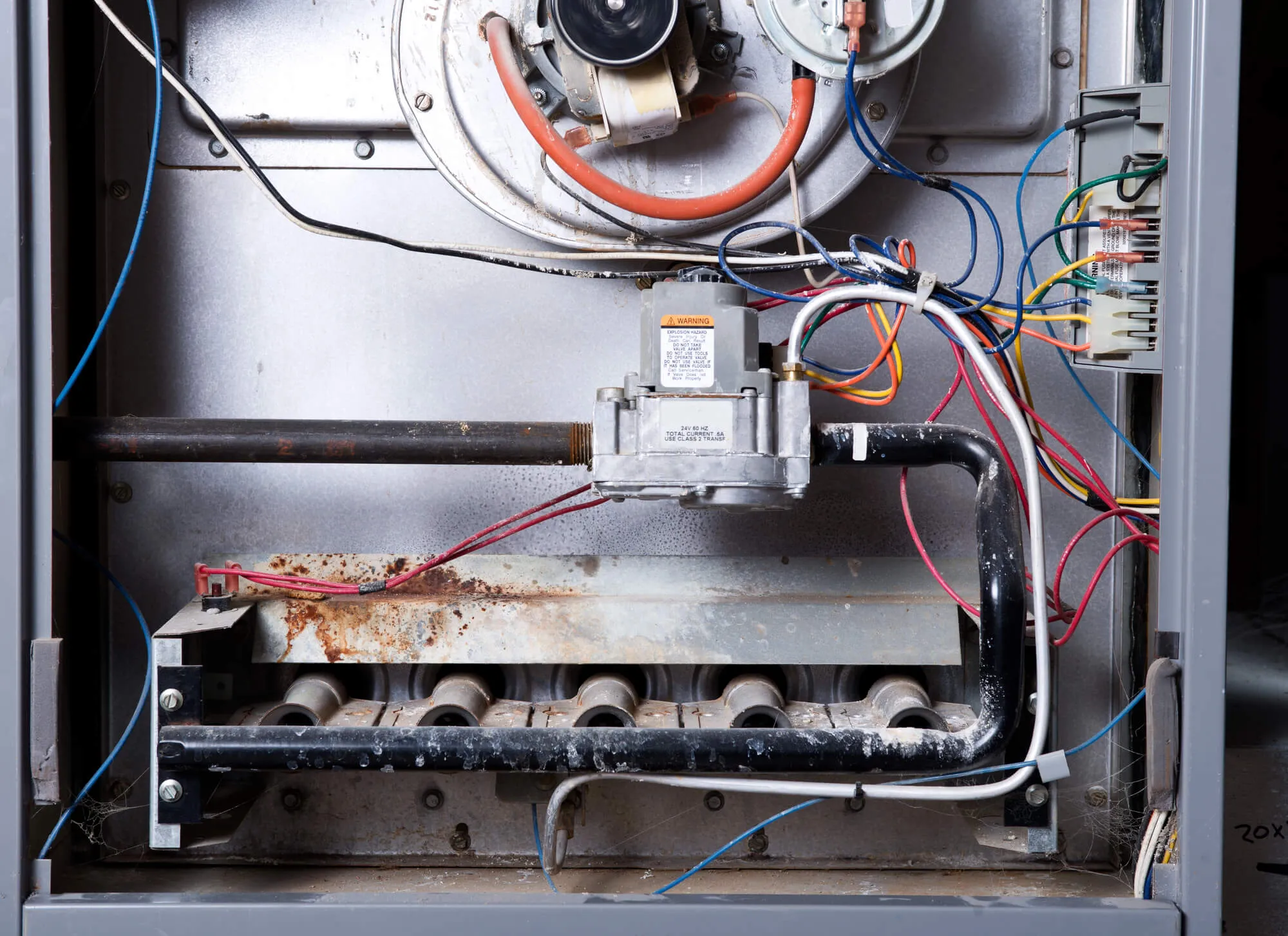
Over time, the internal components of a furnace begin to wear down. Each heating cycle places stress on parts such as motors, burners, and heat exchangers. These components are designed for long-term use, but years of continuous operation gradually reduce their efficiency and responsiveness.
As a furnace ages, homeowners may notice:
- Slower response when adjusting the thermostat
- Longer run times to maintain temperature
- Increased cycling on and off
- Reduced airflow in certain areas of the home
You may also observe slight temperature fluctuations or the system running more frequently to keep up with demand. These changes often develop gradually, which makes them easy to overlook at first. Over time, however, they indicate that the system is working harder than it once did to maintain consistent comfort, which can lead to increased energy use and added strain on internal components.
Energy Efficiency Declines Over Time
One of the clearest signs of an aging furnace is reduced energy efficiency. Older systems require more energy to produce the same level of heat, especially as internal components begin to wear.
This can result in:
- Higher monthly energy bills
- Increased strain on the system
Even if the furnace is still operating, declining efficiency can impact overall comfort and cost. Newer systems are designed to meet updated efficiency standards, which can make a noticeable difference when compared to older equipment.
Repair Frequency May Increase
As furnaces approach the later stages of their lifespan, repairs may become more frequent. Individual components such as igniters, motors, or sensors may begin to fail over time.
While each repair may seem manageable, repeated service calls can become inconvenient and costly. This pattern often signals that the system is nearing the end of its useful life.
If repairs are needed more often than before—especially within the same heating season—it may be time to consider whether continued maintenance is supporting long-term reliability.
When Repairs No Longer Add Value
Repairs may become less practical when breakdowns occur frequently, costs increase, or performance issues persist despite servicing. Older systems may also face limited availability of parts. If fixes only offer short-term improvement, it may signal deeper wear. Reviewing overall repair patterns helps determine whether replacement is the more reliable long-term option.
Comfort May Become Less Consistent
An aging furnace may struggle to maintain even temperatures throughout the home. Some rooms may feel warmer than others, while certain areas take longer to heat.
This inconsistency can be caused by:
- Reduced airflow
- Worn internal components
- System inefficiencies
While adjustments and servicing can improve performance temporarily, these issues often become more noticeable over time. Consistent comfort is one of the main reasons homeowners begin considering system replacement.
Changes in Noise and Operation
Furnaces typically operate quietly, so changes in sound can be an early indicator of wear. As systems age, different components may produce noticeable noises.
Common changes include:
- Rattling or vibrating
- Banging during startup
- Irregular cycling sounds
These sounds may not always indicate immediate failure, but they can signal that parts are wearing down. Monitoring these changes can help determine when further evaluation is needed.
Older Systems May Lack Updated Features
Heating technology has advanced significantly over the years. Older furnaces may not include features that improve efficiency, comfort, and control.
Newer systems may offer:
- Variable-speed motors for better airflow
- Smart thermostat compatibility
- Improved temperature consistency
- Enhanced safety features
While older systems can still function, upgrading may provide a more consistent and responsive heating experience.
Planning Ahead Can Reduce Stress
Waiting until a furnace stops working completely often leads to urgent decisions. This can be especially challenging during colder months when heating is essential and service demand is high. When systems fail unexpectedly, homeowners may have limited time to compare options or schedule installation at their convenience.
Planning ahead allows homeowners to:
- Compare replacement options carefully
- Schedule installation at a convenient time
- Avoid peak-season service delays
- Prepare for the investment
It also creates an opportunity to evaluate energy efficiency, system size, and compatibility with existing ductwork. By addressing concerns early, homeowners can avoid last-minute pressure and make decisions based on long-term comfort rather than immediate need. Taking a proactive approach supports a smoother transition and helps maintain consistent indoor comfort throughout the heating season.
Factors That Influence Replacement Timing
Maintenance History
Regular servicing helps extend system life and maintain performance. Routine inspections allow technicians to identify worn components early and address minor issues before they affect overall operation. Systems that receive consistent maintenance often perform more reliably over time and may experience fewer unexpected disruptions.
Installation Quality
Proper installation supports efficient operation and reduces strain. A correctly sized and well-installed furnace distributes heat more evenly and avoids unnecessary stress on internal components. Poor installation, on the other hand, can lead to airflow issues, uneven heating, and premature wear, affecting long-term performance.
Usage
Homes with higher heating demands may experience faster wear. Systems that run more frequently during colder months naturally accumulate more operational hours. Over time, this increased workload can lead to earlier signs of aging compared to systems used less often.
Home Efficiency
Insulation, windows, and airflow all influence system workload. Homes with better insulation and sealed windows retain heat more effectively, reducing the strain on the furnace. When efficiency is lower, the system must work harder to maintain indoor comfort, which can impact lifespan.
Considering these factors together provides a clearer understanding of your furnace’s condition and helps guide decisions about repair or replacement.
When Replacement Starts to Make Sense
For many homeowners, replacement becomes a consideration once a furnace reaches 15 to 20 years, especially if performance has declined or repairs are becoming more frequent.
Instead of focusing on age alone, it helps to evaluate:
- Overall system performance
- Repair history
- Energy use trends
- Comfort consistency
Looking at the full picture allows for a more confident and practical decision
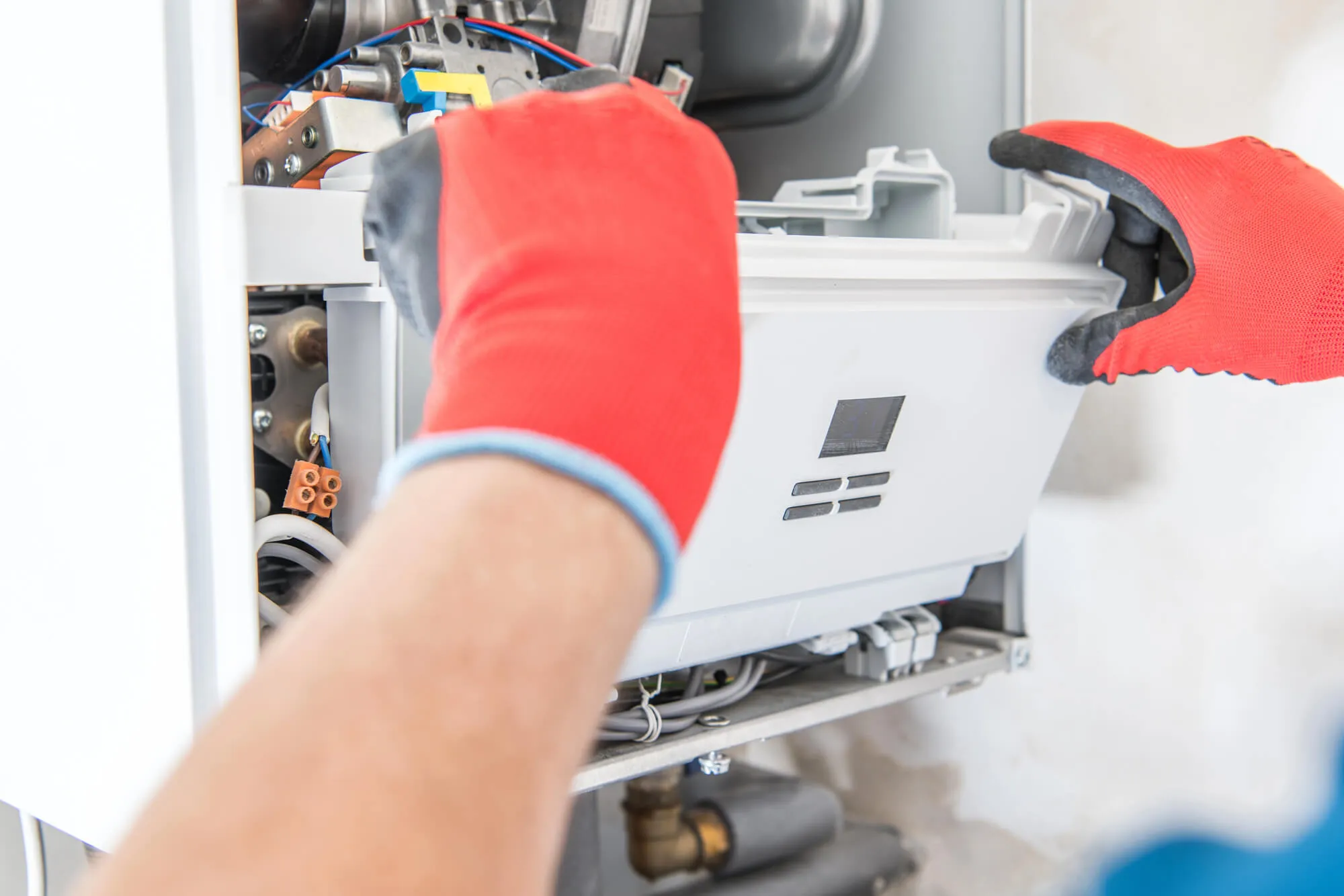
Do You Need Furnace Repair in Seattle or Is It Time to Replace Your System?
If your furnace is showing signs of wear, making unusual noises, or struggling to keep your home comfortable, it may be time to take a closer look. In some cases, scheduling furnace repair can address specific issues and extend your system’s lifespan. In others, age and overall condition may indicate that replacement is the more practical option.
The team at Greenwood Heating & Home Services can help you evaluate your system and understand your options. Whether you’re dealing with performance concerns or planning ahead, a professional assessment provides clarity and helps you make a decision that supports long-term comfort and reliability. Reach out today to schedule an evaluation and keep your home warm and comfortable throughout the season.