



Can You Replace Knob and Tube Wiring Yourself? What Homeowners Should Know

electrician-working-on-Knob-and-Tube-replacement-seattle-1

Many older homes still contain original electrical wiring that has served the property for decades. While these systems may continue to function, homeowners often wonder whether aging wiring should be updated and whether they can replace it themselves. Online tutorials can make electrical work appear straightforward, but replacing older wiring is far more complex than many people realize.  

If you’ve been researching knob and tube replacement in Seattle, understanding how this type of wiring works, the risks of DIY replacement, and what an electrical evaluation involves can help you decide on the safest approach for your home. 
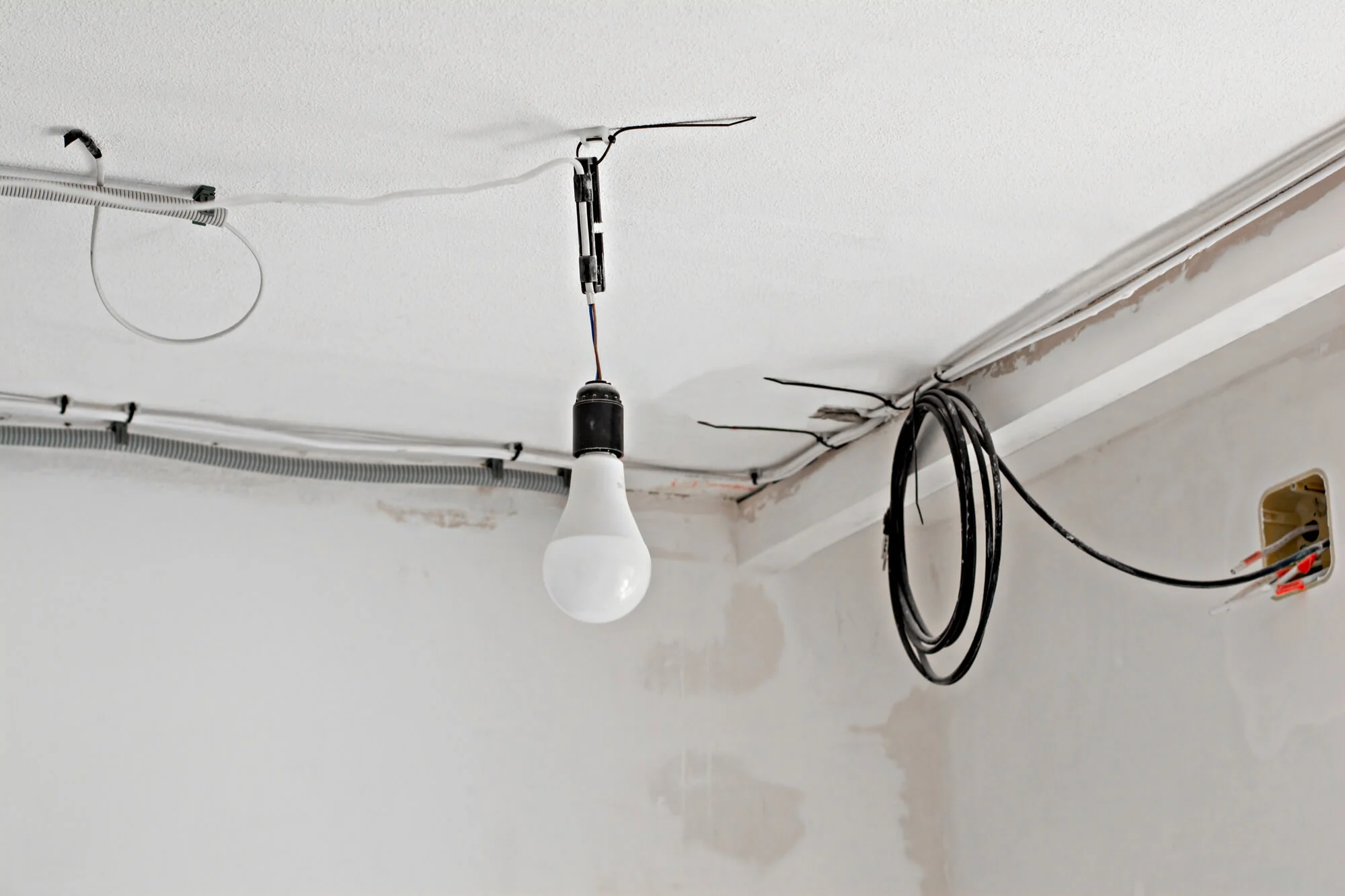
during-Knob-and-Tube-replacement-seattle-1

What Is Knob and Tube Wiring? 

Knob and tube wiring was one of the earliest standardized methods of residential electrical wiring used throughout North America. Installed primarily from the late 1800s through the 1930s, it used ceramic knobs to support wires along framing members and ceramic tubes to protect the wires as they passed through wooden joists and studs. 

Unlike modern electrical systems, knob and tube wiring does not include a grounding conductor. At the time it was installed, household electrical demands were much lower than they are today. Homes typically powered only a few lights and small appliances, long before air conditioners, electric vehicle chargers, computers, and large kitchen appliances became common. 

Many older homes have since been partially updated, meaning knob and tube wiring may exist alongside newer electrical systems. 

Why Some Homes Still Have It 

Although modern wiring methods have replaced knob and tube systems in new construction, older homes may still contain portions of the original wiring. 

There are several reasons why this occurs: 

  • The wiring may still be functioning. 
  • Previous renovations may have updated only part of the electrical system. 
  • Areas behind finished walls or ceilings may never have been rewired. 
  • Some homeowners may not realize that older wiring is still present. 

The presence of knob and tube wiring does not automatically mean a home is unsafe. However, because electrical systems naturally age and household power demands have increased significantly over time, older wiring should be evaluated in light of the home’s current electrical needs. 

Can You Replace Knob and Tube Wiring Yourself? 

Technically, homeowners may be permitted to perform certain electrical work depending on local regulations. However, replacing knob and tube wiring is generally not considered a simple DIY project. 

Unlike replacing a light fixture or installing a receptacle, rewiring portions of a home often requires opening walls and ceilings, tracing existing circuits, replacing aging components, and verifying that the updated system complies with current electrical codes. 

It may also involve evaluating the electrical panel, grounding, and circuit capacity to determine whether additional upgrades are needed. Many homeowners are surprised to learn that the project extends well beyond replacing the visible wiring, particularly in older homes where previous electrical modifications may have been made over time. 

Because every home’s electrical system is different, the safest approach is to have it professionally evaluated before beginning any work. An inspection helps identify the condition of the existing wiring and determine the most appropriate path forward. 

Why DIY Replacement Can Be Risky 

Replacing older wiring involves much more than simply connecting new wires. Electrical systems are interconnected, and changes to one circuit can affect other parts of the home’s electrical infrastructure. 

Potential concerns with DIY replacement include: 

  • Incorrect wire sizing 
  • Improper circuit protection 
  • Loose electrical connections 
  • Overloaded circuits 
  • Hidden wiring that remains active 
  • Failure to meet current electrical codes 

Homes with older wiring may also contain modifications completed over many decades by previous owners. These changes are not always visible until portions of the electrical system are opened for inspection. 

Attempting to replace wiring without fully understanding the system’s configuration can create safety hazards and make future troubleshooting more difficult. 

Modern Electrical Systems Are Designed Differently 

Today’s residential electrical systems are designed to support significantly greater electrical demand than homes built a century ago. 

Modern systems commonly include dedicated circuits for: 

  • Kitchen appliances 
  • Bathrooms 
  • Laundry equipment 
  • Heating and cooling systems 
  • Home offices 
  • Electric vehicle chargers 

They also incorporate grounding, updated circuit protection, and equipment designed to improve overall electrical safety. 

Simply replacing old wiring without evaluating the rest of the electrical system may not fully address the needs of a modern household. 

Knob-and-Tube-replacement-seattle-professional

Older Homes Often Need More Than New Wiring 

When older wiring is discovered, homeowners sometimes assume replacing the visible wiring is the entire project. In reality, an electrical evaluation may identify other components that should also be reviewed. 

Depending on the home’s condition, recommendations could include evaluating: 

  • The electrical panel 
  • Circuit capacity 
  • Grounding 
  • Existing outlets 
  • Switches 
  • Service entrance equipment 

Looking at the electrical system as a whole helps determine whether additional updates may improve safety, reliability, and compatibility with today’s electrical needs. 

Do Building Codes and Permits Matter? 

Replacing older electrical wiring often involves more than removing and installing new conductors. Depending on the scope of the work, permits and inspections may be required to verify compliance with current electrical codes. These requirements help confirm that wiring methods, circuit protection, grounding, and other electrical components meet modern safety standards. Working with a licensed electrician also helps homeowners understand local requirements before any work begins. 

Signs Your Wiring Should Be Evaluated 

Many older electrical systems continue to function, but certain warning signs may indicate that an inspection is worthwhile. Homeowners should consider having their electrical system evaluated if they notice: 

  • Frequently tripped circuit breakers 
  • Flickering or dimming lights 
  • Discolored outlets or switches 
  • Two-prong receptacles throughout the home 
  • Warm outlets or unusual odors 
  • Renovation plans that increase electrical demand 

Even without obvious problems, an inspection can provide valuable information about the condition of older wiring and whether updates are warranted. 

What Happens During an Electrical Evaluation? 

An electrical evaluation helps determine the condition of the home’s wiring and whether improvements may be recommended. Rather than focusing on a single circuit, electricians assess how the electrical system functions as a whole. 

During an evaluation, they may inspect: 

  • Visible wiring condition 
  • Electrical panel capacity 
  • Grounding and bonding 
  • Existing circuits 
  • Outlet and switch condition 
  • Signs of previous electrical modifications 

The goal is to identify potential concerns, explain available options, and determine whether the system meets the home’s current electrical needs. 

Common Misconceptions About Knob and Tube Wiring 

One common misconception is that every home with knob and tube wiring must be completely rewired immediately. While older wiring should be carefully evaluated, the appropriate course of action depends on factors such as its condition, prior modifications, and the home’s electrical demands. 

Another misconception is that replacing visible wiring solves every problem. In many cases, electricians also evaluate the electrical panel, grounding, and circuit capacity to determine whether other improvements may be beneficial. 

Should All Knob and Tube Wiring Be Replaced at Once? 

The answer depends on the home’s condition and the scope of any planned renovations. Some homes have already undergone partial electrical updates, while others still contain larger portions of the original wiring. 

Rather than assuming every situation requires the same approach, homeowners benefit from understanding how their electrical system is configured before deciding on repairs or upgrades. An inspection provides a clearer picture of the system’s condition and helps prioritize any recommended work. 

on-their-way-to-do-Knob-and-Tube-replacement-seattle

Looking for Knob and Tube Replacement in Seattle? 

Older electrical systems deserve careful evaluation, especially if you’re planning renovations or have concerns about aging wiring. Understanding your home’s electrical condition is the first step toward choosing the most appropriate course of action.  

At Greenwood Heating & Home Services, our licensed electricians can inspect older wiring, explain your options, and recommend upgrades that fit your home’s electrical needs. Schedule an electrical inspection today, and let our team help you improve the safety, reliability, and performance of your home’s electrical system. 

DIY Electrical Safety: What You Can and Can’t Do

electrician seattle (3)

Are you itching to tackle some home electrical projects but not sure where to draw the line between what’s safe and what’s better left to the pros? It’s a wise move to question this, because when it comes to electrical work, the line between a satisfying DIY job and a call to an emergency electrician in Seattle can be fine indeed. 

Electrical work isn’t just about making sure your new chandelier lights up without tripping the breaker. It’s about ensuring that every flick of a switch or press of a button in your home is safe.  

Whether you’re looking to replace a light fixture, install a new outlet, or just understand what makes your home’s electrical system tick, we’ve got you covered.  

So, grab your toolkit (but leave those rubber gloves on the rack for now) and let’s get into the nitty-gritty of DIY electrical safety, making sure you know when it’s time to call in a professional electrician. Let’s dive into the dos and don’ts of DIY electrical work.  

electrician seattle (2)

Basic Electrical Concepts Every Homeowner Should Understand 

Before you can even think about unscrewing an electrical plate or twisting a wire nut, it’s crucial to have a grip on the basics of your home’s electrical system. Here’s a quick rundown to help you get started:

Understanding Voltage, Current, and Resistance 

Electricity in your home flows in a way that can be compared to water in pipes. Voltage is the pressure pushing the electricity through, current is the flow of the electricity itself, and resistance is anything that slows that flow down. Each plays a key role in how your electrical system functions, and misjudging any of them can lead to serious problems. 

Circuit Breakers: Your Safety Net 

Think of circuit breakers as the protectors of your home’s electrical system. They stop the power if there’s too much electricity flowing, which keeps your house safe from electrical problems. It’s really essential to know which breaker controls what in your house before you start any electrical work. This can save you a lot of trouble. 

The Significance of the Ground Wire 

The ground wire is possibly the most important safety feature in your home’s electrical system. It provides a path for electrical current to safely return to the ground if something goes wrong, preventing dangerous situations like electrical fires or shocks. Never remove or bypass the ground wire! 

Color Codes in Electrical Wiring 

Electrical wires are color-coded to indicate their purpose. In most homes, black or red wires are live, which means they carry the electricity. White is neutral, and green or bare copper is ground. Familiarizing yourself with these colors can help you avoid grave mistakes. 

Understanding these concepts doesn’t make you as skilled as an electrician in Seattle, but it does equip you with the knowledge to gauge whether a project is within your DIY scope or if it’s time to call in the pros. Remember, overconfidence can be as dangerous as inexperience when it comes to electrical work. 

DIY Electrical Tasks You Can Safely Tackle on Your Own 

If you’ve got the right tools and have brushed up on the basics, there are several electrical tasks that are within the reach of a capable DIYer. Here are a few projects you can confidently handle with a bit of caution and preparation, and without any assistance from an electrician in Seattle: 

Replacing Light Fixtures 

Switching out an old light fixture for a new one is a straightforward task for most DIYers. Always see to it that the power is turned off at the circuit breaker before you start. If the wiring setup seems consistent (color and number of wires) with the new fixture, you can simply swap them. 

Installing Dimmer Switches 

Adding a dimmer switch to your lighting setup is another doable project for the enthusiastic homeowner. It’s similar to changing a regular light switch but involves some extra attention to detail with the wiring. Make sure the power is off at the breaker during the entire installation. 

Replacing Outlets 

Upgrading your outlets can be both aesthetically pleasing and functionally beneficial, especially if you want to add USB ports. Turn off the power, test the outlet to ensure it’s not live, and then proceed to replace it. Stick to replacing like-for-like outlets to avoid complications. 

Adding GFCI Outlets in Bathrooms and Kitchens 

Ground Fault Circuit Interrupter (GFCI) outlets are crucial in areas where water is present because they protect against electrical shock. These are slightly more complex because of the safety features involved, but still manageable if you follow the instructions carefully. 

When to Call a Professional Electrician in Seattle 

While DIY projects can be satisfying and cost-effective, there are times when calling a professional electrician is not just advisable, but essential. Let’s take a look at them below: 

Adding New Circuits 

Any project that involves adding new circuits to your home’s electrical system is complex and risky. This kind of work requires an understanding of your home’s overall electrical load and local electrical codes. 

Upgrading Your Home’s Electrical Panel 

Do your renovation plans include significant electrical upgrades or additions? If so, you might need a new panel to handle the increased load. This is a major task that involves working directly with your home’s main power line, and it’s definitely a job for a licensed electrician in Seattle. 

Handling Aluminum Wiring 

If your home has aluminum wiring (common in some buildings from the 1960s and 70s), making modifications can be hazardous due to the unique qualities of aluminum. Special techniques and materials are required to safely work with this type of wiring. 

Projects Involving Permits 

In many areas, electrical work that goes beyond simple replacements requires a permit and inspections to ensure safety. This is especially true for extensive modifications or new installations. An experienced electrician in Seattle will know how to handle these requirements, ensuring your work is up to code and safe. 

Essential Safety Tips for DIY Electrical Work 

Don’t dive into any electrical projects just yet! Here are a few safety tips to keep top of mind: 

Always Turn Off the Power 

Before starting any electrical work, make sure that the power is off at the breaker. Double-check with a voltage tester to be 100% confident and worry-free. 

Use the Right Tools 

Invest in insulated tools that are specifically designed for electrical work. This can greatly reduce the risk of shocks. 

Wear Protective Gear 

Safety goggles and gloves can protect you from sparks and accidental shocks. Don’t take any chances. As they say, safety first. 

Keep a Fire Extinguisher Handy 

Always, and we repeat, always, have a fire extinguisher nearby when doing electrical work. It should be suitable for electrical fires. 

electrician seattle

Test Before You Touch 

Even after you’ve turned off the breaker, use a non-contact voltage tester on wires before you touch them. Better safe than sorry! 

Professional Electrician Services

Upgrading Your Electrical Panel

Professional Electrician Services

A Seattle Homeowners Guide To Common Electrical Repairs

Upgrading Your Electrical Panel

As a homeowner in Seattle, ensuring the safety and functionality of your electrical systems is paramount. Electrical issues, if left unaddressed, can pose serious risks and inconvenience. In this blog, we’ll explore the expertise offered by our team at  Greenwood Heating and Home Services in Seattle, guiding homeowners through common electrical repairs and the importance of professional electrician services.

  1. Understanding the Signs:

Electrical problems often manifest through warning signs. Whether it’s flickering lights, tripped circuit breakers, or outlets that feel warm to the touch, recognizing these signs is crucial. Our team emphasizes the importance of prompt action when any irregularities occur, preventing potential hazards.

  1. Safety First:

For the safety of your home and family, it’s essential to leave electrical repairs to the professionals. Our team is certified electricians who are trained to identify and address electrical issues safely.

  1. Common Electrical Repairs:

    a. Faulty Outlets and Switches: Greenwood’s electricians are equipped to handle repairs for outlets and switches that may be malfunctioning or pose a safety risk. They check for loose wiring, and damaged components, and ensure proper grounding.

    b. Circuit Breaker Issues: Tripped circuit breakers can be a nuisance, disrupting power to different parts of your home. Our professionals at Greenwood Heating and Home Services conduct thorough inspections to identify the cause of tripping and implement necessary repairs.

    c. Lighting Problems: Whether it’s dimming lights, frequent bulb burnouts, or issues with fixtures, our team is skilled in diagnosing and fixing lighting-related problems to ensure a well-lit and safe home.

    d. Electrical Panel Upgrades: Outdated electrical panels may struggle to meet the demands of modern households. Our electricians provide expert advice on panel upgrades, enhancing the safety and efficiency of your electrical system.

    e. Wiring Inspections and Repairs: Faulty wiring can lead to serious consequences, including electrical fires. Our professionals at Greenwood Heating and Home Services conduct comprehensive wiring inspections and perform repairs to address any issues identified.

  2. Emergency Services:

Electrical issues don’t always occur at convenient times. Our team understands the urgency of certain repairs and offers emergency services to address critical electrical issues promptly.

  1. Educating Homeowners:

Beyond providing exceptional repair services, our team believes in educating homeowners about electrical safety and preventive measures. Our electricians take the time to explain issues, share insights, and offer tips on maintaining a safe electrical environment at home.

Trust our experts at Greenwood to keep your home safe

At Greenwood Heating and Home Services, we stand as a reliable partner for homeowners seeking professional electrician services. From addressing common electrical repairs to prioritizing safety and education, our team goes above and beyond to ensure the electrical systems in your home are functioning optimally. Trust our experts at Greenwood to keep your home safe, well-lit, and free from electrical concerns.


Top Three Home Electrical Problems

Top Three Home Electrical Problems

Top Three Home Electrical Problems

The most common home Electrical Problem

Top Three Home Electrical Problems

As a homeowner, there are so many things to worry about regarding maintaining the home, particularly the electrical system. Electrical problems can be frustrating, dangerous, and inconvenient. In Tukwila, WA, Greenwood Heating and Home Services has been providing homeowners with electrical services for years. Based on our experience, there are three common electrical problems that homeowners in Tukwila are facing. Therefore, in this blog post, we will be discussing the top three home electrical problems homeowners in Tukwila are facing.

 Flickering Lights

Flickering lights can be caused by several things. The most common reason is faulty bulbs or loose connections. A lot of people ignore it, but the flickering lights can be a sign of more severe problems. The flickering can also indicate problems with the electrical panel or wiring. Our professional electricians can diagnose the problem and fix it promptly.

Electrical Surges

Electrical surges are usually caused by lightning strikes or power outages. However, electrical surges can be detrimental to your electrical system and can damage your home appliances. Your home’s electrical system should be equipped with surge protection devices to prevent damage due to power surges. Our electrician seattle can install whole-home surge protector systems that will protect your home’s appliances and electronics.

Circuit Overload

Do you hear a buzzing or humming noise, or notice a burning smell when using an electrical device or appliance? These could be signs indicating that your circuits are overloaded. Overloading can happen when too many electrical devices are operating at the same time, and it can cause multiple damages, such as burnt wires and fire. Our electricians can add more circuits and breakers or upgrade the electrical panel for more power.

Contact us for any electrical problem you are having

As stated earlier, electrical problems can be hazardous and frustrating. And if you live in Tukwila, WA, you don’t have to worry about fixing them yourself. Greenwood Heating and Home Services can help you solve any electrical problem you might have. Our licensed electricians have the knowledge, tools, and expertise to diagnose and fix your home’s electrical problems. So, if you have any of the problems mentioned above or any other electrical issues, contact us today. We are always ready to provide you with excellent services!