




Your heating or cooling system has been running for what feels like hours, yet the temperature on the thermostat barely changes. Longer cycles can happen during very hot or cold weather, but a system that regularly struggles to reach the selected temperature may have an airflow, thermostat, ductwork, or equipment issue. If you’re considering HVAC Services in Seattle because your home isn’t getting comfortable, knowing the possible causes can help you identify simple things to check and recognize when professional attention may be needed.

Why Your HVAC System May Keep Running
Your thermostat monitors indoor temperature and signals the HVAC system when heating or cooling is needed. The system operates until the thermostat detects that the selected temperature has been reached.
Longer operation doesn’t always indicate a problem. During unusually warm or cold weather, your HVAC system may need more time to overcome the difference between indoor and outdoor temperatures. If it regularly runs for extended periods without getting close to the thermostat setting, however, something may be limiting its performance.
Several parts of the system, along with conditions inside the home, can contribute.
Start With Your Thermostat
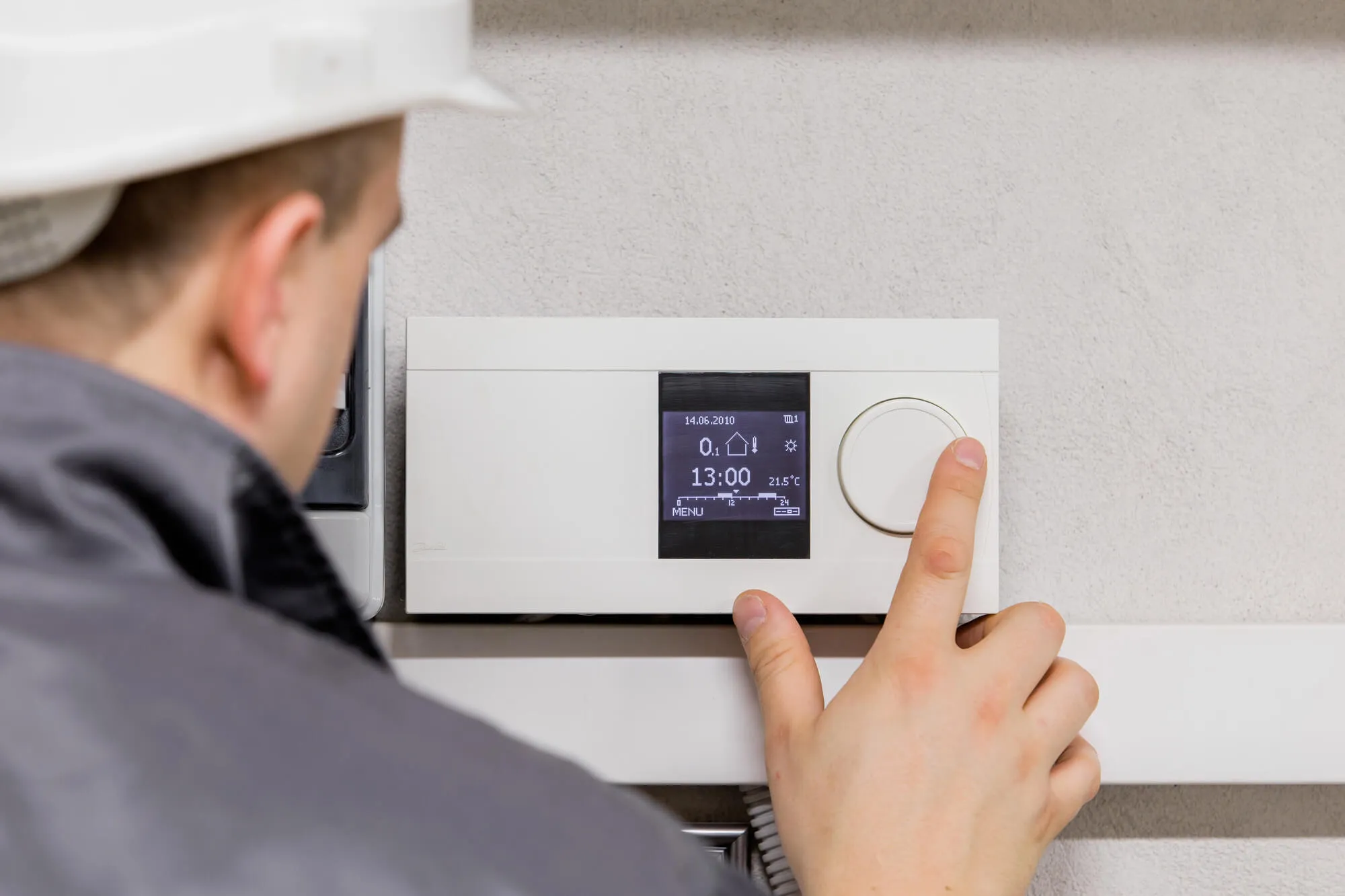
Before assuming there’s a problem with the HVAC equipment, check the thermostat. Confirm that it’s set to the appropriate heating or cooling mode and that the selected temperature is reasonable for current conditions.
Thermostat location can also affect temperature readings. Direct sunlight, drafts, or nearby heat sources may cause the thermostat to sense a temperature that doesn’t accurately represent the rest of the home.
Older or malfunctioning controls may also have trouble communicating with HVAC equipment. Depending on the system, updated thermostats and accessories may provide more precise temperature control and additional scheduling features.
A Dirty Air Filter May Restrict Airflow
Your HVAC system needs adequate airflow to distribute heated or cooled air throughout your home. As an air filter collects dust and debris, airflow can become restricted. The system may then need to operate longer to maintain the selected temperature.
ENERGY STAR recommends checking air filters regularly, particularly during periods of heavy heating or cooling use. A dirty filter can slow airflow and make equipment work harder.
If the filter appears dirty, replace or clean it according to the equipment manufacturer’s instructions. If airflow remains weak afterward, another part of the system may need attention.
Blocked Vents Can Affect Comfort
Furniture, rugs, curtains, and other household items can unintentionally block supply or return vents. Walk through your home and check that registers remain open and unobstructed.
Closing multiple supply vents in unused rooms may seem like an easy way to redirect conditioned air but forced-air systems are designed around specific airflow requirements.
Persistent HVAC problems involving airflow may stem from blocked vents, dirty filters, ductwork issues, or other system components that require closer evaluation.
Your Ductwork May Be Losing Conditioned Air
Your HVAC equipment can operate while the home remains uncomfortable if heated or cooled air isn’t reaching living spaces efficiently. Leaking, disconnected, damaged, or poorly insulated ducts can allow conditioned air to escape before reaching the intended rooms.
ENERGY STAR’s HVAC installation guidance explains that poorly designed or installed duct systems can contribute to comfort and efficiency problems.
Uneven temperatures, weak airflow, or unusually long operating cycles may warrant an inspection of the duct system. Regular HVAC care can also help identify airflow and ductwork issues that may affect performance.
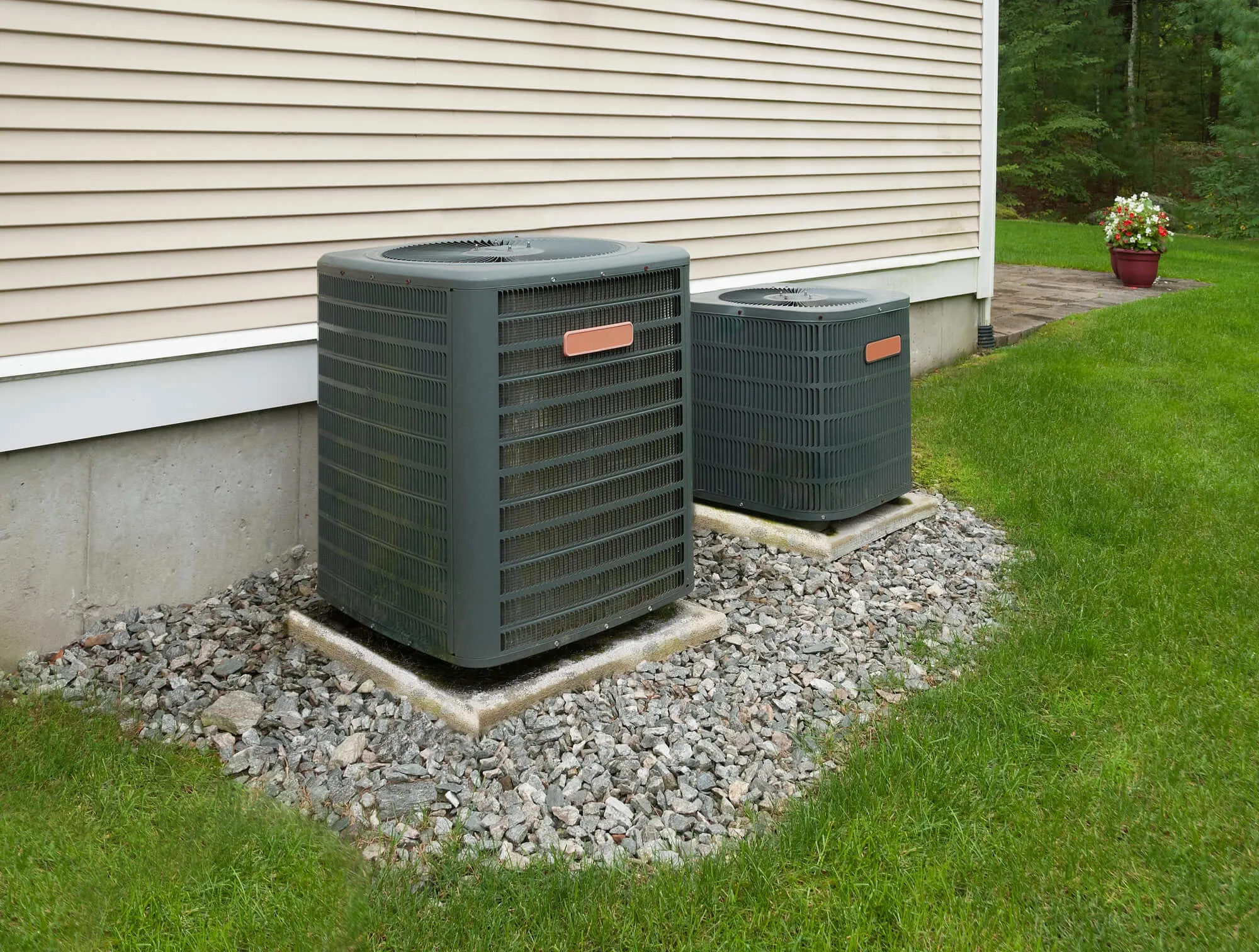
The Outdoor Unit May Have Restricted Airflow
Air conditioners and heat pumps need adequate airflow around their outdoor equipment to exchange heat. Leaves, vegetation, dirt, and other debris around the unit can interfere with that process.
Keep the surrounding area clear and avoid placing objects against the equipment. Homeowners can generally clear loose leaves and vegetation, while internal cleaning, electrical work, and mechanical troubleshooting should be left to a qualified technician.
If the system continues running without providing enough cooling, air conditioning repair may be necessary to determine whether an equipment problem is affecting performance.
Your HVAC System May Need Maintenance
Heating and cooling systems contain coils, motors, electrical components, controls, and other parts that influence performance. Dirt, wear, or component problems can make maintaining the selected temperature more difficult.
The ENERGY STAR HVAC maintenance checklist notes that dirty cooling coils can reduce cooling performance and cause equipment to run longer. Professional maintenance can also include checking controls, electrical connections, airflow, and refrigerant levels where applicable.
Regular HVAC maintenance provides an opportunity to inspect, clean, and evaluate components that affect system operation.
The HVAC System May Not Be Properly Sized
Equipment capacity needs to match the heating and cooling demands of the home. An undersized system may operate for extended periods because it lacks sufficient capacity during demanding conditions. Oversized equipment can cause different problems, including frequent cycling and inconsistent temperatures.
Proper sizing considers more than square footage. Home layout, insulation, windows, air leakage, ceiling height, and other characteristics influence heating and cooling loads.
Professional HVAC installation should account for the home’s heating and cooling requirements rather than relying on square footage alone.
Your Home May Be Gaining or Losing Too Much Heat
Sometimes the HVAC equipment isn’t the only reason the thermostat setting remains out of reach. Air leaks, limited insulation, older windows, and gaps around doors can increase heating and cooling demand.
During summer, sunlight entering through windows can add heat to rooms. During colder weather, heat escaping through poorly insulated areas means the heating system must continue replacing that lost warmth.
Addressing the home’s overall energy performance may reduce the workload placed on heating and cooling equipment and help indoor temperatures remain more consistent.
Extreme Weather Can Mean Longer Run Times
Seattle generally experiences moderate weather, but periods of unusually hot or cold temperatures can place greater demand on HVAC equipment.
During these conditions, longer cycles can be expected. The system must work against a larger difference between the outdoor temperature and the thermostat setting while the home continuously gains or loses heat.
Changing the thermostat dramatically won’t necessarily make conventional equipment heat or cool the home faster. Give the system time to respond and pay attention to whether it eventually approaches the selected temperature.
An Equipment Problem May Be Reducing Output
If you’ve checked the thermostat, filter, vents, and outdoor equipment without finding an obvious cause, the HVAC equipment itself may require professional evaluation.
Depending on the system, technicians may need to examine coils, blower components, motors, electrical connections, controls, or the refrigerant circuit.
Poor airflow, inaccurate thermostat readings, warm air, frequent cycling, and ice formation are among the signs an air conditioner may need attention.
During colder months, a heater that runs without providing enough heat may have issues involving the thermostat, filter, ductwork, blower, ignition system, or other components.
When Should You Schedule HVAC Service?
A system that occasionally operates longer during extreme weather is different from one that regularly fails to reach the thermostat setting.
Consider scheduling an evaluation if:
- The system runs almost continuously during ordinary weather
- Indoor temperature remains noticeably different from the thermostat setting
- Airflow from vents has become weaker
- Certain rooms remain much warmer or colder
- The system frequently turns on and off
- You hear unfamiliar noises during operation
- Heating or cooling performance has noticeably changed
A technician can evaluate the thermostat, airflow, ductwork, and equipment operation to identify what may be interfering with performance.
Need HVAC Services Seattle Because Your System Can’t Keep Up?
A system that runs without reaching the thermostat setting may have something as simple as restricted airflow or an equipment issue that requires closer evaluation. At Greenwood Heating & Home Services, our team provides heating and cooling maintenance, repair, and installation throughout the Greater Seattle area. If your system is struggling to maintain a comfortable indoor temperature, schedule an HVAC service appointment today so our technicians can evaluate its performance and determine what may be causing the problem.





No comment yet, add your voice below!