




Electric vehicles are becoming increasingly common, and understanding how to charge them at home is an important part of ownership. Installing the right charging equipment can improve convenience and support your daily driving routine. If you’re exploring EV charging in Seattle, learning about charger types, electrical requirements, and installation options can help you prepare your home for reliable charging. Knowing what to expect before installation also makes it easier to choose a charging solution that fits your needs.
Why More Homeowners Are Charging at Home
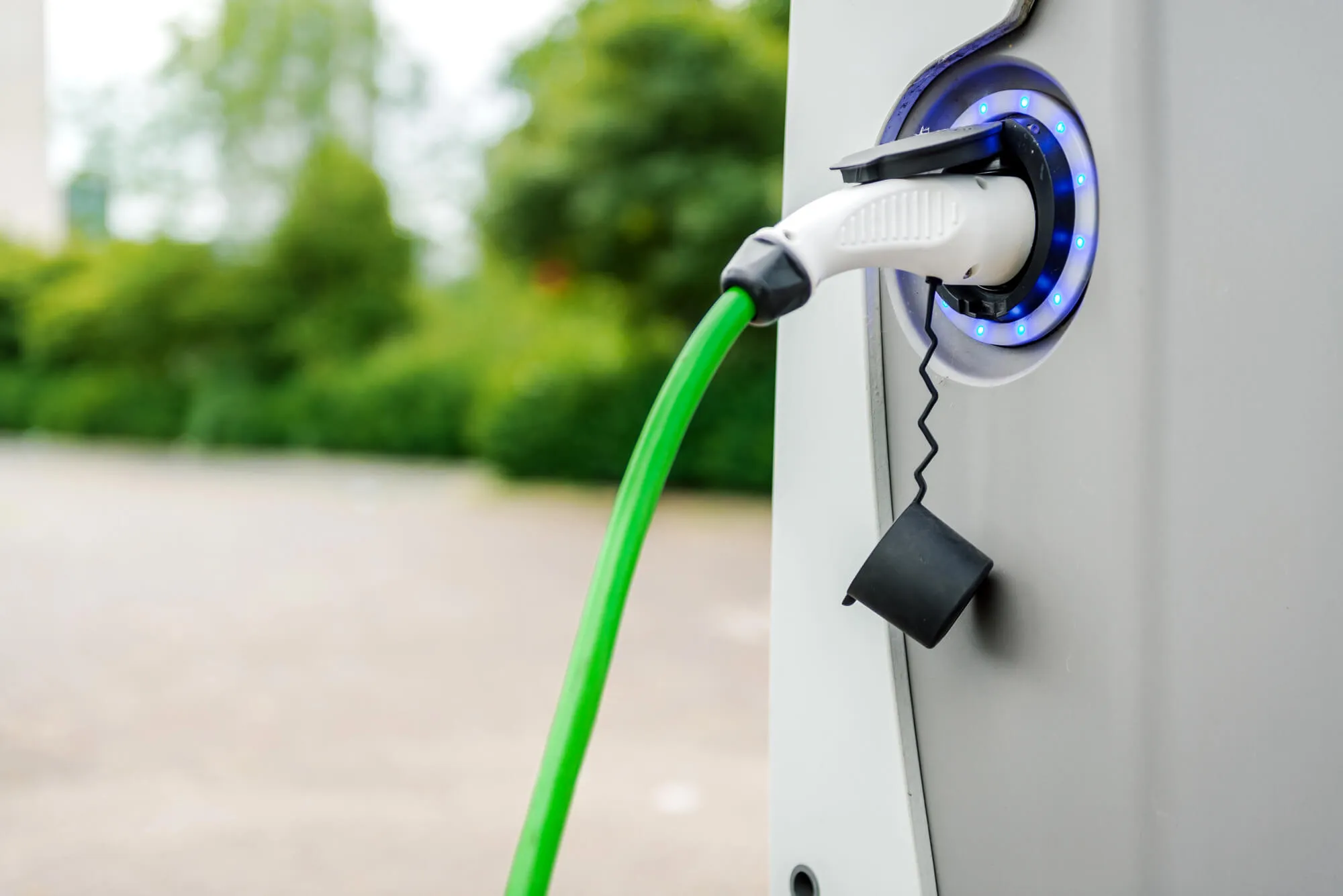
Although public charging stations continue to expand, most EV owners charge primarily at home. Charging overnight offers convenience and reduces reliance on public stations. A dedicated home charger also provides consistent access to power and makes it easier to begin each day with a charged vehicle. For many households, home charging quickly becomes part of their daily routine.
Understanding EV Charger Levels
One of the first things homeowners discover is that not all EV chargers operate at the same speed. Charging equipment is generally divided into different levels, each offering different charging capabilities.
Level 1 Charging
Level 1 charging uses a standard 120-volt household outlet, and most electric vehicles include a charging cord that plugs directly into one. It works well for drivers with shorter daily commutes, but charging is relatively slow and may take many hours to fully recharge a battery.
Level 2 Charging
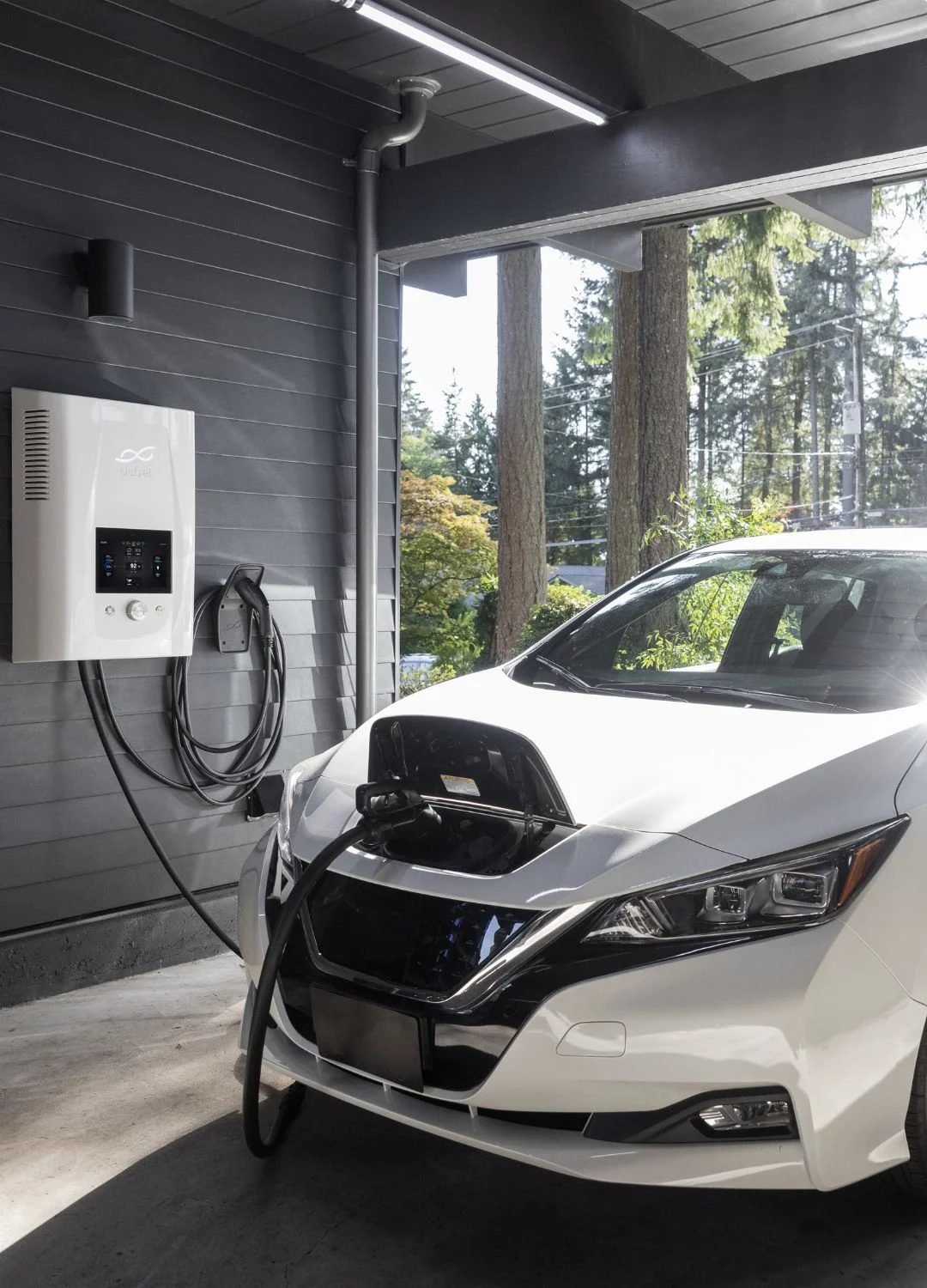
Level 2 chargers operate on a dedicated 240-volt electrical circuit and provide much faster charging than a standard outlet. They are commonly installed in garages, driveways, or other convenient parking areas, making them a practical choice for homeowners who drive regularly or own multiple electric vehicles. Because Level 2 chargers require a dedicated circuit and must meet applicable electrical codes, professional installation is typically recommended to support safe, reliable operation and long-term performance.
Is Your Electrical System Ready?
Before installing a home charging station, your home’s electrical system should be evaluated to determine whether it can safely support the additional demand. During an electrical assessment, professionals may review:
- Available panel capacity
- Existing circuit loads
- Breaker space
- Service size
- Overall electrical condition
While some homes are ready for a charger, others may require panel upgrades or circuit modifications before installation can begin.
Choosing the Right Location
Where the charger is installed affects both convenience and performance. Most homeowners choose garages or driveways where the charging cable can reach the vehicle easily. Installers also consider weather exposure, accessibility, local code requirements, and available wall space. Careful placement helps create a charging setup that is practical for everyday use and future maintenance.
Permits and Electrical Codes
Installing a Level 2 charging station involves more than mounting equipment on a wall. Because these systems connect directly to your home’s electrical system, installations typically require compliance with local electrical codes.
Depending on the project, permits and inspections may also be required. These requirements help verify that the charger, wiring, and electrical connections meet current safety standards.
Professional installers are familiar with local permitting requirements and can coordinate the required inspections during the installation process. Including permits in the project timeline helps avoid delays and supports a smoother installation.
Selecting a Charger That Fits Your Needs
Choosing the right charger depends on your driving habits, vehicle compatibility, and future plans. Consider how many miles you drive each day, whether you own multiple EVs, and whether features such as scheduling, energy monitoring, or mobile app connectivity would improve your charging experience.
Many modern chargers also include smart features such as mobile app control, charging schedules, energy monitoring, and software updates. These tools help homeowners manage charging more conveniently and better understand household electricity use.
What to Expect During Installation
Professional installation begins with evaluating the home’s electrical system and selecting an appropriate location for the charger. Once these details have been confirmed, the installation process can move forward.
A typical installation may include:
- Inspecting the electrical panel
- Installing a dedicated circuit
- Mounting the charging equipment
- Testing the charger
- Verifying proper operation
Installation time varies depending on the home’s electrical system and whether upgrades are required. Straightforward installations may be completed more quickly, while homes requiring panel modifications or additional electrical work may take longer.
Once installation is complete, homeowners receive guidance on operating the charger safely and using its available features.
Safety Should Always Be a Priority
Charging equipment carries a significant electrical load, making proper installation an important part of long-term safety.
Professional installation helps verify that:
- Wiring is correctly sized
- Electrical connections are properly secured
- Circuit protection meets current code requirements
- Equipment is installed according to manufacturer specifications
Using extension cords or attempting to modify charging equipment can create unnecessary safety risks. Installing a dedicated residential charging station helps ensure reliable operation while protecting both the home’s electrical system and the vehicle.
Planning for the Future
Many homeowners purchase one electric vehicle only to add another later. Others may plan future home improvements that increase electrical demand, such as battery storage systems, solar panels, or additional high-powered appliances.
Thinking about these possibilities before installation can help avoid future modifications.
Planning ahead may involve considering:
- Future vehicle purchases
- Available electrical panel capacity
- Charger output
- Parking arrangements
- Potential home electrical upgrades
Choosing equipment that can support changing household needs provides greater flexibility as technology continues to evolve.
Common Mistakes to Avoid
Installing an EV charger involves more than selecting a charger model. A few common mistakes can affect performance or require additional work later.
Choosing the Wrong Charger
Not every charger is the right fit for every household. Selecting equipment based on driving habits, vehicle compatibility, and charging needs helps support long-term satisfaction.
Ignoring Electrical Capacity
Installing a charger without evaluating the home’s electrical system may lead to overloaded circuits or the need for additional upgrades later.
Poor Charger Placement
Installing the charger too far from the vehicle’s parking spot can make charging less convenient. Considering cable reach and parking habits during planning helps create a more practical setup.
Waiting Until After Buying an EV
Many homeowners begin thinking about home charging only after bringing home a new electric vehicle. Planning ahead allows time to evaluate the electrical system, obtain permits if required, and complete installation before charging becomes an immediate need.
Why Professional Installation Matters
While some electrical projects appear straightforward, EV charger installation requires knowledge of electrical systems, load calculations, local codes, and manufacturer requirements.
Professional installation helps verify that:
- The charger matches your home’s electrical capacity.
- Electrical connections are installed safely.
- Equipment complies with local code requirements.
- The charging station operates as intended.
Working with a qualified electrician also provides an opportunity to identify electrical improvements that may benefit the home beyond the charger installation.
Maintaining Your Home EV Charger
Once installed, EV chargers generally require very little routine maintenance. Even so, periodic inspections can help keep the equipment operating properly over time.
Homeowners should:
- Keep the charging cable clean and free of damage.
- Store the connector properly when not in use.
- Watch for signs of wear around the charging handle.
- Schedule service if the charger displays error messages or operates inconsistently.
Following the manufacturer’s maintenance recommendations helps support reliable charging and extend the life of the equipment. 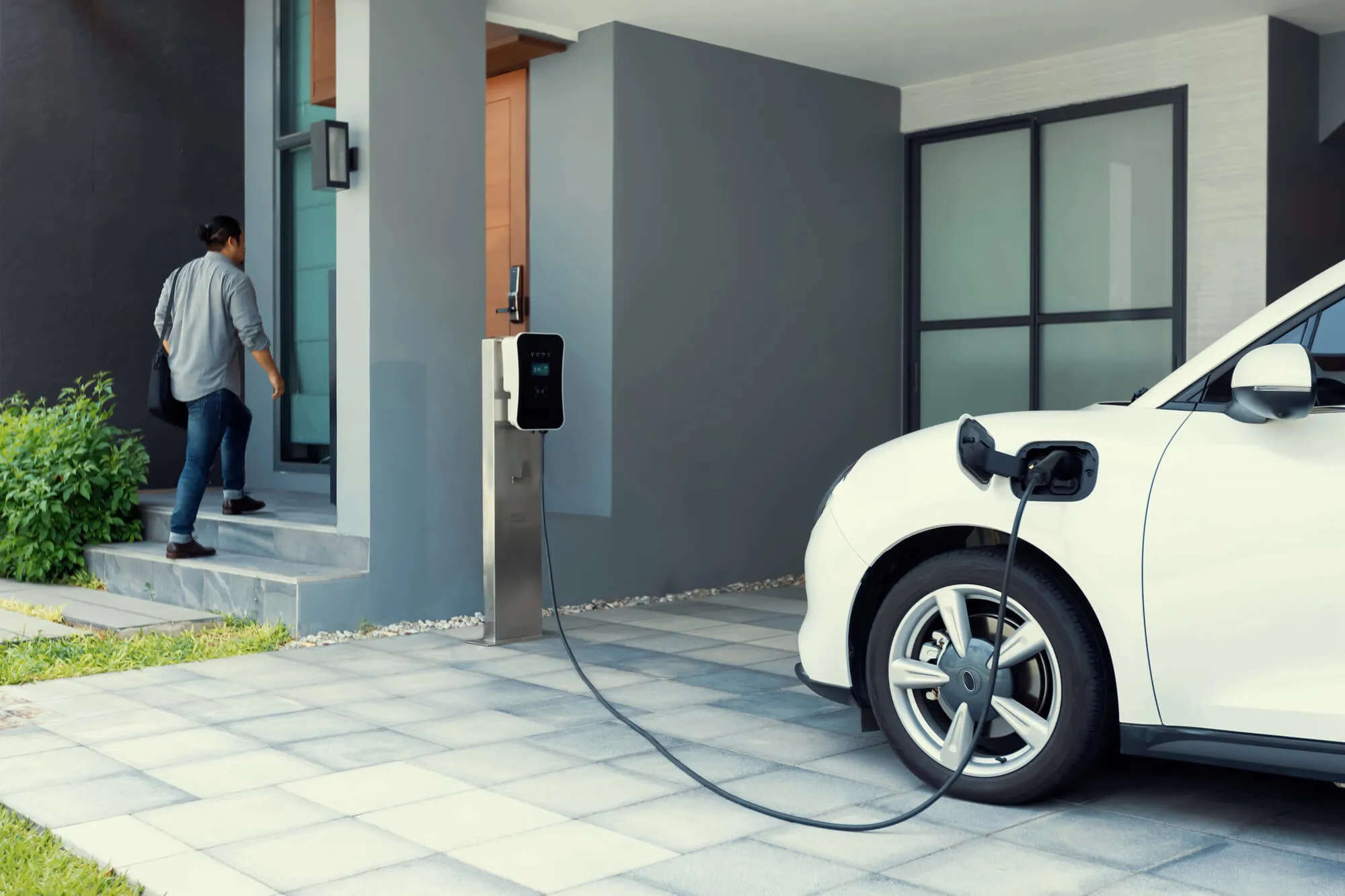
Ready to Learn More About EV Charging in Seattle?
Installing a home EV charger can make owning an electric vehicle more convenient while providing reliable access to charging whenever you need it. Understanding your home’s electrical capacity, choosing the right equipment, and planning for future needs all contribute to a successful installation.
At Greenwood Heating & Home Services, our licensed electricians install home EV charging stations that are tailored to each home’s electrical system and your driving habits. Schedule a consultation today, and let our team help you find a charging solution that supports safe, dependable, and convenient charging for years to come.
