



What Every Homeowner Should Know About EV Charging 

EV-Charging-Seattle-at-home

Electric vehicles are becoming increasingly common, and understanding how to charge them at home is an important part of ownership. Installing the right charging equipment can improve convenience and support your daily driving routine. If you’re exploring EV charging in Seattle, learning about charger types, electrical requirements, and installation options can help you prepare your home for reliable charging. Knowing what to expect before installation also makes it easier to choose a charging solution that fits your needs. 
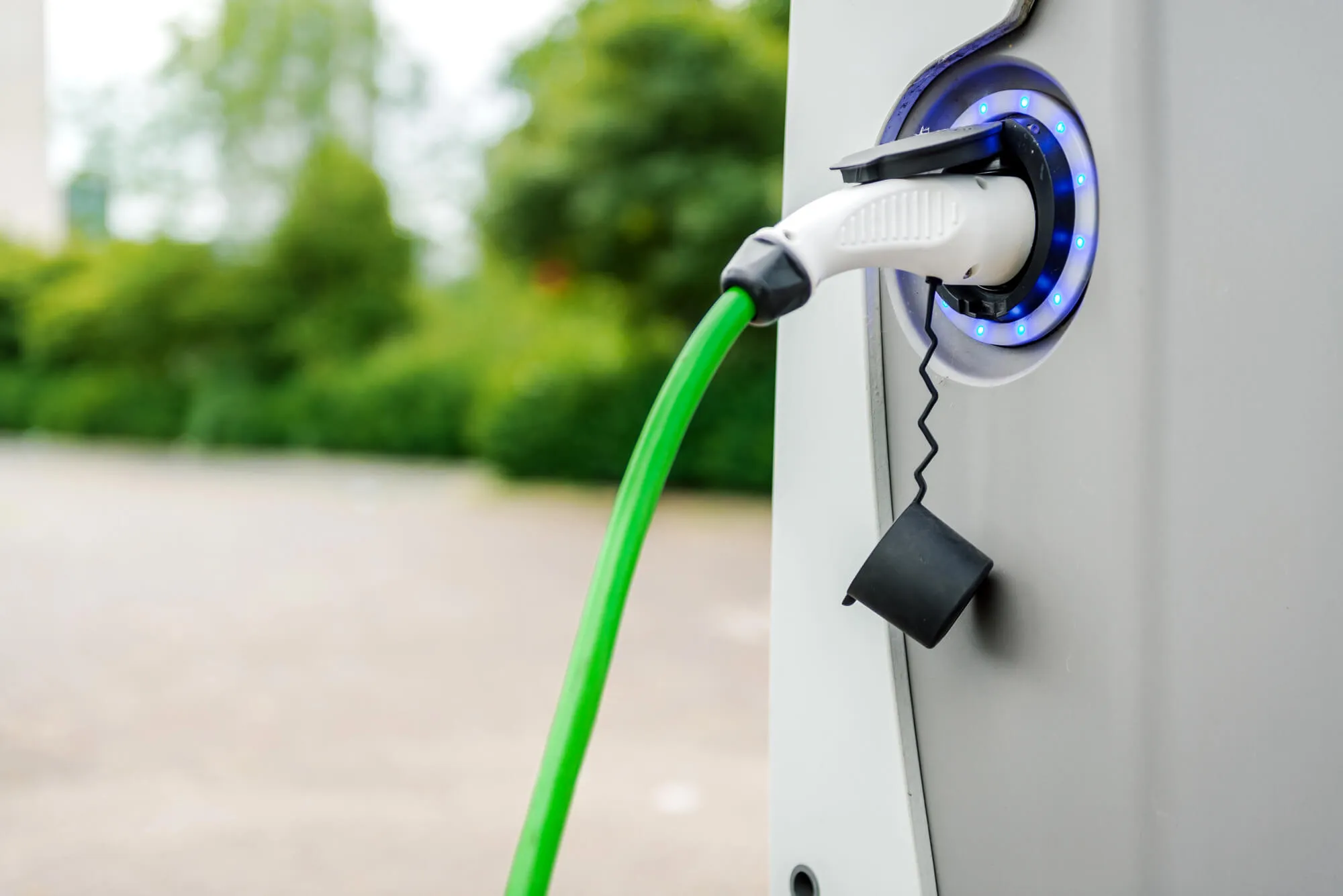
EV-Charging-Seattle

Why More Homeowners Are Charging at Home

Although public charging stations continue to expand, most EV owners charge primarily at home. Charging overnight offers convenience and reduces reliance on public stations. A dedicated home charger also provides consistent access to power and makes it easier to begin each day with a charged vehicle. For many households, home charging quickly becomes part of their daily routine. 

Understanding EV Charger Levels

One of the first things homeowners discover is that not all EV chargers operate at the same speed. Charging equipment is generally divided into different levels, each offering different charging capabilities. 

Level 1 Charging

Level 1 charging uses a standard 120-volt household outlet, and most electric vehicles include a charging cord that plugs directly into one. It works well for drivers with shorter daily commutes, but charging is relatively slow and may take many hours to fully recharge a battery. 

Level 2 Charging

Level 2 chargers operate on a dedicated 240-volt electrical circuit and provide much faster charging than a standard outlet. They are commonly installed in garages, driveways, or other convenient parking areas, making them a practical choice for homeowners who drive regularly or own multiple electric vehicles. Because Level 2 chargers require a dedicated circuit and must meet applicable electrical codes, professional installation is typically recommended to support safe, reliable operation and long-term performance. 

Is Your Electrical System Ready?

Before installing a home charging station, your home’s electrical system should be evaluated to determine whether it can safely support the additional demand. During an electrical assessment, professionals may review: 

  • Available panel capacity 
  • Existing circuit loads 
  • Breaker space 
  • Service size 
  • Overall electrical condition 

While some homes are ready for a charger, others may require panel upgrades or circuit modifications before installation can begin. 

Choosing the Right Location

Where the charger is installed affects both convenience and performance. Most homeowners choose garages or driveways where the charging cable can reach the vehicle easily. Installers also consider weather exposure, accessibility, local code requirements, and available wall space. Careful placement helps create a charging setup that is practical for everyday use and future maintenance. 

Permits and Electrical Codes

Installing a Level 2 charging station involves more than mounting equipment on a wall. Because these systems connect directly to your home’s electrical system, installations typically require compliance with local electrical codes. 

Depending on the project, permits and inspections may also be required. These requirements help verify that the charger, wiring, and electrical connections meet current safety standards. 

Professional installers are familiar with local permitting requirements and can coordinate the required inspections during the installation process. Including permits in the project timeline helps avoid delays and supports a smoother installation. 

Selecting a Charger That Fits Your Needs

Choosing the right charger depends on your driving habits, vehicle compatibility, and future plans. Consider how many miles you drive each day, whether you own multiple EVs, and whether features such as scheduling, energy monitoring, or mobile app connectivity would improve your charging experience. 

Many modern chargers also include smart features such as mobile app control, charging schedules, energy monitoring, and software updates. These tools help homeowners manage charging more conveniently and better understand household electricity use. 

What to Expect During Installation

Professional installation begins with evaluating the home’s electrical system and selecting an appropriate location for the charger. Once these details have been confirmed, the installation process can move forward. 

A typical installation may include: 

  • Inspecting the electrical panel 
  • Installing a dedicated circuit 
  • Mounting the charging equipment 
  • Testing the charger 
  • Verifying proper operation 

Installation time varies depending on the home’s electrical system and whether upgrades are required. Straightforward installations may be completed more quickly, while homes requiring panel modifications or additional electrical work may take longer. 

Once installation is complete, homeowners receive guidance on operating the charger safely and using its available features. 
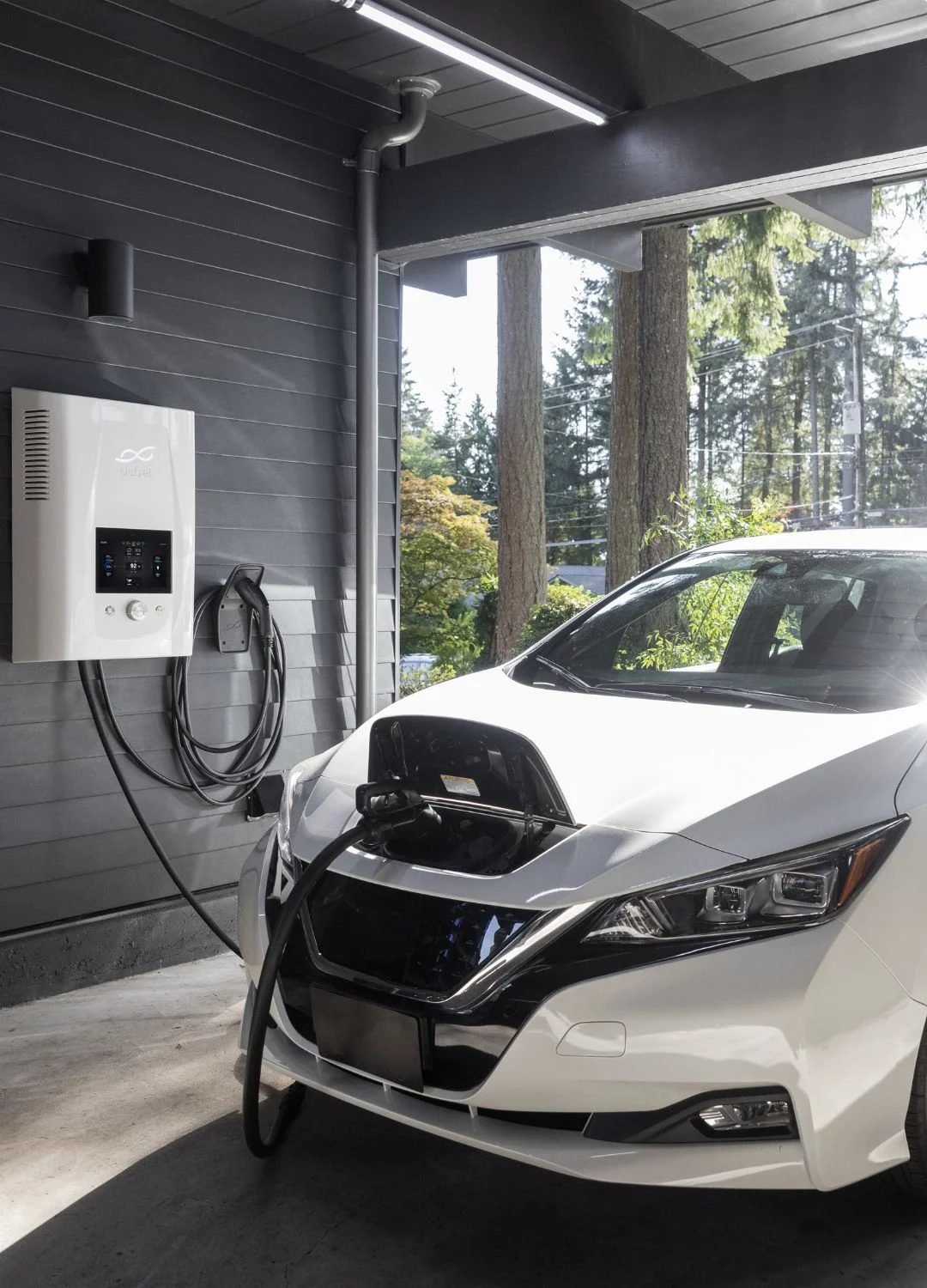
ev-charging-station-install-seattle

Safety Should Always Be a Priority

Charging equipment carries a significant electrical load, making proper installation an important part of long-term safety. 

Professional installation helps verify that: 

  • Wiring is correctly sized 
  • Electrical connections are properly secured 
  • Circuit protection meets current code requirements 
  • Equipment is installed according to manufacturer specifications 

Using extension cords or attempting to modify charging equipment can create unnecessary safety risks. Installing a dedicated residential charging station helps ensure reliable operation while protecting both the home’s electrical system and the vehicle. 

Planning for the Future

Many homeowners purchase one electric vehicle only to add another later. Others may plan future home improvements that increase electrical demand, such as battery storage systems, solar panels, or additional high-powered appliances. 

Thinking about these possibilities before installation can help avoid future modifications. 

Planning ahead may involve considering: 

  • Future vehicle purchases 
  • Available electrical panel capacity 
  • Charger output 
  • Parking arrangements 
  • Potential home electrical upgrades 

Choosing equipment that can support changing household needs provides greater flexibility as technology continues to evolve. 

Common Mistakes to Avoid

Installing an EV charger involves more than selecting a charger model. A few common mistakes can affect performance or require additional work later. 

Choosing the Wrong Charger

Not every charger is the right fit for every household. Selecting equipment based on driving habits, vehicle compatibility, and charging needs helps support long-term satisfaction. 

Ignoring Electrical Capacity

Installing a charger without evaluating the home’s electrical system may lead to overloaded circuits or the need for additional upgrades later. 

Poor Charger Placement

Installing the charger too far from the vehicle’s parking spot can make charging less convenient. Considering cable reach and parking habits during planning helps create a more practical setup. 

Waiting Until After Buying an EV

Many homeowners begin thinking about home charging only after bringing home a new electric vehicle. Planning ahead allows time to evaluate the electrical system, obtain permits if required, and complete installation before charging becomes an immediate need. 

Why Professional Installation Matters

While some electrical projects appear straightforward, EV charger installation requires knowledge of electrical systems, load calculations, local codes, and manufacturer requirements. 

Professional installation helps verify that: 

  • The charger matches your home’s electrical capacity. 
  • Electrical connections are installed safely. 
  • Equipment complies with local code requirements. 
  • The charging station operates as intended. 

Working with a qualified electrician also provides an opportunity to identify electrical improvements that may benefit the home beyond the charger installation. 

Maintaining Your Home EV Charger

Once installed, EV chargers generally require very little routine maintenance. Even so, periodic inspections can help keep the equipment operating properly over time. 

Homeowners should: 

  • Keep the charging cable clean and free of damage. 
  • Store the connector properly when not in use. 
  • Watch for signs of wear around the charging handle. 
  • Schedule service if the charger displays error messages or operates inconsistently. 

Following the manufacturer’s maintenance recommendations helps support reliable charging and extend the life of the equipment.    residential-EV-Charging-Seattle
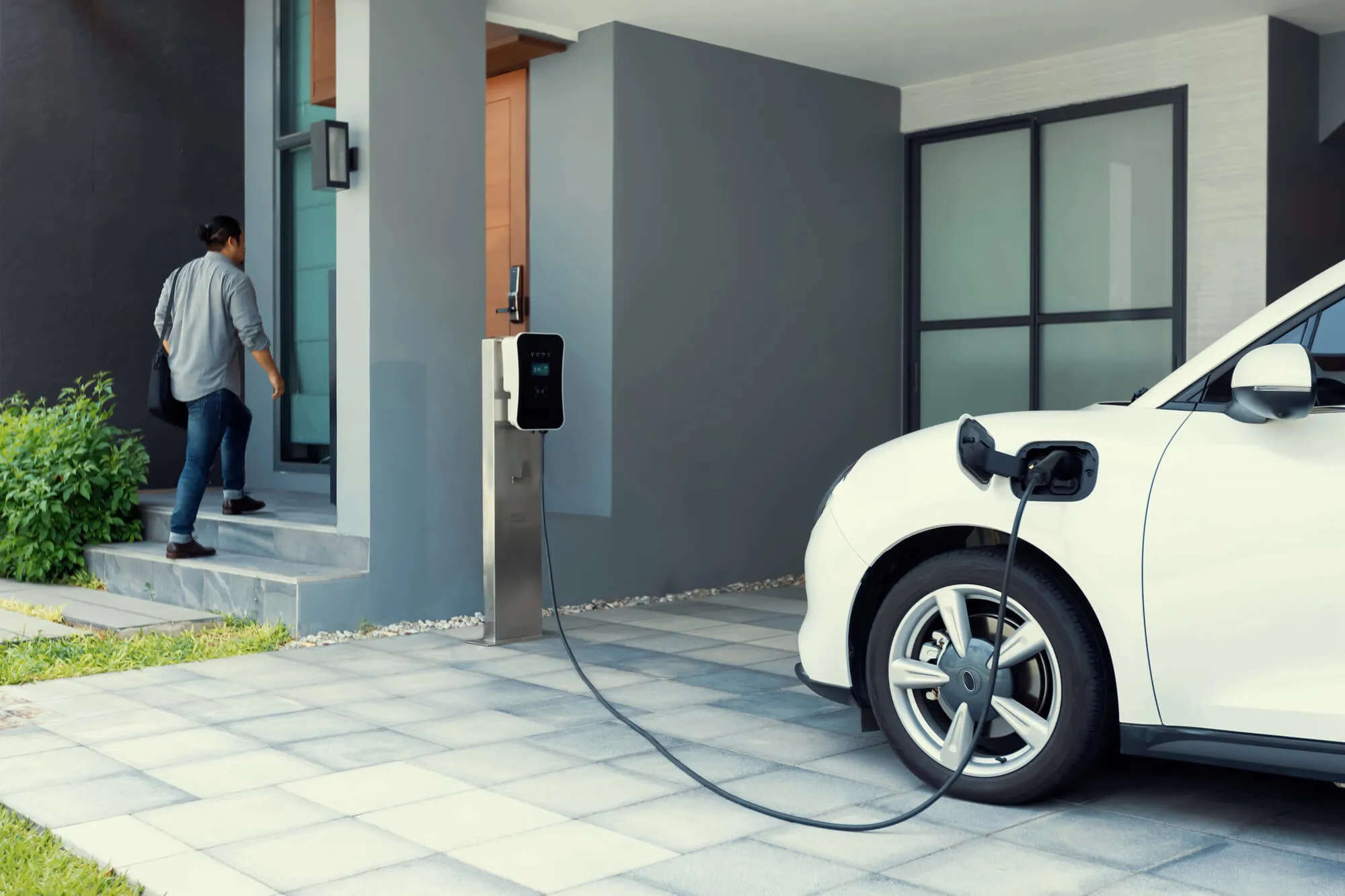
Ready to Learn More About EV Charging in Seattle?

Installing a home EV charger can make owning an electric vehicle more convenient while providing reliable access to charging whenever you need it. Understanding your home’s electrical capacity, choosing the right equipment, and planning for future needs all contribute to a successful installation.  

At Greenwood Heating & Home Services, our licensed electricians install home EV charging stations that are tailored to each home’s electrical system and your driving habits. Schedule a consultation today, and let our team help you find a charging solution that supports safe, dependable, and convenient charging for years to come. 


What Do I Need to Know About EV Charging?

Home EV in Charging Seattle

Electric vehicles (EVs) are taking the world by storm, and with them comes the question of how to keep them fueled. Public charging stations are becoming more common, but a home EV charger is a tempting option for ultimate convenience and potentially lower costs. If you’re considering home EV charging in Seattle, there are some things you need to know. 

Here, we’ll learn more about EV chargers, helping you decide if it’s the right choice for you. 

EV Charging inSeattle

Why a Home EV Charger Makes Sense  

Every Morning Starts Fully Charged 

Imagine this: you wake up every morning to a fully charged EV, ready to conquer your day. No more scrambling for public charging stations during rush hour or waiting in line for a free slot. With a home charger installed in your garage or driveway, simply plug in your car overnight and let it refuel while you sleep.  

This unmatched convenience translates to significant time savings and eliminates the stress of finding a public station, especially during peak hours. No more planning your trips around charging availability; you simply hop in your car and go. 

Cost Savings that Make a Real Difference 

Home charging offers a significant advantage over public stations: it’s generally much cheaper. Most electricity providers offer off-peak rates, typically at night. You can reduce your charging costs compared to public stations by scheduling your charging during these off-peak hours. Imagine paying a fraction of the price for a full charge! 

Over time, these savings can accumulate and make a real difference in your budget.  Plus, owning a home charger eliminates the need for frequent public charging trips, potentially saving you money on additional electricity purchases.   

Get Back on the Road Faster 

Standard household outlets (Level 1) offer slow charging speeds, meaning it might take days to fully charge your EV. This can be a dealbreaker for many, especially those with longer commutes or daily driving needs. In contrast, Level 2 home chargers provide a significant boost.  

Most Level 2 chargers can fully charge your EV overnight, compared to days with a Level 1 charger. This translates to less time spent tethered to a charging station and more time on the road doing the things you enjoy. Whether running errands or visiting friends, a home charger ensures your EV is always ready to go. 

Future-Proofing Your Investment 

The EV market is rapidly expanding. Analysts predict exponential growth in EV sales in the coming years. Installing a home charger benefits you now and adds value to your property for future resale. Potential homebuyers are increasingly looking for homes equipped with EV charging infrastructure.  

A home charger becomes an investment in both your convenience and your property’s value. As the demand for EVs continues to rise, having a home charger will make your property more appealing to a wider pool of buyers, potentially fetching a higher price down the line. 

How to Make the Most of Your Home EV Charger 

Once you have a home charger installed, here’s how to make it work even harder for you: 

Smart Charging is Smart Savings   

Many modern home chargers offer smart features. Schedule charging during off-peak hours to leverage the lowest electricity rates. Monitor your energy consumption to identify opportunities for further optimization.  

Some chargers even integrate with smart home systems, allowing you to control charging remotely or set up automated schedules based on your daily routine. Imagine integrating charging into your smart home ecosystem for ultimate convenience and efficiency. 

Unlock the Power of Off-peak Rates   

Research your electricity provider’s off-peak periods. These periods typically occur at night when electricity demand is lower. Schedule charging accordingly to take advantage of the lowest electricity rates. This simple step can significantly reduce your charging costs and maximize your savings. 

Peace of Mind with Safety and Maintenance    

Safety is paramount when dealing with electricity. Choose a qualified electrician to install your home charger and ensure it meets all the necessary safety codes. Regularly inspect the charger for any damage and follow the manufacturer’s recommended maintenance schedule. You’ll have peace of mind knowing your charger is operating safely and efficiently. 

Man using EV Charging Seattle

Exploring the Options: Choosing the Right Charger for You 

With various home EV charger models available, selecting the right one depends on your specific needs and electrical system. Here are some key factors to consider: 

Level of Charger 

Level 1 chargers are basic and utilize a standard outlet (120v), but charging times are very slow. They might be suitable for occasional use or overnight charging for EVs with very small batteries, but for most users, they are impractical. Level 2 chargers are the recommended choice for home use. They utilize a 240v circuit and offer significantly faster charging speeds, typically fully charging most EVs overnight. 

Charging Speed 

Consider how quickly you typically need to charge your car. Higher-powered chargers (e.g., 24 kW) can fully charge an EV in a few hours, while lower-powered models (e.g., 7 kW) may take longer. A higher-powered charger might be a wise investment if you have a long commute or rely on your EV for frequent trips. 

Compatibility 

Ensure the charger is compatible with your car’s make and model. Most reputable manufacturers offer a wide range of compatible chargers. Additionally, verify if your electrical panel can handle the additional load required by a Level 2 charger. A qualified electrician can assess your electrical system and recommend the most suitable charger for your needs. 

The Installation Process: A Smooth Transition to Home Charging 

The installation process for a home EV charger is typically straightforward. Here’s a basic outline: 

  • Consultation: Contact a qualified electrician who specializes in EV charging in Seattle. They will assess your electrical panel’s capacity and recommend the most suitable charger based on your needs and budget. 
  • Permits and Approvals: Depending on your location, permits from local authorities might be required for the installation. The electrician can guide you through the permitting process and ensure all necessary paperwork is completed. 
  • Installation: The electrician will install the charger at your designated location, typically near your parking space. This may involve minor modifications to your electrical panel to accommodate the increased power demand for the charger. 
  • Inspection: A final inspection by an electrical inspector may be necessary to ensure everything meets safety codes and is functioning properly. Once the inspection is passed, you’re ready to start charging your EV! 

EV Charging and Your Neighborhood: Community Considerations 

While home charging offers significant benefits, there are also some considerations for those living in apartments, condominiums, or planned communities. 

Community Charging Solutions 

Apartment buildings and condo complexes are exploring solutions to provide EV charging infrastructure for residents. This could involve installing shared charging stations or offering designated parking spaces with individual chargers. If you live in a multi-unit dwelling, inquire about existing or planned EV charging solutions. You can also work with your building management to advocate for the installation of charging infrastructure. 

HOA Regulations 

Some homeowner’s associations (HOAs) might have regulations regarding the installation of home EV chargers. Be sure to check your HOA’s guidelines before proceeding with an installation. Most HOAs are receptive to EV charging installations, but it’s always best to confirm any necessary approvals beforehand. 

The Verdict: A Clear Choice for the Future 

When considering the unmatched convenience, substantial cost savings, faster charging speeds, potential property value increase, and opportunities for further optimization, the answer to the question “Is a home EV charger worth it?” is a resounding yes.    

A home EV charger is an investment that pays off in multiple ways. It streamlines your EV ownership experience, puts you in control of your charging needs, and allows you to participate in a more sustainable future. So, if you’re an EV owner or considering going electric, installing a home charger is a decision you won’t regret. It’s a smart investment for your wallet, your convenience, and the planet. 

woman using EV Charging in Seattle

Ready to Power Up Your Convenience and Savings with Home EV Charging in Seattle? 

Imagine waking up to a fully charged EV every morning, ready to conquer your day. Greenwood Heating can make this happen with professional home EV charger installation! 

Stop wasting time at public stations and start charging overnight for a fully charged car every morning. Greenwood Heating’s expert electricians will ensure a safe and efficient home charger installation tailored to your specific needs. Contact us today for a quote.