



What Every Homeowner Should Know About EV Charging 

EV-Charging-Seattle-at-home

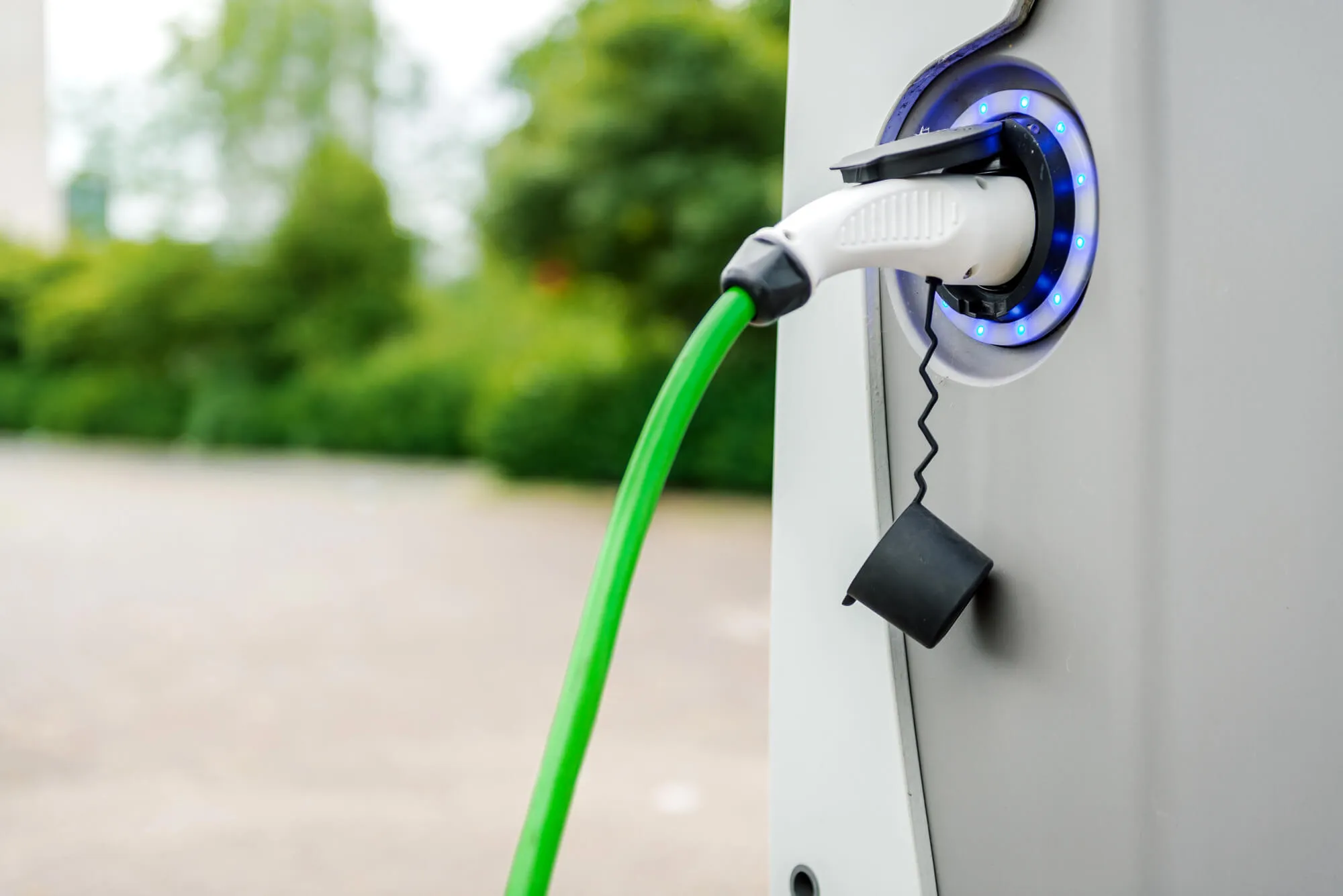
Electric vehicles are becoming increasingly common, and understanding how to charge them at home is an important part of ownership. Installing the right charging equipment can improve convenience and support your daily driving routine. If you’re exploring EV charging in Seattle, learning about charger types, electrical requirements, and installation options can help you prepare your home for reliable charging. Knowing what to expect before installation also makes it easier to choose a charging solution that fits your needs. 
EV-Charging-Seattle

Why More Homeowners Are Charging at Home

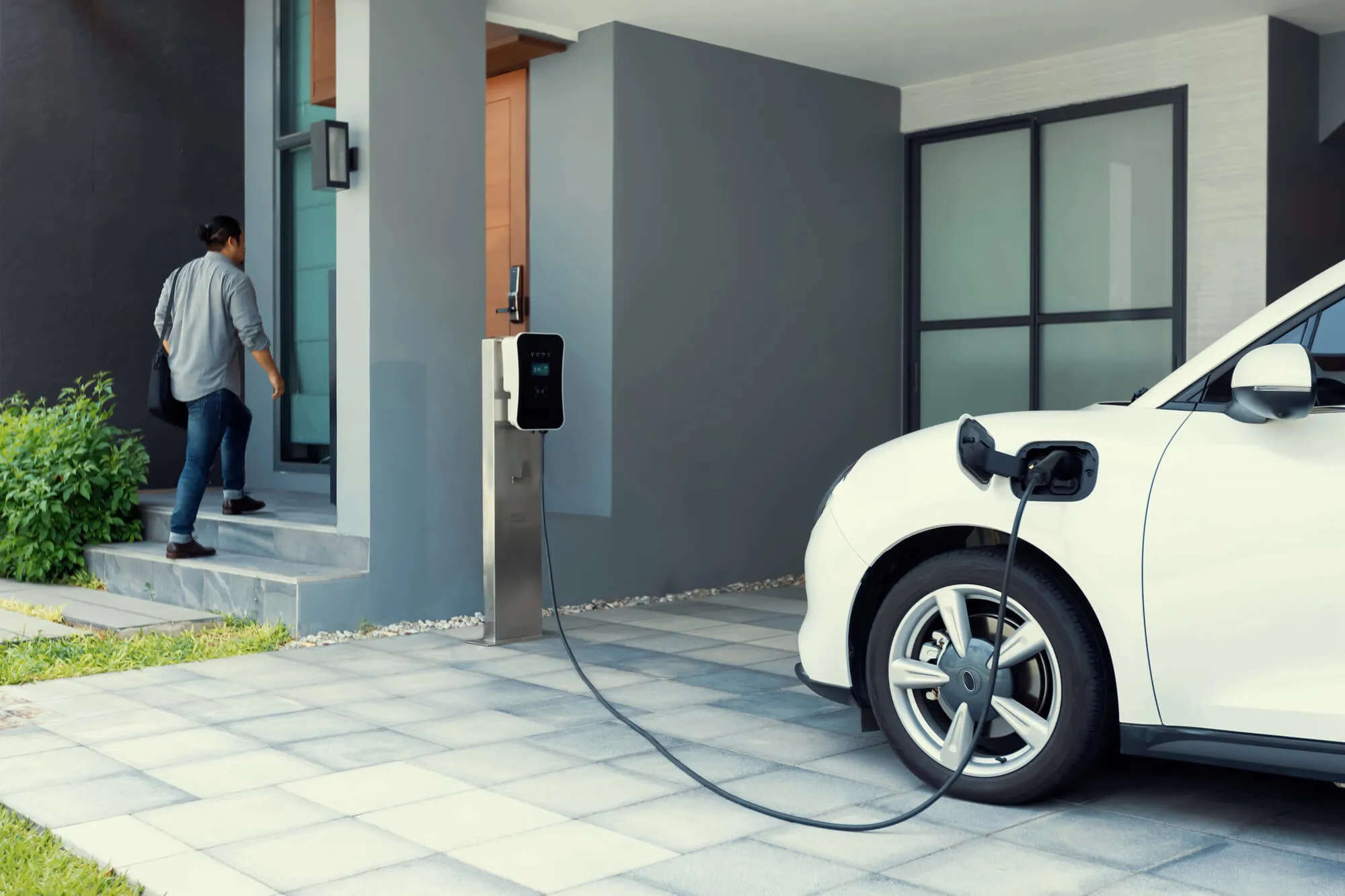
Although public charging stations continue to expand, most EV owners charge primarily at home. Charging overnight offers convenience and reduces reliance on public stations. A dedicated home charger also provides consistent access to power and makes it easier to begin each day with a charged vehicle. For many households, home charging quickly becomes part of their daily routine. 

Understanding EV Charger Levels

One of the first things homeowners discover is that not all EV chargers operate at the same speed. Charging equipment is generally divided into different levels, each offering different charging capabilities. 

Level 1 Charging

Level 1 charging uses a standard 120-volt household outlet, and most electric vehicles include a charging cord that plugs directly into one. It works well for drivers with shorter daily commutes, but charging is relatively slow and may take many hours to fully recharge a battery. 

Level 2 Charging

Level 2 chargers operate on a dedicated 240-volt electrical circuit and provide much faster charging than a standard outlet. They are commonly installed in garages, driveways, or other convenient parking areas, making them a practical choice for homeowners who drive regularly or own multiple electric vehicles. Because Level 2 chargers require a dedicated circuit and must meet applicable electrical codes, professional installation is typically recommended to support safe, reliable operation and long-term performance. 

Is Your Electrical System Ready?

Before installing a home charging station, your home’s electrical system should be evaluated to determine whether it can safely support the additional demand. During an electrical assessment, professionals may review: 

  • Available panel capacity 
  • Existing circuit loads 
  • Breaker space 
  • Service size 
  • Overall electrical condition 

While some homes are ready for a charger, others may require panel upgrades or circuit modifications before installation can begin. 

Choosing the Right Location

Where the charger is installed affects both convenience and performance. Most homeowners choose garages or driveways where the charging cable can reach the vehicle easily. Installers also consider weather exposure, accessibility, local code requirements, and available wall space. Careful placement helps create a charging setup that is practical for everyday use and future maintenance. 

Permits and Electrical Codes

Installing a Level 2 charging station involves more than mounting equipment on a wall. Because these systems connect directly to your home’s electrical system, installations typically require compliance with local electrical codes. 

Depending on the project, permits and inspections may also be required. These requirements help verify that the charger, wiring, and electrical connections meet current safety standards. 

Professional installers are familiar with local permitting requirements and can coordinate the required inspections during the installation process. Including permits in the project timeline helps avoid delays and supports a smoother installation. 

Selecting a Charger That Fits Your Needs

Choosing the right charger depends on your driving habits, vehicle compatibility, and future plans. Consider how many miles you drive each day, whether you own multiple EVs, and whether features such as scheduling, energy monitoring, or mobile app connectivity would improve your charging experience. 

Many modern chargers also include smart features such as mobile app control, charging schedules, energy monitoring, and software updates. These tools help homeowners manage charging more conveniently and better understand household electricity use. 

What to Expect During Installation

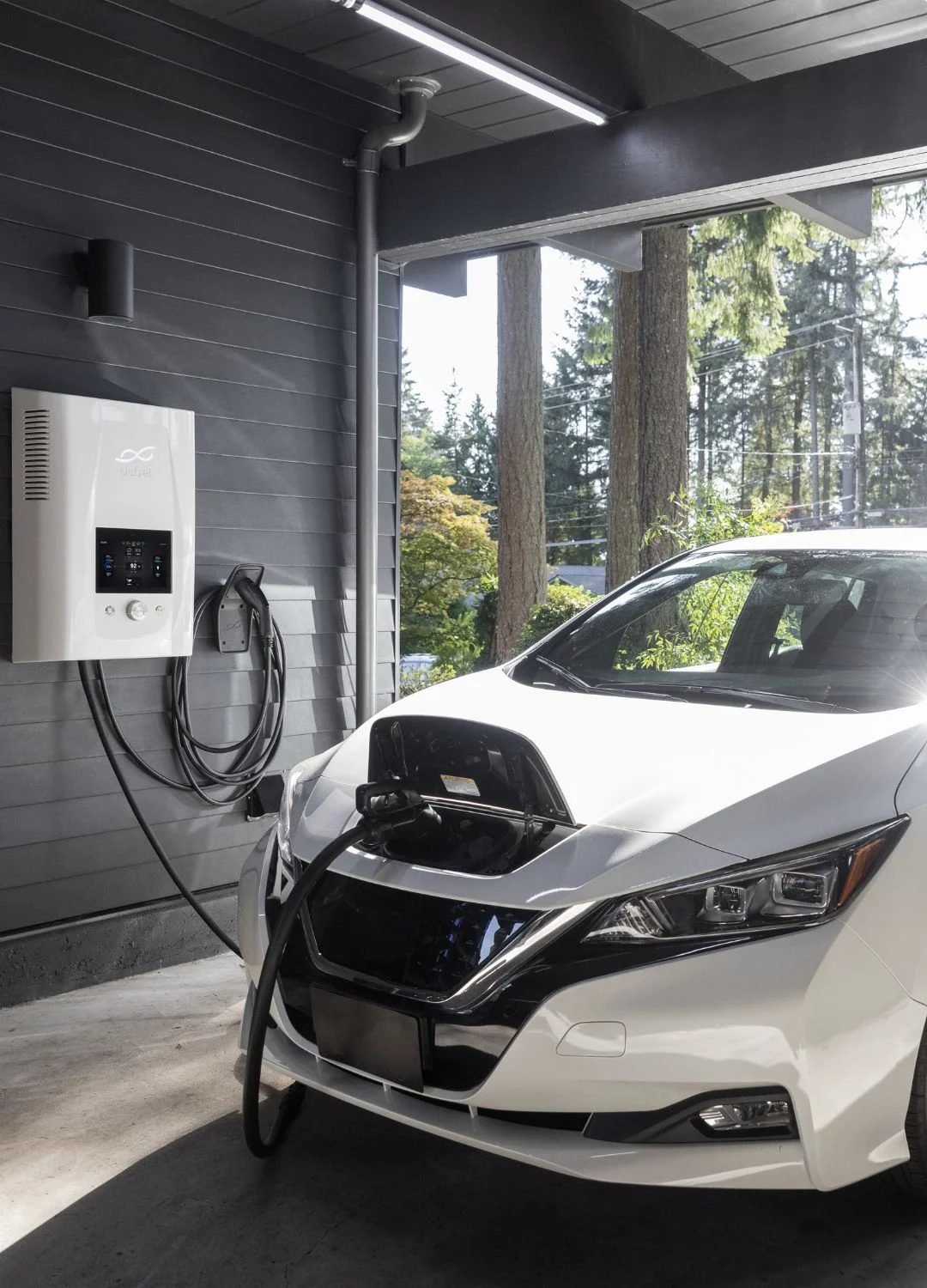
Professional installation begins with evaluating the home’s electrical system and selecting an appropriate location for the charger. Once these details have been confirmed, the installation process can move forward. 

A typical installation may include: 

  • Inspecting the electrical panel 
  • Installing a dedicated circuit 
  • Mounting the charging equipment 
  • Testing the charger 
  • Verifying proper operation 

Installation time varies depending on the home’s electrical system and whether upgrades are required. Straightforward installations may be completed more quickly, while homes requiring panel modifications or additional electrical work may take longer. 

Once installation is complete, homeowners receive guidance on operating the charger safely and using its available features. 
ev-charging-station-install-seattle

Safety Should Always Be a Priority

Charging equipment carries a significant electrical load, making proper installation an important part of long-term safety. 

Professional installation helps verify that: 

  • Wiring is correctly sized 
  • Electrical connections are properly secured 
  • Circuit protection meets current code requirements 
  • Equipment is installed according to manufacturer specifications 

Using extension cords or attempting to modify charging equipment can create unnecessary safety risks. Installing a dedicated residential charging station helps ensure reliable operation while protecting both the home’s electrical system and the vehicle. 

Planning for the Future

Many homeowners purchase one electric vehicle only to add another later. Others may plan future home improvements that increase electrical demand, such as battery storage systems, solar panels, or additional high-powered appliances. 

Thinking about these possibilities before installation can help avoid future modifications. 

Planning ahead may involve considering: 

  • Future vehicle purchases 
  • Available electrical panel capacity 
  • Charger output 
  • Parking arrangements 
  • Potential home electrical upgrades 

Choosing equipment that can support changing household needs provides greater flexibility as technology continues to evolve. 

Common Mistakes to Avoid

Installing an EV charger involves more than selecting a charger model. A few common mistakes can affect performance or require additional work later. 

Choosing the Wrong Charger

Not every charger is the right fit for every household. Selecting equipment based on driving habits, vehicle compatibility, and charging needs helps support long-term satisfaction. 

Ignoring Electrical Capacity

Installing a charger without evaluating the home’s electrical system may lead to overloaded circuits or the need for additional upgrades later. 

Poor Charger Placement

Installing the charger too far from the vehicle’s parking spot can make charging less convenient. Considering cable reach and parking habits during planning helps create a more practical setup. 

Waiting Until After Buying an EV

Many homeowners begin thinking about home charging only after bringing home a new electric vehicle. Planning ahead allows time to evaluate the electrical system, obtain permits if required, and complete installation before charging becomes an immediate need. 

Why Professional Installation Matters

While some electrical projects appear straightforward, EV charger installation requires knowledge of electrical systems, load calculations, local codes, and manufacturer requirements. 

Professional installation helps verify that: 

  • The charger matches your home’s electrical capacity. 
  • Electrical connections are installed safely. 
  • Equipment complies with local code requirements. 
  • The charging station operates as intended. 

Working with a qualified electrician also provides an opportunity to identify electrical improvements that may benefit the home beyond the charger installation. 

Maintaining Your Home EV Charger

Once installed, EV chargers generally require very little routine maintenance. Even so, periodic inspections can help keep the equipment operating properly over time. 

Homeowners should: 

  • Keep the charging cable clean and free of damage. 
  • Store the connector properly when not in use. 
  • Watch for signs of wear around the charging handle. 
  • Schedule service if the charger displays error messages or operates inconsistently. 

Following the manufacturer’s maintenance recommendations helps support reliable charging and extend the life of the equipment.    residential-EV-Charging-Seattle
Ready to Learn More About EV Charging in Seattle?

Installing a home EV charger can make owning an electric vehicle more convenient while providing reliable access to charging whenever you need it. Understanding your home’s electrical capacity, choosing the right equipment, and planning for future needs all contribute to a successful installation.  

At Greenwood Heating & Home Services, our licensed electricians install home EV charging stations that are tailored to each home’s electrical system and your driving habits. Schedule a consultation today, and let our team help you find a charging solution that supports safe, dependable, and convenient charging for years to come. 


DIY Electrical Safety: What You Can and Can’t Do

electrician seattle (3)

Are you itching to tackle some home electrical projects but not sure where to draw the line between what’s safe and what’s better left to the pros? It’s a wise move to question this, because when it comes to electrical work, the line between a satisfying DIY job and a call to an emergency electrician in Seattle can be fine indeed. 

Electrical work isn’t just about making sure your new chandelier lights up without tripping the breaker. It’s about ensuring that every flick of a switch or press of a button in your home is safe.  

Whether you’re looking to replace a light fixture, install a new outlet, or just understand what makes your home’s electrical system tick, we’ve got you covered.  

So, grab your toolkit (but leave those rubber gloves on the rack for now) and let’s get into the nitty-gritty of DIY electrical safety, making sure you know when it’s time to call in a professional electrician. Let’s dive into the dos and don’ts of DIY electrical work.  

electrician seattle (2)

Basic Electrical Concepts Every Homeowner Should Understand 

Before you can even think about unscrewing an electrical plate or twisting a wire nut, it’s crucial to have a grip on the basics of your home’s electrical system. Here’s a quick rundown to help you get started:

Understanding Voltage, Current, and Resistance 

Electricity in your home flows in a way that can be compared to water in pipes. Voltage is the pressure pushing the electricity through, current is the flow of the electricity itself, and resistance is anything that slows that flow down. Each plays a key role in how your electrical system functions, and misjudging any of them can lead to serious problems. 

Circuit Breakers: Your Safety Net 

Think of circuit breakers as the protectors of your home’s electrical system. They stop the power if there’s too much electricity flowing, which keeps your house safe from electrical problems. It’s really essential to know which breaker controls what in your house before you start any electrical work. This can save you a lot of trouble. 

The Significance of the Ground Wire 

The ground wire is possibly the most important safety feature in your home’s electrical system. It provides a path for electrical current to safely return to the ground if something goes wrong, preventing dangerous situations like electrical fires or shocks. Never remove or bypass the ground wire! 

Color Codes in Electrical Wiring 

Electrical wires are color-coded to indicate their purpose. In most homes, black or red wires are live, which means they carry the electricity. White is neutral, and green or bare copper is ground. Familiarizing yourself with these colors can help you avoid grave mistakes. 

Understanding these concepts doesn’t make you as skilled as an electrician in Seattle, but it does equip you with the knowledge to gauge whether a project is within your DIY scope or if it’s time to call in the pros. Remember, overconfidence can be as dangerous as inexperience when it comes to electrical work. 

DIY Electrical Tasks You Can Safely Tackle on Your Own 

If you’ve got the right tools and have brushed up on the basics, there are several electrical tasks that are within the reach of a capable DIYer. Here are a few projects you can confidently handle with a bit of caution and preparation, and without any assistance from an electrician in Seattle: 

Replacing Light Fixtures 

Switching out an old light fixture for a new one is a straightforward task for most DIYers. Always see to it that the power is turned off at the circuit breaker before you start. If the wiring setup seems consistent (color and number of wires) with the new fixture, you can simply swap them. 

Installing Dimmer Switches 

Adding a dimmer switch to your lighting setup is another doable project for the enthusiastic homeowner. It’s similar to changing a regular light switch but involves some extra attention to detail with the wiring. Make sure the power is off at the breaker during the entire installation. 

Replacing Outlets 

Upgrading your outlets can be both aesthetically pleasing and functionally beneficial, especially if you want to add USB ports. Turn off the power, test the outlet to ensure it’s not live, and then proceed to replace it. Stick to replacing like-for-like outlets to avoid complications. 

Adding GFCI Outlets in Bathrooms and Kitchens 

Ground Fault Circuit Interrupter (GFCI) outlets are crucial in areas where water is present because they protect against electrical shock. These are slightly more complex because of the safety features involved, but still manageable if you follow the instructions carefully. 

When to Call a Professional Electrician in Seattle 

While DIY projects can be satisfying and cost-effective, there are times when calling a professional electrician is not just advisable, but essential. Let’s take a look at them below: 

Adding New Circuits 

Any project that involves adding new circuits to your home’s electrical system is complex and risky. This kind of work requires an understanding of your home’s overall electrical load and local electrical codes. 

Upgrading Your Home’s Electrical Panel 

Do your renovation plans include significant electrical upgrades or additions? If so, you might need a new panel to handle the increased load. This is a major task that involves working directly with your home’s main power line, and it’s definitely a job for a licensed electrician in Seattle. 

Handling Aluminum Wiring 

If your home has aluminum wiring (common in some buildings from the 1960s and 70s), making modifications can be hazardous due to the unique qualities of aluminum. Special techniques and materials are required to safely work with this type of wiring. 

Projects Involving Permits 

In many areas, electrical work that goes beyond simple replacements requires a permit and inspections to ensure safety. This is especially true for extensive modifications or new installations. An experienced electrician in Seattle will know how to handle these requirements, ensuring your work is up to code and safe. 

Essential Safety Tips for DIY Electrical Work 

Don’t dive into any electrical projects just yet! Here are a few safety tips to keep top of mind: 

Always Turn Off the Power 

Before starting any electrical work, make sure that the power is off at the breaker. Double-check with a voltage tester to be 100% confident and worry-free. 

Use the Right Tools 

Invest in insulated tools that are specifically designed for electrical work. This can greatly reduce the risk of shocks. 

Wear Protective Gear 

Safety goggles and gloves can protect you from sparks and accidental shocks. Don’t take any chances. As they say, safety first. 

Keep a Fire Extinguisher Handy 

Always, and we repeat, always, have a fire extinguisher nearby when doing electrical work. It should be suitable for electrical fires. 

electrician seattle

Test Before You Touch 

Even after you’ve turned off the breaker, use a non-contact voltage tester on wires before you touch them. Better safe than sorry! 

Electric Vehicle Charging

Installing an Electric Vehicle Charger

Electric Vehicle Charging

Installing an Electric Vehicle Charger For Your Home

Installing an Electric Vehicle Charger

Whether you’ve already purchased an electric vehicle (EV) or are considering one, obtaining an EV charger for your home is a critical step in the process. Not only does having a charging station at your residence make charging your EV convenient, but it can also save you money over time. In this blog post, we’ll go over how you can obtain the ideal EV charger for your home by partnering with us at Greenwood Heating and Home Services in Tukwila, WA.

Evaluate the Needs of Your Vehicle

The best electric vehicle charger for your home largely depends on the capabilities of your vehicle. Some models can only charge at a certain rate, while others can charge quicker. Some EV owners may only require a Level 1 charging station, which uses a standard 120-volt outlet, while others may benefit from a Level 2 charging station that can accommodate a 240-volt power source. Fortunately, homes with a Level 2 charging station can add as much as 60 miles of range per hour with ease.

Pick your Charger

At Greenwood we carry the top-of-the-line electric vehicle chargers made by various well-known brands, ensuring that there is one that meets your unique requirements. When shopping, consider whether you want a Level 1 or Level 2 charging station as well as whether you want it to be hardwired or plugged in. Moreover, we offer a wide range of prices to ensure that we have something that suits any budget!

Obtain a Charger Installation Deadline

At Greenwood, we have licensed and certified electricians who have extensive experience installing electric vehicle chargers. It usually takes one day to install, but this ultimately depends on the amount of charging hardware you choose.

Get your EV Charger today!

Obtaining an electric vehicle charger for your home is essential if you are interested in electric vehicles. Contact our team at Greenwood Heating and Home Services today! We are a reliable and experienced home service provider, Our certified technicians are highly trained in installation procedures. So why wait? Get your EV Charger today.