


Why Is My Furnace Making Weird Noises?

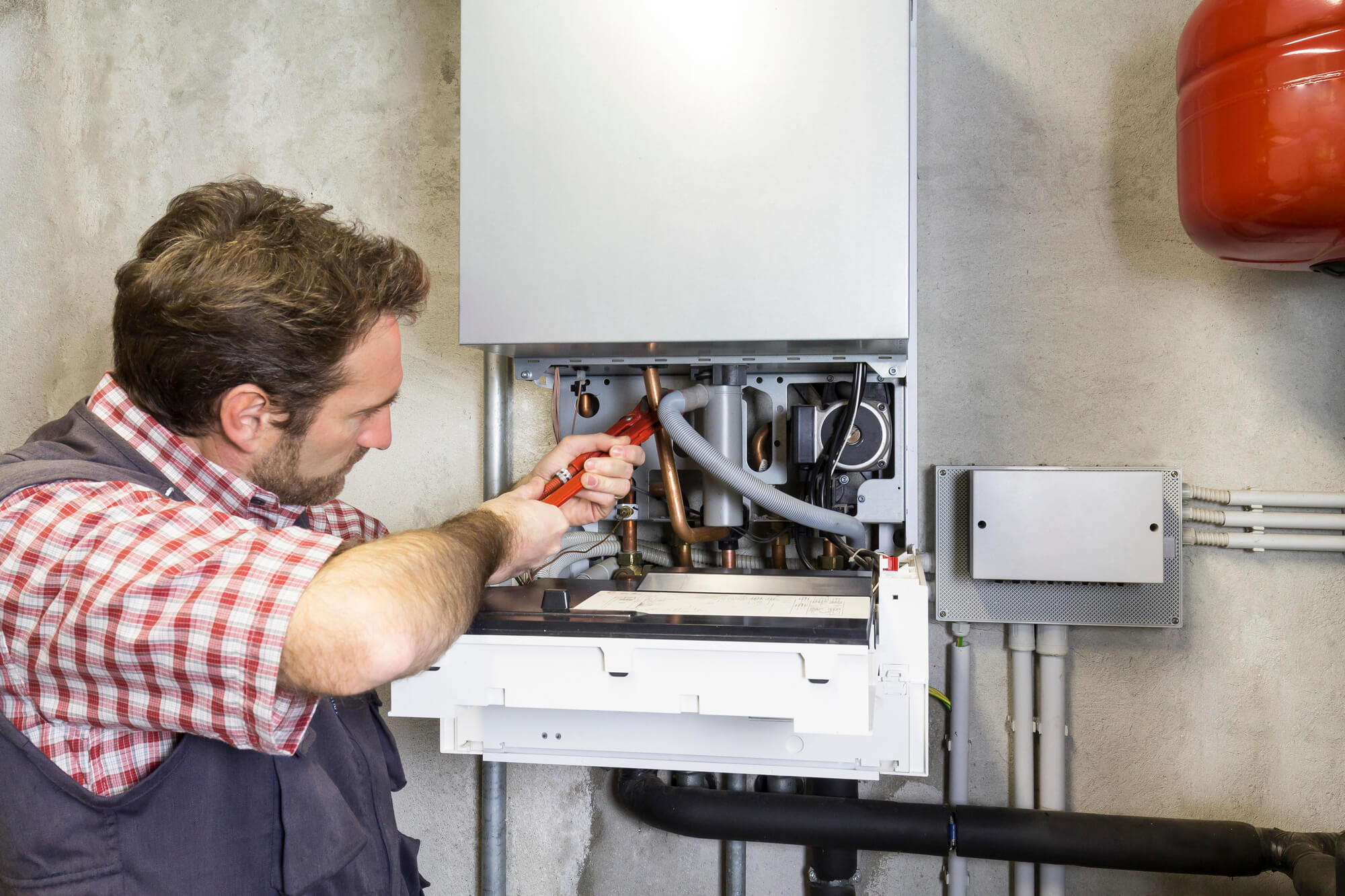
man working on Furnace Repair in Seattle

Furnaces are a key part of home heating and cooling, making spaces warm and comfortable. They operate quietly in the background, but it’s a bit unsettling when they suddenly start making strange noises. These sounds could signal various issues, and understanding them is important to address them quickly.

Let’s explore the common causes behind these odd furnace noises, what they might mean for your home’s comfort, and figure out if you need furnace repair in Seattle as soon as possible.


10 Reasons Your Furnace Is Making Weird Noises 

ongoing Furnace Repair in Seattle

#1 Banging or Popping Noises 

One common cause of loud banging or popping sounds in a furnace is the expansion and contraction of the ductwork. As the system heats up, the metal ducts expand, creating these abrupt noises. While this is a natural occurrence, excessive or continuous banging could suggest an issue with the ducts or other internal components, warranting a professional inspection. 

#2 Squealing or Screeching Sounds

High-pitched squealing or screeching noises can be attributed to problems with the furnace’s blower motor or fan. A malfunctioning motor may produce these sounds as it struggles to operate, indicating the need for lubrication, replacement, and furnace repair in Seattle. Ignoring such noises could lead to further damage and decreased efficiency.

#3 Rattling or Vibrating Sounds

Rattling or vibrating noises are often associated with loose or unsecured components within the furnace. This could include loose panels, screws, or even the blower wheel. Regular maintenance, such as tightening screws and inspecting for loose parts, can help prevent these sounds. If left unaddressed, they may lead to more severe issues.

#4 Clicking or Tapping Noises

Clicking or tapping sounds may occur during the startup or shutdown phases of the furnace and are typically normal. However, persistent clicking noises might indicate an issue with the ignition system or a faulty flame sensor. Ignition problems can compromise the furnace’s efficiency and should be addressed promptly to avoid potential safety hazards. 

#5 Whistling or Hissing Sounds

Whistling or hissing noises could be a result of air leaks in the ductwork. When there are gaps or holes in the ducts, air escaping through them can produce these sounds. Apart from reducing the system’s efficiency, air leaks can also lead to increased energy bills. Sealing or repairing the ductwork is essential to eliminate these noises and enhance overall performance.

#6 Booming or Explosive Sounds

If your furnace produces booming or explosive sounds during ignition, it may be due to a delayed ignition. This occurs when gas builds up before igniting, resulting in a small explosion-like noise. Delayed ignition can damage the heat exchanger and poses a safety risk. Professional intervention is crucial to diagnose and rectify this issue promptly. 

#7 Constant Humming or Buzzing

While a low-level humming or buzzing noise is typical during furnace operation, a constant and loud hum could indicate electrical issues. Faulty transformers, loose wiring, or issues with the blower motor might be the culprits. Electrical problems should be addressed promptly to prevent potential fire hazards and ensure the safe operation of the furnace. 

#8 Gurgling or Boiling Sounds 

Gurgling or boiling noises are often associated with the buildup of sediment in the bottom of the Seattle water heater or boiler. Sediment accumulation can decrease the system’s efficiency, leading to increased energy consumption. Flushing the system to remove sediment and regular maintenance can alleviate these sounds and enhance the overall lifespan of the furnace.

#9 Clanking or Metal-on-Metal Sounds

If you’re hearing clanking or metal-on-metal sounds emanating from your furnace, it could be indicative of an issue with the blower wheel. Over time, the blower wheel may accumulate dirt or debris, causing imbalance and resulting in these unsettling noises. Additionally, a broken or damaged blower wheel can produce similar sounds. Regular cleaning and furnace maintenance seattle of the blower assembly can help prevent such issues and ensure smooth operation.

#10 Chirping or Whirring Noises

Chirping or whirring noises may be linked to problems with the inducer motor or the draft inducer assembly. The inducer motor is responsible for creating a draft that assists in the combustion process. If the motor is malfunctioning or the assembly is obstructed, it can lead to irregular sounds during operation. Professional inspection and, if necessary, repair or replacement of the inducer motor are key to resolving this issue.  

What Not to Do If Your Furnace Is Making Noises

Man looking at furnace before Furnace Repair in Seattle

Attempt DIY Repairs Without Proper Knowledge

While basic maintenance tasks like changing air filters can be performed by homeowners, attempting complex repairs without the necessary knowledge and expertise can be risky.  

Furnaces involve intricate components and operate with gas or electricity, posing potential hazards. Avoid disassembling the furnace or tampering with components if you’re not trained in HVAC systems.

Overlook Safety Concerns

If you notice any unusual smells, such as gas or burning odors, along with the strange noises, do not overlook these safety concerns. Gas leaks or electrical issues can lead to serious hazards, including fire or carbon monoxide poisoning. In such cases, prioritize safety by immediately turning off the furnace, evacuating your home, and contacting emergency services.

Neglect Regular Maintenance

Neglecting regular maintenance can contribute to the development of issues that result in strange noises. Simple tasks like cleaning the blower assembly, inspecting the ductwork, and lubricating moving parts are key for the smooth operation of your furnace. Skipping routine maintenance increases the likelihood of breakdowns and reduces the overall lifespan of the system.

Adjust Settings Randomly

Avoid making random adjustments to thermostat settings or furnace controls without understanding the cause of the noises. Incorrect settings or frequent adjustments can lead to system inefficiencies and make it challenging for professionals to diagnose the root cause of the problem when they arrive for inspection. 

Use the Furnace Continuously

If you’ve noticed strange noises, it’s advisable to give your furnace a break until you can identify and address the issue. Continuously operating a malfunctioning furnace can worsen existing problems and potentially lead to more extensive damage. Turning off the furnace and seeking professional assistance is a prudent step.

Block or Obstruct Vents 

Blocking or obstructing vents and air registers in an attempt to mitigate the noises is counterproductive. Doing so can disrupt the airflow, causing the furnace to work harder and potentially exacerbating the problem. Ensure that all vents and registers are open and unobstructed for proper air circulation.

Disregard Professional Assistance

If you can’t identify the cause of the noises or if the issue persists after basic troubleshooting, do not disregard professional assistance. Delaying or avoiding calling an HVAC technician may lead to further damage and more expensive furnace repairs down the line.


Benefits of Hiring a Certified HVAC Technician to Repair Your Furnace


  • Accurate Diagnosis: Certified professionals can accurately identify the root cause of furnace noises, preventing misdiagnoses that could lead to further problems. 
  • Safety Assurance: HVAC services Seattle systems involve potentially hazardous components like gas and electricity. Certified technicians follow safety protocols, minimizing the risk of accidents or mishaps during furnace repairs in Seattle.
  • Efficient Repairs: Technicians possess the skills to efficiently address furnace issues, minimizing downtime and restoring your heating system to optimal performance. 
  • Compliance with Codes and Regulations: Certified HVAC technicians are well-versed in local building codes and regulations, ensuring that any repairs or installations comply with safety standards.
  • Proper Tools and Equipment: Certified professionals come equipped with the right tools and equipment for the job, enhancing the efficiency and effectiveness of repairs.
  • Warranty Protection: Many HVAC systems come with warranties that may be voided if unauthorized personnel attempt repairs. Certified technicians ensure that repairs are conducted in a manner that preserves warranty coverage. 

Man looking at furnace before Furnace Repair in Seattle

Do You Need Furnace Repair in Seattle? 


If your furnace is making weird sounds, don’t wait – we’re here to help. With more than 100 years of experience in home service and replacement solutions, Greenwood Heating has got you covered. Reach out today, and let us sort out those odd noises, making sure your home stays warm and cozy. 

Common HVAC Problems and Their Solutions

worker checking AC as part of HVAC Services in Seattle

Your HVAC system quietly ensures your comfort throughout the year—when it works seamlessly, it’s practically invisible. But when it malfunctions, you feel it: unpleasant odors, noises, and more. Before we delve into the causes and solutions of these issues, here’s a key insight: Most of these headaches can be avoided with regular preventive HVAC services in Seattle. It’s wise to have your system checked regularly to steer clear of common issues. Now that you know this, let’s learn more.

Common HVAC Problems: Their Causes and Solutions

a couple with the AC broken needs HVAC Services in Seattle

Uneven Heating or Cooling


Common Causes of Uneven Heating or Cooling

1. Blocked Vents or Ducts

Uneven temperature distribution in your home can often be traced back to blocked vents or ducts. Over time, dust, debris, or even furniture placement can obstruct the airflow, disrupting the balance of your HVAC system.

2. Malfunctioning Thermostat

A thermostat acting up can wreak havoc on your comfort. Whether it’s displaying inaccurate temperatures or not communicating effectively with the system, a malfunctioning thermostat can lead to uneven heating or cooling. 


Solutions

1. Professional Inspection and Cleaning

Hiring a professional for a thorough inspection is essential. Experts can identify and remove any blockages in your vents or ducts, ensuring that air can flow freely and evenly throughout your home. This not only resolves the immediate issue but also prevents future imbalances. 

2. Thermostat Calibration

Calibration is a task that should be handled by professionals. They can ensure that your thermostat accurately reads and communicates the temperature, allowing your HVAC system to respond appropriately. This fine-tuning is essential for maintaining consistent comfort in your living spaces.


Lack of Airflow


What Causes Lack of Airflow? 

1. Dirty or Clogged Air Filters

The health of your HVAC system relies heavily on the condition of its air filters. When filters get dirty or clogged, they restrict the airflow, forcing your system to work harder. This not only reduces efficiency but can also lead to a lack of proper airflow.

2. Blocked Ducts

Your ductwork plays a crucial role in distributing conditioned air throughout your home. If ducts are blocked, whether by debris or structural issues, the airflow becomes compromised. This can result in rooms not receiving adequate heating or cooling. 


How to Address Lack of Airflow

1. Regular Filter Replacement

Regularly replacing air filters is a simple et effective solution. Professionals recommend a schedule for filter replacement based on your system’s requirements. This not only ensures optimal airflow but also improves indoor air quality by preventing the circulation of dust and allergens. 

2. Duct Cleaning by Professionals

Duct cleaning is a task best left to the experts. Professionals have the tools and knowledge to thoroughly clean and clear your ducts, removing any obstructions that hinder airflow. This proactive measure not only restores proper airflow but also contributes to the longevity of your HVAC system.


Strange Noises


What Can Cause Strange Noises?

1. Loose or Damaged Parts

Unusual sounds coming from your HVAC system can often be attributed to loose or damaged components. Vibrations, rattles, or clanks may indicate that parts within the system are not securely in place or may be showing signs of wear and tear.

2. Unbalanced Fan Blades

The fan inside your HVAC system plays an important role in airflow. If its blades are unbalanced, it can create vibrations and loud noises. This imbalance may result from regular wear, damage, or improper installation.


Possible Solutions to Address Strange Noises

1. Professional Inspection and Tightening of Components

When strange noises emerge, you should call professionals right away. HVAC experts can conduct a thorough inspection to identify loose or damaged parts. They have the expertise to tighten components securely, addressing the source of the noise and preventing further damage.

2. Fan Blade Balancing by Experts

Balancing fan blades requires precision. HVAC professionals have the tools and knowledge to balance fan blades accurately. This not only eliminates the bothersome noise but also ensures that the fan operates smoothly, contributing to the overall efficiency and longevity of your HVAC system. 


Refrigerant Leaks


What are the Most Common Causes for Refrigerant Leaks?

1. Wear and Tear

Refrigerant leaks often stem from wear and tear on the components of your HVAC system. Over time, the constant circulation of refrigerant can lead to deterioration, causing small leaks that compromise the system’s efficiency.

2. Faulty Installation

Improper installation is a common culprit for refrigerant leaks. If the system was not installed correctly initially, it can result in weakened connections or damaged components, leading to refrigerant escaping from the system.


How to Address Refrigerant Leaks

1. Detection and Repair by HVAC Professionals

Detecting and repairing refrigerant leaks is a job for HVAC professionals. They use specialized tools to identify the location and extent of the leak. Once detected, they can perform the necessary repairs, ensuring that your system is operating efficiently and safely.

2. Importance of Proper Installation

Prevention is key, and proper installation is the first line of defense against refrigerant leaks. When installing or replacing an HVAC system, it’s crucial to rely on qualified professionals. Their expertise ensures that the system is installed correctly, minimizing the risk of leaks and promoting the longevity of your HVAC unit.

a couple needs HVAC Services Seattle for their AC

Dealing with HVAC System Inefficiency: Causes and Solutions

High Energy Bills


What Causes High Energy Bills?

1. Inefficient System Operation

An HVAC system operating inefficiently can significantly contribute to high energy bills. This inefficiency may result from aging components, outdated technology, or a system that’s not adequately sized for the space it serves.

2. Lack of Regular Maintenance

Regular maintenance is the backbone of an efficient HVAC system. Neglecting routine upkeep, such as cleaning, lubrication, and inspections, can lead to decreased efficiency over time, causing the system to work harder and consume more energy.


How to Solve This Issue

1. Professional Energy Audit and System Optimization

To address high energy bills, consider a professional energy audit. HVAC experts can assess your system’s performance, identify areas of inefficiency, and recommend optimization strategies. This may involve upgrading components, improving insulation, or implementing energy-saving technologies.

2. Regular Professional Maintenance Services

The importance of routine maintenance cannot be overstated. Engaging HVAC professionals for regular check-ups and maintenance services ensures that your system operates at peak efficiency. This includes cleaning coils, checking refrigerant levels, and making adjustments to optimize performance. Regular maintenance not only reduces energy consumption but also extends the lifespan of your HVAC system. 


Short Cycling


Common Causes for Short Cycling

1. Oversized or Undersized System

Short cycling, where the HVAC system turns on and off too frequently, is often linked to sizing issues. An oversized system cools or heats the space rapidly, leading to quick cycles, while an undersized system struggles to meet the demand, causing frequent restarts.

2. Malfunctioning Thermostat

A malfunctioning thermostat can misread temperature levels, triggering the system to cycle on and off unnecessarily. This erratic behavior not only affects comfort but also places additional stress on the system components. 


Solutions for Short Cycling

1. Professional Evaluation for Correct System Sizing

The key to resolving short cycling is a professional evaluation of your HVAC system’s size. Experts can assess your home’s specific requirements and recommend the correct system size. This ensures that the system operates efficiently, avoiding both rapid cycling and energy wastage.

2. Thermostat Replacement by Experts

If the thermostat is identified as the culprit, it’s best to replace it with the help of professionals. Thermostats are intricate devices, and correct installation is crucial. HVAC experts can ensure that the new thermostat is compatible, accurately reads temperature levels, and effectively communicates with the system, preventing short cycling issues.

dirty air filters need HVAC Services in Seattle

Looking for Reliable HVAC Services in Seattle?

Trust Greenwood Heating for all your HVAC needs! With over 100 years in the business, we deliver careful, quality workmanship and boast over 1,000 five-star reviews from satisfied Seattle homeowners. Whether it’s Seattle heating repair, air conditioning, electrical, or plumbing services, we’ve got you covered. Explore our services and financing options. Contact us!