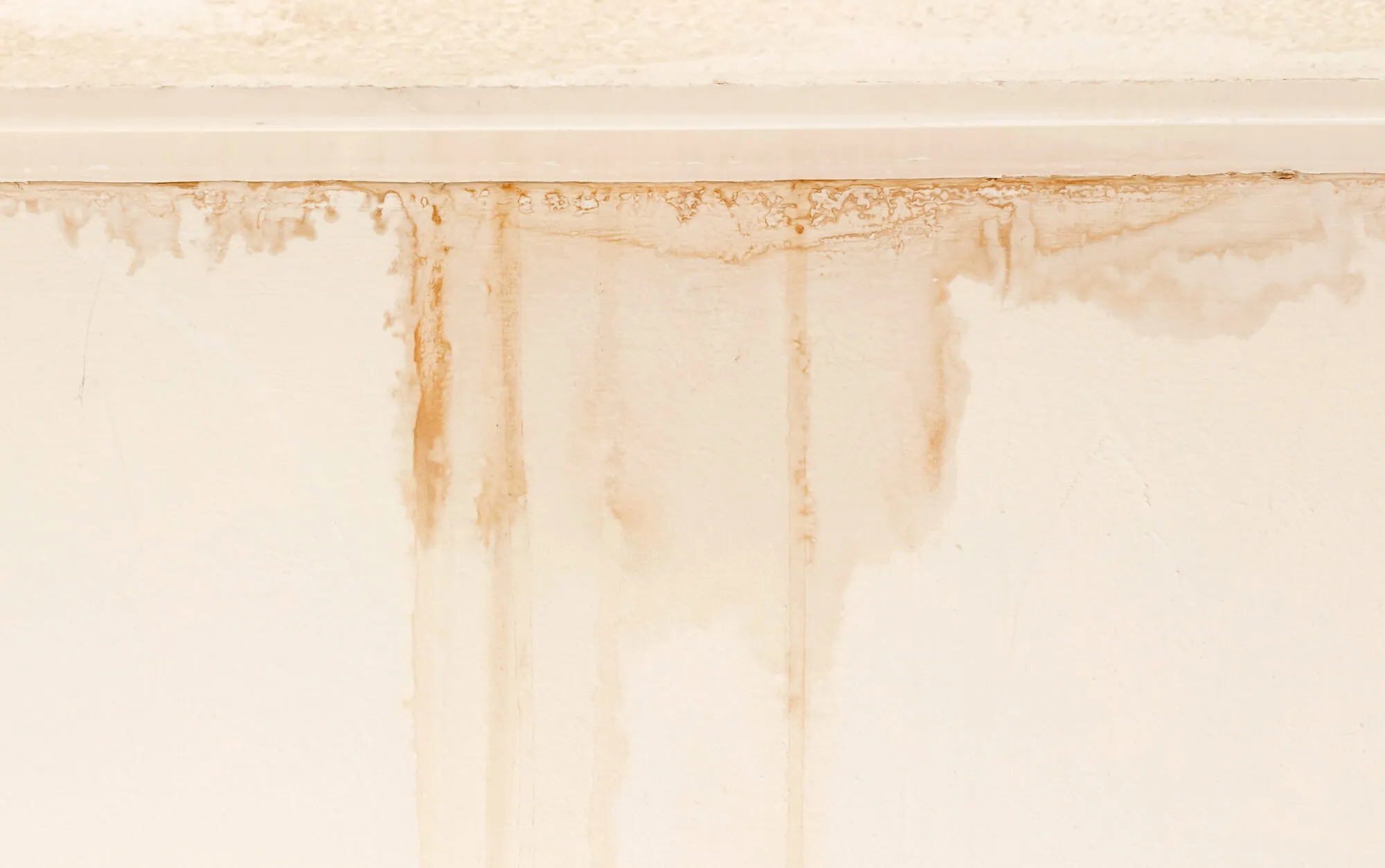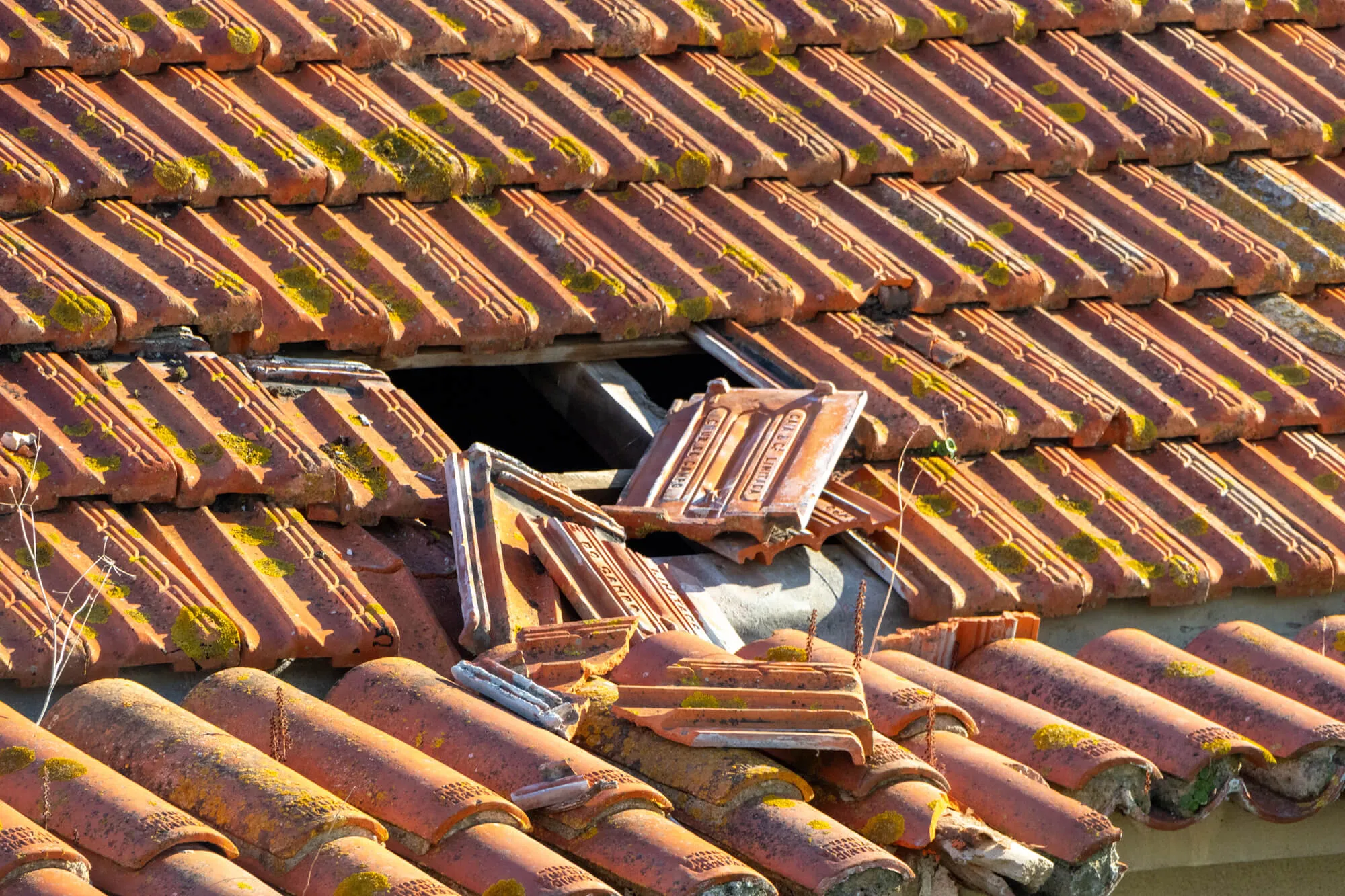



Common Reasons Water Pipes Crack Over Time

in need of Leak Repair Seattle

Water pipes endure daily use but aren’t immune to wear and tear. Over time, environmental, structural, and usage factors can weaken plumbing, causing cracks. Small fractures may go unnoticed but can lead to leaks requiring prompt attention. 

In many cases, pipe damage develops slowly due to a combination of pressure, temperature changes, and material aging. Recognizing the causes behind these issues helps homeowners understand when to act and when to consider professional leak repair in Seattle before damage spreads. 

Here are the eleven most common reasons water pipes crack over time in Seattle homes. 
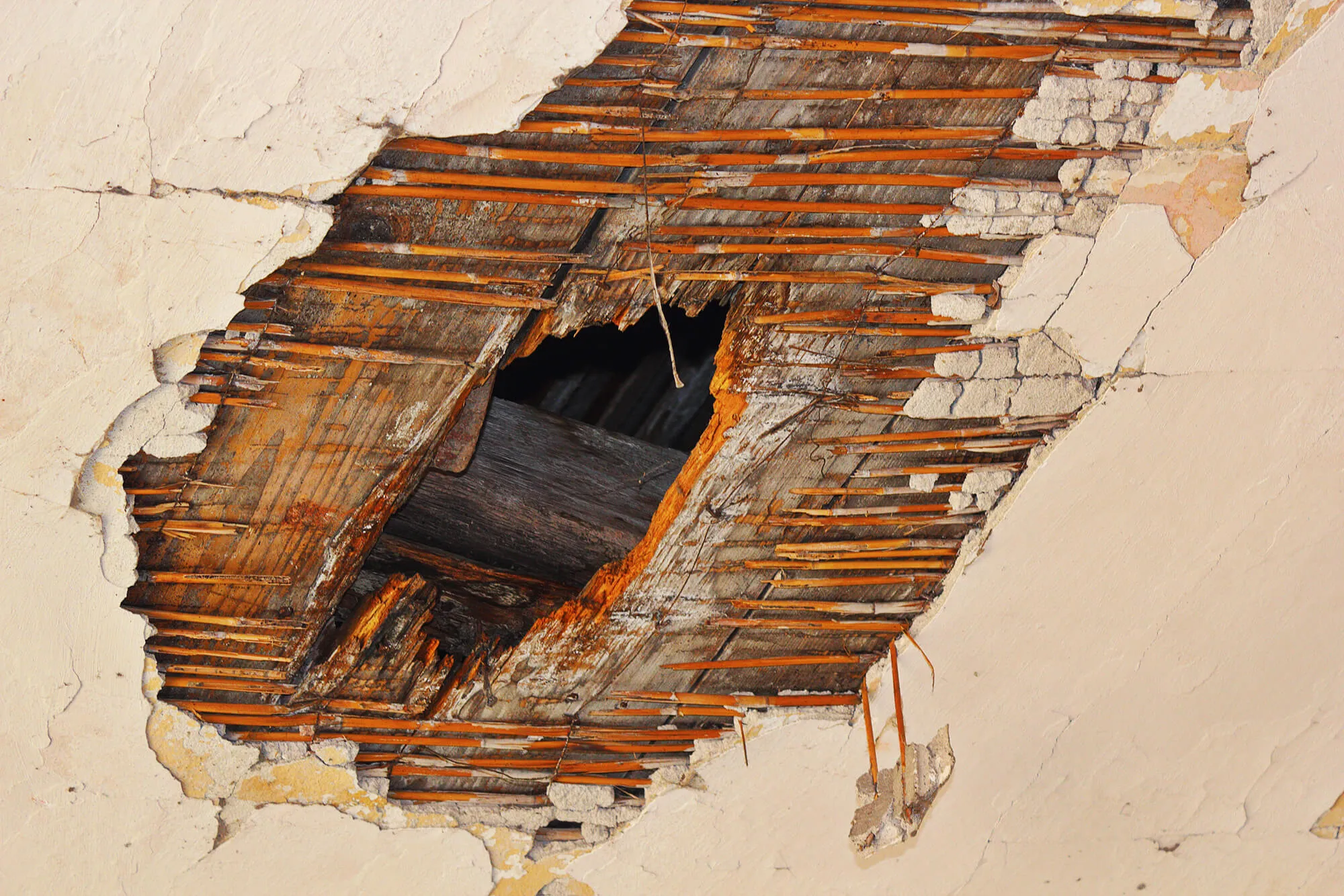
requires Leak Repair Seattle

Common Reasons Water Pipes Crack Over Time

1. Temperature Fluctuations

Changes in temperature can place stress on pipes. As water freezes, it expands, which increases internal pressure within the pipe. Even in milder climates, repeated cooling and warming cycles can cause materials to expand and contract over time. 

This constant movement gradually weakens the pipe structure, making it more prone to cracking. Pipes located in uninsulated areas such as crawlspaces, garages, or exterior walls are especially vulnerable.  

Over time, even small temperature shifts can create enough strain to cause fractures that lead to leaks. Homes that experience frequent seasonal changes may notice this issue more as pipes repeatedly adjust to temperature differences.

2. High Water Pressure

While strong water pressure may feel convenient, it can put excessive strain on plumbing systems. Pipes are designed to operate within a certain pressure range, and exceeding that range can weaken joints and pipe walls. 

Over time, continuous pressure stress can lead to small cracks or joint failures. These issues often develop slowly and may not be immediately noticeable. High pressure can also affect valves, fixtures, and connectors, increasing the likelihood of damage across the entire system. Maintaining balanced water pressure helps reduce stress on pipes and supports long-term system performance while protecting other plumbing components.

3. Corrosion and Pipe Aging

Older pipes naturally degrade over time. Materials such as galvanized steel or copper can corrode, especially when exposed to minerals or chemical reactions in the water. 

Corrosion weakens the pipe walls, making them thinner and more susceptible to cracking. As this process continues, small fractures can form and eventually lead to leaks. Aging plumbing systems are more likely to experience these issues, particularly in homes that have not undergone pipe upgrades. Over time, corrosion can also affect water quality and reduce flow efficiency, making early evaluation important for long-term maintenance planning.

4. Soil Movement

Pipes buried underground are affected by the soil surrounding them. In Seattle, soil conditions can shift due to changes in moisture, seasonal weather patterns, or gradual settling. 

As soil moves, it can place pressure on pipes or cause them to shift out of alignment. This added stress may lead to cracks or joint separation. Even minor ground movement over time can create enough pressure to damage underground plumbing systems. Properties built on slopes or areas with heavy rainfall may experience more noticeable soil movement, increasing the importance of periodic inspections.

5. Tree Root Intrusion

Tree roots naturally grow toward moisture sources, and underground pipes can attract them. If there are small cracks or weak joints, roots can enter the pipe and expand inside it. 

As roots grow, they place pressure on the pipe walls, eventually leading to cracks or structural damage. In some cases, roots can completely obstruct the pipe. Homes with mature trees nearby are more likely to experience this type of damage over time. Once roots establish themselves inside a pipe, the damage can worsen quickly, making early detection especially important.

6. Clogged Pipes and Blockages

Clogs do more than slow water flow—they can also increase pressure inside pipes. When debris builds up, water has less space to move through the system, which creates internal stress. 

Over time, this pressure can weaken the pipe walls or joints, increasing the risk of cracks. Materials such as grease, soap residue, and debris often contribute to this problem. Addressing blockages early helps reduce pressure buildup and protect the plumbing system’s integrity. Persistent clogs may also signal deeper issues within the pipe that require inspection.

7. Poor Installation or Workmanship

Pipes that were not installed correctly may be more prone to damage over time. Improper alignment, loose connections, or unsupported sections can create weak points in the system. 

These weaknesses may not cause immediate problems, but they can become more noticeable as the system ages. Over time, stress from daily water use can cause these areas to crack or separate. Improper slope or spacing may also affect how water flows through the system, increasing strain on certain sections. Professional installation helps ensure pipes are properly secured and supported.
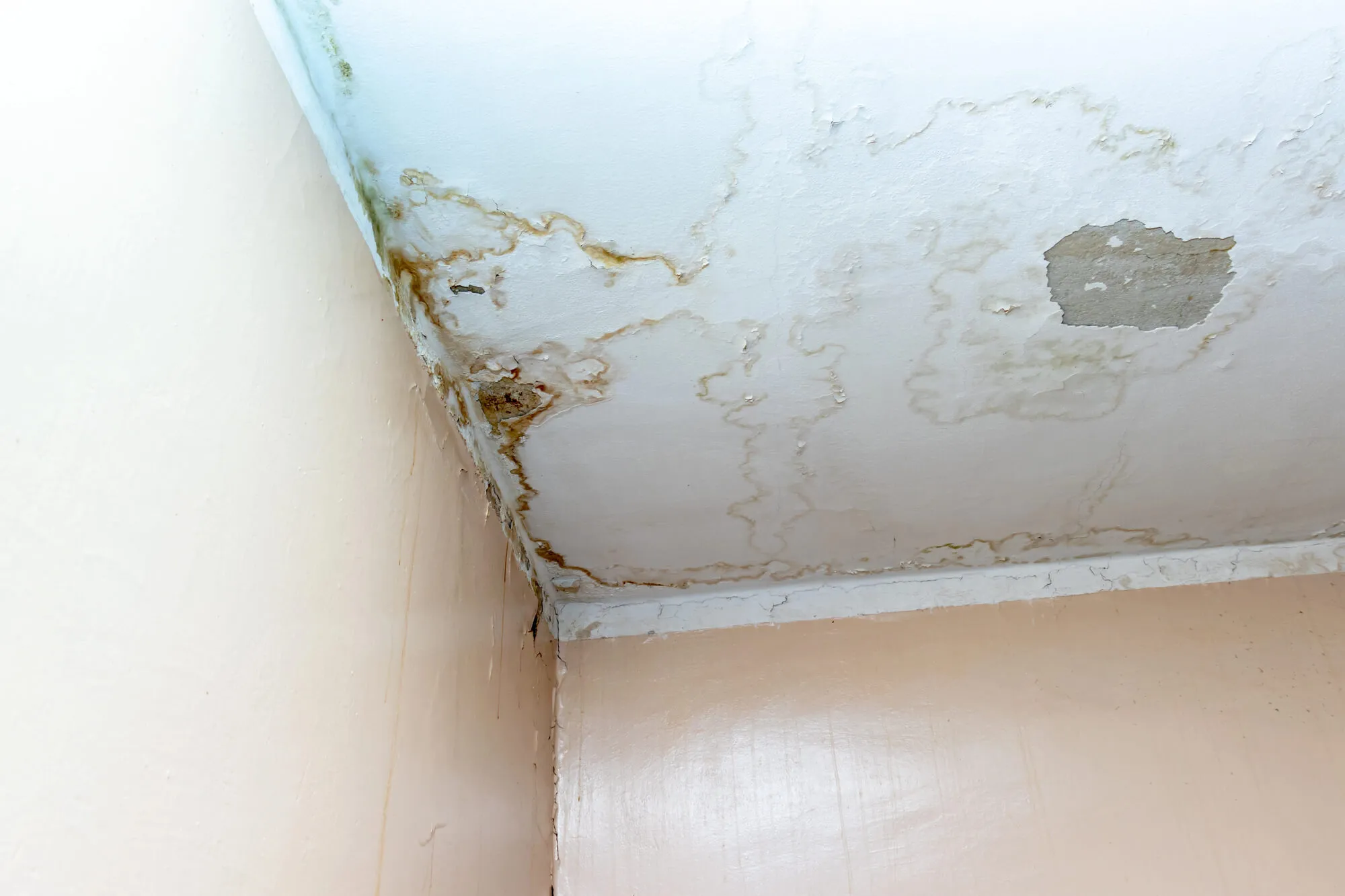
Leak Repair Seattle

8. Water Quality and Mineral Buildup

Water with high mineral content can contribute to internal pipe damage. Mineral deposits gradually build up along the inside of pipes, narrowing the water flow path. 

As buildup increases, it can create uneven pressure points within the pipe. Over time, these pressure points may contribute to cracking or weakening of the material. This process is gradual but can have long-term effects on plumbing systems if not addressed. Homes with harder water may experience faster buildup, making maintenance and monitoring especially important.

9. External Physical Damage

Pipes can also crack due to external impact or pressure. Construction work, landscaping, or heavy equipment can accidentally damage underground pipes. 

Even minor impacts may weaken the structure, creating small fractures that develop into leaks over time. Because these pipes are hidden, the damage may not be noticed immediately. Activities such as digging or installing outdoor features can increase the risk of accidental pipe damage. Regular inspections can help identify issues caused by external factors before they worsen.

10. Repeated Wear and Tear

Like any part of a home, plumbing systems experience wear over time. Daily use, vibration, and constant water flow can gradually affect pipe integrity. 

This ongoing stress may cause joints to loosen or pipe walls to weaken. While the process is slow, it can eventually lead to cracking. Systems that experience higher usage or demand may show signs of wear earlier. Regular maintenance helps identify signs of wear before they affect overall system performance, allowing homeowners to plan repairs proactively.

11. Freezing and Thawing Cycles

Even in regions with moderate winters, freezing temperatures can still affect pipes. When water inside a pipe freezes, it expands, increasing internal pressure. 

As the pipe thaws, the pressure may leave behind small cracks that worsen over time. Repeated freeze-thaw cycles can accelerate this damage, especially in exposed areas. Pipes that are not insulated or located near exterior walls are more vulnerable. Protecting these areas and maintaining consistent temperatures can help reduce the risk of damage caused by freezing conditions. 

Why Early Detection Matters 

Pipe cracks often begin as small, unnoticed issues. Over time, they can lead to water damage, reduced pressure, and increased utility costs. Because many pipes are hidden behind walls or underground, problems may develop long before visible signs appear. 

Understanding the causes of pipe damage allows homeowners to respond early and plan maintenance before larger repairs are needed. Regular inspections and awareness of system performance can help reduce the likelihood of unexpected plumbing disruptions. 

damage needing Leak Repair Seattle

Need Leak Repair in Seattle? What to Do Next 

If you notice signs of pipe damage such as reduced water pressure, moisture buildup, or unexplained increases in water usage, it may be time to consider leak repair in Seattle. Addressing pipe issues early helps protect your home and supports long-term plumbing reliability. 

Our team at Greenwood Heating & Home Services can evaluate your plumbing system and identify areas that may need attention. Whether the issue involves aging pipes, pressure concerns, or hidden leaks, a professional assessment helps determine the most practical next steps. Reach out today to schedule an inspection and keep your plumbing system operating smoothly. 

Most Common Causes of Clogged Drains in Seattle Homes

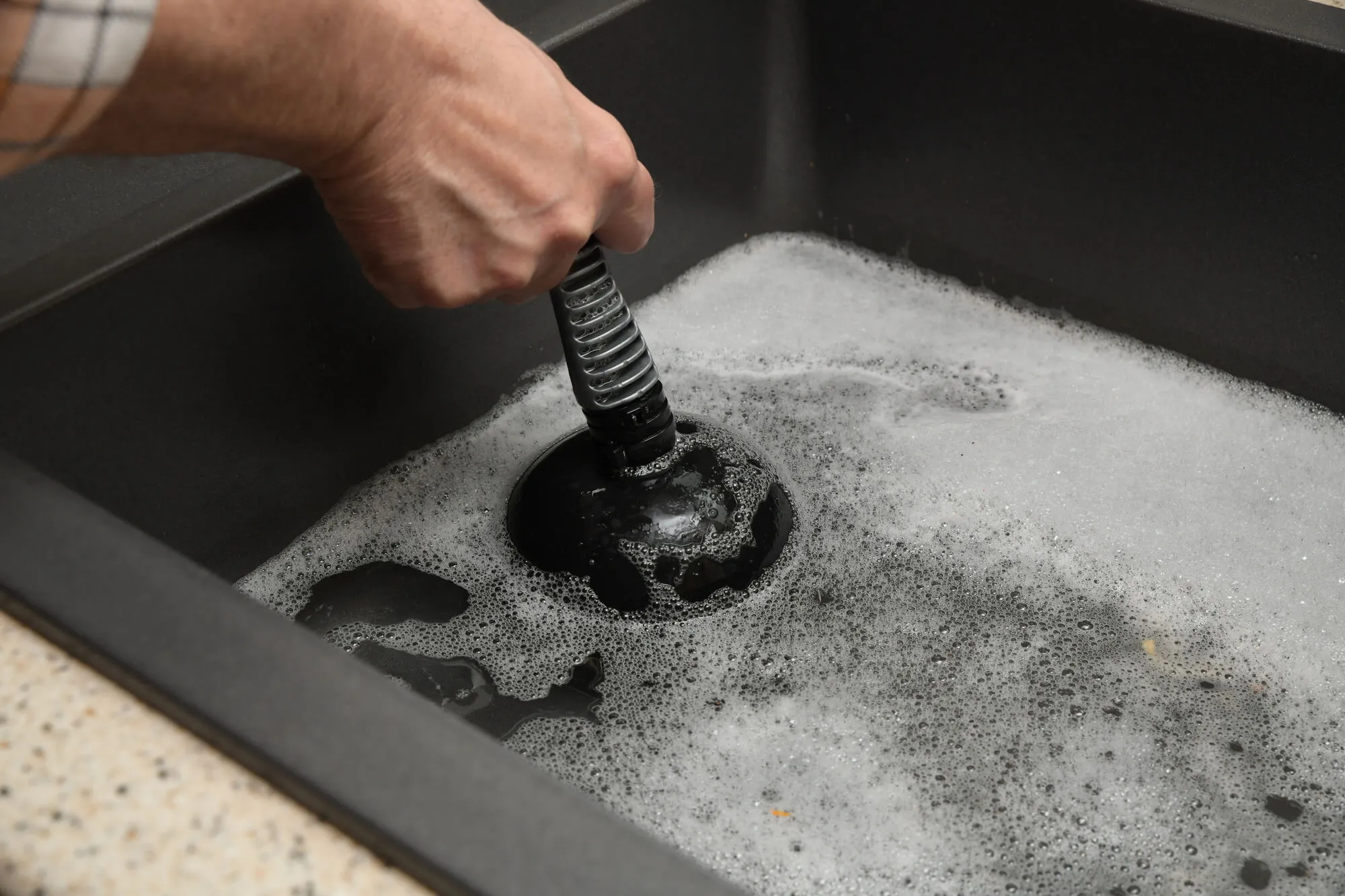
woman attempting to Fix clogged drain Seattle

Drain clogs are one of the most frequent plumbing issues homeowners experience. Water that drains slowly, unpleasant odors, or recurring backups can quickly disrupt daily routines. In many cases, these problems develop gradually as debris builds up inside pipes over time. Understanding what commonly causes blockages can help homeowners take steps to reduce the risk of plumbing issues. 

In Seattle homes, a mix of kitchen waste, bathroom debris, aging plumbing systems, and environmental factors often contribute to drainage problems. When water begins draining more slowly than usual, it may be time to investigate the cause or consult a professional who can fix clogged drain in Seattle before the problem escalates. 

Below are ten of the most common causes of clogged drains and how they affect plumbing systems in local homes. 

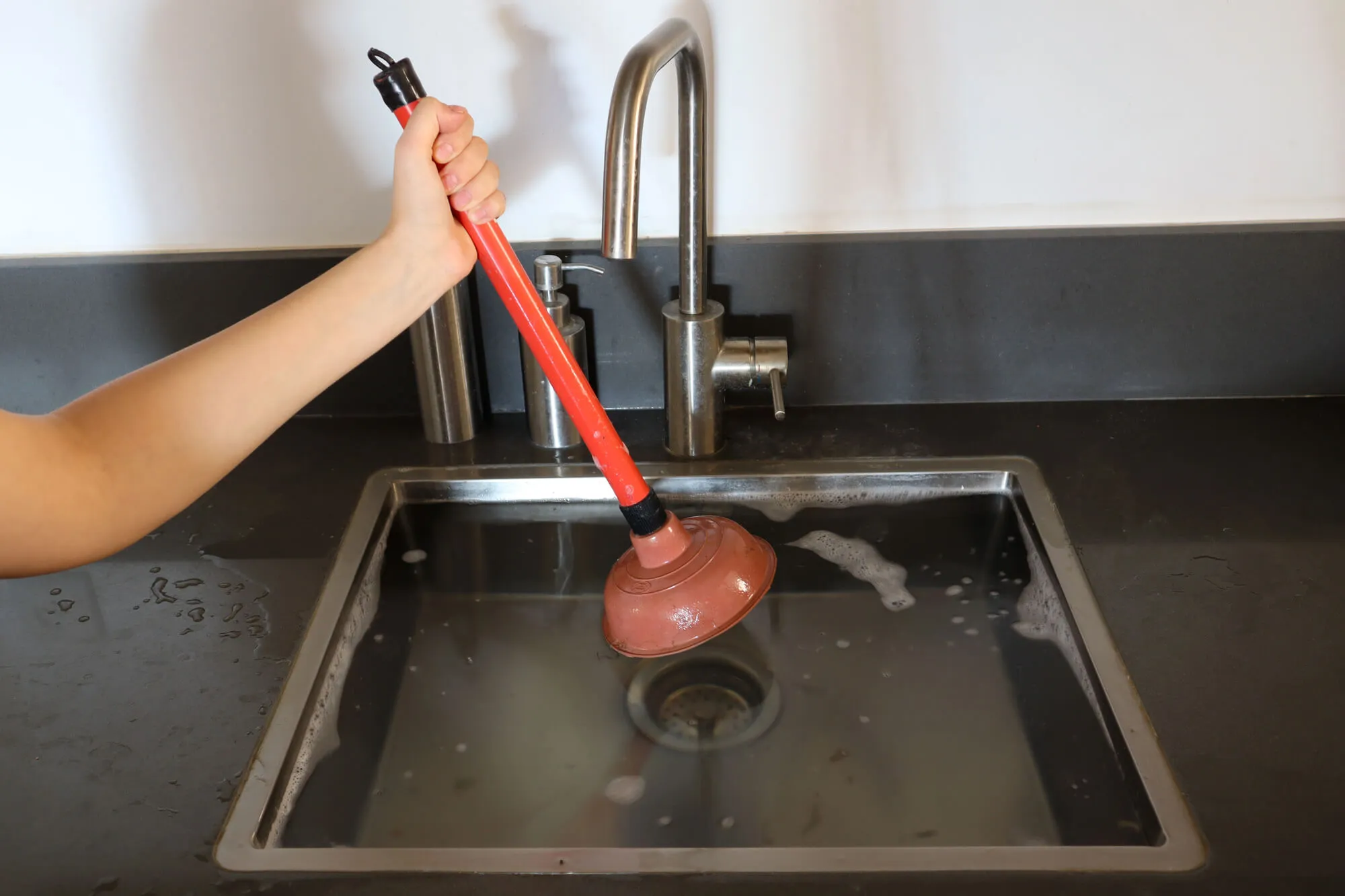
Fix clogged drain Seattle

1. Grease and Cooking Oils 

Grease is one of the most frequent causes of kitchen drain blockages. When cooking oils, fats, and grease are poured down the sink, they may appear harmless while still warm. However, as they cool inside pipes, they solidify and cling to pipe walls.  

Over time, this sticky layer traps food particles and other debris passing through the drain. The buildup gradually narrows the pipe’s interior, slowing water flow and eventually causing a clog. Because Seattle households often cook with oils and fats that cool quickly in colder weather, grease buildup can happen faster than many homeowners expect. 

Using sink strainers and disposing of grease in containers rather than pouring it down the drain can help reduce this common plumbing issue. 

2. Food Scraps and Kitchen Debris 

Kitchen drains frequently collect food particles that were never intended to pass through plumbing pipes. Even homes with garbage disposals can experience clogs when certain foods accumulate inside the system. 

Items such as rice, pasta, coffee grounds, eggshells, and fibrous vegetable peels can swell, clump together, or stick to pipe surfaces. Over time, these materials combine with grease and soap residue, forming dense blockages. 

In Seattle homes where cooking and food preparation occur daily, these small particles can gradually collect in the pipes below the sink. Rinsing dishes thoroughly into the trash before washing and using a drain screen can help limit how much debris enters the plumbing system. 

3. Hair Buildup in Bathroom Drains 

Hair is one of the leading causes of bathroom drain clogs. Showers, bathtubs, and bathroom sinks often collect strands of hair that travel down the drain during washing or grooming routines. 

Hair itself does not dissolve in water. Instead, it tangles with soap residue and other debris inside the pipes, forming clumps that slow drainage. Over time, these tangled masses grow larger and restrict water flow. 

Bathroom drains are particularly vulnerable because pipes in these areas are typically smaller than main plumbing lines. Installing hair catchers or drain covers in showers and sinks can significantly reduce the amount of hair entering the plumbing system. 

4. Soap Scum and Mineral Residue 

Soap residue can also contribute to clogged drains. Traditional bar soaps often contain fats that react with minerals in water, forming a chalky substance known as soap scum. 

This residue sticks to the inside of pipes and gradually builds up over time. As soap scum accumulates, it narrows the pipe diameter and traps other debris, such as hair or dirt. 

Seattle’s water supply contains minerals that can contribute to residue formation in plumbing systems. While the buildup occurs slowly, it can eventually lead to noticeable drainage issues if left unchecked. Periodic cleaning of drains and switching to liquid soaps may help reduce the accumulation of soap residue in household plumbing. 

5. Tree Root Intrusion 

Tree roots are a surprisingly common cause of clogged or damaged sewer lines. Roots naturally seek moisture and can enter small cracks or joints in underground pipes. 

Once inside, roots grow toward the water source and expand within the pipe. Over time, they can create significant blockages that restrict wastewater flow. In severe cases, roots may even damage or break sections of the sewer line. 

Seattle neighborhoods often feature mature trees and dense landscaping, which increases the likelihood of root intrusion in older sewer systems. Regular sewer inspections and proper landscaping practices can help identify root issues before they lead to larger plumbing concerns. 

6. Flushing Non-Flushable Items 

Many household drain problems begin in the bathroom when items are flushed that plumbing systems are not designed to handle. Despite marketing claims, products labeled as “flushable” can still cause problems in sewer lines.  

Common examples include wipes, paper towels, feminine hygiene products, cotton swabs, and dental floss. Unlike toilet paper, these materials do not break down easily in water. 

Instead, they can become trapped in pipes and combine with other debris, creating dense blockages. Over time, this buildup may restrict wastewater flow and lead to backups in toilets or drains. 

Limiting flushing to toilet paper and human waste is one of the most effective ways to prevent plumbing issues. 

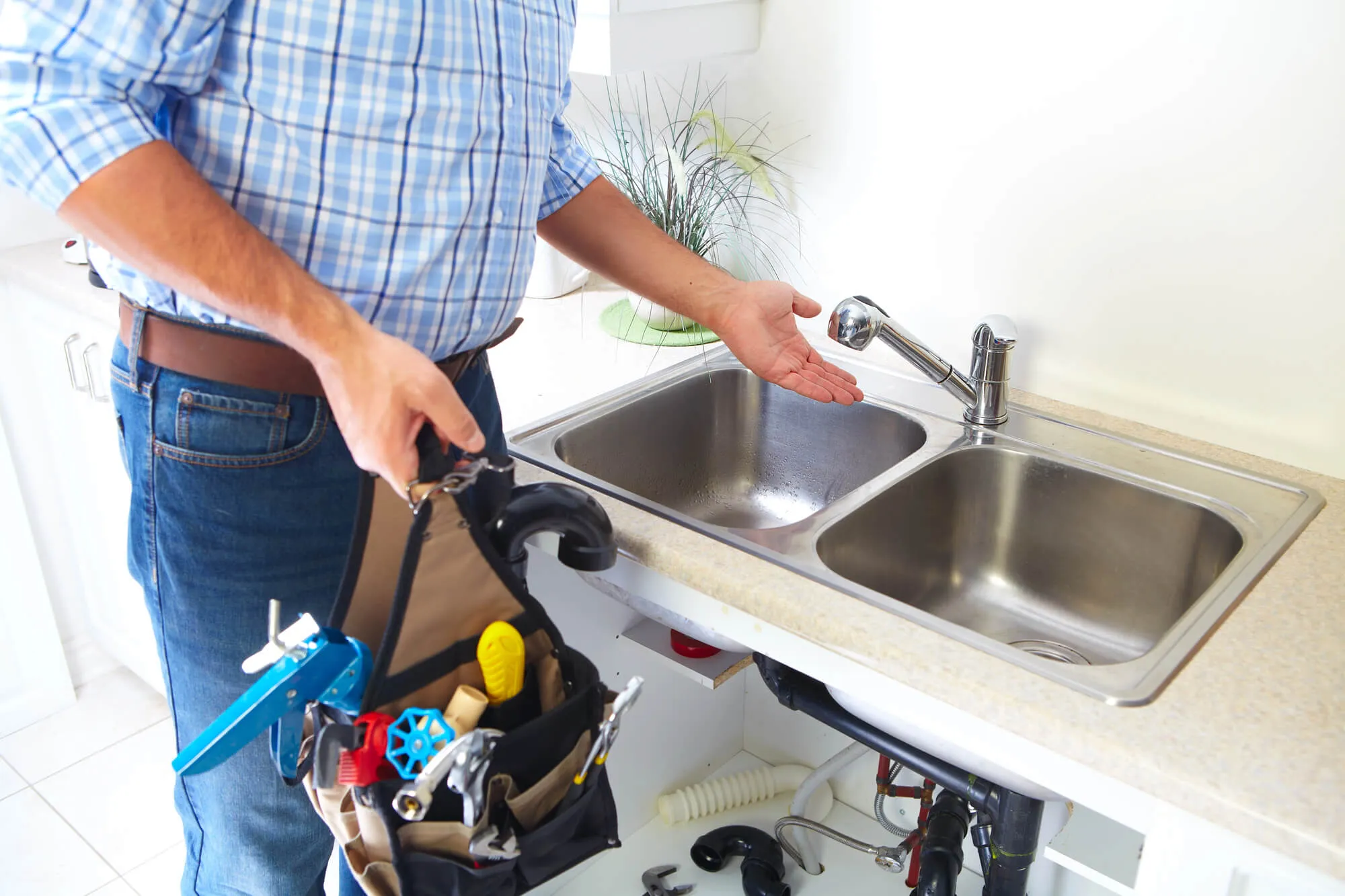
plumber trying to Fix clogged drain Seattle

7. Foreign Objects in Drains 

Small household objects sometimes accidentally fall into drains. Children’s toys, bottle caps, jewelry, and other small items can easily slip into sinks, bathtubs, or floor drains. 

Once inside the pipe, these objects may lodge in narrow sections of plumbing and create an obstruction. Debris flowing through the system can then accumulate around the object, gradually forming a larger clog. 

Foreign object clogs often require professional tools or camera inspections to locate and remove the obstruction safely. Using drain covers in sinks and bathtubs can help reduce the chance of objects entering the plumbing system. 

8. Aging or Corroded Pipes 

Older homes in Seattle may still have aging plumbing systems that contribute to drainage issues. Pipes made from older materials such as galvanized steel can corrode over time. 

Corrosion creates rough interior surfaces that catch debris more easily than smooth pipes. As rust accumulates, the pipe diameter gradually narrows, restricting water flow. 

Even small amounts of grease, soap residue, or debris can become trapped in these uneven surfaces. Eventually, the buildup may cause slow drainage or recurring clogs. 

Routine plumbing inspections can help identify aging pipe systems before they create major problems. 

9. Heavy Rain and Sewer Line Pressure 

Seattle’s climate includes frequent rainfall, which can affect underground drainage systems. During periods of heavy rain, municipal sewer systems may experience increased pressure. 

If private sewer lines already contain partial blockages, this extra flow can worsen the problem. Water may drain more slowly or back up into household plumbing fixtures. 

In some cases, stormwater infiltration can introduce debris into older sewer lines, contributing to new blockages. Regular maintenance and sewer inspections can help homeowners monitor the condition of underground plumbing connections. 

10. Sediment and Debris in Floor Drains 

Basements, laundry rooms, and utility areas often contain floor drains designed to handle occasional water runoff. However, these drains sometimes collect dust, dirt, lint, or sediment over time. 

When debris accumulates inside the drain trap, it can restrict water flow and produce unpleasant odors. Because floor drains are used less frequently than sinks or showers, buildup may go unnoticed until a drainage issue occurs. 

Periodic cleaning and flushing of floor drains can help maintain proper flow and reduce the risk of blockages in these less visible plumbing fixtures. 

Preventing Drain Clogs in Seattle Homes 

Clogged drains rarely occur overnight. Most blockages develop gradually as debris accumulates inside pipes. By understanding the most common causes, homeowners can reduce the likelihood of recurring plumbing issues. 

Simple habits such as disposing of grease properly, using drain screens, and avoiding flushing non-degradable items can make a significant difference in maintaining healthy plumbing systems. Periodic inspections also help detect early signs of buildup before major problems develop. 

man Fix clogged drain Seattle

Need Help to Fix a Clogged Drain in Seattle? 

When drains begin slowing down, backing up, or producing unusual odors, it may be time to have a professional inspect the plumbing system. Addressing small blockages early can help prevent larger sewer problems later. 

If you’re dealing with recurring drainage issues and need help to fix a clogged drain in Seattle, the team at Greenwood Heating & Home Services can evaluate your plumbing system and recommend the right approach. Our technicians use professional tools and inspection methods to locate blockages and restore proper drainage throughout your home. Contact our team today to schedule an inspection and keep your plumbing system running smoothly. 

24 Hour Flood Response and Restoration Services

Leak Repair Seattle

Storms don’t always leave obvious destruction behind. Sometimes, the most serious issues are the ones you can’t see—like a slow leak behind a wall or moisture buildup in your attic. These subtle signs of damage can lead to mold, structural decay, or electrical hazards if not addressed early. Before repairs begin, leak detection should be your top priority. If you’re scheduling storm restoration or leak repair in Seattle, it’s important to start with a thorough inspection. 

affordable Leak Repair Seattle

Why Leak Detection Comes First 

After a storm, most people check for downed branches or broken windows. But what often goes unnoticed is the moisture silently seeping through your roof or walls. That’s why leak detection isn’t just the first step—it’s the most urgent. 

Minor Signs, Major Damage 

Moisture damage doesn’t announce itself with fanfare. A small crack in the ceiling or faint musty smell may seem minor—but they’re often the earliest indicators of a leak that could spiral into a costly repair if overlooked. Even slight water intrusion can create the conditions for mold, mildew, and long-term decay within just a few days. 

Hidden Risks Grow Over Time 

Leaks don’t stop at wet drywall. Water can saturate insulation, short out wiring, and rot support beams. The longer a leak sits undetected, the more destructive it becomes. What starts as a pinhole drip may lead to ceiling collapse, warped floors, or even a fire hazard if it reaches electrical systems. 

Supporting Your Insurance Claim 

Leak detection performed promptly can also protect your wallet. Most insurance providers require documented proof that storm-related damage was promptly identified and addressed. Technicians can identify and photograph water intrusion points, which helps strengthen your claim and expedite the processing time. 

Safety and Structural Integrity 

Unnoticed leaks in the attic or crawlspace can quietly erode your home’s frame. Even a small roof puncture or a gap in the flashing can allow rainwater to seep directly into your wall cavities. Leak detection helps ensure that the structural components of your home remain safe, solid, and ready for repair—before larger problems arise. 

The Complete Storm Restoration Checklist 

A strong recovery begins with a solid foundation, safety, and effective planning. Here’s a breakdown of steps every homeowner should follow after a storm. 

  1. Ensure Personal and Household Safety

  • Watch for downed power lines, gas leaks, or standing water with electrical hazards 
  • Use protective gear when entering wet or damaged spaces 
  • If in doubt, call emergency services or utilities before entering the area 
  1. Schedule Professional Leak Detection

Your first call after securing your property should be to a storm restoration team that offers leak detection services. Using thermal imaging, moisture meters, and visual inspection, professionals can identify: 

  • Roof leaks 
  • Ceiling stains or sagging drywall 
  • Wall moisture from siding breaches 
  • Window and door frame leaks 
  • Slab or crawlspace dampness

Early leak detection not only identifies damage—it also helps target repairs more accurately and avoid tearing out unnecessary sections of your home. 

  1. Secure Emergency Repairs

Once leaks are located, take steps to minimize ongoing damage. This might include: 

  • Temporary roof tarps 
  • Boarded windows or doors 
  • Dehumidifiers or fans 
  • Shut-off valves for water and power 

Emergency repairs stop moisture from spreading and prevent further degradation while you wait for more permanent solutions. 

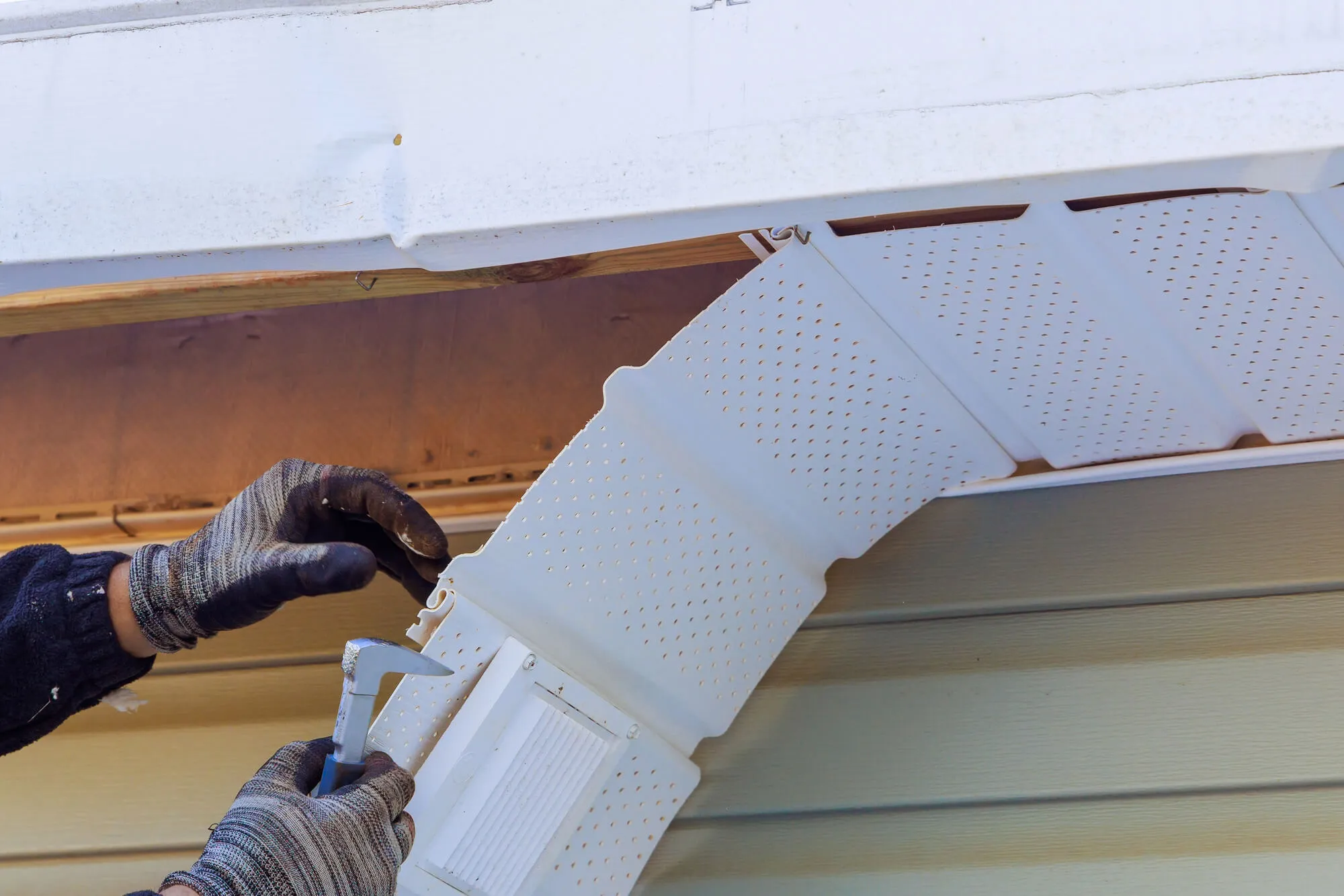
Leak Repair Seattle after a storm

Why You Shouldn’t Skip a Leak Inspection 

Even “Dry” Homes Can Hide Damage 

Storms don’t always leave puddles. High winds can drive rain through window frames, siding seams, and roof joints. Leaks may not appear for days or weeks, as the drywall discolors or the wood flooring warps. 

Mold Grows Fast 

Mold needs just 24–48 hours of moisture to begin growing. Hidden leaks behind walls or under floorboards can allow spores to thrive unnoticed—especially in humid post-storm environments. Once established, removal is costly and disruptive. 

Delays Lead to Denied Claims 

Waiting too long to address damage can complicate insurance approvals. Leak detection performed early provides a timestamped, expert assessment showing the connection between storm activity and resulting leaks. 

Common Places Leaks Hide After a Storm 

After a major storm, water doesn’t always take the most obvious route. Even when your home looks intact from the outside, hidden leaks can develop in vulnerable areas throughout the structure. Knowing where to look can help you catch trouble early. 

Roof and Attic 

  • Missing or damaged shingles 
  • Lifted flashing or ridge caps 
  • Gaps around soffits and vents 

Water that enters the roof may not drip directly downward—it often travels along rafters or insulation before becoming visible. 

Windows and Doors 

  • Cracked seals or deteriorated caulking 
  • Loose or warped frames 
  • Blocked or poorly sloped drainage channels 

Even small openings can allow rain to enter, collecting inside walls and soaking surrounding insulation. 

Exterior Walls and Siding 

  • Displaced panels or siding 
  • Gaps around utility pipes or vent covers 
  • Cracks in brick, stucco, or mortar joints 

These weak spots may trap moisture behind siding, leading to rot or mold. 

Basements and Crawlspaces 

  • Foundation fissures 
  • Overflowing gutters or broken downspouts 
  • Groundwater pooling near walls

These lower-level areas are particularly at risk, especially where electrical panels or sump pumps are installed. Moisture here can create both structural and safety hazards. 

DIY vs. Professional Leak Detection 

Why Experience Matters 

A wet patch on the ceiling doesn’t always mean the leak is right above it. Water follows the path of least resistance, often traveling far from its entry point before becoming visible. Trained professionals know how to accurately trace this movement. 

Equipment Makes the Difference 

Professional inspectors use moisture meters, thermal cameras, and inspection borescopes to see what’s behind your walls. Without these tools, you may miss leaks entirely—or start cutting into the wrong areas. 

Safety Comes First 

Some leaks involve more than water. If flooding reaches electrical wiring or gas systems, it may be unsafe to inspect the area without proper training and equipment. 

How Leak Detection Fits Into Larger Storm Restoration 

Targeted Repair Plans 

Leak detection helps your restoration team know exactly where to focus. Instead of full room overhauls, they may be able to remove and repair only the affected materials. 

Better Cost Control 

Early identification reduces waste and unnecessary labor. You’re less likely to face surprises behind walls once demolition begins. 

Quicker Insurance Response 

Most insurers require photo documentation and professional inspection reports. Leak detection provides both—and shows that you acted promptly to protect your home. 

Next Steps After Leak Detection 

Plan Your Repairs 

Your inspector will provide a written report detailing: 

  • Location and severity of leaks 
  • Suggested repair actions 
  • Moisture levels and photos 
  • Potential causes 

Use this report to prioritize repairs and submit it to your insurance adjuster. 

Hire the Right Contractors 

Look for contractors who are: 

  • Licensed and insured 
  • Experienced in water damage restoration 
  • Familiar with local building codes 
  • Willing to coordinate with your insurance company 

Working with reputable professionals helps ensure your home is restored properly and safely. 

Prevent Future Damage 

Once your repairs are done, ask about: 

  • Improved drainage or gutter systems 
  • Window and roof sealing upgrades 
  • Storm-resistant materials 
  • Smart leak sensors for future protection 

reliable Leak Repair Seattle

Don’t Wait—Leak Repair in Seattle Starts With Inspection 

Seattle’s weather can be unpredictable, and leaks often go unnoticed until the damage has already been done. Whether a recent storm left visible damage or just raised your concerns, early leak detection helps you protect your home, your health, and your finances. Professional inspections are the most reliable way to identify hidden issues before they escalate and become more severe. For dependable leak repair in Seattle, it all begins with a thorough look behind the walls. 

Greenwood Heating has been helping families in the Greater Seattle area recover from weather damage for over a century. Our team of licensed professionals offers complete storm damage restoration services—from expert leak detection to full-service repairs. We prioritize your safety, comfort, and long-term peace of mind.  

Schedule your storm recovery inspection today and let us help restore what matters most. 

Avoiding Plumbing Issues

Avoiding Plumbing Issues

Avoiding Plumbing Issues

Tips for avoiding clogged drains and pipes

Avoiding Plumbing Issues

Plumbing problems can be a huge inconvenience for any homeowner, but in Tukwila, WA, they can be even more of a headache due to the cold and rainy weather. This means that plumbing issues can quickly turn into disasters that could result in serious property damage and costly repairs. Fortunately, there are steps you can take to avoid plumbing problems. This blog post will help you learn more about how to keep your plumbing system running smoothly, and what you can do if you do experience issues.

Be mindful of what you flush

Many people are unaware that flushing certain items can damage their plumbing system. For instance, flushing baby wipes, sanitary products, paper towels, and other non-toilet paper items can cause blockages that can damage your pipes. Instead, stick to only flushing toilet paper and water.

Keep your drains clean

Clogged drains can lead to serious plumbing problems, including backups and water damage. To avoid this, clean your drains regularly using a mixture of hot water, baking soda, and vinegar. You can also use a plunger to help clear out any blockages.

Monitor your water pressure

High water pressure can damage pipes and fixtures. If you notice that your water pressure is unusually high, consider installing a pressure regulator on your incoming water line. This will help ensure that your water pressure stays at a safe level to avoid any damage.

Address leaks quickly

Even a small leak can turn into a major problem over time. If you notice a leak, it’s important to address it quickly to avoid any damage to your home. Call us immediately to inspect the leak and make necessary repairs.

Regular maintenance

Finally, regular plumbing maintenance can help you avoid many plumbing problems. Contact Greenwood Heating and Home Services in Tukwila, WA to schedule regular inspections and maintenance to help keep your system running smoothly.

Contact us today!

By following these tips, you can help avoid plumbing problems in your Tukwila home. However, if you do experience any issues, it’s important to contact one of our professional plumbing technicians as soon as possible. Our professionals have the knowledge and experience to diagnose and repair any issues quickly and effectively, helping you avoid any further damage and expenses. Don’t hesitate to reach out to Greenwood Heating and Home Services in Tukwila, WA, if you need any assistance with your plumbing system.

Benefits of Plumbing Inspections

Benefits of Plumbing Inspections

The Benefits of Regular Inspections For Your Home Plumbing

As a homeowner, it is important to ensure that your plumbing system is always in good condition. Plumbing issues can lead to significant stress and inconvenience if they occur unexpectedly. Greenwood Heating and Home Services in Tukwila, WA, offers quality plumbing inspections and services. In this blog post, we will discuss some of the benefits of plumbing inspections from Greenwood Heating and Home Services.

Detecting Hidden Leaks

Plumbing systems can develop leaks in places that are not easily visible, such as in walls or underground. These leaks can lead to water damage and mold growth if left unaddressed for a long time. By conducting regular plumbing inspections, our professionals at Greenwood Heating and Home Services can detect these leaks early before they cause extensive damage.

Preserving the Life Span of Your Appliances

Your appliances connected to the plumbing system, like dishwashers and washing machines, can deteriorate faster if not maintained. Regular inspections will help ensure that the water pressure to these appliances does not exceed what the manufacturer recommends. This will help prevent early wear and tear on your appliances, saving you the cost of early replacements.

Early Detection of Sewer Line Issues

Sewer line problems can cause significant stress, inconvenience, and damage to your property. By detecting sewage line issues early such as blocked drain pipes and leakages, we can help prevent further damage to the drainage and sewer systems, saving you the cost of extensive repairs.

Cost Savings

Preventive plumbing maintenance checks and repairs are often less expensive compared to dealing with significant plumbing issues. Regular inspections from Greenwood Heating and Home Services will ensure that minor plumbing problems are identified and taken care of before they get out of hand.

Peace of Mind

There is nothing more comforting than knowing that your plumbing and heating systems are working efficiently. Scheduled plumbing maintenance checks from Greenwood Heating and Home Services can help you avoid sudden plumbing emergencies and ensure that you have peace of mind knowing that your home is a safe place to live in.

Contact us today!

Overall, regular plumbing inspections and maintenance checks are crucial for every homeowner. By hiring Greenwood Heating and Home Services to conduct these regular inspections and maintenance checks, you can avoid major plumbing emergencies, reduce repair costs, and increase the lifespan of your appliances. Don’t hesitate to get in touch with Greenwood Heating and Home Services today for quality plumbing inspections and services in Tukwila, WA.