How Small Heating Problems Become Big (and Expensive) Repairs

reliable Heating Repair Seattle

Homeowners often shrug off small heating problems. A furnace that rattles occasionally, a heater that takes longer to warm up, or a thermostat that seems slightly off doesn’t always feel urgent. Yet, these minor inconveniences can snowball into costly system failures in Seattle’s damp and chilly winters. Heating repair in Seattle isn’t just about restoring comfort; it’s about protecting your home from unnecessary expenses and safety risks. Understanding how little issues escalate can help you avoid a major breakdown at the worst possible time. 

affordable Heating Repair Seattle

Why Small Heating Problems Matter 

Heating systems are designed to work in harmony. When one part falters, the stress on other components increases, creating a chain reaction. If ignored, what starts as a faint sound, a small leak, or a short cycle can end in a major repair or full replacement. Below are some common problems that may initially look small but turn expensive over time. 

Uneven Heating Across Rooms 

Many homeowners notice one room that feels colder than the rest. This uneven heating often points to restricted airflow, duct leaks, or a struggling blower motor. At first, it may be an inconvenience you can live with. Over time, however, the system works harder to balance temperatures. That extra strain shortens equipment life and inflates energy bills. Professional service early on usually requires minor adjustments, while waiting too long can mean replacing costly parts. 

Strange Noises from the Furnace 

Rattling, banging, or squealing noises are early warning signs. Loose components, worn belts, or debris in the system are often the cause. At first, the sound may come and go, but ignoring it risks a sudden breakdown. In some cases, a small part failure can damage the heat exchanger or blower assembly, repairs that run far higher than a quick inspection would have cost. 

Rising Energy Bills 

A gradual increase in heating bills often slips under the radar. Many homeowners assume rising costs are due to seasonal changes or utility rates. A poorly tuned system, clogged filters, or a faulty thermostat can waste large amounts of energy. Left unresolved, the system runs longer hours and wears out faster, leading to expensive replacements. Addressing efficiency issues promptly keeps monthly expenses stable and prevents strain on the system. 

Frequent Cycling On and Off 

If your furnace turns on and off more often than usual, it may be short-cycling. This is usually caused by dirty filters, a malfunctioning thermostat, or restricted airflow. While the symptom itself doesn’t stop the heat, the frequent cycling consumes energy and accelerates wear on internal parts. What starts as a low-cost cleaning or calibration can eventually lead to blower motor or heat exchanger damage, which is far more expensive to repair. 

Small Leaks or Moisture Near the Unit 

Water around a heating system may seem minor, but leaks can signal clogged condensate lines or cracked components. Ignoring moisture risks water damage to floors and walls, and furnace failure. Seattle’s damp climate already challenges indoor air quality, and standing water adds mold concerns. Fixing leaks early protects both your heating system and your home. 

Thermostat Issues 

A thermostat that doesn’t match room temperature may not seem urgent, but it’s the brain of your heating system. Small calibration issues lead to inefficiency, discomfort, and wasted energy. Over time, the furnace works harder than necessary, increasing repair needs. Replacing or adjusting a thermostat is affordable compared to long-term system stress. 

Dirty or Clogged Air Filters 

Air filters trap dust and debris, keeping your system clean. When neglected, airflow decreases, parts overheat, and the furnace strains to keep up. A simple filter change can prevent expensive failures such as motor burnout. Something that costs a few dollars to fix can otherwise lead to hundreds in heating repair. 

Heating Repair Seattle

How Seattle’s Climate Makes Problems Worse 

Seattle’s damp, cool winters add another layer of pressure to heating systems. Moisture can speed up rust, corrosion, and electrical issues. Systems often run longer hours during extended cold spells, magnifying small inefficiencies.  

Unlike drier climates, the Pacific Northwest also sees condensation build-up in ductwork, which can contribute to mold growth and airflow restrictions. Furnaces and heat pumps in this environment benefit from proactive care more than in many other regions.   

A rattle or leak that might go unnoticed elsewhere can quickly become serious under Seattle’s weather patterns. 

Safety Concerns Beyond Comfort 

Heating systems aren’t just about warmth. Cracks in heat exchangers, electrical malfunctions, or gas line issues all start with small warning signs. Ignoring these puts your family at risk of carbon monoxide exposure or electrical hazards. Professional heating repair addresses both comfort and safety, giving homeowners peace of mind during Seattle’s coldest months. 

Why Proactive Repairs Save Money 

It’s natural to want to postpone a repair when the system still seems to work. But heating systems don’t fix themselves. Small issues multiply, and the eventual bill often includes both repair and collateral damage. A rattling part can damage the blower, a leak can corrode wiring, and clogged filters can burn out motors. By addressing problems early, you spend less overall and extend the life of your system. 

Preventive Maintenance: Your First Line of Defense 

One of the most effective ways to avoid expensive heating repairs is by staying ahead of problems with regular maintenance. While it can be tempting to wait until something breaks before calling a technician, this approach almost always costs more in the long run. Heating systems, like any mechanical equipment, need care to perform well.  

Professional tune-ups provide that care by cleaning, adjusting, and inspecting every part of your system. These visits are designed to catch small issues before they spread and to keep heating costs predictable throughout the year. 

In Seattle, preventive maintenance is even more important. The city’s damp winters put added stress on furnaces and heat pumps, and moisture can contribute to rust, mold, and electrical wear. During the coldest months, when demand on your heating system is at its highest, annual service can mean the difference between affordable upkeep and an inconvenient emergency call that interrupts your comfort. 

What a Professional Technician Looks For 

A skilled technician will go far beyond simply replacing a filter during a routine tune-up. They will: 

  • Check for airflow issues and duct leaks that reduce efficiency. 
  • Tighten or replace loose or worn mechanical parts. 
  • Look for early signs of rust or corrosion before they worsen. 
  • Inspect electrical safety, wiring condition, and connections. 
  • Calibrate the thermostat for accuracy and consistent temperature control. 
  • Assess the heat exchanger for damage that could lead to costly repairs or safety hazards. 

This thorough check provides two major benefits. First, it keeps the system running efficiently, so you aren’t paying for wasted energy. Second, it dramatically reduces the chance of sudden breakdowns. Even small adjustments—like clearing a clogged drain line or tightening a loose connection—can extend the lifespan of your equipment by years. 

By scheduling maintenance once a year, Seattle homeowners protect their comfort and budget. This simple step pays for itself by preventing big repairs, maintaining safe operation, and giving them peace of mind all winter long.  

FAQs About Heating Repair  

  • How often should I schedule heating maintenance? 

Your system should be cleaned once a year, ideally before winter starts. This keeps it clean, efficient, and safe. 

  • Are repairs more common in older homes? 

Yes. Many Seattle homes have older heating systems, and age naturally increases wear. Regular inspections help extend their lifespan. 

  • What’s the most common repair in Seattle homes? 

Clogged filters, thermostat malfunctions, and blower motor issues are the most frequent problems technicians see. 

  • Can small repairs extend system life? 

Absolutely. Timely repairs can add years of service to your system by reducing strain on parts. 

professional Heating Repair Seattle

Protect Your Comfort and Budget with Professional Heat Repair in Seattle 

Seattle homeowners know how valuable a reliable heating system is during damp winters. The difference between a minor repair and a costly replacement often comes down to timing. By acting quickly on small signs—uneven heating, strange noises, rising bills—you protect your home, wallet, and peace of mind. 

At Greenwood Heating & Home Services, we believe every family deserves dependable comfort without surprise expenses. For over 100 years, we’ve helped Seattle homeowners stay warm with trusted repairs and proactive care. If you’ve noticed small issues with your system, don’t wait until they become big problems. Contact our team today for professional heating repair in Seattle and experience service built on reliability, respect, and lasting value. 


Is Your AC Ready for Summer? Here’s What Most Homeowners Miss

HVAC King County technician

As spring fades into longer, warmer days, homeowners across King County begin to shift focus from heat to cooling. But summer comfort isn’t just about flipping a switch and hoping for the best. If your air conditioner hasn’t been checked in months or years, it could be quietly racking up energy bills or heading for an untimely breakdown. Whether you’ve got central air or a ductless system, a little attention now can save major headaches later. That’s where a reliable HVAC King County expert comes in.

HVAC King County professional

Why Pre-Summer AC Prep Matters More Than You Think

Most homeowners don’t think much about their air conditioning system until it stops working. But by then, the house is already stuffy, tempers are running hot, and repair wait times are long. A little preventive care before the summer heat sets in can make all the difference.

Air conditioners work hardest during the hottest months. That’s also when service providers are flooded with emergency calls. If you wait until July to check your system, you could face longer delays, higher repair costs, and more than a few sweaty days indoors. Tackling maintenance now means more control, quicker service, and fewer surprises later.

Your AC Might Be Running, But Is It Running Efficiently?

A unit that powers on isn’t necessarily a unit that’s doing its job well. Cooling your home shouldn’t come at the cost of high energy bills. Here are a few signs your system could use a professional look:

  • Your utility bill has crept up, but your habits haven’t changed
  • Certain rooms stay warmer than others
  • Your AC runs constantly but never quite gets the job done
  • You notice unusual smells or sounds during operation

These issues point to inefficiencies, dirty coils, or deeper mechanical problems. Even small issues left unattended can reduce your system’s lifespan and strain its components.

The Filter Fix Most People Forget

A clogged air filter is one of the most common and avoidable issues that drag down AC performance. Airflow is restricted when it’s packed with dust, pet hair, or pollen. That forces your system to work harder, increasing wear and tear while driving up your energy bill. Worse, it lets indoor air quality slip, especially for households with asthma or allergies.

Many homeowners forget to check or replace their filters until there’s a problem. But swapping out your filter every one to three months makes a big difference. For everyday use, a simple fiberglass filter is fine. If you have pets, smoke, or allergy concerns, a pleated high-efficiency filter does a better job capturing fine particles.

Proper fit and installation matter, too. Filters must face the right direction to trap particles effectively. If you’re unsure, your Greenwood Heating technician can walk you through it during your next maintenance visit. It’s a small fix with a big payoff.

Is Your Thermostat Doing Its Job?

Smart thermostats are a favorite among energy-conscious homeowners, and for good reason: they offer more control, programmable schedules, and real-time insights into your HVAC use. But even the smartest device can become unreliable if it’s not calibrated properly. A few degrees off can lead to extra cooling cycles, uneven temperatures, and inflated utility bills without delivering better comfort.

Before summer hits full swing, take a few minutes to check your thermostat’s settings, test its response time, and replace the batteries if needed. If you notice your home feels warmer or cooler than the number on the screen, it could be time for a recalibration or a replacement.

Upgrading to a programmable or smart thermostat is one of the easiest ways to improve efficiency. Many models even learn your preferences and adjust automatically. A quick switch now can keep your house more comfortable and your bills lower all summer.

Ductwork: Out of Sight, Not Out of Mind

Leaky, dusty, or poorly insulated ducts waste energy and drag down your home’s air quality. This is especially important if you’ve recently remodeled or had rodent activity in the attic or crawl spaces.

A professional inspection of your ductwork can reveal:

  • Leaks that let cool air escape into unconditioned spaces
  • Dust and debris that reduce airflow
  • Poor insulation that causes temperature loss

Cleaning and sealing ducts is a one-time investment that improves comfort and reduces energy waste across every season.

HVAC King County maintenance

Drain Lines and Coils: Quiet Culprits of AC Trouble

Your air conditioner’s evaporator and condenser coils are vital to keeping your home cool, but they’re also magnets for dust, dirt, and debris. As buildup collects, it restricts airflow and reduces heat exchange, forcing your system to work harder and longer to cool your space. This not only wastes energy but also increases wear on your components.

Then there’s the drain line. As your AC removes humidity, it produces condensation that needs somewhere to go. If the drain line becomes clogged, that moisture can back up into your home, leading to water damage, mold growth, and costly repairs.

What makes both issues tricky is how quietly they develop. There are usually no warning sounds or flashing lights. That’s why a seasonal inspection by a professional is so important. Cleaning coils and clearing drain lines is fast, affordable, and essential before your AC enters peak season.

Outdoor Units Need Breathing Room

Your outdoor AC unit may not be at the top of your mind, but it should be. Grass clippings, leaves, dirt, or nearby landscaping can obstruct airflow and reduce performance.

Check that the area around your unit is clear by at least two feet in every direction.

Don’t Overlook Electrical Connections

Loose or corroded electrical connections can lead to shorts, inefficiencies, or dangerous system failures. And since these problems are often invisible from the outside, it’s smart to have them checked regularly.

During a professional tune-up, your technician will test voltage and amperage, tighten connections, and inspect the capacitor and contactor for early signs of wear. This quick work keeps your system safe and strong under pressure.

What to Expect from a Professional AC Tune-Up

A seasonal AC tune-up is much more than a surface-level check. It’s a detailed process designed to keep your system running efficiently, safely, and reliably throughout the warmer months. A thorough inspection helps catch small problems before they become expensive breakdowns and ensures every part of your system operates at its best.

During a professional tune-up, the technician will usually:

  • Inspect and clean condenser and evaporator coils
  • Check refrigerant levels and recharge if necessary
  • Test and calibrate the thermostat for accurate readings
  • Clean and inspect the blower motor and fan for buildup
  • Tighten electrical connections and test safety controls
  • Flush the condensate drain line to prevent clogs or leaks
  • Evaluate ductwork for airflow restrictions or leaks
  • Replace or clean air filters and offer guidance on maintenance

This kind of care prepares your system for high demand and helps extend its life.

Why Choose a Certified HVAC Technician?

Not all technicians are created equal. Certified professionals are trained to identify both common and hidden issues, follow safety standards, and use the right tools for each job. This experience translates to better outcomes, fewer callbacks, and cleaner, more efficient operation for your AC system.

Why Regular Maintenance Saves More Than You Think

Scheduling a tune-up isn’t just about comfort but protecting your investment. Air conditioners aren’t cheap to replace. But with regular care, your system can last 12–15 years or more.

A neglected AC may lose up to 5% efficiency each year. That’s money you’re spending without added comfort. Multiply that over a few seasons, and you’re looking at hundreds—sometimes thousands—in wasted energy and unnecessary repairs. Compare that to the cost of a yearly tune-up, and it’s easy to see why preventive care makes sense.

indoor HVAC King County

Wrap-Up: Is Your HVAC in King County Ready for Summer?

The warmer days are already on the horizon in King County. Whether your air conditioner is brand new or has seen better days, now’s the time to get it ready for summer. Catching small issues early means fewer surprises later and more comfort when it counts.

Schedule your seasonal AC tune-up with Greenwood Heating today. Our friendly, local team knows what homes in the Pacific Northwest need to stay comfortable, efficient, and safe. Let us help you stay cool and in control all summer long.

10 Signs It’s Time to Replace Your Water Heater

woman-wondering-what's-wrong-with-her-water-heater-in-seattle

Most of us don’t think about our water heater in Seattle until we’re suddenly stuck with a freezing cold shower. It’s one of those behind-the-scenes appliances we just expect to work – until it doesn’t. And by the time problems show up, it might already be too late for a simple repair.  

But here’s the good news: your water heater usually gives off some warning signs before it completely calls it quits. You just have to know what to look for. 

In this guide, we’ll walk you through 10 signs that it might be time to replace your water heater before it breaks down at the worst possible moment. Whether yours is getting up there in age or just acting a little off, these red flags can help you decide whether it’s time for an upgrade. 

woman-inspecting-water-heater-in-seattle

Is It Time to Get a New Water Heater?

Sign #1: Your Water Heater Is Over 10 Years Old 

Like most appliances, water heaters don’t last forever. In fact, the average lifespan of a traditional tank-style heater is about 8 to 12 years. If yours is creeping past the 10-year mark, it’s officially on borrowed time. 

Even if it seems to be working fine, internal parts could be wearing down, and efficiency tends to drop with age. You might not notice a problem until you’re out of hot water completely, or worse, dealing with a leak. 

Not sure how old your unit is? Check the serial number on the manufacturer’s label. Most brands include the date it was made (though it might be coded). If it’s over a decade old, start planning for a replacement before it becomes an emergency. 

Sign #2: Rusty Water Coming from the Tap 

If your hot water suddenly looks murky or has a reddish-brown tint, it could be a sign of internal rust inside your water heater tank. That’s especially true if the discoloration only shows up when you’re running hot water. 

Rust inside the tank usually means corrosion has started to take hold, and once that happens, there’s no real fix. It’s just a matter of time before the rust eats through and causes leaks. If you notice rusty water consistently, it’s time to start shopping for a new unit. 

If rust appears in both hot and cold water, your pipes might be the issue, not the water heater. 

Sign #3: You’re Running Out of Hot Water Too Quickly 

If your showers are getting shorter (and not by choice), it could be your water heater falling behind. A unit that used to provide plenty of hot water but now struggles to keep up may have sediment buildup at the bottom of the tank. 

That buildup reduces the amount of hot water your tank can actually hold and makes the heater work harder to deliver the same results. Over time, it strains the system and leads to inefficiency and wear. If your hot water is disappearing faster than it used to, your water heater may be signaling that it’s on the way out. 

Sign #4: Strange Noises Coming from the Tank 

Hearing pops, bangs, or rumbling noises from your water heater? That’s not normal, and that’s definitely not something to ignore.  

Over time, sediment builds up at the bottom of the tank and hardens, especially if you have hard water. When the burner heats the water, it bubbles through that crusty layer, creating loud rumbling or knocking sounds. Not only is it noisy, but it’s also a sign your unit is working overtime — and that extra stress can lead to cracks or leaks. 

A flush might help if the problem is caught early, but if the noises keep getting louder, it’s probably time to replace the unit. 

Sign #5: Leaks Around the Base of the Water Heater 

A little moisture around your tank could be from condensation or a loose valve. However, if you notice consistent leaking or pooling water, that’s a serious issue. Leaks often mean there are fractures in the tank due to years of heating and cooling metal expanding and contracting. 

Unfortunately, once the tank itself starts to leak, there’s no real fix. It’s a sign that your water heater in Seattle is failing. And if not handled quickly, it could lead to water damage.  

If you see water under or around your heater regularly, your next move is to call in a pro and plan for a replacement. 

setting-the-temperature-of-water-heater-in-seattle

Sign #6: Inconsistent Water Temperature 

One day, your water is scalding hot; the next, it’s lukewarm at best. Does this sound familiar? It’s totally uncommon.  

Inconsistent water temperatures are a frustrating and common sign that your water heater is in trouble. This usually indicates a failing heating element or thermostat, especially in electric models. 

Sure, some components can be repaired, but if your unit is older or you’re experiencing other issues, it may not be worth the cost or hassle to fix them. Replacing the whole system could save you more money (and cold showers) in the long run. 

Sign #7: Rising Energy Bills 

If your utility bills are creeping up and nothing else in your home has changed, your water heater might be to blame. As it ages, it becomes less efficient, especially if there’s sediment buildup or internal components wear out. 

An inefficient water heater works harder to produce the same amount of hot water, burning more energy and sending your bill soaring. Upgrading to a newer, energy-efficient model can not only solve the problem but could also qualify you for rebates or tax incentives in some areas. 

Sign #8: Water Takes Too Long to Heat Up 

Waiting forever for hot water to come through the tap? That’s not just inconvenient; it’s another sign your water heater isn’t functioning properly. Whether it’s due to aging heating elements, a failing thermostat, or sediment buildup, the result is the same: slow, inefficient heating. 

If you’ve already ruled out issues with your plumbing or fixtures, the problem is likely coming from inside the tank. And if your water heater is older, it might be more cost-effective to replace it rather than invest in repeated repairs. 

Sign #9: You’ve Had Multiple Repairs in the Past Year 

Like a car that keeps breaking down, a water heater that constantly needs fixing is trying to tell you something. Sure, the occasional tune-up is normal, but if you’ve had a string of service calls, part replacements, or technician visits lately, it might be time to stop patching it up and just replace the unit altogether. 

A new unit may seem like a bigger investment upfront, but it’ll likely save you money (and headaches) in the long run. Plus, newer models are often more efficient, quieter, and better at keeping up with your household’s hot water needs. 

Sign #10: Your Water Heater No Longer Meets Your Household’s Needs 

Sometimes, the issue isn’t that your water heater is broken; it’s that your household has outgrown it. Maybe you’ve added a bathroom, your family has grown, or your hot water demands have just increased over time. If your current system is constantly struggling to keep up, it might not be the wrong brand but the wrong size.  

Upgrading to a larger or tankless model can make a world of difference in comfort and convenience. And if your current unit is already a few years old, it’s often smarter to replace it rather than add on or wait for it to wear out. 

couple-shopping-for-water-heater-in-seattle

Looking for a High-Quality Water Heater in Seattle? 

Your water heater may not be the most glamorous appliance in your home, but it plays a huge role in your everyday comfort. And as with any hardworking system, it won’t last forever. The signs are usually there, from rusty water and strange noises to rising energy bills and leaks. It’s just a matter of recognizing them before things go south. 

If you’ve noticed any of these warning signs, don’t wait for a full-blown breakdown. Greenwood Heating and Home Services is here to help with expert water heater installation and maintenance you can trust. Whether you need a quick inspection, a system upgrade, or emergency service, our team is ready to keep your hot water flowing. 

Reach out today to schedule your water heater checkup or installation. 

8 Mistakes Homeowners Make When Buying a Generator (+ Solutions!)

seattle generator installer fixing

Storms, outages, and random blackouts aren’t just inconvenient; they can seriously disrupt your home and routine. That’s why more homeowners are turning to backup power solutions. But before you shop for a generator, any seasoned Seattle generator installer will tell you it’s worth knowing the common traps people fall into. 

Picking the right setup takes more than just grabbing something off the shelf. That said, let’s walk through the eight most common mistakes people make (and how to avoid them). 

man regretting picking the wrong seattle generator installer

Mistake #1: Underestimating How Much Power You Need 

This is the most common mistake: thinking a small, portable generator will magically power your entire home. Unfortunately, that’s not how it works. 

Every appliance, light, and device in your home requires a certain amount of wattage. Add those up, and you’ll quickly realize your power needs are higher than you thought — especially if you want to keep essentials like your fridge, sump pump, HVAC, or well pump running. 

Solution: 

Make a list of the items you want to power during an outage, then check their wattage. Multiply startup wattage for large appliances (they need more power to start than to run). Use this list when shopping or talk to a generator pro for help with sizing. A licensed electrician or generator installer can calculate your total load and recommend the right unit. 

Mistake #2: Focusing Only on Price, Not Long-Term Value 

We get it — generators aren’t cheap. However, choosing the lowest-priced option can backfire quickly if it doesn’t meet your needs, is hard to maintain, or breaks down too soon. 

The real value of a generator comes from reliability, fuel efficiency, and ease of use, not just the price tag. 

Solution: 

Look for a generator that balances quality with cost. Read reviews, compare warranty coverage, and consider the brand’s reputation. Think long-term: a solid generator might cost more upfront but save you money in fuel and repairs later. 

Mistake #3: Choosing the Wrong Type of Generator 

There are two main types of generators for home use: portable and standby. A lot of homeowners buy one without fully understanding what it can (and can’t) do. 

Portable generators are affordable and flexible, but they usually power only a few essentials and must be manually operated (and refueled). Standby generators are permanently installed, automatically kick on during outages, and can power most or all of your home — but they’re a bigger investment. 

Solution: 

Ask yourself how much convenience, power, and coverage you want. If you’re okay with plugging things in manually and refueling every few hours, a portable might work. But if you want full-home backup and zero hassle during an outage, a standby generator is worth considering. 

Mistake #4: Not Thinking About Fuel Type 

Generators typically run on gasoline, propane, natural gas, or diesel. Each fuel type has pros and cons: some are easier to store, others burn cleaner, and some are better for long-term use. 

Many homeowners buy a generator and only afterward realize they have nowhere to store gasoline, no propane hookup, or no access to natural gas. 

Solution: 

Before you buy, decide which fuel is most practical for your home. If you already have a natural gas line, a standby generator that hooks into it could be the most convenient. No gas line? Propane might be better. Just make sure you can easily and safely store the fuel required. 

seattle generator installer maintenance

Mistake #5: Overlooking the Installation Requirements 

Buying the generator is just part of the story; installing it is where many surprises pop up. Some standby generators require permits, utility approval, and a licensed electrician. Even portable units need proper setup and safety precautions. 

Skipping this step or hiring someone unqualified can lead to serious issues, from code violations to electrical hazards. 

Solution: 

Plan for installation from the start. For standby generators, talk to a local pro who can assess your home, handle permits, and ensure everything is installed safely and up to code. Portable generators should at least have a transfer switch installed to avoid backfeeding and other safety risks. 

Mistake #6: Ignoring Noise Levels 

Have you ever tried sleeping while a loud generator hums just outside your window? Some homeowners are shocked at how noisy their new generator is, especially with cheaper or older models. 

Noise might not seem like a big deal… until your neighbors start complaining or you’re trying to get through a week-long outage. 

Solution: 

Check the decibel (dB) rating on the unit before buying. Some generators, especially inverter models, are designed to run quieter. You can also ask about placement options and sound enclosures to keep things peaceful for you and everyone nearby. 

Mistake #7: Forgetting About Maintenance 

Like any major appliance, generators need regular care. That includes oil changes, air filter replacements, fuel stabilizers (for gasoline models), and routine inspections. 

Homeowners often buy a generator and leave it untouched in the garage until the next storm. Then, when they need it most — it won’t start. 

Solution: 

Follow the manufacturer’s maintenance schedule. If it’s a standby generator, sign up for a maintenance plan with your installer. For portables, start and run the generator every few months to keep it in working order. Remember to keep extra oil and filters on hand, too. 

Mistake #8: Not Being Prepared When the Power Actually Goes Out 

This is the ultimate facepalm moment: you invested in a generator but don’t have the fuel, extension cords, or know-how ready when the lights go out. 

In an emergency, every minute counts. The last thing you want is to stumble around in the dark, trying to figure out your setup. 

Solution: 

Do a trial run!  

Practice setting up and starting your generator before you actually need it. Store fuel safely and keep everything in a designated spot. For standby generators, double-check that the automatic transfer switch is working and that the unit starts during regular test cycles. 

Bonus Tip: Work with a Local Generator Pro 

If you’re in the market for a generator, working with a Seattle generator installer can save you a ton of stress (and money) down the line. While you could try to go it alone, having someone who knows the area, the regulations, and the quirks of local homes makes all the difference. 

Here’s what to look for in a generator expert: 

Licensed and Insured 

First things first, make sure they’re fully licensed and insured. This protects both you and your home if anything goes sideways during installation or service. 

Knowledge of Local Codes & Permits  

A reputable local installer will know what’s required to get your generator up and running legally. That includes handling permits, coordinating with utility companies, and making sure everything meets Seattle’s specific building codes. 

Experience with Your Home Type  

Whether you live in a downtown condo, a suburban craftsman, or a rural property, you want someone who’s familiar with installing generators in homes like yours.  

Fuel Source Expertise  

A good local pro will walk you through your best fuel options — whether that’s natural gas, propane, or diesel — based on what’s available and reliable in your neighborhood. 

Maintenance & Support Options  

Ask if they offer ongoing maintenance plans. A great generator installer won’t just set it and forget it; they’ll ensure your system stays in tip-top shape year-round. 

Strong Reviews & Local Reputation  

Word-of-mouth goes a long way. Look for a company with solid reviews, local references, and a track record of satisfied customers. 

seattle generator installer

Protect Your Home with a Top Seattle Generator Installer 

Choosing the right generator is more than a quick trip to the store; it’s a long-term investment in your comfort, safety, and peace of mind. From sizing mistakes to overlooked installation needs, it’s easy to make missteps that could cost you later. But with the right knowledge — and the right generator installer — you can avoid all that. 

At Greenwood Heating, we help Seattle homeowners choose, install and maintain the perfect generator for their homes. Whether you’re looking for a whole-home backup or a portable solution, our experienced team will guide you every step of the way.  

Don’t wait for the next outage to realize you’re not prepared. Book a consultation with us today, and let’s find the generator that fits your home, your budget, and your peace of mind. 
What Are the Pros and Cons of Hiring an Electrician? 

Electrician-in-seattle-focused-on-his-work

Electricity is one of the most essential aspects of any home, yet it’s also one of the most dangerous to handle without proper knowledge. Whether you’re dealing with faulty wiring, upgrading your electrical panel, or installing new lighting, hiring a professional electrician in Seattle can make all the difference in safety and efficiency. 

But is it always necessary to hire an electrician, or are there times when a DIY approach could work? Understanding the pros and cons of hiring a professional will help you decide when it’s worth the investment. 

Electrician-in-seattle

The Pros of Hiring a Professional Electrician

1. Safety First: Reducing Risk of Electrical Hazards

Electrical work is not something to take lightly. A mistake—like faulty wiring or improper grounding—can lead to serious hazards such as electric shocks, fires, or equipment damage. 

Licensed electricians are trained to handle live electrical currents, complex wiring systems, and safety protocols, ensuring your home remains protected. According to the National Fire Protection Association (NFPA), electrical failures or malfunctions cause approximately 46,700 home fires annually in the U.S.—a risk that can be avoided with professional expertise.

2. Compliance with Electrical Codes and Regulations

Electrical work isn’t just about making sure everything functions—it must also meet national and local safety codes. Professional electricians stay up-to-date on regulations, ensuring that your home remains compliant with safety standards. 

Improperly installed wiring could fail an inspection if you plan to sell your home or remodel. Fixing these issues later often costs more than hiring an electrician from the start.

3. Time-Saving and Efficiency

Trying to troubleshoot an electrical issue yourself can take hours—if not days—of research, trial, and error. A professional electrician can quickly diagnose and repair the problem, getting your home’s electrical system up and running without unnecessary delays. 

For larger projects, like rewiring an entire house or upgrading a panel, an electrician ensures efficiency and reliability so that everything is completed correctly the first time.

4. Long-Term Cost Savings

Many homeowners think DIY electrical work saves money, but mistakes can be costly. Incorrect wiring can lead to overloaded circuits, short circuits, or damaged appliances, all of which require expensive repairs. 

Hiring an electrician prevents these issues from happening in the first place, saving you money in the long run. Additionally, professional work lasts longer, reducing the need for frequent fixes.

5. Proper Troubleshooting and Advanced Expertise

Electricians don’t just fix the obvious problem—they diagnose underlying electrical issues that could be causing recurring failures. Flickering lights, overloaded breakers, or inconsistent power could be symptoms of a larger wiring or panel issue. 

Their expertise allows them to identify the root cause and prevent future electrical failures. DIY fixes often only address surface-level symptoms, meaning the problem can return later if not properly diagnosed. 

6. Insurance and Liability Protection 

Licensed electricians carry insurance that protects homeowners in case of an accident or damage during the job. If you attempt electrical work yourself and something goes wrong, you’re fully responsible for the repairs. 

Some home insurance policies may not cover damage caused by unlicensed electrical work, making professional installation the safer financial choice. 

The Cons of Hiring a Professional Electrician 

1. Higher Upfront Costs

One of the main reasons people hesitate to hire an electrician is the cost. Professional electrical work requires labor fees, permits, and materials, which may seem expensive compared to a DIY fix. 

However, the price reflects expertise, compliance, and safety. While a professional may cost more upfront, it prevents costly mistakes that can arise from improper installations.

2. Scheduling and Availability

Unlike DIY work, which you can start anytime, electricians may require appointments and scheduling. Some electricians offer emergency services for urgent needs, but standard appointments may take a few days to book. 

This can be inconvenient if you need immediate repairs. However, planning ahead and working with a reliable local electrician can help avoid delays.

3. Risk of Hiring the Wrong Electrician 

Not all electricians provide high-quality work, and hiring an inexperienced or unlicensed contractor can lead to unsafe installations or future problems. 

To avoid this, always verify credentials, read reviews, and choose an electrician with a strong reputation. Working with a trusted local provider ensures your home’s electrical system remains safe and reliable. 

Electrician-seattle-holding-wires

Hidden Costs Beyond the Initial Estimate 

Even with an upfront quote, unexpected costs can arise. Old wiring, hidden damage, or permit requirements may add to the final bill. Some jobs also require extra materials or labor, increasing costs beyond what was initially planned. To avoid surprises, always ask for a detailed estimate and potential additional expenses before work begins. 

How to Tell If Your Home Has DIY Electrical Mistakes 

Many homeowners unknowingly inherit electrical issues from past DIY work. Whether from a previous homeowner’s quick fix or an unlicensed handyman, hidden electrical mistakes can lead to major safety hazards if left unchecked. Knowing what signs to look for can help you catch problems early before they result in fire, electrocution, or costly repairs. 

Flickering or Dimming Lights 

If your lights flicker or dim when you use appliances, it could indicate loose wiring or overloaded circuits—a common issue in DIY electrical work. While occasional flickering may not be serious, frequent dimming under normal conditions signals a problem with your home’s electrical load. 

Burn Marks or a Burning Smell from Outlets 

Outlets that show burn marks, feel warm to the touch, or emit a burning smell are a serious red flag. This usually means that wires are overheating, which can lead to electrical fires. DIY wiring jobs often fail to properly distribute electricity, causing wires to overheat behind the walls. 

Frequent Circuit Breaker Trips 

A circuit breaker that trips regularly suggests poor wiring, overloaded circuits, or improper breaker installation. DIYers sometimes replace fuses or breakers with the wrong amperage, creating a dangerous situation where wires handle more current than they should, increasing fire risks. 

Loose or Sparking Outlets 

If an outlet wobbles when you plug something in, it may not have been securely wired. Sparking when plugging in appliances is also a sign of loose wiring or exposed electrical connections, both of which can cause shocks or fire hazards. 

Mixed Wiring Colors or Messy Electrical Panels 

One of the easiest ways to spot DIY electrical work is by checking the wiring colors inside your outlets or breaker panel. Licensed electricians follow color coding standards, but DIY jobs often result in wires that don’t match. If you open an electrical panel and see a messy, unorganized layout, it could indicate unsafe modifications or shortcuts.  

What to Do If You Notice These Signs 

If you suspect your home has faulty DIY electrical work, don’t ignore the warning signs. An electrician can inspect your system, identify hazards, and bring your wiring up to code—keeping your home safe and preventing expensive future repairs. 

How to Choose the Right Electrician for Your Home 

Choosing the right professional ensures you get safe, high-quality work. Here’s what to look for when hiring an electrician: 

  • Licensing and Certifications: Make sure they have the proper credentials. 
  • Experience and Specialties: Not all electricians handle the same types of projects. 
  • Reviews and Reputation: Check customer feedback to gauge reliability. 
  • Pricing Transparency: A trustworthy electrician provides clear estimates with no hidden fees. 
  • Warranties and Guarantees: Look for companies that stand by their work with service warranties. 

Working with a reliable, local electrician ensures that your home’s electrical system remains safe and efficient. 

Electrician-seattle-working 

Need a Trusted Electrician in Seattle? Greenwood Heating Has You Covered! 

If you’re looking for safe, professional electrical work in the Seattle area, Greenwood Heating has been a trusted name in home services for over 100 years. 

From electrical repairs to full installations, panel upgrades, and safety inspections, our licensed team ensures quality, safety, and efficiency with every project. Contact Greenwood Heating today to schedule an appointment with a skilled electrician you can trust! 

What Constitutes a Plumbing Emergency that Requires Immediate Attention in Seattle?

woman-during-plumbing-emergency-calling-a-Plumber-in-Seattle

Plumbing problems can be stressful, but not all issues require immediate action. A dripping faucet or slow drain can often wait until regular business hours. But what about a burst pipe, a sewage backup, or no running water?  

When a plumbing issue threatens your home, health, or safety, it’s considered an emergency. If you’re searching for a plumber in Seattle, understanding which problems require immediate attention can help you avoid costly damage and protect your home. 

Let’s break down what constitutes a plumbing emergency, how to recognize urgent problems, and what steps to take before professional help arrives. 

a-couple-calling-an-emergency-Plumber-in-Seattle

What Is Considered a Plumbing Emergency? 

A plumbing emergency is any issue that: 

  • Puts your health at risk 
  • Stops essential functions like water supply or drainage 
  • Poses a safety hazard, such as gas leaks or sewage exposure 

These problems worsen quickly if left unaddressed, often leading to property damage, mold growth, and expensive repairs. Below are the most common plumbing emergencies and what you should do if they happen in your Seattle home. 

Common Plumbing Emergencies

1. Burst Pipes

A burst pipe is one of the most serious plumbing issues a homeowner can face. A single burst pipe can release gallons of water per minute, leading to flooding, mold growth, and structural damage. This can be especially common in Seattle during cold winter months, when freezing water expands inside pipes and causes them to rupture. 

What to Do Immediately: 

  • Turn on faucets to drain excess water from the pipes. 
  • Move furniture and valuables away from the affected area. 
  • Call an emergency plumber to locate and repair the burst pipe.

If pipes are frozen but not yet burst, warm them up using a space heater or warm towels.

2. Sewage Backup

A sewage backup is a serious health risk. When wastewater backs up into sinks, tubs, or toilets, it exposes your home to bacteria, viruses, and toxic gases. This problem is often caused by clogs, tree root infiltration, or broken sewer lines, which are common in Seattle’s older neighborhoods. 

What to Do Immediately: 

  • Stop using water to prevent further backup. 
  • Avoid contact with the contaminated water to prevent illness. 
  • Open windows to ventilate and reduce toxic gas buildup. 
  • Call a licensed plumber immediately for an inspection and repair. 
  • Consider a backwater valve installation to prevent future sewer backups.

3. No Running Water

Losing access to running water can completely disrupt daily life, affecting cooking, cleaning, bathing, and sanitation. If the issue is isolated to your home, it may be caused by a leak, pipe blockage, or frozen pipes. If your neighbors are also affected, it could be a municipal water supply issue.  

What to Do Immediately: 

  • Check with neighbors to see if the problem is city-wide. 
  • Inspect the main shut-off valve to ensure it wasn’t turned off accidentally. 
  • Look for visible leaks under sinks or in basements. 
  • Call a plumber if the issue is isolated to your home. 
  • If pipes are frozen, apply gentle heat using a space heater or hairdryer. 

4. Overflowing Toilet

An overflowing toilet can quickly cause water damage if it isn’t stopped in time. This problem is usually caused by a clog in the drain line, a septic backup, or a faulty toilet float mechanism. 

What to Do Immediately: 

  • Turn off the water supply valve behind the toilet. 
  • Use a plunger to try and clear the blockage. 
  • Avoid flushing again if the water level is still high. 
  • Call a plumber if the clog persists or multiple toilets are affected. 

Man-calling-a-Plumber-in-Seattle-during-emergency

5. Gas Leak

A gas leak is one of the most dangerous plumbing emergencies. Gas leaks can occur due to damaged gas lines, improper installations, or aging pipes. Since natural gas is highly flammable, immediate action is crucial. 

What to Do Immediately: 

  • Evacuate the home immediately. 
  • Do not use electrical switches, appliances, or open flames. 
  • Call 911 right away or your gas company from a safe location. 
  • Contact a licensed plumber to inspect and repair the gas line. 

6. Water Heater Failure

Hot water is essential for comfort, hygiene, and sanitation. When a water heater fails, it could be due to a broken heating element, sediment buildup, or gas supply issues. This is a major inconvenience, especially during Seattle’s cold, damp winters. 

What to Do Immediately: 

  • Check the circuit breaker if you have an electric water heater. 
  • Inspect the pilot light if you have a gas water heater. 
  • Call a plumber if there is a leak or if the heater won’t restart. 
  • Flush the tank annually to prevent sediment buildup. 

7. Major Leaks Under Sinks or Appliances

A major leak under your sink, dishwasher, or washing machine can quickly escalate from a minor drip to serious flooding and structural damage. Water pooling under cabinets or appliances can seep into flooring, weaken wood, and create the perfect breeding ground for mold. If left unchecked, what seems like a small leak can turn into rotting floors, warped cabinetry, and costly repairs. 

What to Do Immediately: 

  • Turn off the water supply to the leaking fixture. 
  • Place a bucket under the leak to contain the water. 
  • Dry the area thoroughly to prevent mold. 
  • Call a plumber before the leak worsens. 

8. Sump Pump Failure 

Seattle’s rainy climate means many homes rely on sump pumps to prevent basement flooding. If a sump pump fails during a heavy storm, water can quickly flood your basement, causing water damage, mold growth, and electrical hazards. 

What to Do Immediately: 

  • Check the sump pump power source—it may be unplugged or tripped. 
  • Ensure the pump’s float switch is working—it might be stuck. 
  • Use a backup power source if the failure is due to an outage. 

To prevent sump pump failures, install a battery backup system and have your pump inspected before storm season. 

Preventing Plumbing Emergencies in Seattle  

Regular maintenance and preventative measures can help reduce the risk of plumbing emergencies. Here are some tips: 

  • Insulate pipes to prevent freezing in winter. 
  • Avoid flushing wipes, grease, and food scraps down drains. 
  • Fix small leaks early before they escalate. 
  • Schedule annual plumbing inspections. 

A-Plumber-in-Seattle-working

Need an Emergency Plumber in Seattle? Call Greenwood Heating! 

If you’re facing a plumbing emergency, trust a plumber in Seattle with decades of experience. At Greenwood Heating, we’ve been serving the Seattle metro area for over 100 years, providing expert home service solutions backed by industry-leading warranties and customer care. Contact us today! 

Is a Heat Pump Worth It in Seattle?

Heat Pump in Seattle

Seattle’s climate, with its mild summers and cool, damp winters, makes it the perfect candidate for a heat pump system. But is it worth the investment for your home? Heat pumps are becoming increasingly popular for their efficiency, versatility, and eco-friendliness. However, before committing to a new system, it’s essential to weigh the benefits, costs, and suitability for Seattle’s unique climate. Let’s explore whether a heat pump in Seattle is the right choice for your home. 

a Heat Pump in Seattle

What Is a Heat Pump and How Does It Work? 

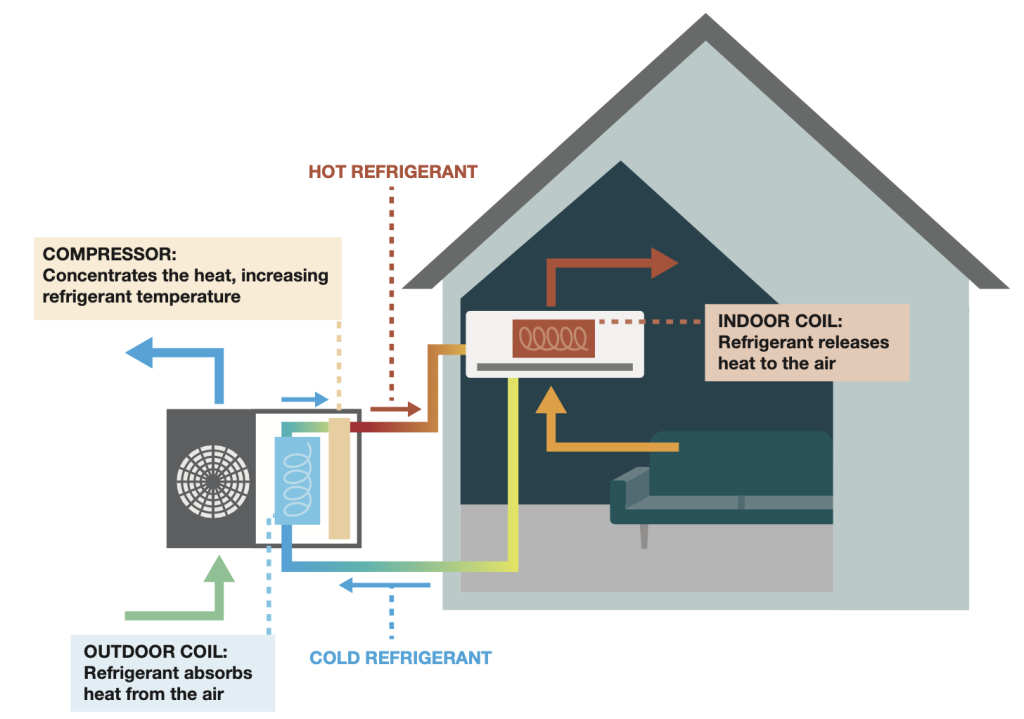
A heat pump is a highly efficient system that provides both heating and cooling. Unlike traditional HVAC systems that generate heat by burning fuel or using electric resistance, heat pumps transfer heat. In the winter, they draw warmth from the outdoor air, even in chilly temperatures, and bring it indoors. In the summer, the process reverses, removing heat from inside your home to keep it cool. 

This process makes heat pumps incredibly energy-efficient, especially in moderate climates like Seattle’s. Common types of heat pumps include: 

  • Air-Source Heat Pumps: Ideal for Seattle’s mild winters, these systems extract heat from the air outside. 
  • Ductless Mini-Splits: Perfect for homes without ductwork, these provide zoned heating and cooling. 
  • Geothermal Heat Pumps: Though more expensive upfront, these systems use the earth’s constant temperature for heating and cooling, offering long-term savings. 

Why Heat Pumps Work Well in Seattle 

Seattle’s moderate climate makes heat pumps an ideal choice for year-round home comfort. The city’s weather rarely experiences extremes, such as sweltering heat or freezing cold, which allows heat pumps to perform at optimal efficiency. Here’s why this technology is particularly well-suited for Seattle homes: 

Mild Winters 

Seattle’s winter temperatures typically won’t stay below freezing all day, which is good for air-source heat pumps. While roughly 60 days per year reach below freezing, less than a handful of days will stay that way. These systems efficiently extract heat from the outdoor air, even when it’s chilly.  

Energy Efficiency 

Rising energy costs are a concern for many homeowners in the region. Heat pumps are known for their ability to deliver three times the energy they consume, which translates to lower utility bills. In a city like Seattle, where heating is necessary but not overly demanding, this efficiency can lead to significant savings compared to traditional systems like furnaces or baseboard heaters. 

Sustainability 

Seattle is known for its commitment to environmental sustainability, and heat pumps align perfectly with these values. By relying on electricity and eliminating the need for fossil fuels like natural gas or oil, heat pumps significantly reduce greenhouse gas emissions. As the city continues to adopt renewable energy sources, the environmental benefits of heat pumps will only increase. 

Benefits of Installing a Heat Pump

1. Energy Savings

Heat pumps use electricity to transfer heat rather than generate it, making them significantly more efficient than traditional systems. For every unit of energy used, a heat pump can deliver up to three units of heat. This efficiency translates to lower energy bills, especially during Seattle’s mild winters. 

 2. Year-Round Comfort

With both heating and cooling capabilities, a heat pump eliminates the need for separate systems. In Seattle, where summers are mild but occasionally warm, a heat pump ensures your home stays comfortable no matter the season.

3. Environmentally Friendly

Heat pumps produce fewer greenhouse gas emissions compared to systems that rely on fossil fuels. For homeowners in Seattle looking to reduce their carbon footprint, a heat pump is an excellent choice. 

 4. Longevity and Low Maintenance

With proper care, heat pumps can last 15-20 years. Regular maintenance, like cleaning filters and scheduling annual check-ups, keeps them running efficiently for the long term. 

 5. Zoned Heating and Cooling

For homes with ductless mini-splits, heat pumps allow you to control the temperature in specific rooms or areas. This feature improves comfort and energy efficiency by letting you heat or cool only the spaces you’re using. 

a Heat Pump Seattle

Potential Drawbacks to Consider 

While heat pumps have numerous benefits, there are some factors to keep in mind: 

  • Upfront Costs: Installing a heat pump can be more expensive than traditional systems. However, long-term energy savings often offset the initial investment. 
  • Cold Weather Efficiency: Though Seattle’s winters are mild, extremely cold temperatures (below freezing) can impact the performance of air-source heat pumps. A backup system, like a furnace, may be necessary for rare cold snaps. 
  • Ductwork Compatibility: If your home has older or inefficient ductwork, additional upgrades may be needed to maximize the heat pump’s efficiency. 

Is a Heat Pump Right for Your Home? 

Choosing to install a heat pump depends on several key factors that influence its efficiency and suitability for your home: 

Home Insulation 

A well-insulated home enhances the effectiveness of a heat pump by reducing heat loss in winter and retaining cool air in summer. Poor insulation can lead to higher energy usage, so sealing gaps and upgrading insulation may be necessary for optimal performance. 

Energy Costs  

Heat pumps can significantly lower heating and cooling expenses, especially if you currently rely on oil, propane, or electric baseboards. While upfront costs are higher, energy savings over time often offset the initial investment. 

Existing HVAC System 

Older or inefficient heating and cooling systems may be costing you more than you realize. Switching to a heat pump can consolidate your HVAC needs into one efficient system, especially for homes needing both heating and air conditioning updates. 

Property Layout and Size 

The size and design of your home also influence how well a heat pump works. Open floor plans allow for easier airflow and even temperature distribution, while larger homes may require a ducted system or multiple units for adequate coverage. Consulting with a professional ensures the heat pump is correctly sized and installed for your space. 

Noise Levels and Comfort 

Modern heat pumps are designed to operate quietly, making them an excellent choice for maintaining a peaceful home environment. This is especially important in urban settings like Seattle, where homes are often close together. A heat pump’s quiet operation adds to its appeal for homeowners seeking comfort without disruption. 

Backup Heating Options 

Seattle’s mild climate is ideal for heat pumps, but extreme cold snaps can sometimes reduce their efficiency. A backup heating option, like a gas or electric furnace, can provide peace of mind during particularly cold days. Modern heat pump systems often integrate seamlessly with backup options to deliver consistent comfort year-round. 

Considering these factors ensures that the heat pump you choose fits your home’s specific needs, maximizing comfort and efficiency. Remember that consulting with an experienced HVAC professional can help you determine whether a heat pump is the best fit for your needs. 

Rebates and Incentives for Heat Pumps in Seattle 

Installing a heat pump may qualify you for rebates and incentives from local and federal programs aimed at promoting energy efficiency. Seattle homeowners may benefit from: 

  • Utility Rebates: Some utility companies offer rebates for upgrading to energy-efficient HVAC systems. 
  • State Programs: Check Washington state initiatives for additional savings opportunities. 

Heat Pump Seattle

Experience Year-Round Comfort with a Heat Pump in Seattle 

If you’re wondering whether a heat pump is worth it for your Seattle home, trust Greenwood Heating’s decades of experience to guide you. Serving the community since 1921, we specialize in evaluating your home’s needs, providing professional installation, and ensuring ongoing maintenance.  

Let us make your transition to a heat pump seamless. Contact us today to schedule a consultation and discover the benefits of energy-efficient comfort tailored to Seattle’s climate.

Does Cleaning Air Ducts Really Make a Difference?

before-Air-Duct-Cleaning-Seattle

There are differing opinions on whether air duct cleaning is essential for every home. Some argue that cleaning ducts can improve indoor air quality and boost HVAC efficiency, while others maintain that it’s unnecessary unless specific issues arise. Since air ducts are hidden from view, they’re easy to forget about, leading to questions on whether regular air duct cleaning in Seattle is truly beneficial or just an added expense. 

Here’s an overview of how air duct cleaning works, why some see it as useful, and when it might actually be necessary. 

technician-before-Air-Duct-Cleaning-Seattle

What Exactly Are Air Ducts, and Why Do They Matter? 

Air ducts are an essential part of your HVAC system, responsible for carrying heated or cooled air from the furnace or air conditioner to each room in your home. These ducts connect to supply and return vents that deliver and pull air, ensuring consistent circulation.  

Because these ducts are responsible for distributing the air you breathe, any buildup of dust, allergens, or mold inside them can impact indoor air quality—especially for those with allergies, asthma, or other respiratory conditions. 

When is Air Duct Cleaning Necessary? 

Air duct cleaning isn’t required as often as other home maintenance tasks, but certain situations make it necessary to ensure a safe and comfortable environment:  

Mold Growth 

When you detect a musty odor or see visible mold near your vents, it’s a strong indicator that mold may be growing inside your ducts as well. Mold spores can travel easily through the air, potentially causing respiratory issues and other health problems. In this case, cleaning and sanitizing the ducts can prevent spores from circulating and reduce health risks. 

Excessive Dust and Debris 

If you notice a constant buildup of dust on surfaces around your home, especially near vents, it may indicate that dust and debris have accumulated inside the ductwork. This buildup can impact air quality and irritate respiratory conditions, so a cleaning may be necessary to improve airflow and freshness. 

Pest Infestations 

Rodents or insects in your ductwork present unique issues, as they leave behind droppings, nests, and other contaminants that can lead to unpleasant odors and airborne pollutants. Duct cleaning is essential in this case to remove traces of infestation and ensure clean, odor-free air. 

After Renovation Work 

Dust and debris from construction or remodeling projects often settle inside ducts, especially if vents were left open during the work. A thorough cleaning post-renovation can prevent this debris from circulating and ensure the air remains clean as you enjoy your newly renovated space. 

Allergy and Respiratory Issues 

For households with allergy sufferers or individuals with asthma, duct cleaning can help by reducing airborne irritants like dust, pollen, and pet dander. If someone in the household experiences worsening allergy symptoms or respiratory issues, cleaning the ducts may provide relief by minimizing allergens and creating a more breathable environment. 

When Is Air Duct Cleaning Not Necessary? 

For many households, regular duct cleaning isn’t essential, especially if the HVAC system is in good condition. Here are some scenarios where duct cleaning may have minimal impact on indoor air quality: 

Well-Maintained HVAC Systems 

If you routinely replace air filters, have seasonal maintenance checks, and your HVAC system is running efficiently, it’s likely that your ducts are clean enough without needing professional cleaning. Regular filter replacements capture most airborne particles before they enter the ducts, keeping the system clean and helping to maintain air quality. 

No Visible Dust or Mold  

If there’s no noticeable dust buildup around your vents, no unusual odors, or signs of mold growth, then your ducts are likely in good shape. Without these issues, cleaning may not provide a noticeable improvement in air quality, so there’s no need to add it to your maintenance checklist unless other problems arise. 

Sealed Duct Systems 

In newer homes or systems with well-sealed ducts, there is minimal opportunity for dust, dirt, or allergens to enter and accumulate. Properly sealed ducts prevent outside contaminants from getting in, reducing the need for frequent cleaning. This is especially true for modern HVAC systems designed to prevent leaks and keep indoor air quality consistently high without additional cleaning efforts. 

Air-Duct-Cleaning-in-Seattle

The Risks of Improper Duct Cleaning – Why DIY Isn’t the Best Idea 

Attempting DIY duct cleaning or hiring unqualified professionals can create more issues than it resolves. Improper cleaning techniques can disturb dust, releasing it back into the air, or even damage duct surfaces. Inexperienced cleaners may use equipment that doesn’t reach the full depth of the ducts, leaving contaminants behind and creating an incomplete clean. Additionally, the wrong cleaning methods may stir up mold spores, worsening air quality rather than improving it.  

A trained HVAC professional has the tools and expertise to handle duct cleaning effectively, ensuring that contaminants are removed without damaging the system. 

The Air Duct Cleaning Process: What to Expect 

Professional air duct cleaning includes several important steps to make sure your ducts are thoroughly cleaned and your home stays protected: 

  • Inspection: The process starts with a close inspection of your air ducts. A technician checks the ducts to see how much dust, mold, or debris has built up. They also look for any specific problem areas, like mold spots, pest nests, or thick layers of dust, so they know exactly what needs to be done. 
  • Preparation: To keep your home clean during the process, technicians cover your floors, furniture, and any surfaces near the work area. They might also seal off certain parts of the house to keep dust from spreading. This preparation ensures that the cleaning process doesn’t create a mess in your home. 
  • Cleaning with Specialized Equipment: Using high-powered vacuums and rotating brushes, the technician carefully loosens and removes debris, dust, and other particles inside the ducts. The powerful vacuum then pulls out all the dust, making sure it doesn’t reenter the air in your home. This step may take a bit of time, especially if your ducts haven’t been cleaned in a while, but it’s necessary for a thorough job.
  • Optional Sanitization: If your home has a history of mold, bacteria, or other issues, some services offer a sanitizing treatment. This involves applying a solution that kills bacteria and mold spores, which helps prevent new growth. While this step isn’t always needed, it’s useful for homes with allergies or respiratory sensitivities, as it adds an extra layer of cleanliness.
  • Final Inspection and Testing: Once the ducts are cleaned, the technician does a final check to make sure everything is clear and free of debris. They may also test airflow to make sure air is circulating properly through your HVAC system, giving your home better efficiency and air quality. 

So, Does Duct Cleaning Make a Difference?  

Duct cleaning can positively impact air quality and HVAC efficiency, especially in homes dealing with mold, heavy dust, or pest issues. Experts generally recommend cleaning air ducts every 3-5 years, though homes with specific problems like visible mold or recurring dust may benefit from more frequent cleanings.  

By removing allergens, dust particles, and mold spores, duct cleaning creates a healthier indoor environment, particularly for those with allergies, asthma, or respiratory sensitivities. However, maintaining clean filters, scheduling routine HVAC maintenance, and keeping a tidy home are also essential practices for preserving good air quality over time. 

technician-during-Air-Duct-Cleaning-Seattle 

Interested in Professional Air Duct Cleaning in Seattle? Contact Greenwood Heating 

If you’re considering air duct cleaning, Greenwood Heating offers professional services to help improve indoor air quality and maintain your HVAC system. Our team of skilled technicians uses effective techniques to ensure your ducts are thoroughly cleaned, promoting a fresher, healthier home. Contact us today to schedule an appointment and start breathing cleaner air! 

How Close Can an Air Conditioner Be to Property Line? 

Seattle Air Conditioning

When installing or replacing an air conditioner, one of the most important considerations is where to place the outdoor unit. Homeowners often focus on efficiency and performance, but another aspect is the unit’s proximity to the property line. Many are unaware that local regulations, along with practical considerations, play a role in determining how close your air conditioner can be to the boundary of your property. 

Let’s explore the factors that determine how close an air conditioner can be to property line, the regulations you need to follow for air conditioning in Seattle, and tips for optimal placement. 

Outdoor Unit Seattle Air Conditioning

Why Proper AC Placement Matters 

The placement of your air conditioner is important for several reasons: 

  • Noise Control: Air conditioning units can be noisy, with some models producing up to 60-70 decibels during operation. Placing it too close to your neighbor’s property can lead to noise complaints, potentially causing tension. 
  • Vibration: Units can cause vibrations that may be disruptive to nearby structures, such as decks or fences, if they’re placed too close to property boundaries. 
  • Proper Airflow: Air conditioners need sufficient space around them for adequate airflow. If placed too close to walls, fences, or other structures, airflow may be restricted, which can reduce the unit’s efficiency and lifespan. 
  • Compliance with Regulations: Many local codes and regulations govern how close an AC unit can be to property lines. Violating these regulations can result in fines, forced relocation of the unit, or even legal disputes. 

Factors That Affect How Close an AC Unit Can Be to the Property Line 

  1. Local Zoning Laws and Building Codes

Every city and county has its own set of zoning laws and building codes that regulate property use, including the placement of outdoor equipment like air conditioners. These codes typically specify the minimum distance that must be maintained between your AC unit and the property line. This is often referred to as the “setback requirement.” 

In Seattle, the Department of Construction and Inspections (SDCI) generally requires a minimum setback of 5 feet from side property lines for structures, including AC units. This setback helps to minimize noise, ensure proper airflow, and prevent interference with neighboring properties. It’s important to consult the SDCI or local codes directly to ensure compliance and avoid potential fines or relocation requirements. 

  1. Manufacturer Recommendations

In addition to local regulations, air conditioning manufacturers provide their own guidelines regarding the minimum clearance required around the outdoor unit. These recommendations ensure the system can operate efficiently and without strain. 

  • Typical Clearances: Most manufacturers recommend at least 12 to 24 inches of clearance on all sides of the unit for proper airflow. They may also specify a clearance of 4 to 6 feet above the unit, especially if it’s placed under a deck or awning. 
  • Why Clearances Matter: Adequate clearance around the AC unit allows it to expel heat properly. Without proper ventilation, the system will struggle to cool your home, leading to higher energy bills and potential mechanical failures over time. 
  1. Airflow and Ventilation

Air conditioners rely on free airflow to dissipate heat and keep your home cool. When airflow is obstructed—either by walls, fences, plants, or proximity to the property line—the system’s efficiency drops significantly. A unit that lacks sufficient airflow will overheat, forcing it to work harder and increasing the risk of breakdowns. 

  • Space for Airflow: Make sure there is enough open space around your air conditioning unit to allow proper ventilation. Blocking airflow, even partially, can cause the unit to malfunction or reduce its cooling capacity. 
  • Landscaping Considerations: If you have landscaping near the unit, keep plants, shrubs, and trees trimmed to prevent them from blocking airflow. In some cases, it might be beneficial to install a small barrier, like a lattice screen, to shield the unit from debris while still allowing for airflow. 
  1. Noise Considerations

Air conditioners can generate noise, which can be a nuisance to neighbors if the unit is placed too close to the property line. Most newer units are designed to be quieter than older models, but noise can still be an issue in certain areas, especially in densely populated neighborhoods. 

  • Local Noise Ordinances: Many cities and towns have noise ordinances that limit the amount of sound an air conditioner can emit. These ordinances may require you to install the unit farther from the property line or use noise-reducing barriers if the noise level exceeds certain limits. 
  • Quieter AC Models: If noise is a concern, you may want to consider investing in a model designed for quieter operation. Some manufacturers offer units that produce significantly less noise, making it easier to meet noise ordinances and maintain neighborly peace. 

Air Conditioning in Seattle

  1. Access for Maintenance and Repairs

Another factor to consider when placing your air conditioning unit is accessibility. HVAC technicians need sufficient space to perform routine maintenance tasks, such as cleaning the coils, checking refrigerant levels, and replacing parts. 

  • Maintenance Space: Make sure there’s enough room around the unit for a technician to access all sides easily. Placing the unit too close to a fence, wall, or property line can make it difficult to perform maintenance, potentially leading to higher service costs if the unit is hard to reach. 
  • Professional Installation Advice: When installing a new air conditioner, it’s a good idea to consult with the HVAC technician about the best location for easy access. They can help ensure that the unit is not only compliant with local codes but also placed in a spot where it can be easily serviced. 
  1. Safety Considerations

For units that run on gas or have other safety-related components, there are additional placement considerations to keep in mind. Keeping the unit away from windows, doors, and vents can prevent harmful gases, such as carbon monoxide, from entering the home. 

  • Distance from Windows and Doors: It’s typically recommended to keep the outdoor unit at least 3 to 5 feet away from windows and doors. This minimizes the risk of exhaust fumes entering your home, especially for gas-powered units. 
  • Safety with Electrical Systems: Ensure that the outdoor unit is installed on a level surface and properly grounded. Installing it too close to the property line or any structures can lead to electrical hazards. 

The Consequences of Poor AC Placement 

Failing to follow proper placement guidelines can lead to a range of issues, both for the performance of your air conditioner and your property: 

  • Reduced Efficiency: Poor placement that restricts airflow will cause your AC to work harder, leading to higher energy bills and a shorter lifespan for the unit. 
  • Noise Disputes: Installing the unit too close to a neighbor’s property can result in noise complaints, especially in quieter areas or if the unit runs frequently. 
  • Potential Code Violations: Not adhering to local setback requirements can lead to fines or the need to relocate the unit, which can be a costly and time-consuming process. 
  • Restricted Access: Placing the unit in a difficult-to-reach location can make maintenance harder, increasing the likelihood of issues going unnoticed and repairs becoming more expensive. 

Air Conditioning Seattle

Need Help with the Installation of Air Conditioning in Seattle? We Can Help! 

Correct placement of your air conditioner is essential for both performance and longevity. If you’re installing a new air conditioning unit or relocating an existing one, Greenwood Heating can help you navigate local regulations and choose the ideal spot.  

Our team of experienced technicians in Seattle ensures your AC system is installed correctly, efficiently, and safely. Contact us today to schedule a consultation and keep your home cool and comfortable all year long. 

What Routine Maintenance Is Required for a Furnace? 

Ongoing-Furnace-Maintenance-Seattle

Your furnace is an essential part of keeping your home warm and comfortable during colder months, but like any appliance, it requires regular maintenance to function efficiently and safely. If you’re new to furnace upkeep, or perhaps it’s been a while since you’ve done any, you might be wondering: What exactly does routine furnace maintenance entail?   

Knowing what’s involved in furnace maintenance in Seattle can help you avoid costly repairs, extend the life of your system, and keep your home safe. Let’s break down what routine furnace maintenance looks like and why it’s so important. 

Technician-working-on-Furnace-Maintenance-Seattle

Why Routine Furnace Maintenance is Essential 

Before we dive into the specific tasks involved in maintaining your furnace, it’s important to understand why regular maintenance is crucial. Here are some of the key reasons: 

  • Energy Efficiency: A well-maintained furnace runs more efficiently, meaning it uses less energy to heat your home. This can lower your utility bills and reduce your carbon footprint. 
  • Safety: Furnaces, especially those that burn gas or oil, can pose safety risks if they’re not properly maintained. Issues like gas leaks, carbon monoxide buildup, and fire hazards can be prevented with regular checks. 
  • Consistent Heating: A furnace that’s running smoothly provides even, consistent heating throughout your home. Regular maintenance helps ensure you’re not left in the cold during winter. 

Key Components of Furnace Maintenance 

Routine maintenance typically involves a combination of professional inspections and simple tasks you can do yourself. Here’s a comprehensive look at what should be done to keep your furnace in top shape.

1. Replace or Clean the Air Filter

One of the easiest yet most important tasks in furnace maintenance is regularly replacing or cleaning the air filter. The filter keeps dust, dirt, and debris from entering the furnace and circulating through your home. Over time, a dirty filter can restrict airflow, making your furnace work harder than it should. This not only decreases efficiency but also increases wear and tear on the system. 

How often: It’s recommended to check your filter once a month and replace it every 1-3 months, depending on the type of filter and how often your furnace is running. 

Why it matters: A clean filter improves airflow, reduces energy consumption, and helps prevent breakdowns.

2. Inspect and Clean the Blower Assembly 

The blower assembly is responsible for moving the heated air from the furnace into your home. Over time, dust and debris can accumulate on the blower blades, which can reduce its efficiency and put strain on the motor. 

What to do: Inspect the blower assembly regularly and, if you notice dust buildup, clean it using a vacuum or soft brush. Be sure to turn off the power to the furnace before performing any maintenance. 

Why it matters: A clean blower assembly helps maintain consistent airflow and prevents overheating, which can lead to costly repairs.

3. Check the Thermostat Settings

Your thermostat is the control center of your heating system. Ensuring it’s functioning properly can help maintain consistent temperatures and reduce energy waste. 

What to do: If your thermostat is programmable, check that it’s set to the appropriate heating schedule for your home. If your furnace isn’t responding to the thermostat, it may need recalibration or replacement. 

Why it matters: Proper thermostat settings ensure your furnace isn’t working harder than necessary, which can save energy and extend the life of the system.

4. Inspect the Heat Exchanger

The heat exchanger is a vital component of your furnace that separates the combustion process from the air that circulates through your home. Over time, the heat exchanger can develop cracks or leaks, which can lead to dangerous carbon monoxide emissions. 

What to do: A professional should inspect the heat exchanger annually to check for cracks or signs of wear. 

Why it matters: A damaged heat exchanger can be a serious safety hazard, as it can leak carbon monoxide into your home.

5. Lubricate Moving Parts

Furnaces have several moving parts, such as the blower motor and fan, which can wear down over time if they aren’t properly lubricated. Without proper lubrication, friction can increase, causing the parts to overheat or fail prematurely. 

What to do: Check the owner’s manual for your furnace to see which parts need lubrication and what type of lubricant to use. This task is typically done during professional maintenance visits. 

Why it matters: Lubrication reduces friction and helps prevent damage to moving parts, extending the life of your furnace.

Technician-during-Furnace-Maintenance-Seattle

6. Test Safety Controls

Furnaces have built-in safety controls that prevent dangerous situations, such as overheating. These controls need to be tested regularly to ensure they’re functioning properly. 

What to do: During a professional maintenance visit, your technician will test these safety controls, including the high-limit switch, which prevents the furnace from overheating. 

Why it matters: Properly functioning safety controls help protect your home from fire hazards and gas leaks.

7. Check and Clean the Burners

Over time, the burners in a gas furnace can become clogged with dirt and debris, which can affect combustion and reduce efficiency. Poor combustion can also lead to an increase in carbon monoxide production. 

What to do: Have a professional inspect and clean the burners annually to ensure they’re operating efficiently. 

Why it matters: Clean burners help ensure efficient combustion and reduce the risk of dangerous emissions.

8. Inspect the Flame Sensor

The flame sensor is a safety device that ensures the furnace only runs when there is a flame to ignite the gas. If the flame sensor becomes dirty or malfunctions, it can cause the furnace to shut down. 

What to do: A professional should inspect and clean the flame sensor during an annual maintenance visit. 

Why it matters: A properly functioning flame sensor helps prevent dangerous gas buildup and ensures your furnace operates safely.

9. Inspect and Clean the Vents and Ducts

Your furnace works in conjunction with your home’s ventilation system to distribute warm air throughout your living spaces. Dust, debris, or even mold can accumulate in your ductwork and vents, reducing airflow and affecting the quality of air in your home. 

What to do: Regularly check your vents to ensure they aren’t blocked by furniture or dust buildup. Have your ducts professionally cleaned every few years, or more frequently if you notice dust or airflow issues. 

Why it matters: Clean vents and ducts improve air quality and ensure your furnace isn’t working harder than it needs to in order to heat your home.

10. Check for Leaks or Blockages in the Flue Pipe

The flue pipe is responsible for venting the gases produced during combustion out of your home. If the flue becomes blocked or leaks, dangerous gases can accumulate in your living space. 

What to do: Have a professional inspect the flue pipe during an annual maintenance visit to check for leaks, corrosion, or blockages. 

Why it matters: Ensuring the flue pipe is functioning properly is critical for safely venting combustion gases and preventing carbon monoxide poisoning. 

Professional vs. DIY Furnace Maintenance 

While there are some maintenance tasks you can easily do yourself, such as changing the air filter or checking the thermostat, many of the more involved tasks—like inspecting the heat exchanger or cleaning the burners—should be handled by a professional 

Most furnace manufacturers recommend an annual inspection and tune-up by a licensed HVAC technician to ensure the system is operating safely and efficiently.  

When to Schedule Professional Furnace Maintenance 

The best time to schedule professional furnace maintenance is in the fall, before you start using your furnace regularly. This allows your technician to catch any issues early, ensuring your furnace is ready for the colder months ahead. 

Furnace-Maintenance-in-Seattle

Keep Your Furnace in Top Shape with Furnace Maintenance in Seattle 

Routine furnace maintenance is essential for keeping your system running smoothly, safely, and efficiently. By following these maintenance steps, you can avoid costly breakdowns and ensure your home stays warm all winter long.  

If you’re in the Seattle area and need professional furnace maintenance, Greenwood Heating is here to help. Our experienced technicians will ensure your furnace is in peak condition, so you can stay comfortable and worry-free. Contact us today to schedule your furnace tune-up!