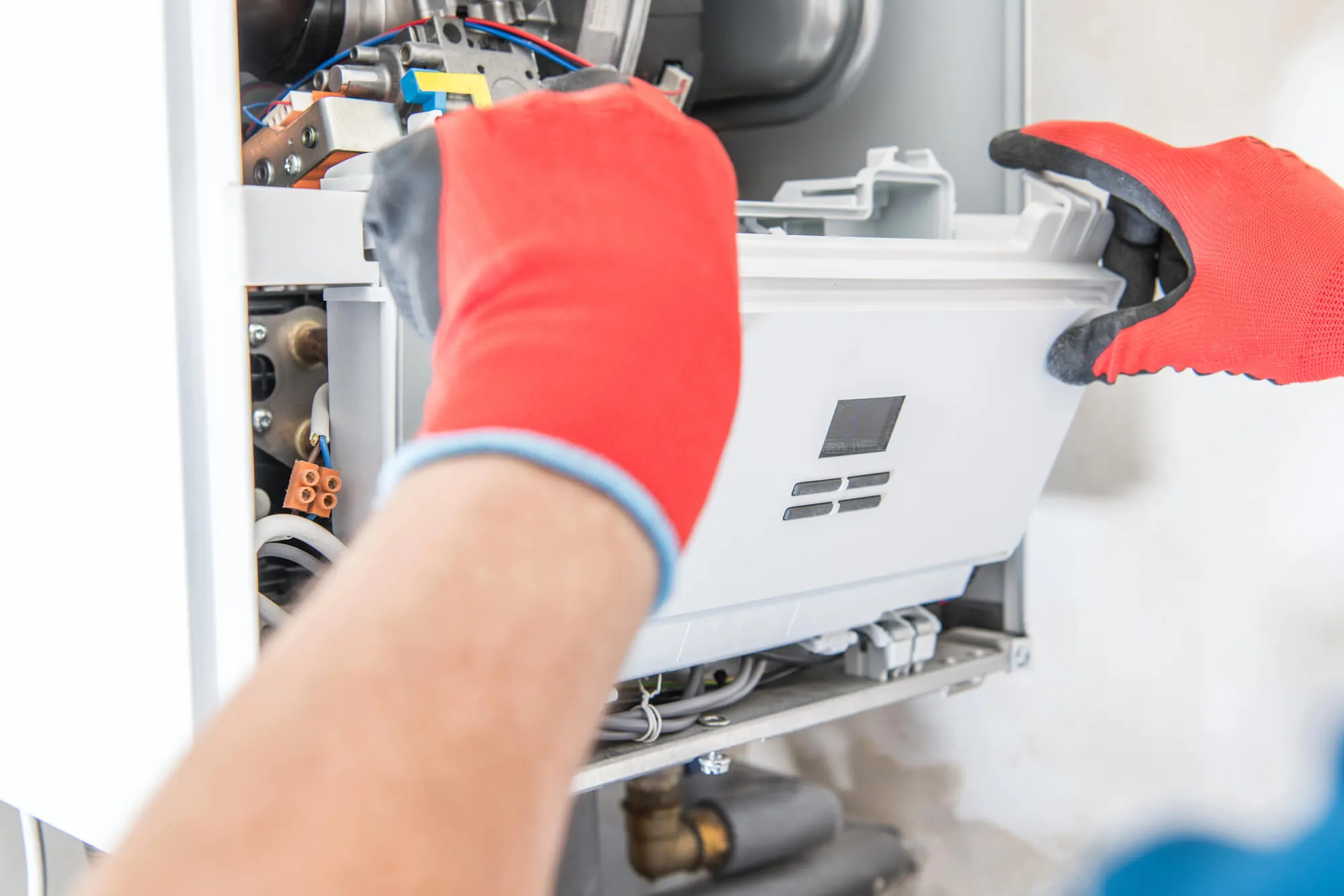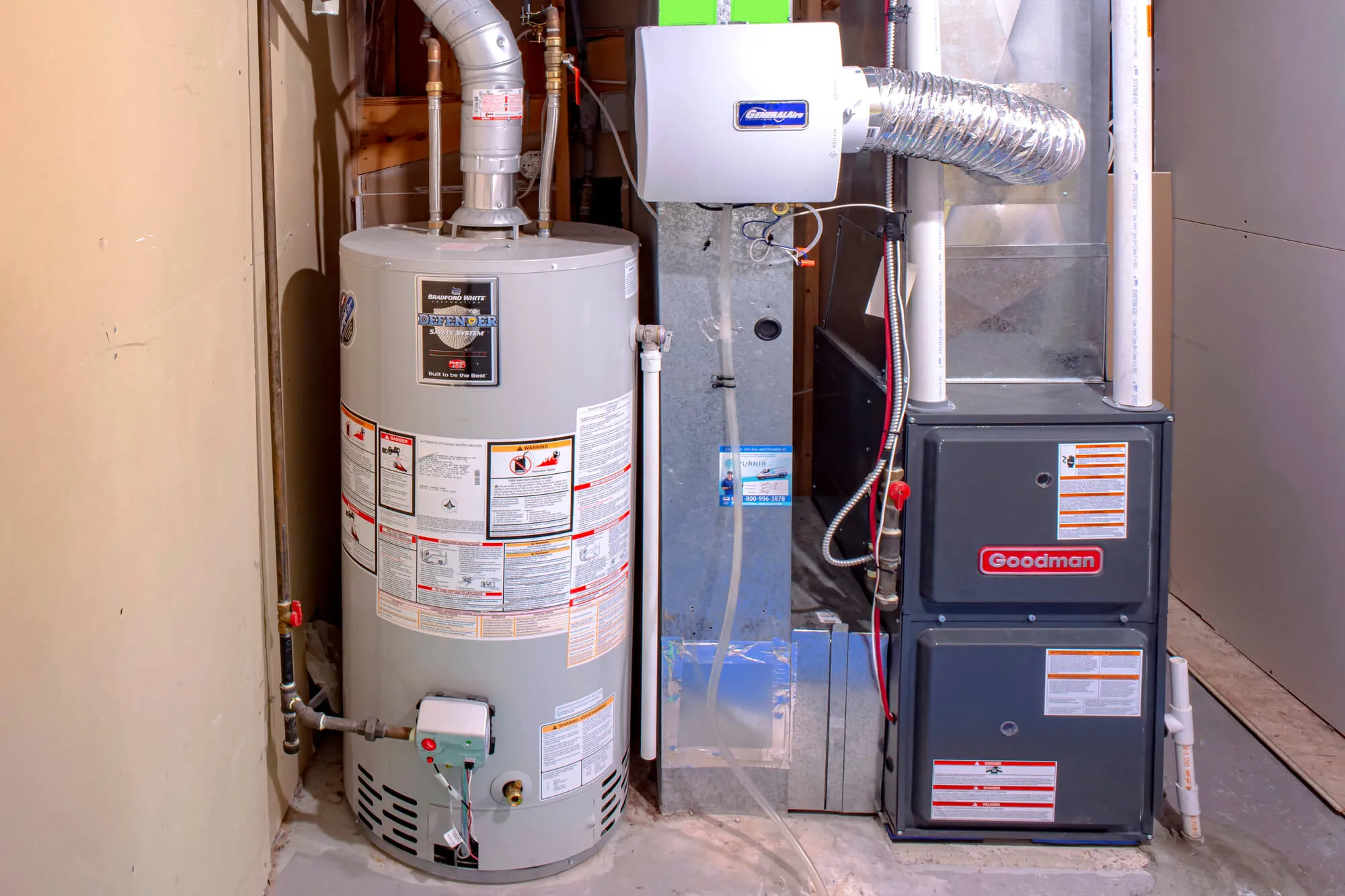



Furnace Lifespan Explained: When Replacement Starts to Make Sense

trusted Furnace Repair Seattle

As your furnace ages, you may notice subtle changes, such as longer heating cycles, uneven temperatures, or higher energy bills. In some situations, scheduling furnace repair in Seattle can help restore performance. In others, these changes may indicate that your system is reaching the end of its lifespan. 

Understanding how furnaces age and when replacement begins to make more sense allows homeowners to plan ahead, avoid sudden breakdowns, and make more confident decisions about their heating system. 

affordable Furnace Repair Seattle

How Long Does a Furnace Usually Last? 

Most furnaces are designed to last 15 to 20 years, though their actual lifespan can vary depending on usage and maintenance. Systems that receive routine servicing and operate under stable conditions often last longer, while those that experience heavy use or limited maintenance may show signs of wear earlier. 

Several factors influence lifespan: 

  • Proper installation and system sizing 
  • Airflow and duct condition 
  • Frequency of use during colder months 
  • Overall home efficiency 

While a furnace may still function beyond 20 years, its performance, efficiency, and reliability often decline. Knowing your system’s age helps guide decisions about whether repair or replacement is the better path forward. 

What Happens as a Furnace Gets Older? 

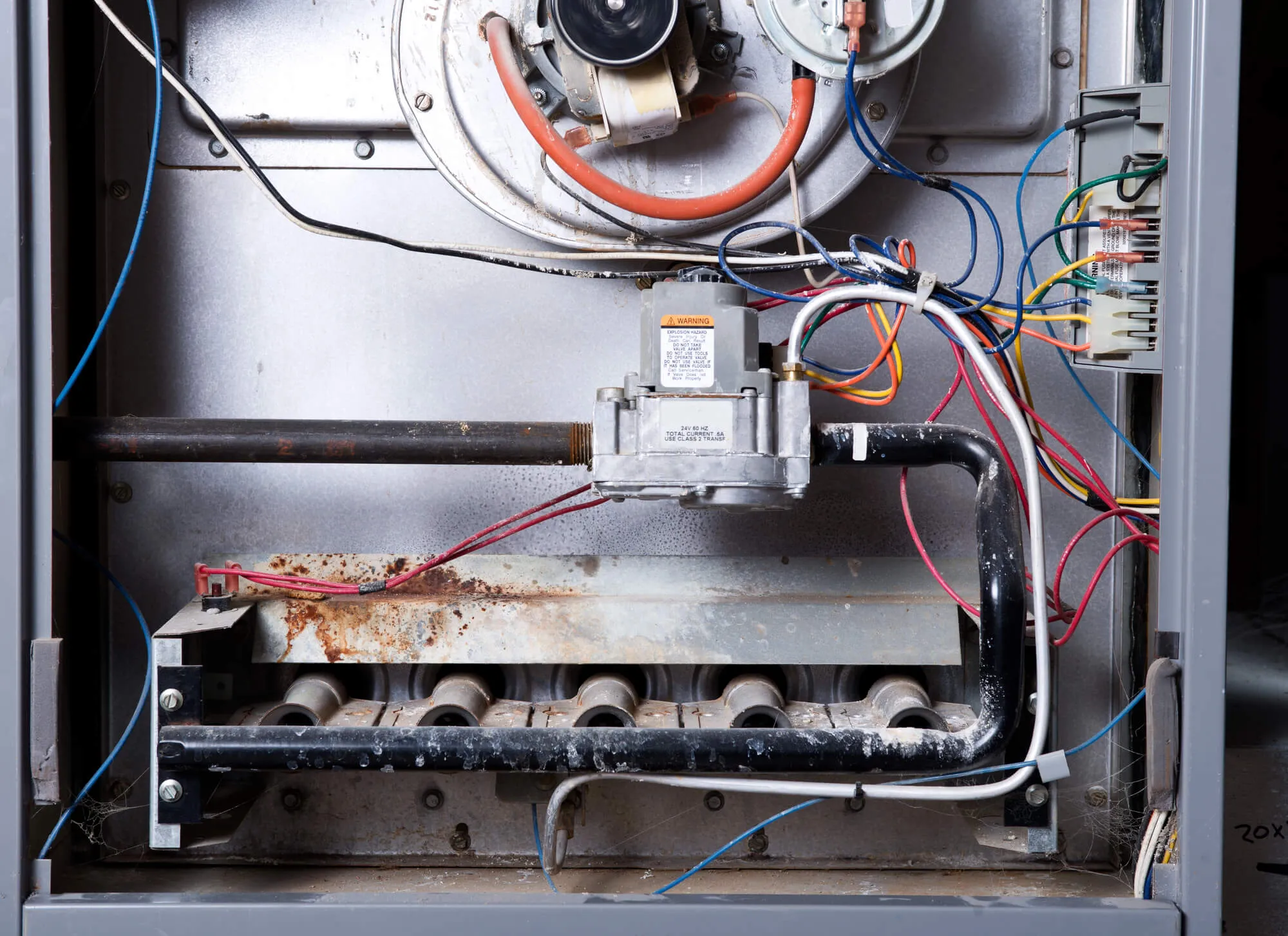
Over time, the internal components of a furnace begin to wear down. Each heating cycle places stress on parts such as motors, burners, and heat exchangers. These components are designed for long-term use, but years of continuous operation gradually reduce their efficiency and responsiveness. 

As a furnace ages, homeowners may notice: 

  • Slower response when adjusting the thermostat 
  • Longer run times to maintain temperature 
  • Increased cycling on and off 
  • Reduced airflow in certain areas of the home 

You may also observe slight temperature fluctuations or the system running more frequently to keep up with demand. These changes often develop gradually, which makes them easy to overlook at first. Over time, however, they indicate that the system is working harder than it once did to maintain consistent comfort, which can lead to increased energy use and added strain on internal components. 

Energy Efficiency Declines Over Time 

One of the clearest signs of an aging furnace is reduced energy efficiency. Older systems require more energy to produce the same level of heat, especially as internal components begin to wear. 

This can result in: 

  • Higher monthly energy bills 
  • Increased strain on the system 

Even if the furnace is still operating, declining efficiency can impact overall comfort and cost. Newer systems are designed to meet updated efficiency standards, which can make a noticeable difference when compared to older equipment. 

Repair Frequency May Increase 

As furnaces approach the later stages of their lifespan, repairs may become more frequent. Individual components such as igniters, motors, or sensors may begin to fail over time. 

While each repair may seem manageable, repeated service calls can become inconvenient and costly. This pattern often signals that the system is nearing the end of its useful life. 

If repairs are needed more often than before—especially within the same heating season—it may be time to consider whether continued maintenance is supporting long-term reliability. 

When Repairs No Longer Add Value 

Repairs may become less practical when breakdowns occur frequently, costs increase, or performance issues persist despite servicing. Older systems may also face limited availability of parts. If fixes only offer short-term improvement, it may signal deeper wear. Reviewing overall repair patterns helps determine whether replacement is the more reliable long-term option. 

Comfort May Become Less Consistent 

An aging furnace may struggle to maintain even temperatures throughout the home. Some rooms may feel warmer than others, while certain areas take longer to heat. 

This inconsistency can be caused by: 

  • Reduced airflow 
  • Worn internal components 
  • System inefficiencies 

While adjustments and servicing can improve performance temporarily, these issues often become more noticeable over time. Consistent comfort is one of the main reasons homeowners begin considering system replacement. 

Changes in Noise and Operation 

Furnaces typically operate quietly, so changes in sound can be an early indicator of wear. As systems age, different components may produce noticeable noises. 

Common changes include: 

  • Rattling or vibrating 
  • Banging during startup 
  • Irregular cycling sounds 

These sounds may not always indicate immediate failure, but they can signal that parts are wearing down. Monitoring these changes can help determine when further evaluation is needed. 

Furnace Repair Seattle

Older Systems May Lack Updated Features 

Heating technology has advanced significantly over the years. Older furnaces may not include features that improve efficiency, comfort, and control. 

Newer systems may offer: 

  • Variable-speed motors for better airflow 
  • Smart thermostat compatibility 
  • Improved temperature consistency 
  • Enhanced safety features 

While older systems can still function, upgrading may provide a more consistent and responsive heating experience. 

Planning Ahead Can Reduce Stress 

Waiting until a furnace stops working completely often leads to urgent decisions. This can be especially challenging during colder months when heating is essential and service demand is high. When systems fail unexpectedly, homeowners may have limited time to compare options or schedule installation at their convenience. 

Planning ahead allows homeowners to: 

  • Compare replacement options carefully 
  • Schedule installation at a convenient time 
  • Avoid peak-season service delays 
  • Prepare for the investment 

It also creates an opportunity to evaluate energy efficiency, system size, and compatibility with existing ductwork. By addressing concerns early, homeowners can avoid last-minute pressure and make decisions based on long-term comfort rather than immediate need. Taking a proactive approach supports a smoother transition and helps maintain consistent indoor comfort throughout the heating season. 

Factors That Influence Replacement Timing 

Maintenance History 

Regular servicing helps extend system life and maintain performance. Routine inspections allow technicians to identify worn components early and address minor issues before they affect overall operation. Systems that receive consistent maintenance often perform more reliably over time and may experience fewer unexpected disruptions. 

Installation Quality 

Proper installation supports efficient operation and reduces strain. A correctly sized and well-installed furnace distributes heat more evenly and avoids unnecessary stress on internal components. Poor installation, on the other hand, can lead to airflow issues, uneven heating, and premature wear, affecting long-term performance. 

Usage 

Homes with higher heating demands may experience faster wear. Systems that run more frequently during colder months naturally accumulate more operational hours. Over time, this increased workload can lead to earlier signs of aging compared to systems used less often. 

Home Efficiency 

Insulation, windows, and airflow all influence system workload. Homes with better insulation and sealed windows retain heat more effectively, reducing the strain on the furnace. When efficiency is lower, the system must work harder to maintain indoor comfort, which can impact lifespan. 

Considering these factors together provides a clearer understanding of your furnace’s condition and helps guide decisions about repair or replacement. 

When Replacement Starts to Make Sense 

For many homeowners, replacement becomes a consideration once a furnace reaches 15 to 20 years, especially if performance has declined or repairs are becoming more frequent. 

Instead of focusing on age alone, it helps to evaluate: 

  • Overall system performance 
  • Repair history 
  • Energy use trends 
  • Comfort consistency 

Looking at the full picture allows for a more confident and practical decision 

reliable Furnace Repair Seattle

Do You Need Furnace Repair in Seattle or Is It Time to Replace Your System? 

If your furnace is showing signs of wear, making unusual noises, or struggling to keep your home comfortable, it may be time to take a closer look. In some cases, scheduling furnace repair can address specific issues and extend your system’s lifespan. In others, age and overall condition may indicate that replacement is the more practical option. 

The team at Greenwood Heating & Home Services can help you evaluate your system and understand your options. Whether you’re dealing with performance concerns or planning ahead, a professional assessment provides clarity and helps you make a decision that supports long-term comfort and reliability. Reach out today to schedule an evaluation and keep your home warm and comfortable throughout the season.

Top Mistakes to Avoid During Generator Installation

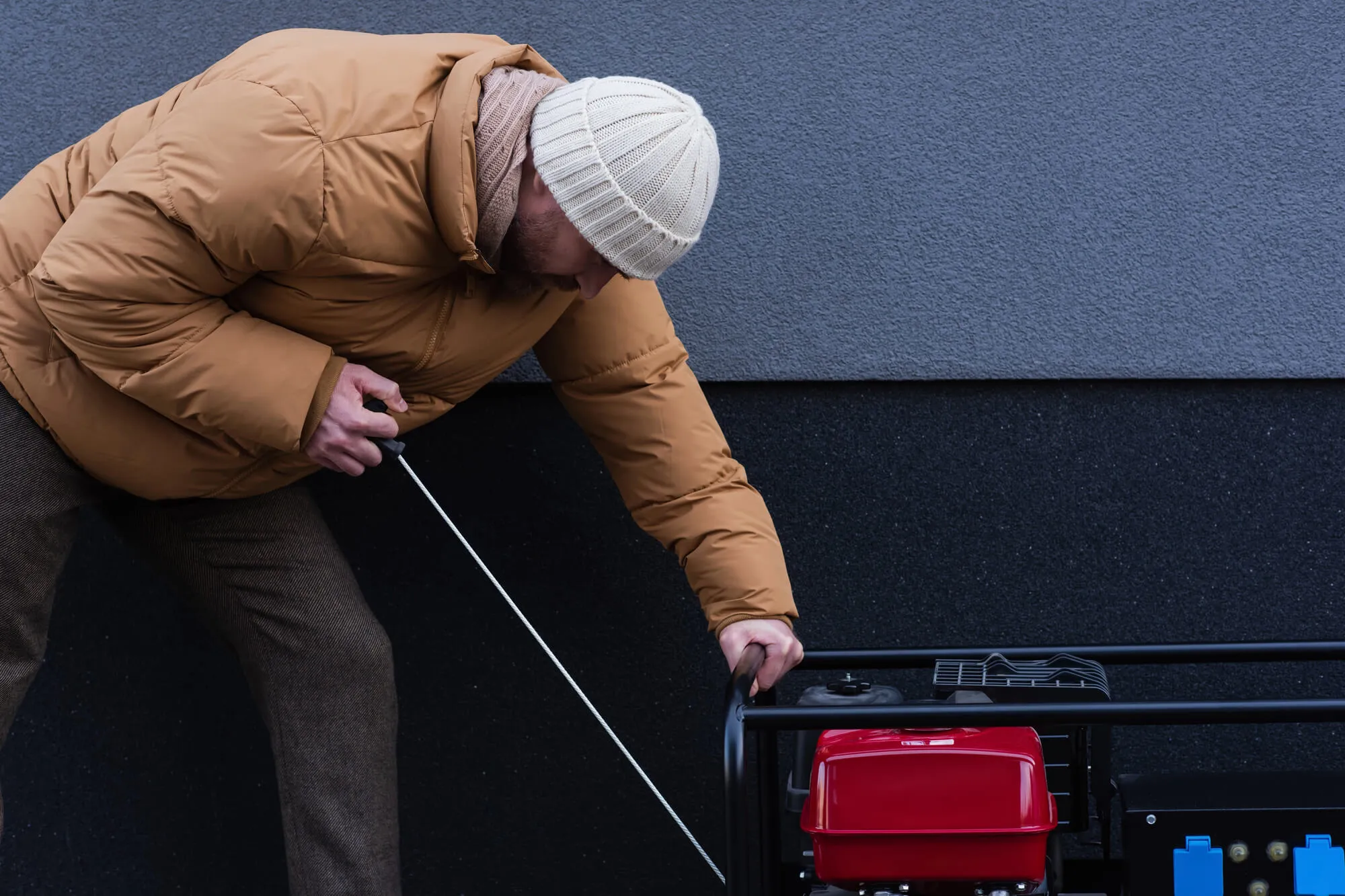
Installing a generator is one of the smartest ways to protect your home against Seattle’s unpredictable weather and frequent power outages. However, like any major home upgrade, installation must be done correctly. Mistakes during this process can impact everything from the safety of your generator’s operation to its reliability when you need it most. 

Here are ten of the most common Seattle generator installation mistakes homeowners make and how to avoid them. 

reliable Seattle Generator Installation

1. Choosing the Wrong Generator Size

Many homeowners guess how much power they need, but choosing the wrong size is one of the most common errors. A generator that’s too small can’t keep up with your basic needs during an outage. A unit that’s too large wastes energy and may require a costlier setup.  


Sizing a generator isn’t just about total wattage; it’s about understanding which appliances you want to run and how they draw power. A professional installer can calculate your home’s power load and recommend a generator that fits your current use and future needs without overloading your system.

2. Skipping the Load Calculation

Proper load calculation ensures your generator runs safely and efficiently. This process accounts for the startup wattage of major appliances such as refrigerators, HVAC units, or sump pumps—which can be significantly higher than their running wattage. Without this calculation, your generator may trip or overload when multiple devices start up simultaneously.  


It also helps determine how power will be distributed across your circuits. Skipping this step can result in shutdowns or damage to sensitive electronic components. A licensed technician will measure peak loads to ensure smooth operation across all essential systems.

3. DIY Installation Without Permits

Generator installation is not a weekend DIY job. It involves electrical wiring, fuel line installation, ventilation planning, and strict adherence to code compliance. Failing to obtain required permits or skipping professional installation can result in city fines, failed inspections, and even denied insurance claims. Worse, improperly wired systems can become fire hazards.  

In Seattle, generator installations must follow local building codes, fire codes, and utility guidelines. Hiring a licensed electrician and obtaining the correct permits protects your home, ensures safe operation, and prevents future legal or insurance issues associated with faulty installation.

4. Poor Generator Placement

Generator placement is more than a convenience decision. Put it too close to windows, vents, or doors, and you risk carbon monoxide entering your home. Too far, and you’ll increase the cost of extending fuel lines and electrical wiring. Generators also need to be placed on a level, stable surface to prevent vibration or tipping.  

A qualified installer will assess proximity to your home, local zoning laws, required setbacks, and fuel access points. The right location keeps your family safe and reduces complications during fuel delivery, maintenance, or emergencies.

5. Ignoring Ventilation and Clearance Needs

Generators generate heat and exhaust gases, and they need space to release both. Installing a generator in a tight alcove, against a fence, or surrounded by shrubs can restrict airflow and create overheating risks. National codes and manufacturer guidelines typically require 3 to 5 feet of clearance on all sides of the equipment.   

Sufficient ventilation prevents engine damage, reduces fire risk, and improves the unit’s lifespan. It also ensures service teams can access the unit for inspections and repairs. Always allow room for air circulation and future maintenance.

6. Neglecting the Transfer Switch

A transfer switch safely transfers your home’s electrical load from the utility grid to your generator. Without one, you risk dangerous back-feeding—electricity flowing into utility lines, which endangers linemen and neighbors. Skipping the switch or wiring it improperly can also damage your generator or appliances.  

An automatic transfer switch (ATS) is the safest option for most homes—it detects an outage, starts the generator, and automatically transfers power. Once grid power returns, it switches back. Proper transfer switch installation is a non-negotiable part of any standby generator system.

Seattle Generator Installation

7. Using Incompatible Fuel Types

Generators typically run on natural gas, propane, or diesel. However, not all homes or locations are suitable for each type. Natural gas is convenient if your home is already connected, but it may be vulnerable during widespread outages. Propane requires on-site storage and monitoring. Diesel is effective but less common for residential systems and needs careful handling.  

Choosing a fuel source without considering supply chain access, weather events, and long-term storage needs can leave you in the dark. Work with your installer to select a reliable and accessible fuel option for your area.

8. Not Planning for Routine Maintenance

Generators need regular servicing, just like your car. Over time, oil breaks down, filters clog, and batteries lose charge. A generator that sits unused for months (or years) may fail during the one time you need it. Routine maintenance includes oil changes, load testing, battery checks, and cleaning. Skipping these tasks leads to decreased efficiency or total failure. A smart solution is to partner with a service provider that offers scheduled maintenance plans. They’ll keep your system tested, fuel lines checked, and components in top shape—so it’s ready when you need it.

9. Forgetting to Notify the Utility Company

In most areas, including Seattle, connecting a standby generator to your home’s main electrical panel requires notifying your utility provider. This step ensures that your system complies with local regulations and that the utility is aware of your generator’s capability to backfeed the grid. Some providers require inspection or pre-approval before activation can occur.  

Failing to acknowledge this notification can create legal or safety issues, especially when linemen are working on power lines during an outage. Always check with your utility and your installer to confirm the correct procedures are followed. 

10. Failing to Testthe System 

Even a professionally installed generator needs testing under real conditions. Failing to run a system check means you won’t know whether the generator switches on, powers essential systems, or handles your home’s load. Ideally, your generator should be tested monthly and load-tested annually. These tests confirm fuel flow, switch functionality, and power delivery across circuits. Skipping this crucial step may leave you scrambling during an outage. Regular testing provides peace of mind that your backup power system is reliable and ready to function when needed. 

Why Professional Installation Matters 

Generator installation brings together electrical work, fuel connections, safety controls, and structural considerations. Each element must work in sync, and even small errors can result in power failures, equipment damage, or safety hazards. Licensed professionals oversee the entire installation process, from load calculations and site placement to permitting, inspections, and final system testing and commissioning. They follow electrical and fuel codes designed to protect your home and everyone in it.  

Professional installation also supports warranty requirements and reduces the risk of insurance issues later. Whether the goal is to keep heating systems running, support medical equipment, or maintain essential lighting and appliances, a properly installed generator provides dependable performance during outages. That level of reliability stems from careful planning, precise execution, and experienced oversight throughout the entire process. 

Seattle Generator Installation and maintenance

Need Help With Seattle Generator Installation? 

A generator is more than just backup power; it’s a long-term investment in your home’s resilience. Avoiding these ten common mistakes can help you maximize your investment, minimize repair costs, and safeguard your household during storms. 

For families in the Seattle area, backup power is a smart move. However, how it’s installed makes all the difference—partner with a trusted team that prioritizes safety, quality, and long-term support. 

Greenwood Heating has been serving the Seattle area for over 100 years, helping homeowners protect what matters most. Our licensed electricians and generator experts handle every aspect of your installation—safely, correctly, and with your family’s comfort in mind. 

Let us help you prepare your home for the next outage. Schedule a consultation today. 


How to Extend the Life of Your HVAC System with Regular Care

affordable-HVAC-King-County-maintenance

If your HVAC system could talk, it might sound like a tired workhorse begging for a break. Heating and cooling systems don’t last forever, but many fail years earlier than expected simply because they aren’t given the attention they need. Regular tune-ups, filter changes, and system checks can help you avoid the hassle of emergency repairs and save thousands in early replacements.  

For homeowners relying on HVAC in King County, maintenance isn’t just a suggestion; it’s a necessity. Local weather patterns, humidity fluctuations, and daily use all contribute to stress on your system. The good news? A little care goes a long way. 

couple-having-problems-with-HVAC-King-County

What Does HVAC Maintenance Actually Involve? 

Routine HVAC maintenance isn’t just about keeping things clean; it’s about catching small issues before they turn into expensive repairs or system failures. A well-maintained system is more efficient, more reliable, and better at maintaining your home’s comfort throughout the year. 

Filter Changes Matter More Than You Think 

Clogged air filters are the leading cause of avoidable HVAC issues. When dust, pet hair, and pollen block airflow, your system works harder to circulate air. That extra strain not only drives up energy bills but also wears down critical components, such as the blower motor.  

Depending on your household, including the presence of pets, allergies, or smokers, filters should be changed every 1 to 3 months. High-efficiency filters may need even more frequent replacement. This is a simple step with major benefits. 

Coil Cleaning Keeps Heat Transfer Efficient 

Your HVAC system has two types of coils—evaporator coils inside and condenser coils outside. Both are responsible for heat transfer. Over time, they collect dust, pollen, and grime, especially during high-use seasons.   

Dirty coils can’t absorb or release heat efficiently, which leads to longer cycles, inconsistent temperatures, and higher energy use. During professional maintenance, technicians clean the coils and check for corrosion or wear that could lead to refrigerant leaks. 

Thermostat Checks and Calibration 

Your thermostat controls when your HVAC system turns on and off, so if it’s misreading the room’s temperature by even a few degrees, it could lead to overcooling or overheating.  

Maintenance visits include checking the thermostat’s accuracy, wiring, and settings to ensure optimal performance. Sometimes, a small adjustment is all it takes to get better performance and comfort. For older thermostats, upgrading to a programmable or smart model may also be recommended. 

Duct Inspections and Airflow Testing 

Up to 30% of conditioned air can be lost through leaks, gaps, or disconnected ducts—especially in attics or crawl spaces. Maintenance technicians will inspect ducts for visible damage, check airflow in each room, and identify areas where insulation or sealing can improve performance. Balanced airflow maintains the ideal temperature in every room and helps minimize energy waste. 

Seasonal Tune-Ups: When and Why to Schedule Them 

Spring and Fall Are Prime Times 

Preventive maintenance is most effective when your system is not in high use. Spring is ideal for checking the cooling system, while fall is perfect for prepping your furnace or heat pump. Seasonal tune-ups can include: 

  • Checking refrigerant levels 
  • Inspecting electrical components 
  • Lubricating moving parts 
  • Tightening connections 
  • Testing overall system performance 

Prevent Breakdowns in Extreme Weather 

The last thing anyone wants is a failing AC in August or a furnace hiccup during a winter storm. Regular checkups reduce the chance of surprise breakdowns when you need your system the most. 

While professional maintenance plays a key role in system performance, the habits you maintain throughout the year matter just as much. Daily and seasonal routines help prevent stress on your HVAC system and help it last longer. 

Keep Your Outdoor Unit Clear 

Your outdoor condenser unit requires sufficient space to operate properly. When it’s surrounded by leaves, tall grass, snow, or yard tools, airflow becomes restricted. This forces your system to work harder, which increases wear and reduces efficiency.  

Always maintain at least two feet of clearance on all sides. If you’re trimming shrubs or mowing the lawn, take a moment to check the area around the unit and clear any debris. 

Program Your Thermostat Wisely 

Constantly raising or lowering the thermostat creates inconsistent demand on your HVAC system. Instead, use a programmable or smart thermostat to maintain steady indoor temperatures based on your schedule. These devices minimize unnecessary system cycling, which lowers energy use and prolongs the life of your equipment. 

Seal Your Home Properly  

A drafty home is one of the fastest ways to overwork your HVAC. Air leaks around windows, doors, and ducts force your system to run longer to compensate for the loss. Weatherstripping, caulking, and upgrading insulation in key areas, such as attics and basements, help retain conditioned air and ease the load on your system. 

Don’t Ignore Odd Noises or Odors 

Banging, screeching, or a musty smell isn’t normal. These could point to loose components, electrical issues, or microbial growth. Ignoring these early warning signs often leads to more expensive repairs down the line. 

Benefits Beyond the Basics 

Energy Savings 

A well-maintained system runs more efficiently, using less energy to maintain a comfortable home. That means smaller utility bills month after month. 

Healthier Indoor Air Quality 

Dirty systems circulate dust, allergens, and even mold spores. Clean filters, ducts, and coils contribute to better air quality—and fewer sniffles at home. 

Longer Equipment Lifespan 

Systems that receive regular maintenance can last up to 15 years or more. Skipping care shortens that window considerably and puts pressure on your wallet. 

Fewer Emergency Repairs 

Routine inspections catch small issues before they become expensive ones. Why wait for your AC to quit on the hottest day of the year? 

HVAC Upkeep: DIY Tasks vs Professional Visits 

What Homeowners Can Handle 

  • Replacing air filters regularly 
  • Keeping outdoor units clean 
  • Checking thermostat batteries 
  • Noting performance changes (like slow cooling or uneven airflow) 

What Professionals Should Handle 

  • Electrical diagnostics 
  • Internal component cleaning 
  • Full system tune-ups and safety checks 

Your technician doesn’t just look for current issues, they also review your system’s overall performance, catching early signs of wear and inefficiency. 

How Often Should You Service Your HVAC System? 

General Rule: Twice a Year 

Schedule HVAC service once in the spring and again in the fall. These biannual visits are timed to prepare your system for heavier usage. 

High-Use Households May Need More 

If you have pets, multiple residents, or live in an area with extreme temperatures, more frequent maintenance (like monthly filter checks) may be necessary. 

Common Misconceptions About HVAC Maintenance 

“It’s Running Fine—I Don’t Need Service” 

This is like saying you don’t need an oil change because your car hasn’t broken down. Just because it’s working doesn’t mean it’s working well. 

“New Systems Don’t Need Maintenance” 

Even new HVAC systems require checkups to maintain warranty coverage and prevent early wear. Skipping early maintenance can reduce system efficiency over time. 

“Maintenance Is Too Expensive” 

Routine service is cheaper than replacing a compressor or dealing with a full breakdown. It’s an investment in long-term savings and home comfort. 

Signs You Might Be Overdue for Maintenance 

  • Rooms feel stuffy or unevenly heated/cooled 
  • Energy bills keep climbing 
  • You hear rattling, buzzing, or clanking sounds 
  • The system has short cycles (turns on/off frequently) 
  • There’s more dust around vents than usual 
  • Strange smells from the vents 

These subtle cues often mean your system is straining—something a maintenance visit can often correct quickly. 

affordable-HVAC-King-County-maintenance

Ready to Protect Your HVAC in King County? 

Your HVAC system is one of the biggest investments in your home. With the right care, it can deliver comfort, savings, and reliability for years to come. 

Whether you’re due for a tune-up or want to establish a regular maintenance plan, Greenwood Heating is ready to assist you. We’ll make HVAC care easy to manage and even easier to trust—so you can breathe easy no matter the season. 

Schedule your HVAC service today and feel the difference that professional care makes. 

Now Offering Heat Pump Upgrade Rebate To Duvall Residents

Enhanced Home Comfort with up to $8,000 in Heat Pump Incentives

If you’re a Duvall* area resident with natural gas heating, you may be eligible for our heat pump program that offers up to $8,000 in incentives to help local families upgrade their home comfort systems by switching to an efficient electric heat pump system. Heat pumps provide consistent, even temperatures throughout your home without the hot and cold spots common with other systems. They also filter and circulate air continuously, reducing dust and allergens. And unlike window AC units, they operate quietly both indoors and outdoors.

Learn more about the cost and energy savings heat pumps provide.

Whether you’re interested in reducing your environmental impact, adding air conditioning to your home, or taking advantage of substantial incentives, now is the time to take advantage of this limited-time opportunity for Duvall area residents.

*Must be a Duvall area resident within specific neighborhoods of zip codes 98014 or 98019 – address verification by PSE is required. Your current primary heating system must be natural gas. This includes natural gas forced-air furnaces, wall heaters, and boilers.

What you get
Get an $8,000 rebate when you replace your existing natural gas heating system with an energy-efficient electric heat pump system.

View Details Here

Why Electric Heat Pumps Matter 

Heat pumps offer efficient, economical, and environmentally friendly home temperatures year-round by providing both heating and cooling in a single system. PSE is helping local customers upgrade their home heating and cooling systems by switching to an efficient electric heat pump.

Benefits of Upgrading

Year-round comfort: You’ll get both efficient heating and cooling in a single system, plus quieter operation than traditional heating systems.
It’s affordable and efficient technology: Cut electricity use by up to 50% compared to electric furnaces and baseboard heaters, along with superior cooling compared to window and central AC units.
Improved air quality: Heat pumps not only operate efficiently with a light carbon footprint, but also filter and dehumidify air.
They’re convenient and customizable: Most models can be controlled by remote, mobile app, or smart thermostat.

Do You Qualify?

Customer requirements

You must be a current, PSE single-family residential natural gas or dual fuel (natural gas and electric) customer. Single-family new construction, multifamily (five or more attached units) and commercial accounts are not eligible.
Your current primary heating system* must be fueled with PSE natural gas. This includes: natural gas furnace and natural gas boiler
Customers with existing heat pumps, or have installed a new heat pump as air-conditioning only are not eligible.
*Unsure if natural gas is your primary heating system? Contact one of our Energy Advisors.

Equipment requirements

Your new heat pump must be AHRI Certified®.
Must install to comply with all federal, state, and local code requirements.
Previous natural gas equipment is removed or decommissioned (cut and cap is allowed) after installation of electric heat pump system.
All existing furnace equipment, including the furnace unit itself, must be physically removed from the property.

Learn More On The Puget Sound Energy Website 

Protect Your Comfort and Budget with Professional Heat Repair in Seattle 

Seattle homeowners know how valuable a reliable heating system is during damp winters. The difference between a minor repair and a costly replacement often comes down to timing. By acting quickly on small signs—uneven heating, strange noises, rising bills—you protect your home, wallet, and peace of mind. 

At Greenwood Heating & Home Services, we believe every family deserves dependable comfort without surprise expenses. For over 100 years, we’ve helped Seattle homeowners stay warm with trusted repairs and proactive care. If you’ve noticed small issues with your system, don’t wait until they become big problems. Contact our team today for professional heating repair in Seattle and experience service built on reliability, respect, and lasting value. 


How Small Heating Problems Become Big (and Expensive) Repairs

reliable Heating Repair Seattle

Homeowners often shrug off small heating problems. A furnace that rattles occasionally, a heater that takes longer to warm up, or a thermostat that seems slightly off doesn’t always feel urgent. Yet, these minor inconveniences can snowball into costly system failures in Seattle’s damp and chilly winters. Heating repair in Seattle isn’t just about restoring comfort; it’s about protecting your home from unnecessary expenses and safety risks. Understanding how little issues escalate can help you avoid a major breakdown at the worst possible time. 

affordable Heating Repair Seattle

Why Small Heating Problems Matter 

Heating systems are designed to work in harmony. When one part falters, the stress on other components increases, creating a chain reaction. If ignored, what starts as a faint sound, a small leak, or a short cycle can end in a major repair or full replacement. Below are some common problems that may initially look small but turn expensive over time. 

Uneven Heating Across Rooms 

Many homeowners notice one room that feels colder than the rest. This uneven heating often points to restricted airflow, duct leaks, or a struggling blower motor. At first, it may be an inconvenience you can live with. Over time, however, the system works harder to balance temperatures. That extra strain shortens equipment life and inflates energy bills. Professional service early on usually requires minor adjustments, while waiting too long can mean replacing costly parts. 

Strange Noises from the Furnace 

Rattling, banging, or squealing noises are early warning signs. Loose components, worn belts, or debris in the system are often the cause. At first, the sound may come and go, but ignoring it risks a sudden breakdown. In some cases, a small part failure can damage the heat exchanger or blower assembly, repairs that run far higher than a quick inspection would have cost. 

Rising Energy Bills 

A gradual increase in heating bills often slips under the radar. Many homeowners assume rising costs are due to seasonal changes or utility rates. A poorly tuned system, clogged filters, or a faulty thermostat can waste large amounts of energy. Left unresolved, the system runs longer hours and wears out faster, leading to expensive replacements. Addressing efficiency issues promptly keeps monthly expenses stable and prevents strain on the system. 

Frequent Cycling On and Off 

If your furnace turns on and off more often than usual, it may be short-cycling. This is usually caused by dirty filters, a malfunctioning thermostat, or restricted airflow. While the symptom itself doesn’t stop the heat, the frequent cycling consumes energy and accelerates wear on internal parts. What starts as a low-cost cleaning or calibration can eventually lead to blower motor or heat exchanger damage, which is far more expensive to repair. 

Small Leaks or Moisture Near the Unit 

Water around a heating system may seem minor, but leaks can signal clogged condensate lines or cracked components. Ignoring moisture risks water damage to floors and walls, and furnace failure. Seattle’s damp climate already challenges indoor air quality, and standing water adds mold concerns. Fixing leaks early protects both your heating system and your home. 

Thermostat Issues 

A thermostat that doesn’t match room temperature may not seem urgent, but it’s the brain of your heating system. Small calibration issues lead to inefficiency, discomfort, and wasted energy. Over time, the furnace works harder than necessary, increasing repair needs. Replacing or adjusting a thermostat is affordable compared to long-term system stress. 

Dirty or Clogged Air Filters 

Air filters trap dust and debris, keeping your system clean. When neglected, airflow decreases, parts overheat, and the furnace strains to keep up. A simple filter change can prevent expensive failures such as motor burnout. Something that costs a few dollars to fix can otherwise lead to hundreds in heating repair. 

Heating Repair Seattle

How Seattle’s Climate Makes Problems Worse 

Seattle’s damp, cool winters add another layer of pressure to heating systems. Moisture can speed up rust, corrosion, and electrical issues. Systems often run longer hours during extended cold spells, magnifying small inefficiencies.  

Unlike drier climates, the Pacific Northwest also sees condensation build-up in ductwork, which can contribute to mold growth and airflow restrictions. Furnaces and heat pumps in this environment benefit from proactive care more than in many other regions.   

A rattle or leak that might go unnoticed elsewhere can quickly become serious under Seattle’s weather patterns. 

Safety Concerns Beyond Comfort 

Heating systems aren’t just about warmth. Cracks in heat exchangers, electrical malfunctions, or gas line issues all start with small warning signs. Ignoring these puts your family at risk of carbon monoxide exposure or electrical hazards. Professional heating repair addresses both comfort and safety, giving homeowners peace of mind during Seattle’s coldest months. 

Why Proactive Repairs Save Money 

It’s natural to want to postpone a repair when the system still seems to work. But heating systems don’t fix themselves. Small issues multiply, and the eventual bill often includes both repair and collateral damage. A rattling part can damage the blower, a leak can corrode wiring, and clogged filters can burn out motors. By addressing problems early, you spend less overall and extend the life of your system. 

Preventive Maintenance: Your First Line of Defense 

One of the most effective ways to avoid expensive heating repairs is by staying ahead of problems with regular maintenance. While it can be tempting to wait until something breaks before calling a technician, this approach almost always costs more in the long run. Heating systems, like any mechanical equipment, need care to perform well.  

Professional tune-ups provide that care by cleaning, adjusting, and inspecting every part of your system. These visits are designed to catch small issues before they spread and to keep heating costs predictable throughout the year. 

In Seattle, preventive maintenance is even more important. The city’s damp winters put added stress on furnaces and heat pumps, and moisture can contribute to rust, mold, and electrical wear. During the coldest months, when demand on your heating system is at its highest, annual service can mean the difference between affordable upkeep and an inconvenient emergency call that interrupts your comfort. 

What a Professional Technician Looks For 

A skilled technician will go far beyond simply replacing a filter during a routine tune-up. They will: 

  • Check for airflow issues and duct leaks that reduce efficiency. 
  • Tighten or replace loose or worn mechanical parts. 
  • Look for early signs of rust or corrosion before they worsen. 
  • Inspect electrical safety, wiring condition, and connections. 
  • Calibrate the thermostat for accuracy and consistent temperature control. 
  • Assess the heat exchanger for damage that could lead to costly repairs or safety hazards. 

This thorough check provides two major benefits. First, it keeps the system running efficiently, so you aren’t paying for wasted energy. Second, it dramatically reduces the chance of sudden breakdowns. Even small adjustments—like clearing a clogged drain line or tightening a loose connection—can extend the lifespan of your equipment by years. 

By scheduling maintenance once a year, Seattle homeowners protect their comfort and budget. This simple step pays for itself by preventing big repairs, maintaining safe operation, and giving them peace of mind all winter long.  

FAQs About Heating Repair  

  • How often should I schedule heating maintenance? 

Your system should be cleaned once a year, ideally before winter starts. This keeps it clean, efficient, and safe. 

  • Are repairs more common in older homes? 

Yes. Many Seattle homes have older heating systems, and age naturally increases wear. Regular inspections help extend their lifespan. 

  • What’s the most common repair in Seattle homes? 

Clogged filters, thermostat malfunctions, and blower motor issues are the most frequent problems technicians see. 

  • Can small repairs extend system life? 

Absolutely. Timely repairs can add years of service to your system by reducing strain on parts. 

professional Heating Repair Seattle

Protect Your Comfort and Budget with Professional Heat Repair in Seattle 

Seattle homeowners know how valuable a reliable heating system is during damp winters. The difference between a minor repair and a costly replacement often comes down to timing. By acting quickly on small signs—uneven heating, strange noises, rising bills—you protect your home, wallet, and peace of mind. 

At Greenwood Heating & Home Services, we believe every family deserves dependable comfort without surprise expenses. For over 100 years, we’ve helped Seattle homeowners stay warm with trusted repairs and proactive care. If you’ve noticed small issues with your system, don’t wait until they become big problems. Contact our team today for professional heating repair in Seattle and experience service built on reliability, respect, and lasting value. 


How to Know If Your Furnace Needs a Repair or a Replacement

professional Furnace Repair Seattle

It’s the middle of winter, and your home just isn’t warming up the way it used to. Maybe you’ve noticed strange noises, rising utility bills, or that unsettling moment when the furnace shuts off before reaching the set temperature. These are more than just annoyances; they’re warning signs. Many Seattle homeowners find themselves stuck asking: Should I repair this, or is it time to replace it altogether?  

If you’re looking for answers or it feels like the right time to schedule professional furnace repair in Seattle, you’re in the right place. 

needs Furnace Repair Seattle

Is It Time for a Furnace Repair or Full Replacement? 

How Old Is Your Furnace? 

Most furnaces last about 15 to 20 years. If your unit is getting close to or beyond that range, performance can begin to drop. Even well-maintained systems lose efficiency over time, and replacement parts become harder to find. An older unit might still run, but it may not deliver consistent heat—and it can cost more to operate. 

Many homeowners don’t realize their furnace is past its prime until performance drops. If your system is 15 years or older, you may already be experiencing longer run times or noisy startups. Even with regular tune-ups, older units lose their edge. Technology advances quickly, and newer models are designed to run more efficiently with less fuel. If your furnace struggles on cold mornings or takes longer to reach the set temperature, age might be catching up with it. 

Are You Dealing With Frequent Breakdowns? 

One repair every few years isn’t unusual, but calling a technician multiple times a season is a red flag. Frequent repairs can add up and often indicate deeper mechanical issues. A furnace that breaks down repeatedly may no longer be reliable, especially during peak winter months. 

If you’ve had to call for emergency repairs more than once in the last 12 months, your furnace might spiral downward. Recurring problems like ignition failure, blower motor issues, or frequent short cycling often point to broader internal wear. These aren’t just mechanical inconveniences; they interrupt comfort and bring unpredictable costs. 

Is Your Home Heating Uneven or Inconsistent? 

Is it hot in one room and freezing in another? Uneven heating can indicate airflow problems, duct issues, or a struggling furnace. If the system can’t distribute heat properly, it might be working harder to compensate. 

Uneven temperatures don’t just affect comfort; they can be an early sign that your furnace is losing power or that airflow is restricted. You might find yourself turning up the thermostat higher than usual, only for some rooms to stay cold. Repairs can help temporarily, but the underlying output issue may persist. 

Have Your Energy Bills Been Climbing? 

If your energy bills are steadily climbing without changes in usage, your furnace may be running inefficiently. Dirty filters, worn-out parts, and failing components can cause your unit to use more power to get the job done. 

Energy bills creep up as furnaces age. Even small efficiency losses add up, especially in colder months. You may find yourself replacing filters more often or adjusting the thermostat more frequently. These signs suggest your furnace is working harder than it should. 

Are Repair Costs Adding Up? 

If a repair costs more than 50% of the value of your furnace and your system is over a decade old, replacing it’s usually more cost-effective. One large repair might solve the problem temporarily, but ongoing maintenance on a declining system can quickly outweigh the cost of a new, energy-efficient unit. 

Some repairs, such as blower motors, heat exchangers, or control boards, can cost hundreds or even thousands of dollars. If your unit is out of warranty, those expenses fall entirely on you. At some point, the cost of continued repairs can exceed the value of a reliable new system. 

ongoing Furnace Repair Seattle

Is the Furnace Making Unusual Noises? 

Your furnace shouldn’t sound like it’s falling apart. Loud bangs, squeals, or rattling noises often indicate serious wear or loose components. 

High-pitched squeals may indicate belt issues, while banging sounds often indicate delayed ignition. Repeated clicking might indicate a struggling igniter. These issues usually start small but worsen over time. Addressing them early can prevent further damage, but chronic noise could signal it’s time for a full replacement. 

Have You Noticed Excess Dust or Dry Air? 

If your air feels excessively dry or dusty, your furnace might not filter or circulate properly. This could be due to a dirty filter, a failing blower motor, or other issues inside the system. 

Dry indoor air and visible dust on vents are often tied to underperforming HVAC systems. If you’ve noticed more dusting, dry skin, or sinus issues, your system may be contributing. Cleaning and repairs can help, but ongoing issues might call for an upgrade. 

Does Your Thermostat Struggle to Keep Up? 

If you constantly adjust the thermostat or wait too long for your home to warm up, your furnace might be falling behind. It could be underpowered for your space or losing efficiency due to age or wear. In some cases, the issue lies with the thermostat itself—faulty sensors or wiring can cause delays or incorrect readings.  

But the furnace could be to blame if you’ve already checked the thermostat and nothing changes. Systems that can’t meet demand will cycle longer, increase energy use, and create uneven comfort. It’s worth having both the thermostat and furnace evaluated. 

Are You Hearing the Blower Run Constantly? 

A blower that never shuts off isn’t normal. It might be due to a faulty limit switch, which controls how long the fan runs, or a setting that’s forcing continuous operation. You could also be dealing with airflow issues like dirty filters or blocked ducts.   

Whatever the cause, a constantly running blower can wear out components faster and reduce energy efficiency. It can also over-dry your home during heating season, making things less comfortable overall. If the fan keeps going even after you’ve adjusted the thermostat, it’s time to call a technician and have the system checked. 

Has It Been More Than a Year Since Your Last Inspection? 

Furnaces work hard during Seattle’s colder months, and skipping annual maintenance can shorten their lifespan. During an inspection, a technician checks the heat exchanger, burners, safety controls, and airflow, all key areas that affect performance and safety. They’ll also clean internal parts, replace filters if needed, and test the system’s efficiency.  

If it’s been over a year, hidden wear might already be reducing performance. Annual maintenance doesn’t just prevent breakdowns; it helps catch problems early and keeps your energy bills in check. Make furnace inspections part of your regular home care routine to avoid surprises. 

Repair vs. Replacement: Cost Comparison Over Time 

Many homeowners hesitate to replace a furnace because of the upfront cost. That’s understandable. But repairs can be deceiving; what seems cheaper now may end up costing more over time. 

For example, if your 12-year-old furnace needs a $700 repair this winter and another $500 next year, you’ve already sunk $1,200 into a system that may still underperform. Add higher energy bills and increased risk of breakdowns, and it becomes less cost-effective. 

Compare that to investing in a new energy-efficient unit. Though the initial investment is higher, newer models often reduce energy use by 15–30%. Plus, many qualify for rebates and extended warranties. Over time, the monthly savings and peace of mind can make replacement the smarter choice. 

If you’re unsure, a licensed technician can inspect your system and help you weigh the cost-benefit trade-offs. 

affordable Furnace Repair Seattle

Do You Need Furnace Repair in Seattle 

If your furnace has been giving you trouble, don’t wait until it quits entirely. Greenwood Heating offers prompt, dependable service and clear advice on whether to repair or replace.  

Whether it’s a worn-out igniter or an outdated system ready for an upgrade, our team can help you make the right call. Our licensed technicians are trained to handle all types of furnace issues with care and professionalism. 

Schedule your furnace repair appointment with Greenwood Heating today and keep your home comfortable and stress-free all winter long. 

7 Signs Your Furnace Needs a Maintenance Check

worker doing Furnace Maintenance Seattle

Waking up to a cold home in the middle of winter can be more than uncomfortable; it can be a red flag that something isn’t quite right with your furnace. Many Seattle homeowners assume their system is fine until it suddenly stops working.  

But the truth is, most breakdowns don’t happen without warning. Subtle changes in performance often indicate it’s time for a check-up. If you’re searching for reliable furnace maintenance in Seattle, knowing what to look out for helps you stay warm without the stress of an unexpected repair.  

needs Furnace Maintenance Seattle

Spotting the Warning Signals of Furnace Wear and Tear 

It’s not always obvious that your furnace needs help. However, small clues add up over time, and ignoring them can turn a minor inconvenience into a major disruption. Understanding what to look for makes it easier to act before the cold sets in. 

1. Unusual Noises 

A healthy furnace runs quietly. Clicking, banging, or grinding noises indicate that parts may be loose or worn out. These sounds could come from a misaligned blower fan, a failing motor, or clogged burners. Noise issues can escalate if left alone, so it’s worth getting a technician to take a look. 

2. Frequent Cycling 

Is your furnace turning on and off in short bursts? That behavior, known as short cycling, can overwork your system and reduce efficiency. It may be due to a dirty air filter, a faulty thermostat, or issues with airflow. Left unchecked, it wears out internal components faster than necessary. 

3. Reduced Heating 

You may notice that your home isn’t warming up the way it used to, even with the thermostat set correctly. This could be due to a blocked duct, dirty burner, or aging parts that can’t keep up with demand. If some rooms are colder than others or the air feels lukewarm, it’s time for a tune-up. 

4. Rising Energy Bills 

Have your utility bills gone up without a change in usage? A furnace that’s struggling to heat your home will work harder and use more energy in the process. This inefficiency is often the result of clogged filters, failing parts, or a lack of proper maintenance. 

5. Poor Air Quality 

Dry air, excessive dust, or inconsistent airflow can all be signs your furnace is under strain. A neglected system can circulate allergens, dust, and even fumes if there’s a combustion issue. Regular maintenance helps improve air quality by keeping components clean and filters replaced. 

6. Flame Discoloration 

Gas furnaces should produce a steady blue flame. If it turns yellow, orange, or flickers, this may signal incomplete combustion—a safety concern that could involve carbon monoxide. This type of issue should always be addressed by a trained professional. 

7. Thermostat Inconsistencies 

Thermostat not responding properly? If it’s displaying error codes, inaccurate readings, or failing to communicate with your furnace, it could be due to faulty wiring or failing sensors. A technician can diagnose whether the issue lies in the thermostat or the furnace itself. 

professional Furnace Maintenance Seattle

Why Routine Checks Make Sense for Furnace Maintenance  

Waiting for something to break isn’t the most cost-effective or safest approach. Preventive maintenance gives your furnace the support it needs to perform well through every season. Here’s why regular checks make such a difference. 

Furnace inspections help catch small issues before they grow. Dirty burners, frayed wires, or slow fans can all be spotted during a tune-up and resolved early. This avoids emergency calls on freezing nights when repair wait times are longer and comfort is harder to restore quickly. 

Proper maintenance also supports energy efficiency. When filters are clean and moving parts are properly lubricated, your furnace doesn’t have to work as hard. That translates to lower energy bills and fewer mechanical issues. Over time, these savings can outweigh the cost of the check-up itself.  

Routine service also contributes to your home’s air quality. Technicians inspect the ventilation system to ensure there’s no buildup of carbon monoxide, dust, or debris in the airflow. They also check for safety risks such as gas leaks, flame instability, or worn seals. 

Manufacturer warranties often require proof of annual servicing. Skipping maintenance may leave you responsible for the full repair cost that could have been covered. Staying on schedule protects your investment and avoids unexpected costs.  

Most of all, regular checks help extend the life of your equipment. A well-maintained furnace lasts longer, breaks down less often, and provides reliable comfort for years. That peace of mind is something Seattle homeowners appreciate during long winters. 

What Happens During a Professional Furnace Maintenance Visit? 

A standard maintenance check involves a detailed inspection of your furnace’s internal systems. Technicians usually clean the burner assembly and blower components, inspect the ignition and pilot systems, and test the unit’s safety controls. These steps help reduce the chance of performance issues and can catch small problems before they turn into larger repairs. 

Airflow and duct pressure are also evaluated to ensure warm air circulates evenly throughout your home. If any issues are found, like a dirty filter or restricted vent, they’re flagged so you can decide how to address them. 

The electrical system is checked as well. That includes inspecting the thermostat, tightening any loose connections, and making sure sensors are working correctly. Altogether, the process helps extend your system’s life and keeps it running more efficiently throughout the colder months. 

Furnace Maintenance Tips for Homeowners 

Staying proactive with furnace care doesn’t always require a service call. There are simple things you can do at home to support your system between professional visits.  

  • Check your filter regularly: A clogged air filter forces your furnace to work harder, reducing airflow and straining internal parts. Inspect it every 1–2 months during heating season. If it looks dusty or blocked, replace it. This one habit supports better airflow, efficiency, and system longevity. 
  • Review your thermostat settings: Make sure the thermostat is in the correct mode and set to your desired temperature. If you use a programmable or smart thermostat, update the schedule seasonally. Adjusting for weekday versus weekend use can reduce unnecessary heating and lower your energy bills. 
  • Keep vents and registers unobstructed: Blocked vents can cause uneven temperatures and extra strain on your furnace. Furniture, rugs, or even heavy dust can restrict airflow. Do a quick walk-through to ensure each vent has open space around it and can function properly. 
  • Watch for smells or moisture near the unit: Musty odors may indicate mold or a buildup of debris in the ducts. Puddles around the unit could mean condensation issues or a blocked drain tube. These subtle signs are worth mentioning during your next maintenance appointment. 
  • Listen for changes in performance: Pay attention to how your system sounds and feels. New noises, delayed heating, or shifting air pressure can point to minor issues developing. These small cues don’t always signal a major problem, but they shouldn’t be ignored either. 

Spending just a few minutes on these checks every few weeks helps support your furnace and avoid unexpected disruptions during the colder months. 

affordable Furnace Maintenance Seattle

Schedule A Professional Furnace Maintenance in Seattle Today 

Furnace issues have a way of showing up when you least expect them. Whether it’s odd sounds, uneven heating, or rising energy bills, the signs often start subtly. Recognizing them early and taking action protects your comfort and saves you money in the long run. 

Greenwood Heating is here to help with reliable furnace maintenance services. Our skilled technicians know what to look for and how to keep your system working efficiently. We treat every home with care, explain our findings clearly, and respect your time. 

If your furnace hasn’t been checked in the last year or if something feels off, it’s smart to book an appointment now. With a full inspection and cleaning, you can enjoy a warmer, more comfortable winter without the worry. Contact Greenwood Heating today to book a consultation!  

What Every Seattle Homeowner Should Know About Plumbing Maintenance

professional Plumber Seattle

If you’re a homeowner in Seattle, you understand how vital it is to keep your home running smoothly, especially when it comes to utilities like plumbing. Seattle’s damp climate, seasonal temperature swings, and a mix of old and new housing make routine plumbing care essential. And when a problem arises, finding a reliable plumber in Seattle can save you from unexpected damage and expenses. 

Plumbing maintenance might not be the most exciting part of homeownership, but it’s one of the most important. Staying proactive keeps your water flowing safely, prevents costly repairs, and helps your fixtures and appliances last longer. 

Plumber Seattle at work

Why Plumbing Maintenance Is Worth Your Attention 

Unlike other systems in your home, plumbing issues often build up slowly and quietly. A small drip, slow drain, or slight drop in pressure might not seem urgent—until it suddenly is. 

Routine plumbing maintenance allows you to: 

  • Identify and fix minor issues early 
  • Save money on water bills 
  • Avoid mold, mildew, and structural water damage 
  • Improve efficiency and water quality 
  • Extend the lifespan of your pipes and appliances 

With a little attention, your plumbing system can serve your household efficiently for years. 

Easy Maintenance Checks Homeowners Can Do 

Even without a plumbing background, there are several practical steps homeowners can take to keep an eye on their plumbing system and catch early signs of trouble. A few minutes every month can help you spot potential issues before they escalate into costly repairs. 

1. Look for Leaks

Take time to inspect areas under sinks, behind toilets, around bathtubs, and near appliances like dishwashers and washing machines. Small puddles, rust stains, or warping around cabinets may indicate a slow leak. Don’t forget to check ceilings and walls for water spots, which can be signs of hidden pipe leaks inside the structure. 

2. Test Water Pressure

Low water pressure might seem like a minor annoyance, but it can signal a blockage, mineral buildup, or even a hidden leak. You can buy a simple pressure gauge at a hardware store, or just monitor your faucet and shower flow. If the pressure drops suddenly or varies from room to room, it’s worth investigating further. 

3. Watch Drain Speed

A healthy drain clears quickly and quietly. If you notice standing water or gurgling sounds as water drains, there may be a clog forming. Use a drain strainer to catch hair and debris, and avoid dumping grease or food scraps into the sink. 

4. Listen for Noises

Unusual sounds like whistling faucets, banging pipes (water hammer), or toilets refilling unexpectedly can all point to underlying problems such as air in the lines, loose fittings, or worn-out valves. 

5. Inspect Outdoor Fixtures

Regularly walk around your home to check outdoor faucets and irrigation lines. In Seattle’s damp climate, water exposure and shifting ground can cause damage. Look for leaks, pooling water, or signs of corrosion that may need attention. 

Plumber Seattle checking drain

Plumbing Maintenance Through the Seasons 

Seattle’s climate requires some seasonal planning to prevent common weather-related plumbing issues. 

Winter 

  • Insulate exposed pipes to prevent freezing 
  • Disconnect outdoor hoses and drain irrigation lines 
  • Check for slow drains that may be vulnerable to ice blockages 

Spring 

  • Look for leaks caused by freeze-thaw cycles 
  • Test sump pumps and drainage systems 
  • Flush the water heater to remove winter sediment buildup 

Summer 

  • Check outdoor faucets and sprinkler systems 
  • Consider inspecting your sewer lines before tree roots grow aggressively 
  • If renovating, plan plumbing changes before peak usage returns in fall 

Fall 

  • Clean gutters to prevent basement flooding 
  • Schedule a pre-winter plumbing inspection 
  • Flush and service the water heater for winter efficiency 

What to Expect During a Professional Plumbing Inspection 

Regular inspections by a licensed plumber help you detect issues that aren’t always visible during daily use. A typical inspection includes: 

Full Visual System Check 

Plumbers examine your visible pipes, fixtures, and fittings for signs of corrosion, mineral buildup, or poor water flow. 

Drain and Sewer Evaluation 

Using diagnostic tools or cameras, professionals check for slow drainage, hidden blockages, and tree root intrusion—especially important in older Seattle homes. 

Water Heater Testing 

They’ll measure temperature output, check for sediment accumulation, and inspect for wear that could reduce efficiency or lead to leaks. 

Pressure and Flow Testing 

Too little pressure may signal leaks; too much can stress pipes and appliances. Safe pressure keeps everything working as it should. 

Valve and Fixture Functionality 

Each fixture is tested to make sure it’s functioning properly, shutting off completely, and not leaking. 

Common Plumbing Problems in Seattle Homes 

Seattle’s mix of historic homes and modern construction creates a range of plumbing issues—some age-related, others weather-related. Here are a few that show up often: 

1. Galvanized Pipes

Many older homes still use galvanized steel piping, which corrodes over time. Corrosion leads to restricted flow, discolored water, and eventually leaks. Upgrading to copper or PEX improves both safety and water quality. 

2. Sewer Line Intrusion

The city’s lush tree cover is beautiful, but it comes with underground consequences. Tree roots often seek out the moisture around sewer pipes, cracking and clogging them in the process. 

3. Mineral Buildup

Even though Seattle’s water isn’t considered hard, it can still leave behind calcium and magnesium deposits in water heaters, pipes, and showerheads. 

4. Hidden Leaks

Older plumbing systems may have connections or joints that degrade over time. These slow leaks often go unnoticed until water damage becomes obvious. 

Renovating? Don’t Skip the Plumbing Check 

If you’re updating your kitchen, bathroom, or laundry area, include plumbing in your planning process. Renovations offer an ideal opportunity to: 

  • Replace old pipes or outdated valves 
  • Upgrade to energy-efficient fixtures 
  • Reroute or reconfigure systems for better flow 
  • Prevent future issues by addressing wear that’s not yet visible 

Discussing plumbing early in a remodel helps you avoid costly surprises mid-project. 

Water Heater Upkeep Matters, Too 

Your water heater plays a major role in your daily comfort. To keep it efficient:  

  • Flush the tank once a year to remove sediment 
  • Check the temperature setting (ideally around 120°F) 
  • Listen for strange noises like rumbling or popping 
  • Monitor for signs of corrosion or leaking valves 

If your water heater is over 10–12 years old, it may be time to consider a replacement—before it causes damage. 

Simple Habits That Make a Big Difference 

Plumbing doesn’t always need professional attention. With a few proactive habits, you can extend the life of your system and reduce emergencies:  

  • Use drain screens to catch hair and food scraps 
  • Run cold water when using your garbage disposal 
  • Avoid flushing anything other than toilet paper 
  • Don’t ignore small leaks—they rarely fix themselves 
  • Know the location of your home’s main water shut-off valve 

These habits may seem small, but over time, they help prevent major repairs. 

When Should You Call a Plumber? 

Not every issue needs a professional, but here are a few signs that it’s time to reach out: 

  • A leak you can’t trace 
  • Frequent drain backups 
  • Discolored or smelly water 
  • Inconsistent water temperature 
  • Loud, vibrating pipes (known as “water hammer”) 
  • Any plumbing problem tied to foundation or flooring damage 

Being proactive about these signs keeps your home safe and reduces the risk of water-related repairs. 

Plumber Seattle

Looking for a  Reliable Plumber in Seattle? 

Your home’s plumbing system might not be visible, but it supports everything from cooking and cleaning to comfort and safety. With regular maintenance, you can reduce emergencies, improve efficiency, and extend the life of your entire system. 

Need help from a licensed plumber in Seattle? At Greenwood Heating & Home Services, we offer trusted plumbing inspections, repairs, and upgrades tailored to local homeowners. Book your service today. 

The One HVAC Checklist Every Homeowner Should Follow Each Season

professional HVAC Services Seattle

As the seasons shift, so do the demands on your heating and cooling system. Many homeowners wait until something goes wrong before giving their HVAC system a second thought. But that “wait-and-see” approach often leads to high bills, poor air quality, and surprise breakdowns. Whether it’s a blazing summer day or a damp winter evening in the Northwest, the last thing anyone wants is an HVAC issue at the worst time. Regular care from a trusted HVAC Services Seattle provider can keep those problems at bay.

affordable HVAC Services Seattle

Why Seasonal HVAC Maintenance Matters Year-Round

Your heating and cooling system doesn’t operate on demand; it works best with regular upkeep. Each season brings different challenges for your equipment, and staying ahead of them reduces long-term costs, improves comfort, and helps extend the life of your system. A checklist keeps you organized and makes it easier to know what to ask for during a tune-up or inspection.

Routine maintenance also helps you spot patterns early. Maybe your system works harder each spring because of tree pollen buildup or clogged filters from pets shedding more in warmer months.

Maybe the furnace struggles more in December after holiday decorations have been stored nearby. These small details may seem unimportant at the time but can add up to costly repairs or early replacement if ignored year after year.

By sticking to a consistent maintenance schedule, you’re not just reacting—you’re managing your system with intention, reducing stress, and gaining peace of mind throughout every season.

Spring: Prep for Cooling Season

Warmer days are on the way, which means your system is about to switch from heat to cool. Spring is the ideal time to get ahead of wear and tear from the last heating cycle.

✔️ Change Your Air Filter

This is a simple but powerful step. A clogged filter can restrict airflow and overwork your unit. Replace or clean filters at the start of the season to improve performance and air quality.

✔️ Clear Debris Around Outdoor Units

During winter, leaves, mulch, and twigs often build up around the condenser unit. Make sure there’s at least two feet of clearance on all sides for proper airflow.

✔️ Inspect Refrigerant Lines

Look for insulation damage or exposed copper. Cracked insulation can affect system performance and cooling efficiency.

✔️ Test Your Thermostat

Set it to cooling mode and run it for a few minutes. Listen for odd noises and note how long it takes to reach the desired temperature.

✔️ Schedule a Spring AC Tune-Up

Early maintenance can uncover small issues before they grow into expensive problems. A technician will clean coils, check refrigerant levels, flush the condensate line, and inspect key electrical components.

Summer: Stay Cool Without Overworking the System

The system is running often. Small inefficiencies become more noticeable when the temperatures stay high for days at a time.

✔️ Keep Vents and Returns Clear

Furniture, curtains, or rugs can block airflow and strain your unit. Make sure vents are unobstructed throughout the house.

✔️ Monitor Humidity Levels

High humidity makes your system work harder and can lead to mold concerns. If your home still feels sticky even when cool, consider adding a whole-home dehumidifier or checking the drain lines.

✔️ Check Drain Line for Clogs

Condensate buildup can cause backups and water damage. Ensure the line is draining properly—some homeowners pour a bit of white vinegar into the line to help keep it clear.

✔️ Keep an Eye on the Outdoor Fan

If it’s not spinning freely or sounds rough, call for a check. That fan is critical to heat exchange and should be clean, well-lubricated, and free from debris.

✔️ Shade Your Outdoor Unit if Possible

A small awning or proper landscaping can help keep the unit cooler and improve energy efficiency without blocking airflow.

HVAC Services Seattle

Fall: Transition to Heating Mode

As temperatures dip, your heating system needs a once-over before it kicks into full-time use. This is the time to fix what summer may have worn down.

✔️ Replace Your Air Filter (Again)

Fall pollen and summer debris clog filters. Swap in a fresh one before you turn on the heat.

✔️ Test the Furnace or Heat Pump

Don’t wait until the first cold night. Turn on the heat early and make sure it runs properly. Note any burning smell or loud noises, as they may indicate dust on coils or motor wear.

✔️ Inspect Exposed Ductwork

Look for visible cracks, disconnections, or signs of moisture. Sealing or insulating ducts can now prevent heat loss when needed.

✔️ Check Carbon Monoxide Detectors

If you use a gas furnace, carbon monoxide safety is key. Replace batteries and test alarms in every sleeping area.

✔️ Schedule a Fall Heating Tune-Up

Furnace inspections catch problems like cracked heat exchangers, faulty ignitors, and combustion issues. A qualified tech can fine-tune everything for reliable performance all winter.

Winter: Keep the Heat Flowing

Winter weather puts the most strain on your HVAC system. You want consistent, safe heat and strong air circulation without inefficiency.

✔️ Clean Around Indoor Equipment

Dust buildup near your furnace or heat pump system can affect performance. Keep the area around the unit clear and free from boxes or clutter.

✔️ Check for Drafts

Cold air coming in from windows and doors forces your system to work harder. Sealing leaks with weather stripping or caulk helps your HVAC maintain temperature.

✔️ Replace the Filter One More Time

It’s worth repeating—clean filters matter. During months of heavy use, your system benefits from a fresh filter every 1–2 months.

✔️ Listen for Changes

Odd rattles, long startup times, or inconsistent heating can signal issues like worn motors, loose belts, or failing ignitors.

✔️ Keep Snow and Ice Away From Outdoor Components

If you use a heat pump or outdoor unit during the winter, make sure snow buildup doesn’t block airflow. Brush away any heavy accumulation as needed.

Extra Tips for All Year Long

Maintenance doesn’t stop when the checklist ends. Here are a few extras to keep in mind that support your HVAC system’s performance across the calendar.

Know Your System’s Age

Most HVAC systems last 10–15 years. Older units become less efficient and more prone to problems. If yours is reaching that range, track maintenance costs and start considering replacement options. It’s also a good idea to look up the model number and date of installation—this makes service planning easier and gives you a better sense of its remaining life.

Install a Programmable or Smart Thermostat

Smart thermostats help you reduce energy waste, especially if your schedule changes seasonally. Set back temperatures while you sleep or when the house is empty for noticeable savings. Some models even learn your habits over time, making automatic adjustments that you don’t have to think twice about.

If you travel often or have a second home, smart thermostats allow remote access—so you can check in or make adjustments anytime, from anywhere. It’s one of the most user-friendly upgrades you can make to your HVAC system.

Keep a Maintenance Record

Log service visits, filter changes, repairs, and warranty details. It’ll help you stay on track and can also be useful for home resale. Buyers appreciate well-documented systems, and showing that your HVAC equipment has been regularly maintained can make your home more appealing—and valuable.

Even a simple notebook or digital spreadsheet works. Include dates, who performed the work, what was done, and any parts replaced. This helps prevent repeated service, missed inspections, or gaps in care that could shorten the life of your equipment.

Don’t Ignore Strange Smells or Noises

If something doesn’t sound or smell right, trust your instincts. Catching unusual performance early can help avoid large-scale damage. A faint, musty smell may be a dirty drain line. A rattling noise could be a loose panel or fan blade. These aren’t just quirks—they’re early warnings.

Too often, homeowners wait until their system stops working entirely. But by then, the repair may be more complicated and (not to mention expensive) than it needed to be. If something feels off, call for a professional inspection sooner rather than later.

reliable HVAC Services Seattle

Looking for Reliable HVAC Services in Seattle?

Your HVAC system doesn’t take a break, and neither should its care. From keeping filters clean to checking airflow and scheduling timely inspections, a little attention each season goes a long way. Comfort shouldn’t be a guessing game—and with a reliable checklist in hand, it doesn’t have to be.

For expert seasonal tune-ups, fast repairs, and HVAC care you can count on, contact Greenwood Heating. Our local team offers full-service HVAC services to keep your systems efficient, dependable, and built for the Northwest climate. Book your seasonal service today and keep your comfort on track, no matter the season.

What Is the Difference Between Ductless Mini-Split and Regular A/C?

Air Conditioning Seattle

When it comes to air conditioning in Seattle, homeowners have more options than ever before. For years, central A/C systems have been the go-to choice, but in recent years, ductless mini-split systems have gained popularity due to their energy efficiency and flexibility. 

If you’re considering a new air conditioning system, you might be wondering: What’s the real difference between these two options, and which one is right for your home? The answer depends on your home’s layout, cooling needs, and long-term energy goals. 

Let’s break down how both systems work, their pros and cons, and which one might be the best fit for you. 

ductless Air Conditioning Seattle

How a Traditional Central Air Conditioning System Works 

A central A/C system is designed to cool the entire home through a network of ductwork and vents. It works by pulling warm air from inside the house, cooling it through a refrigeration process, and distributing the cooled air back through the ducts. 

This system typically consists of:  

  • An outdoor unit that houses the compressor and condenser coil. 
  • An indoor air handler that contains the evaporator coil. 
  • A thermostat that regulates the temperature. 
  • The ductwork that carries the cooled air to each room. 

Central A/C is great for larger homes, providing consistent cooling throughout every room. However, it relies on ductwork, meaning homes without existing ducts may face high installation costs. 

How a Ductless Mini-Split System Works 

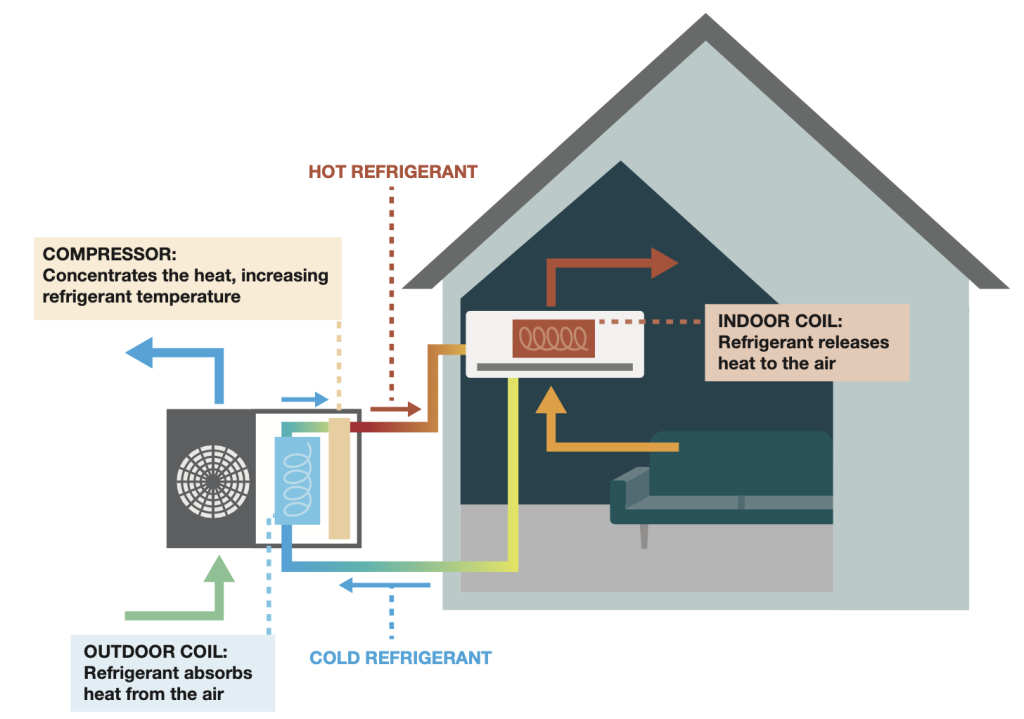
Unlike central A/C, ductless mini-splits don’t require ducts to distribute cool air. Instead, they consist of: 

  • An outdoor compressor unit, similar to a traditional system. 
  • One or more indoor air handlers, mounted on walls or ceilings in specific rooms. 
  • Refrigerant lines that connect the indoor and outdoor units. 

Each indoor unit operates independently, meaning you can control the temperature room by room rather than cooling the entire house at once. This zoned cooling makes mini-splits more energy-efficient, especially in homes where certain rooms need more cooling than others. 

Key Differences Between Mini-Split and Central A/C 

Both systems have their strengths and weaknesses. The right choice depends on your home’s structure, energy efficiency goals, and budget. 

Installation Requirements 

One of the biggest differences between these two systems is how they’re installed. 

  • Central A/C requires ductwork—which can be costly to install in homes that don’t already have it. 

For older homes without pre-existing ductwork, a mini-split is often the more cost-effective option. 

Cooling Efficiency and Energy Savings 

  • A central A/C system cools the entire house evenly but loses energy through duct leaks, which can waste up to 30% of cooled air. 
  • Mini-splits, on the other hand, only cool the areas that need it. Because each indoor unit can be controlled separately, homeowners can reduce energy waste by shutting off cooling in unoccupied rooms. 

If energy efficiency is a top priority, a mini-split system may be the better choice. 

Temperature Control and Flexibility 

  • Central air conditioning cools all rooms to the same temperature. While this is convenient, it can waste energy in rooms that aren’t frequently used.
  • Mini-splits allow for zoned cooling, meaning you can set different temperatures in different areas of your home. For example, you can keep bedrooms cooler at night while reducing cooling in unused spaces. 

This level of flexibility not only improves comfort but also helps reduce energy costs. 

Pros and Cons of Central A/C 

Advantages of Central Air Conditioning 

  • Ideal for cooling large homes with multiple rooms. 
  • Lower upfront cost if ductwork is already in place. 
  • Compatible with existing heating systems. 

Drawbacks of Central Air Conditioning 

  • Less temperature control flexibility (the entire home is cooled to the same temperature). 
  • Expensive to install in homes without ducts. 

Pros and Cons of Ductless Mini-Splits 

Advantages of Mini-Split Systems 

  • More energy-efficient than central A/C due to zoned cooling. 
  • No need for ductwork, making it a great option for older homes. 
  • Greater flexibility with independent temperature control in each room. 

Drawbacks of Mini-Split Systems  

  • Higher upfront cost, especially for multi-room setups. 
  • Wall-mounted air handlers may not appeal to all homeowners. 
  • Requires more maintenance, as each air handler has its own filter that needs cleaning.

man checking his Air Conditioning Seattle

Which One Is Right for Your Home? 

Both systems have clear benefits, but the best choice depends on your specific cooling needs. 

A Central A/C System Is Best If: 

  • Your home already has ductwork in place. 
  • You need a system that cools large spaces efficiently. 
  • You prefer one central thermostat to control the entire house. 

A Mini-Split System Is Best If: 

  • You don’t have existing ductwork and want to avoid installation costs. 
  • You want more energy-efficient cooling with the ability to control temperatures in different rooms. 
  • You need flexibility, such as cooling a new home addition, garage, or basement separately.

Can You Combine Both Systems? 

Some homeowners choose a hybrid approach, using central A/C for the main living areas and mini-splits for harder-to-cool rooms like attics, garages, or home additions. This approach can maximize comfort while keeping energy costs lower, making it a great compromise for larger homes. 

FAQs About Ductless Mini-Split and Regular A/C 

Do mini-splits work well in colder climates? 

Yes, many modern mini-split systems, especially those with heat pump capabilities, are designed to function efficiently in cold climates. Some models can continue heating even in temperatures as low as -5°F, making them a viable option for year-round climate control. 

How long does installation take for both systems? 

Mini-split installation is usually quicker and often completed within a day or two, depending on the number of indoor units. Central A/C installations can take several days, especially if ductwork needs to be added or modified. 

Which system has a longer lifespan? 

Ductless mini-splits generally last 15 to 20 years, whereas central A/C systems typically have a lifespan of 12 to 15 years. Regular maintenance, such as cleaning filters and checking refrigerant levels, can extend the longevity of either system. 
Are there rebates or incentives for installing a mini-split? 

In many areas, utility companies or government programs offer rebates for installing energy-efficient mini-split systems. Since they consume less energy than traditional central A/C units, they may qualify for state or federal tax incentives. 

Does a mini-split require more maintenance than central A/C? 

Mini-splits require more frequent filter cleaning since each indoor unit has its own filter. However, they don’t require duct cleaning, which is a common maintenance need for central A/C systems. Both systems benefit from annual professional servicing. 

Do mini-splits improve indoor air quality? 

Yes, mini-splits can improve indoor air quality because they don’t rely on ducts, which can collect dust, mold, and allergens over time. Many mini-split systems also come with advanced air filtration features to remove particles and allergens from the air. 

How do mini-splits and central A/C compare in noise levels? 

Mini-splits are generally quieter because the compressor is located outside, and the indoor units operate at low noise levels. Central A/C systems can be noisier, especially when the air handler or ductwork creates airflow noise. 

Can a mini-split be used in commercial spaces? 

Yes, mini-splits are commonly used in small offices, retail stores, and commercial spaces that need zoned cooling or where ductwork isn’t practical. Many businesses use them to control temperatures in specific areas, reducing energy costs. 

Final Thoughts: Making the Right Choice 

The best air conditioning system for your home depends on your budget, home layout, and energy efficiency goals. If whole-home cooling with an existing duct system is your priority, central A/C is a solid choice. If you want more control over individual room temperatures and better energy savings, a mini-split is worth considering. 

regular Air Conditioning Seattle

Upgrade Your Air Conditioning in Seattle with Greenwood Heating 

Looking for expert advice on the best cooling system for your home? Greenwood Heating provides professional air conditioning solutions, whether you need a new central A/C installation or an efficient ductless mini-split system. 
Schedule a consultation today and let our team help you find the perfect cooling solution!