


24 Hour Flood Response and Restoration Services

Leak Repair Seattle

Storms don’t always leave obvious destruction behind. Sometimes, the most serious issues are the ones you can’t see—like a slow leak behind a wall or moisture buildup in your attic. These subtle signs of damage can lead to mold, structural decay, or electrical hazards if not addressed early. Before repairs begin, leak detection should be your top priority. If you’re scheduling storm restoration or leak repair in Seattle, it’s important to start with a thorough inspection. 

affordable Leak Repair Seattle

Why Leak Detection Comes First 

After a storm, most people check for downed branches or broken windows. But what often goes unnoticed is the moisture silently seeping through your roof or walls. That’s why leak detection isn’t just the first step—it’s the most urgent. 

Minor Signs, Major Damage 

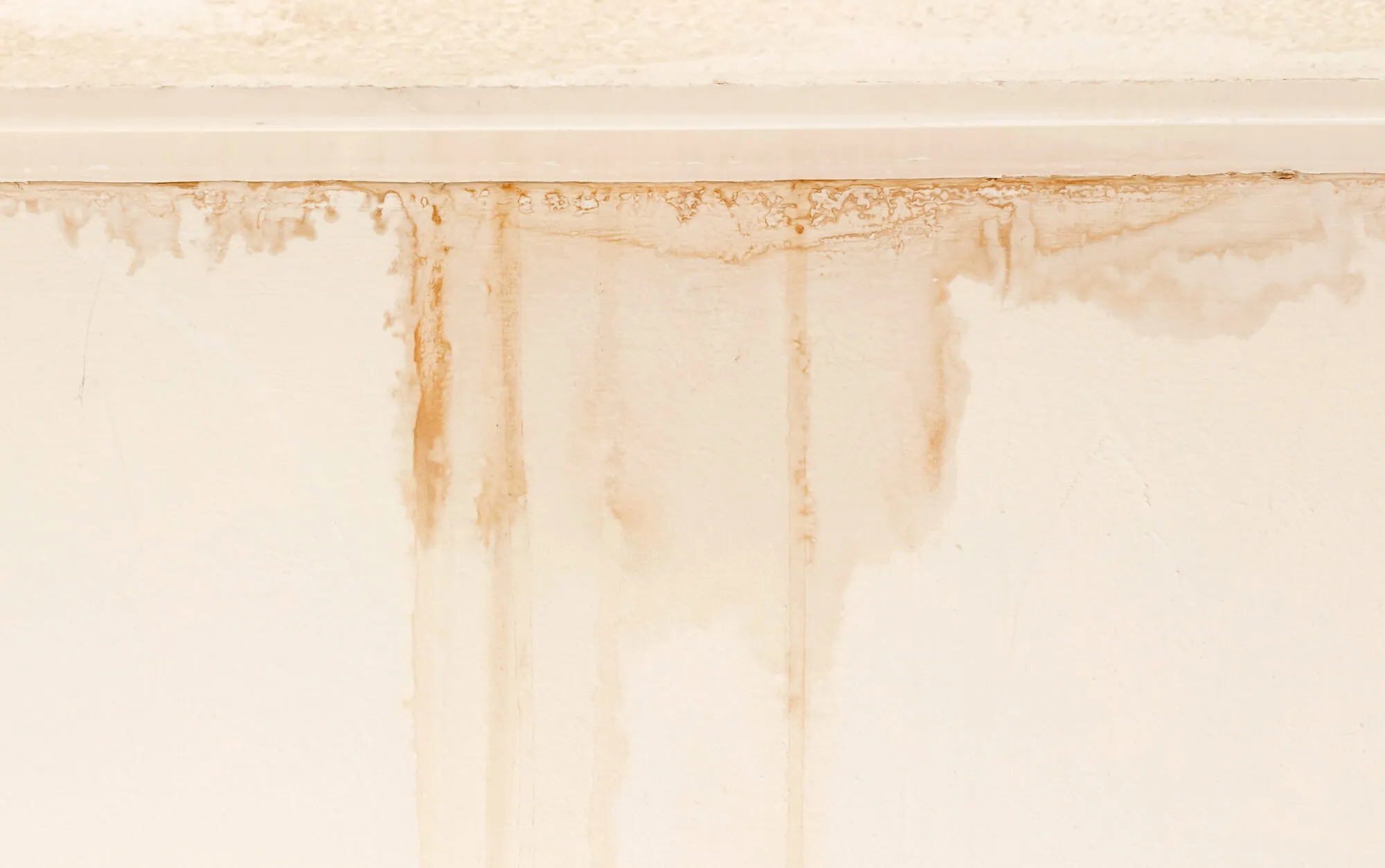
Moisture damage doesn’t announce itself with fanfare. A small crack in the ceiling or faint musty smell may seem minor—but they’re often the earliest indicators of a leak that could spiral into a costly repair if overlooked. Even slight water intrusion can create the conditions for mold, mildew, and long-term decay within just a few days. 

Hidden Risks Grow Over Time 

Leaks don’t stop at wet drywall. Water can saturate insulation, short out wiring, and rot support beams. The longer a leak sits undetected, the more destructive it becomes. What starts as a pinhole drip may lead to ceiling collapse, warped floors, or even a fire hazard if it reaches electrical systems. 

Supporting Your Insurance Claim 

Leak detection performed promptly can also protect your wallet. Most insurance providers require documented proof that storm-related damage was promptly identified and addressed. Technicians can identify and photograph water intrusion points, which helps strengthen your claim and expedite the processing time. 

Safety and Structural Integrity 

Unnoticed leaks in the attic or crawlspace can quietly erode your home’s frame. Even a small roof puncture or a gap in the flashing can allow rainwater to seep directly into your wall cavities. Leak detection helps ensure that the structural components of your home remain safe, solid, and ready for repair—before larger problems arise. 

The Complete Storm Restoration Checklist 

A strong recovery begins with a solid foundation, safety, and effective planning. Here’s a breakdown of steps every homeowner should follow after a storm. 

  1. Ensure Personal and Household Safety

  • Watch for downed power lines, gas leaks, or standing water with electrical hazards 
  • Use protective gear when entering wet or damaged spaces 
  • If in doubt, call emergency services or utilities before entering the area 
  1. Schedule Professional Leak Detection

Your first call after securing your property should be to a storm restoration team that offers leak detection services. Using thermal imaging, moisture meters, and visual inspection, professionals can identify: 

  • Roof leaks 
  • Ceiling stains or sagging drywall 
  • Wall moisture from siding breaches 
  • Window and door frame leaks 
  • Slab or crawlspace dampness

Early leak detection not only identifies damage—it also helps target repairs more accurately and avoid tearing out unnecessary sections of your home. 

  1. Secure Emergency Repairs

Once leaks are located, take steps to minimize ongoing damage. This might include: 

  • Temporary roof tarps 
  • Boarded windows or doors 
  • Dehumidifiers or fans 
  • Shut-off valves for water and power 

Emergency repairs stop moisture from spreading and prevent further degradation while you wait for more permanent solutions. 

Leak Repair Seattle after a storm

Why You Shouldn’t Skip a Leak Inspection 

Even “Dry” Homes Can Hide Damage 

Storms don’t always leave puddles. High winds can drive rain through window frames, siding seams, and roof joints. Leaks may not appear for days or weeks, as the drywall discolors or the wood flooring warps. 

Mold Grows Fast 

Mold needs just 24–48 hours of moisture to begin growing. Hidden leaks behind walls or under floorboards can allow spores to thrive unnoticed—especially in humid post-storm environments. Once established, removal is costly and disruptive. 

Delays Lead to Denied Claims 

Waiting too long to address damage can complicate insurance approvals. Leak detection performed early provides a timestamped, expert assessment showing the connection between storm activity and resulting leaks. 

Common Places Leaks Hide After a Storm 

After a major storm, water doesn’t always take the most obvious route. Even when your home looks intact from the outside, hidden leaks can develop in vulnerable areas throughout the structure. Knowing where to look can help you catch trouble early. 

Roof and Attic 

  • Missing or damaged shingles 
  • Lifted flashing or ridge caps 
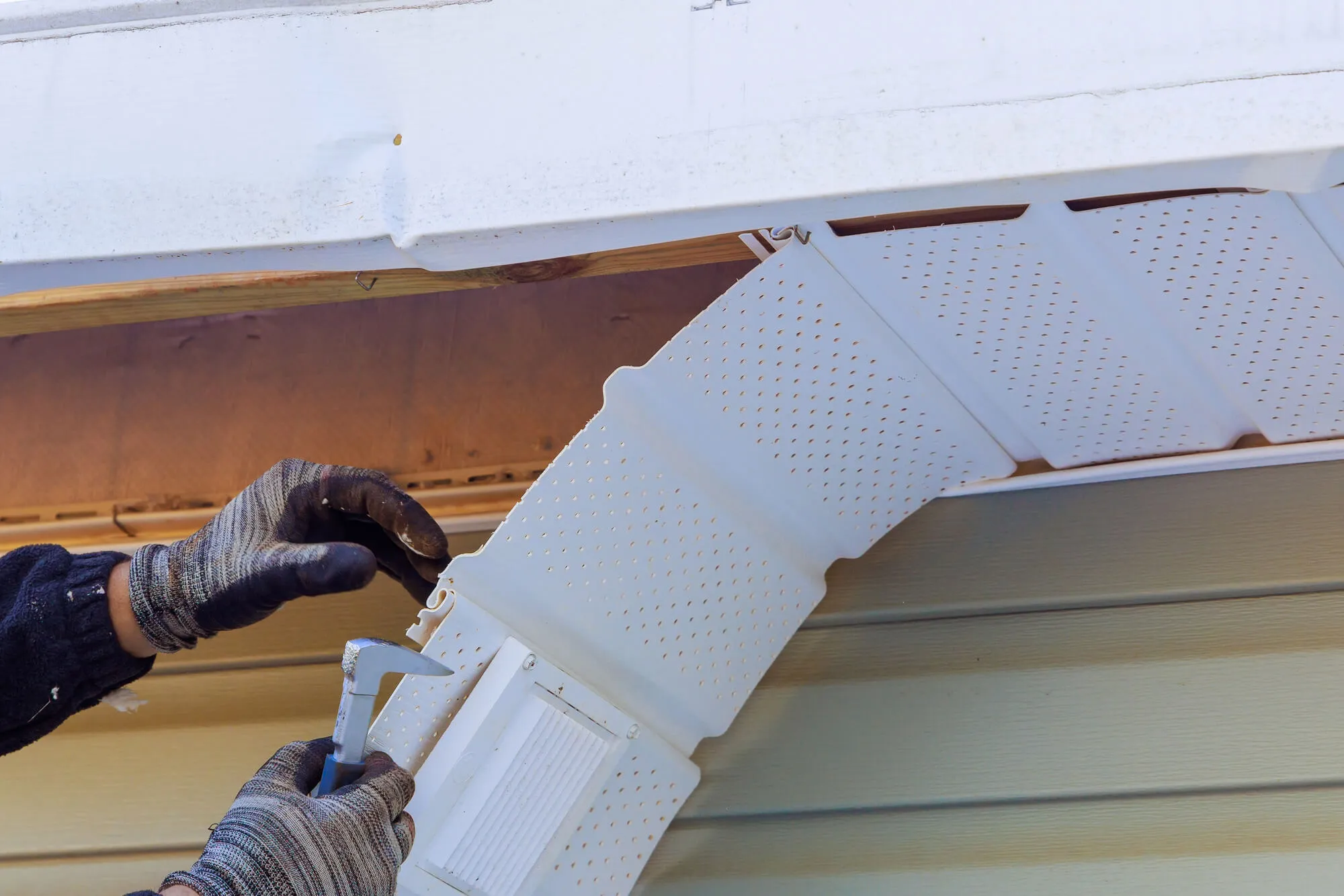
  • Gaps around soffits and vents 

Water that enters the roof may not drip directly downward—it often travels along rafters or insulation before becoming visible. 

Windows and Doors 

  • Cracked seals or deteriorated caulking 
  • Loose or warped frames 
  • Blocked or poorly sloped drainage channels 

Even small openings can allow rain to enter, collecting inside walls and soaking surrounding insulation. 

Exterior Walls and Siding 

  • Displaced panels or siding 
  • Gaps around utility pipes or vent covers 
  • Cracks in brick, stucco, or mortar joints 

These weak spots may trap moisture behind siding, leading to rot or mold. 

Basements and Crawlspaces 

  • Foundation fissures 
  • Overflowing gutters or broken downspouts 
  • Groundwater pooling near walls

These lower-level areas are particularly at risk, especially where electrical panels or sump pumps are installed. Moisture here can create both structural and safety hazards. 

DIY vs. Professional Leak Detection 

Why Experience Matters 

A wet patch on the ceiling doesn’t always mean the leak is right above it. Water follows the path of least resistance, often traveling far from its entry point before becoming visible. Trained professionals know how to accurately trace this movement. 

Equipment Makes the Difference 

Professional inspectors use moisture meters, thermal cameras, and inspection borescopes to see what’s behind your walls. Without these tools, you may miss leaks entirely—or start cutting into the wrong areas. 

Safety Comes First 

Some leaks involve more than water. If flooding reaches electrical wiring or gas systems, it may be unsafe to inspect the area without proper training and equipment. 

How Leak Detection Fits Into Larger Storm Restoration 

Targeted Repair Plans 

Leak detection helps your restoration team know exactly where to focus. Instead of full room overhauls, they may be able to remove and repair only the affected materials. 

Better Cost Control 

Early identification reduces waste and unnecessary labor. You’re less likely to face surprises behind walls once demolition begins. 

Quicker Insurance Response 

Most insurers require photo documentation and professional inspection reports. Leak detection provides both—and shows that you acted promptly to protect your home. 

Next Steps After Leak Detection 

Plan Your Repairs 

Your inspector will provide a written report detailing: 

  • Location and severity of leaks 
  • Suggested repair actions 
  • Moisture levels and photos 
  • Potential causes 

Use this report to prioritize repairs and submit it to your insurance adjuster. 

Hire the Right Contractors 

Look for contractors who are: 

  • Licensed and insured 
  • Experienced in water damage restoration 
  • Familiar with local building codes 
  • Willing to coordinate with your insurance company 

Working with reputable professionals helps ensure your home is restored properly and safely. 

Prevent Future Damage 

Once your repairs are done, ask about: 

  • Improved drainage or gutter systems 
  • Window and roof sealing upgrades 
  • Storm-resistant materials 
  • Smart leak sensors for future protection 

reliable Leak Repair Seattle

Don’t Wait—Leak Repair in Seattle Starts With Inspection 

Seattle’s weather can be unpredictable, and leaks often go unnoticed until the damage has already been done. Whether a recent storm left visible damage or just raised your concerns, early leak detection helps you protect your home, your health, and your finances. Professional inspections are the most reliable way to identify hidden issues before they escalate and become more severe. For dependable leak repair in Seattle, it all begins with a thorough look behind the walls. 

Greenwood Heating has been helping families in the Greater Seattle area recover from weather damage for over a century. Our team of licensed professionals offers complete storm damage restoration services—from expert leak detection to full-service repairs. We prioritize your safety, comfort, and long-term peace of mind.  

Schedule your storm recovery inspection today and let us help restore what matters most. 

Why Every Generator Installation Needs a Qualified Electrician

reliable Electrician seattle

Installing a backup generator is one of the most practical ways to protect your home from power outages, extreme weather, or utility disruptions—but it’s not a job for amateurs. While some homeowners may consider installing smaller generators themselves, the risks of skipping a licensed professional far outweigh the perceived savings. A qualified electrician ensures every connection, code, and configuration is safe, legal, and built to last.

If you’re planning to install a standby generator, choosing the right electrician in Seattle is just as important as selecting the right model. Professional installation helps ensure long-term reliability, home safety, and peace of mind.

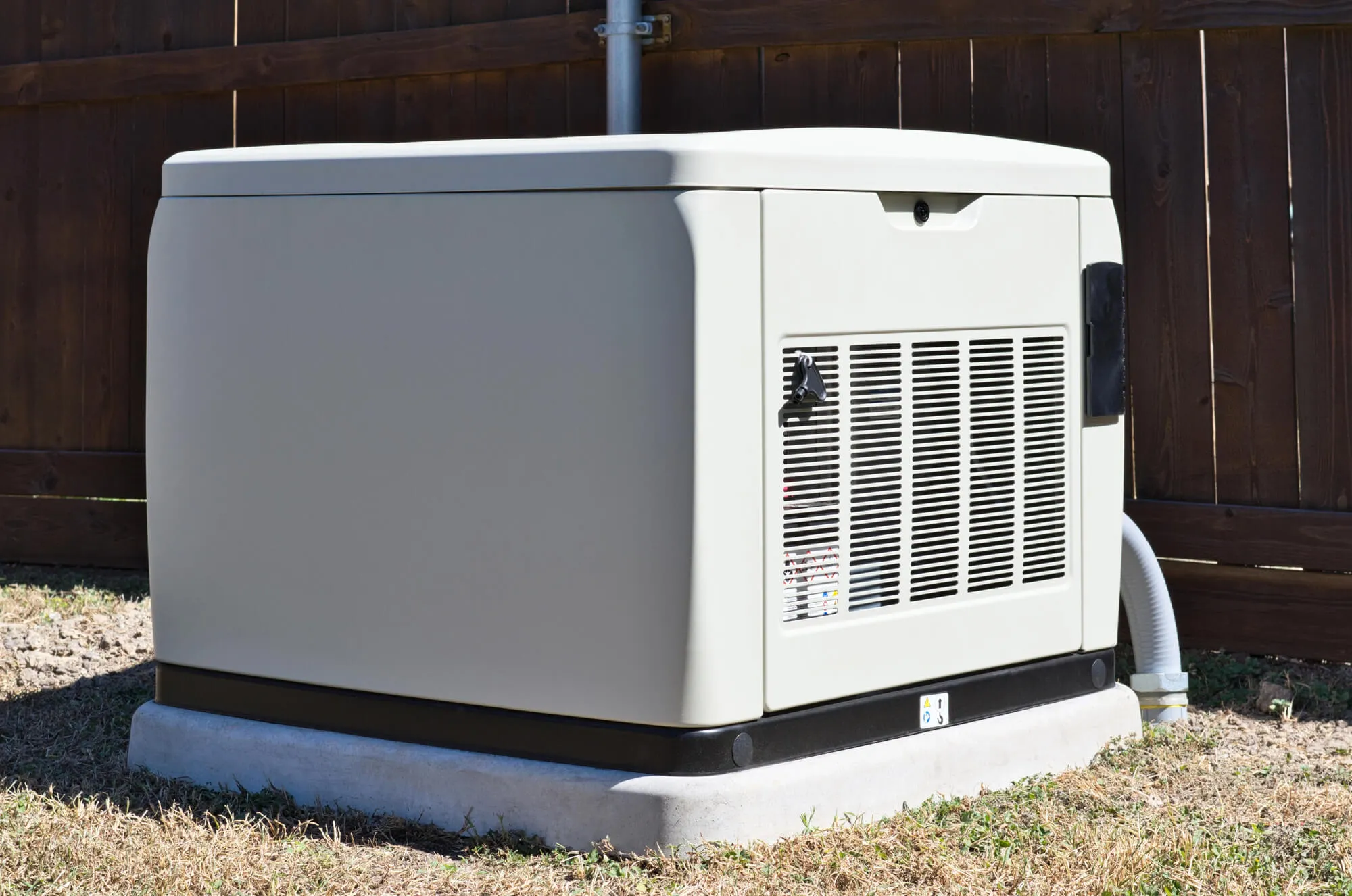
Electrician seattle working on a generator

What Makes Generator Installation So Complex?

It’s More Than Plug-and-Play

Unlike portable generators, standby systems require permanent wiring to your home’s electrical system. That means integrating the generator with your main panel, often through a transfer switch. This switch is essential—it automatically shifts power from the utility line to the generator when an outage occurs, and then back when the grid is restored.

Improper installation could backfeed electricity into power lines, creating a deadly hazard for utility workers and damaging your home’s electrical system.

Permits, Inspections, and Code Compliance

Generator installation isn’t just about wiring; it’s about following local codes, meeting permit requirements, and passing inspections. Every city or county has rules in place to protect public safety, and licensed electricians are well-versed in these regulations.

Unpermitted or noncompliant installations can result in fines, denied insurance claims, or forced removal. A qualified electrician handles the permitting process, works within local standards, and ensures your setup is inspected and approved the first time around.

Power Load Calculations Require Precision

Not all generators are sized the same. A licensed electrician knows how to calculate your home’s electrical load needs and recommend a generator that won’t be overworked or underpowered. Too small, and it may fail during peak demand. Too large, and you’ll overspend on capacity you don’t use.

Proper load balancing also helps protect sensitive appliances, such as refrigerators, computers, or HVAC systems, from voltage fluctuations and short circuits.

Why a Licensed Electrician Is Non-Negotiable

Proper Wiring and Transfer Switch Installation

One of the most critical components of any standby generator system is the transfer switch. A professional electrician ensures this is installed correctly, preventing dangerous backfeeds and keeping your home’s electrical system isolated from the utility line during an outage.

Licensed electricians also verify grounding, bonding, and proper wire sizing—ensuring safety and efficiency from day one.

Gas and Electrical Coordination

Many standby generators are powered by natural gas or propane, requiring coordination between gas lines and electrical components. While the gas hookup may be handled by a plumber or gas technician, the integration with your home’s panel must be done by an electrician trained to manage multiple power sources safely.

In many cases, this collaboration is scheduled and managed by your installation team—another benefit of choosing a full-service provider.

Weatherproofing and Site Considerations

Electricians consider exposure, clearance, and drainage when determining the optimal location for installing the generator. Generators must be installed on level surfaces, away from vents or windows, and positioned to meet both electrical and fire codes.

A DIY approach may overlook these factors, increasing the risk of damage, flooding, or code violations.

electrician in Seattle at work

Common Generator Installation Mistakes—And How Pros Avoid Them

Mistake: Skipping the Transfer Switch

The transfer switch is not optional—it’s an essential safety mechanism. Without it, a running generator can backfeed electricity into the public grid, putting utility workers and your home’s electrical system at risk. This kind of error can lead to electrocution, equipment damage, and legal liabilities. Licensed electricians always include an automatic or manual transfer switch based on your system’s needs. It’s the only safe way to manage power transitions.

Mistake: Undersizing the Generator

Many homeowners underestimate the amount of power they actually use. A generator that’s too small can overload during peak usage, causing it to shut down or damage appliances. Professionals conduct a detailed load analysis, factoring in the number of circuits, appliance wattages, and whether you want whole-house or essential-only coverage. They match you with a model that meets your energy needs without overspending on excess capacity.

Mistake: Faulty Grounding

Proper grounding is critical for performance and safety. Incorrect or missing grounding increases the risk of surges, shocks, and even fires. Licensed electricians follow NEC standards for grounding and bonding, ensuring stable operation and long-term reliability.

Protecting Your Home, Appliances, and Family

Reliable Power When You Need It

Your generator should work instantly and seamlessly during a blackout. Professional installation ensures your generator powers up on cue and supports your home without interruption.

Safe for Utility Workers and Your Home

Backfeeding is one of the most dangerous generator-related mistakes. Licensed electricians install transfer switches and interlocks that eliminate this risk, protecting everyone on the line.

Cleaner Installations with Less Noise and Vibration

Professionally installed systems are quieter, more stable, and less intrusive. Placement, insulation, and vibration-dampening features are optimized—things that DIY setups rarely consider.

Why Licensing and Certification Matter

Trained, Tested, and Monitored

Licensed electricians undergo years of training, pass state exams, and continue to stay up to date on code changes. Certification ensures they’ve been evaluated for skill, ethics, and safety standards.

Hiring someone unlicensed may save a few dollars—but could cost thousands in fines, rework, or electrical damage.

Insured and Bonded

Professionals are insured to protect you and your property in case of accident, injury, or defective workmanship. If something goes wrong, you’re covered.

Choosing the Right Electrician for the Job

Look for Residential Generator Experience

Not all electricians specialize in generator installations. Choose someone with specific experience installing standby systems from major brands.

Ask About Permits and Inspections

A qualified installer will handle the permitting process and walk you through what to expect during inspections. If they tell you permits aren’t needed—it’s a red flag.

Read Reviews and Compare Warranties

Choose a provider with a strong reputation, clear communication, and warranty support. A reputable electrician will guarantee their work and help troubleshoot long after the install is complete.

Generator Maintenance Starts with the Right Setup

An Ongoing Relationship

Working with a licensed electrician often includes maintenance plans, tune-ups, and priority support in case of outage. Establishing a relationship with a professional installer means you won’t be scrambling during an emergency.

Safer Upgrades in the Future

If you ever want to expand your system, upgrade your panel, or add smart monitoring, starting with a clean and code-compliant install makes the process easier and more affordable later on.

Can You Legally Install a Generator Yourself?

In most areas, installing a standby generator without a licensed electrician is not permitted. Even if you’re handy with wiring, working with your main panel and connecting it to a fuel source without proper licensing is unsafe and illegal.

Homeowner installations also risk voiding manufacturer warranties. Most brands require installation by certified technicians for warranty coverage.

If safety, legality, and performance matter to you—it’s best to leave it to the pros.

Electrician seattle installs generator

Work with an Electrician in Seattle Who Knows Generators Inside and Out

Choosing a backup generator is a smart step but it only works as well as it’s installed. A qualified electrician ensures your system is reliable, compliant, and built to perform for years.

Whether you’re protecting your home from outages or planning for future peace of mind, our team is here to help. Greenwood Heating has served local homeowners for more than 100 years. Our licensed electricians, HVAC specialists, and customer service team make generator installation easy, stress-free, and done right the first time.

Trust Greenwood Heating to deliver safe, code-compliant generator installations with service you can count on year-round.

Book your generator consultation today and power your home the right way—from the ground up.

How to Extend the Life of Your HVAC System with Regular Care

affordable-HVAC-King-County-maintenance

If your HVAC system could talk, it might sound like a tired workhorse begging for a break. Heating and cooling systems don’t last forever, but many fail years earlier than expected simply because they aren’t given the attention they need. Regular tune-ups, filter changes, and system checks can help you avoid the hassle of emergency repairs and save thousands in early replacements.  

For homeowners relying on HVAC in King County, maintenance isn’t just a suggestion; it’s a necessity. Local weather patterns, humidity fluctuations, and daily use all contribute to stress on your system. The good news? A little care goes a long way. 

couple-having-problems-with-HVAC-King-County

What Does HVAC Maintenance Actually Involve? 

Routine HVAC maintenance isn’t just about keeping things clean; it’s about catching small issues before they turn into expensive repairs or system failures. A well-maintained system is more efficient, more reliable, and better at maintaining your home’s comfort throughout the year. 

Filter Changes Matter More Than You Think 

Clogged air filters are the leading cause of avoidable HVAC issues. When dust, pet hair, and pollen block airflow, your system works harder to circulate air. That extra strain not only drives up energy bills but also wears down critical components, such as the blower motor.  

Depending on your household, including the presence of pets, allergies, or smokers, filters should be changed every 1 to 3 months. High-efficiency filters may need even more frequent replacement. This is a simple step with major benefits. 

Coil Cleaning Keeps Heat Transfer Efficient 

Your HVAC system has two types of coils—evaporator coils inside and condenser coils outside. Both are responsible for heat transfer. Over time, they collect dust, pollen, and grime, especially during high-use seasons.   

Dirty coils can’t absorb or release heat efficiently, which leads to longer cycles, inconsistent temperatures, and higher energy use. During professional maintenance, technicians clean the coils and check for corrosion or wear that could lead to refrigerant leaks. 

Thermostat Checks and Calibration 

Your thermostat controls when your HVAC system turns on and off, so if it’s misreading the room’s temperature by even a few degrees, it could lead to overcooling or overheating.  

Maintenance visits include checking the thermostat’s accuracy, wiring, and settings to ensure optimal performance. Sometimes, a small adjustment is all it takes to get better performance and comfort. For older thermostats, upgrading to a programmable or smart model may also be recommended. 

Duct Inspections and Airflow Testing 

Up to 30% of conditioned air can be lost through leaks, gaps, or disconnected ducts—especially in attics or crawl spaces. Maintenance technicians will inspect ducts for visible damage, check airflow in each room, and identify areas where insulation or sealing can improve performance. Balanced airflow maintains the ideal temperature in every room and helps minimize energy waste. 

Seasonal Tune-Ups: When and Why to Schedule Them 

Spring and Fall Are Prime Times 

Preventive maintenance is most effective when your system is not in high use. Spring is ideal for checking the cooling system, while fall is perfect for prepping your furnace or heat pump. Seasonal tune-ups can include: 

  • Checking refrigerant levels 
  • Inspecting electrical components 
  • Lubricating moving parts 
  • Tightening connections 
  • Testing overall system performance 

Prevent Breakdowns in Extreme Weather 

The last thing anyone wants is a failing AC in August or a furnace hiccup during a winter storm. Regular checkups reduce the chance of surprise breakdowns when you need your system the most. 

While professional maintenance plays a key role in system performance, the habits you maintain throughout the year matter just as much. Daily and seasonal routines help prevent stress on your HVAC system and help it last longer. 

Keep Your Outdoor Unit Clear 

Your outdoor condenser unit requires sufficient space to operate properly. When it’s surrounded by leaves, tall grass, snow, or yard tools, airflow becomes restricted. This forces your system to work harder, which increases wear and reduces efficiency.  

Always maintain at least two feet of clearance on all sides. If you’re trimming shrubs or mowing the lawn, take a moment to check the area around the unit and clear any debris. 

Program Your Thermostat Wisely 

Constantly raising or lowering the thermostat creates inconsistent demand on your HVAC system. Instead, use a programmable or smart thermostat to maintain steady indoor temperatures based on your schedule. These devices minimize unnecessary system cycling, which lowers energy use and prolongs the life of your equipment. 

Seal Your Home Properly  

A drafty home is one of the fastest ways to overwork your HVAC. Air leaks around windows, doors, and ducts force your system to run longer to compensate for the loss. Weatherstripping, caulking, and upgrading insulation in key areas, such as attics and basements, help retain conditioned air and ease the load on your system. 

Don’t Ignore Odd Noises or Odors 

Banging, screeching, or a musty smell isn’t normal. These could point to loose components, electrical issues, or microbial growth. Ignoring these early warning signs often leads to more expensive repairs down the line. 

Benefits Beyond the Basics 

Energy Savings 

A well-maintained system runs more efficiently, using less energy to maintain a comfortable home. That means smaller utility bills month after month. 

Healthier Indoor Air Quality 

Dirty systems circulate dust, allergens, and even mold spores. Clean filters, ducts, and coils contribute to better air quality—and fewer sniffles at home. 

Longer Equipment Lifespan 

Systems that receive regular maintenance can last up to 15 years or more. Skipping care shortens that window considerably and puts pressure on your wallet. 

Fewer Emergency Repairs 

Routine inspections catch small issues before they become expensive ones. Why wait for your AC to quit on the hottest day of the year? 

HVAC Upkeep: DIY Tasks vs Professional Visits 

What Homeowners Can Handle 

  • Replacing air filters regularly 
  • Keeping outdoor units clean 
  • Checking thermostat batteries 
  • Noting performance changes (like slow cooling or uneven airflow) 

What Professionals Should Handle 

  • Electrical diagnostics 
  • Internal component cleaning 
  • Full system tune-ups and safety checks 

Your technician doesn’t just look for current issues, they also review your system’s overall performance, catching early signs of wear and inefficiency. 

How Often Should You Service Your HVAC System? 

General Rule: Twice a Year 

Schedule HVAC service once in the spring and again in the fall. These biannual visits are timed to prepare your system for heavier usage. 

High-Use Households May Need More 

If you have pets, multiple residents, or live in an area with extreme temperatures, more frequent maintenance (like monthly filter checks) may be necessary. 

Common Misconceptions About HVAC Maintenance 

“It’s Running Fine—I Don’t Need Service” 

This is like saying you don’t need an oil change because your car hasn’t broken down. Just because it’s working doesn’t mean it’s working well. 

“New Systems Don’t Need Maintenance” 

Even new HVAC systems require checkups to maintain warranty coverage and prevent early wear. Skipping early maintenance can reduce system efficiency over time. 

“Maintenance Is Too Expensive” 

Routine service is cheaper than replacing a compressor or dealing with a full breakdown. It’s an investment in long-term savings and home comfort. 

Signs You Might Be Overdue for Maintenance 

  • Rooms feel stuffy or unevenly heated/cooled 
  • Energy bills keep climbing 
  • You hear rattling, buzzing, or clanking sounds 
  • The system has short cycles (turns on/off frequently) 
  • There’s more dust around vents than usual 
  • Strange smells from the vents 

These subtle cues often mean your system is straining—something a maintenance visit can often correct quickly. 

affordable-HVAC-King-County-maintenance

Ready to Protect Your HVAC in King County? 

Your HVAC system is one of the biggest investments in your home. With the right care, it can deliver comfort, savings, and reliability for years to come. 

Whether you’re due for a tune-up or want to establish a regular maintenance plan, Greenwood Heating is ready to assist you. We’ll make HVAC care easy to manage and even easier to trust—so you can breathe easy no matter the season. 

Schedule your HVAC service today and feel the difference that professional care makes. 

Can I Install a Generator Myself? Pros and Cons of DIY vs Professional Installation

successful Seattle Generator Installation

Installing a home generator sounds straightforward until you realize just how many moving parts are involved. From permitting and fuel lines to electrical loads and safety codes, it’s more than just placing a box on a concrete slab. Still, many homeowners are tempted by the idea of a DIY install to save money or feel more hands-on. But is it really a good idea? 

If you’re weighing your options for Seattle generator installation, here’s what you should know before picking up a wrench. 

affordable Seattle Generator Installation

DIY Generator Installation: What to Expect 

The Appeal of Doing It Yourself 

Many homeowners, especially those comfortable with tools and weekend projects, wonder whether they can install a generator on their own. The appeal often boils down to three things: 

  • Saving on labor costs
  • Having full control over the installation
  • Gaining personal satisfaction from completing a major upgrade

For small, portable generators, the DIY route is generally safe and manageable. These are typically plug-and-play models used during temporary outages and don’t require hardwiring or fuel-line connections. 

However, for standby generators that power your entire home, things get more complicated—and risky. 

The Complexity Behind Installation 

Installing a whole-house generator isn’t just about placing it next to your home and plugging it in. It’s a layered process that involves: 

  • Electrical work – Tying the generator into your home’s main panel with an automatic transfer switch. 
  • Fuel setup – Connecting the generator to a natural gas or propane line, both of which require precise handling. 
  • Site prep and ventilation – Ensuring proper clearance from windows, doors, and vents, and confirming safe exhaust pathways. 
  • Permits and inspections – Coordinating with your city or county to meet all legal requirements. 

Each of these steps must follow local codes and safety standards. A mistake in any area can cause serious problems—not just operational, but also legal and financial. 

Risks of DIY Installation 

Safety Hazards 

Improper generator installation can lead to: 

  • Backfeeding – Electricity flowing back into utility lines, which endangers workers during an outage. 
  • Fire hazards – Faulty wiring, loose fuel connections, or overheating components could ignite nearby materials. 

These risks go far beyond a blown fuse—they can damage your home or endanger your family. 

Warranty and Insurance Problems 

Most generator manufacturers state clearly in their warranty documents that professional installation is required. Failing to follow this can void the warranty. Also, homeowner’s insurance may deny claims if a DIY-installed generator causes damage or injury, especially if permits and inspections were skipped. 

Code Violations in Seattle 

Seattle and the surrounding areas require permits, inspections, and licensed professionals for gas and electrical work. A DIY installation that bypasses these steps could result in: 

  • Fines 
  • Mandatory removal of the system 
  • Difficulty reselling the home due to unpermitted work 

Why Professional Installation Makes Sense 

Licensed Electricians and Plumbers 

Generator installation isn’t a handyman job—it requires licensed professionals with the right credentials. A professional team includes electricians and plumbers who are trained to: 

  • Pull the correct permits based on local building codes 
  • Follow National Electrical Code (NEC) requirements 
  • Accurately size and wire an automatic transfer switch 
  • Safely connect gas lines to natural gas or propane sources 

This type of work must comply with city or county codes and pass inspection. Getting it wrong could lead to operational issues—or worse, safety hazards. With a licensed team, you gain peace of mind that the work is legal, safe, and built to last. 

Site Assessment and Load Calculation 

Not every home has the same energy demands. One of the first things a professional installer will do is evaluate your home’s power load, including both peak and baseline needs. This includes assessing: 

  • Kitchen appliances 
  • Medical devices 
  • Lighting and outlets 

They’ll recommend a generator that matches your usage, neither over- nor under sizing. This prevents system overloads and wasted energy, ensuring a more efficient setup. 

They’ll also select an installation site that complies with ventilation requirements, setback distances, and accessibility for maintenance. 

Time and Convenience 

DIY generator installations can stretch out for weeks—especially if you’re juggling it on weekends or waiting on inspections. In contrast, professional crews can often complete the entire job in one to two days. They are familiar with the process, have the necessary tools ready, and can efficiently coordinate permit approvals, delivery, and inspections. 

Ongoing Support 

One often-overlooked benefit of professional installation is the long-term service and accountability it provides. Reputable installers don’t just walk away after the system is running.  

Many offer: 

  • System testing and walkthroughs, so you know how to use the generator 
  • Automated maintenance reminders or annual service plans 
  • Help coordinate with the manufacturer if warranty claims arise 

You’re not left wondering who to call if something goes wrong. 

requires Seattle Generator Installation

What Does a Professional Installation Include? 

Site Preparation 

Installers grade and level the chosen area. If needed, they’ll pour a concrete pad or prepare a composite base to ensure the unit stays secure and dry. 

Delivery and Placement 

The installer handles generator delivery, placement, and secures the unit in accordance with Seattle’s code requirements. 

Electrical and Gas Hookups 

Licensed technicians make all necessary connections to your home’s breaker panel and gas supply, checking for leaks and proper load balancing. 

Transfer Switch Installation 

The transfer switch ensures your generator activates safely during an outage, without endangering utility crews. 

Testing and Inspection 

Once installed, the system is tested under load and prepared for any required inspections by local authorities. 

What If You Already Bought a Generator? 

If you’ve already purchased a unit online or from a big box store, you can still hire a professional for installation. In fact, many reputable installers will work with customer-supplied equipment, provided it meets safety and capacity standards. 

FAQs: Common DIY Questions 

Can I Connect a Generator to My Home Without a Transfer Switch? 

Not safely. A transfer switch prevents electricity from traveling back into the grid, protecting utility workers and your neighbors. It’s a code requirement for whole-home systems and one of the most important safety components in any installation. Without it, you risk damaging appliances, endangering lives, and facing steep fines for code violations. 

Is It Legal to Install a Generator Yourself? 

In most areas, you must be licensed to work on gas lines or modify the main electrical panel. Permits are also mandatory, and local inspectors may require proof of professional installation before approving the system. Failing to follow these steps can result in fines or the forced removal of the unit. Always check local regulations before starting. 

Will I Save Money by Doing It Myself? 

You may save on upfront labor costs, but you risk incurring higher expenses for repairs, fines, or damage. If something goes wrong, the out-of-pocket cost can far exceed the price of hiring a professional installer. 

How Long Does Professional Installation Take?

Most whole-home systems can be installed by a professional team in one to two days, depending on site prep, permits, and inspections. This is significantly faster than most DIY attempts, which can take weeks. 

Does Professional Installation Affect My Warranty?

Yes. Most manufacturers require licensed installation to maintain the warranty’s validity. Skipping professional work could void coverage and leave you responsible for costly repairs or replacements later. 

reliable Seattle Generator Installation

Choose Professional Seattle Generator Installation Today!  

Generator installation is an investment in your home’s safety and comfort. While the DIY route may seem tempting, it’s often more stressful and risky than it’s worth. Seattle Generator Installation is best left to experienced professionals who understand local codes, safety standards, and system performance. 

At Greenwood Heating, we believe in reliable solutions backed by skilled workmanship. Whether you’re upgrading your current setup or starting from scratch, our licensed technicians are here to ensure your home stays powered through any outage. From site planning to final inspection, we handle everything—so you can focus on what matters most. 

Schedule your generator consultation today and experience comfort without compromise. 

Now Offering Heat Pump Upgrade Rebate To Duvall Residents

Enhanced Home Comfort with up to $8,000 in Heat Pump Incentives

If you’re a Duvall* area resident with natural gas heating, you may be eligible for our heat pump program that offers up to $8,000 in incentives to help local families upgrade their home comfort systems by switching to an efficient electric heat pump system. Heat pumps provide consistent, even temperatures throughout your home without the hot and cold spots common with other systems. They also filter and circulate air continuously, reducing dust and allergens. And unlike window AC units, they operate quietly both indoors and outdoors.

Learn more about the cost and energy savings heat pumps provide.

Whether you’re interested in reducing your environmental impact, adding air conditioning to your home, or taking advantage of substantial incentives, now is the time to take advantage of this limited-time opportunity for Duvall area residents.

*Must be a Duvall area resident within specific neighborhoods of zip codes 98014 or 98019 – address verification by PSE is required. Your current primary heating system must be natural gas. This includes natural gas forced-air furnaces, wall heaters, and boilers.

What you get
Get an $8,000 rebate when you replace your existing natural gas heating system with an energy-efficient electric heat pump system.

View Details Here

Why Electric Heat Pumps Matter 

Heat pumps offer efficient, economical, and environmentally friendly home temperatures year-round by providing both heating and cooling in a single system. PSE is helping local customers upgrade their home heating and cooling systems by switching to an efficient electric heat pump.

Benefits of Upgrading

Year-round comfort: You’ll get both efficient heating and cooling in a single system, plus quieter operation than traditional heating systems.
It’s affordable and efficient technology: Cut electricity use by up to 50% compared to electric furnaces and baseboard heaters, along with superior cooling compared to window and central AC units.
Improved air quality: Heat pumps not only operate efficiently with a light carbon footprint, but also filter and dehumidify air.
They’re convenient and customizable: Most models can be controlled by remote, mobile app, or smart thermostat.

Do You Qualify?

Customer requirements

You must be a current, PSE single-family residential natural gas or dual fuel (natural gas and electric) customer. Single-family new construction, multifamily (five or more attached units) and commercial accounts are not eligible.
Your current primary heating system* must be fueled with PSE natural gas. This includes: natural gas furnace and natural gas boiler
Customers with existing heat pumps, or have installed a new heat pump as air-conditioning only are not eligible.
*Unsure if natural gas is your primary heating system? Contact one of our Energy Advisors.

Equipment requirements

Your new heat pump must be AHRI Certified®.
Must install to comply with all federal, state, and local code requirements.
Previous natural gas equipment is removed or decommissioned (cut and cap is allowed) after installation of electric heat pump system.
All existing furnace equipment, including the furnace unit itself, must be physically removed from the property.

Learn More On The Puget Sound Energy Website 

Protect Your Comfort and Budget with Professional Heat Repair in Seattle 

Seattle homeowners know how valuable a reliable heating system is during damp winters. The difference between a minor repair and a costly replacement often comes down to timing. By acting quickly on small signs—uneven heating, strange noises, rising bills—you protect your home, wallet, and peace of mind. 

At Greenwood Heating & Home Services, we believe every family deserves dependable comfort without surprise expenses. For over 100 years, we’ve helped Seattle homeowners stay warm with trusted repairs and proactive care. If you’ve noticed small issues with your system, don’t wait until they become big problems. Contact our team today for professional heating repair in Seattle and experience service built on reliability, respect, and lasting value. 


Tankless vs Traditional Water Heater Maintenance Explained

professional Water Heater Seattle maintenance

You hop in the shower expecting hot water—but get a freezing surprise instead. Whether you rely on a standard tank or a tankless system, this kind of disruption is often preventable. Many homeowners assume that their water heater will run smoothly for years without a second thought. But over time, even the most reliable system needs upkeep. If you have a water heater in Seattle, understanding the differences in how each type is maintained could save you from cold showers, rising energy bills, and costly repairs.

needs Water Heater Seattle

Why Maintenance Matters for Any Water Heater

Whether you have a traditional tank-style unit or a tankless system, regular maintenance is essential to keep your water heater running smoothly. Over time, both types of systems face wear and tear, and without periodic tune-ups, you’re more likely to experience inconsistent water temperatures, reduced efficiency, or even early replacement costs.
What Is a Tankless Water Heater?

Tankless systems heat water only as needed, offering better energy efficiency and endless hot water. Their compact design makes them a popular choice for homeowners who want to save on space and utility bills. However, because they activate every time you use hot water, internal components can experience scale buildup especially in areas with hard water. Annual flushing and descaling help prevent blockages and keep flow sensors, burners, and heat exchangers working properly.

What Is a Traditional Water Heater?

Traditional systems store a set amount of hot water in a large tank. They’re more common in homes with higher daily water usage and tend to have a lower upfront cost. But because they constantly heat water to maintain temperature, sediment from minerals in the water can settle at the bottom of the tank. This buildup creates insulation between the heating element and the water, leading to inefficiency and added strain on the system. Regular flushing clears out sediment and helps maintain heating performance.

In both cases, timely maintenance improves performance, extends lifespan, and helps you avoid costly surprises.

Maintenance Needs: Tankless vs Traditional

The type of water heater in your home—tankless or traditional—will shape how and when maintenance should be done. Each system works differently, and understanding their unique needs can help prevent issues before they interrupt your hot water supply.

Tankless Water Heater Maintenance

1. Annual Descaling

Hard water contains minerals like calcium and magnesium that leave behind scale inside the unit’s heat exchanger. Without regular flushing, this buildup can restrict water flow, reduce heating efficiency, and over time, damage internal components. An annual descaling with a proper solution keeps the system clear and working as intended—especially important in areas with hard water.

2. Filter Cleaning

Many tankless systems come with inlet water filters that catch sediment and debris before they enter the unit. If ignored, clogged filters can reduce water pressure or trigger system errors. These filters are typically easy to access and clean, but they should be inspected regularly—especially if your home relies on a well or has older plumbing.

3. Venting System Inspection

Tankless heaters often use high-efficiency sealed vent systems to expel exhaust gases. These should be checked yearly for blockages, corrosion, or loose connections. A compromised vent not only affects performance but can also pose safety concerns due to improper gas ventilation.

4. Error Code Diagnostics

Modern tankless models include digital panels that store error codes. A trained technician can use this data during a tune-up to spot patterns and catch minor issues before they become major repairs.

Water Heater Seattle

Traditional Water Heater Maintenance

1. Flushing the Tank

Sediment settles at the bottom of tank-style heaters over time. This layer of buildup makes the heater work harder to do the same job, raising energy use and straining the unit. Regular flushing—ideally once a year—removes this gunk, helping the system last longer and heat more efficiently.

2. Anode Rod Inspection

Inside every traditional water heater is a metal rod (usually magnesium or aluminum) called the anode rod. Its job is to attract corrosive elements in the water and protect the tank’s interior lining. If the rod becomes too corroded, it can’t do its job. Replacing it every 3–5 years can delay tank failure and help avoid leaks or rust.

3. Temperature and Pressure (T&P) Valve Testing

The T&P valve is a critical safety feature that prevents the tank from over-pressurizing or overheating. If it fails, the results can be severe. During maintenance, technicians test this valve to make sure it opens and closes properly and isn’t blocked by mineral buildup.

4. Thermostat Calibration

A misadjusted thermostat can lead to water that’s too hot, wasting energy and posing scalding risks. Technicians will verify the thermostat settings and check that the heating element responds correctly. In some cases, thermostat malfunctions can also affect overall system performance and cycling.

How Maintenance Affects Lifespan and Efficiency

A water heater works hard year-round, especially during colder months. Regular tune-ups can:

  • Extend lifespan: Well-maintained systems can last years longer than neglected ones.
  • Improve energy efficiency: Removing sediment or scaling helps the unit heat water with less effort.
  • Lower monthly bills: Efficient heaters use less power or gas.
  • Prevent costly repairs: Catching small issues early keeps repair bills in check.

Water Quality and Its Impact on Maintenance

Seattle’s water is considered soft to moderately hard, but that doesn’t eliminate the risk of scale buildup. Homes with older pipes or well water may experience more mineral deposits, increasing the need for frequent descaling or flushing.

Common Maintenance Myths

It’s easy to assume that water heaters are “set-and-forget” appliances—until something goes wrong. These common myths often lead to overlooked maintenance and avoidable repairs:

  • Myth 1: Tankless systems don’t need maintenance
    Tankless heaters might seem low-maintenance, but they’re not maintenance-free. Mineral buildup can clog the heat exchanger, and filters can collect debris. Regular descaling and inspection are essential to keeping these systems running efficiently.
  • Myth 2: New water heaters don’t need service for years
    Even brand-new units benefit from early maintenance. Starting a regular service schedule from the beginning helps spot potential issues early and maintain peak performance.
  • Myth 3: Flushing the tank once is enough
    One-time flushing isn’t a long-term fix. Sediment forms continuously in traditional tanks, especially in areas with hard water. Annual flushing prevents buildup and extends the life of the tank.
  • Myth 4: DIY maintenance is always safe
    Some minor checks can be done at home, but more complex tasks—like testing gas valves or inspecting electrical connections—are better left to professionals.

Understanding these myths helps you approach maintenance with realistic expectations—and make smarter choices for your home.

Cost of Maintenance vs Cost of Repairs

Skipping maintenance can lead to:

  • Water heater failure
  • Higher monthly bills
  • Costly emergency service calls
  • Water damage from leaks

The average maintenance visit is affordable compared to replacing a burned-out heat exchanger or a corroded tank. In many cases, an annual visit pays for itself in energy savings.

Signs Your Water Heater Needs Service

Whether tankless or traditional, keep an eye out for:

  • Fluctuating water temperature
  • Reduced water pressure
  • Rumbling or banging noises
  • Discolored water
  • Error codes (tankless)
  • Higher-than-normal energy bills

If you notice any of these, it’s time to schedule a check-up.

Water Heater Seattle repair

Does Your Water Heater in Seattle Need Maintenance?

Both tankless and traditional water heaters benefit from annual professional service. While their components differ, the goal is the same: keep your system working efficiently and safely.

If your household has higher-than-average water usage or you notice water quality issues, more frequent tune-ups may be worthwhile.

At Greenwood Heating, we know how much you rely on your water heater in Seattle. Whether you have a tankless model or a traditional unit, our licensed technicians will tailor your maintenance to suit your system and your home. We’ll inspect, clean, and tune up your unit so you can enjoy reliable hot water every day.

Our team has served local homeowners for over 100 years, with same-day service, honest pricing, and care that puts your comfort first.

Contact Greenwood Heating today to schedule your water heater maintenance. Your comfort is our priority.

How Small Heating Problems Become Big (and Expensive) Repairs

reliable Heating Repair Seattle

Homeowners often shrug off small heating problems. A furnace that rattles occasionally, a heater that takes longer to warm up, or a thermostat that seems slightly off doesn’t always feel urgent. Yet, these minor inconveniences can snowball into costly system failures in Seattle’s damp and chilly winters. Heating repair in Seattle isn’t just about restoring comfort; it’s about protecting your home from unnecessary expenses and safety risks. Understanding how little issues escalate can help you avoid a major breakdown at the worst possible time. 

affordable Heating Repair Seattle

Why Small Heating Problems Matter 

Heating systems are designed to work in harmony. When one part falters, the stress on other components increases, creating a chain reaction. If ignored, what starts as a faint sound, a small leak, or a short cycle can end in a major repair or full replacement. Below are some common problems that may initially look small but turn expensive over time. 

Uneven Heating Across Rooms 

Many homeowners notice one room that feels colder than the rest. This uneven heating often points to restricted airflow, duct leaks, or a struggling blower motor. At first, it may be an inconvenience you can live with. Over time, however, the system works harder to balance temperatures. That extra strain shortens equipment life and inflates energy bills. Professional service early on usually requires minor adjustments, while waiting too long can mean replacing costly parts. 

Strange Noises from the Furnace 

Rattling, banging, or squealing noises are early warning signs. Loose components, worn belts, or debris in the system are often the cause. At first, the sound may come and go, but ignoring it risks a sudden breakdown. In some cases, a small part failure can damage the heat exchanger or blower assembly, repairs that run far higher than a quick inspection would have cost. 

Rising Energy Bills 

A gradual increase in heating bills often slips under the radar. Many homeowners assume rising costs are due to seasonal changes or utility rates. A poorly tuned system, clogged filters, or a faulty thermostat can waste large amounts of energy. Left unresolved, the system runs longer hours and wears out faster, leading to expensive replacements. Addressing efficiency issues promptly keeps monthly expenses stable and prevents strain on the system. 

Frequent Cycling On and Off 

If your furnace turns on and off more often than usual, it may be short-cycling. This is usually caused by dirty filters, a malfunctioning thermostat, or restricted airflow. While the symptom itself doesn’t stop the heat, the frequent cycling consumes energy and accelerates wear on internal parts. What starts as a low-cost cleaning or calibration can eventually lead to blower motor or heat exchanger damage, which is far more expensive to repair. 

Small Leaks or Moisture Near the Unit 

Water around a heating system may seem minor, but leaks can signal clogged condensate lines or cracked components. Ignoring moisture risks water damage to floors and walls, and furnace failure. Seattle’s damp climate already challenges indoor air quality, and standing water adds mold concerns. Fixing leaks early protects both your heating system and your home. 

Thermostat Issues 

A thermostat that doesn’t match room temperature may not seem urgent, but it’s the brain of your heating system. Small calibration issues lead to inefficiency, discomfort, and wasted energy. Over time, the furnace works harder than necessary, increasing repair needs. Replacing or adjusting a thermostat is affordable compared to long-term system stress. 

Dirty or Clogged Air Filters 

Air filters trap dust and debris, keeping your system clean. When neglected, airflow decreases, parts overheat, and the furnace strains to keep up. A simple filter change can prevent expensive failures such as motor burnout. Something that costs a few dollars to fix can otherwise lead to hundreds in heating repair. 

Heating Repair Seattle

How Seattle’s Climate Makes Problems Worse 

Seattle’s damp, cool winters add another layer of pressure to heating systems. Moisture can speed up rust, corrosion, and electrical issues. Systems often run longer hours during extended cold spells, magnifying small inefficiencies.  

Unlike drier climates, the Pacific Northwest also sees condensation build-up in ductwork, which can contribute to mold growth and airflow restrictions. Furnaces and heat pumps in this environment benefit from proactive care more than in many other regions.   

A rattle or leak that might go unnoticed elsewhere can quickly become serious under Seattle’s weather patterns. 

Safety Concerns Beyond Comfort 

Heating systems aren’t just about warmth. Cracks in heat exchangers, electrical malfunctions, or gas line issues all start with small warning signs. Ignoring these puts your family at risk of carbon monoxide exposure or electrical hazards. Professional heating repair addresses both comfort and safety, giving homeowners peace of mind during Seattle’s coldest months. 

Why Proactive Repairs Save Money 

It’s natural to want to postpone a repair when the system still seems to work. But heating systems don’t fix themselves. Small issues multiply, and the eventual bill often includes both repair and collateral damage. A rattling part can damage the blower, a leak can corrode wiring, and clogged filters can burn out motors. By addressing problems early, you spend less overall and extend the life of your system. 

Preventive Maintenance: Your First Line of Defense 

One of the most effective ways to avoid expensive heating repairs is by staying ahead of problems with regular maintenance. While it can be tempting to wait until something breaks before calling a technician, this approach almost always costs more in the long run. Heating systems, like any mechanical equipment, need care to perform well.  

Professional tune-ups provide that care by cleaning, adjusting, and inspecting every part of your system. These visits are designed to catch small issues before they spread and to keep heating costs predictable throughout the year. 

In Seattle, preventive maintenance is even more important. The city’s damp winters put added stress on furnaces and heat pumps, and moisture can contribute to rust, mold, and electrical wear. During the coldest months, when demand on your heating system is at its highest, annual service can mean the difference between affordable upkeep and an inconvenient emergency call that interrupts your comfort. 

What a Professional Technician Looks For 

A skilled technician will go far beyond simply replacing a filter during a routine tune-up. They will: 

  • Check for airflow issues and duct leaks that reduce efficiency. 
  • Tighten or replace loose or worn mechanical parts. 
  • Look for early signs of rust or corrosion before they worsen. 
  • Inspect electrical safety, wiring condition, and connections. 
  • Calibrate the thermostat for accuracy and consistent temperature control. 
  • Assess the heat exchanger for damage that could lead to costly repairs or safety hazards. 

This thorough check provides two major benefits. First, it keeps the system running efficiently, so you aren’t paying for wasted energy. Second, it dramatically reduces the chance of sudden breakdowns. Even small adjustments—like clearing a clogged drain line or tightening a loose connection—can extend the lifespan of your equipment by years. 

By scheduling maintenance once a year, Seattle homeowners protect their comfort and budget. This simple step pays for itself by preventing big repairs, maintaining safe operation, and giving them peace of mind all winter long.  

FAQs About Heating Repair  

  • How often should I schedule heating maintenance? 

Your system should be cleaned once a year, ideally before winter starts. This keeps it clean, efficient, and safe. 

  • Are repairs more common in older homes? 

Yes. Many Seattle homes have older heating systems, and age naturally increases wear. Regular inspections help extend their lifespan. 

  • What’s the most common repair in Seattle homes? 

Clogged filters, thermostat malfunctions, and blower motor issues are the most frequent problems technicians see. 

  • Can small repairs extend system life? 

Absolutely. Timely repairs can add years of service to your system by reducing strain on parts. 

professional Heating Repair Seattle

Protect Your Comfort and Budget with Professional Heat Repair in Seattle 

Seattle homeowners know how valuable a reliable heating system is during damp winters. The difference between a minor repair and a costly replacement often comes down to timing. By acting quickly on small signs—uneven heating, strange noises, rising bills—you protect your home, wallet, and peace of mind. 

At Greenwood Heating & Home Services, we believe every family deserves dependable comfort without surprise expenses. For over 100 years, we’ve helped Seattle homeowners stay warm with trusted repairs and proactive care. If you’ve noticed small issues with your system, don’t wait until they become big problems. Contact our team today for professional heating repair in Seattle and experience service built on reliability, respect, and lasting value. 


How to Know If Your Furnace Needs a Repair or a Replacement

professional Furnace Repair Seattle

It’s the middle of winter, and your home just isn’t warming up the way it used to. Maybe you’ve noticed strange noises, rising utility bills, or that unsettling moment when the furnace shuts off before reaching the set temperature. These are more than just annoyances; they’re warning signs. Many Seattle homeowners find themselves stuck asking: Should I repair this, or is it time to replace it altogether?  

If you’re looking for answers or it feels like the right time to schedule professional furnace repair in Seattle, you’re in the right place. 

needs Furnace Repair Seattle

Is It Time for a Furnace Repair or Full Replacement? 

How Old Is Your Furnace? 

Most furnaces last about 15 to 20 years. If your unit is getting close to or beyond that range, performance can begin to drop. Even well-maintained systems lose efficiency over time, and replacement parts become harder to find. An older unit might still run, but it may not deliver consistent heat—and it can cost more to operate. 

Many homeowners don’t realize their furnace is past its prime until performance drops. If your system is 15 years or older, you may already be experiencing longer run times or noisy startups. Even with regular tune-ups, older units lose their edge. Technology advances quickly, and newer models are designed to run more efficiently with less fuel. If your furnace struggles on cold mornings or takes longer to reach the set temperature, age might be catching up with it. 

Are You Dealing With Frequent Breakdowns? 

One repair every few years isn’t unusual, but calling a technician multiple times a season is a red flag. Frequent repairs can add up and often indicate deeper mechanical issues. A furnace that breaks down repeatedly may no longer be reliable, especially during peak winter months. 

If you’ve had to call for emergency repairs more than once in the last 12 months, your furnace might spiral downward. Recurring problems like ignition failure, blower motor issues, or frequent short cycling often point to broader internal wear. These aren’t just mechanical inconveniences; they interrupt comfort and bring unpredictable costs. 

Is Your Home Heating Uneven or Inconsistent? 

Is it hot in one room and freezing in another? Uneven heating can indicate airflow problems, duct issues, or a struggling furnace. If the system can’t distribute heat properly, it might be working harder to compensate. 

Uneven temperatures don’t just affect comfort; they can be an early sign that your furnace is losing power or that airflow is restricted. You might find yourself turning up the thermostat higher than usual, only for some rooms to stay cold. Repairs can help temporarily, but the underlying output issue may persist. 

Have Your Energy Bills Been Climbing? 

If your energy bills are steadily climbing without changes in usage, your furnace may be running inefficiently. Dirty filters, worn-out parts, and failing components can cause your unit to use more power to get the job done. 

Energy bills creep up as furnaces age. Even small efficiency losses add up, especially in colder months. You may find yourself replacing filters more often or adjusting the thermostat more frequently. These signs suggest your furnace is working harder than it should. 

Are Repair Costs Adding Up? 

If a repair costs more than 50% of the value of your furnace and your system is over a decade old, replacing it’s usually more cost-effective. One large repair might solve the problem temporarily, but ongoing maintenance on a declining system can quickly outweigh the cost of a new, energy-efficient unit. 

Some repairs, such as blower motors, heat exchangers, or control boards, can cost hundreds or even thousands of dollars. If your unit is out of warranty, those expenses fall entirely on you. At some point, the cost of continued repairs can exceed the value of a reliable new system. 

ongoing Furnace Repair Seattle

Is the Furnace Making Unusual Noises? 

Your furnace shouldn’t sound like it’s falling apart. Loud bangs, squeals, or rattling noises often indicate serious wear or loose components. 

High-pitched squeals may indicate belt issues, while banging sounds often indicate delayed ignition. Repeated clicking might indicate a struggling igniter. These issues usually start small but worsen over time. Addressing them early can prevent further damage, but chronic noise could signal it’s time for a full replacement. 

Have You Noticed Excess Dust or Dry Air? 

If your air feels excessively dry or dusty, your furnace might not filter or circulate properly. This could be due to a dirty filter, a failing blower motor, or other issues inside the system. 

Dry indoor air and visible dust on vents are often tied to underperforming HVAC systems. If you’ve noticed more dusting, dry skin, or sinus issues, your system may be contributing. Cleaning and repairs can help, but ongoing issues might call for an upgrade. 

Does Your Thermostat Struggle to Keep Up? 

If you constantly adjust the thermostat or wait too long for your home to warm up, your furnace might be falling behind. It could be underpowered for your space or losing efficiency due to age or wear. In some cases, the issue lies with the thermostat itself—faulty sensors or wiring can cause delays or incorrect readings.  

But the furnace could be to blame if you’ve already checked the thermostat and nothing changes. Systems that can’t meet demand will cycle longer, increase energy use, and create uneven comfort. It’s worth having both the thermostat and furnace evaluated. 

Are You Hearing the Blower Run Constantly? 

A blower that never shuts off isn’t normal. It might be due to a faulty limit switch, which controls how long the fan runs, or a setting that’s forcing continuous operation. You could also be dealing with airflow issues like dirty filters or blocked ducts.   

Whatever the cause, a constantly running blower can wear out components faster and reduce energy efficiency. It can also over-dry your home during heating season, making things less comfortable overall. If the fan keeps going even after you’ve adjusted the thermostat, it’s time to call a technician and have the system checked. 

Has It Been More Than a Year Since Your Last Inspection? 

Furnaces work hard during Seattle’s colder months, and skipping annual maintenance can shorten their lifespan. During an inspection, a technician checks the heat exchanger, burners, safety controls, and airflow, all key areas that affect performance and safety. They’ll also clean internal parts, replace filters if needed, and test the system’s efficiency.  

If it’s been over a year, hidden wear might already be reducing performance. Annual maintenance doesn’t just prevent breakdowns; it helps catch problems early and keeps your energy bills in check. Make furnace inspections part of your regular home care routine to avoid surprises. 

Repair vs. Replacement: Cost Comparison Over Time 

Many homeowners hesitate to replace a furnace because of the upfront cost. That’s understandable. But repairs can be deceiving; what seems cheaper now may end up costing more over time. 

For example, if your 12-year-old furnace needs a $700 repair this winter and another $500 next year, you’ve already sunk $1,200 into a system that may still underperform. Add higher energy bills and increased risk of breakdowns, and it becomes less cost-effective. 

Compare that to investing in a new energy-efficient unit. Though the initial investment is higher, newer models often reduce energy use by 15–30%. Plus, many qualify for rebates and extended warranties. Over time, the monthly savings and peace of mind can make replacement the smarter choice. 

If you’re unsure, a licensed technician can inspect your system and help you weigh the cost-benefit trade-offs. 

affordable Furnace Repair Seattle

Do You Need Furnace Repair in Seattle 

If your furnace has been giving you trouble, don’t wait until it quits entirely. Greenwood Heating offers prompt, dependable service and clear advice on whether to repair or replace.  

Whether it’s a worn-out igniter or an outdated system ready for an upgrade, our team can help you make the right call. Our licensed technicians are trained to handle all types of furnace issues with care and professionalism. 

Schedule your furnace repair appointment with Greenwood Heating today and keep your home comfortable and stress-free all winter long. 

7 Signs Your Furnace Needs a Maintenance Check

worker doing Furnace Maintenance Seattle

Waking up to a cold home in the middle of winter can be more than uncomfortable; it can be a red flag that something isn’t quite right with your furnace. Many Seattle homeowners assume their system is fine until it suddenly stops working.  

But the truth is, most breakdowns don’t happen without warning. Subtle changes in performance often indicate it’s time for a check-up. If you’re searching for reliable furnace maintenance in Seattle, knowing what to look out for helps you stay warm without the stress of an unexpected repair.  

needs Furnace Maintenance Seattle

Spotting the Warning Signals of Furnace Wear and Tear 

It’s not always obvious that your furnace needs help. However, small clues add up over time, and ignoring them can turn a minor inconvenience into a major disruption. Understanding what to look for makes it easier to act before the cold sets in. 

1. Unusual Noises 

A healthy furnace runs quietly. Clicking, banging, or grinding noises indicate that parts may be loose or worn out. These sounds could come from a misaligned blower fan, a failing motor, or clogged burners. Noise issues can escalate if left alone, so it’s worth getting a technician to take a look. 

2. Frequent Cycling 

Is your furnace turning on and off in short bursts? That behavior, known as short cycling, can overwork your system and reduce efficiency. It may be due to a dirty air filter, a faulty thermostat, or issues with airflow. Left unchecked, it wears out internal components faster than necessary. 

3. Reduced Heating 

You may notice that your home isn’t warming up the way it used to, even with the thermostat set correctly. This could be due to a blocked duct, dirty burner, or aging parts that can’t keep up with demand. If some rooms are colder than others or the air feels lukewarm, it’s time for a tune-up. 

4. Rising Energy Bills 

Have your utility bills gone up without a change in usage? A furnace that’s struggling to heat your home will work harder and use more energy in the process. This inefficiency is often the result of clogged filters, failing parts, or a lack of proper maintenance. 

5. Poor Air Quality 

Dry air, excessive dust, or inconsistent airflow can all be signs your furnace is under strain. A neglected system can circulate allergens, dust, and even fumes if there’s a combustion issue. Regular maintenance helps improve air quality by keeping components clean and filters replaced. 

6. Flame Discoloration 

Gas furnaces should produce a steady blue flame. If it turns yellow, orange, or flickers, this may signal incomplete combustion—a safety concern that could involve carbon monoxide. This type of issue should always be addressed by a trained professional. 

7. Thermostat Inconsistencies 

Thermostat not responding properly? If it’s displaying error codes, inaccurate readings, or failing to communicate with your furnace, it could be due to faulty wiring or failing sensors. A technician can diagnose whether the issue lies in the thermostat or the furnace itself. 

professional Furnace Maintenance Seattle

Why Routine Checks Make Sense for Furnace Maintenance  

Waiting for something to break isn’t the most cost-effective or safest approach. Preventive maintenance gives your furnace the support it needs to perform well through every season. Here’s why regular checks make such a difference. 

Furnace inspections help catch small issues before they grow. Dirty burners, frayed wires, or slow fans can all be spotted during a tune-up and resolved early. This avoids emergency calls on freezing nights when repair wait times are longer and comfort is harder to restore quickly. 

Proper maintenance also supports energy efficiency. When filters are clean and moving parts are properly lubricated, your furnace doesn’t have to work as hard. That translates to lower energy bills and fewer mechanical issues. Over time, these savings can outweigh the cost of the check-up itself.  

Routine service also contributes to your home’s air quality. Technicians inspect the ventilation system to ensure there’s no buildup of carbon monoxide, dust, or debris in the airflow. They also check for safety risks such as gas leaks, flame instability, or worn seals. 

Manufacturer warranties often require proof of annual servicing. Skipping maintenance may leave you responsible for the full repair cost that could have been covered. Staying on schedule protects your investment and avoids unexpected costs.  

Most of all, regular checks help extend the life of your equipment. A well-maintained furnace lasts longer, breaks down less often, and provides reliable comfort for years. That peace of mind is something Seattle homeowners appreciate during long winters. 

What Happens During a Professional Furnace Maintenance Visit? 

A standard maintenance check involves a detailed inspection of your furnace’s internal systems. Technicians usually clean the burner assembly and blower components, inspect the ignition and pilot systems, and test the unit’s safety controls. These steps help reduce the chance of performance issues and can catch small problems before they turn into larger repairs. 

Airflow and duct pressure are also evaluated to ensure warm air circulates evenly throughout your home. If any issues are found, like a dirty filter or restricted vent, they’re flagged so you can decide how to address them. 

The electrical system is checked as well. That includes inspecting the thermostat, tightening any loose connections, and making sure sensors are working correctly. Altogether, the process helps extend your system’s life and keeps it running more efficiently throughout the colder months. 

Furnace Maintenance Tips for Homeowners 

Staying proactive with furnace care doesn’t always require a service call. There are simple things you can do at home to support your system between professional visits.  

  • Check your filter regularly: A clogged air filter forces your furnace to work harder, reducing airflow and straining internal parts. Inspect it every 1–2 months during heating season. If it looks dusty or blocked, replace it. This one habit supports better airflow, efficiency, and system longevity. 
  • Review your thermostat settings: Make sure the thermostat is in the correct mode and set to your desired temperature. If you use a programmable or smart thermostat, update the schedule seasonally. Adjusting for weekday versus weekend use can reduce unnecessary heating and lower your energy bills. 
  • Keep vents and registers unobstructed: Blocked vents can cause uneven temperatures and extra strain on your furnace. Furniture, rugs, or even heavy dust can restrict airflow. Do a quick walk-through to ensure each vent has open space around it and can function properly. 
  • Watch for smells or moisture near the unit: Musty odors may indicate mold or a buildup of debris in the ducts. Puddles around the unit could mean condensation issues or a blocked drain tube. These subtle signs are worth mentioning during your next maintenance appointment. 
  • Listen for changes in performance: Pay attention to how your system sounds and feels. New noises, delayed heating, or shifting air pressure can point to minor issues developing. These small cues don’t always signal a major problem, but they shouldn’t be ignored either. 

Spending just a few minutes on these checks every few weeks helps support your furnace and avoid unexpected disruptions during the colder months. 

affordable Furnace Maintenance Seattle

Schedule A Professional Furnace Maintenance in Seattle Today 

Furnace issues have a way of showing up when you least expect them. Whether it’s odd sounds, uneven heating, or rising energy bills, the signs often start subtly. Recognizing them early and taking action protects your comfort and saves you money in the long run. 

Greenwood Heating is here to help with reliable furnace maintenance services. Our skilled technicians know what to look for and how to keep your system working efficiently. We treat every home with care, explain our findings clearly, and respect your time. 

If your furnace hasn’t been checked in the last year or if something feels off, it’s smart to book an appointment now. With a full inspection and cleaning, you can enjoy a warmer, more comfortable winter without the worry. Contact Greenwood Heating today to book a consultation!  

What Happens If You Never Clean Your Ducts?

When was the last time you thought about your air ducts? If you’re like most homeowners, the answer is probably “not recently.” It’s easy to overlook what we can’t see, but what happens in your ductwork can have a noticeable impact on your comfort, health, and wallet. 

Air ducts quietly circulate air throughout your home every day. Along with that air can come dust, pollen, pet dander, mold spores, and even pest debris. Over time, this buildup can compromise indoor air quality and HVAC performance. That’s why many homeowners turn to professional air duct cleaning in Seattle. In areas with changing seasons and moisture, regular cleaning helps maintain a healthier home environment without the guesswork. 

Let’s explore what can happen when air ducts are left uncleaned and why a little maintenance goes a long way.

needs Air Duct Cleaning Seattle

1. Dust and Debris Build-Up: A Hidden Source of Indoor Pollution

Every time your heating or cooling system turns on, it pushes air through a network of ducts. Along with that air comes whatever’s sitting inside those ducts: dust, dirt, construction debris, and allergens.  

What Builds Up Over Time? 

  • Household dust: Fibers, hair, skin cells, and microscopic particles 
  • Pet dander: Even well-groomed pets shed invisible allergens 
  • Pollen: Blown in from open windows and tracked in on shoes 
  • Renovation debris: Leftover drywall dust or sawdust 


Over time, this material doesn’t just sit—it recirculates through your living spaces, affecting cleanliness and air quality.  

The Impact Indoors  

Excessive dust from dirty ducts ends up back in your home, often settling on furniture and floors. If you find yourself dusting constantly or notice an ever-present “musty” smell, your duct system may be the cause.

2. Poor Air Quality Can Affect Your Health

While air ducts aren’t the only factor in home air quality, they act as delivery channels. If they’re lined with contaminants, you’re likely breathing them in, especially when the system cycles on frequently.  

Health Issues from Dirty Ducts 

  • Worsened allergies or asthma 
  • Dry eyes, throat irritation, or sinus issues 
  • Fatigue or concentration difficulty due to poor air quality 

Homes with young children, seniors, or anyone with respiratory conditions should be especially cautious about indoor air conditions. 

Mold Risks 

Condensation inside ducts provides the perfect environment for mold growth. If not checked, mold can release spores that trigger coughing, sneezing, and more serious respiratory symptoms. Because mold is often hidden inside ductwork, you may not even know it’s there until someone gets sick.

3. HVAC Efficiency Drops and Energy Bills Rise

If your ducts are clogged with dust or debris, airflow becomes restricted. That means your HVAC system works harder than necessary to push air through, using more energy in the process. 

Performance Consequences: 

  • Longer heating or cooling cycles 
  • Uneven temperatures between rooms 
  • Strained blower motor and fan 
  • Frequent system repairs or early replacement

And don’t forget: your air filters will clog more quickly as the system pulls in extra dust. This shortens filter life and reduces system efficiency. 

Long-Term Wear on Equipment 

When your HVAC system is constantly overworking due to obstructed airflow, it leads to premature wear. Motors, fans, and internal components age faster, increasing the chances of breakdowns. Over time, this added stress can shorten the life of your furnace or AC unit by several years, leading to costly replacements sooner than expected. 

4. Pests and Odors May Become a Problem

Ducts left unmaintained may also become a refuge for pests. Rodents and insects can enter through disconnected joints or vent openings and make themselves at home. 

What That Means: 

  • Chewed insulation or nesting material in ducts 
  • Droppings that introduce bacteria and odors 
  • Dead insects or animals causing persistent smells 
  • Introduction of allergens like cockroach particles 

Pest contamination isn’t just unpleasant—it poses health and sanitation risks. Odors from these contaminants often become more noticeable when your system turns on. 

Stale or Musty Smells 

If your home always seems to smell a little off—especially when the HVAC kicks on—dirty ducts could be to blame. Pet hair, smoke residue, cooking grease, and mildew can all settle in ducts and release odors when disturbed by airflow. 

Cleaning the system removes the source of these smells, helping your home smell fresh again.

Air Duct Cleaning Seattle


5. Fire Hazards and Safety Concerns

In rare cases, excessive dust and debris inside ductwork can become a fire hazard, especially if combined with faulty electrical components or overheating equipment. While uncommon, the risk increases in homes where ducts pass near aging or overworked furnaces. Keeping ducts clear reduces this risk and supports a safer indoor environment. In rare cases, excessive dust and debris inside ductwork can become a fire hazard, especially if combined with faulty electrical components or overheating equipment. While uncommon, the risk increases in homes where ducts pass near aging or overworked furnaces. Keeping ducts clear reduces this risk and supports a safer indoor environment. 

Homeowner FAQs: Understanding When and Why to Schedule Cleaning 

How often should ducts be cleaned? 

Most homes benefit from duct cleaning every 3–5 years. However, the ideal frequency depends on several factors. Households with pets that shed, smokers, recent home renovations, or individuals with allergies may require more frequent cleanings, sometimes annually. High humidity levels or musty odors indoors can also indicate the need for a closer inspection. 

Are there signs that ducts need cleaning? 

Yes, many of them are easy to spot if you know what to look for. If you notice a layer of dust accumulating quickly after cleaning, inconsistent airflow between rooms, visible debris inside the vents, or a persistent musty or stale smell when your system runs, your ducts may be due for cleaning. Another red flag is a spike in allergy or asthma symptoms among household members, especially when indoors. 

Is duct cleaning safe for older homes? 

Absolutely—but it’s essential to hire professionals with experience working on older duct systems. Some older homes have ducts made from fragile or outdated materials that can be damaged by aggressive cleaning methods. A knowledgeable team will assess the ductwork’s condition and use appropriate tools to avoid damage while still removing harmful debris and contaminants. 

Can cleaning ducts help with heating and cooling costs? 

Yes. Dirty ducts force your HVAC system to work harder, reducing efficiency and driving up energy bills. Clean ducts promote better airflow, allowing the system to reach desired temperatures more easily. This not only lowers monthly costs but also reduces wear and tear on your equipment. 

What should I expect during a duct cleaning appointment? 

A trained team will begin by assessing your HVAC system and duct layout. They’ll use specialized vacuums and agitation tools to dislodge and extract dust, debris, and allergens. Vents and registers will be cleared, and if needed, antibacterial or anti-mold treatments can be applied. Most appointments take a few hours and require minimal disruption to your home. 

Will duct cleaning eliminate all indoor air quality issues? 

While duct cleaning plays an important role in improving air quality, it’s not a cure-all. Indoor air quality is also affected by other factors like ventilation, humidity, and the presence of contaminants from furniture, cleaning products, or outdoor sources. However, cleaning the ducts removes a major source of circulating dust and allergens. 

Do I need to leave the house during duct cleaning? 

Not typically. Most duct cleaning services can be completed while you’re at home, though it’s helpful to keep pets and children away from the work area for safety. If antimicrobial sprays are used, your technician will let you know if temporary ventilation or brief absence is recommended. 

professional Air Duct Cleaning Seattle


Do You Need Professional Air Duct Cleaning in Seattle? 

It’s easy to forget what’s going on behind your walls, but neglecting air duct maintenance can lead to more dust, rising utility bills, strange odors, and even health concerns. Over time, buildup inside your ducts can affect your comfort and the performance of your HVAC system in ways you may not notice until it’s too late. 

A periodic cleaning is a simple, proactive way to help your home stay cleaner, healthier, and more energy efficient, especially if it’s been a few years or longer. 

Looking for professional air duct cleaning? Greenwood Heating & Home Services offers thorough, reliable service to help improve your home’s comfort and air quality. Schedule your duct cleaning today.